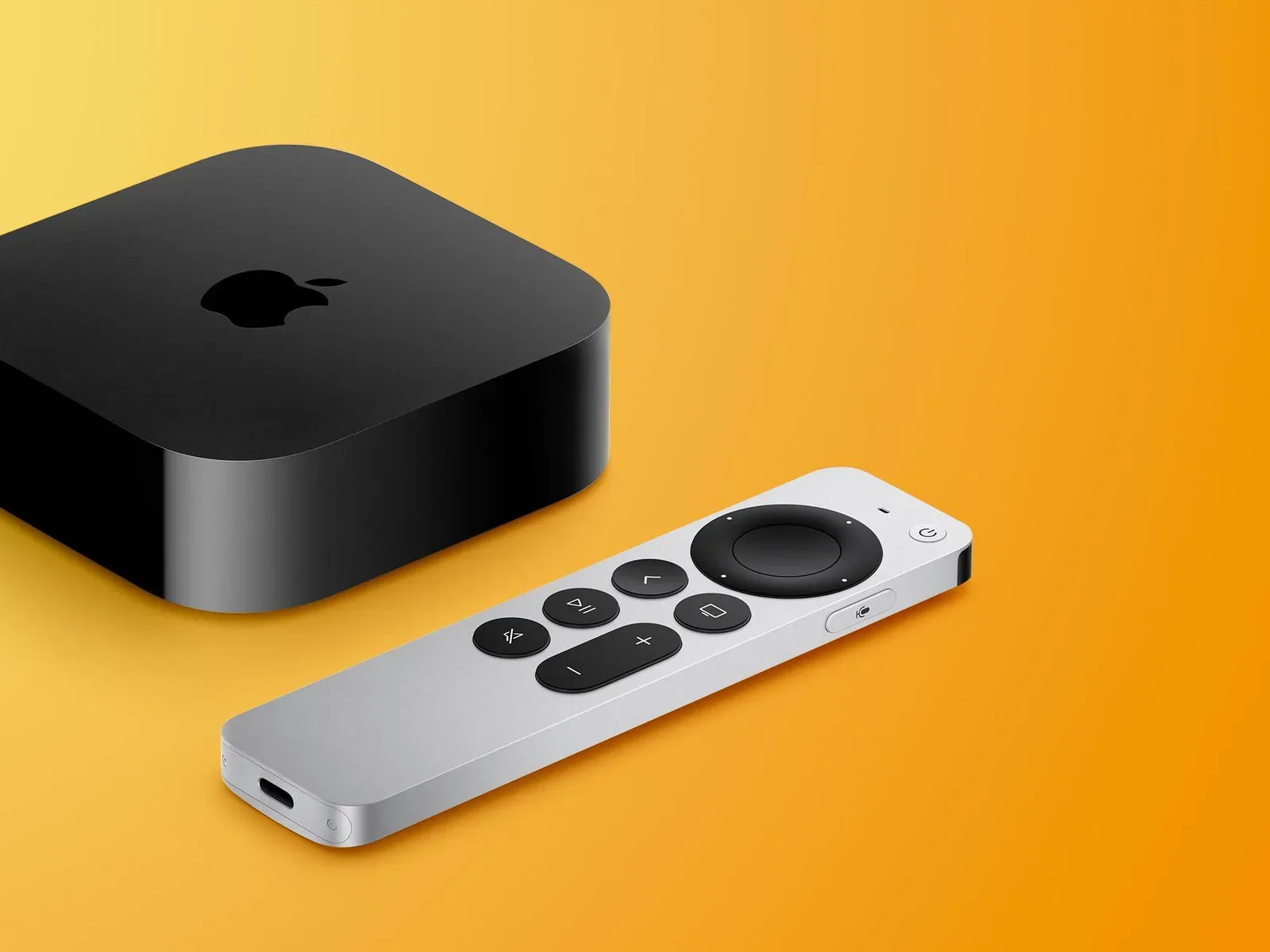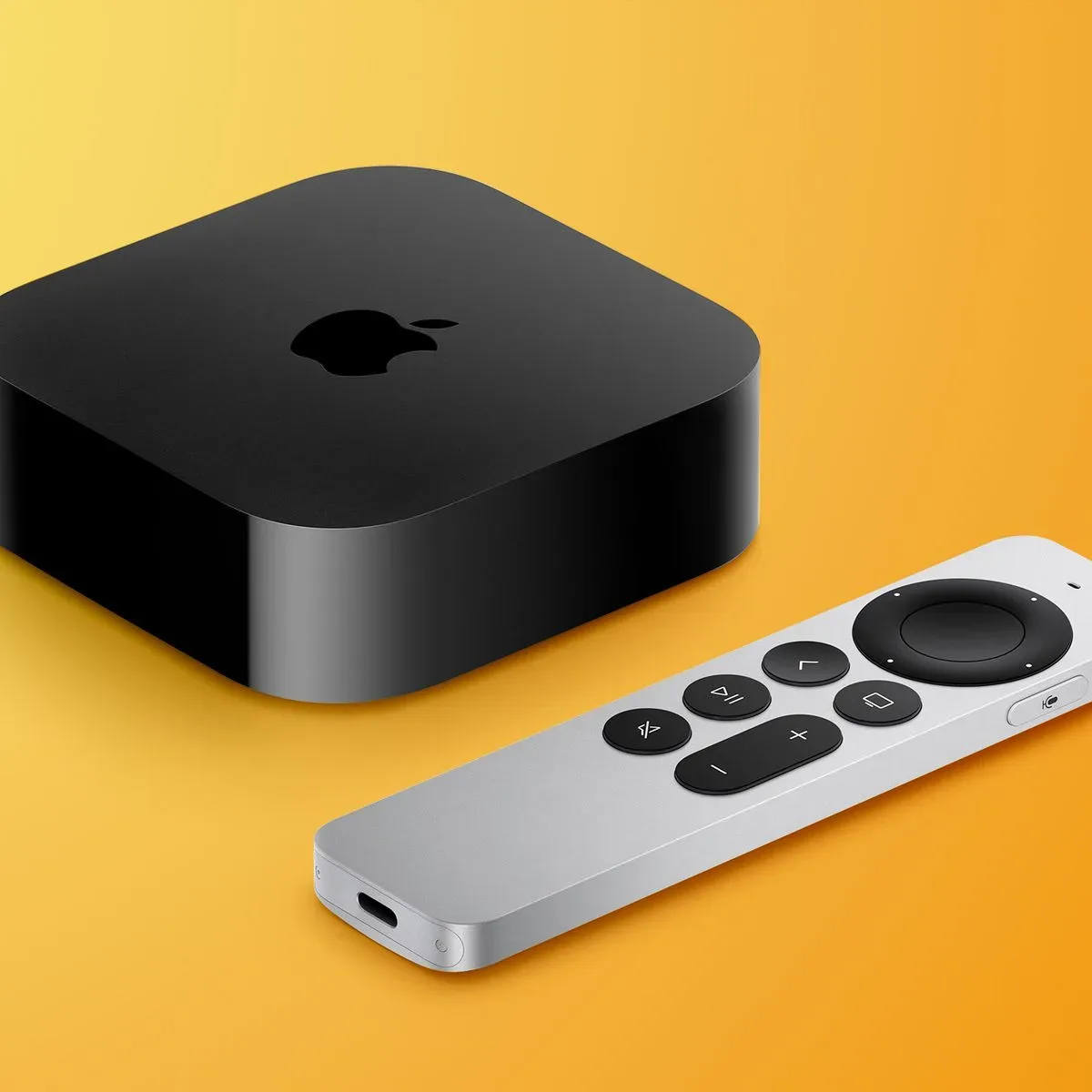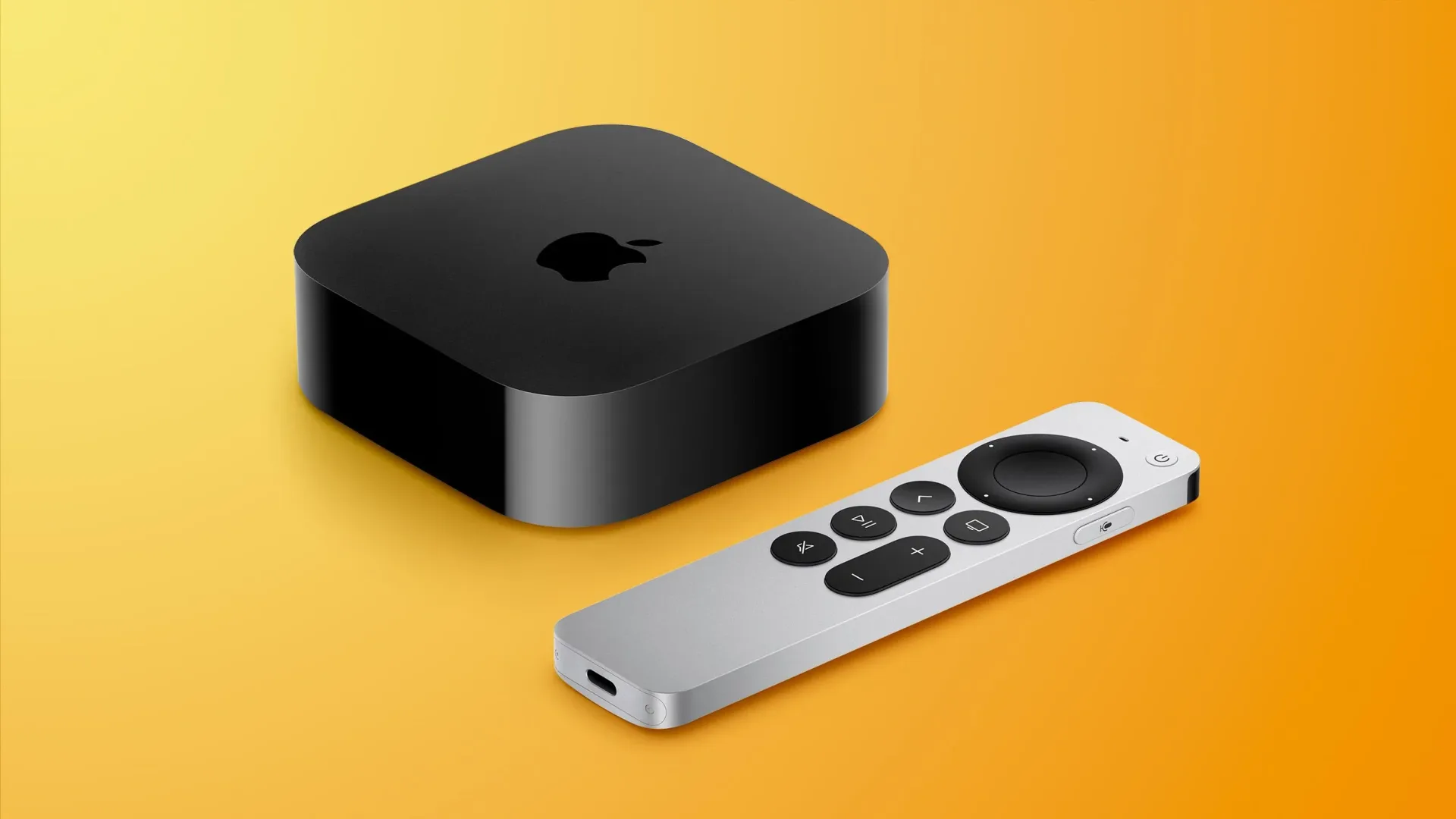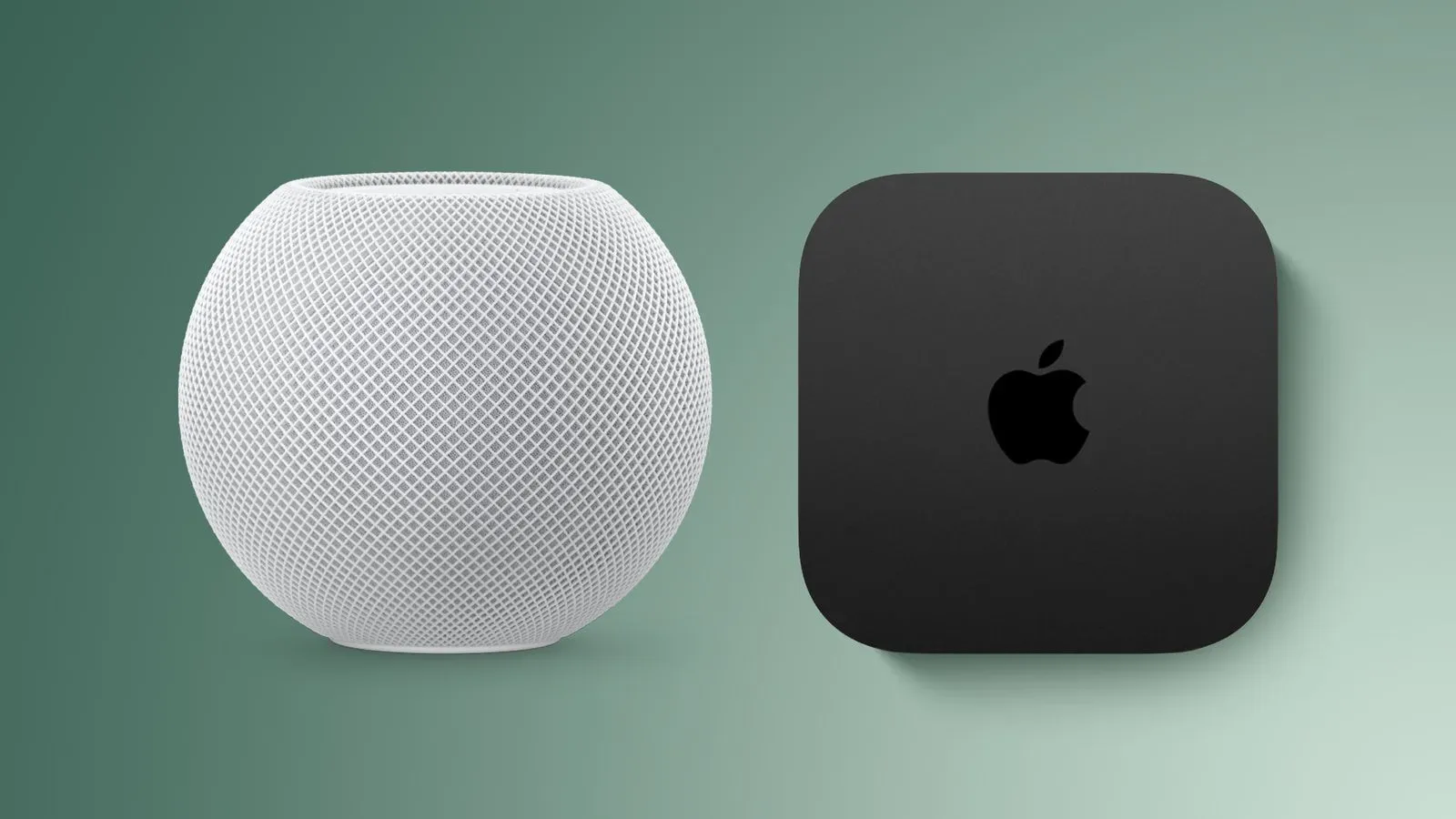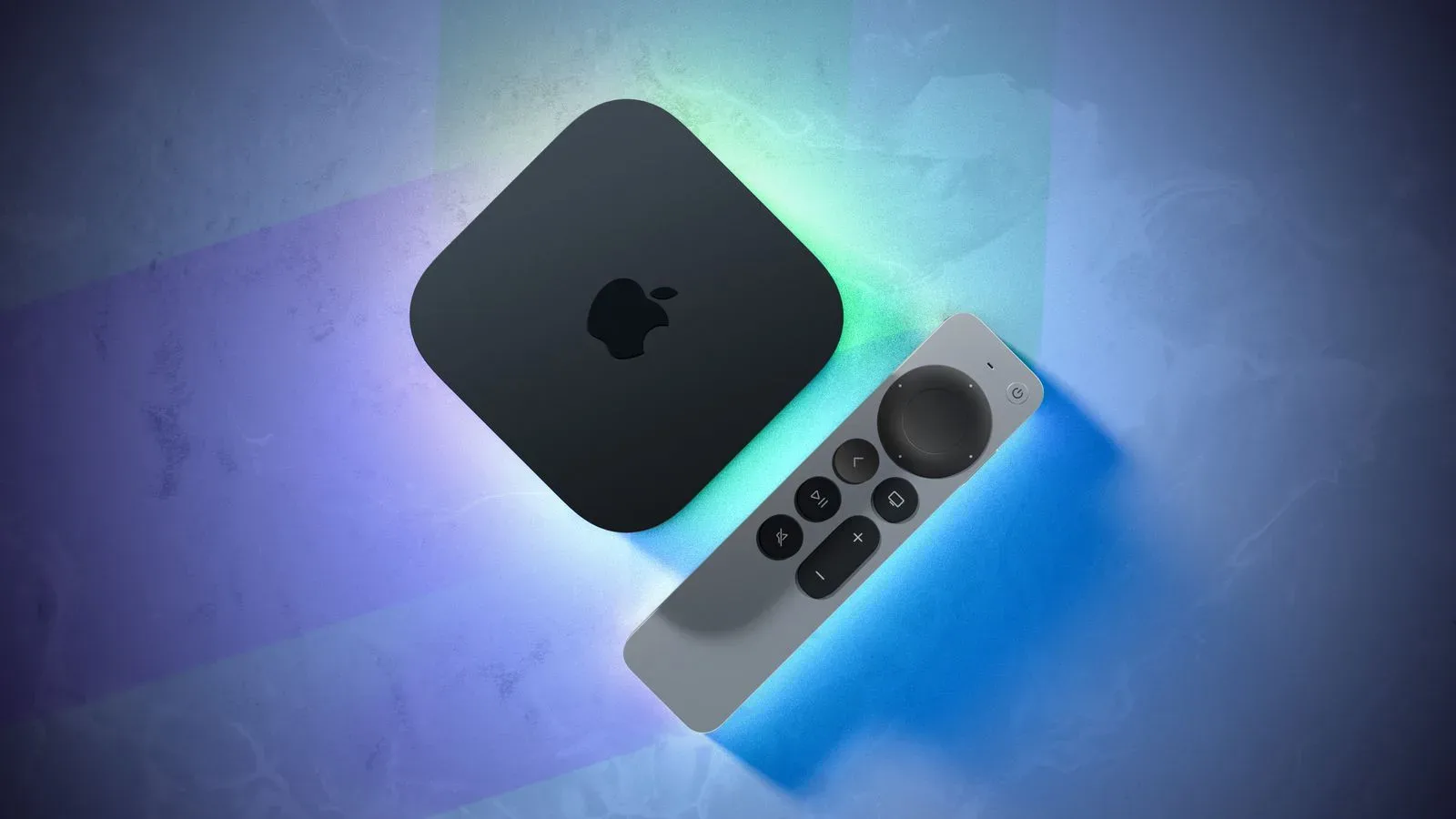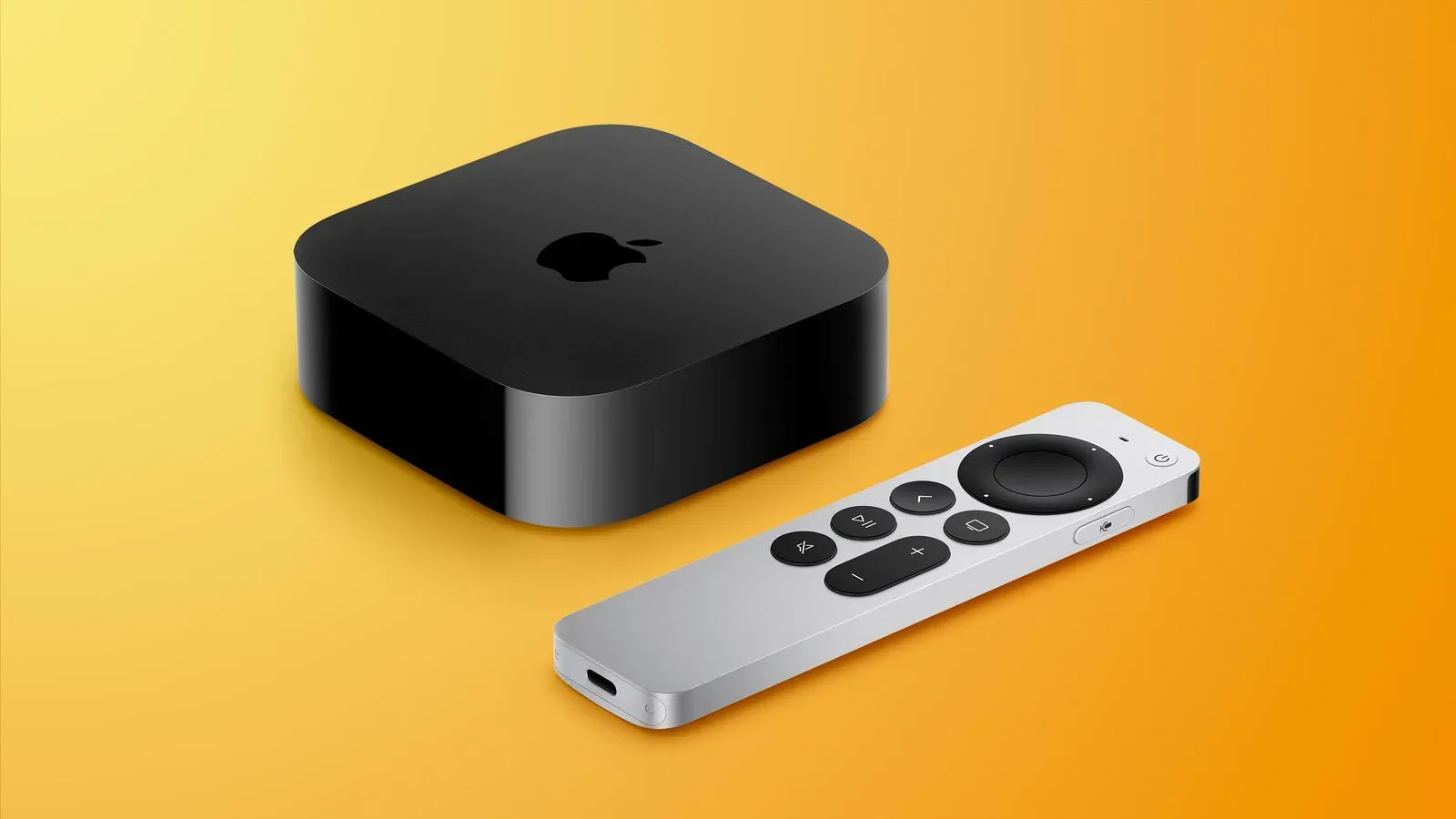
The next Apple TV 4K is expected to receive a substantial processor update and a small but intensely practical remote-control change: an A19 chip is reportedly replacing the A15 used by the current 2022 Apple TV 4K, while a refreshed Siri Remote is said to add a speaker intended to help owners find it when it disappears into the usual sofa-cushion wilderness.
The new Apple TV 4K is expected to be unveiled at Tuesday’s “Welcome home” event and is planned to reach stores on October 30 alongside a new HomePod mini. Those are the central claims currently attached to the hardware refresh. One further possibility deserves a clear asterisk: Apple has reportedly tested microphones built into the Apple TV 4K itself for direct Siri queries, but testing does not establish that the feature will ship.
The confirmed-looking change versus the still-unsettled one
There are two notably different levels of certainty in the reported details. The chip change and the redesigned remote are presented as part of the incoming product. The built-in microphone capability is not. It has apparently been explored, but there is no confirmation that it will be included in the retail Apple TV 4K.
That distinction matters because the resulting experiences would be meaningfully different. A remote speaker would address a narrow, familiar problem: locating the controller. By contrast, microphones in the streaming box could enable Siri requests without holding the Siri Remote or relying on a paired HomePod. The latter would change how people interact with the device in a room, which makes it a much bigger feature to assume before it is formally detailed.
For now, prospective buyers should treat hands-free Siri on the Apple TV hardware as a possibility rather than a specification. The sensible expectation is the reported A19-based model and its easier-to-find remote; anything involving direct voice pickup from the box remains uncertain.
What an A19 upgrade means in plain terms
A chip, or system-on-a-chip, is the central silicon package that handles a device’s computing tasks. In a streaming box, that work can include navigating the interface, launching and running apps, processing video-related tasks, responding to remote input and supporting system features. Moving from the A15 in the 2022 Apple TV 4K to the standard A19 would therefore be an update to the component most responsible for the box’s underlying responsiveness and capability.
The report does not attach performance measurements, new video formats, gaming features, storage options or other technical specifications to the A19 change. It would be premature to infer any of those details. Nor is a chip name, on its own, a complete account of a streaming device’s day-to-day experience. Software, apps, television setup and network conditions all remain important.
Still, an updated processor is more consequential than a cosmetic revision. It gives Apple a newer hardware platform for the Apple TV 4K, rather than simply repackaging the 2022 model. For people who use the device as their main television interface, the update suggests the next model is intended to carry the product line forward at the platform level.
It may also matter to anyone deciding whether to buy the existing unit close to the anticipated event and October 30 store date. The present Apple TV 4K is identified as a 2022 model with an A15 chip; the reported replacement would move to A19. That is a straightforward generational difference even before Apple provides a fuller feature list.
A speaker in the remote is a modest idea with obvious appeal
Remote finders are not the glamorous part of home entertainment technology, but they solve an annoyingly persistent household failure state: the screen is ready, the streaming box is on hand, and the small controller has vanished somewhere within reach. A speaker in the refreshed Siri Remote would allow the remote itself to make a sound, making its location easier to identify.
The usefulness is immediate and legible. It does not require an explanation of a new interface, nor does it depend on a particular kind of television. It is simply a way to turn a search through cushions, blankets and furniture gaps into a quicker task.
That focus is worth noting. The Apple TV 4K is an entertainment hub, but many of the frictions around television use are physical rather than computational: finding the controller, getting audio at a comfortable level, or keeping the room setup simple enough that everyone can use it. The reported remote addition targets one of those basic frictions directly.
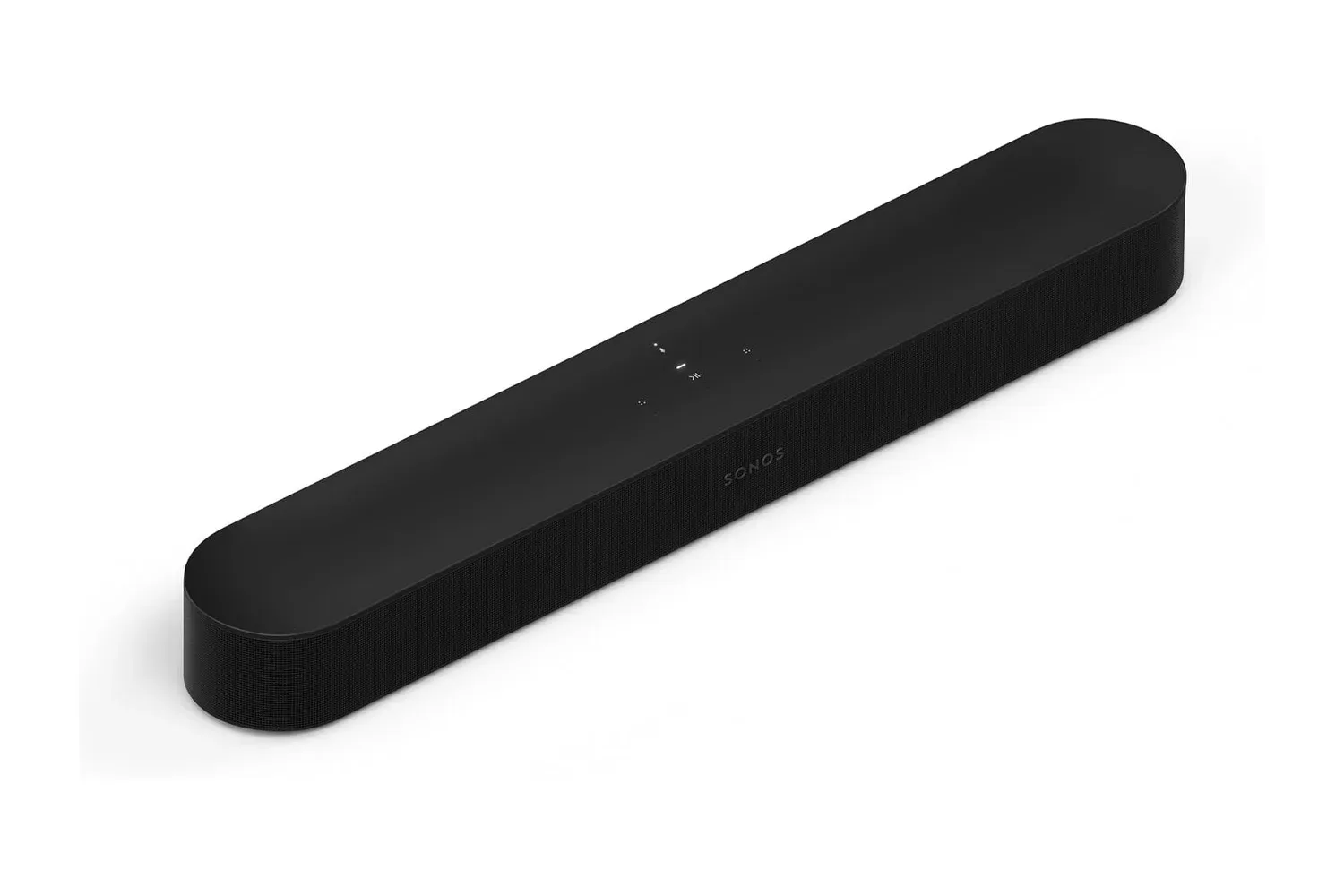
Audio remains a major consideration in any living-room setup, separate from the Apple TV hardware itself. Those weighing a streaming-box refresh against other upgrades may also want to consider the role of a compact Dolby Atmos soundbar; the Sonos Beam Gen 2 is covered here. The Apple TV report, however, does not claim any new audio capability for the forthcoming box.
Why built-in Siri microphones would be the larger shift
The current reported test is easy to describe but important not to overstate. Apple has apparently tested microphones inside the Apple TV 4K so users could ask Siri questions without the Siri Remote and without a paired HomePod. If that arrives, the Apple TV would be able to receive voice requests more directly from the room.
That would differ from a remote-based interaction, where the user needs the controller at hand, and from a HomePod-based setup, which relies on a separate paired speaker. It could reduce the number of steps between wanting information or a command and asking for it.
But “tested” is not equivalent to “announced,” “planned for launch,” or “shipping.” Product development often involves evaluating hardware and software possibilities that do not become final features. The available information does not establish whether built-in microphones will be present, how they would function, whether they would have particular privacy controls, or which requests they would support. Those questions should remain open until Apple provides product details.
What to watch for at the event
The event is expected to clarify whether the reported A19 processor and speaker-equipped Siri Remote form the complete headline of the Apple TV 4K update or whether Apple has more to disclose. The most useful details to look for are simple: confirmation of the chip, confirmation of the remote’s speaker and precise explanation of how a user triggers the remote-finding function.
It will also be important to see whether Apple says anything at all about microphones in the device. If the topic is absent, that would not prove the testing report false; it would merely leave the feature unconfirmed for this version. If it is included, Apple would need to explain the interaction model rather than leave audiences to fill in the gaps.
Beyond that, shoppers should avoid assuming unreported changes. There is no supplied information on price, dimensions, ports, storage configurations, new remote buttons, performance figures, video capabilities, release regions or bundled accessories. The practical information currently available is narrower: a newer A19 chip, a Siri Remote designed to be easier to locate, an expected unveiling Tuesday and an October 30 store arrival planned alongside the new HomePod mini.
The practical upgrade question
For owners of the 2022 Apple TV 4K, the A19 is the clearest reason to pay attention. It distinguishes the incoming model from the A15-based version at the heart of the current lineup. Whether that difference justifies replacing an existing box will depend on the final feature set and each household’s needs, neither of which can be fully judged from the reported information alone.
For buyers who do not yet own an Apple TV 4K, the timing is more straightforward. With an updated model expected imminently and a store date identified as October 30, waiting for Apple’s full presentation may be more informative than making assumptions from a partial report. That approach is especially sensible because the microphone feature remains unresolved and because the report provides no price comparison with the current model.
For everyone else, the remote may be the most relatable part of the story. A faster chip is the sort of improvement felt through the system over time. A remote that can call out from the couch may be the one feature users appreciate in the exact moment they need it.