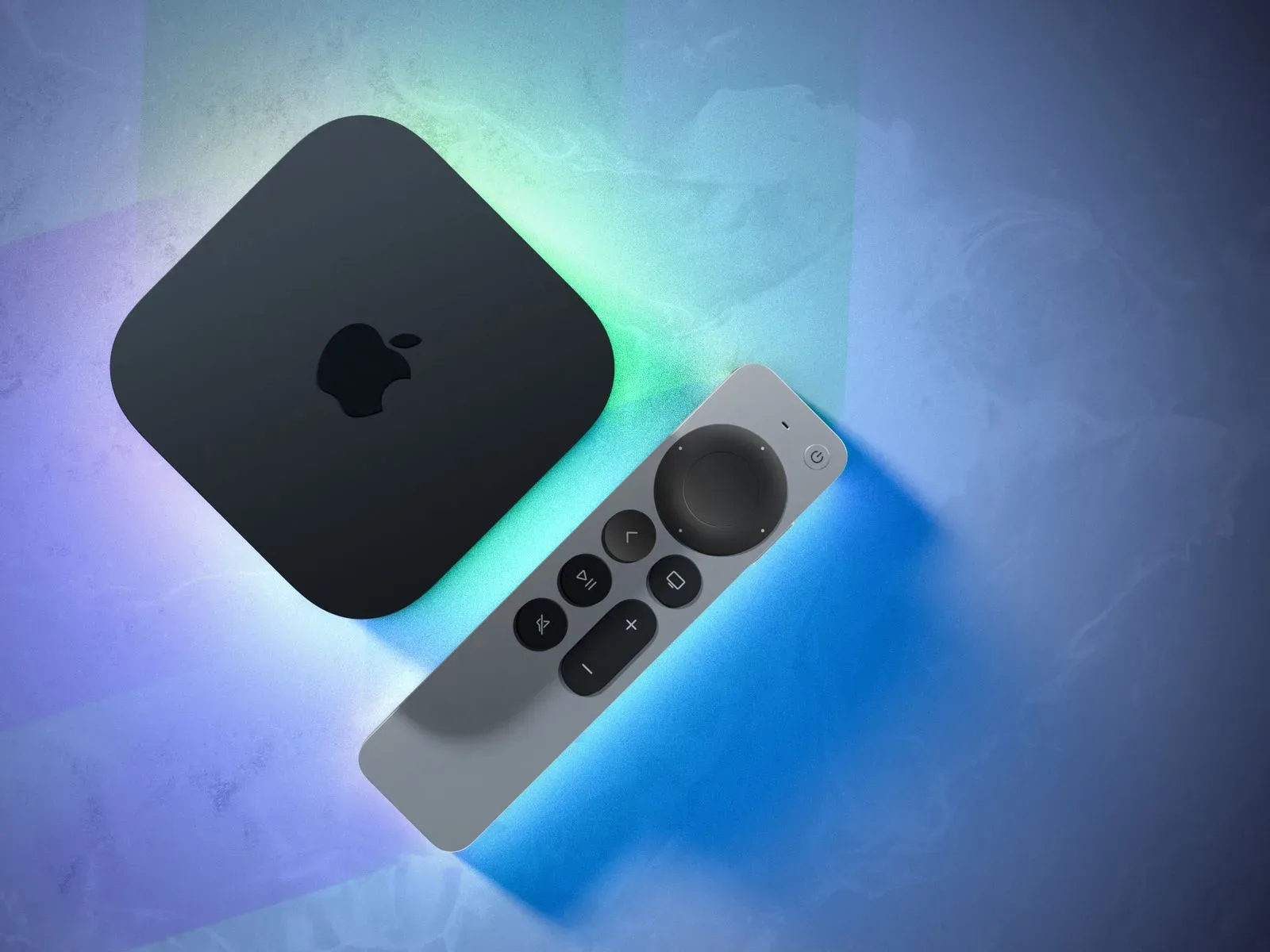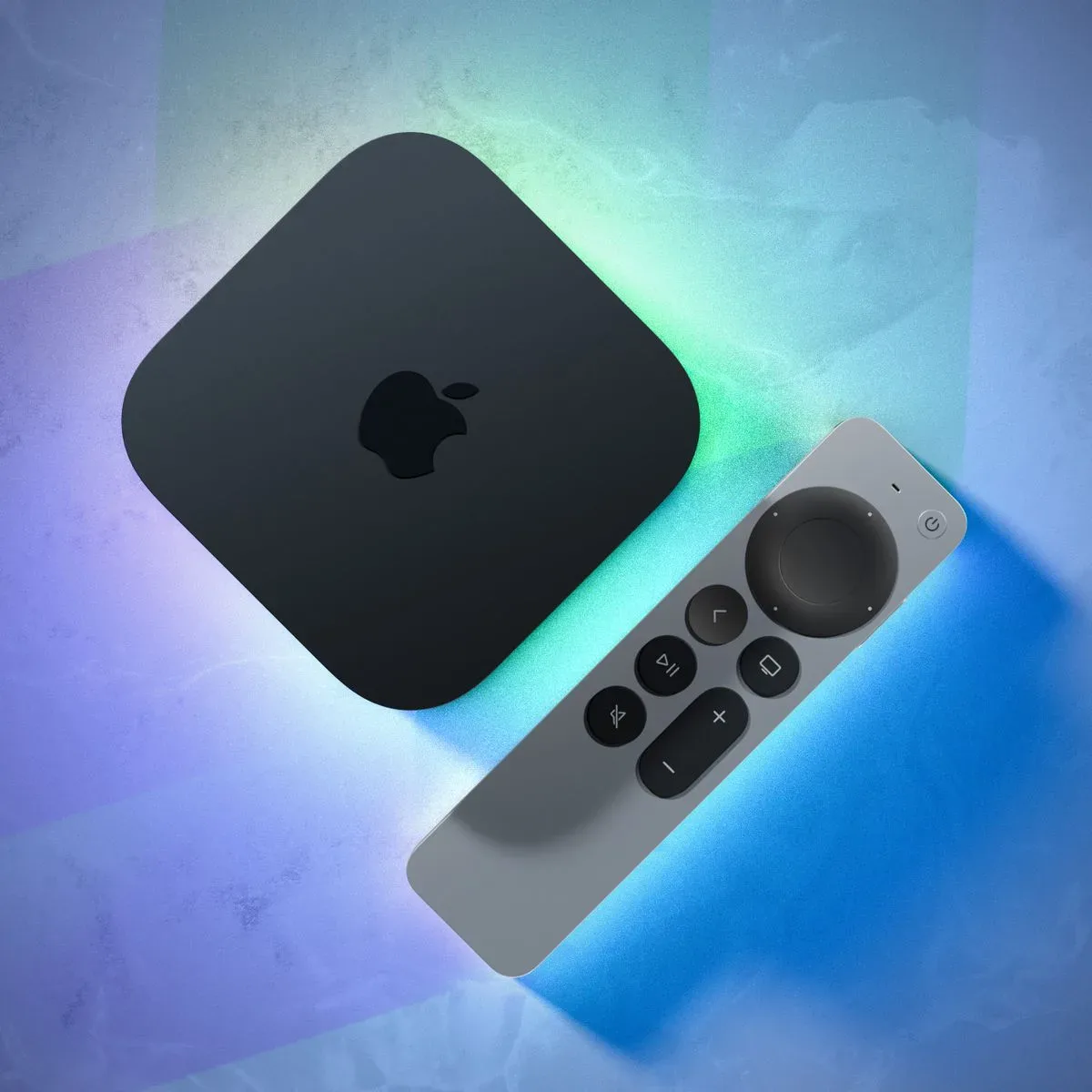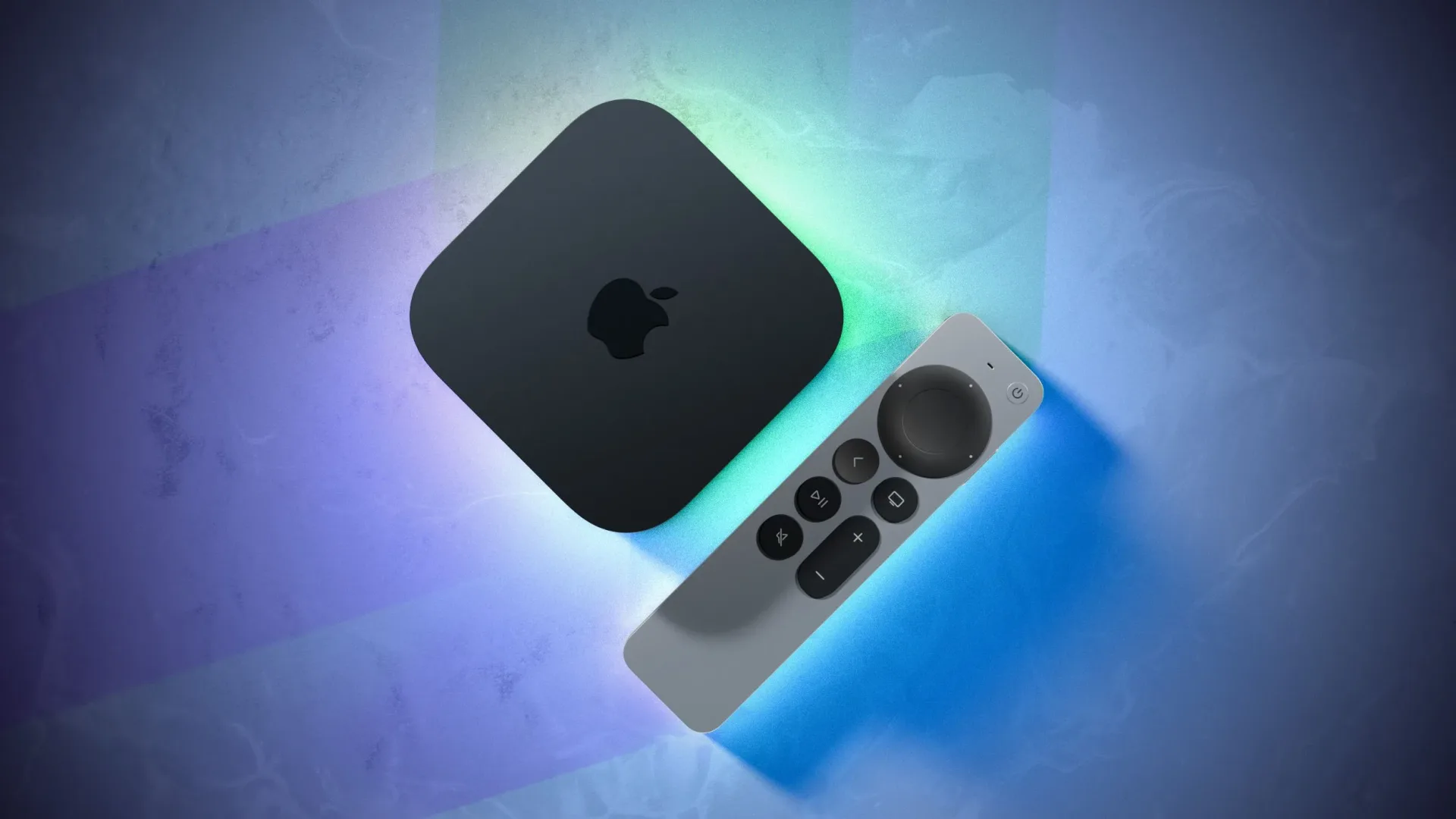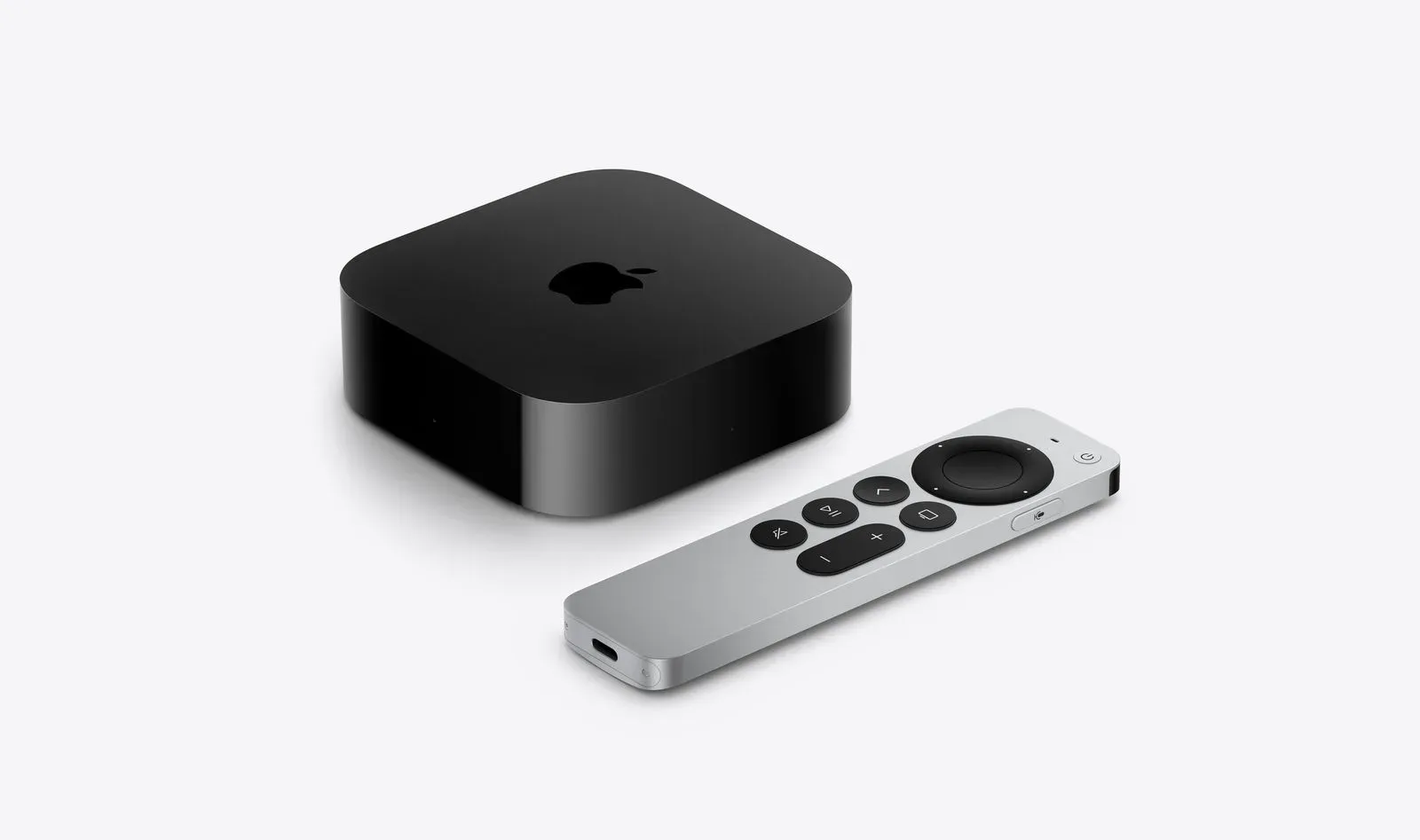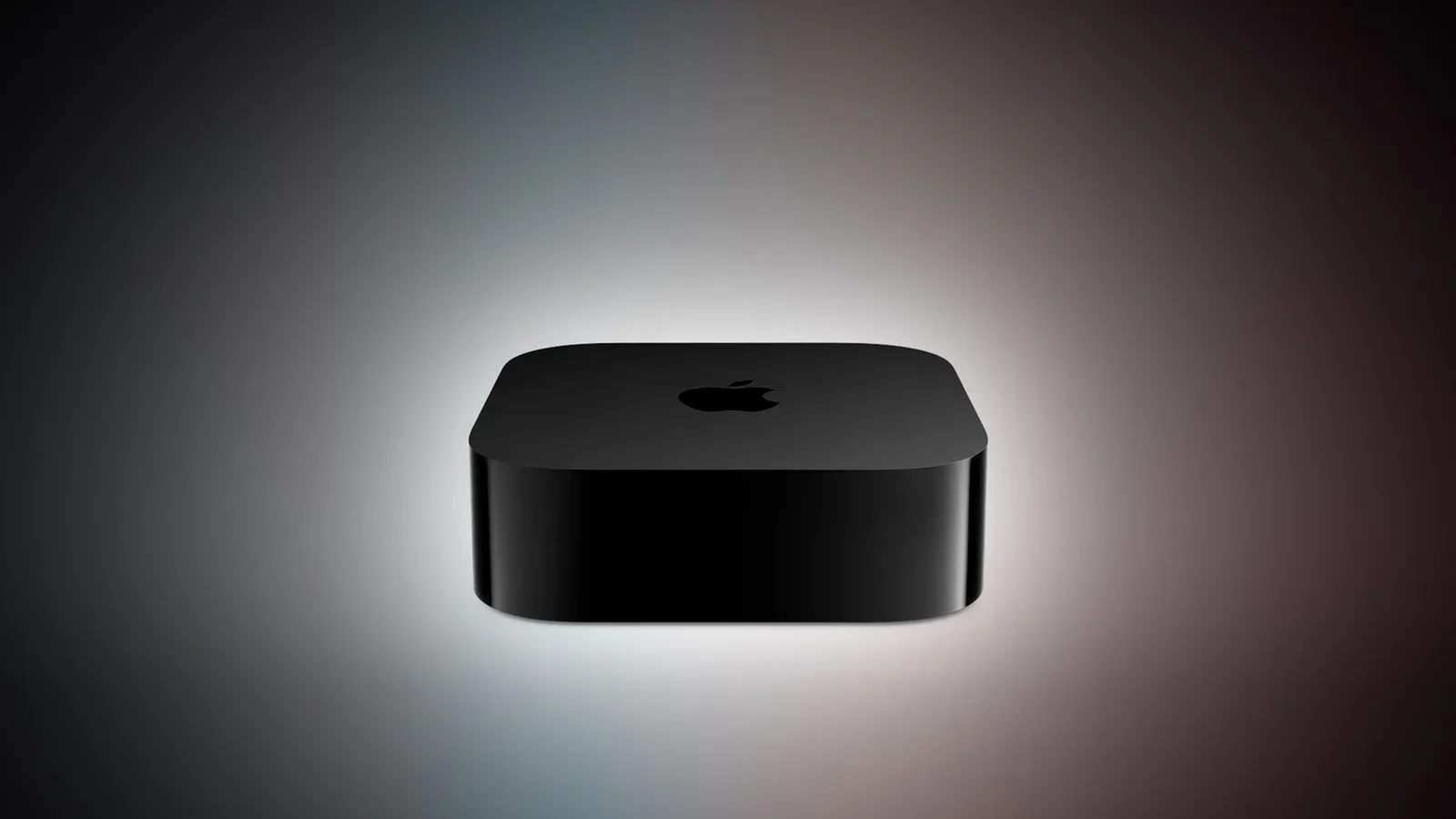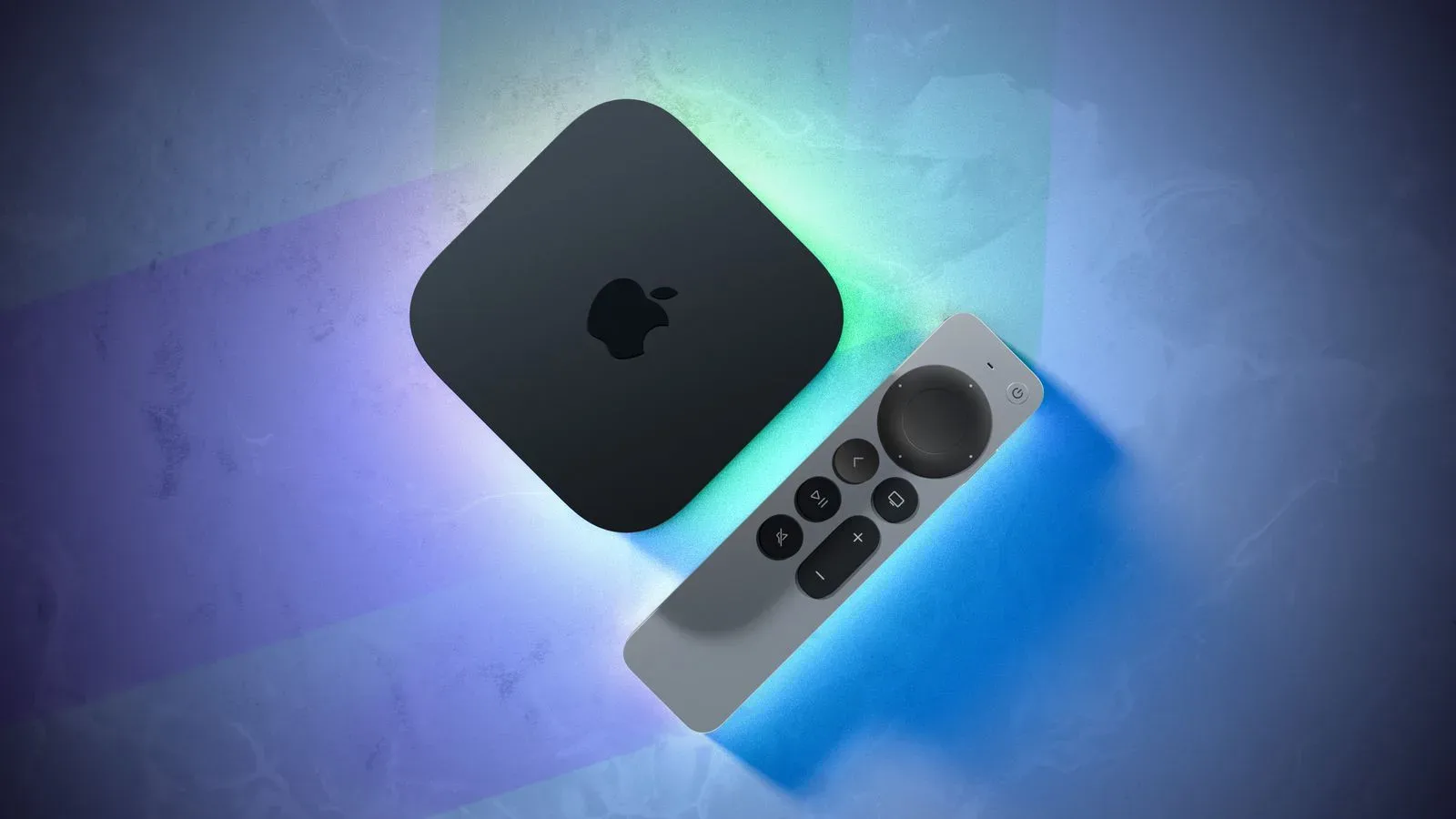
A future Apple TV 4K may be headed for a substantially newer processor generation. Evidence found in Apple code reportedly ties an unreleased Apple TV model identifier to the A19 family of chips, suggesting the streaming box could use either an A19 or A19 Pro processor rather than the A15 Bionic inside the current Apple TV 4K.
That is a meaningful possibility even before a product is official. The existing Apple TV 4K model arrived in 2022 with the A15 Bionic and 4GB of RAM. The newer device is rumored to move to 8GB or 12GB of memory, alongside possible Siri AI support, an Apple-designed N1 networking component with Wi-Fi 7 capability, and a refreshed Siri Remote.
None of those elements has been formally confirmed. The processor clue is code-based rather than a full product reveal, and the precise A19 variant, memory configuration, timing, price, regional availability, software features and final remote design remain unknown. Still, an A19-class Apple TV would point to a notably different hardware profile from the 2022 box.
What the code clue does and does not establish
Model identifiers can offer useful early signals about hardware that is still under wraps. In this case, the identifier is said to align with Apple’s A19-generation silicon. That supports the broad claim that the next Apple TV is being associated with the A19 family.
It does not settle whether the final retail unit will carry the standard A19 or the A19 Pro. It also does not establish clocks, graphics configuration, storage capacities, ports, case dimensions, HDMI specifications, Ethernet options, controller support, launch date, or how Apple might position the product among its wider living-room lineup.
That distinction matters because an Apple TV is not simply a phone processor placed beside a television. A set-top box needs to handle video playback, system navigation, apps, wireless connections and smart-home duties in a compact enclosure intended to run quietly over long periods. The presence of a newer chip generation would indicate fresh headroom, but it does not automatically tell us how Apple will use it.
Memory could be one of the bigger generational changes
The reported 8GB or 12GB RAM possibilities would represent a large increase over the 4GB in the 2022 Apple TV 4K. Even the lower rumored configuration would double the existing model’s memory; 12GB would triple it.
Memory is not a glamorous line on a streaming-box spec sheet, but it can shape how much room a device has for the operating system, apps, cached content and multitasking. More memory could also be especially relevant if Apple is preparing on-device features that require larger working space. That said, no specific performance behavior, app capability or AI workflow has been confirmed for a future Apple TV.
For owners of the 2022 model, the most responsible reading is simple: the rumored memory jump suggests a more ambitious target than a routine component refresh. It is not yet proof that everyday streaming will look radically different, nor is it a reason to assume current Apple TV hardware will lose software support.
Siri AI support remains a reported possibility
Siri AI support is among the other rumored upgrades. The phrasing is important. There is no confirmed feature list for a new Apple TV, and “Siri AI” could cover many different approaches, from improved request handling to deeper system assistance. Without an official description, claims about exactly what the assistant will do on a television would be premature.
Still, the pairing of a current-generation processor and higher memory estimate makes the idea easier to understand at a hardware level. Voice requests on a TV can concern movies, shows, apps, playback, music, smart-home devices and general information. A more capable underlying platform could give Apple more flexibility in how it develops those experiences.
The question is not only whether an assistant can answer more requests. It is whether those requests feel appropriate in a living room, where a remote must remain the fastest option for straightforward actions and where people may not want a voice feature to interrupt what is on screen. A revised Siri Remote, also rumored, could be part of a broader effort to tune that balance, although no design or control changes have been detailed.
Wi-Fi 7 and the reported N1 networking chip
The networking rumor is similarly notable. A future Apple TV is said to be in line for an Apple-designed N1 wireless networking chip with Wi-Fi 7 support. Wi-Fi 7 is a newer wireless standard, but the practical value of any support depends on the rest of the setup: a compatible router, local conditions, the quality of the connection and the services being used.
For a streaming device, network reliability often matters as much as headline bandwidth. Video services, cloud-connected apps, game streaming and smart-home communication can all place different demands on a home network. Wi-Fi 7 support could make a future model more forward-looking, but no claim can yet be made about its real-world throughput, range, latency or router compatibility.
The possibility of Apple-designed networking hardware is worth watching for another reason. It suggests Apple may be looking to control more of the underlying connectivity stack in the product. That is an interpretation of the reported component direction, not confirmation of a particular benefit for buyers. Only final technical specifications and software behavior would clarify what changes in practice.
Why this matters to gaming and media setups
Apple TV is principally a media device, yet its hardware choices can be relevant to players as well as viewers. tvOS supports games and controllers, while the box also sits at the center of displays, sound systems and networked home devices. Additional compute power, memory and newer wireless technology could potentially expand the platform’s flexibility over time.
Potential is the key word. The leak does not identify any new games, controller features, cloud gaming arrangements or exclusive services. It does not show that a next-generation Apple TV will be positioned as a console competitor. Instead, it indicates that Apple may be preparing a more capable version of a device that already occupies a space between streaming hardware, app platform and living-room hub.
That wider context also makes Apple’s continuing software work relevant. The company has recently addressed an iPhone update-download issue affecting iPhone 11 and later devices; our coverage of iOS 26.6.2’s cellular download fix is a reminder that software maintenance and hardware direction move in parallel across Apple’s ecosystem. It does not confirm anything about the next Apple TV, but it illustrates why product discussions cannot be reduced to chip names alone.
How to read the current Apple TV rumor picture
- Most concrete indication: an unreleased model identifier reportedly points toward the A19 chip generation.
- Still unresolved: whether Apple would use A19 or A19 Pro silicon.
- Reported memory range: 8GB or 12GB, compared with 4GB in the 2022 Apple TV 4K.
- Other rumored upgrades: Siri AI support, an N1 wireless chip with Wi-Fi 7 support, and a revised Siri Remote.
- Not established: release timing, price, storage tiers, ports, final design, detailed features and actual performance.
For now, the evidence points toward an Apple TV refresh with more modern silicon at its core and several possible supporting upgrades around it. The leap from A15 Bionic to the A19 generation, if it reaches the final product, would be the headline change. The memory, networking and input rumors are what could determine whether the finished device feels like a straightforward streaming-box update or a more significant new foundation for tvOS.
Until Apple provides official details, the sensible approach is to separate the code signal from the broader rumor list. There is a credible indication of A19-family hardware, while the remainder should be treated as plausible but unverified pieces of an incomplete picture.