

 Andrew GarfieldPloughman
 Jamie BellJohn Ball
 Stephen DillaneArchbishop Sudbury
 Woody NormanKing Richard II
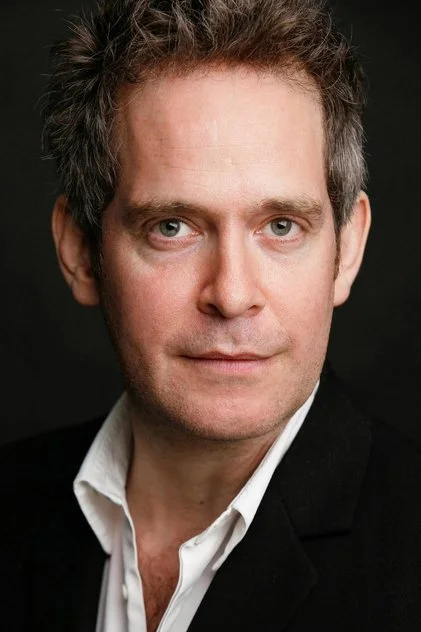 Tom HollanderTreasurer Hales
 Cosmo JarvisWat Tyler
 Thomasin McKenzieAlyce
 Jonny Lee MillerMayor Walworth
 Katherine WaterstonCountess
 Stanley TownsendChief Justice Bealknap
 Sky YangScribe
 Dónal FinnVillage Priest
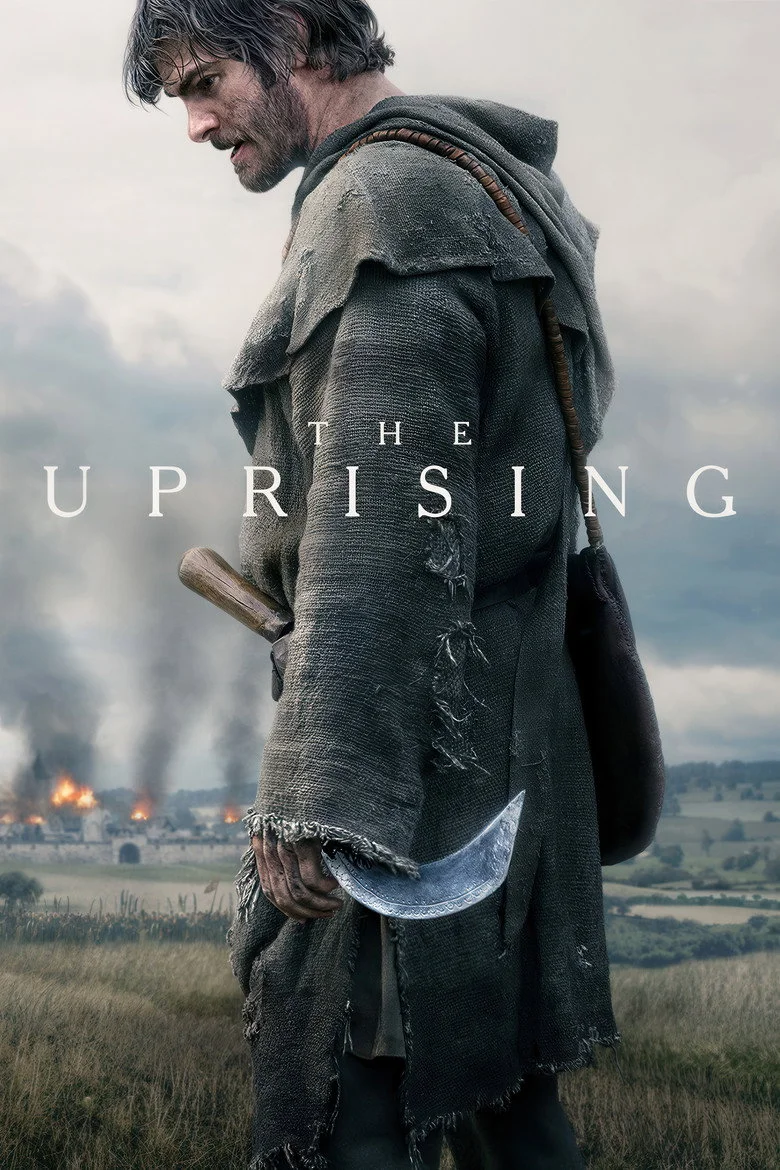
The Uprising turns a 14th-century English rebellion into a drama of pressure, movement and moral instability. Set in 1381, the film follows a peasantry pushed toward revolt by punishing royal taxation after the Black Plague. Paul Greengrass approaches that upheaval with an urgent, naturalistic style, making the period setting feel less like sealed-off heritage drama than a live wire. The result is intense and frequently violent, but its force comes from more than spectacle: the film keeps asking what happens when a legitimate grievance becomes a collective appetite for retribution.
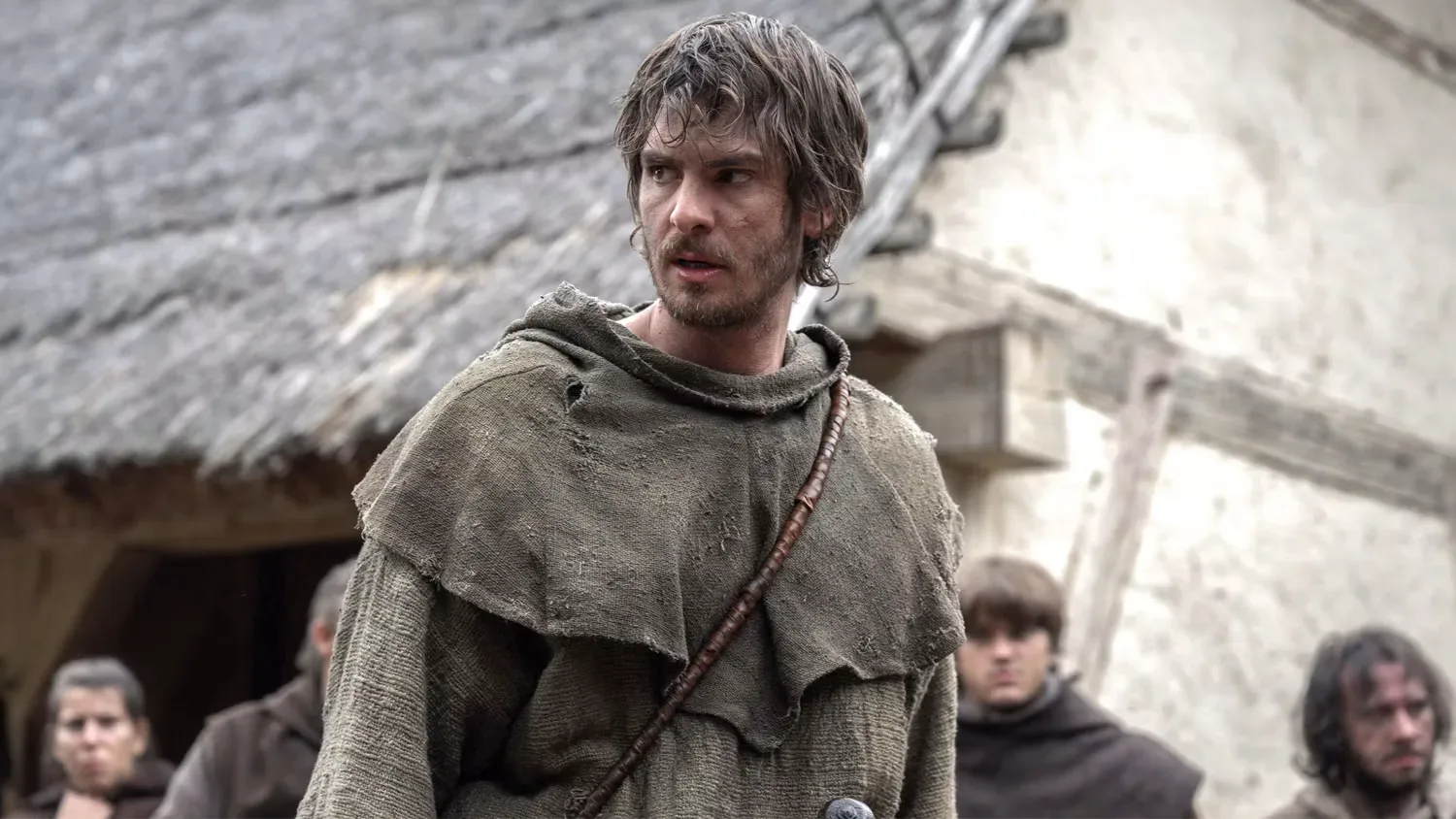
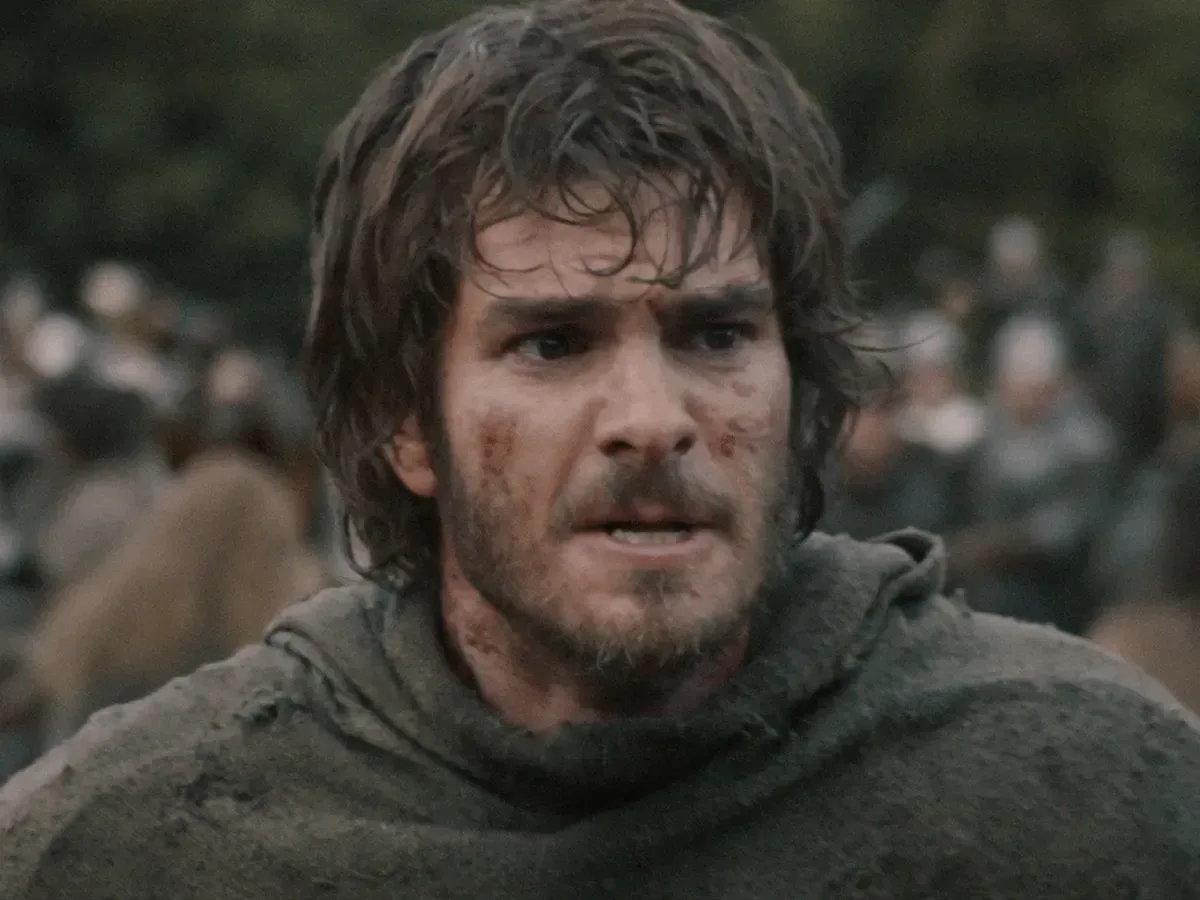
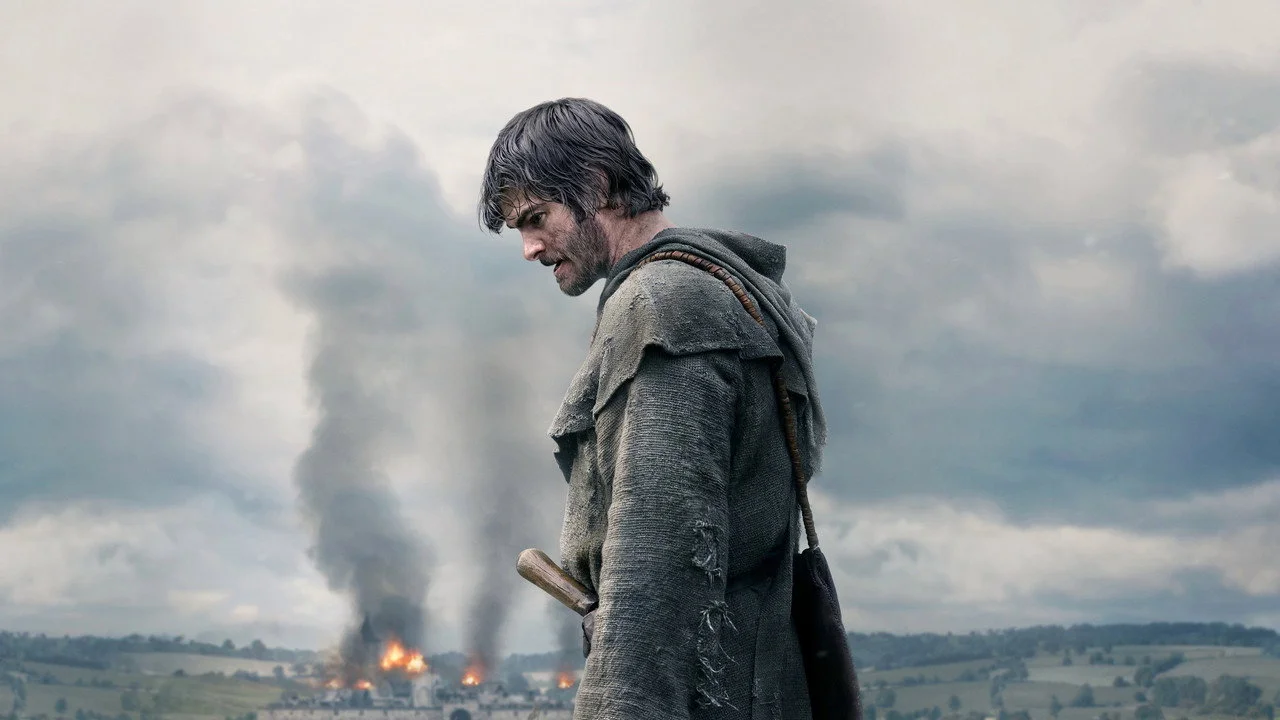
Andrew Garfield is at the centre as Ploughman, an oppressed man in mourning who becomes a symbol for the uprising. The name invokes Piers Plowman, but the film’s interest is not in polishing him into a simple folk hero. Ploughman carries a sickle and an enormous burden, yet his anger is rooted in long-lived pain rather than uncomplicated righteousness. Garfield gives that pain a physical presence. His performance suggests a man whose grief has become inseparable from his speech, his posture and his choices, even as he tries to understand what kind of leader he has become.
That makes Ploughman a compelling anchor for a story built on mass action. He leads, but he is also pulled along by an event growing beyond any one person’s control. The film presents a revolt in which individuals can demand redress while the crowd as a whole veers toward vengeance. Garfield’s work appears especially valuable in keeping the character’s interior conflict visible amid the noise. Ploughman’s wrath does not read as an abstract political pose; it is tied to mourning, responsibility and an uneasy examination of motive.
A revolt with momentum and friction
Greengrass brings the controlled chaos associated with his filmmaking to the march on London. The storytelling accelerates swiftly, tracking the spread of Ploughman’s defiance and the way it inspires other figures to organize. Cosmo Jarvis plays Wat Tyler, described as a conscientious rebel, while Jamie Bell’s preacher John Ball gives the movement another fiery voice. Their presence broadens the revolt beyond its central symbol, indicating that this is not a one-man crusade but a gathering of overlapping convictions and competing temperaments.
That distinction matters. The uprising’s grievances are specific and political, but its participants retain religious deference toward King Richard II. In interpretive terms, the tension between radical action and reverence gives the film an unusually unstable moral terrain. It resists a modern shorthand in which the oppressed are automatically unified, or in which removing the powerful offers a clean solution. These rebels are driven by real injustice, but their demands and their bloodlust do not always point in the same direction.
Greengrass and editor William Goldenberg reportedly find room for both the scale of the mob and the people trying to steer, survive or contain it. That balance is a substantial craft achievement for this kind of historical drama. A film can make a crowd impressive without making it meaningful; it can also retreat into individual psychology until the historical event loses force. The Uprising instead treats the masses as an active, shifting presence while returning to figureheads and observers whose reactions register the stakes.
The approach gives the film a propulsive rhythm. Eruptive set-pieces drive its early force, then negotiations take on their own suspense. This is not a story in which talk merely pauses the action. The bargaining scenes are presented as riveting precisely because they test principles under pressure: what justice demands, what revenge promises, and what each side is prepared to sacrifice. The film’s action consequently becomes more than an exercise in chaos. Violence and diplomacy both expose the distance between ideals and consequences.
History made immediate
Greengrass’ cinema-vérité sensibility is an intriguing fit for the medieval setting. Period dramas can lean toward formality or stiffness; here, the naturalistic lens reportedly strips away some of that distance. The historical details remain central—the taxes, the monarchy, the religious consciousness, the revolt—but the film’s volatility makes those elements feel immediate. Its concern with wealth, power and those forced to bear the cost of an economic order clearly resonates with contemporary class anxieties without requiring the setting to become a modern allegory in costume.
The film’s strongest thematic choice may be its refusal to separate justice and revenge too neatly. Alyce, played by Thomasin McKenzie, embodies this conflict in especially painful form. She is a rebel with a past that binds her to Ploughman, and her desire for recompense carries a sharper, more personal edge. Her presence complicates any comforting division between restrained protagonists and brutish extremists. The anger around her is understandable; the film’s discomfort arises from the question of what that anger authorizes.
This is where the religious framework becomes more than historical texture. Initially, an archaic moral outlook may feel distant to present-day viewers. Yet the film uses it to turn decisions into ethical and spiritual dilemmas rather than simple tactical calculations. A demand for justice can become a call for punishment. A gesture of mercy can feel like betrayal. A supposedly righteous victory can leave anguish behind. The drama’s alternating surges of catharsis and despair are therefore not simply tonal fluctuations; they reflect a story in which no release is entirely clean.
The film’s speed is one of its defining virtues, but it also shapes the viewing experience. It spirals ahead with abandon, favoring mounting crisis over leisurely historical explanation. For viewers seeking a sedate, encyclopedic account of the Peasants’ Revolt, that may feel severe. The available details instead suggest a film committed to immersion in the event’s instability: it wants the audience to feel how quickly defiance becomes momentum, and momentum becomes something terrifyingly difficult to direct.
Faces inside the crowd
Garfield’s Ploughman may be the movie’s magnetic fixture, but the supporting performances help the political conflict retain human texture. Woody Norman gives Richard II a haunted quality. The young king’s distressing dreams influence his choices—or failures to choose—while unscrupulous advisers maneuver around him. This framing does not ask for reverence toward the monarch, but it finds tragedy in his youth and compromised position. Katherine Waterston, as Richard’s principled mother, the Fair Maid of Kent, further supplies a counterweight within the royal world.
That sympathy is dramatically useful because it complicates the film’s reversals. If the court were composed only of faceless monsters, negotiations and changing loyalties would carry less charge. Norman’s performance makes Richard a figurehead who is both powerful and vulnerable, a king with devastating authority but limited command over those shaping his response. The film appears alert to the difference between a symbol of a system and the people operating within it.
Sky Yang’s nameless royal scribe offers another, quieter perspective. Dutybound to speak only when relaying the king’s words, the character conveys emotion through silence and reaction. In a film of thousands, this is a smartly modest detail: history is not only made by leaders and crowds, but also witnessed by those ordered to record or transmit power without owning it. The scribe’s expressive restraint provides a throughline amid increasing anarchy.
Greengrass reportedly relies on detailed reaction shots to connect the mounting mutiny and the royal response. That attention to faces is crucial. It turns broad historical forces into legible feelings—fear, grief, resolve, doubt—without shrinking the story into a private drama. The crowd may be immense, but the movie does not let scale erase individual ethical uncertainty.
A harsh, rewarding historical drama
The Uprising sounds most persuasive as a forceful, unflinching historical drama for viewers open to intensity. Its bloodshed, rapid escalation and unresolved anguish are not incidental decoration. They are integral to a vision of rebellion in which the demand to redistribute power carries both cathartic energy and profound danger. The film does not appear interested in reassuring its audience that anger is pure, that leaders fully control movements, or that suffering yields a satisfying moral accounting.
Its limitations are largely those of its chosen mode rather than signs of a lack of ambition. The pace is breathless, and the old religious consciousness can initially create distance for modern viewers. The story’s explosive momentum may leave less room for audiences who prefer a calmer, more explanatory historical approach. Yet the same choices give the film its distinct character: Greengrass turns formal period material into something volatile, immediate and emotionally bruising.
Garfield’s fierce, grief-stricken performance provides the essential point of connection, while the ensemble ensures that Ploughman’s revolt remains contested rather than sanctified. With Goldenberg’s balance between individuals and the larger movement, the film makes room for spectacle, negotiation, terror and reflection. It is a grim journey, but an absorbing one—less a tidy lesson about the past than a searching drama about what people do when injustice finally becomes intolerable.