
 John CenaSean
 Jessica BielAimee
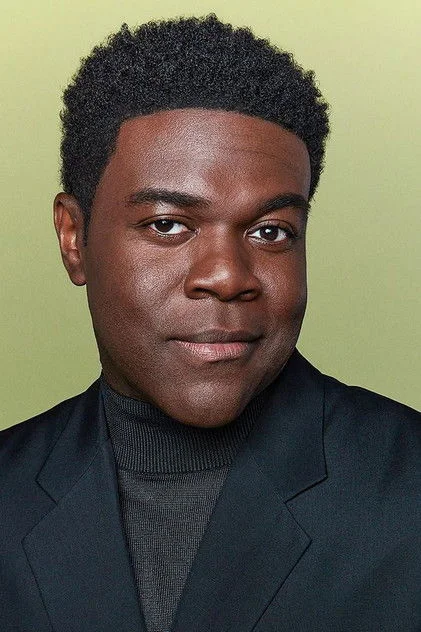 Sam RichardsonCrosby
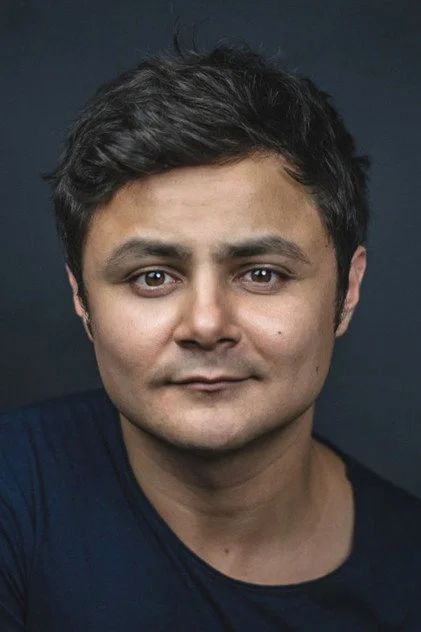 Arturo CastroTed
 Teyonah ParrisCharmaine
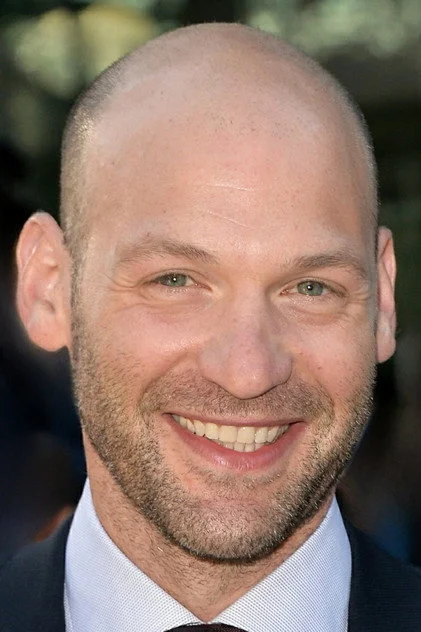 Corey StollMosier
 Bill CampSmalley
 Golshifteh FarahaniRobbie
 Danai GuriraHelen
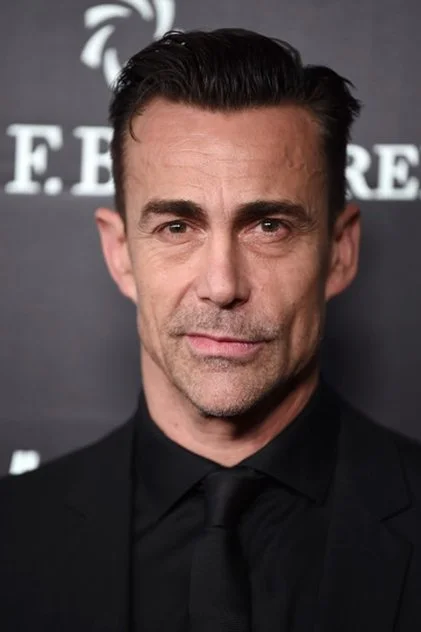 Daniel BernhardtFalko
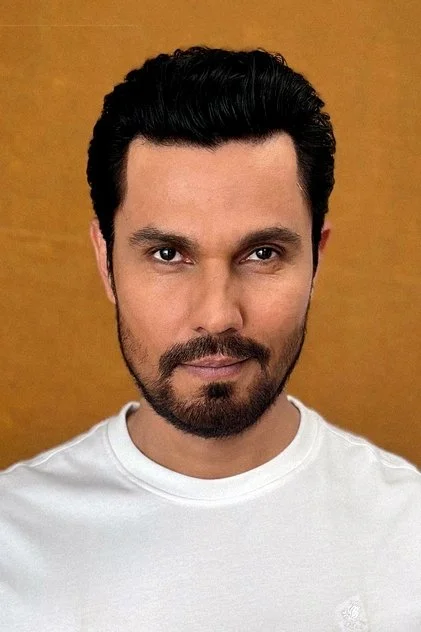 Randeep HoodaMustafa
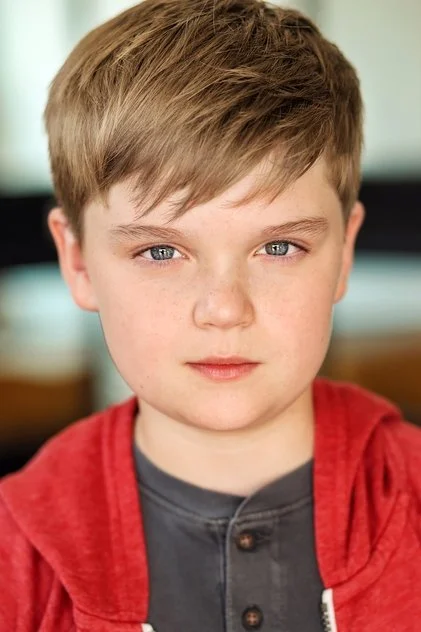 Graham HarveyYoung Sean
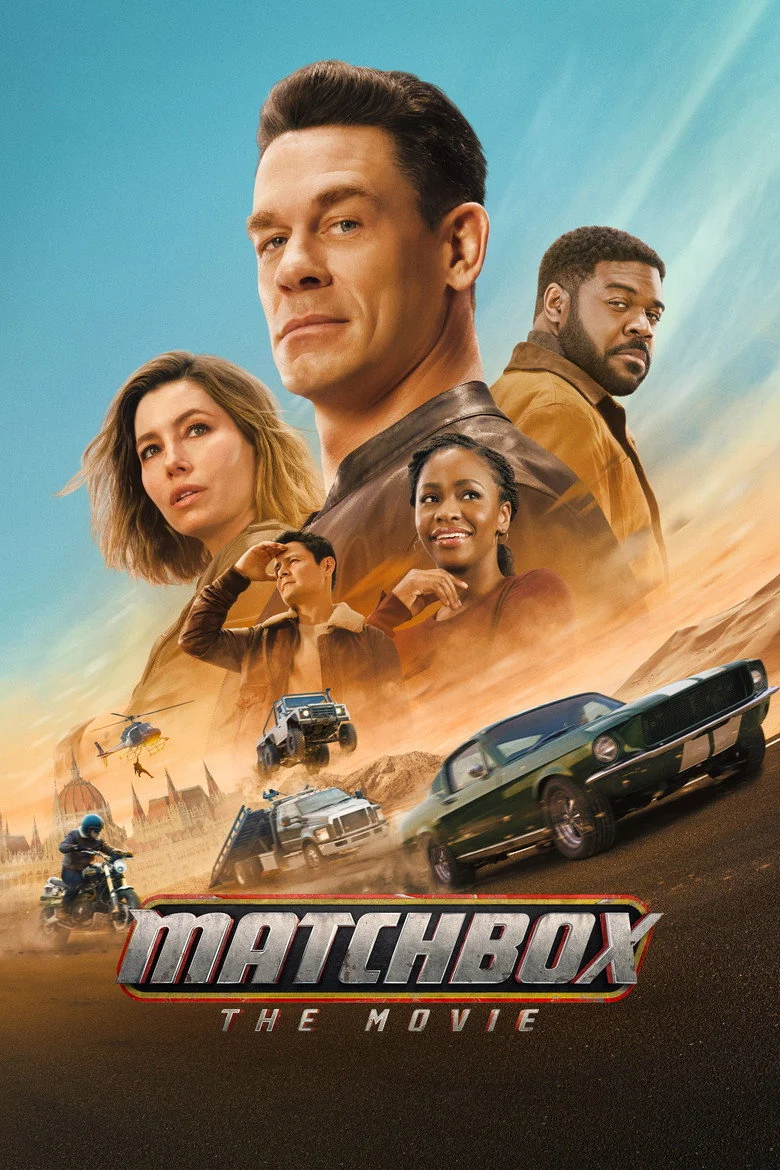
Matchbox: The Movie begins with a problem it never appears to solve: it has a product name but not a dramatically persuasive reason for that name to shape the film. A movie inspired by a toy line need not be a two-hour advertisement; the best versions find a human idea, a comic angle or a visual language inside the brand. Here, the Matchbox connection is introduced through childhood memory and a treasured miniature car, then repeatedly resurfaces as a reminder of an obligation rather than an engine for the story.
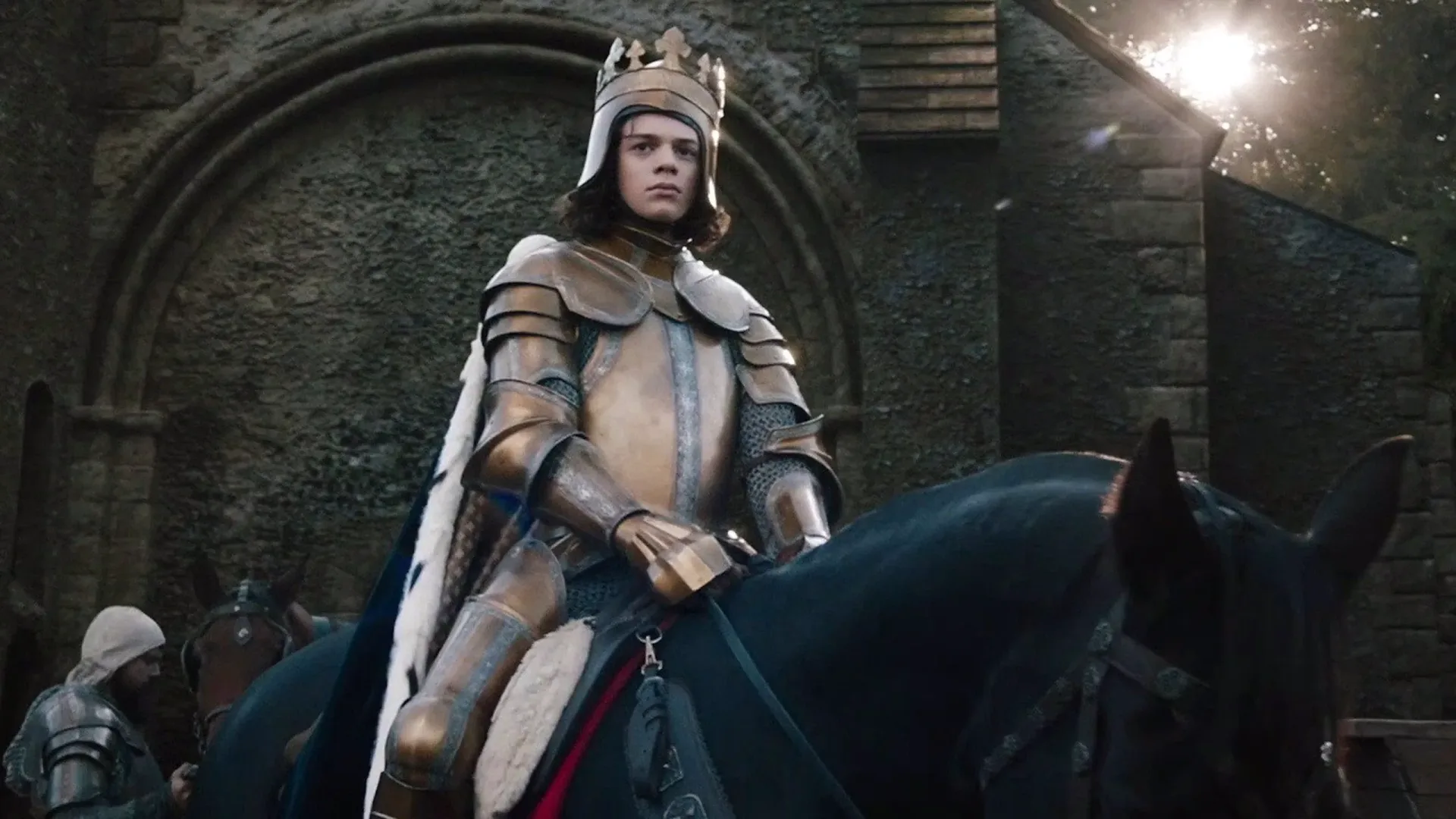
The opening situates young Sean in a small town that looks styled after the 1950s despite being set, at least ostensibly, in 1997. The aerial introduction has an artificial-looking quality that immediately makes this past feel less like a carefully built memory than a generic approximation of one. Sean has friends, a crush on Aimee, and a plan to give the car-obsessed Aimee a Matchbox version of her dream vehicle. Their mentor Smalley takes time to celebrate the virtues of the toy. Sean fails to hand over the gift and eventually moves away, establishing an unresolved romantic thread that the film will revisit nearly three decades later.
There is a workable emotional starting point in that setup. A small missed gesture can carry real weight when a story is interested in regret, the way people mythologise their hometown years, or the awkward distance between an adolescent fantasy and adult reality. Yet the premise is burdened by how directly it must sell the significance of the product. The early explanation of why Matchbox matters does not seem to emerge naturally from character or theme. It instead makes the branding unusually conspicuous before the narrative has earned any affection for it.
A toy-brand premise without a clear dramatic function
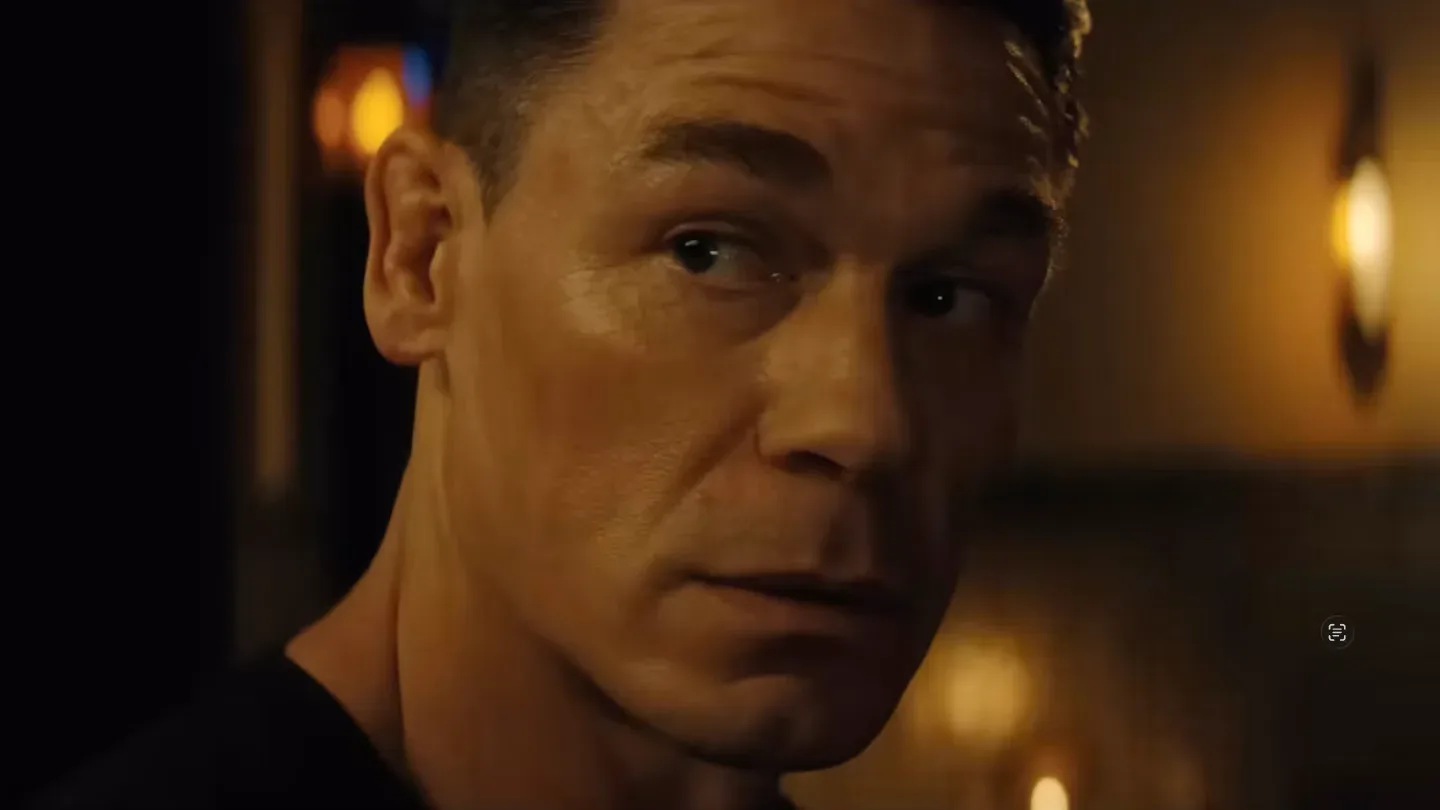
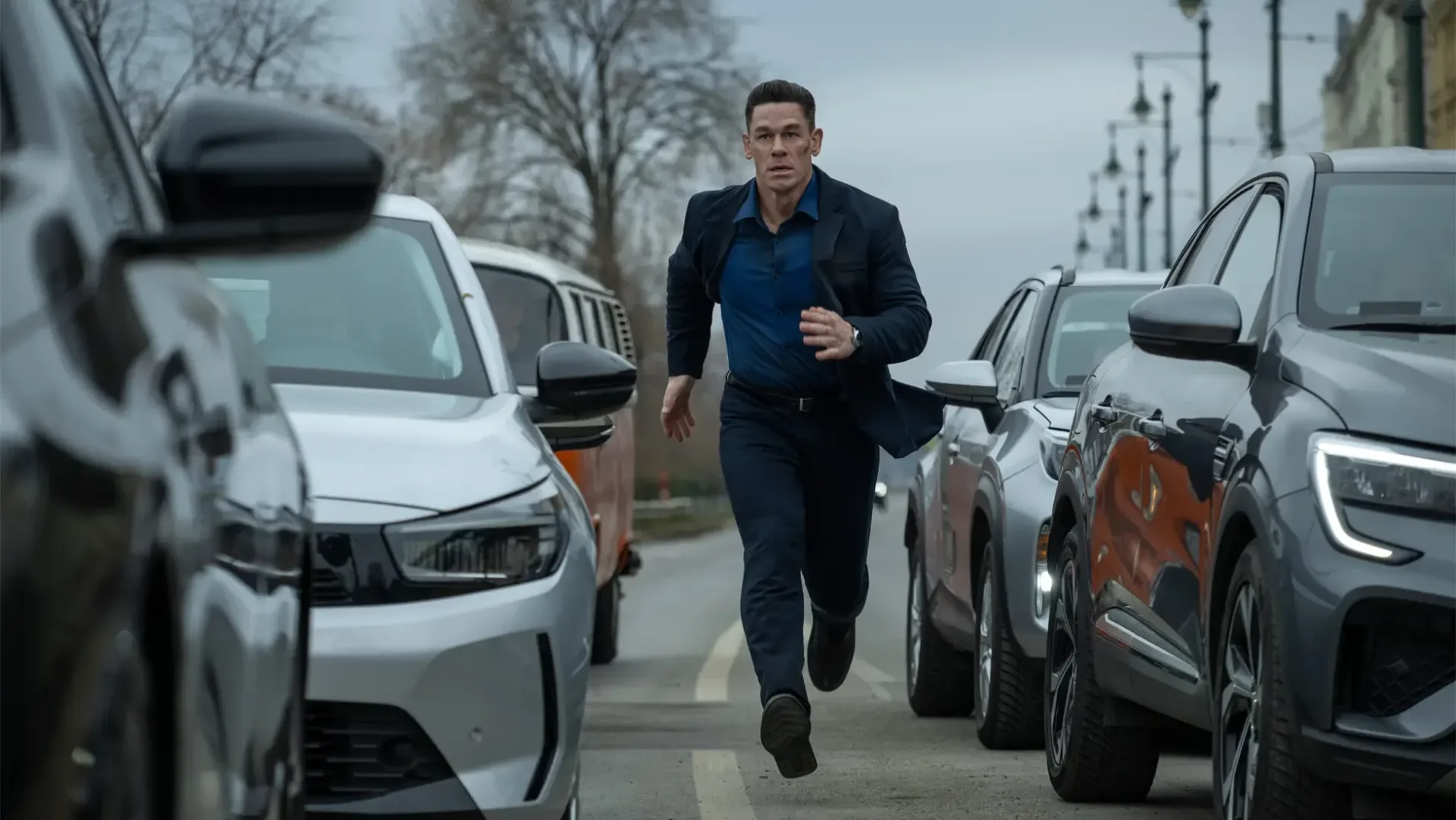
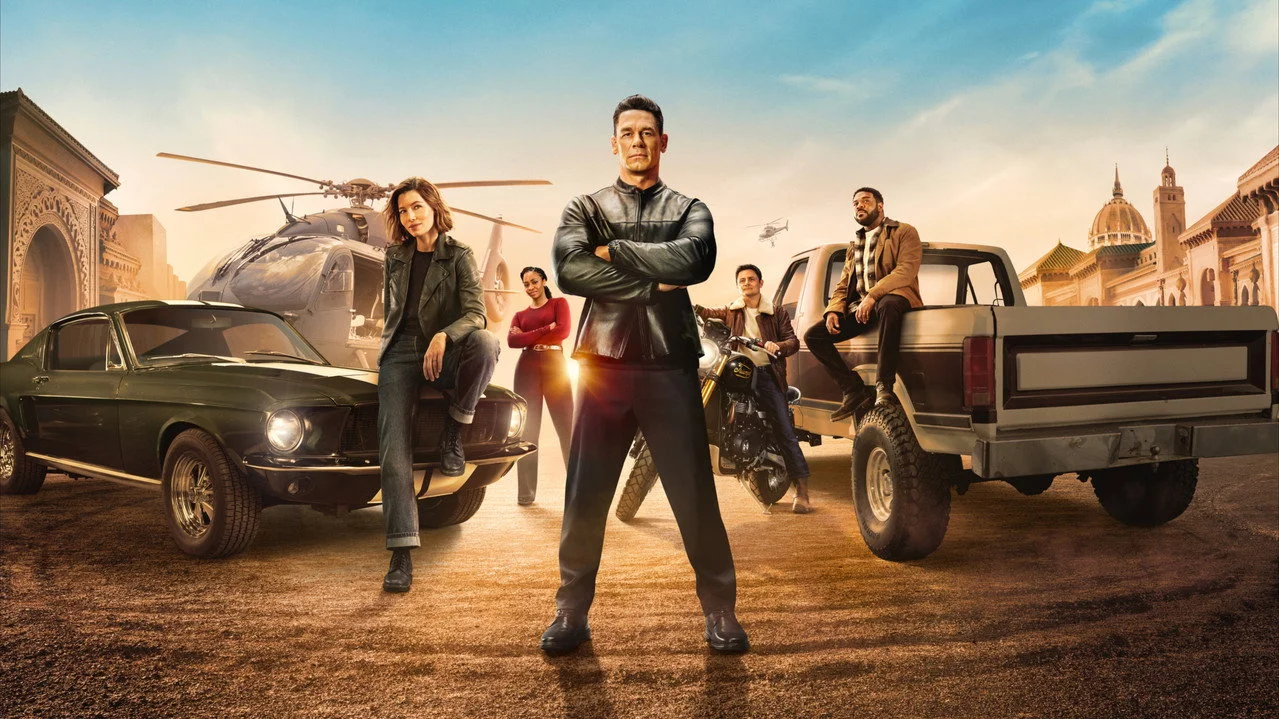
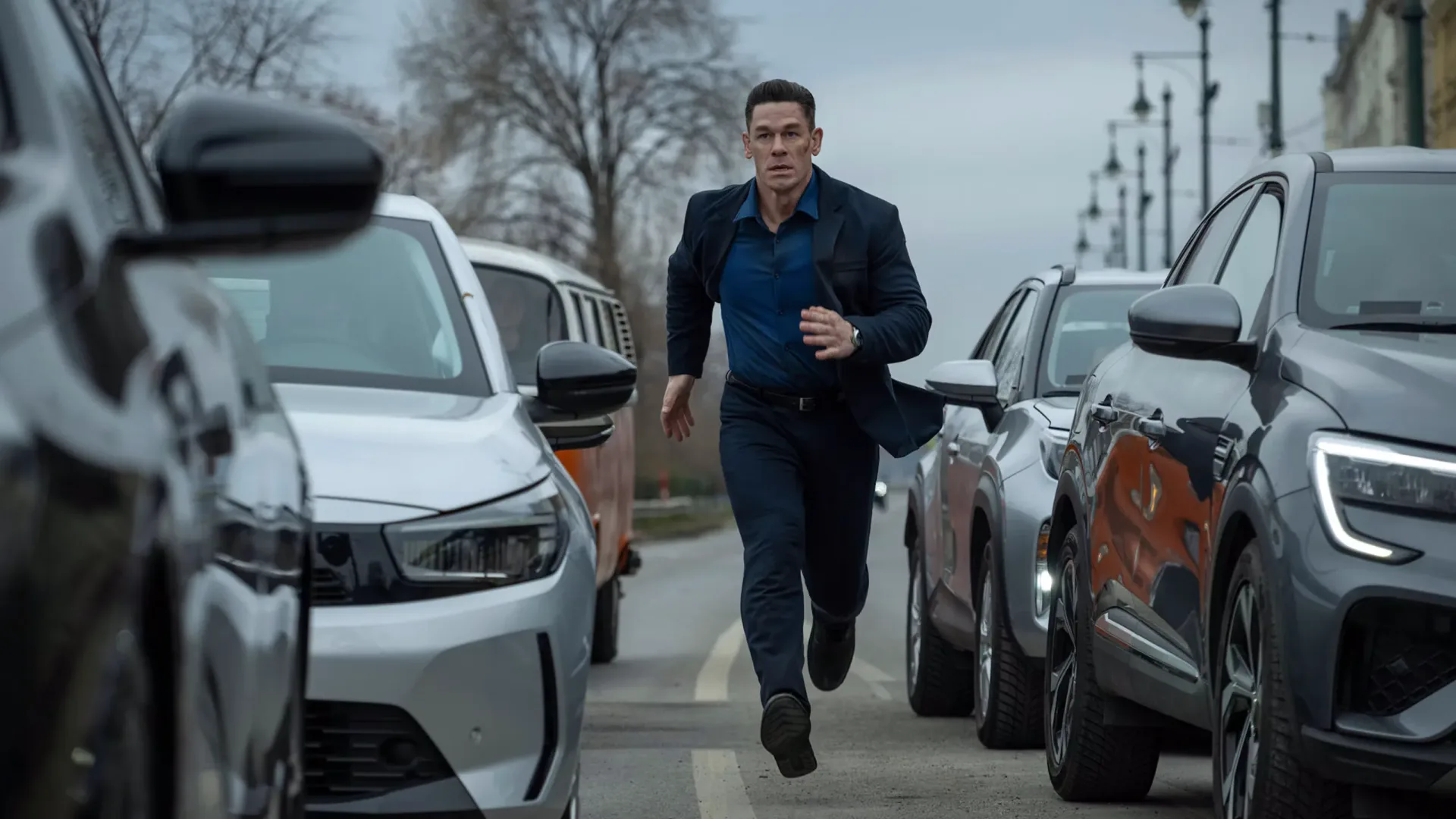
Adult Sean, now played by John Cena, is a superspy. Following a mission involving a lost nuclear warhead, he returns home for Smalley’s funeral and reconnects with Aimee, now played by Jessica Biel, along with old friends Ted, Crosby and Charmaine. Their reunion is interrupted when the group is abducted, the warhead disappears, and they become suspects who must locate it to clear their names.
That is an efficient high-concept framework: former friends are forced back together by a criminal conspiracy, while a romantic loose end gives the homecoming a personal dimension. It can support banter, resentments, reunion comedy and a chase-driven mystery. The limitation is not that this sort of action plot exists; it is that its relationship to Matchbox remains unclear. Real cars are occasionally driven, but the miniature vehicles never become a meaningful storytelling device, a distinctive source of action design, or a convincing lens on Sean and Aimee’s shared history.
As a result, the title’s periodic presence is less evocative than distracting. The film seems caught between two different projects: a broadly familiar action thriller about a missing nuclear weapon and a nostalgic brand adaptation about toys, cars and formative affection. Neither side appears to transform the other. The action premise could seemingly continue much the same without the Matchbox material, while the Matchbox material lacks the influence necessary to make the espionage plot feel tailored to it.
That disconnect also weakens the nostalgia. Nostalgia works best when it sharpens a particular feeling: the imagination contained in a toy box, a local ritual shared by children, the status of a beloved object, or the differences between what someone dreamed of and what adulthood delivered. The film supplies an old crush, an old group of friends and a childhood gift that was never given, but these elements do not generate a strong sense of connection. The 28-year leap becomes a piece of plot architecture rather than a source of accumulating emotional pressure.
Capable performers searching for chemistry
Cena has the kind of screen persona that ought to be useful for this material. A superspy still hung up on a teenage crush is inherently comic, and the contrast between polished action-hero competence and emotional arrested development offers room for self-aware humour. The film does allow Cena and the ensemble a handful of laughs. That is a genuine, if limited, asset: the cast is not inert, and the comedy suggests an awareness that the central setup could have had a lighter, more playful pulse.
But scattered laughs are not the same as ensemble chemistry. Sean’s return puts him in contact with people who should have a dense web of shared past—Aimee, Ted, Crosby and Charmaine—yet the group dynamic apparently never develops the sense of rapport that would turn a forced team-up into a pleasure. The characters are described as forgettable, which is especially damaging in a film whose plot asks viewers to invest in long-lost friends finding their way back to one another under pressure.
Biel’s Aimee is central to the film’s early emotional proposition: she is the childhood crush and the recipient of the Matchbox gift Sean cannot bring himself to give. That gives the adult reunion a ready-made tension. Still, the setup depends on the film treating Aimee as more than the object of Sean’s decades-long longing. Without a sufficiently vivid bond between the adult characters, the romance-adjacent thread risks feeling inherited from the prologue rather than alive in the present.
Sam Richardson, Arturo Castro and Teyonah Parris form the remaining core of the reunited friend group, while Corey Stoll, Danai Gurira and Golshifteh Farahani occupy roles that offer help or invite suspicion as the mystery unfolds. This is a strong collection of actors for an action-comedy ensemble. Their presence lends the film some baseline watchability, but it cannot substitute for character writing. A conspiracy story can use shifting allegiances to bring out conflicting loyalties and comic misunderstandings; here, the suspicious behaviour and alliances appear to function more as plot requirements than as a route into memorable personalities.
Action that does not capitalise on its personnel
The most disappointing mismatch is behind the camera. Director Sam Hargrave’s background in stunt work and his previous action filmmaking create a reasonable expectation that the physical sequences will give the movie propulsion. Instead, the action is flat. That criticism matters beyond the question of spectacle. When an action movie’s set pieces lack lift, scale or invention, every narrative transition leading to them feels less justified, and the missing-warhead plot has less urgency to lend it momentum.
A car-branded film has an additional burden: vehicles should not merely transport characters from one clue to the next. They should contribute movement, personality or tactile excitement. The reported gap between the Matchbox premise and the real cars on screen means the vehicle material does not establish an identity of its own. The result is not simply that the action is underwhelming; it is that the action fails to answer the most obvious question of the adaptation: why was this particular brand the starting point?
The artificial-looking opening image points to a broader issue of texture. A stylised small-town memory could be heightened, glossy or deliberately toy-like and still work if the film made that choice feel coherent. But an image that looks unintentionally synthetic can leave the setting without either credible period detail or expressive fantasy. This matters because the prologue has to do considerable work. It must establish Sean’s formative disappointment, explain the personal meaning of Aimee and the miniature car, and create a past worth returning to. If that foundation feels thin or visually unconvincing, the adult narrative starts with less emotional traction.
Broad plotting, muted payoff
The missing nuclear warhead is an aggressively high-stakes MacGuffin, placed beside a rather intimate story of old friends and a thwarted crush. That contrast could have been a joke in itself: people carrying adolescent baggage while navigating ludicrously outsized danger. It could also have made Sean’s spy life collide revealingly with his hometown identity. In practice, the setup sounds more dutiful than playful, with the mystery reduced to the basic task of proving the group’s innocence.
“Clear their names” plots rely on escalating complications, distrust within the group and discoveries that reframe what the protagonists thought they knew. The film includes suspicious figures and allies, so it has the basic ingredients. Yet the lack of memorable characters and genuine connection means the mechanics have little emotional leverage. A twist is only as involving as the relationships it rearranges. If the audience has not been given a strong reason to care about Sean’s friends as individuals—or about Sean and Aimee beyond the fact of his old crush—then suspicion becomes a functional beat rather than a source of tension.
The overall tone therefore lands in an awkward middle ground. It is not described as completely humourless; Cena and company do secure occasional laughs. Nor is it presented as a satisfying, straight-faced action vehicle. The film has comedic performers, a nostalgic childhood hook, a superspy hero and an absurdly large object of pursuit, but these pieces do not cohere into a confident action comedy or an emotionally grounded reunion story. Its strongest available elements remain isolated from one another.
Who, if anyone, is it for?
Viewers looking only for familiar faces may find brief value in the cast’s intermittent comic energy. There is also a basic clarity to the premise: an operative returns home, reunites with people from his past, and must help resolve a crisis that has put them all under suspicion. But those modest attractions do not overcome the film’s central failures of integration. The brand association feels imposed, the action lacks the spark expected of a vehicle-focused adventure, and the relationships do not supply the warmth or friction needed to make the reunion matter.
Matchbox: The Movie ultimately illustrates the difference between adapting a product and discovering a movie inside one. Its childhood gift, returning hero and assembled cast offer several possible routes toward charm. The film does not find a compelling path down any of them. What remains is a starry but impersonal action story whose toy-car title never becomes more than a conspicuous label.