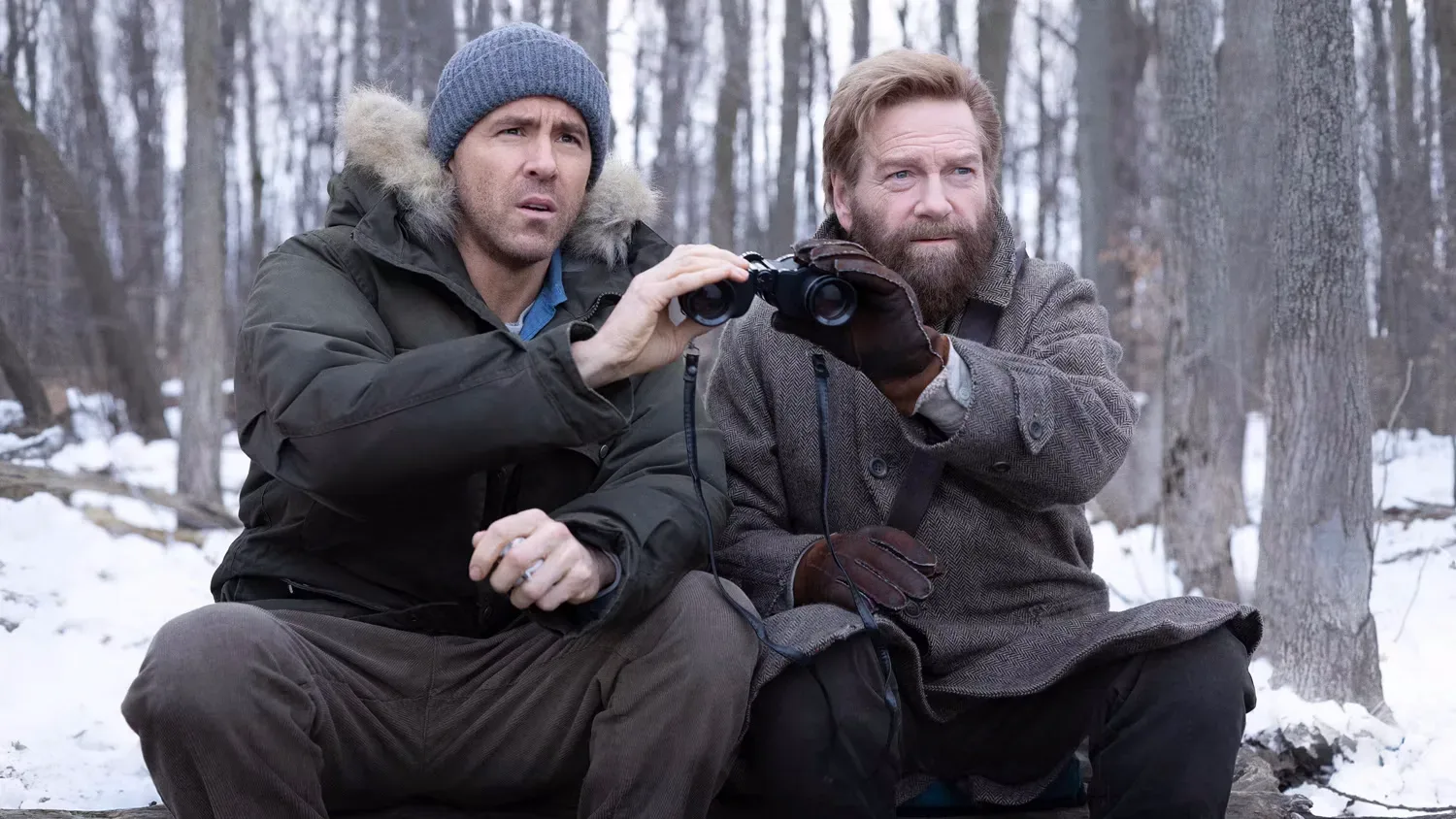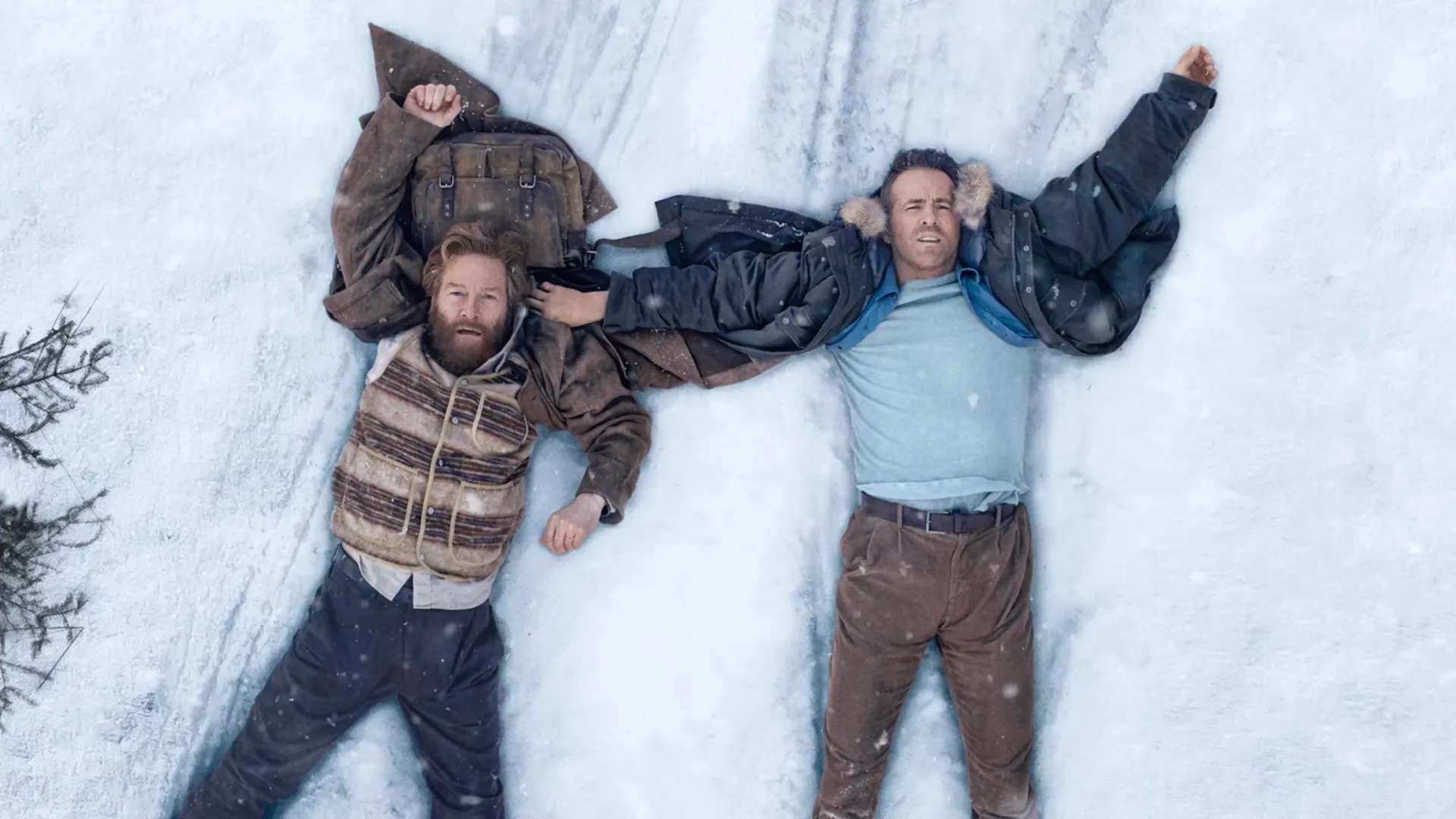
Mayday knows the silhouette it is cutting: an injured pilot, an unexpected ally, hostile territory, escalating pursuit and two wildly different men forced into the same vehicle. Its plot rarely disguises where it is headed, but the movie finds a workable rhythm in the contrast between Ryan Reynolds’ uneasy pilot Troy and Kenneth Branagh’s formidable former KGB agent, Nikolai Ustinov.
The opening drops Troy into a particularly nasty aftermath of a plane crash, then uses the situation as the springboard for a story about survival, uneasy partnership and shifting assumptions. Reynolds brings the quick comic timing audiences may expect, yet the role is not solely an endless stream of gags. Troy’s affection for flying and his father gives the character a little emotional grounding, even when the writing takes a familiar route in examining his patriotism.
A two-hander with lift
Branagh is the film’s liveliest asset. Nikolai is straight-talking, slightly disquieting and lethal when the moment requires it, but his idealised fascination with America lends the character an offbeat comic edge. The film gives him the flashier opportunities too, including close-quarters fights, a pursuit involving a nuclear missile and combat around a pool. That disparity is not necessarily a flaw: it turns the pairing into a useful reversal, with Troy often reacting while Nikolai controls the action.
The two actors make that imbalance entertaining. Their rapport provides the necessary snap when the screenplay falls back on standard buddy-movie turns. Maria Bakalova also brings warmth to the limited material afforded to Anna, Nikolai’s estranged daughter, though the brief screen time restricts how much the relationship can develop.
Movement does the heavy lifting
Directors John Francis Daley and Jonathan Goldstein give the action a welcome visual restlessness. The camera follows cars from unusual positions, swings through confrontations and uses overhead framing to give chases and fights added shape. A side-on driving image set against changing Russian scenery lingers, while the plane-crash sequence is especially ambitious: Troy’s aircraft flips vertically, he ejects before another plane strikes, and the descent continues by parachute.
Those flourishes matter because Mayday is most persuasive when it is moving. It gestures toward questions about American self-image and the moral certainty of nations that cast themselves as heroes, but those ideas remain more suggestive than fully explored. Viewers seeking a sharply developed political action satire may be left wanting. Those looking for a broadly accessible comedy-action film, however, should find a reliably good-natured pairing and several well-staged bursts of spectacle.