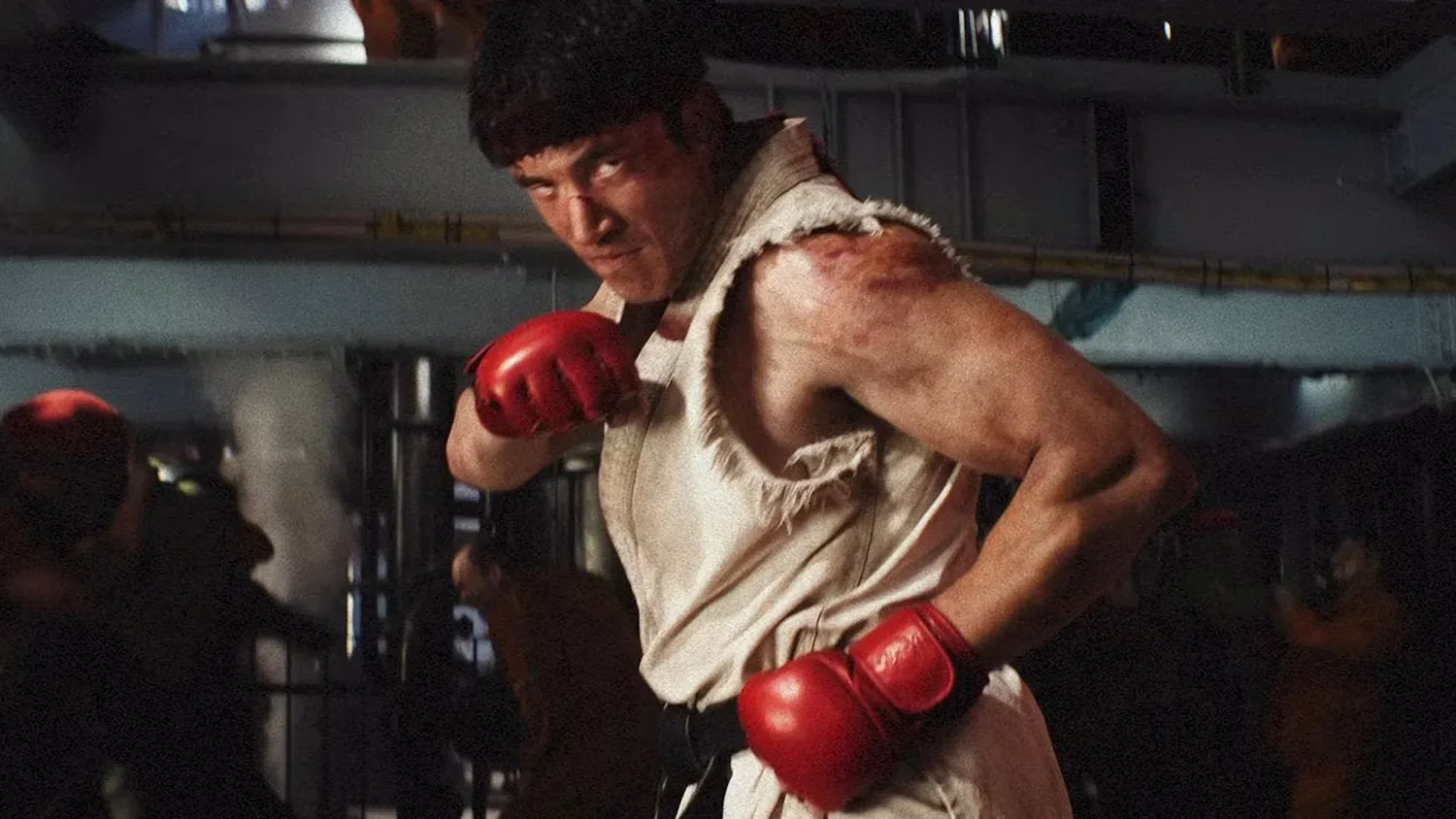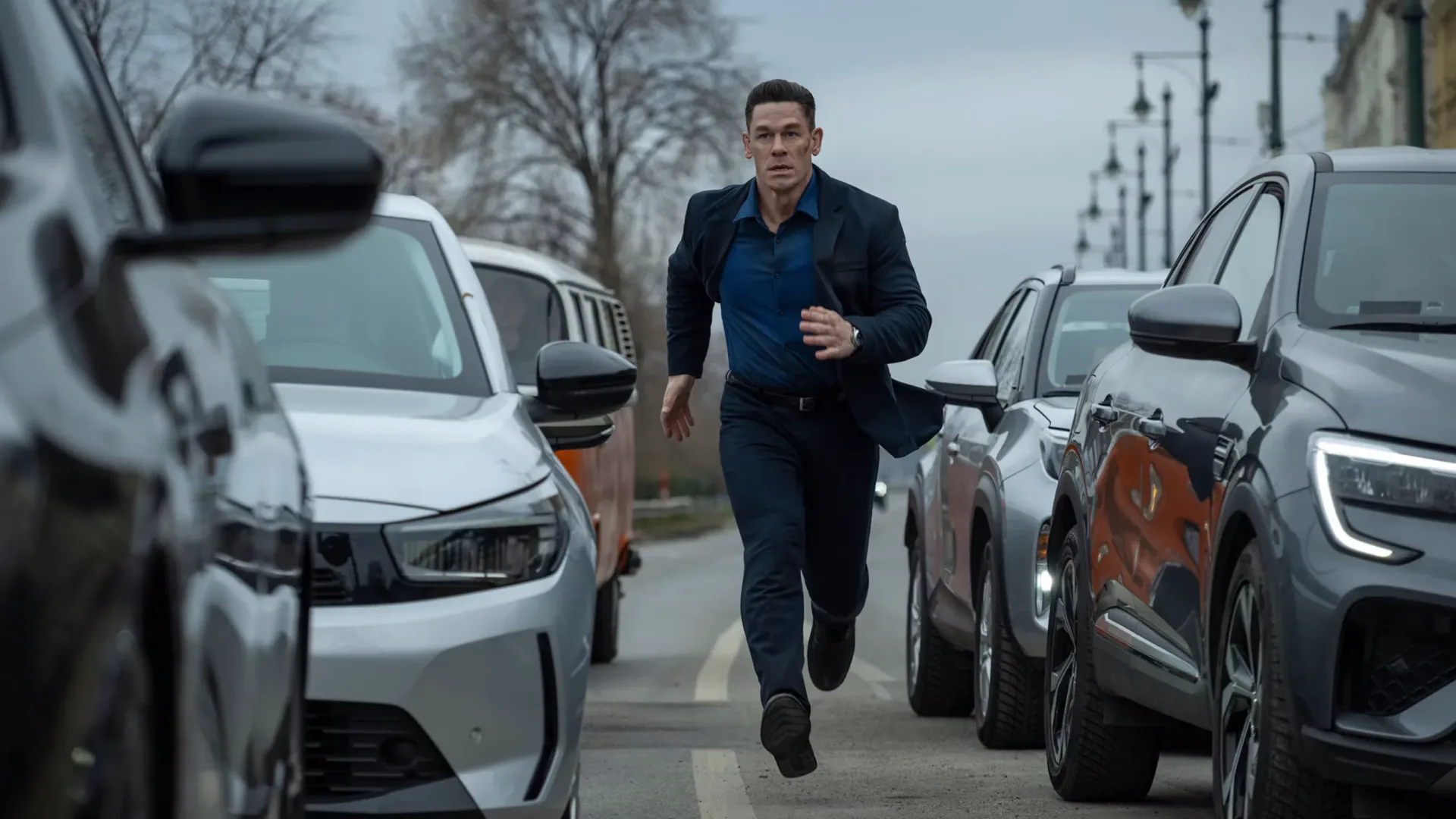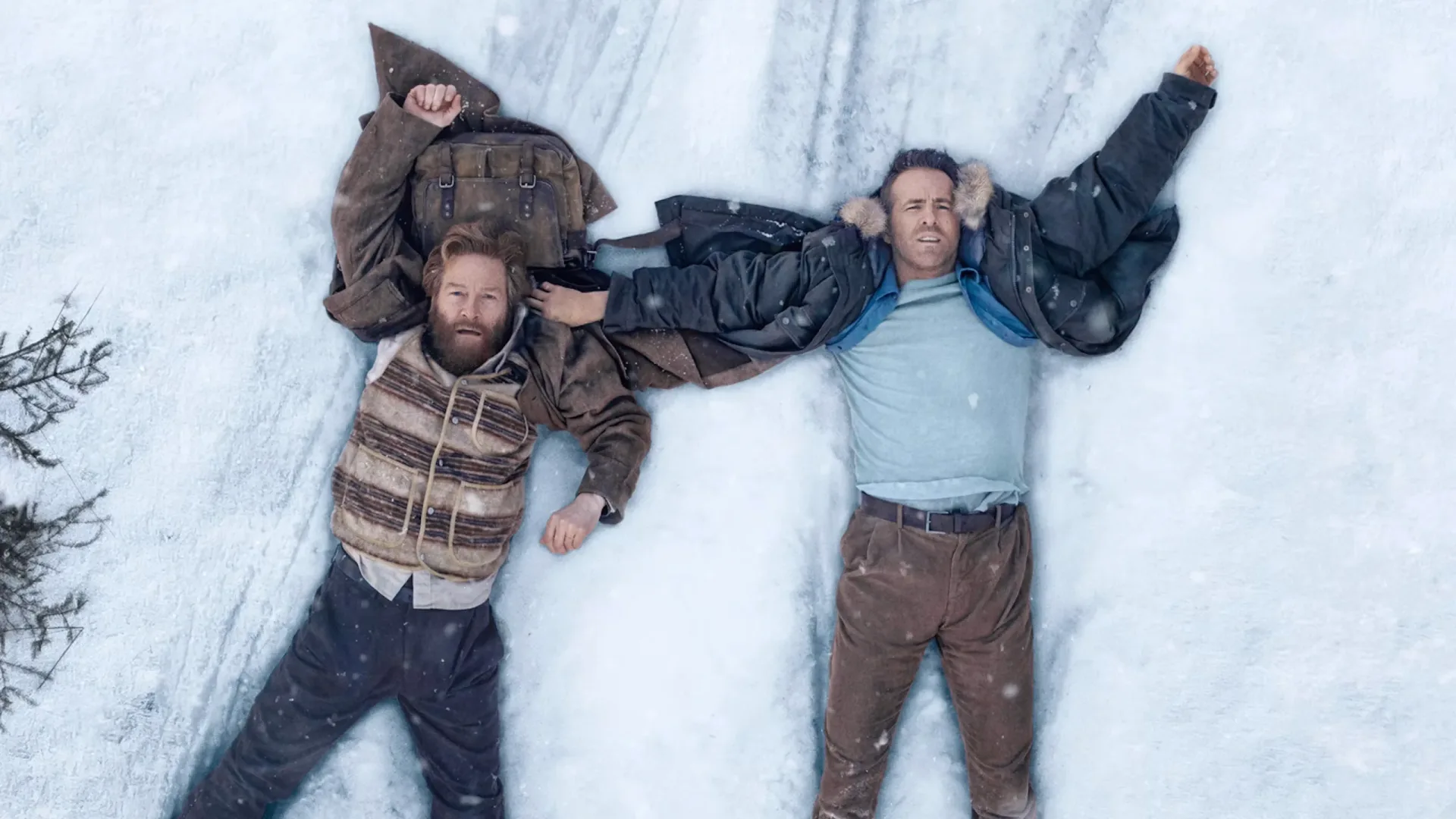

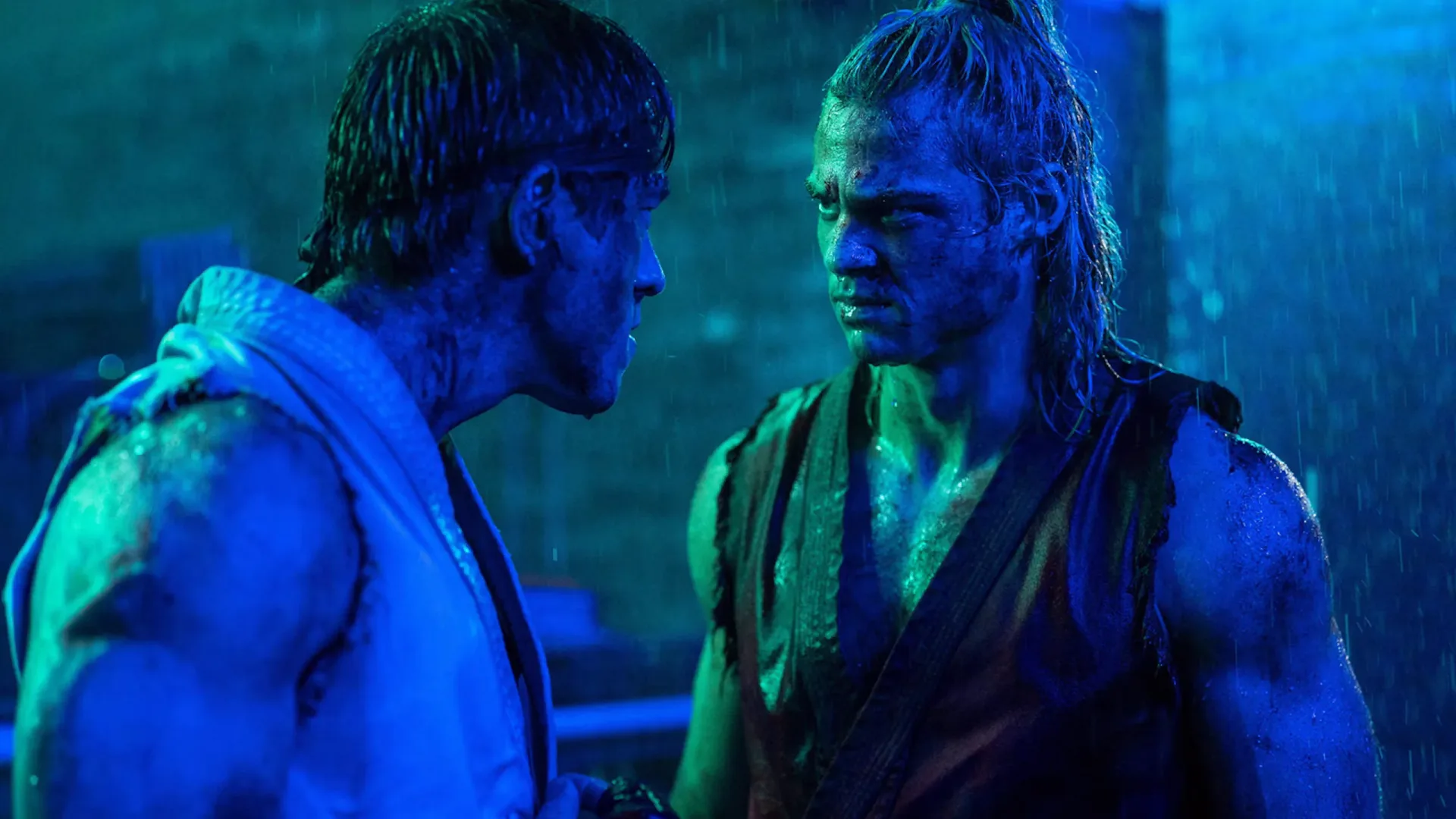
 Andrew KojiRyu
 Noah CentineoKen Masters
 Callina LiangChun-Li
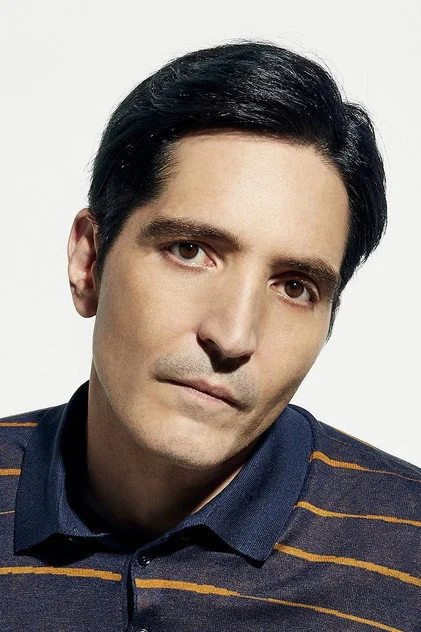 David DastmalchianM. Bison
 Mel JarnsonCammy
 Cody RhodesGuile
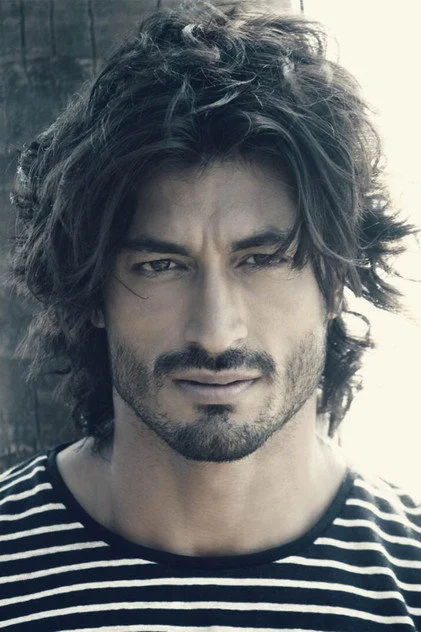 Vidyut JammwalDhalsim
 Olivier RichtersZangief
 Andrew SchulzDan Hibiki
 50 CentBalrog
 Joe Anoa'iAkuma
 Rayna VallandinghamJuli
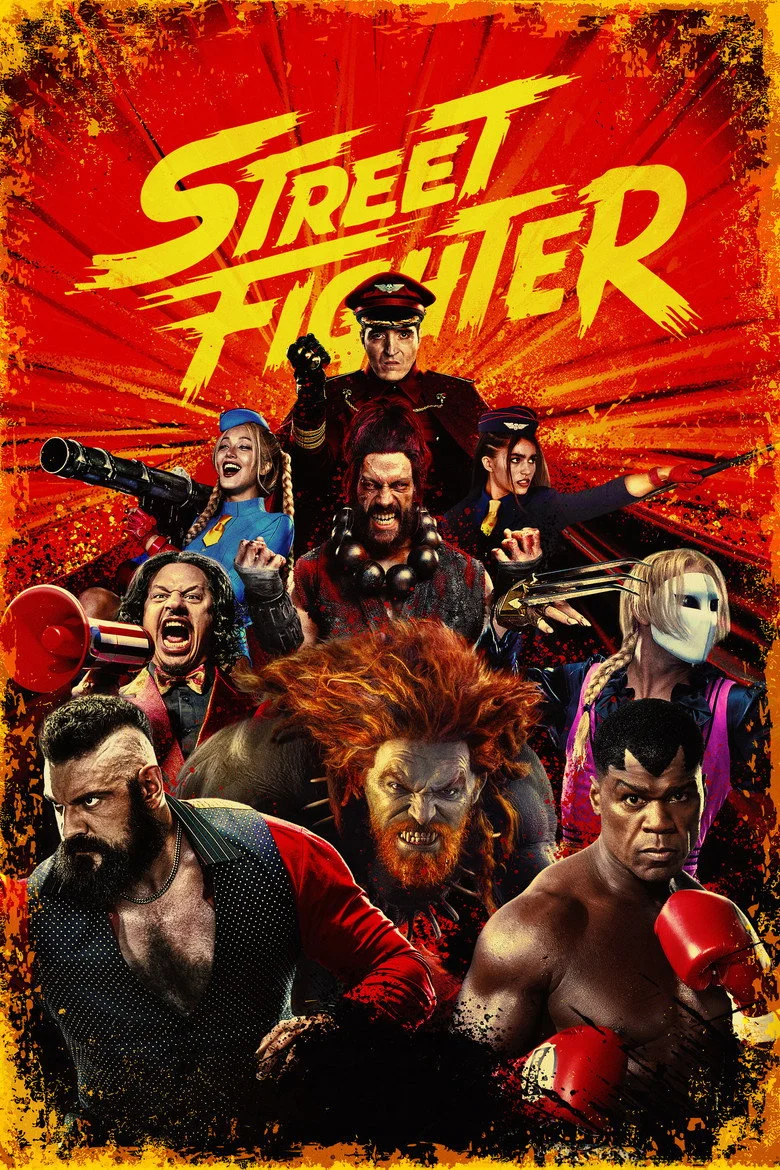
Street Fighter arrives with a knowingly difficult assignment: turning a fighting game’s extravagant characters, signature attacks and tournament framework into a feature that has room for both spectacle and a joke. Its most persuasive choice is not to sand down that absurdity. Director Kitao Sakurai appears to treat the broadness as the point, balancing world-ending stakes with dysfunctional personalities, deliberately silly presentation and small disruptive punchlines. The result is described as considerably more fun than its premise might suggest—not because it pretends the material is inherently solemn, but because it understands how much comedy can be found in taking it just seriously enough.
That tonal approach matters. A film full of bulging muscles, fireballs, skimpy costumes and dramatic hair can easily become either embarrassed by its source or trapped in empty reverence for it. This Street Fighter instead makes a space for affection and mockery to coexist. The familiar fighters and their defining moves are retained, but the film’s humour reportedly comes from undercutting grandiose action rather than rejecting it. The joke is not simply that the characters look ridiculous; it is that the movie sees the ridiculousness clearly and keeps moving with confidence.
A tournament story with a comic pulse
Ryu and Ken give the crowded film a central line of travel. Ryu, played by Andrew Koji, won the previous Street Fighter tournament in 1987, though the victory came at the cost of yielding to inner demons that are literal within the story. He has since withdrawn into self-imposed exile. Ken, played by Noah Centineo, has gone in another direction, becoming a show fighter rather than a genuine one. Their return for a new 1993 tournament, overseen by the conspicuously sinister Lord M. Bison, provides the basic dramatic engine.
A high-anime-style flashback introduces Ryu’s earlier victory, an aesthetic choice that seems especially suited to a property whose emotional and visual logic has always stretched beyond naturalism. It also gives the film a concise way to present a key piece of supernatural baggage without asking the surrounding world to become visually restrained. Readers interested in that creative choice can find more context in our look at the film’s hand-drawn anime flashback.
Yet the same abundance that makes the premise lively also creates the film’s clearest storytelling problem. There is simply too much plot. The opening hour is largely devoted to setting the table and calling the fighters back into the orbit of the tournament. That may be useful for establishing a big roster, but it makes the narrative feel burdened by explanation before the matches can do their work. Street Fighter’s strongest mode is brisk, knowingly heightened entertainment; prolonged setup risks slowing a film whose characters already communicate plenty through their outsized identities.
The substantial cast also reflects the adaptation’s all-in relationship with recognisability. Chun Li, played by Callina Liang, is an undercover agent, linking her to the story’s hidden-identity concerns. 50 Cent plays boxer Balrog. Jason Momoa’s Blanka is framed as a knowingly comic monster-man presence, while Cody Rhodes’s Guile gets unexpectedly funny material despite an aggressively stylised haircut. These details indicate an ensemble designed less around realism than around instant, emphatic impressions. In a Street Fighter movie, that is a defensible priority. The appeal lies in seeing how each familiar fighter is translated into a performer, a silhouette and a comic rhythm.
Action that knows when to stop
The fight scenes are reportedly short and distinct rather than sprawling showcases. That economy sounds like a genuine strength. A tournament film can become monotonous when every bout is asked to function as a climactic event, especially when the cast is this large. Here, each encounter has enough individual identity to justify its place, while the brevity keeps the movie from mistaking quantity for escalation.
Just as importantly, the combat is said to feature enough physical contact to avoid a weightless, overly CG-dependent feeling. Most of the fighters are presented as fighting like martial artists. That is not the same as claiming an entirely practical action style, nor does it promise elaborate realism. It does suggest that the film gives its hits a useful sense of impact. For material built on fantastical attacks, that grounding is valuable: the fireballs and exaggerated personas can stay playful if the clashes beneath them still feel like clashes.
The action’s restraint also appears to serve the comedy. Instead of letting every confrontation inflate into a solemn spectacle, the film can use a match as an opportunity for a specific visual idea, a character beat or a well-timed interruption. One audience reaction to an explosive match-up becomes a deliberately absurd gag, emblematic of the movie’s willingness to puncture its own grandeur. The humour is not presented as a separate layer pasted over the fighting; it is part of the pacing and the way the film reframes its supposedly epic stakes.
Villainy, silliness and the cost of excess
David Dastmalchian’s Lord M. Bison is positioned as plainly nefarious, with a performance defined by a theatrical sneer. That broad villainy sounds entirely in keeping with the film’s approach. Street Fighter does not appear interested in disguising a melodramatic antagonist as a complicated antihero. A knowingly oversized villain can give the heroes something cleanly legible to play against, leaving the movie free to pursue its comic detours without losing its tournament-shaped momentum.
The limitation is that self-awareness cannot solve every structural issue. The crowded plotting is one concern, but the ending’s sequel bait is the more frustrating one. A continuation hook can be an enjoyable capstone when it adds a final joke or creates satisfying anticipation. Here, it is described as nearly unforgivable, suggesting that it interrupts closure rather than extending it. For a film that earns goodwill through nimble comic subversion, ending on an overt future-installment gesture risks feeling less like a wink and more like an obligation.
There are also distracting anachronisms in the film’s alternate universe. The cited musical error is small in the scale of demons, tournaments and fireballs, but such details can still tug viewers out of the period setting. They matter less because Street Fighter is aiming for historical precision than because the movie otherwise appears carefully calibrated in its heightened world-building. When a pop-cultural reference does not fit its stated year, it can register as a loose thread in a film that asks the audience to accept a great deal else.
Who should step into the ring?
This is best approached as a comic action adaptation rather than as a grave mythology exercise. Its recommendation rests on an energetic combination of franchise affection, punchy humour and compact fights with enough tangible contact to feel less ethereal than a CG-heavy brawl. The central Ryu-and-Ken material provides focus, the supporting fighters offer colourful variety, and the film’s willingness to tease its own high stakes sounds like its defining advantage.
Viewers looking for a streamlined plot or a cleanly self-contained ending should temper expectations. The first hour has extensive setup, the narrative is overloaded, and the final sequel invitation undercuts the finish. But for audiences prepared to meet Street Fighter at its own exaggerated frequency, the very qualities that might sound like liabilities—ridiculous costumes, broad villainy, mystical baggage and a packed fighter roster—are shaped into much of the fun. The film seems most successful when it lets a ludicrous game universe be loud, physical and funny without apologising for any of it.