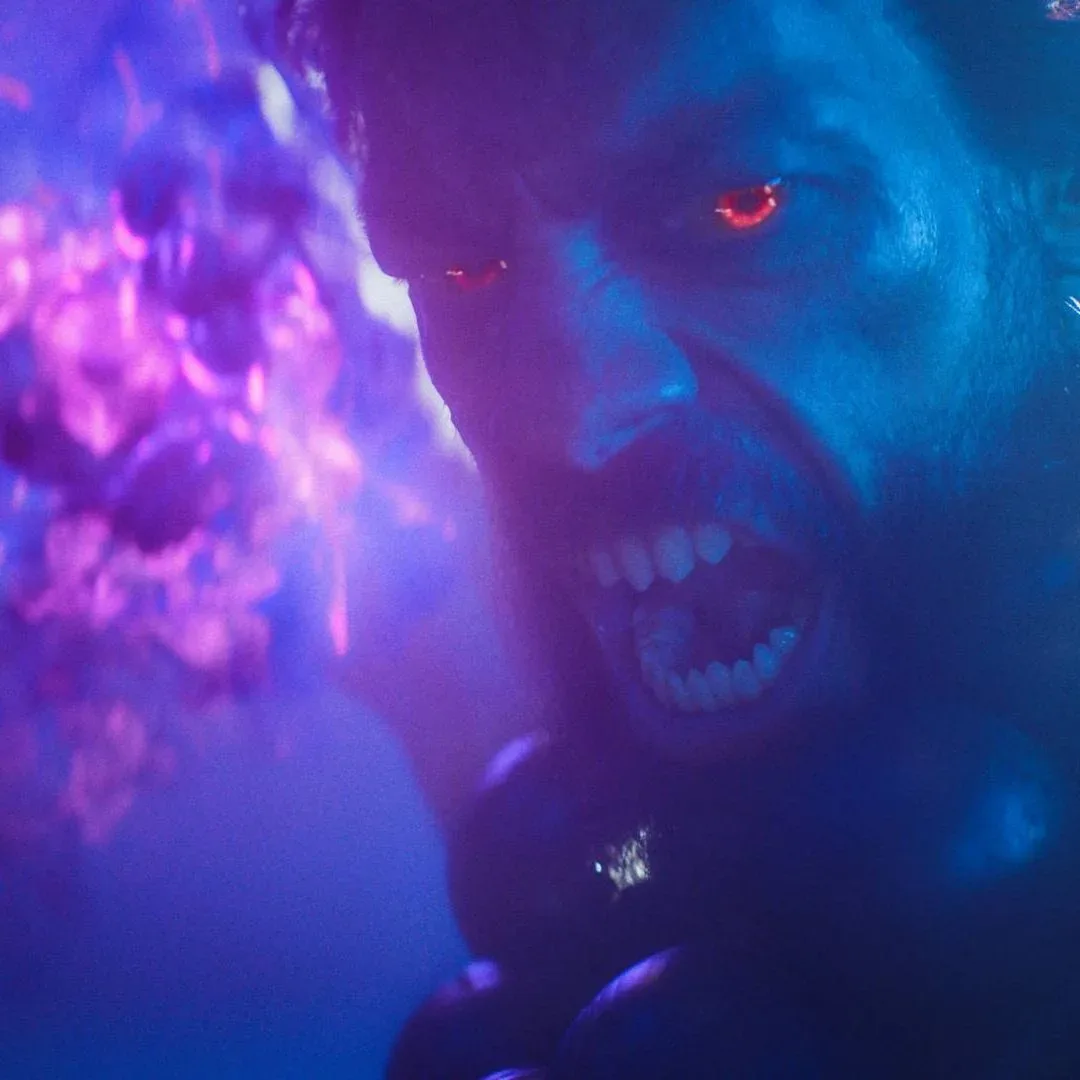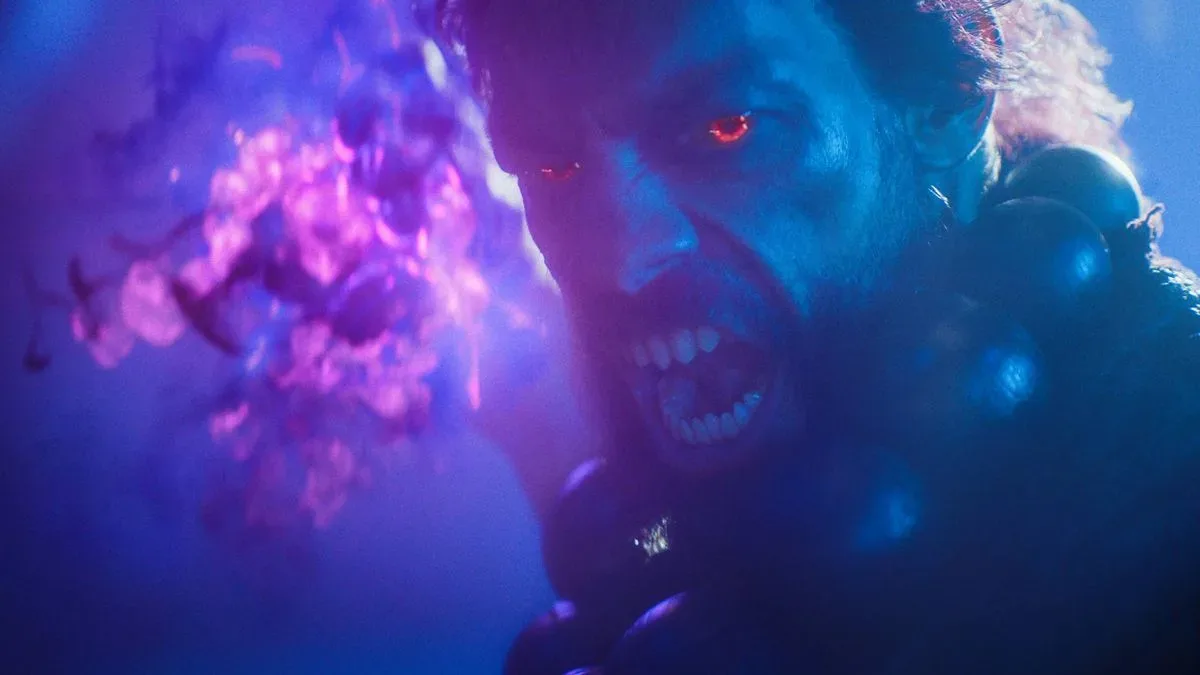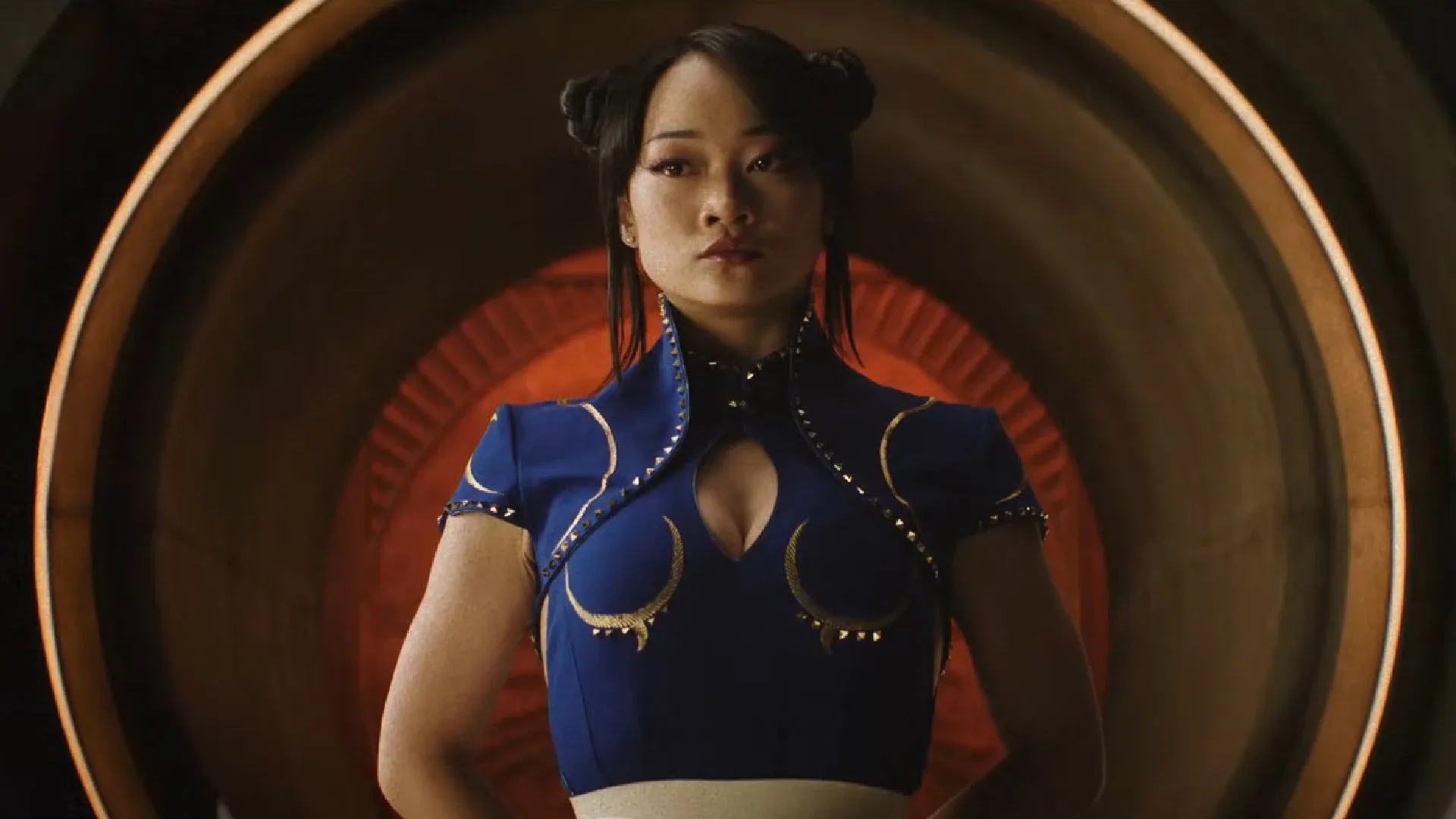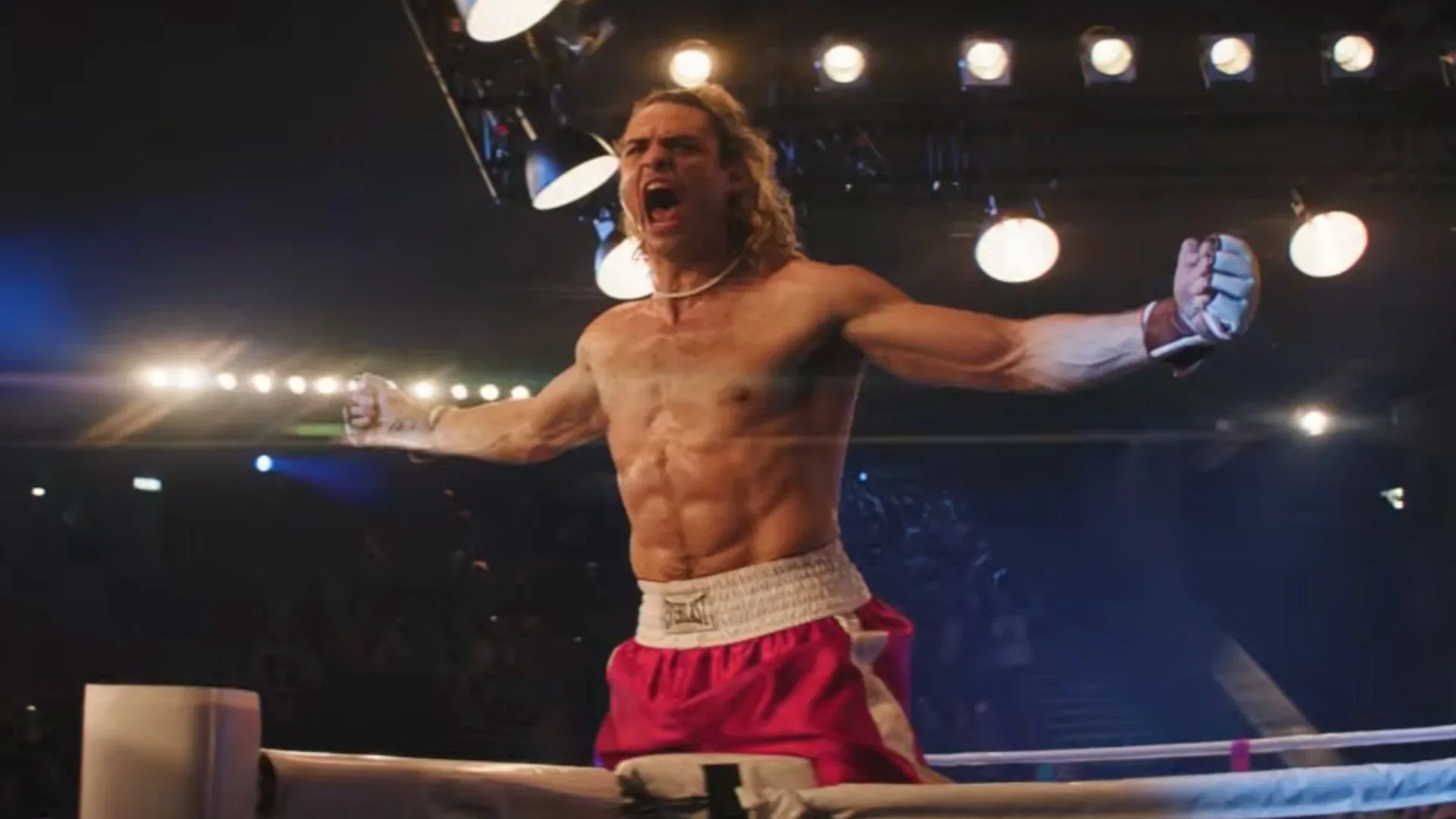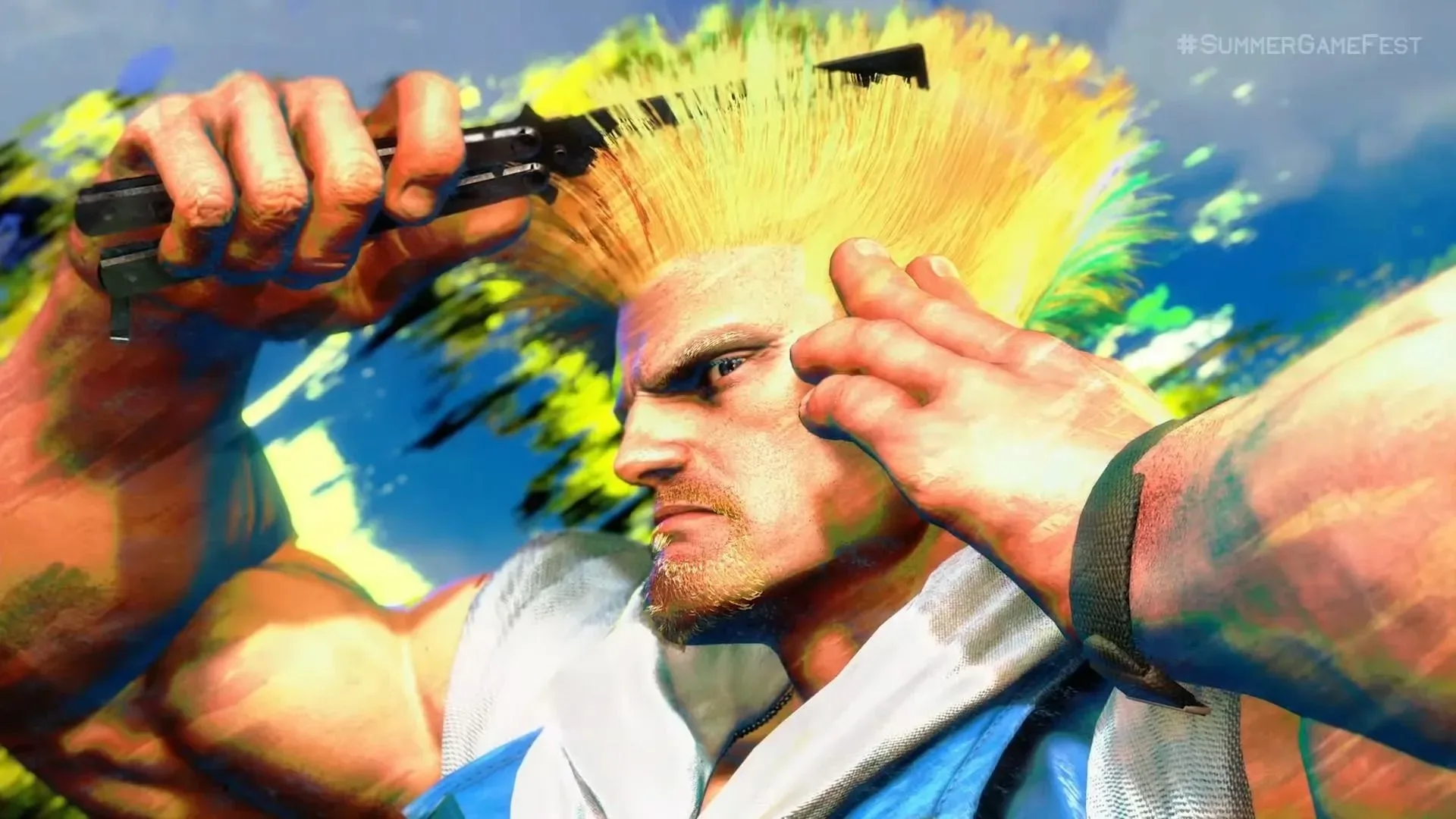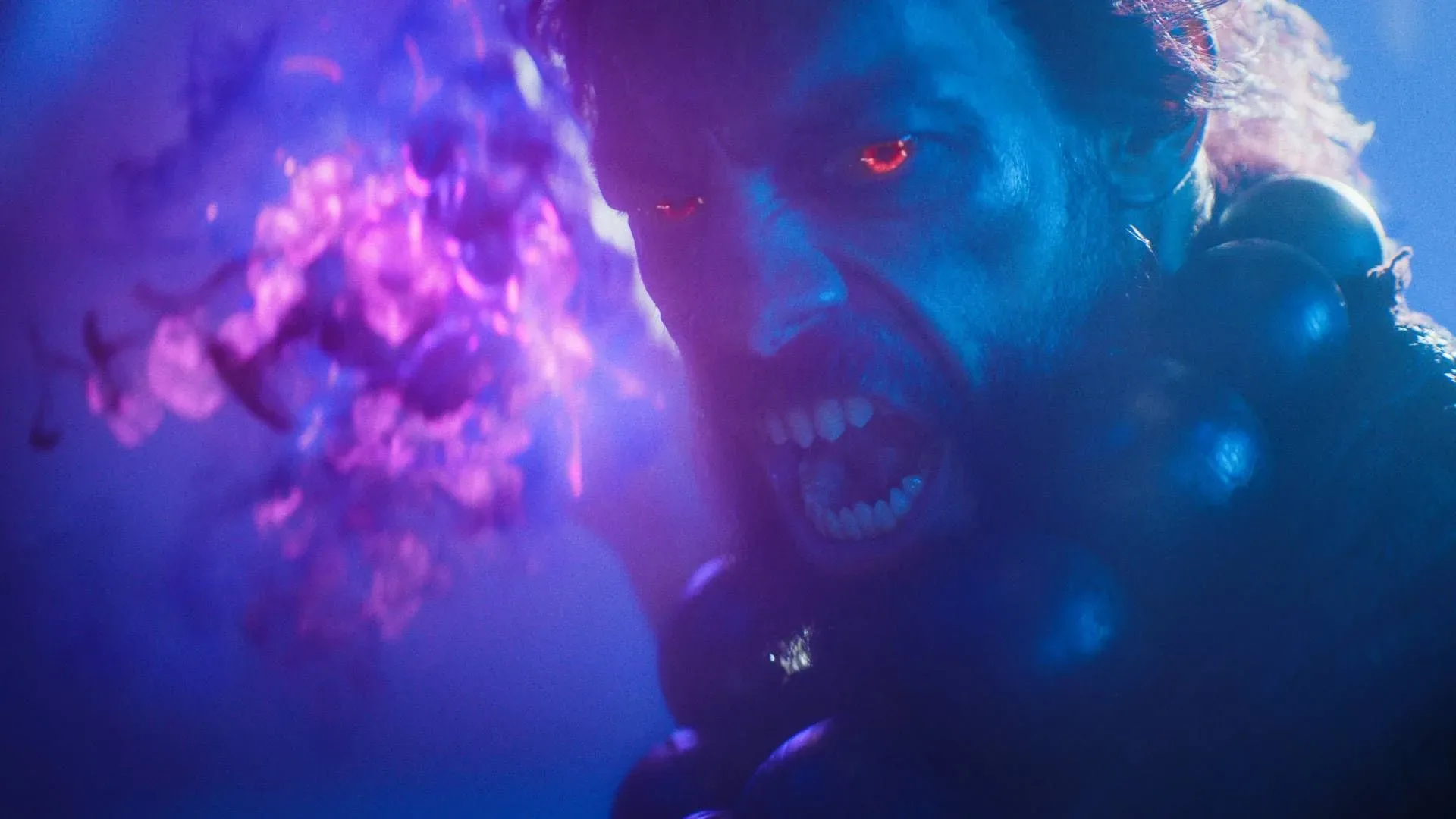
Street Fighter does not reserve animation for a quick nostalgia-laced prologue. Its hand-drawn anime sequences establish the first World Warrior Tournament, return to illuminate Ken and Ryu’s tragic history, explore Akuma’s past, and extend into the post-credits material that points toward a possible sequel.
Director Kitao Sakurai says that approach came from a storytelling problem as much as an affection for anime. He and the production considered the conventional machinery of screen flashbacks—digitally de-aging actors or using younger performers—but neither option felt appropriate for the film. Animation became the alternative that could convey history without making live-action flashbacks feel like a separate, less convincing version of the present-day story.
“Usually, in a traditional movie to illustrate backstory, you’ll have to de-age actors, or cast child actors, and none of that was feeling right,” Sakurai said.
Animation is doing narrative work, not just decorating the movie
A flashback is a scene set before the main events of a story. It can explain a character’s motivation, reveal an old relationship, or reframe what the audience has already seen. The challenge is that a live-action flashback must persuade viewers that familiar characters are genuinely at another point in their lives. That may mean changing casting, altering performances, or using visual-effects work to make actors appear younger.
Street Fighter’s animated passages deliberately sidestep that issue. Instead of trying to make the live-action cast look or behave like earlier versions of themselves, the movie marks the past with a different medium altogether. The result is a clear visual boundary: this is memory, legend, history, or a prior chapter rather than an attempt to recreate it through realism.
That distinction matters especially for a fighting-game adaptation. The Street Fighter series is built around characters whose histories, rivalries and martial identities are often communicated through stylized introductions, short endings, visual iconography and repeated encounters. A hand-drawn detour can accommodate heightened emotion and condensed mythology in a way that matches that tradition without requiring every piece of history to be staged as ordinary live-action drama.
The film’s anime scenes therefore have several stated story responsibilities. They depict the first World Warrior Tournament at the opening, provide background for Ken and Ryu, cover Akuma’s history, and help set up the post-credits tease. That is far more substantial than a decorative reference placed in the margins for longtime fans to spot.
A tribute to Street Fighter’s animated past
Sakurai characterized the decision as part of a “bold approach” and said the production wanted to honor both the games and the legacy of Street Fighter 2 – The Animated Movie, released in 1994. He also pointed to the wider anime tradition that shaped his own tastes, naming Ghost in the Shell, Akira and Dragon Ball Z.
Related coverage includes Street Fighter Director Explains the Film's Hand-Drawn Anime Flashbacks.
Those references explain why the chosen approach is more specific than simply adding animation because anime is currently popular. The emphasis is on a recognizable hand-drawn sensibility associated with the 1990s. Sakurai’s stated goal was not merely to insert an animated sequence, but to make its technique and texture part of the homage.
That means the visual format carries meaning beyond exposition. In practical terms, it links the movie’s past-tense storytelling with a body of animation that already has a place in Street Fighter’s cultural footprint. The film can look back at its characters’ histories while also looking back at one way audiences have previously experienced those characters outside of the games.
It is a useful reminder that fidelity in a game adaptation is not limited to reproducing costumes, moves, stages, or named characters. Form can be faithful, too. A production can honor the mood, visual language and surrounding media history of a game series, even when it is telling a new story in a different format.
Why hand-drawn animation was central to the choice
The animation was made by Titmouse, and Sakurai said he felt strongly that the studio should create the material by hand in a classic 1990s fashion. He described the desired effect as a particular kind of period “love and intensity” visible in the finished scenes.
“Hand-drawn” here is not just a synonym for animated. It refers to the intended aesthetic and production character: artwork that recalls the linework, motion and expressive force associated with classic 1990s animation. The director’s comments frame that choice as essential to the scenes’ identity. If the purpose were only efficient delivery of plot information, any number of visual approaches could theoretically convey it. The specified technique is important because it connects the flashbacks to the older works being honored.
That makes the movie’s animation a stylistic commitment rather than a workaround for a casting or effects issue. The initial creative obstacle—de-aging and child casting not feeling right—opened the door to the format, but the final selection was shaped by an affirmative preference for a particular animation lineage.
What this means for viewers
For people seeing Street Fighter in cinemas, the animated material appears to serve two audiences at once. Newcomers receive a visually distinct route into the characters’ pasts. Existing fans get references not just to game continuity, but to an earlier animated branch of Street Fighter history and to a broader set of anime influences.
It also makes the post-credits scene more notable. A post-credits scene is material shown after the main credits, often used to offer an extra joke, close a minor thread, or suggest where a franchise may head next. In this case, the anime material is said to tease a possible sequel. That wording is important: it is a suggestion of future potential, not confirmation that another film has been made or formally set.
The broader lesson is that flashbacks do not have to imitate the visual rules of the main story. When a movie has a meaningful reason to change styles, the shift can clarify time, reinforce theme and celebrate the artistic forms that influenced its subject. Street Fighter’s solution is especially fitting because its animated segments are rooted in a pre-existing relationship between the fighting-game series and anime.
The choice also lands at a moment when preserving and revisiting game-adjacent visual culture remains valuable. For another example of why formats and access matter beyond the biggest current releases, see this look at playing Flash games in 2026 and why their preservation still matters.
Street Fighter is now playing in cinemas. Its use of animation does not erase the usual flashback toolbox; it simply rejects it for this story. Sakurai’s comments make the reasoning plain: conventional youth effects and recasting did not fit, while hand-drawn animation gave the film a more expressive way to carry its backstory and acknowledge the legacy around it.