
 Ethan HawkeSamuel Murphy
 Russell CroweWarden Clancy
 Julia JonesAnna
 Austin AmelioRankin
 Avi NashSingh
 Lucas Lynggaard TønnesenOlson
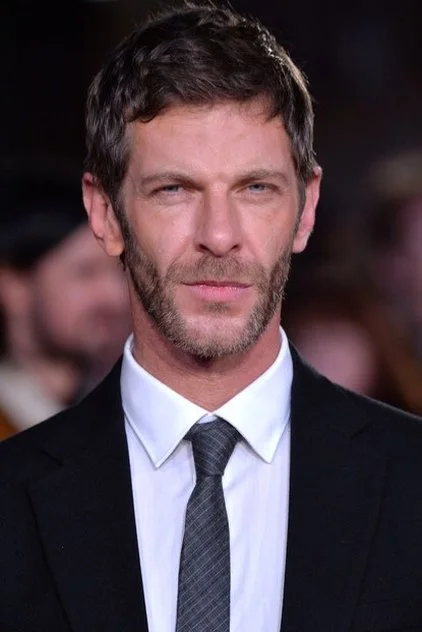 Sam HazeldineAmis
 George BurgessLetender
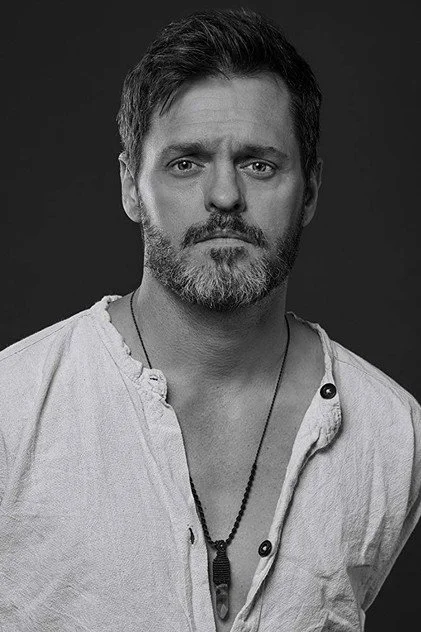 Jeff HallmanBig Prisoner
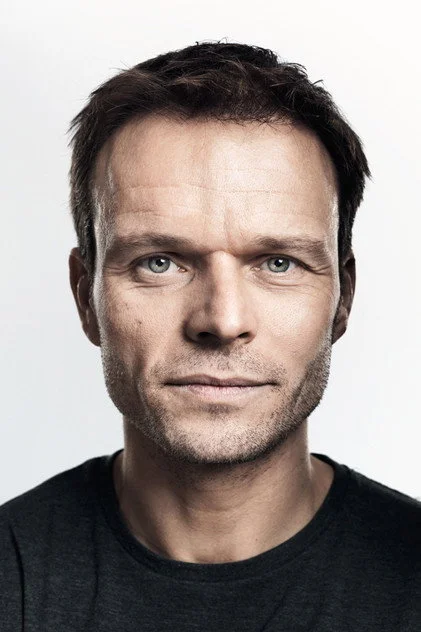 Alec NewmanTaggert
 Avy-Berry WorrallPenny
The Weight has the material texture and punishing forward motion of an old-fashioned wilderness thriller, but it does not always have the narrative freedom its setting promises. Padraic McKinley’s debut begins with a man at the bottom of his fortunes and sends him toward a brutal bargain: guide a crew through Oregon wilderness with seized gold, reach the appointed destination, and earn his freedom. It is a clean, high-stakes premise, built for danger, distrust and attrition. The film’s most effective passages understand exactly how much pressure that premise can generate.
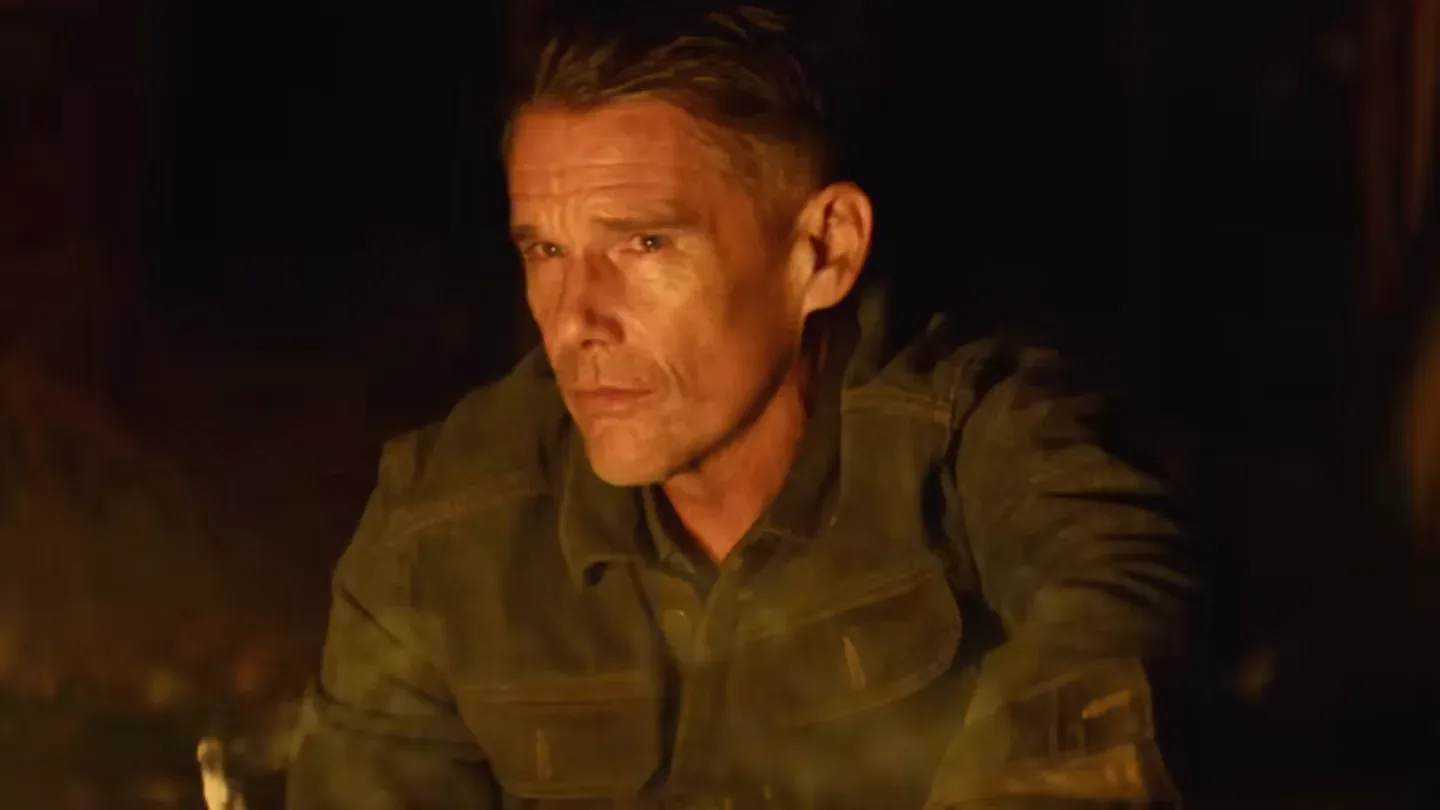
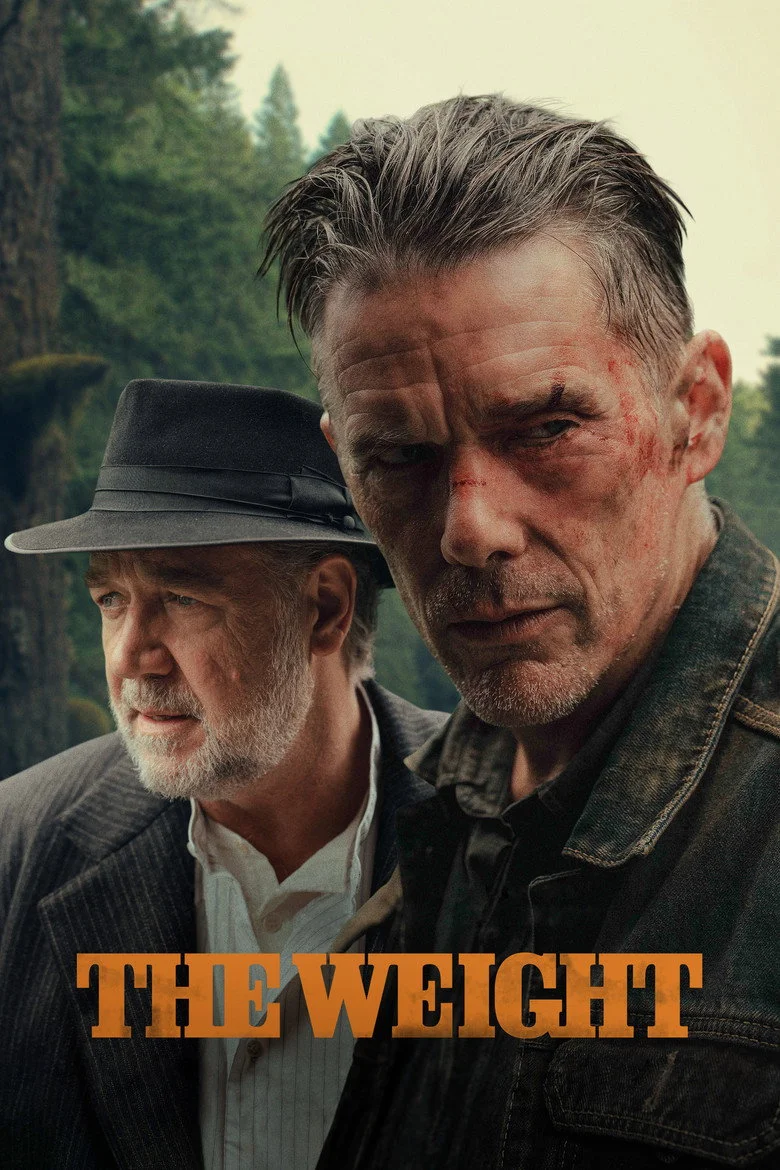
Ethan Hawke plays Murphy, a car mechanic who is jobless and homeless when a confrontation with police lands him in a labour camp. His pledge to return for his daughter Penny gives the character a plainly stated reason to endure. Four months later, Murphy is breaking rocks in a chain gang, before a tenuous connection with the camp’s warden, Clancy, opens the door to the hazardous gold-running assignment. The route covers 50 miles of wilderness; the reward is a release from confinement. The trip therefore functions as more than an escape story. The landscape may be open, but the people travelling through it remain constrained by coercion, criminal histories and the possibility that any companion may become a threat.
That central contradiction is one of the film’s better ideas. As the group moves into the forest, the towering pines come to resemble prison bars. The image is direct, but it suits a story in which legal captivity has been exchanged for environmental exposure and violent uncertainty. The gold is the immediate burden, yet the title ultimately points toward the emotional pain carried by the convicts themselves. In concept, that gives The Weight a promising double load: a survival mission on the surface and damaged lives pressing in underneath.
A slow start before the wilderness takes over
The film takes too long to establish a stable tone. Its first act is overextended and feels unsure how broadly or severely to play its material. That hesitation matters because the early scenes must do significant work: establish Murphy’s fall, clarify the terms of the mission and make the impending journey feel inevitable rather than simply arranged. The premise remains legible, but the momentum is not yet as forceful as it should be.
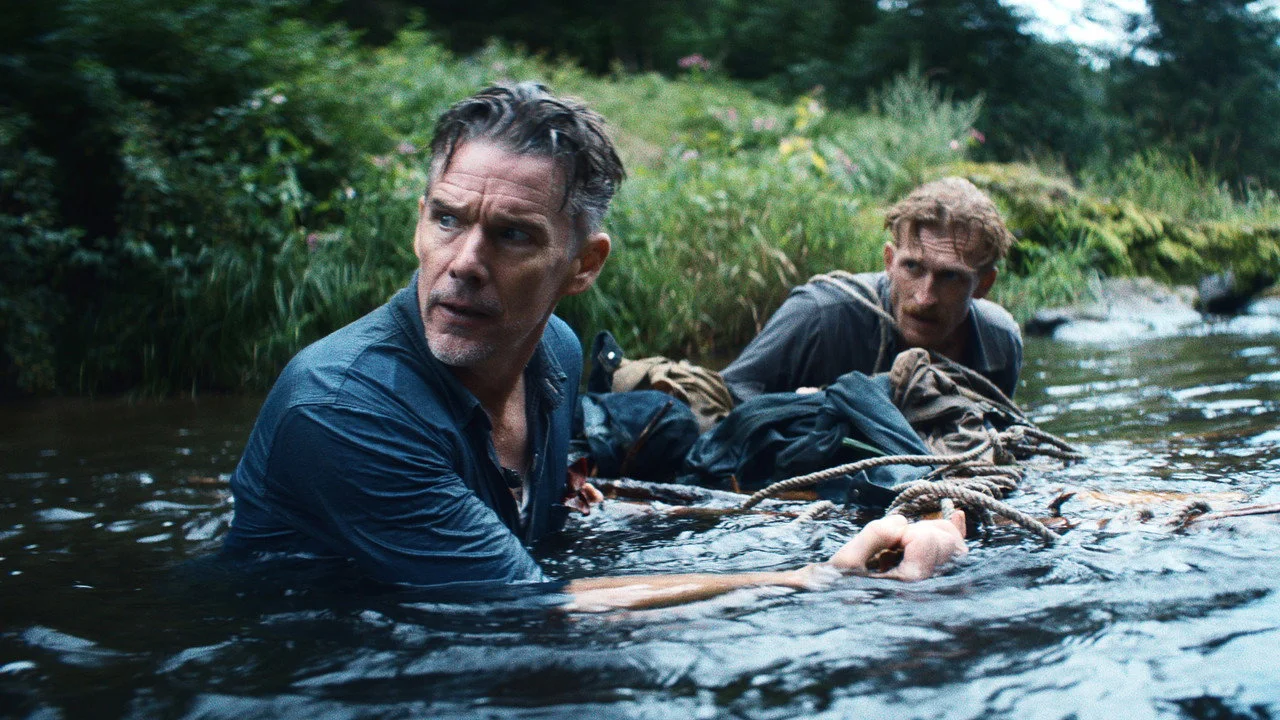
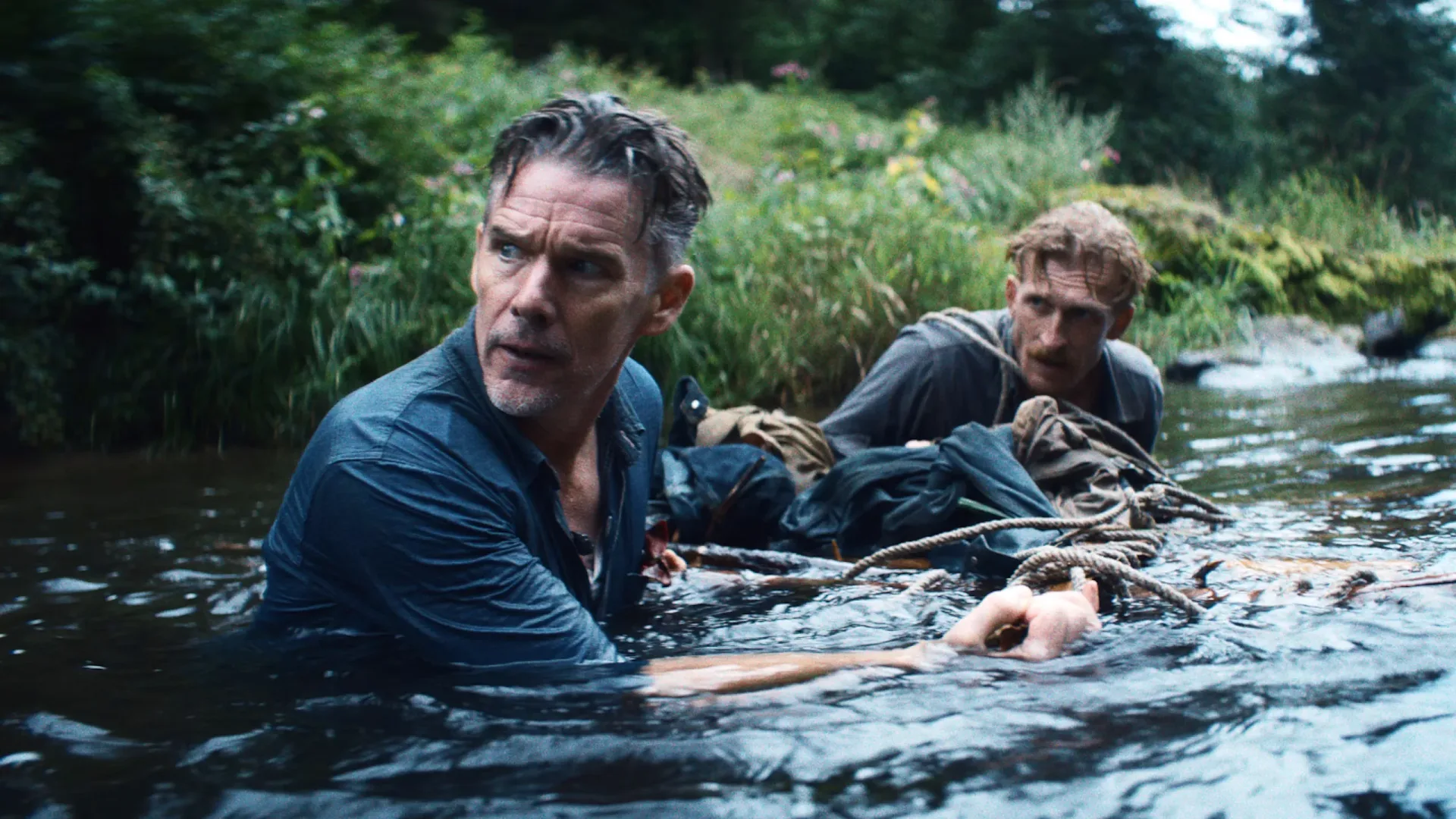
Once the group enters the Oregon wilds, however, The Weight finds a much stronger pulse. McKinley’s direction is most persuasive when it strips the situation down to bodies, terrain and immediate risk. This is not a journey presented as scenic liberation. It is hostile country, and the film draws tension from the practical fact that every mile exposes the crew to new hazards. The episodic structure includes confrontations with vagrants, a dangerous log drive and a rope-bridge crossing that turns the environment itself into an active antagonist.
There is a valuable bluntness to this approach. The action is staged with grit rather than polish, which helps the threat feel physical. A log hurtling through a river or a bridge groaning underfoot does not need elaborate explanation to communicate danger. The film is at its clearest when it trusts those sensations. It turns survival into a sequence of difficult calculations: who can be trusted, what can be carried, when a wound becomes fatal, and whether the mission’s promised freedom is worth the price being demanded.
The strongest suggestion of McKinley’s range arrives in a lightning-storm sequence involving the killing of a wounded member of the crew. Its strobing visual conditions and callousness create a genuinely unnerving effect. The moment points toward a horror sensibility within the film’s rugged adventure framework. Rather than treating violence as an uncomplicated burst of excitement, it makes cruelty feel abrupt and chilling. That capacity for dread gives The Weight a sharper edge than its familiar overall design might suggest.
Hawke gives the journey its human centre
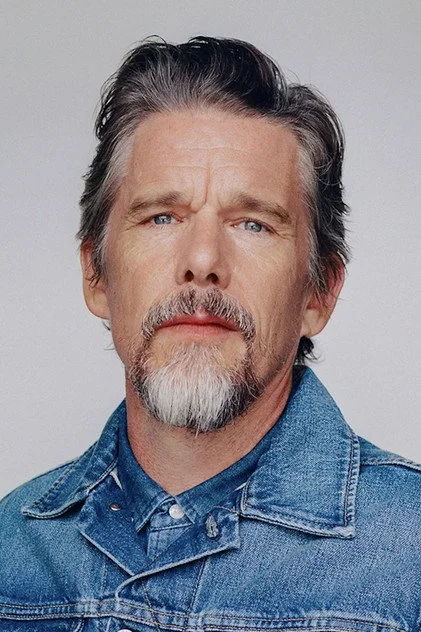
This is Hawke’s film in the most practical sense: Murphy’s endurance determines whether the story has emotional traction. Hawke brings a weathered, dogged quality to the role. His face and soulful eyes make Murphy read as a man worn down by circumstance without turning him into a passive emblem of suffering. The character’s task is relentlessly physical, but the performance supplies the necessary inward pressure. Murphy has a destination and a promise to keep, yet Hawke leaves room for fatigue, calculation and the accumulated cost of trying to survive.
The part also benefits from the actor’s ability to make a familiar grizzled-hero outline feel less mechanical. The screenplay may follow a well-worn route, but Hawke can carry silence and strain in a way that sustains attention between set-pieces. His presence makes the film’s elemental structure easier to accept. Even when The Weight is leaning too heavily on formula, Murphy remains a credible reason to continue with him.
Russell Crowe has a smaller role than prominent billing might imply, appearing primarily as a bookend to Murphy’s journey. As Clancy, the warden who enables the mission, he plays a glowering, tobacco-spitting authority figure: a mood tyrant whose menace helps define the terms of Murphy’s ordeal. It is a compact contribution, but an effective one. Crowe’s performance gives the camp’s power structure an appropriately hard, unpleasant face, even if viewers expecting him to be a constant presence should adjust expectations.
Among the travelling characters, Austin Amelio’s Rankin and Julia Jones’ Anna emerge most distinctly. Amelio gives Rankin a suitably oily, snake-like quality, making him an immediate source of interpersonal unease. Jones is formidable as Anna, an Indigenous runaway whose presence promises a more vivid counterpoint to the male convicts. The limitation is that the film does not distribute that attention widely enough. Most of the remaining crew fail to register with comparable force, weakening a story that depends on group dynamics as much as external hazards.
Emotional weight, unevenly shared
The film eventually reveals that each convict has private pain behind the mission, principally through walking conversations that provide backstory. This is thematically appropriate: the title’s weight is not merely the gold but what these people carry internally. Yet the device does not appear to deepen the ensemble consistently. When only a couple of supporting figures make a strong impression, the disclosed histories can feel more like information than discovery.
That shortfall affects the suspense. A survival story can create tension through peril alone, but it becomes more affecting when every loss, betrayal or alliance changes the emotional shape of the group. The Weight has the raw elements for that richness—convicts forced together in a severe landscape—but it gives its attention unevenly. Murphy, Rankin and Anna have definition; others are less fully drawn. The result is a film whose themes are clearer than its collective characterisation.
Anna’s arc is particularly frustrating in this respect. Jones establishes her as a forceful presence, only for the film to steer her toward a romance that feels unnecessary. This is not simply a question of whether romance belongs in a hardship narrative. A relationship can sharpen vulnerability or complicate loyalty. Here, it appears to reduce a character who had already earned interest on her own terms. In a film concerned with burdens and survival, the choice blunts some of the specificity Jones brings to the role.
The Weight’s adherence to formula is its other major limitation. The story has a clear engine, and its elemental simplicity often works in its favour. But the route can feel predetermined, as if the film is too content to move through the expected stations of a men-on-a-mission ordeal. McKinley’s staging provides enough force to make individual sequences count, yet the broader narrative does not always surprise or deepen in proportion to the hardships piling up.
Bleak atmosphere, then an awkward send-off
For most of its running time, The Weight maintains a stark, desolate mood. The wilderness action, the prison imagery and Hawke’s bruised persistence all contribute to a story that treats freedom as something difficult to distinguish from another form of punishment. That atmosphere is a genuine asset, and it makes the film a worthwhile option for viewers drawn to harsh, character-led survival thrillers rather than sleek action spectacle.
Oddly, the closing credits undermine that carefully cultivated severity. A cheerful cast roll-call set to Lynyrd Skynyrd pulls the audience out of the preceding desolation. It may have an affectionate, celebratory impulse, but it clashes with the film’s emotional temperature. After so much grit and grim endurance, the tonal shift feels less like release than a disruption.
Still, the better parts of The Weight are substantial enough to recommend with reservations. McKinley shows an aptitude for staging tactile danger and for finding horror in human indifference. Hawke supplies the commitment and weathered humanity the central role needs, while Crowe, Amelio and Jones bring definition to key supporting turns. The film is less successful when it lingers too long before the journey begins, relies on a familiar framework or leaves much of its ensemble underdeveloped. But when the terrain tightens around its characters and the mission turns savage, The Weight earns much of its grim momentum.