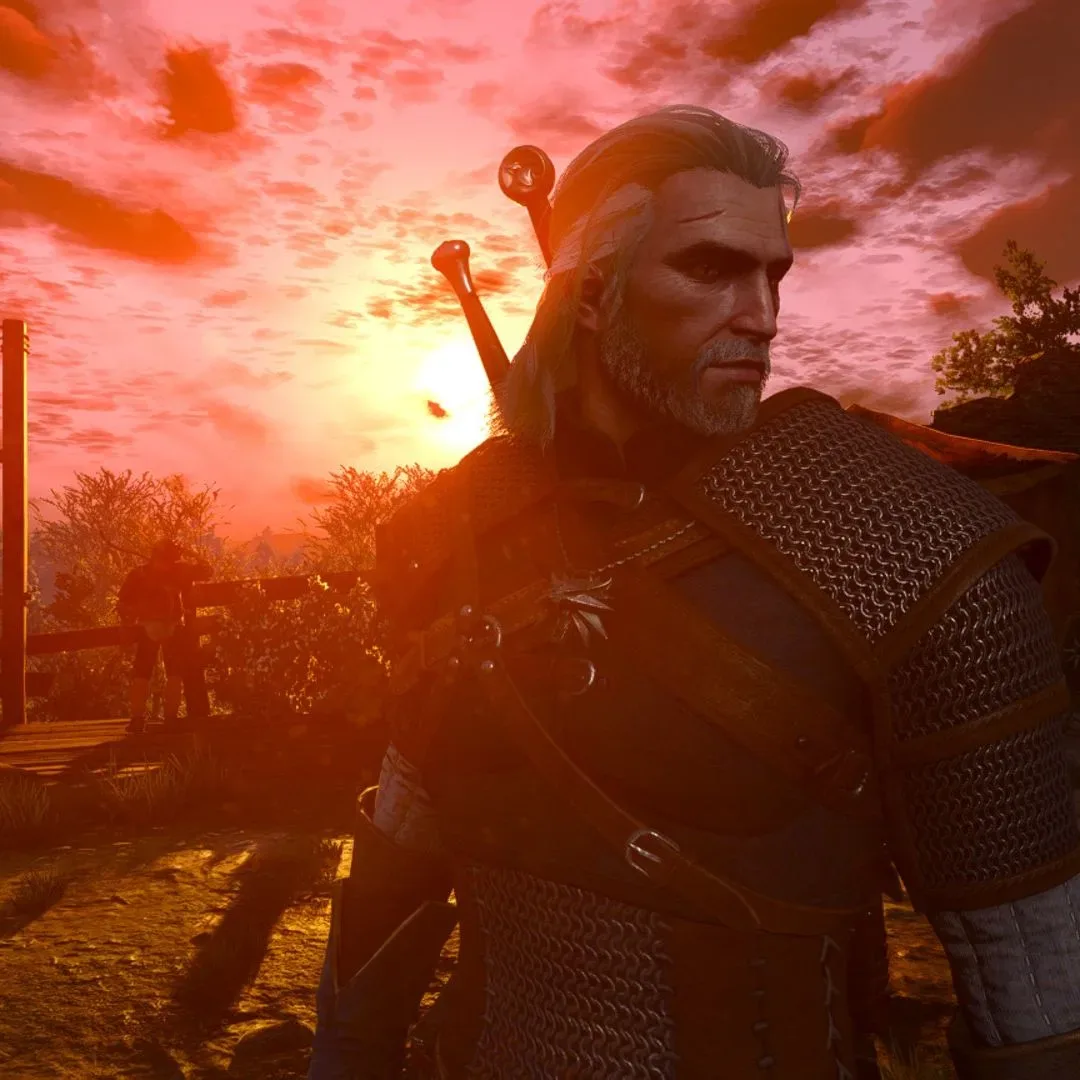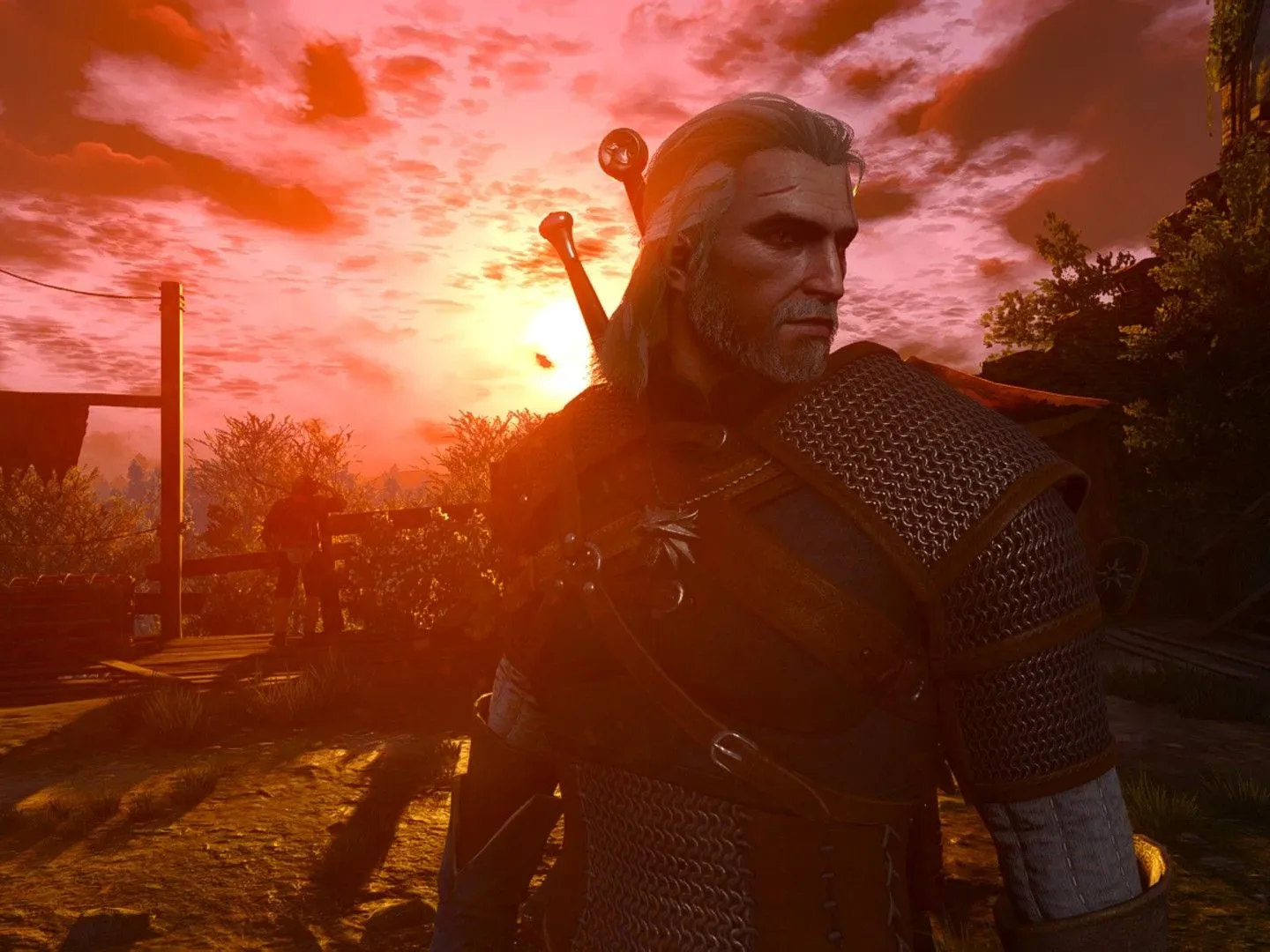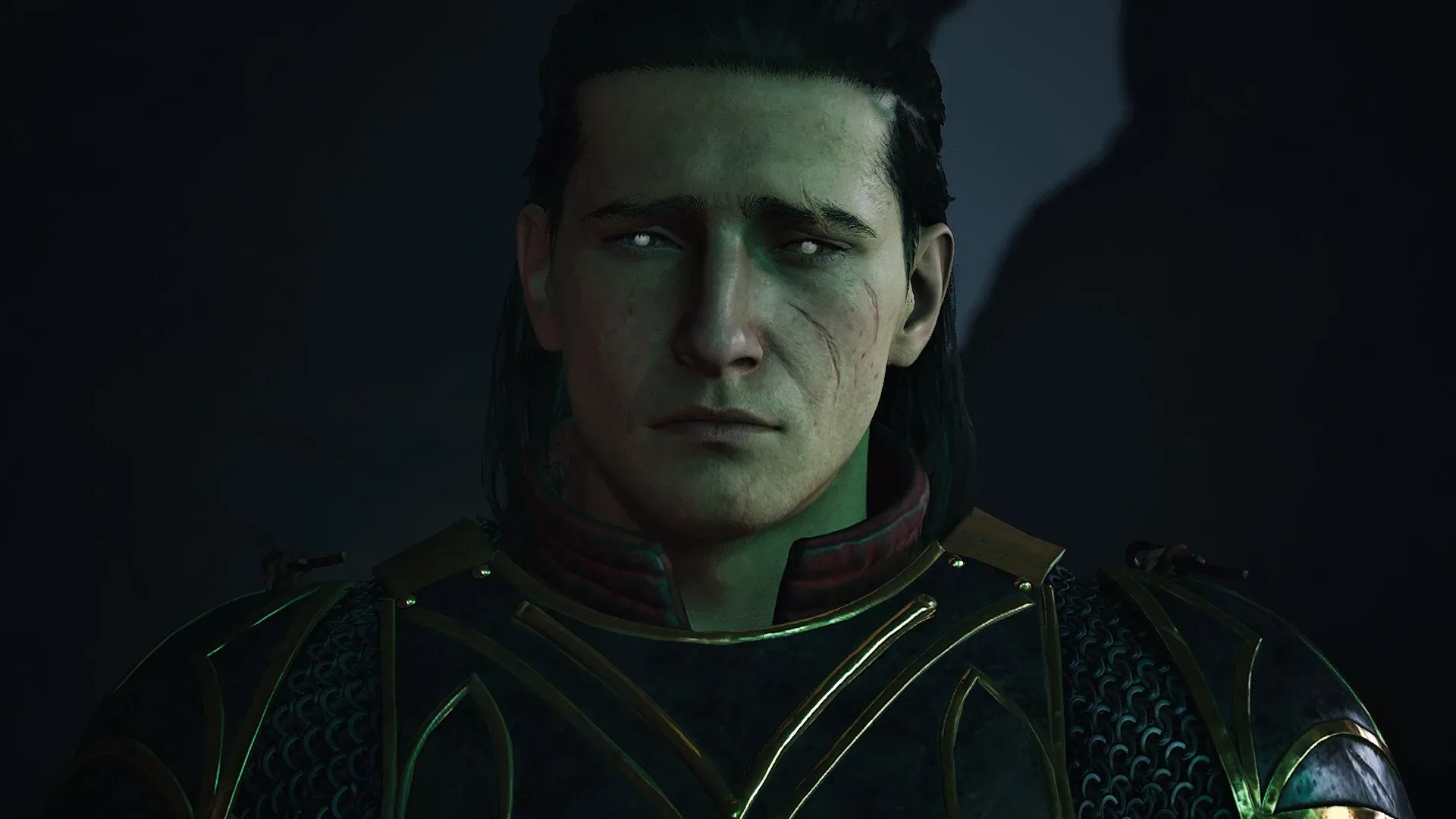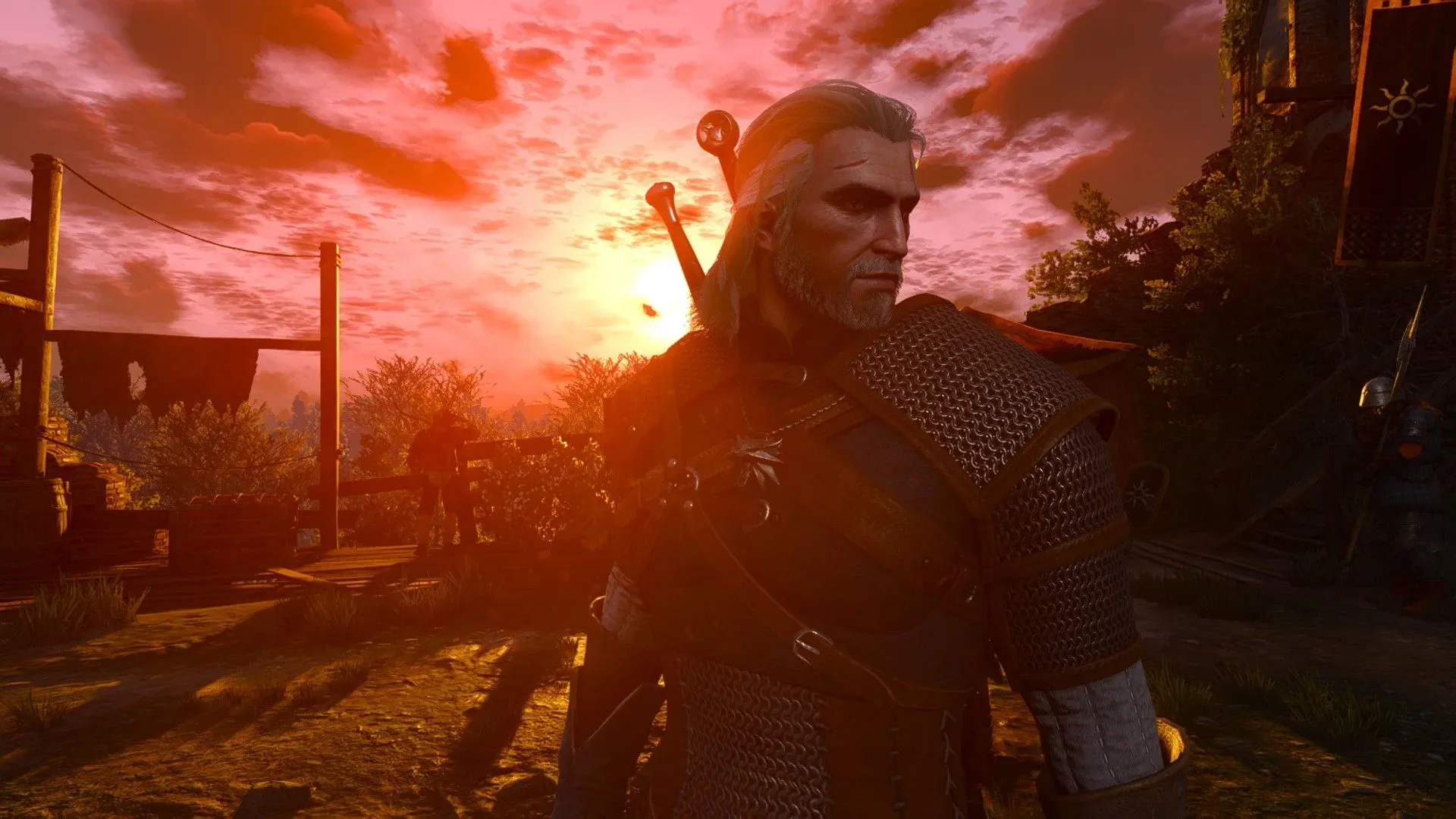
There is a peculiar danger in returning to a vast role-playing game after years away: the plan is always sensible, and it almost never survives contact with the first attractive horizon. In The Witcher 3: Wild Hunt – Remastered, White Orchard apparently has a particularly effective way of derailing a mission plan. The intended task was straightforward enough: revisit the opening region, test the griffin contract, get a feel for revised combat and a reworked skill tree. Instead, the opening hours became an extended hunt for good light, dramatic silhouettes and sunsets worth catching in Photo Mode.
That is not a complaint, exactly. It is a useful illustration of what a visual refresh can change in a game people already know intimately. The core destination is still White Orchard, the early-game area where Geralt and mentor Vesemir search for Yennefer. Its quest structure remains a compact sample of the wider adventure: monster work, detective-like tracking, local disputes and mundane requests made strange by a world full of danger. Yet the remastered presentation reportedly gives the route a different rhythm. A player who once powered through in pursuit of contracts, storylines and Gwent can now find the atmosphere itself competing with every objective marker.
White Orchard was always more than a tutorial zone
Calling White Orchard a starter area can undersell it. It introduces the habits The Witcher 3 asks of players: inspect clues, prepare for monsters, consider which tools suit a threat, and wander away from the urgent plot when somebody nearby needs help. The griffin contract is particularly representative. Before the fight, Geralt must investigate, acquire what he needs and learn enough about the target to approach it with a plan rather than blind confidence.
Several side stories establish the range of problems that can live within a relatively small patch of map. Wraith in the Well functions as an introduction to the preparation behind a monster hunt. Twisted Firestarter sends Geralt after an arsonist who attacked a forge after its blacksmith supplied weapons to Nilfgaardian forces, tying a local crime to the Continent’s larger political pressures. There is also the memorable frying-pan errand, a comic domestic detour involving a dead man’s home.
Those activities have not suddenly become new. What has changed, at least in this return to the game, is their ability to coexist with lingering. White Orchard’s value is no longer only that it teaches mechanics before the story pushes Geralt onward. It can be a place where travel between quests becomes an occasion in itself. The objective is still to reach the griffin; the detours now include waiting for the sky to do something interesting.
A brighter Continent changes the mood of a familiar opening
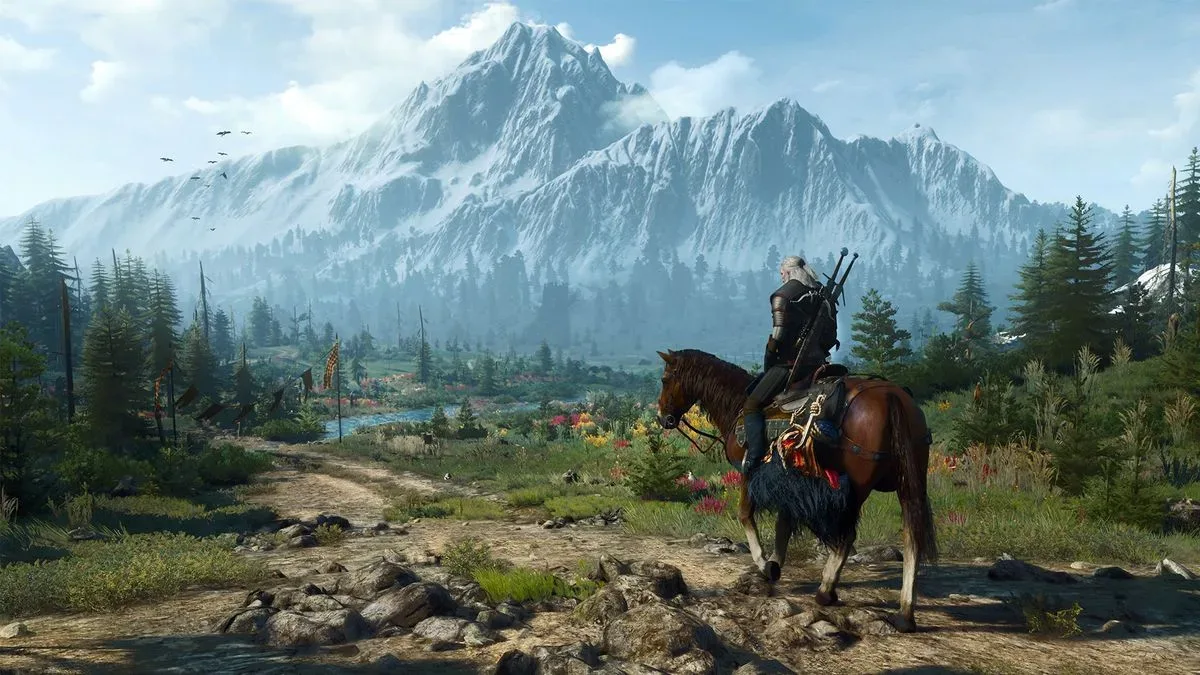
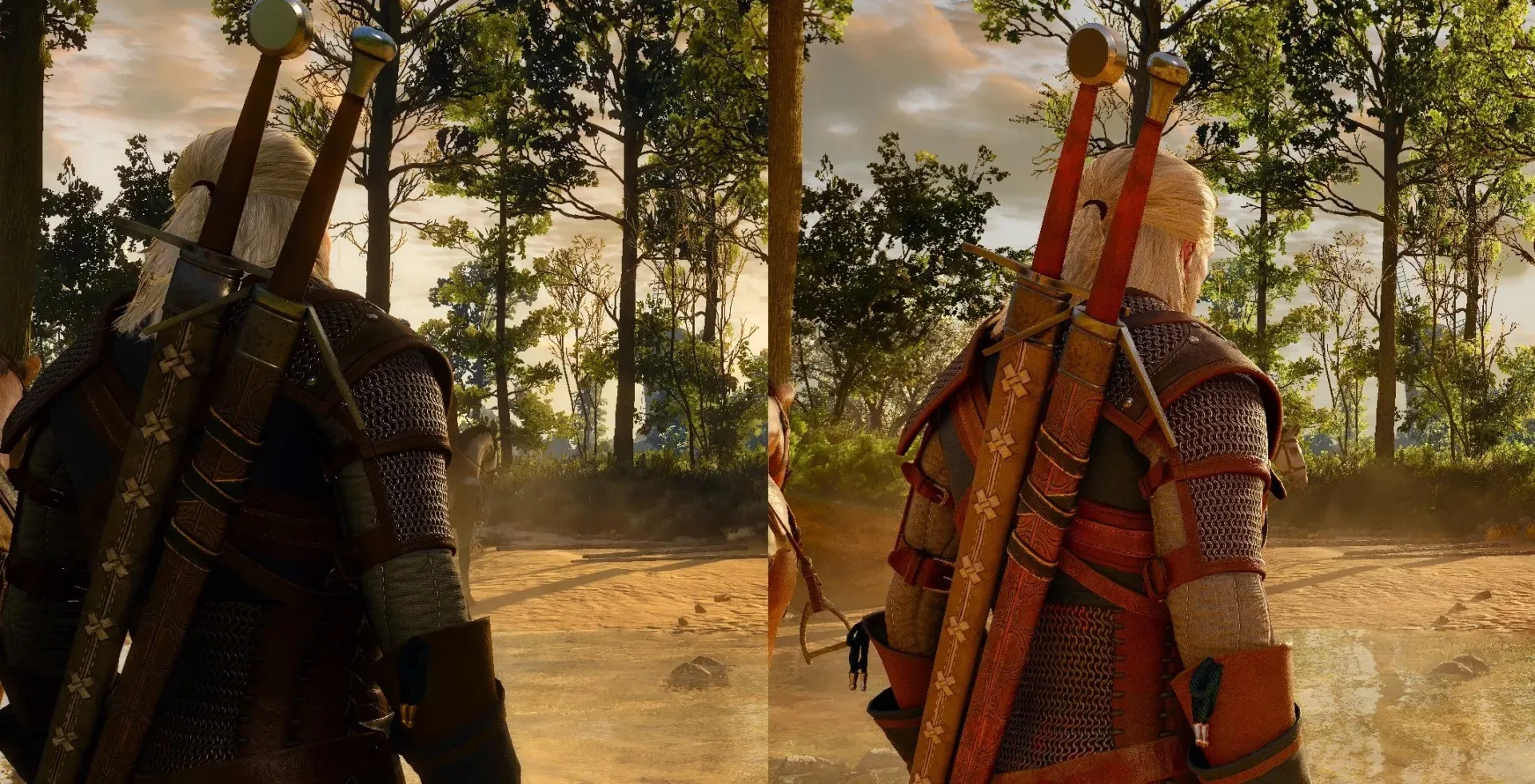
The reported standout is color. Richer shadows and more pronounced contrast make the opening sequence at Kaer Morhen feel especially vivid, while daylight across the landscape gives its greens, golds and distant scenery a more heightened fantasy character. That kind of change is easy to dismiss as cosmetic, but visual direction affects what players notice and how long they stay somewhere. A stronger color palette can make a road feel less like connective tissue between quests and more like a location worth observing.
Importantly, the visual appeal described here was not dependent on every high-end setting. The game was played on a six-year-old gaming laptop after a graphics-driver update, without ray tracing or occlusive lighting, and the result was still described as a major improvement in atmosphere. Ray tracing is a rendering technique that models the paths of light to produce more natural-looking reflections, shadows and illumination, often at a substantial performance cost. Occlusive lighting, in this context, refers to lighting and shadow detail that helps objects feel grounded where surfaces meet or block light. Their absence does not prevent a game from benefiting from art-direction changes such as bolder contrast, more saturated scenery and a more compelling sky.
That is practical news for anyone returning on hardware that is not brand new. The broader lesson is not that every machine will deliver identical results—performance and settings are not detailed here—but that the remastered look may still be noticeable without activating the most demanding graphical options. For a game whose strongest images often come from broad landscapes rather than mirror-like surfaces, artistic readability can matter as much as technical spectacle.
Related coverage includes The Witcher 3 Remastered Makes White Orchard Worth Getting Lost In.
There are quirks to that bolder look. Geralt’s hair can appear surprisingly blue or blond under certain lighting. It is the sort of side effect that can break the illusion for some players and become part of the photo-mode charm for others. A remaster does not merely make an older game “more realistic”; it can make deliberate stylistic choices that produce a different emotional impression. Here, the impression seems to be a more romantic, more colorful version of a world that remains full of war, monsters and hard choices.
The skill-tree rework may be the more useful long-term upgrade
Sunsets are a powerful distraction, but the opening also provided an early chance to examine the remastered progression changes. By the time the griffin contract began, the player had reached level 3 after clearing nearby side quests. White Orchard is not presented as a destination for extensive level grinding, especially given the scale of the main game and its two existing expansions. It is, however, enough space to start making choices about a build.
A build is the combination of abilities, upgrades and supporting choices a player uses to shape a character’s strengths. In The Witcher 3, that can mean emphasizing sword combat, signs, alchemy or a blend of approaches. The report characterizes the earlier system as easy to mishandle: randomly selected mutagens, poor color pairings and abilities left insufficiently upgraded can produce an unfocused character. A mutagen is a character-enhancing item tied to the ability system; its relationship to equipped abilities is part of how players improve Geralt’s effectiveness.
The reworked tree is said to make the available paths clearer. Rather than requiring players to spend all their points within one category before accessing higher-tier skills, the branches now open more naturally. In practice, that allowed an early focus on Igni to lead into the Aard branch without laboring through every lower-level step.
For newcomers, the appeal is obvious: fewer opaque barriers between an idea and the tools needed to try it. For returning players, it may be even more meaningful. Long RPGs invite experimentation, but an unintuitive layout can turn experimentation into accidental waste. A more readable skill tree does not eliminate choices; it makes the consequences of those choices easier to understand.
The early preference here is an Igni build. Igni is Geralt’s fire sign, and the version described includes a continuous flame attack with enough reach to disrupt the griffin and bring it down for sword strikes. Aard is another sign-based ability path. The appeal of leaning into signs at this stage is simple: many enemies are unlikely to enjoy being set on fire. It is a focused plan, which is already a considerable improvement over an indiscriminate scatter of upgrades.
The griffin still asks for preparation, not just pretty framing
The griffin fight remains the moment White Orchard converts its lessons into a test. Monster encounters in The Witcher 3 are not all solved in one universal way. The report notes that some higher-level enemies can fall quickly if Geralt uses the correct oils on his silver sword, while other opponents can be much more punishing. Oils are preparatory weapon applications: in practical terms, they reward identifying a monster type and selecting the appropriate advantage before the fight starts.
That preparation adds texture to the game’s combat fantasy. Geralt is not simply an action hero with two swords; he is a professional hunter expected to research, gather, craft and adapt. White Orchard communicates that role clearly through its quests, and the griffin is a fitting first major contract because it has both the spectacle of a large flying enemy and the structure of a job that needs investigation.
Still, rediscovering systems after a long absence is not always graceful. The crossbow, handed over by Vesemir during the hunt, caused a moment of confusion before it could be equipped. There were also three accidental potion uses and an unfortunate Igni cast aimed at Roach rather than the target. These mishaps are funny, but they also explain why a game’s early region remains valuable even to veterans. Familiarity with a world is not the same as retaining every control, menu and equipment routine years later.
The eventual combat approach was not built around the crossbow at all. Igni’s sustained fire was the preferred means of controlling the griffin, creating the opportunity for melee attacks after the creature was forced down. That is not a universal strategy guide—individual builds and preferences will differ—but it shows the intended flexibility of the underlying systems: preparation matters, and a player can still solve the same encounter through a personal set of favored tools.
Technical stumbles remain a part of the picture
The remastered experience was not free of problems. At one point Geralt reportedly refused to dive for herbs, requiring a reload. At another, dodging failed to cooperate during a tavern brawl. These anecdotes do not establish how widespread either issue is, nor do they amount to a complete technical assessment. They do matter as a reminder that a return to a large open-world RPG can involve both striking presentation and occasional friction.
For players approaching the game with a limited amount of time, that distinction is useful. The remaster’s atmosphere and clearer progression choices may make a new save attractive, but a backup save before a complicated quest step is still sensible when open-world systems behave unexpectedly. The report’s comic emphasis on reloading also underlines a familiar truth: Photo Mode makes an excellent consolation prize when the adventure briefly refuses to cooperate.
That said, the strongest outcome of this White Orchard revisit is not a checklist of upgrades. It is the suggestion that a remaster can alter attention. The same village roads, contracts and errands can feel newly spacious when the lighting and color invite players to pause. A player can set out to evaluate combat adjustments and spend hours arranging virtual landscape photography instead. In a game as large as The Witcher 3, that loss of focus may be the most persuasive praise available.
White Orchard’s griffin is slain, Vizima and Yennefer await, and the wider road leads eventually toward Velen. But the visual overhaul has apparently made leaving harder than expected. For anyone reinstalling the game, the sensible advice may be to reserve more time than the quest log suggests—and perhaps accept that the next marker can wait until after one more sunset. Players interested in how evolving RPG systems shape experience may also want to read our look at why the details matter when technology promises to change games.