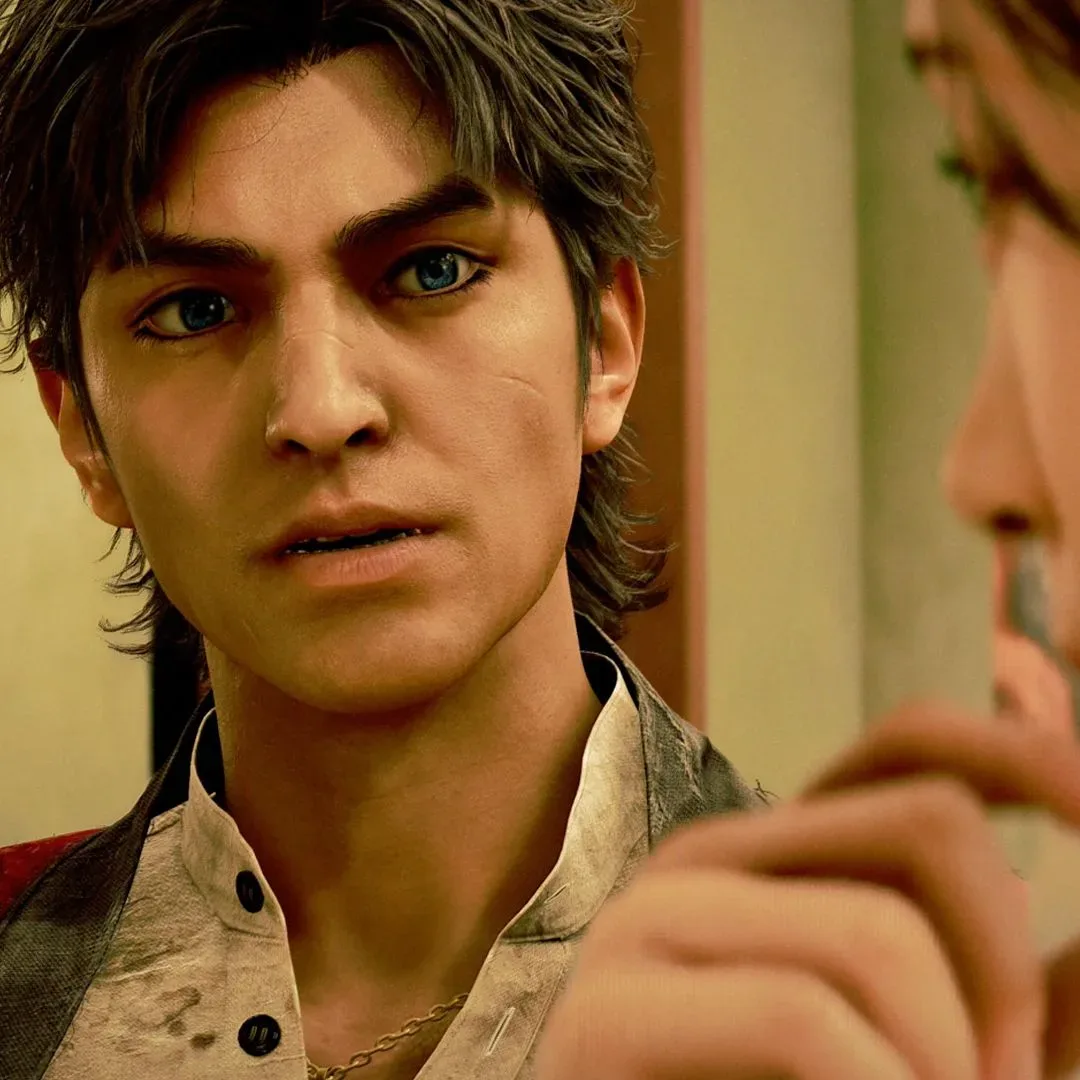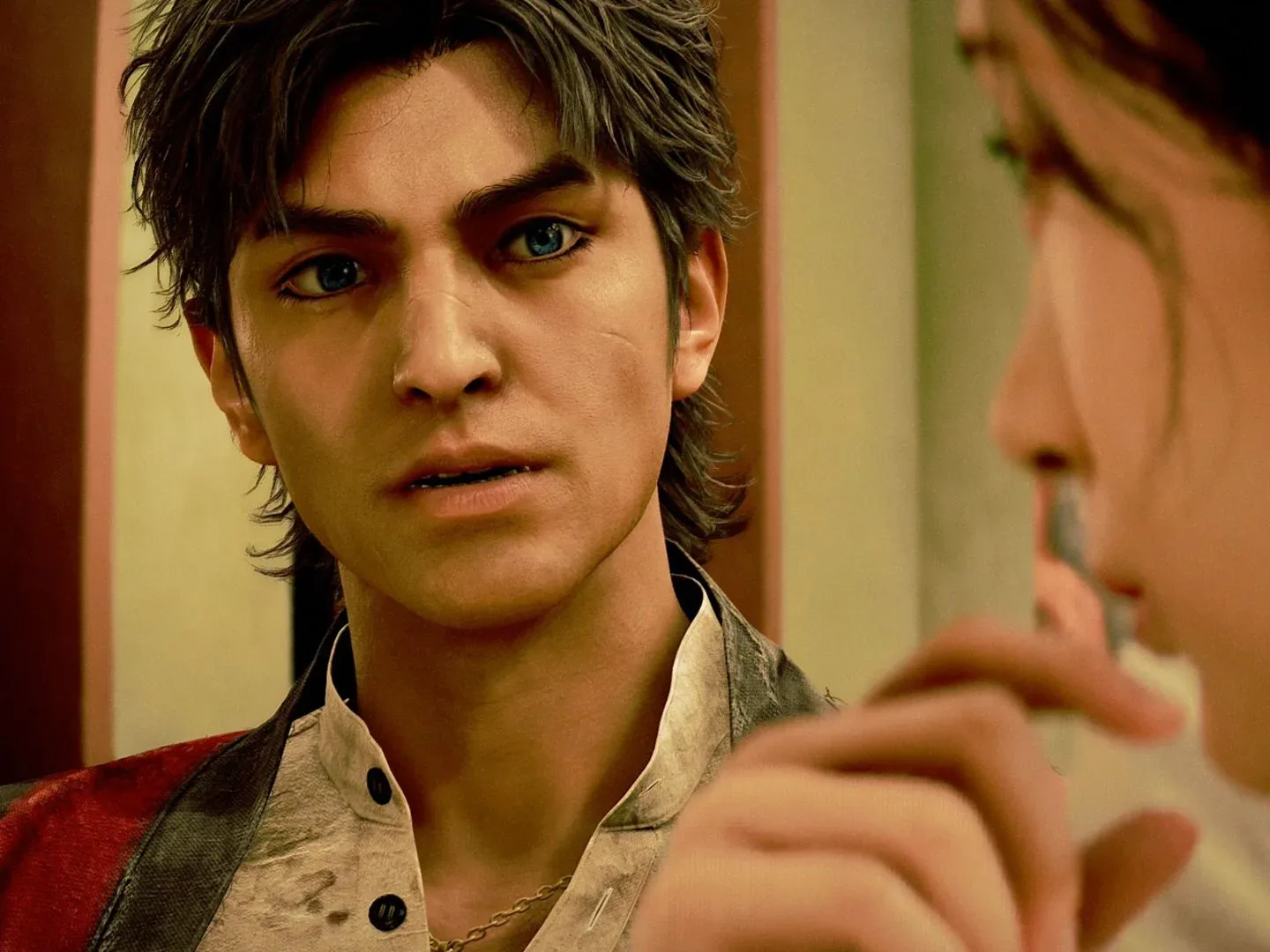
Ryu Ga Gotoku Studio’s Stranger Than Heaven appears to carry some unmistakable crime-drama DNA, but its most compelling idea is not simply that its protagonist can win fights in alleys. It is that Makoto Daito’s fighting, wandering, performing and surviving may all describe the same larger story: a life spent trying to find a place to belong.
The game is scheduled for PC, PlayStation 5 and Xbox Series X on January 15, 2027. Across the material shown so far, Daito moves through multiple periods of early-20th-century Japan, with the game visiting 1915 Kokura, 1929 Kure and 1943 Minami, Osaka. Each location and period presents a visibly different stage in his development. That scope gives Stranger Than Heaven an unusually personal framing for a game that also contains street brawls, dangerous weapon specialists, underground bouts, drinking, commerce and show-business management.
The result looks less like a story about a fixed protagonist moving through changing scenery than one where the passage of time is part of the central mechanic. Daito’s choices and skills are meant to accumulate. His confidence changes. His relationship to a city changes. And the tools through which he connects with other people—from combat to music—change along with him.
A fugitive opening, and a story about home
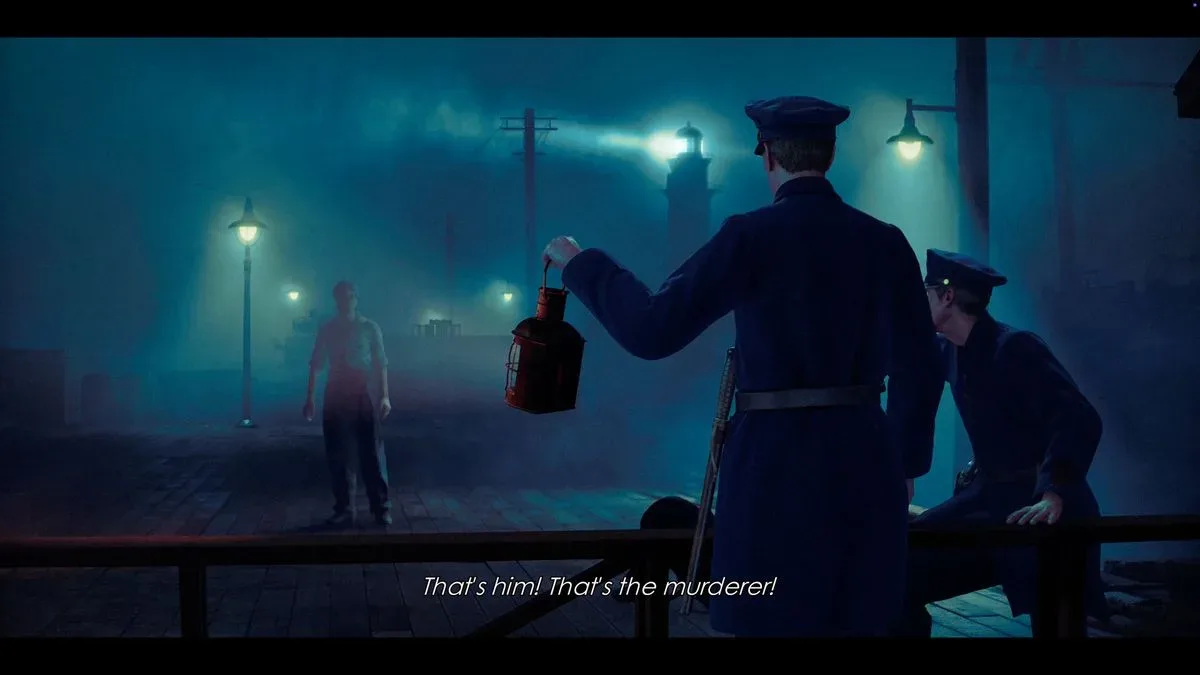
Stranger Than Heaven opens with a deliberately heightened image: a filthy man in a ragged blonde wig and oversized pink bow fleeing police near American docks. A foghorn signals a departing ship, officers corner him, and he ultimately dives into the water in pursuit of an escape route. The man is Makoto Daito, and his flight is not presented as a detached prologue. It establishes an unsettled identity that the game will return to as it follows him across his life.
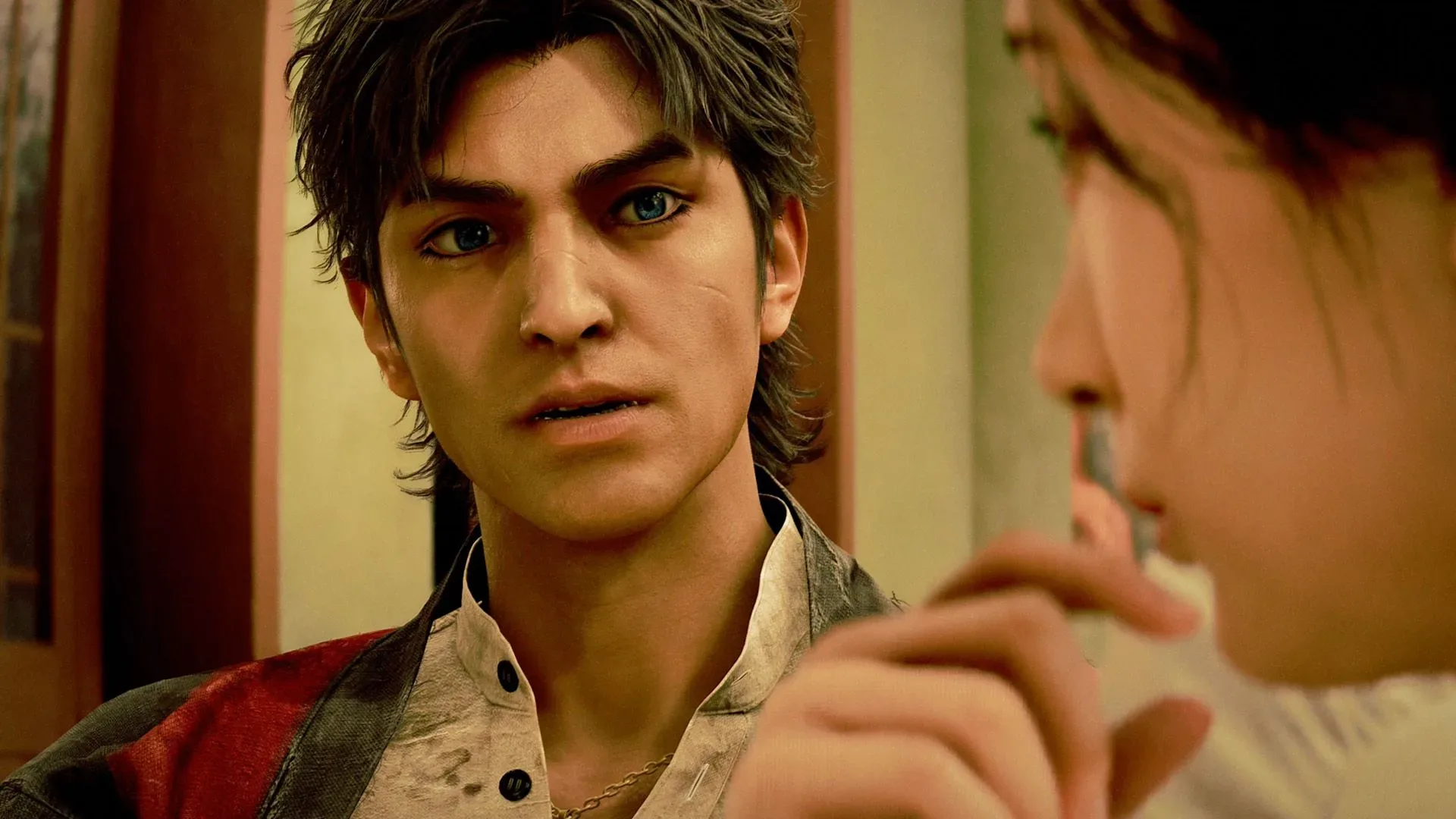
Daito is of mixed American and Japanese heritage, and the narrative focuses on his feeling that he has not been fully accepted as either. The game’s stated interest in “home” is therefore more than an atmospheric word. It concerns who gets to claim belonging, who is treated as an outsider, and whether a person can build a home through relationships rather than inheritance or nationality.
A small scene gives that theme its emotional force: Daito is welcomed home by a companion and quietly repeats the phrase to himself, recognizing that he has never truly felt it before. That is a restrained premise for a game with a loud, theatrical surface, and it could be the element that separates this project from a mere period crime romp. The familiar RGG-style interest in community and chosen family seems to be here, but narrowed onto one man’s evolving sense of self.
There is also an appealing tension in the setting. The game moves across decades rather than holding the player in one frozen nightlife district. A town can change, but so can Daito’s standing within it. The reported 1929 scenes in Kure, for example, emphasize an older, more settled Daito: he uses shops with confidence, goes home, and enters underground fight circles as someone who already understands the rhythms of the place. That contrast should make time jumps matter beyond costume changes and new street signs.
Combat is built around individual limbs, timing and commitment
The most conspicuous mechanical departure is combat. Instead of a conventional face-button attack layout, the game maps Daito’s left and right punches to the shoulder buttons, while the triggers control his kicks. Grabs and parries layer on top of those inputs.
Related coverage includes Stranger Than Heaven Hands-On: RGG Studio's New Crime Drama Turns One Life Into a Sweeping Musical Saga.
That may sound like a simple remapping, but it suggests a different relationship to violence. In a standard beat ’em up, the emphasis is often on chained attack strings and crowd control. Here, separate controls for each fist and foot are intended to make exchanges feel more direct and more deliberate. A player must account for direction, defense and rhythm rather than merely selecting a broad “light attack” or “heavy attack” category.
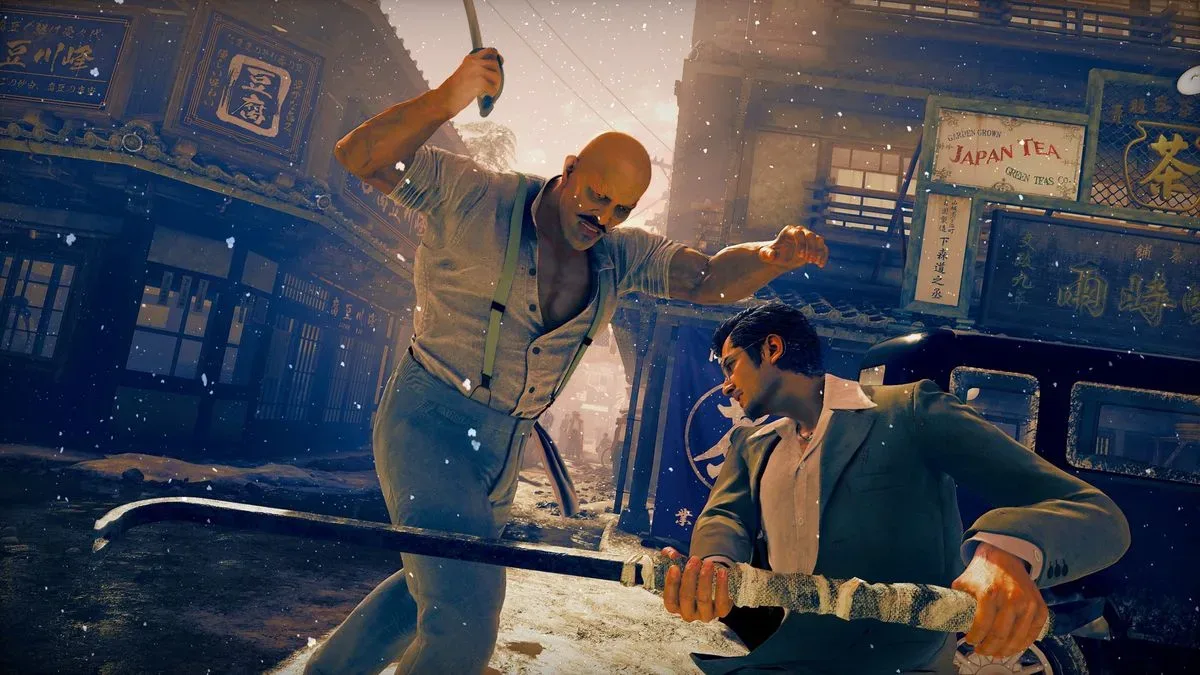
Parry is the key technical term in the available combat description. A parry is a precisely timed defensive response that stops or redirects an incoming attack, generally creating a brief opening for a counterattack. Against a katana-wielding opponent, Daito can apparently block strikes coming from multiple directions, wait out extended attack sequences, stagger the enemy and then capitalize with a grab or follow-up blows. Rolling away from a downward sword slash further points to a system where positioning and reaction timing are as important as offense.
This does not mean every fight will be a one-on-one duel. Kokura includes street confrontations, and Kure has an underground fight club with rotating opponents and special conditions such as a no-weapons rule. Still, the design language points toward fights that aspire to the cadence of a fighting game: reading an opponent, defending intelligently, finding a turn, then committing to a punish.
That is a meaningful distinction. A beat ’em up generally prioritizes handling groups of enemies in a shared space, while a fighting game tends to place greater weight on matchup knowledge, move timing, spacing and the back-and-forth struggle for an opening. Stranger Than Heaven seems to be borrowing the latter’s sense of flow without abandoning the street-level messiness and improvised weapons expected from this kind of urban action game.
Weapon use is also a biography system
Daito’s combat growth is not described only in terms of unlocking generic abilities. Director Mikinobu Abe has explained that repeatedly using a specific weapon teaches Daito skills associated with it. Continue using a knife over the decades covered by the game, for example, and he can develop additional movesets and combos around that weapon.
This is a form of weapon specialization: a progression structure in which repeated use of a tool builds proficiency and expands its options. The interesting wrinkle is that it is explicitly tied to the project’s long time span. A preferred weapon is not just a loadout choice made before a mission; it may become part of the version of Daito the player is creating.
That framing supports the game’s larger focus on a life lived over many years. If Daito carries a habit forward and becomes more capable because of it, then progression conveys personal history rather than simply inflating numbers. The practical implication is equally clear: players may be encouraged to commit to favorite weapons if they want deeper move options, rather than treating every object as interchangeable.
It also raises an important unanswered question. The available material establishes that sustained use unlocks weapon-related development, but it does not spell out how flexible the system will be, whether neglected weapons can catch up quickly, or how that learning transfers across eras. Those details will determine whether specialization feels like expressive role-playing or an undue penalty for experimentation.
Three cities, three versions of a man
The playable spaces described thus far look designed to make their distinct eras tangible through ordinary routines as much as missions. In 1915 Kokura, dirt roads and storefronts give the town a large-but-close-knit character. Daito can visit an apothecary for healing medicine, use a public water source to sober up after drinking, and undertake action such as a warehouse raid to rescue a kidnapped love interest.
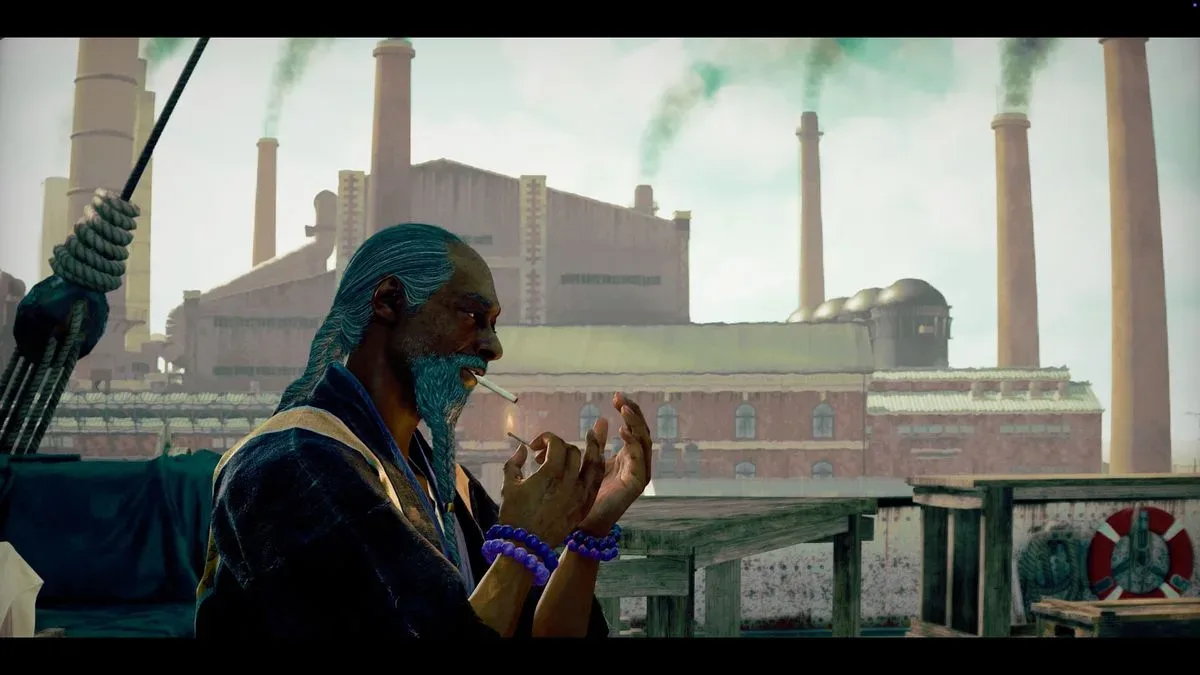
Even the quieter interactions have a mechanical function. Orpheus, an international smuggler who serves as Daito’s mentor and is portrayed by Snoop Dogg, teaches him to roll a cigarette. The item boosts both attack and defense. It is a classic RGG-style collision of character comedy, everyday activity and gameplay utility, but it also makes the setting feel less like a museum piece. Daito is learning social rituals, practical survival habits and combat skills at once.
By 1929, Kure has a different energy. Streets are active with people eating outside, men playing Menko near the river and would-be brawlers seeking conflict. Daito can hang from the side of a trolleycar as it travels down the street, a small traversal flourish that reinforces both the liveliness of the city and his increasing ease within it. The fight club supplies repeatable challenges with conditions and rewards, including pocket change and status.
Then 1943 Minami, Osaka brings neon-lit streets and a much deeper show-business component. The point is not only that the game has three historical backdrops. The systems described for each period indicate that Daito’s life broadens as the years pass: early survival and local relationships, then growing command of a city and its informal combat culture, then creative work and the business of organizing public performances.
Music is not decoration; it is a system for connection
The music layer may be the most ambitious example of Stranger Than Heaven connecting character theme to activity design. Daito gathers “inspiration” from the world: a fight, a radio melody, or dice rattling in a cup can produce collectible prompts represented by colored bubbles. Once collected, those inspirations can be taken to Daito’s base, where pianist Takashi helps turn them into compositions.
The compositions can be adjusted using components with different moods. A relaxing piano backing can be replaced with something more intense, changing the audience response to a live performance. In design terms, this is a mood-tagged composition system: musical elements carry descriptive qualities, and combining them changes the outcome. The available information does not define every possible result, but it does confirm that arrangement choices affect how people receive a song.
From there, Daito also manages the production: ticket prices, musicians and singers, stage lighting, and performers’ attire are all selectable in pursuit of a profitable show. This is more than a quick rhythm diversion. It has the shape of a business-management minigame, where creative decisions and commercial decisions meet.
Its thematic value is stronger than its revenue potential, though. Music is framed as something Daito can use to reach people across language and racial barriers. That makes the inspiration mechanic a fitting expression of the main story’s concerns. He listens closely to the world around him, gathers fragments from ordinary life and violence alike, then reshapes them into something communal.
There is a welcome bit of absurdity in that idea, too: a game can move from a duel by moonlight to fiddling with concert attire and ticket prices without losing sight of its protagonist. That tonal elasticity has long been a strength of RGG Studio’s work. Here, it appears to have a clearer dramatic purpose. The eccentric side systems are not merely breaks from the crime story; they are potential ways Daito learns to participate in the world.
Why Stranger Than Heaven’s structure matters
There is plenty still unknown about Stranger Than Heaven, including the full shape of its plot, the breadth of the cities, and how its systems will connect over a 50-year life. But the evidence available points to a particularly coherent ambition. Combat is about learned physical confidence. Weapons preserve habits over time. Cities communicate changing social status. Music becomes a means of understanding and being understood.
That coherence is what makes the project stand out. It has crime, fights, comedy and dense side activities, but those are serving a bigger premise about identity and belonging. If the final game can keep its multi-era storytelling as legible and human as its individual systems sound, Makoto Daito’s journey could be more than an historical action spectacle. It could be an unusually interactive portrait of a person becoming himself.
For readers following how other games are reshaping familiar interfaces into the core of play, The Main Menu’s approach to turning UI into a horror escape room offers a sharply different example of mechanics carrying a narrative idea. Stranger Than Heaven, meanwhile, is aiming to make every fistfight, song and small city ritual part of one sprawling personal history.