A smart TV is no longer simply a display that happens to include a few streaming apps. It is a connected device with an operating system, firmware, security patches and an app ecosystem—and all of those have a support lifespan that may be much shorter, or much clearer, than the lifespan of the panel itself.
That changes the shopping calculation. A buyer can compare screen size, resolution and ports at a glance, but the more consequential question for the years ahead can be harder to answer: how long will this particular TV receive software updates? There is no universal support rule across television makers. Some companies state a specific duration, some provide a model-by-model end date, and some offer only general language—or no firm TV-specific pledge at all.
For people using a TV as the main hub for subscription video, music apps and connected services, that policy matters. Updates can improve performance, maintain app compatibility and address security issues. A television may continue to power on and produce a perfectly usable image after its software support ends, but its built-in smart features can gradually become the weak link.
Samsung currently sets the clearest long-term baseline
Samsung has one of the most explicit commitments in this group. TVs from 2024 onward are slated to receive seven years of software updates for the company’s Linux-based Tizen operating system. The commitment, made in 2024, also includes select 2023 models.
In practical terms, a Samsung TV bought from the 2024 range is expected to receive firmware and software attention through at least 2031. That does not necessarily mean every update will transform the interface or add every newly introduced feature. It does mean Samsung has attached a defined seven-year runway to the smart-TV software itself, which is unusually useful information when a television is expected to stay in a living room for many years.
Older Samsung models are in a different position. They are not expected to receive major new Tizen versions, although occasional maintenance and security firmware updates may still arrive. That distinction is important: a device can receive a limited patch without receiving a full operating-system generation update.
What a software-support promise actually means
Three related terms are often bundled together in TV marketing and conversations, but they are not interchangeable:
- Operating-system updates are major changes to the TV’s software platform, such as a newer version of Tizen or webOS. These may bring interface changes, platform capabilities or other broad revisions.
- Firmware updates update the underlying software that helps the television’s hardware and system functions operate. They may address stability, maintenance or security.
- Security updates focus on vulnerabilities and device protection. They are especially relevant to internet-connected televisions, even when the visual interface remains largely unchanged.
Samsung’s stated seven-year commitment is valuable because it speaks directly to software updates rather than relying solely on a vague expectation that patches might arrive. It gives prospective owners a time horizon to weigh alongside the hardware specification sheet.
LG guarantees webOS updates, with an important timing caveat
LG’s approach is also defined, though it works differently. In early 2024, the company introduced its webOS Re:New program, guaranteeing four years of webOS updates for TV models from 2022 onward.
The key detail is that these updates arrive one year behind the version that launches on LG’s newest TVs. webOS 26, for example, debuted on 2026 TVs and is set to reach a 2025 television a year later. Therefore, the promise is not that an older eligible set receives the newest software at exactly the same moment as the newest hardware. It is a commitment to continued progression through webOS releases on a delayed schedule.
For shoppers, this is still substantially more informative than an open-ended assurance. Four years is shorter than Samsung’s seven-year commitment, but it remains a published framework that applies to a defined model range. It also highlights why it is worth asking not just whether a model will be updated, but which update it will receive and when.
The difference between a same-year and delayed rollout need not be a deal-breaker. It does, however, make a newer LG television the earliest recipient of its corresponding webOS version. A buyer choosing an earlier eligible model should understand that the software path is intentionally staggered.
Sony demonstrates why checking the exact model matters
Sony does not provide one fixed support duration across its television lineup. The available end points can vary by model, even within the same model year. Two 2025 examples show why a buyer should treat the specific product support page as part of the purchase research rather than assume every Bravia follows one company-wide timeline.
The Sony Bravia K-65XR80M2 OLED lists an end-of-life date of April 2029. The Sony Bravia 2 II K-65S25VM2, also from the 2025 lineup, is listed as receiving security updates until June 2030. Those dates concern different models and should not be converted into a blanket promise for all Sony TVs. They instead demonstrate that software longevity can differ even where the release year is shared.
Platform ownership is another distinction. Samsung uses Tizen and LG uses webOS, but Sony uses Google TV on models released after 2021; earlier sets used Android TV. The operating system may be familiar to people who use other Google-connected screens, yet a Google TV badge alone does not supply a uniform Sony support timetable. The model’s stated support information remains the more useful reference.
This is the central practical lesson from Sony’s examples: the brand name, release year and smart-TV platform are not enough to establish a reliable update horizon. Model-specific documentation is the deciding evidence.
TCL and Roku: frequent software is not the same as a published lifespan
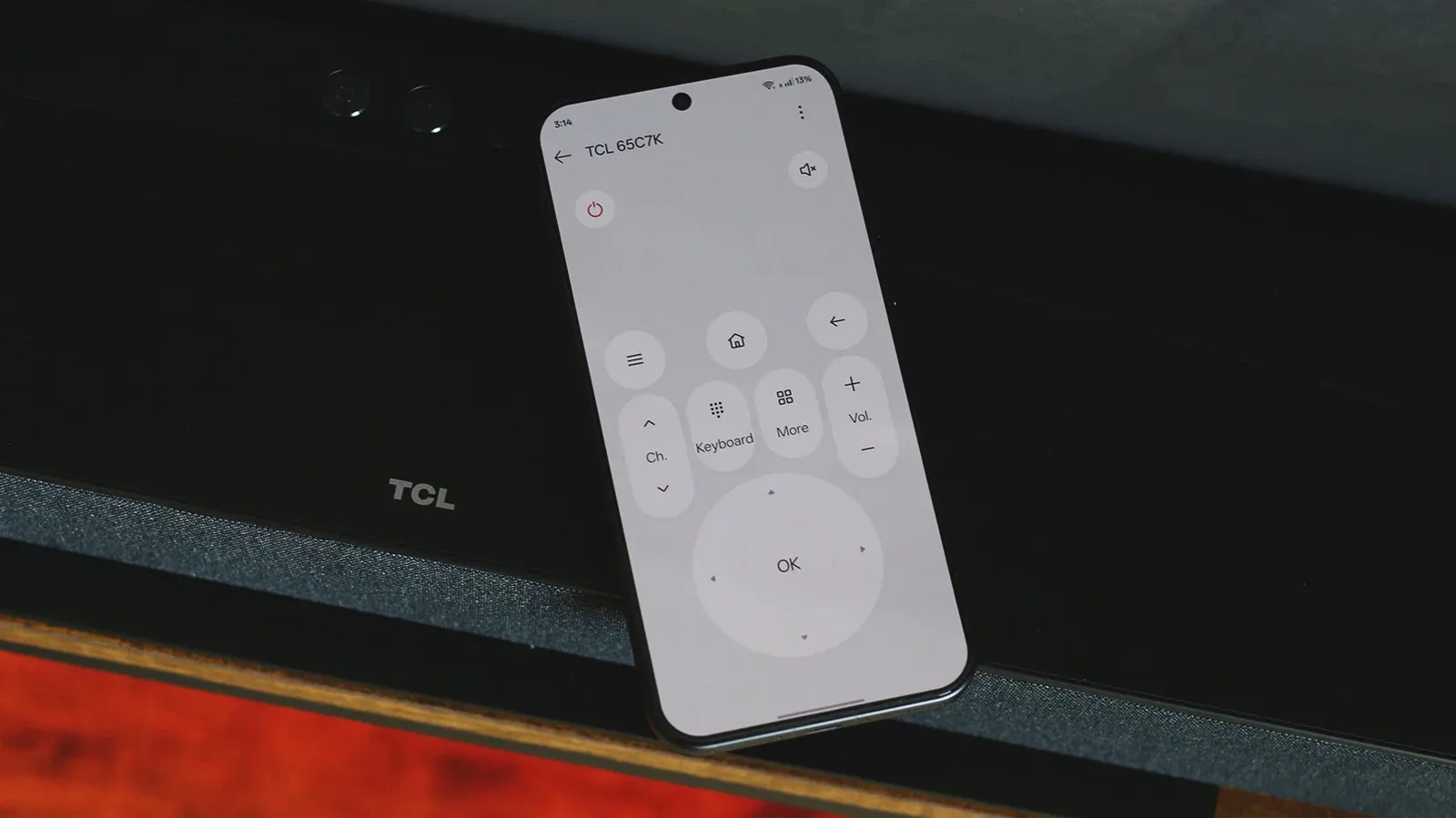
TCL also lacks a fixed television-wide update commitment. Its software security information says the company typically provides security updates for at least two years after the first shipment of a particular device model, but that statement does not explicitly identify TVs. TCL sets can run Google TV, older Android TV software, or Roku TV depending on the model.
That uncertainty means shoppers should avoid treating a general device-security statement as a guaranteed TV policy. “Typically” describes a usual practice rather than an unambiguous promise, and a policy that does not specifically name televisions leaves meaningful room for doubt.
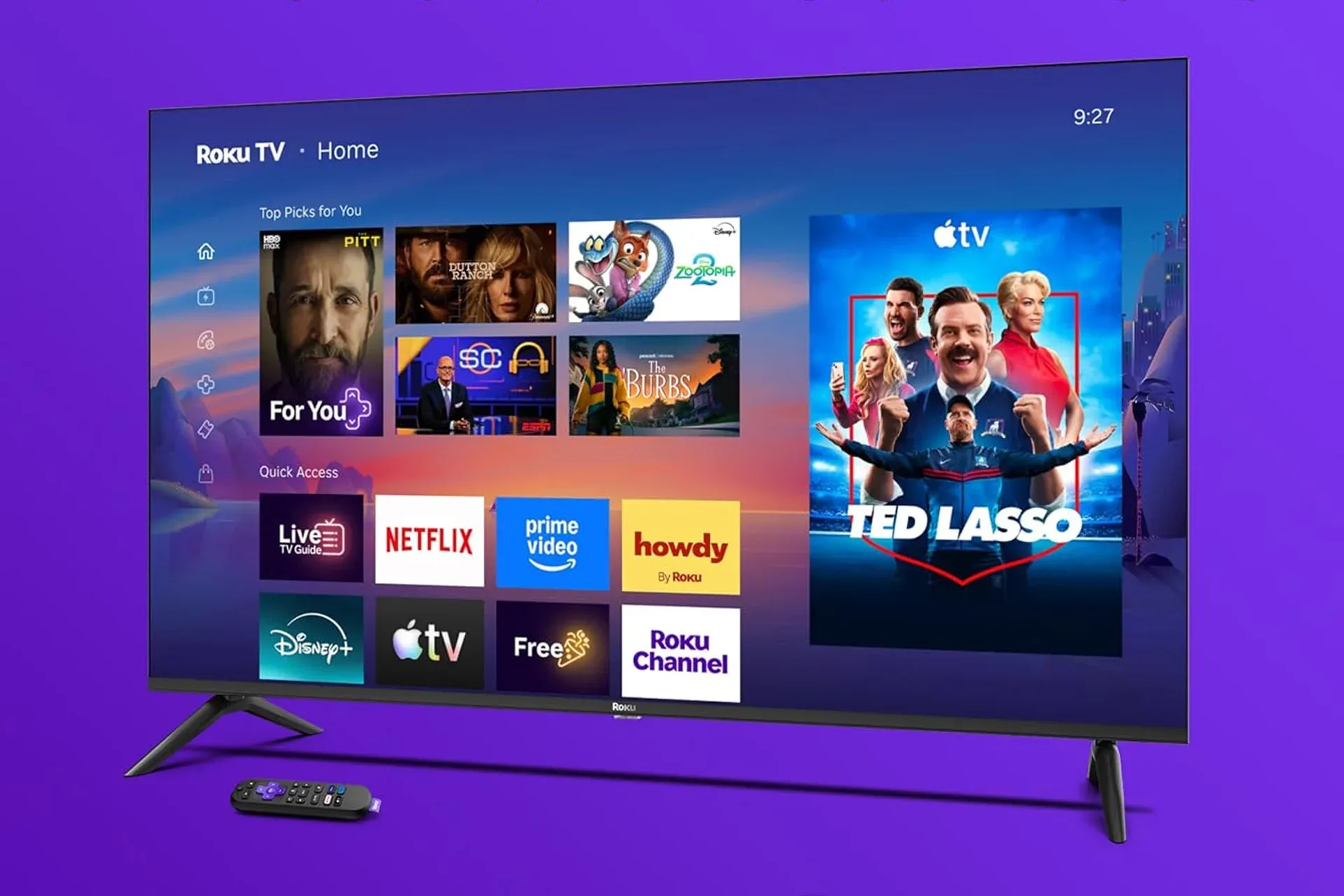
Roku presents another version of the same problem. Its Pro, Plus and Select Series televisions are relatively recent—the first arrived in 2023—so there is not yet a long pattern from which to determine an exact support lifespan. Roku does not publish a fixed support term for those televisions, and it also does not publish end-of-life dates for its streaming boxes.
There is a reasonable case for expecting active software attention from Roku, given its focus on streaming hardware and software and its frequent update cadence. But that is an expectation, not a published duration. Buyers should keep those categories separate. A company’s reputation for updates can be encouraging; a written support end date is stronger information.
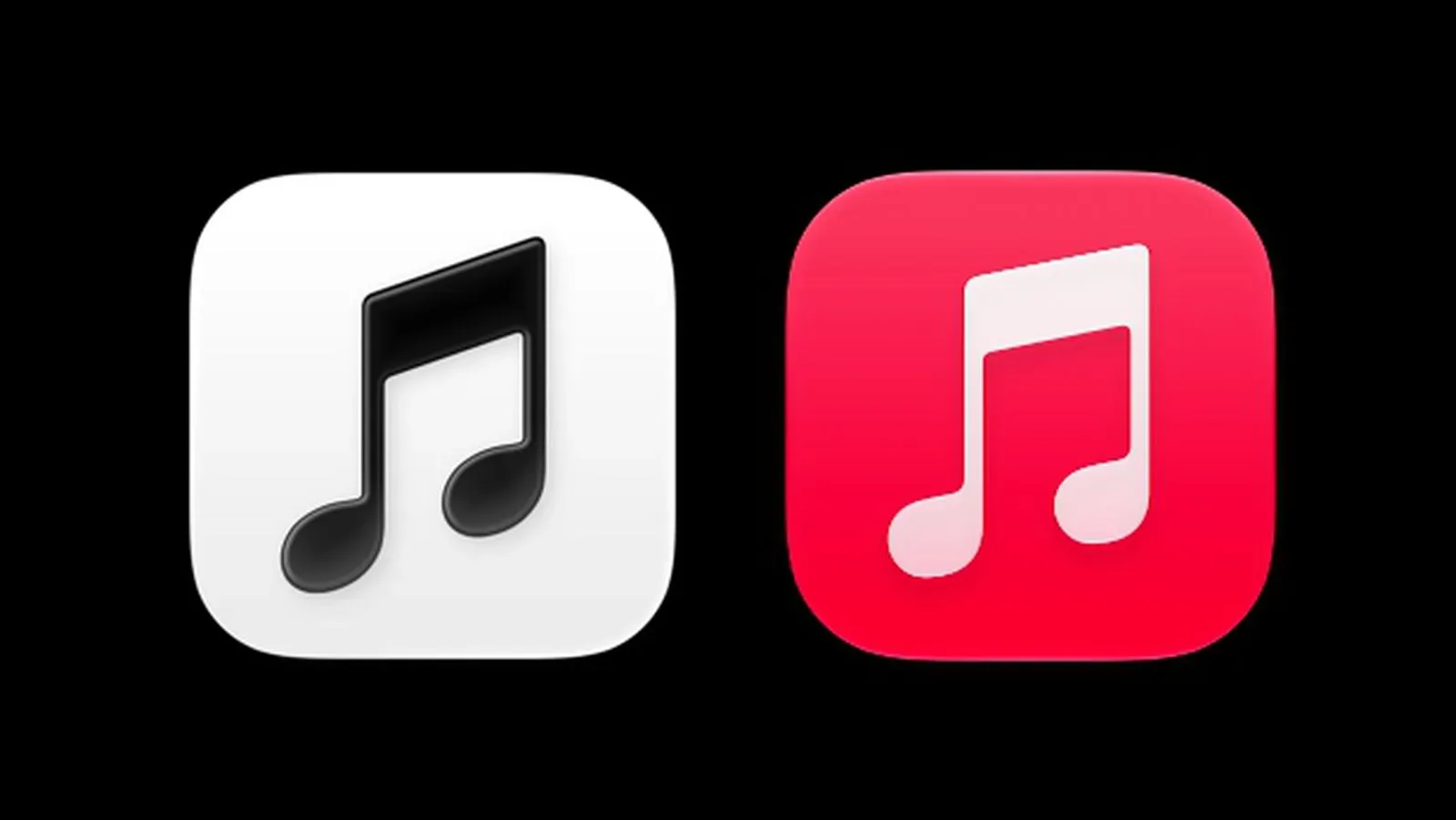
Software interfaces can change well after a device is purchased, whether through broad platform updates or smaller visual adjustments. That wider reality is visible in other connected-media software too, including Apple Music’s icon change in an iOS beta. On a television, though, the more important issue is whether the manufacturer still has a stated obligation to deliver those changes and the security maintenance behind them.
Hisense support depends heavily on where the television is sold
Hisense is a reminder that a support policy may be regional, not simply global. In Europe, most Hisense TVs use the company’s proprietary VIDAA operating system. Since 2025, the company has pledged support for up to eight years for these models. That is the longest duration mentioned here, but the wording matters: “up to” eight years is a maximum, not an assurance that every qualifying set receives exactly eight years.
In the United States, many Hisense sets instead use Android TV, Fire TV, Google TV or Roku TV. In those cases, the long-term software picture depends on the platform provider associated with the specific model. A shopper cannot safely take the European VIDAA commitment and apply it to a U.S. Hisense television with a different operating system.
That is a useful warning beyond Hisense. Product names can be shared across markets while the underlying software differs. When support duration is a priority, checking both the region and the actual OS is as necessary as checking the model number.
Vizio and Insignia show two very different support disclosures
Vizio operates its own Vizio OS and includes more than 300 apps. The company issues automatic firmware updates regularly, but it does not guarantee a fixed support term for individual TV models. Regular updates are preferable to silence, yet buyers are still left without a defined endpoint for major software or security coverage.
Insignia uses Amazon’s Fire OS. That makes Amazon’s support commitment the relevant guide for the platform: the Fire TV Software Security Updates page says the commitment is at least four years. It is a clearer minimum than Vizio supplies, though it remains worth separating Fire OS security updates from any broader assumption about feature updates or a particular Insignia model’s full lifespan.
How to shop without letting support policy become an afterthought
The most dependable approach is to consider smart-TV support before the sale rather than after an app stops working. A short pre-purchase checklist can expose the difference between an explicit promise and hopeful inference:
- Identify the exact model, not just the brand. Sony’s 2025 examples show why this matters.
- Confirm the operating system. The same manufacturer can sell sets running different software in different regions or product lines.
- Look for a stated number of years and read its wording. “Seven years,” “four years,” “at least four years” and “up to eight years” convey different levels of certainty.
- Determine whether the promise covers OS upgrades, security patches, or both. A security commitment is meaningful, but it is not automatically equivalent to years of major platform releases.
- Check the start point. TCL’s general statement uses first shipment of a model, which is different from a guarantee measured from the date an individual owner buys the television.
- Check regional applicability. Hisense’s VIDAA policy makes this step essential.
If the built-in software eventually reaches end of support, the television does not have to become electronic furniture with a nice picture. An external streaming box can provide access to current versions of favored apps and extend the useful life of the screen itself. That is often the practical escape hatch for a still-functional panel whose internal smart platform has aged out.
The clearest current takeaway is straightforward. Samsung offers the strongest stated long-term commitment among the broadly available policies described here, with seven years for 2024-and-later Tizen TVs and select 2023 sets. LG provides a defined four-year webOS program for models from 2022 onward, albeit with a one-year release delay. European Hisense VIDAA models have a potentially longer, but maximum-based, eight-year pledge. For Sony, TCL, Roku and Vizio, the burden is more often on the shopper to locate model-specific details or accept that no fixed public duration has been promised.