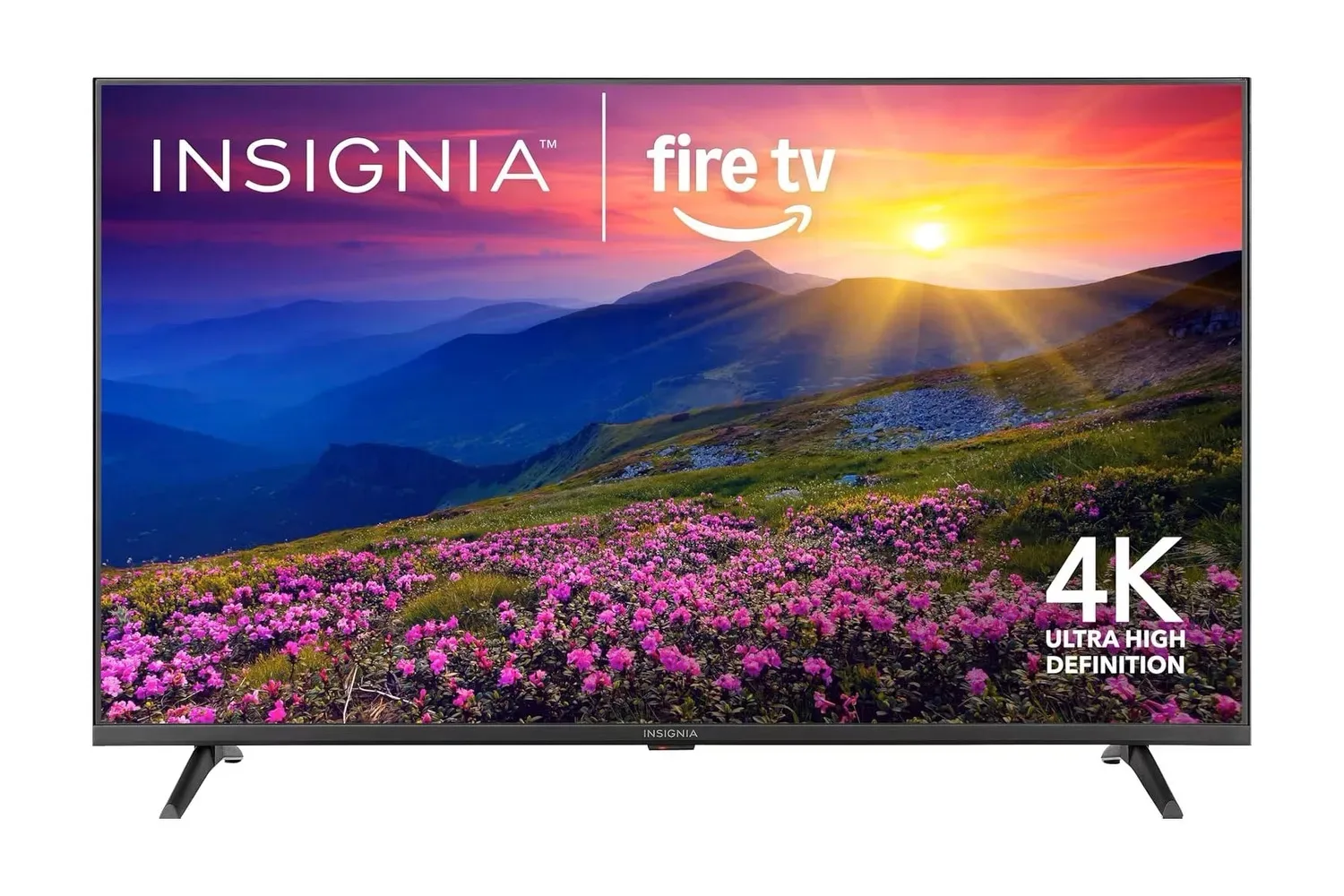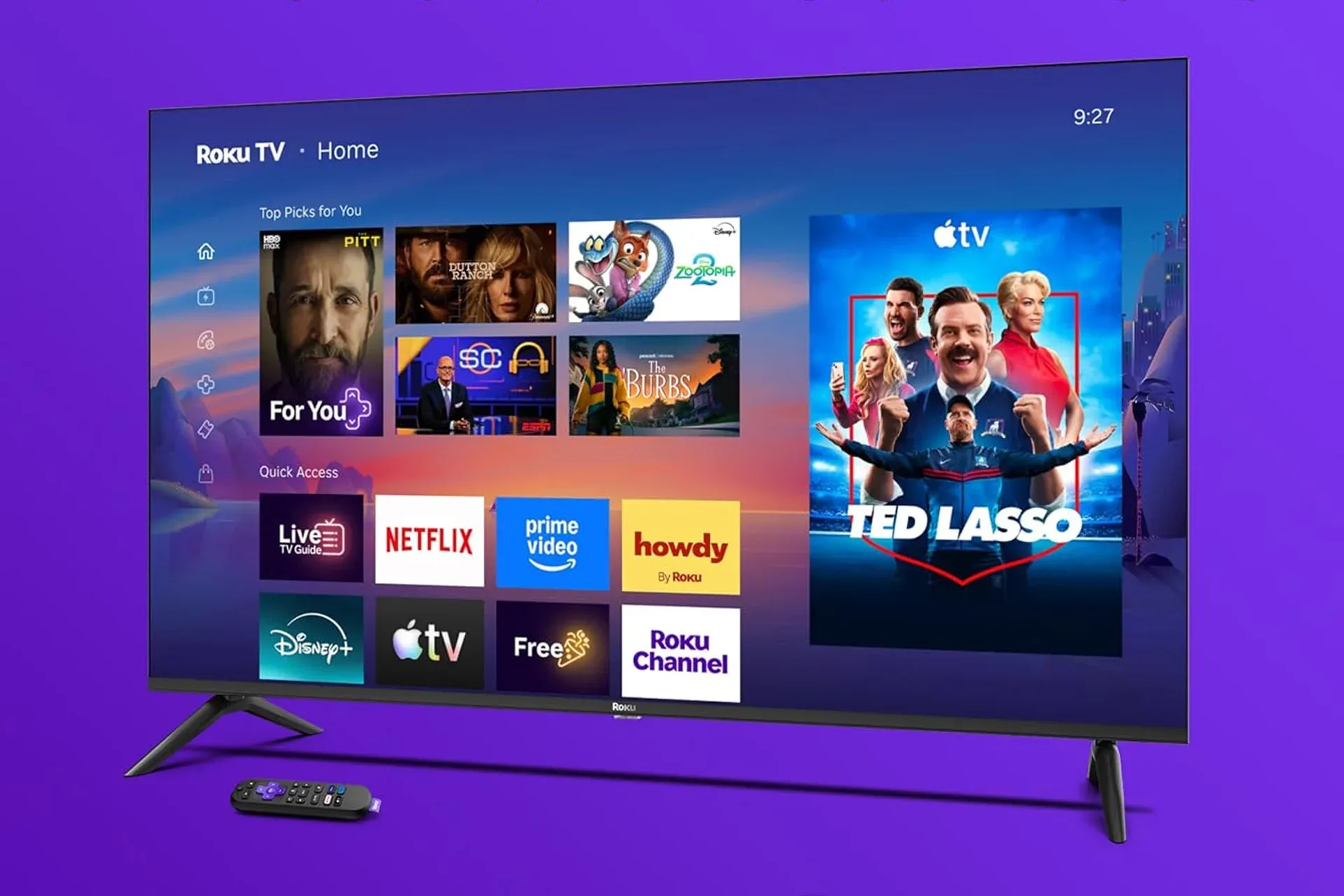
A 50-inch Roku Select Series smart TV is listed at $200, a stated $100 reduction from its usual $300 price. That is a notable price point for a new 4K television with Roku’s built-in streaming interface, HDR10 support, four HDMI inputs and an enhanced voice remote.
The important qualifier is that the listing describes the price as limited-time, so it should be treated as a current retail listing rather than a permanent new baseline. Anyone shopping primarily for a gaming display should also resist reducing the decision to screen size and price alone. The supplied specifications make a clear case for flexibility in a living-room setup, particularly where multiple consoles and a soundbar need to coexist, but they do not establish every performance detail a demanding player may want to know.
What the $200 listing includes
The Select Series model in question has a 50-inch screen, 4K resolution and HDR10 support. In practical terms, 4K refers to a display resolution of 3,840 by 2,160 pixels. It provides substantially more pixel detail than a 1080p screen, assuming the connected console, streaming app or other video source is delivering 4K material.
HDR10 is a high-dynamic-range format. Its purpose is to allow compatible content to represent a broader range between dark and bright portions of an image, alongside expanded color information. That does not mean every program or game will automatically look dramatically different: the source needs HDR support, and the visual outcome depends on the complete chain of source device, content and display. Still, its inclusion means the TV is positioned to accept common HDR10 content rather than being limited to standard dynamic range alone.
For a household looking for one screen to handle streaming, console games and external media devices, the more immediately useful specification may be the total of four HDMI inputs. Ports are easy to overlook until a setup includes more hardware than available connections. With four inputs, a player could leave more than one console connected while still retaining connections for another device, without making the supplied information promise any particular resolution, refresh-rate or gaming-mode capabilities.
Four HDMI ports matter more than the headline sometimes suggests
HDMI is the cable connection commonly used to carry video and audio between a TV and devices such as game consoles, media players and sound systems. A four-port arrangement is useful because it reduces the need to repeatedly disconnect equipment when switching between systems.
That is especially relevant for people mixing generations of hardware. A setup can grow quickly: a current console, an older machine, a docked handheld system, and a streaming or media device can each demand a port. The Roku interface reduces the need for a separate streaming stick for the listed services, which may leave more of those HDMI connections available for gaming hardware.
However, four ports should not be mistaken for a complete gaming specification sheet. The information supplied identifies the number of inputs but does not state features such as supported refresh rates, variable refresh rate, automatic low-latency behavior, HDMI version, or input-lag measurements. Those are the details that buyers focused on highly responsive or technically specialized play would need to confirm independently before treating this as a performance-first gaming TV.
The fourth connection is eARC
The fourth HDMI input also supports eARC, short for enhanced Audio Return Channel. This connection is designed to send audio from the TV to a compatible soundbar or home-audio system over HDMI. Put simply, it can help keep the television at the center of a setup while routing sound outward to a dedicated audio product.
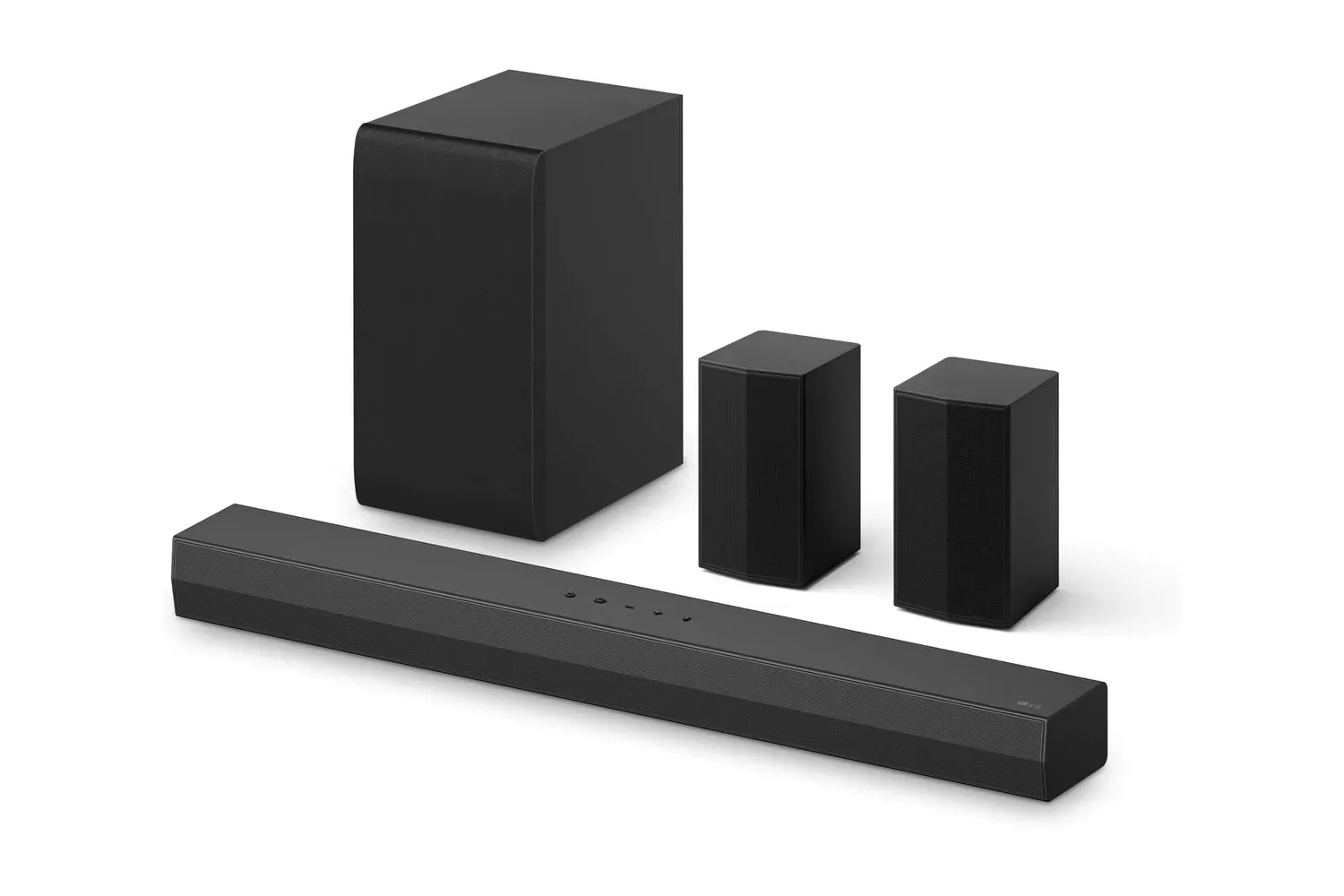
For console players, that can be a practical arrangement: consoles connect to the TV, while the TV’s eARC connection links to compatible audio equipment. It can also simplify streaming audio from the TV’s built-in apps. Compatibility remains important, though, because the other audio component needs to support the appropriate connection. Buyers weighing a fuller living-room audio upgrade may also want to consider options such as the LG S40TR 4.1 soundbar setup, while checking current listings and connection requirements before buying.
Roku is the TV’s central convenience feature
Because this is a Roku TV rather than only a panel with HDMI ports, its streaming software is built in. The listed apps include Netflix, Prime Video, Apple TV, Disney Plus, Hulu, HBO Max, Shudder and Dropout. The platform also offers ad-supported viewing options for live TV, news, sports, movies and shows, with more than 50 free TV channels described in the listing.
The practical advantage is straightforward: the TV can serve streaming services without an additional external box or stick. That does not erase the need for subscriptions where a service requires one, and free ad-supported programming is not the same thing as unrestricted access to every app’s catalog. It does, however, make the television more self-contained for viewers who want a single interface for a variety of services.
Search is another part of that pitch. Roku’s search function is described as letting users look for a title without first knowing which app carries it. That is useful in a fragmented streaming environment, where the friction is often not typing a title but figuring out where it is available. The supplied information also identifies voice search through the remote, offering an alternative to entering letters manually with an on-screen keyboard.
The enhanced voice remote addresses small, real annoyances
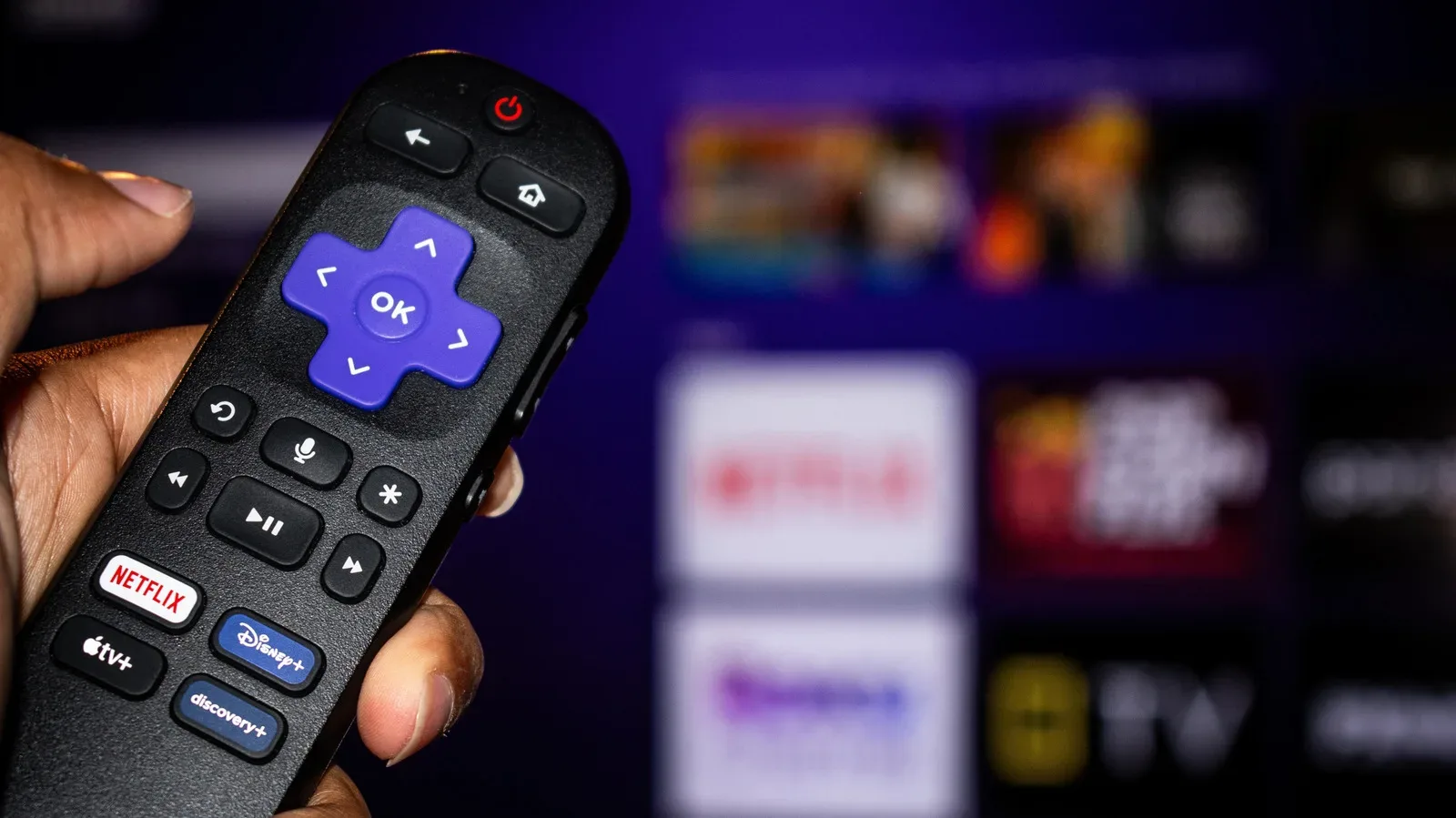
The included enhanced voice remote has a voice-search function and a lost-remote finder. Neither changes the panel’s picture capabilities, but both target the everyday inconveniences that can shape whether a TV interface feels pleasant to use.
Voice search lets a user speak the title they want to find rather than typing it out. That can be especially handy for longer show or film names, or simply when the remote’s directional controls would make text entry slow. The lost-remote finder can make the remote emit a signal when it has slipped between couch cushions or otherwise vanished nearby.
These features should be viewed as convenience tools, not as substitutes for checking the essentials. A buyer’s first questions should still be whether 50 inches suits the room, whether their existing consoles and sound hardware can be connected in the desired arrangement, and whether the current $200 listing remains available. But at this price level, a voice remote with a finder function adds useful day-to-day value rather than being merely decorative.
Who this listing appears best suited for
Based on the provided specifications, the 50-inch Roku Select Series is most compelling for someone who wants an affordable shared-screen television that can accommodate several devices. Its combination of 4K, HDR10, Roku streaming and four HDMI inputs aligns with a general-purpose entertainment setup more than a narrowly specified competitive-gaming display.
- Good fit: a living room or bedroom that needs streaming and room for several HDMI-connected devices.
- Good fit: players who want to keep multiple consoles connected without immediately relying on an HDMI switch.
- Good fit: viewers who value Roku’s app selection, universal title search and free ad-supported channel options.
- Worth verifying first: shoppers whose purchase depends on particular refresh-rate, latency, variable-refresh-rate or HDMI-standard requirements, none of which are detailed here.
- Worth verifying first: anyone building around a soundbar should confirm eARC compatibility with their chosen audio equipment.
There is also a budget argument here. A screen at the stated $200 price leaves room in a broader entertainment budget for games, an extra controller, cables or audio equipment. That does not make it automatically the best choice for every setup, but the port count is unusually relevant to that value discussion: a less expensive TV becomes more useful when it can accept the devices a household already owns.
Bottom line: a flexible TV listing, with sensible checks before checkout
The stated $200 price makes this Roku 50-inch Select Series TV an attention-worthy option for a value-minded gaming and streaming room. Its strongest documented assets are not exotic: a 4K screen, HDR10, built-in Roku software, four HDMI inputs, eARC on the fourth port, voice search and a remote finder. Together, those features point to a TV designed to reduce the clutter and connection juggling that often builds up around a shared screen.
There are clear limits to what can be concluded from the listing. It does not provide a complete gaming-performance profile, so shoppers with exact technical demands should verify those separately. And because the discount is presented as limited-time, the listed price may change. For buyers whose priority is a 50-inch 4K Roku TV with space for multiple consoles and a compatible soundbar, though, the combination is straightforward: this is a practical, feature-conscious setup at a claimed $100 off its usual price.
Shop the products
Check current price, model and availability at the retailer.