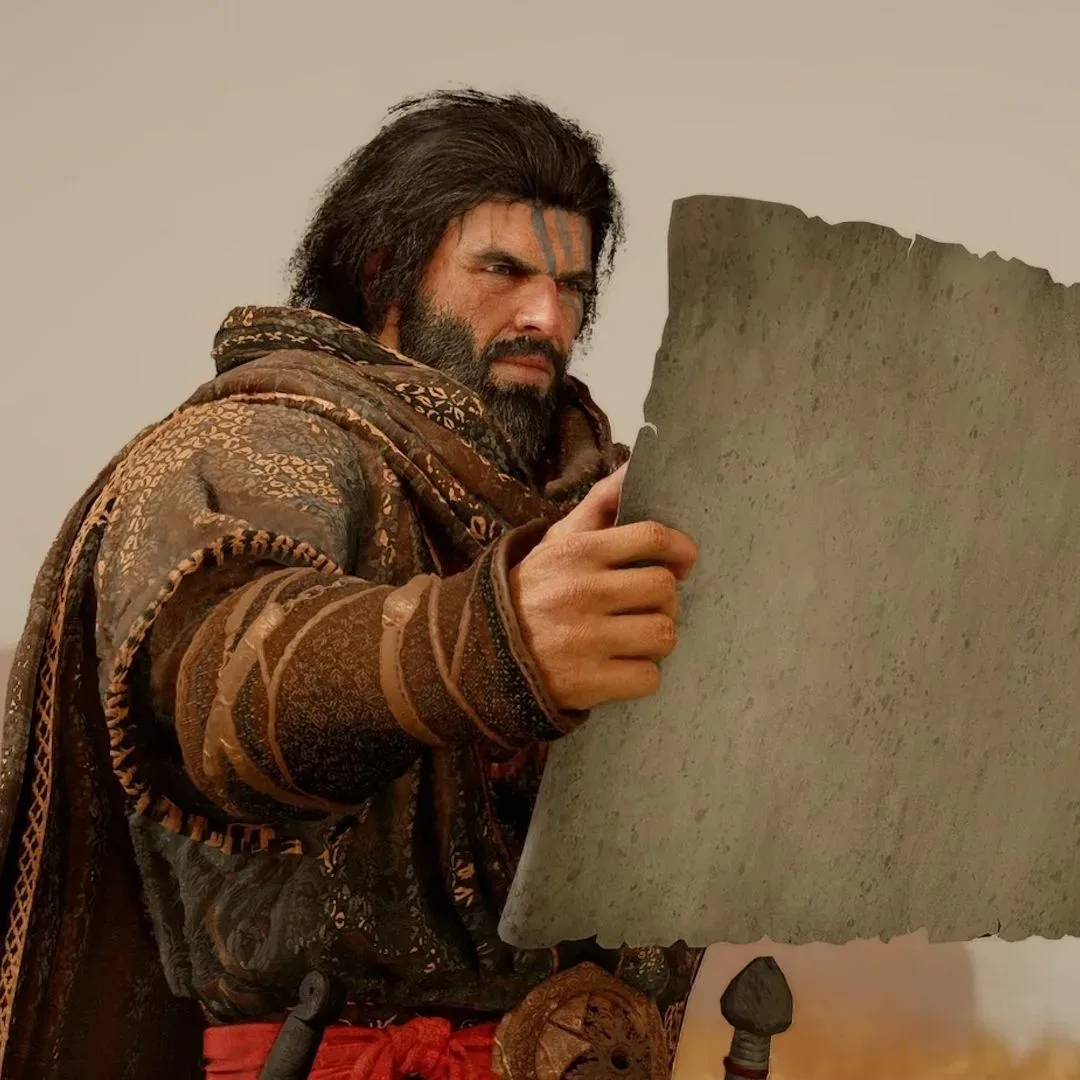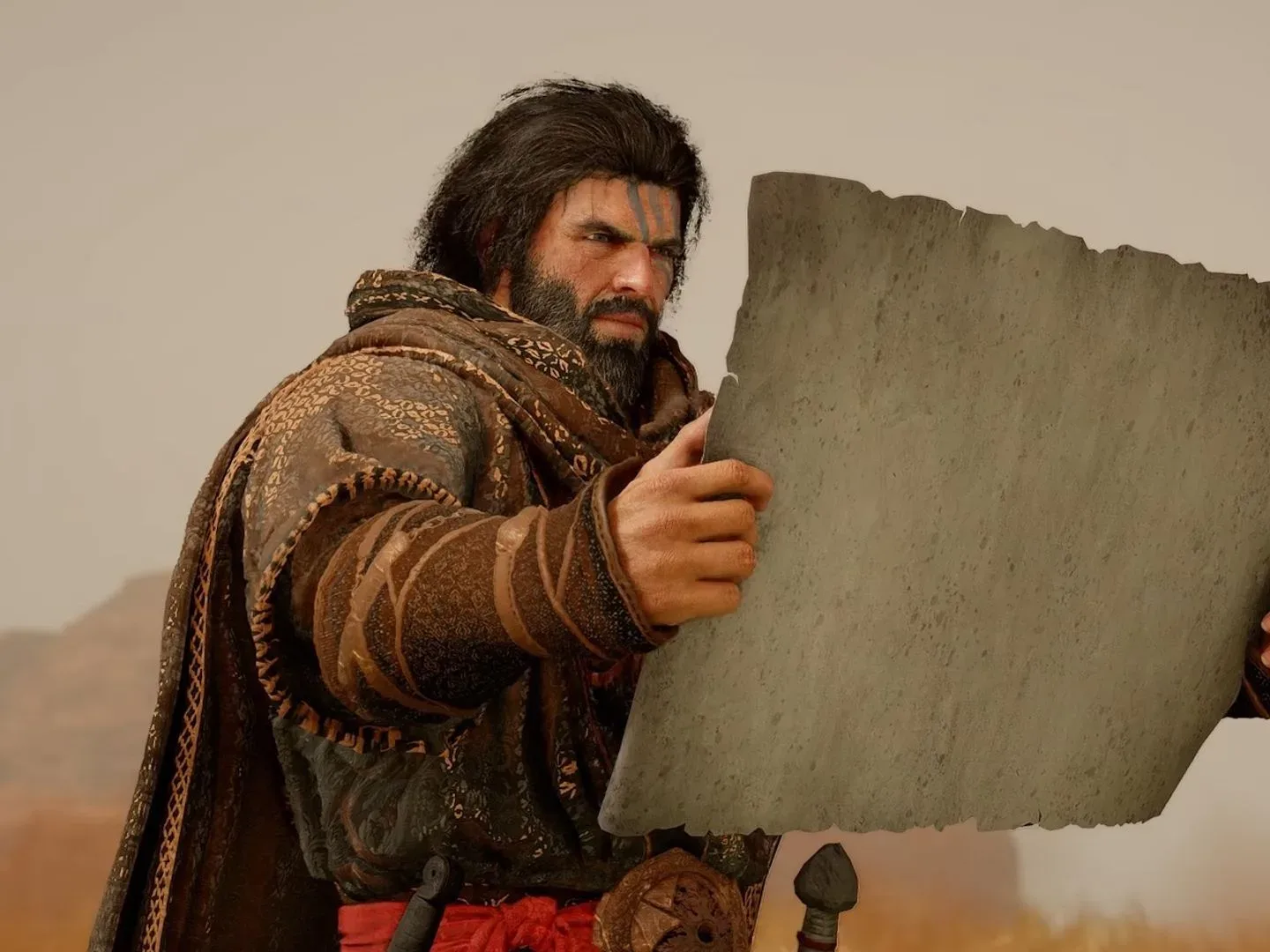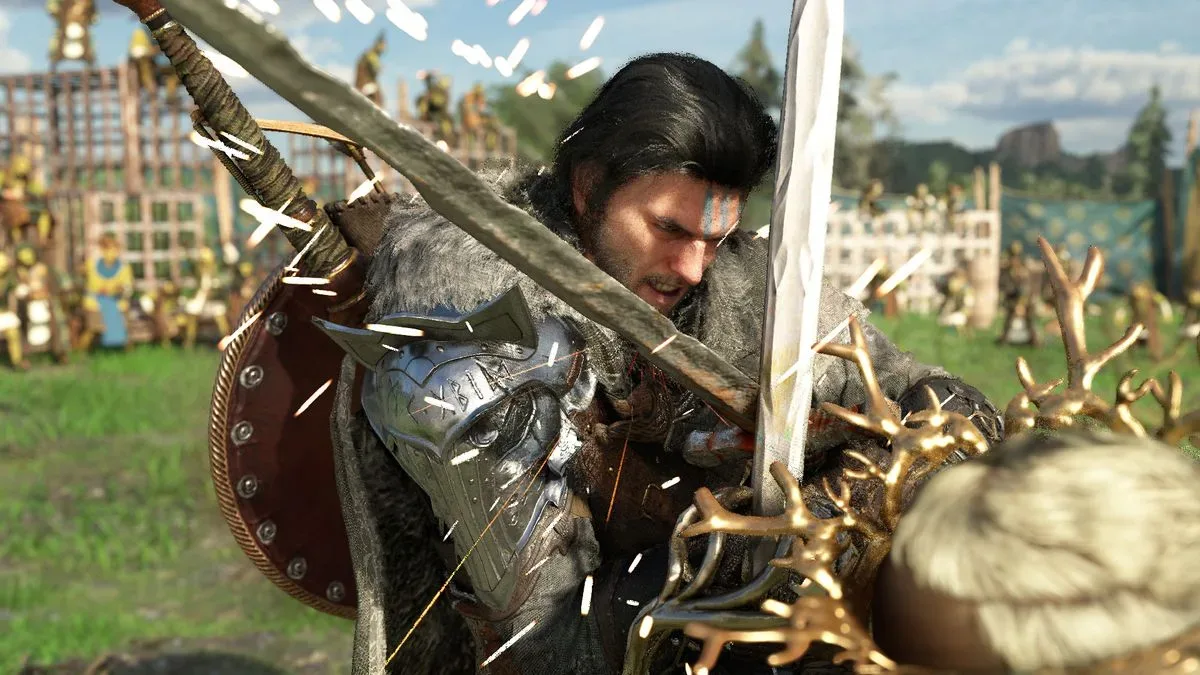
Crimson Desert’s early reception has become a useful case study in a problem that never quite goes away: a review is a record of a game at a particular moment, experienced under particular conditions. It is not a prophecy for every player’s eventual experience, nor is it a promise that a game will remain unchanged.
Lybee Park, CEO of Pearl Abyss’ Europe branch, has suggested that the gap between Crimson Desert’s critic response and its stronger player response partly reflects the constraints of professional review work. Her core point is straightforward. Critics were working with limited time and, in some cases, a build that was not precisely the launch version. Players who arrived without an embargo deadline could take a different route through the game: wander, experiment, and spend more time pursuing the world’s smaller details rather than concentrating chiefly on the main path.
That explanation has some force, particularly for a large open-world game whose appeal may be distributed across optional systems and side discoveries. But it also cannot turn a review-period limitation into an all-purpose answer for criticism. A reviewer can only evaluate the build they receive, the issues they encounter, and the game as it is when an embargo lifts. If a title needs many more hours, a major patch, or a substantially revised story before its best qualities become clear, that is itself relevant to a launch assessment.
The scores show a difference, but not a simple verdict
The numerical gap is real, although it is worth resisting the urge to treat any two scores as rival court rulings. Crimson Desert holds a 77 critic aggregate on Metacritic alongside an 8.7 user score. On Steam, Crimson Desert Enhanced has a lifetime user-review rating of 83% positive, while recent reviews are 77% positive.
Those figures indicate that different groups have come away with different overall impressions, but the comparison is not perfectly symmetrical. A critic aggregate and a platform’s user-review percentage are produced by different systems, scales, samples, and expectations. A user score can capture enthusiasm from people who chose to buy or keep playing a game. A review score generally reflects an attempt to assess a work near release, often in time for people deciding whether to buy it.
Neither perspective is automatically more legitimate. They answer overlapping but distinct questions. A launch review asks, in effect, whether the available version is worth someone’s attention at that point. A long-term player reaction may instead reflect whether people who lived with the game found enough value in it after updates, shared knowledge, and self-directed exploration.
That distinction matters especially here because Crimson Desert Enhanced replaced the earlier version less than a year after launch. The Enhanced release reportedly addressed the central story directly, an unusually consequential kind of revision. Post-launch support often targets bugs, performance, interface friction, balance, resource economies, or quality-of-life features. Altering a central narrative is a more fundamental acknowledgment that a major portion of the original experience needed work.
What a review window actually changes
The most important phrase in this discussion may be “reviewing period.” This is the stretch between a publisher providing access and the point at which reviews can be published. It governs the practical shape of criticism more than readers may realize.
Related coverage includes Pearl Abyss Executive Says Review Deadlines May Have Limited Crimson Desert's Early Reception.
An embargo is the agreed date and time before which a reviewer cannot publish coverage. It does not dictate an opinion, but it does establish a deadline. The closer access arrives to that deadline, the more a writer must make hard choices about where to spend finite hours: advancing the campaign, testing systems, trying optional activities, checking performance, revisiting a troublesome section, or simply sleeping.
Open-world games magnify that tension. Their content is deliberately spread across a map, and a player’s route can strongly affect what they see. One person may find an inventive side system early and build their session around it. Another may follow quest markers because the main story creates urgency, because they want to understand the campaign’s arc before writing, or because the clock simply demands it.
Park’s argument is that Crimson Desert’s most distinctive qualities sit outside what she describes as the conventional route through its main quest. In her view, critics did not have a fair opportunity to discover enough of the game’s hidden details and freedoms during the review period. This is not an implausible account of how a game’s strengths could be underrepresented in first-wave coverage.
Yet critics do not generally ignore optional content by default. Exploring beyond the main objective is part of assessing a sprawling game, precisely because discovery, pacing, incentives, and world design are all part of what a buyer receives. The amount of exploration varies from review to review, as it should; a critic’s judgment is not a completionist checklist. Still, a game that asks people to deviate from its most obvious route before it becomes compelling has a design challenge, not just a communications challenge.
“Golden path” is more than a player habit
Game-design conversations often use golden path to mean the route a game most clearly signals as the intended progression: the main quests, highlighted objectives, tutorials, and other guidance that keep a player moving forward. It is not inherently a negative term. Many players reasonably expect that following a game’s clearest instructions will present a coherent, satisfying experience.
For an open-world game, the relationship between that golden path and the rest of the world is crucial. Optional exploration can enrich the main campaign, provide welcome contrast, or tell stories the central plot cannot. But it should not necessarily have to rescue a weak central experience. If the best material lies away from the route that the interface and quests emphasize, developers have several possible design responses: better invitations to roam, earlier exposure to the strongest systems, a less restrictive opening, or a more persuasive main path.
The Enhanced version’s reported narrative changes make that point sharper. If the original story was sufficiently erratic to warrant direct revision, early reviewers were not merely missing optional treasures; they may also have encountered weaknesses that the developer later chose to address. Later players can fairly appreciate the improved version. Earlier critics can equally fairly evaluate the version put in front of them.
Day-one patches complicate the picture, not the principle
Park also noted that critics played a build different from the exact launch version. That is a familiar and legitimate complication. A day-one patch is an update released at or around launch that can change stability, balance, performance, bugs, or other elements. It can solve a serious issue quickly. It can also make a written review seem dated almost immediately.
But the existence of a patch does not make criticism of the earlier problem unreasonable. Reviewers must judge observable software rather than a hoped-for future state. A bug, rough performance, confusing interface, or uneven quest is part of the experience when it occurs in the reviewed build. It is good news if it is fixed; it does not retroactively mean it was invisible.
This is why clarity about versioning is useful for everyone. Developers benefit when reviewers receive a stable, representative build early enough to test it thoroughly. Reviewers benefit from being able to explain which version they played and whether a patch arrived before publication. Players benefit from knowing whether a criticism applies to the current product, an older build, or a problem already addressed.
Crimson Desert’s post-launch evolution also illustrates why review ecosystems work best when they include more than one moment of judgment. A release review helps prospective buyers make a timely decision. Later coverage can assess whether patches changed the recommendation. User feedback can reveal recurring friction or identify aspects that became more rewarding over dozens of hours. None has to erase the others.
The developer controls an important part of the equation
There is a practical wrinkle in the claim that deadlines limited the game’s early critical reception: publishers and developers have substantial influence over those conditions. They determine when review code is distributed, what build reviewers receive, and whether the embargo leaves enough time for a healthy, representative playthrough.
That does not mean every studio can effortlessly provide unlimited advance access. Games can change late in development, distribution must be managed, and a final build may not be ready as early as anyone would prefer. Still, the broad principle is hard to dispute: longer review periods make better criticism more likely. They give writers time to investigate an open world without turning every assignment into an endurance contest, compare different activities, and return to issues instead of rushing past them.
They also serve the developer’s stated goal. If exploration is a game’s unique selling point, reviewers need meaningful time to explore. If the intended experience depends on systems that emerge slowly, those systems need space to emerge. If the final launch patch materially changes the game, access should ideally reflect that version as closely as possible.
This does not guarantee praise. More time may lead a critic to find richer possibilities, but it may also reveal repetition, pacing problems, unreliable systems, or content that lacks enough payoff. That is not a failure of the process. It is the process working.
How players should read the conversation now
The fairest reading of Crimson Desert’s score disparity is not that critics failed to understand the game, nor that players are grading too generously. It is that different audiences met different versions, under different constraints, and valued different things. Some may have found a richer experience by roaming far beyond the central quest. Others may have placed more weight on the campaign and the state of the game at launch.
For anyone evaluating the game today, the relevant question is more specific than “Who was right?” Look at the date and version behind any review or user impression. Separate launch concerns from issues reportedly addressed by Enhanced. Consider whether the writer’s priorities match your own: a focused main story, free-form exploration, technical polish, or the appeal of uncovering small world details. Recent Steam sentiment sitting at 77% positive alongside an 83% positive lifetime figure also suggests that player feedback itself is not a fixed, universally glowing consensus.
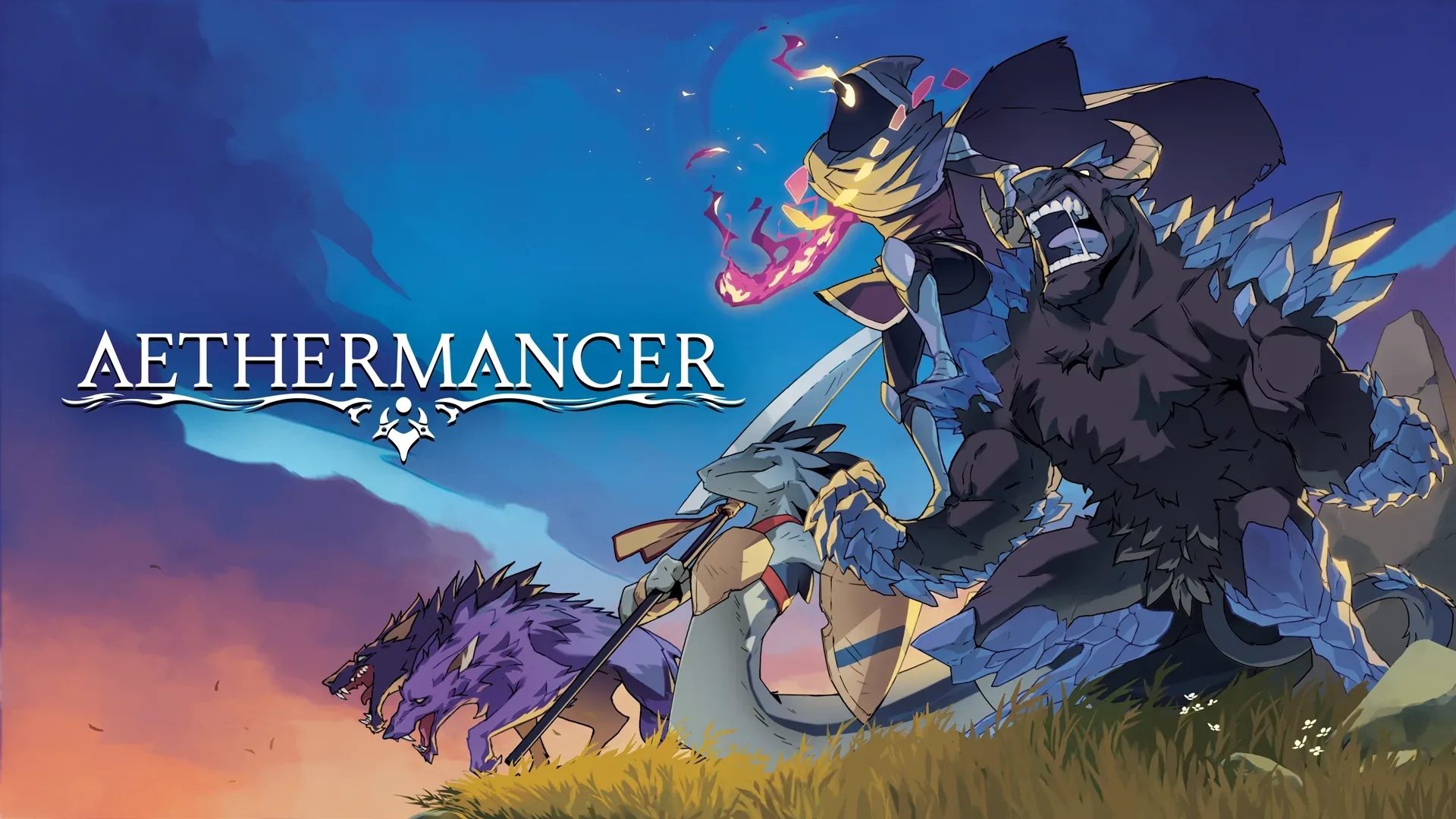
Crimson Desert’s planned Charting the Unknown DLC has also been delayed by two weeks as Pearl Abyss seeks a more polished and stable experience. That decision fits the broader lesson here. Timing, build quality, and the conditions in which people first encounter a game matter enormously. The same is true of other games that evolve after release, such as Aethermancer’s incoming Maverick’s Compendium update, where changes can give players a materially different reason to revisit the game.
Park is right about one major thing: deadline pressure can limit what criticism can capture, especially in enormous games. The productive response is not to dismiss launch reviews or elevate user scores as the sole final word. It is to give reviewers enough time, provide representative builds, communicate updates clearly, and accept that a changing game may need changing coverage. If Crimson Desert’s finest material is truly found off the beaten path, the best way to make that case is to ensure its next first impression gives people the time—and the version—to find it.