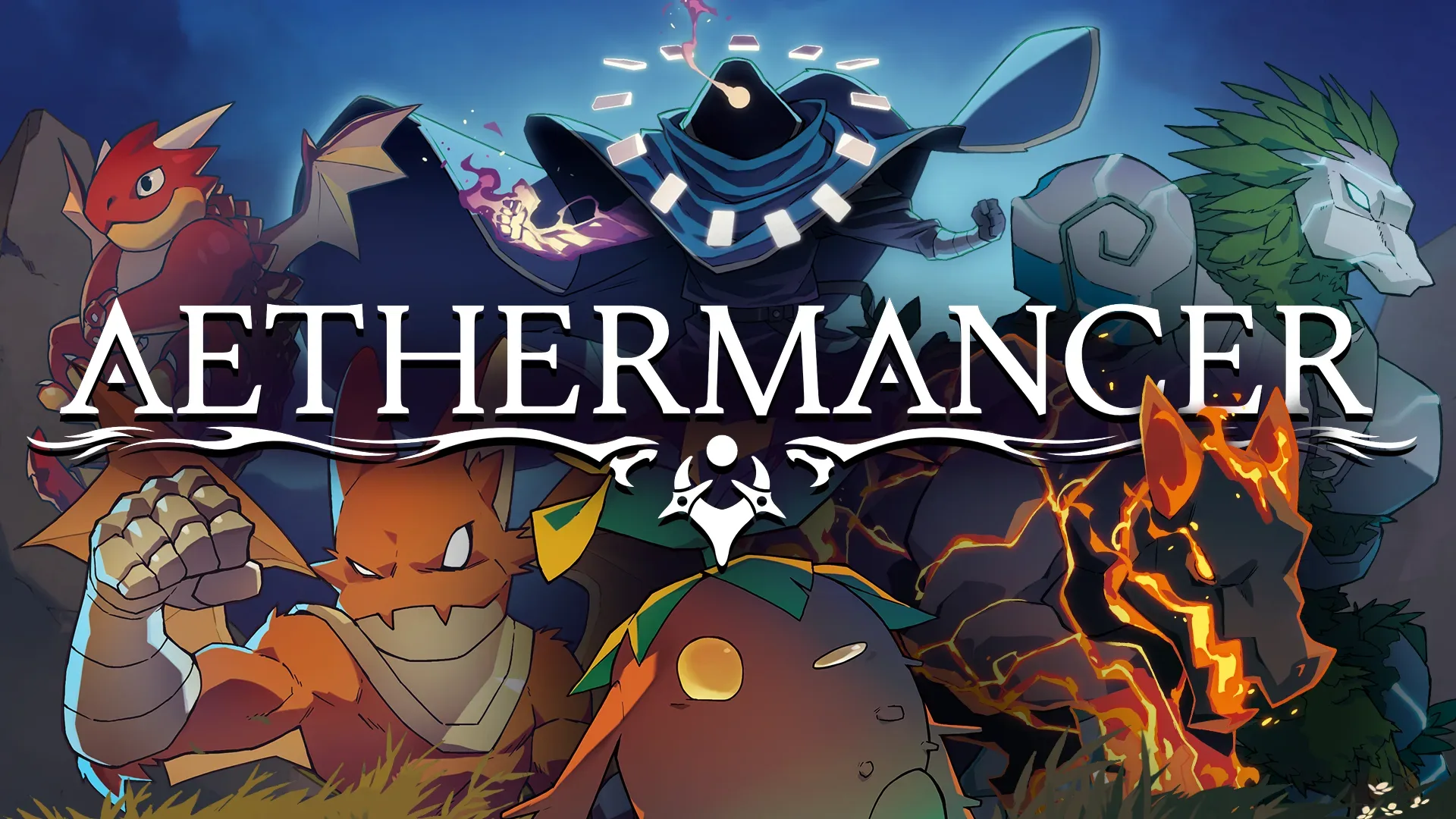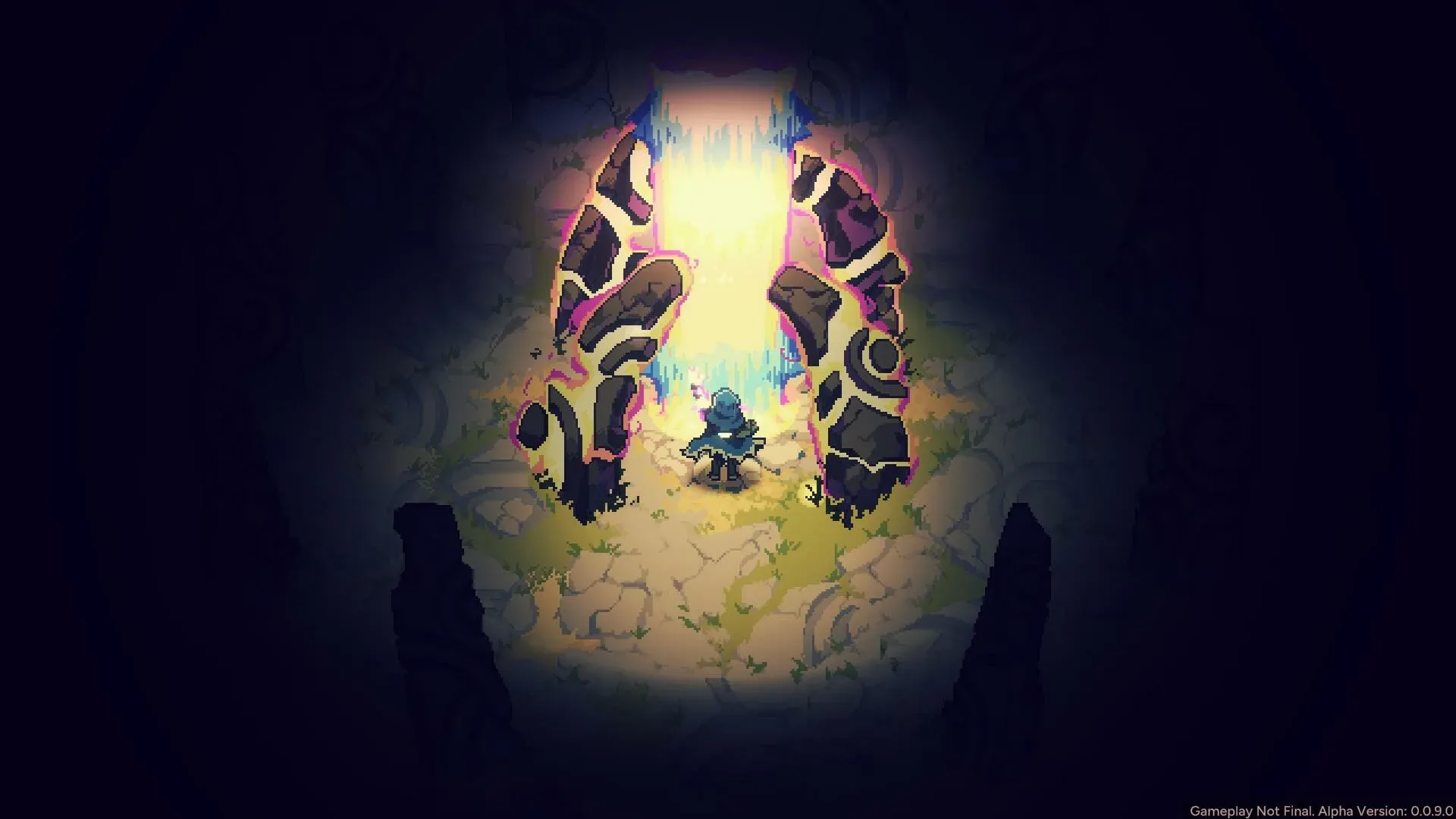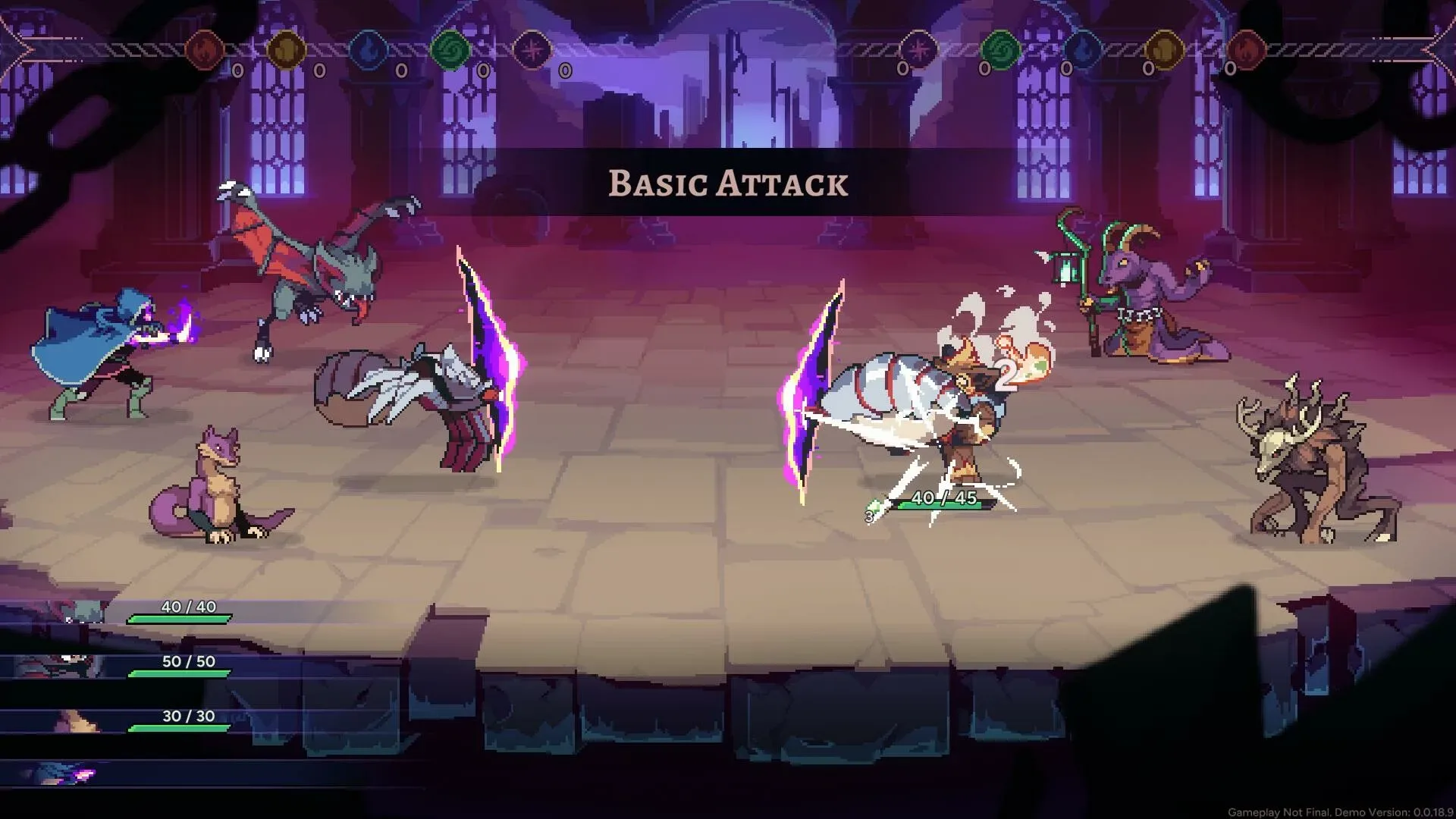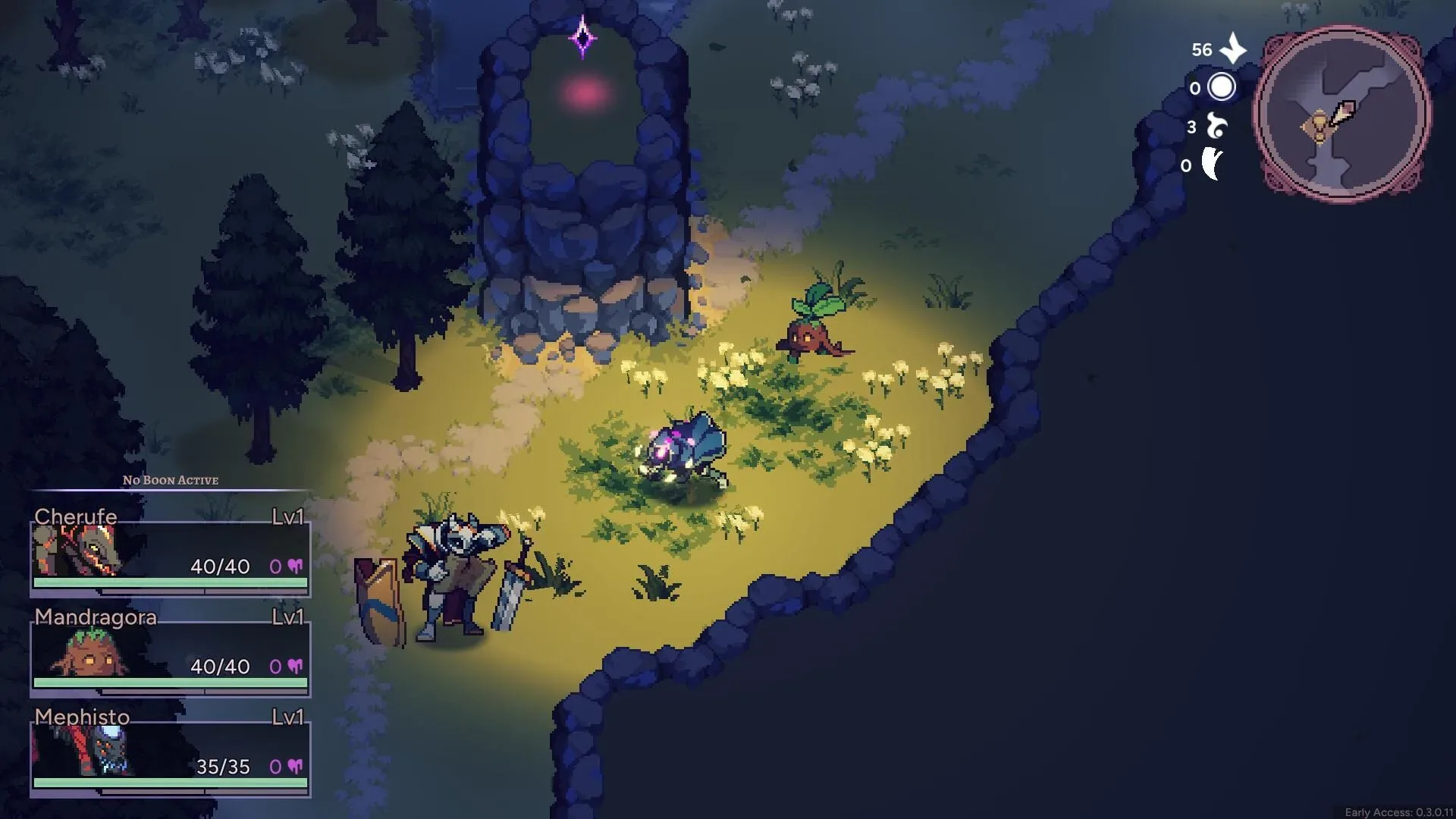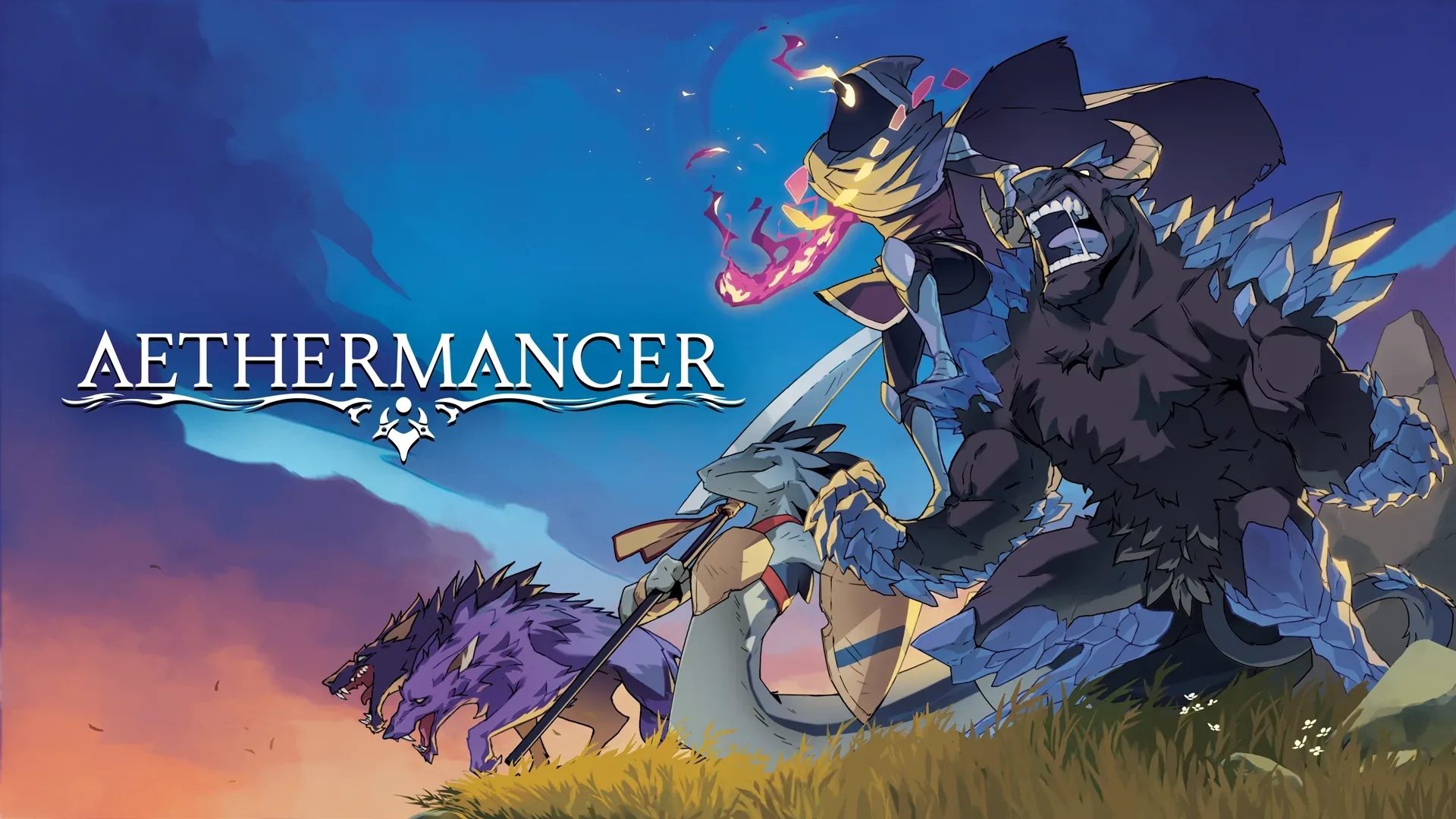
Aethermancer will receive its next free Early Access update, Maverick’s Compendium, on October 29. The update is set to add a new playable class, two monsters, a compendium for monster information, and a combat-tracking quality-of-life tool to the monster-taming roguelike.
Maverick’s Compendium is described as the game’s third major content update and the fourth update overall on its Early Access roadmap. Its name is doing double duty: “Maverick” refers to the incoming Aether Maverick class, while “Compendium” points to the new Siriux Journal, which will collect monster statistics and lore.
What Maverick’s Compendium adds
- Aether Maverick: a new player class.
- Two new monsters: a community-designed Philosopher’s Stone monster and Kragg from the Rivals of Aether universe.
- Siriux Journal: a compendium designed to track monster stats and lore.
- Combat Log: a quality-of-life feature intended to make combat actions easier to follow.
The announced feature list is concise, but it touches several important parts of a roguelike run: how a player begins and approaches encounters, which monsters can enter a team, what information is retained and presented outside battle, and how clearly the game communicates events during combat.
The Aether Maverick is a new starting point, not just another monster
The largest systemic addition is the Aether Maverick. A player class generally defines a run’s starting identity: it can establish the tools, options or strategic direction a player has before the unpredictable parts of a roguelike begin to reshape that plan. No details have been provided on the class’s abilities, starting setup or mechanics, so it would be premature to assume how it will play. Still, a new class is categorically different from simply expanding the creature roster.
In a monster-taming roguelike, a player is typically making choices at two levels. There is the immediate battle layer—selecting actions, responding to opponents and using the current team effectively. Then there is the run-building layer, where decisions accumulate around team composition and the direction of the overall attempt. A class can matter at the latter level because it gives an early structure to those choices.
That does not automatically mean the Aether Maverick will be more powerful or more complicated than existing options. It means that it should offer a distinct route into the game’s repeatable run structure. For returning players, a new class can be a reason to revisit familiar encounters with a different initial framework rather than merely chase newly available monsters.
Two monsters, including a community-designed creature and Kragg
Maverick’s Compendium will also introduce two monsters. One is identified as a community-designed Philosopher’s Stone monster. The other is Kragg, a character from the Rivals of Aether universe.
The Philosopher’s Stone description establishes the creature’s community-designed origin, though no further information has been announced about its name, move set, role, or the process that produced its design. The significant point for now is that the update’s roster expansion includes a monster that originated from a community design effort, rather than being described solely as internally created content.
Related coverage includes Aethermancer’s Maverick’s Compendium Update Arrives October 29.
Kragg’s addition brings an explicit connection to the wider Rivals of Aether universe. The announcement does not detail whether Kragg’s appearance will involve any special mechanics, story material, or limited-time conditions. Players should therefore treat the confirmed information narrowly: Kragg is one of the two monsters planned for the update.
For a monster-taming game, even a small roster expansion can have outsized consequences depending on how creatures interact with the rest of the system. A monster is not only a collectible entry; it may represent a combat option, a team-building choice and a new item in the game’s information ecosystem. The update’s accompanying journal should make those additions easier to inspect on their own terms.
Siriux Journal aims to centralize monster stats and lore
The Siriux Journal is a new compendium for tracking monster stats and lore. A compendium is an in-game reference collection: rather than asking players to retain every detail from memory, it gives them a place to consult information that has been gathered or made available through play.
“Stats” and “lore” point to two separate uses. Statistics help players understand the mechanical side of a monster. Lore supplies descriptive or world-building material. Combining them in one journal can make the roster feel more legible both to players focused on strategy and to those interested in learning more about the creatures they encounter.
Because the stated purpose is tracking rather than altering monsters, the Siriux Journal should be understood as an information feature, not as a newly confirmed progression system. There is no announced indication of completion rewards, unlock requirements, or specific data fields. The practical promise is simpler: a dedicated reference point for monster knowledge.
That clarity is especially useful in a roguelike context. Runs often ask players to make decisions under changing circumstances, and accessible information can reduce the friction between seeing a monster and understanding what it represents. It is also a natural companion to new roster additions: Kragg and the community-designed creature will arrive alongside a system meant to document monster details.
A Combat Log is a small feature with potentially major readability benefits
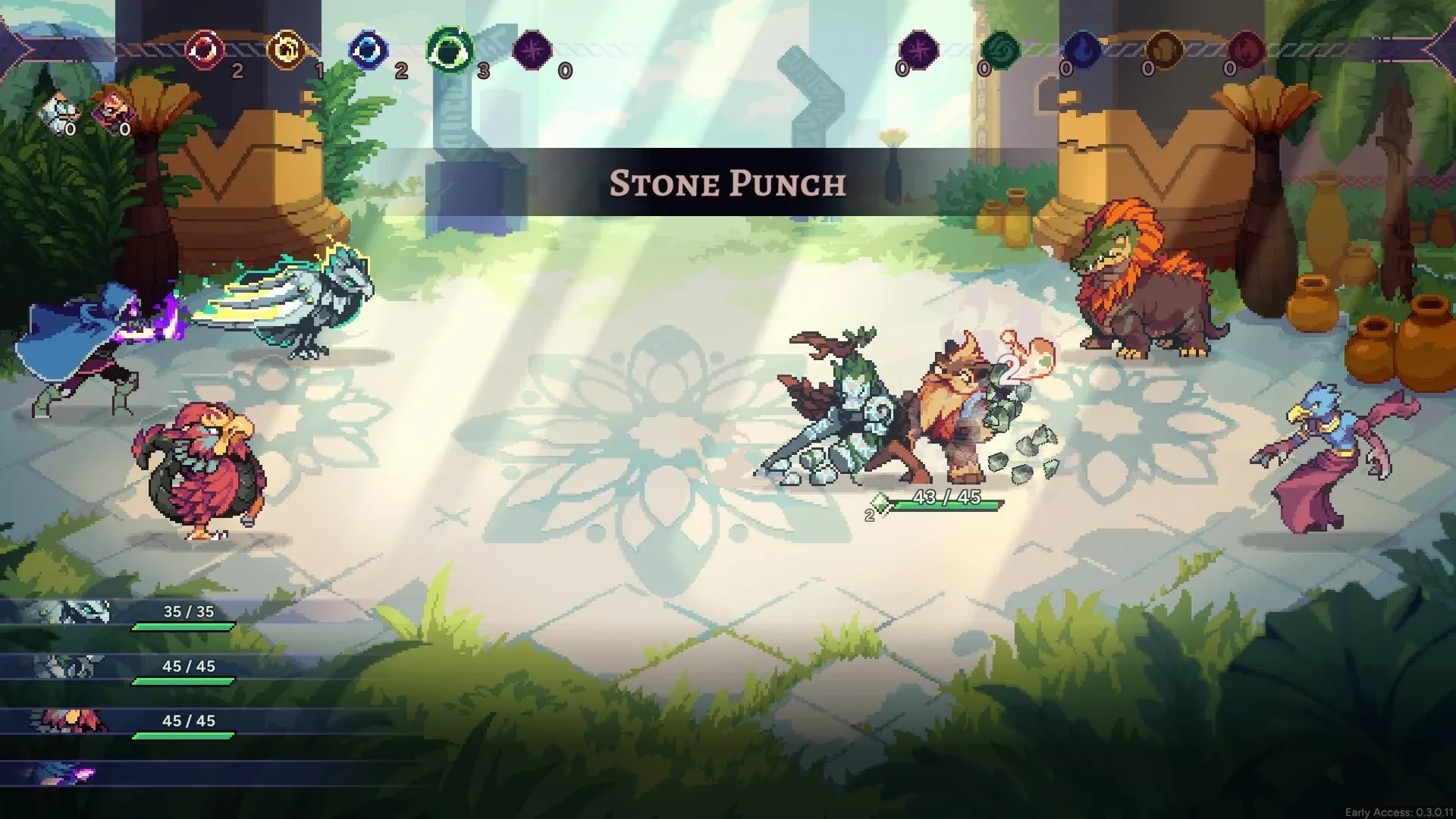
The other quality-of-life addition is a Combat Log, intended to help players better track combat actions. A combat log is a chronological record of what happened in battle. Depending on what the feature ultimately displays, such a record can help players review the sequence of actions rather than relying entirely on fast-moving visual effects or memory.
The announcement does not specify the log’s interface, level of detail, or whether it will record every effect. But its stated purpose is straightforward: clearer tracking of battle events. This is the sort of feature that may not look as flashy as a class or monster reveal, yet it can be especially valuable when players are trying to understand why an exchange unfolded in a particular way.
It also makes the update feel balanced between additional content and improved readability. The Aether Maverick and two new monsters create more things to explore. The Siriux Journal and Combat Log aim to make existing and new systems easier to examine. For an Early Access game, that combination matters: development is not only about adding more options, but also helping players interpret the options already present.
Where the update fits in Early Access
Aethermancer remains in Early Access, and Maverick’s Compendium occupies a defined place in its ongoing roadmap. It is the fourth update overall and the third characterized as a major content update. That framing suggests the October 29 patch is one step in continued development rather than a final endpoint for the game’s content plans.
Early Access can mean a game changes over time through additions, adjustments and refinements. Here, the confirmed update is focused on a class, monsters and information tools. It does not come with an announced final release date, platform expansion, pricing change, or a complete breakdown of mechanics. Those details have not been provided and should not be inferred from the roadmap position alone.
Players interested in the broader roguelike release calendar can also keep an eye on Demon Bluff’s planned Steam launch, another upcoming entry using roguelike structure in a very different genre setup.
For Aethermancer, the immediate date to mark is October 29. Maverick’s Compendium will bring the Aether Maverick, two additional monsters, the Siriux Journal and the Combat Log as a free Early Access update.