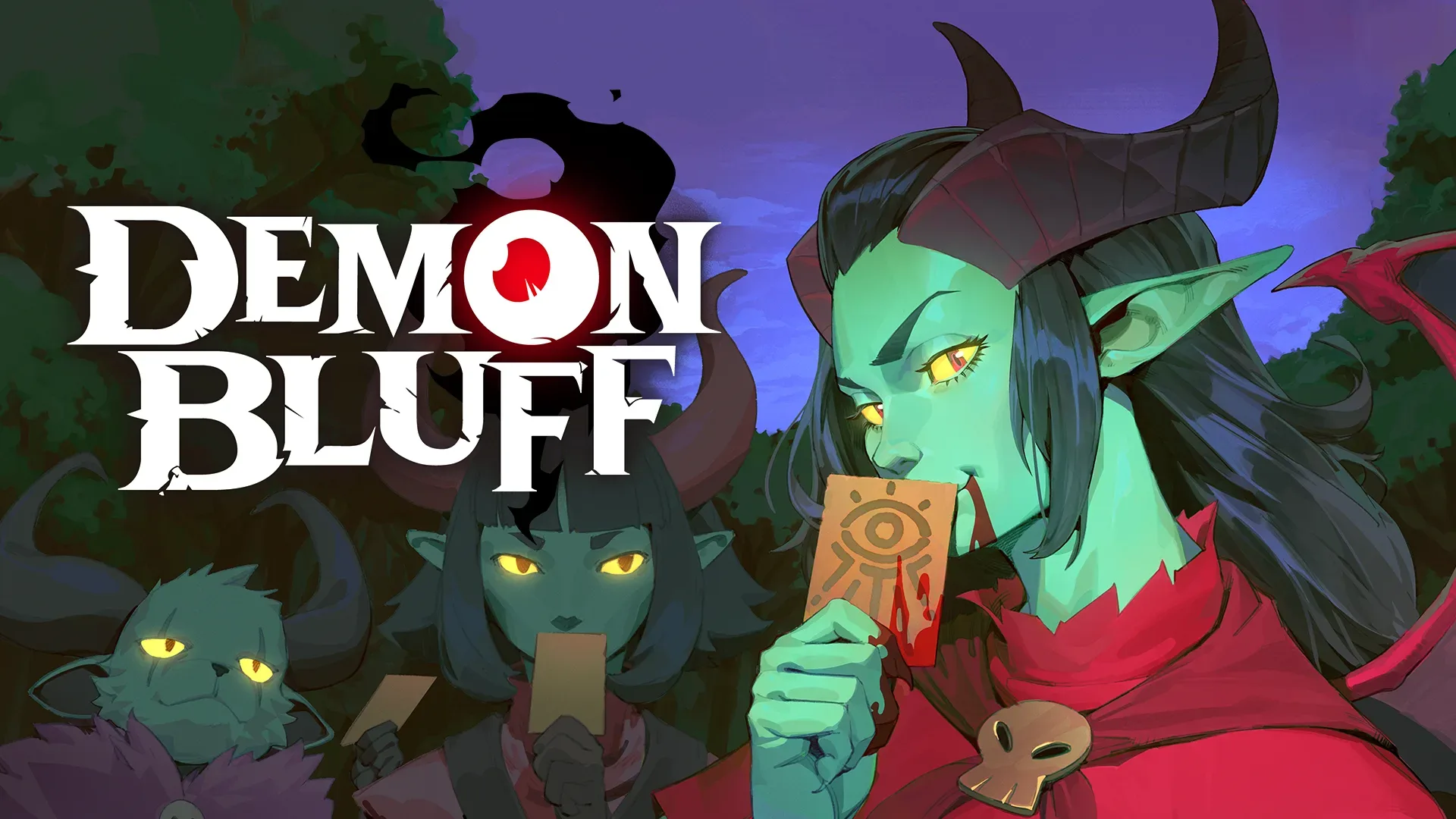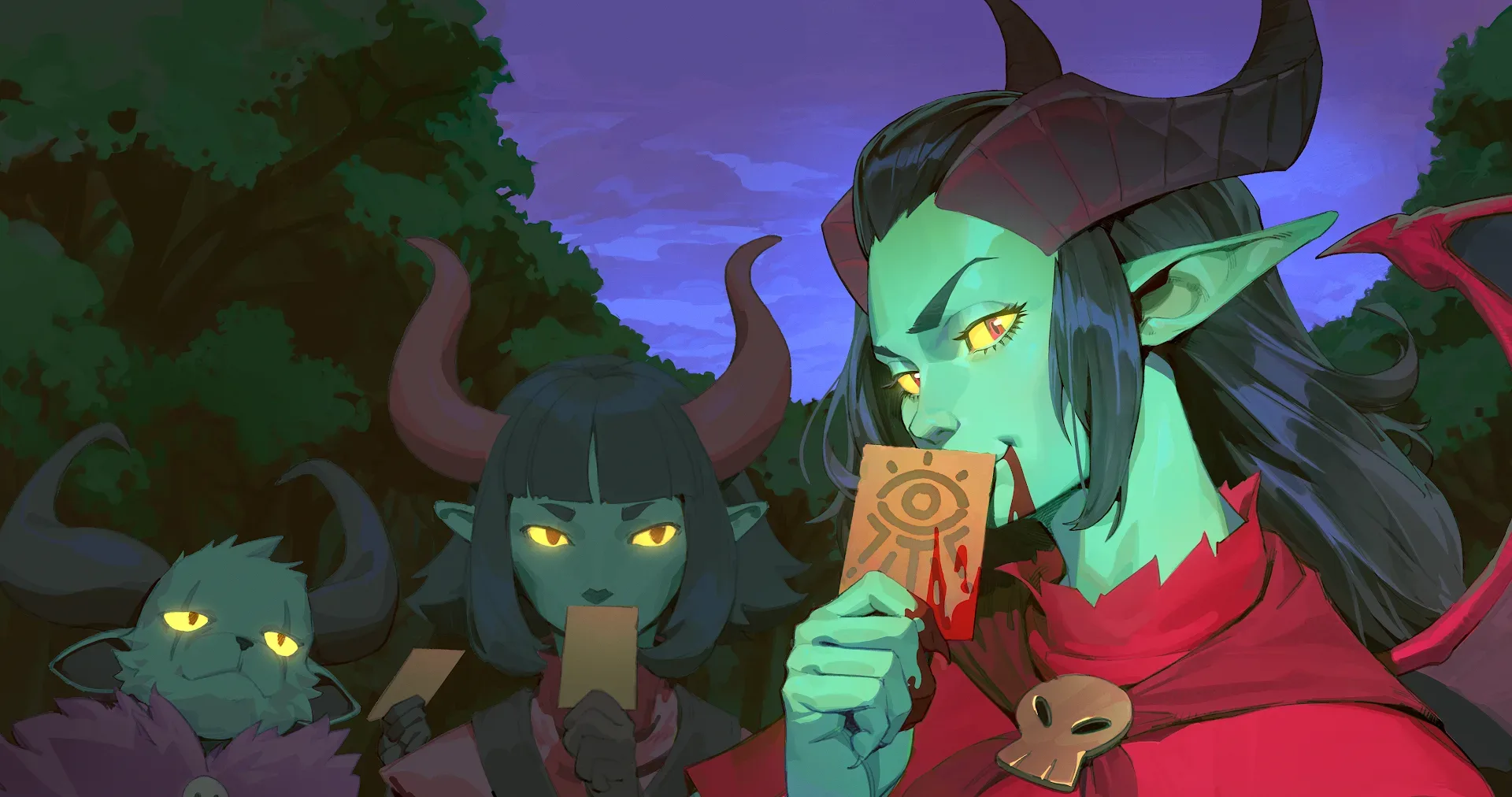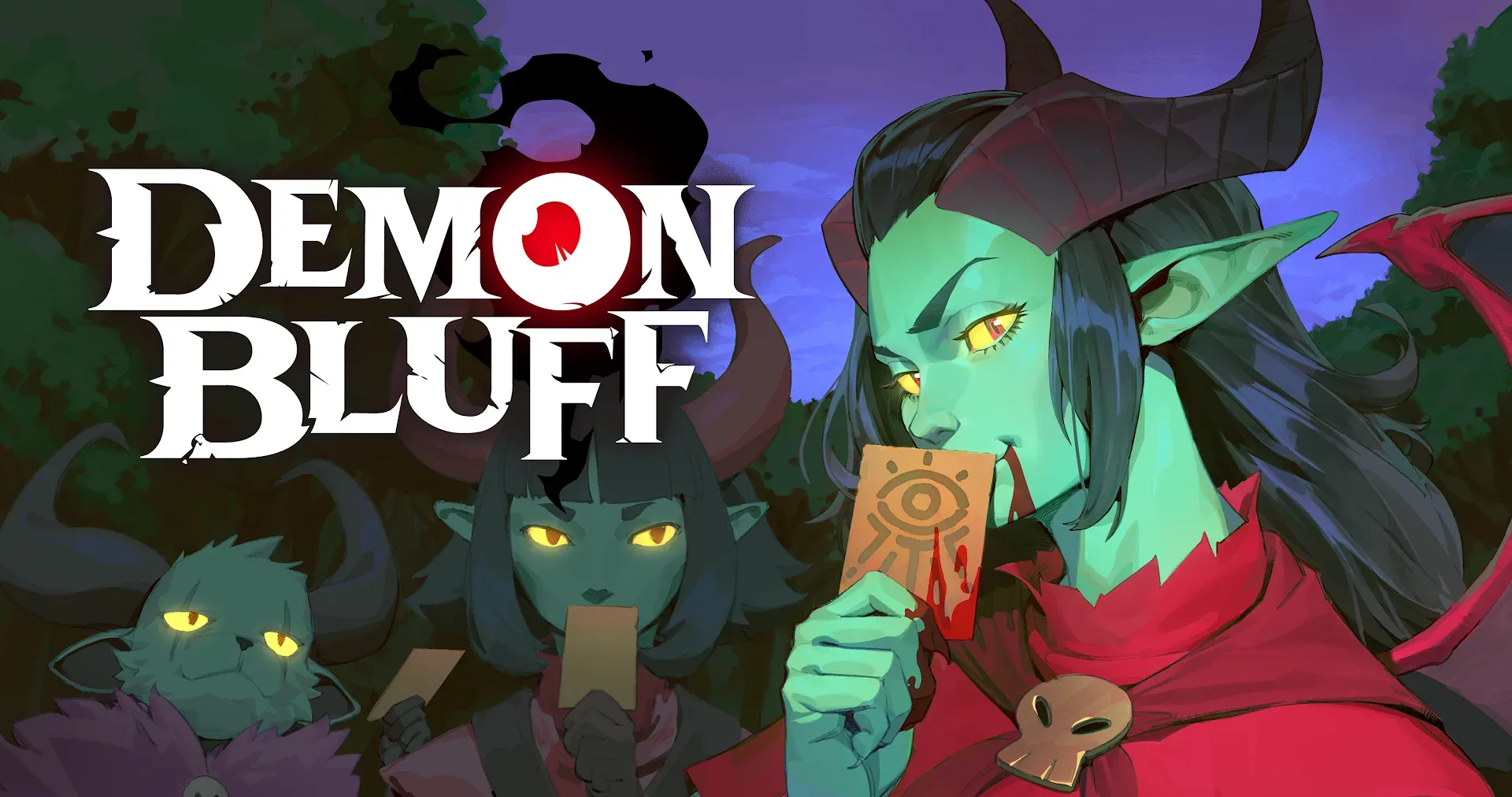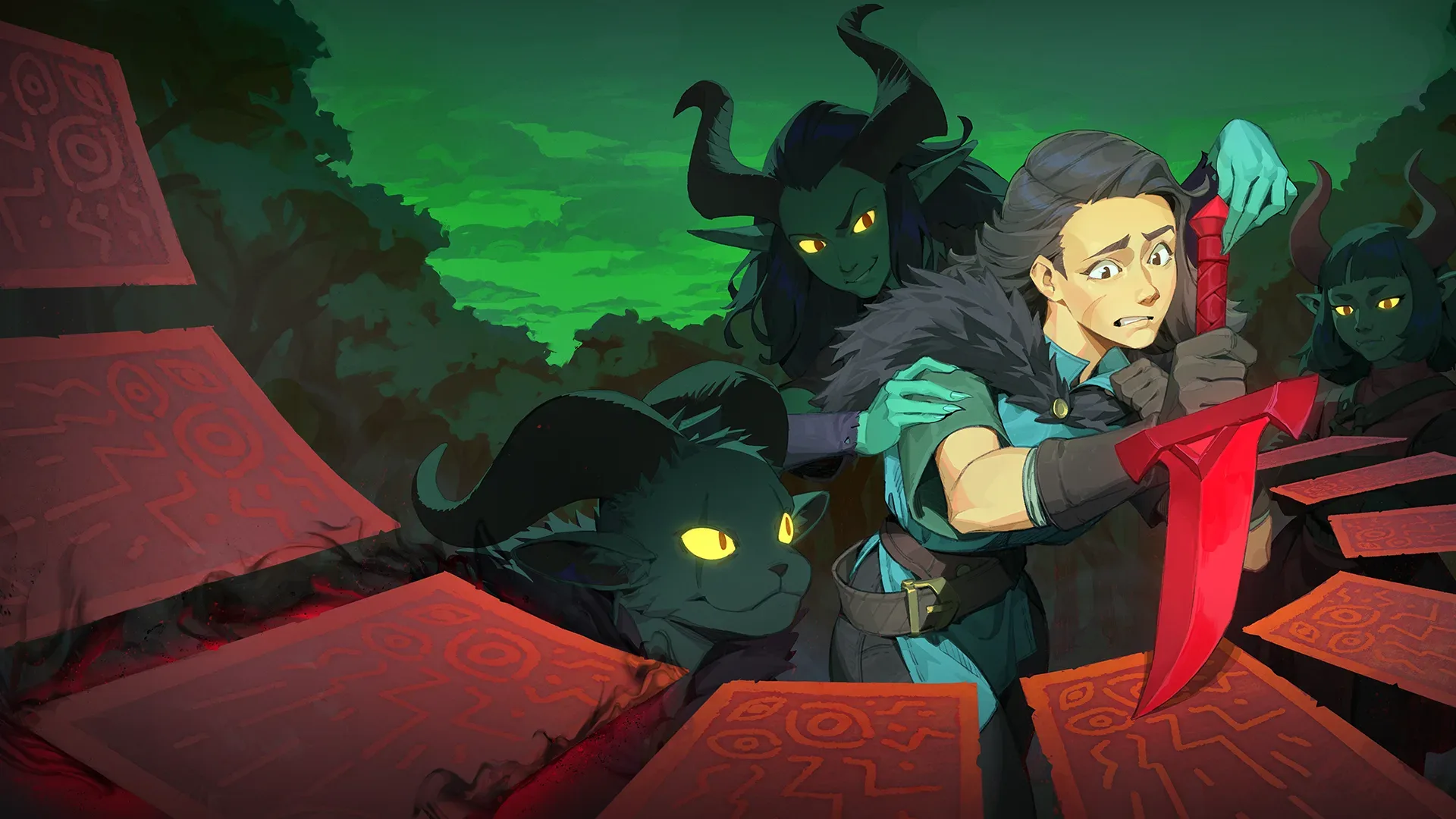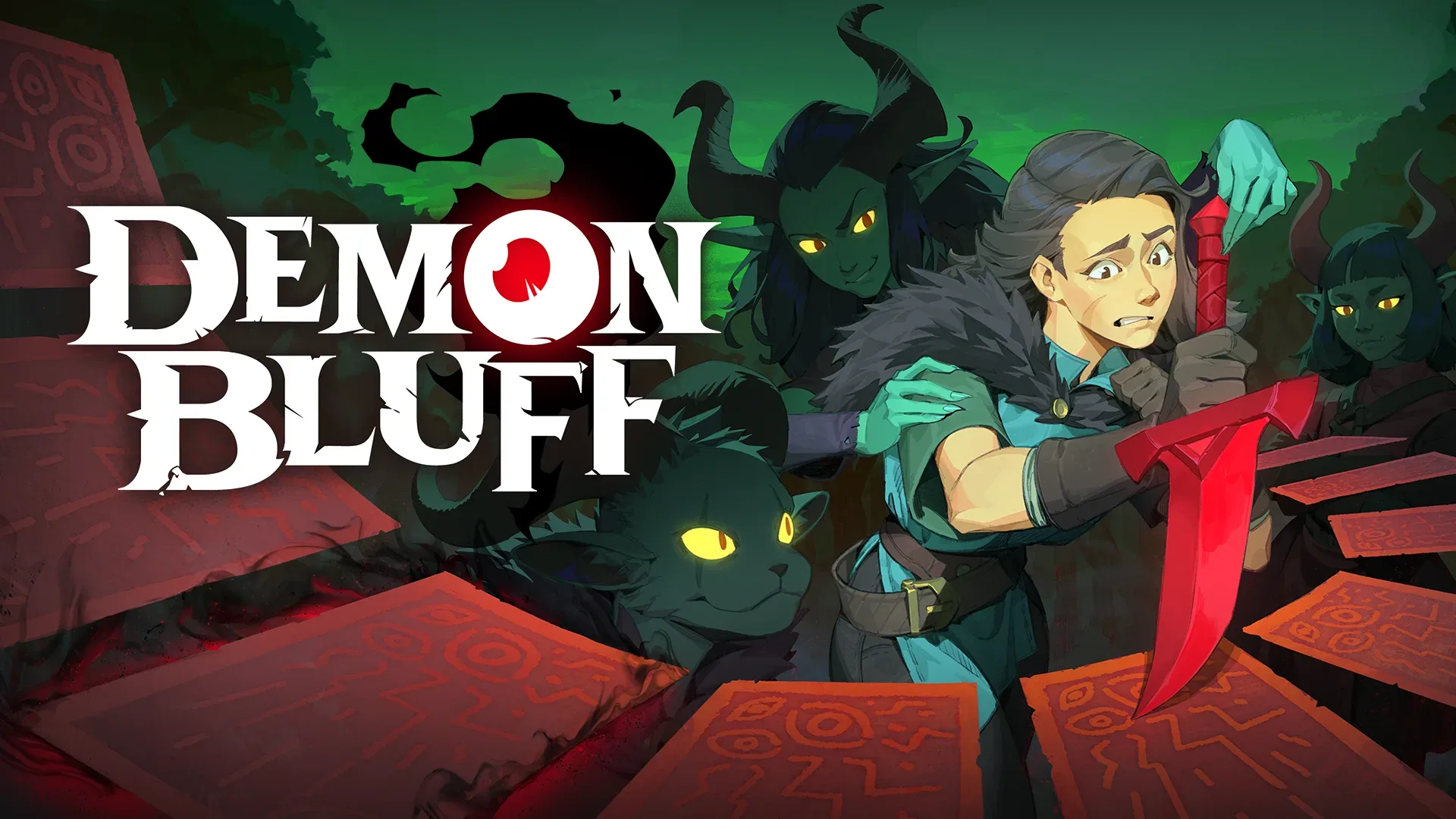
Demon Bluff, the single-player social-deduction roguelike from offbrand games and UmiArt, is planned for a November 2026 launch on Steam. The release window arrived alongside a new trailer and promotional materials shown during the Convergence Games Showcase. A precise release date has not yet been confirmed.
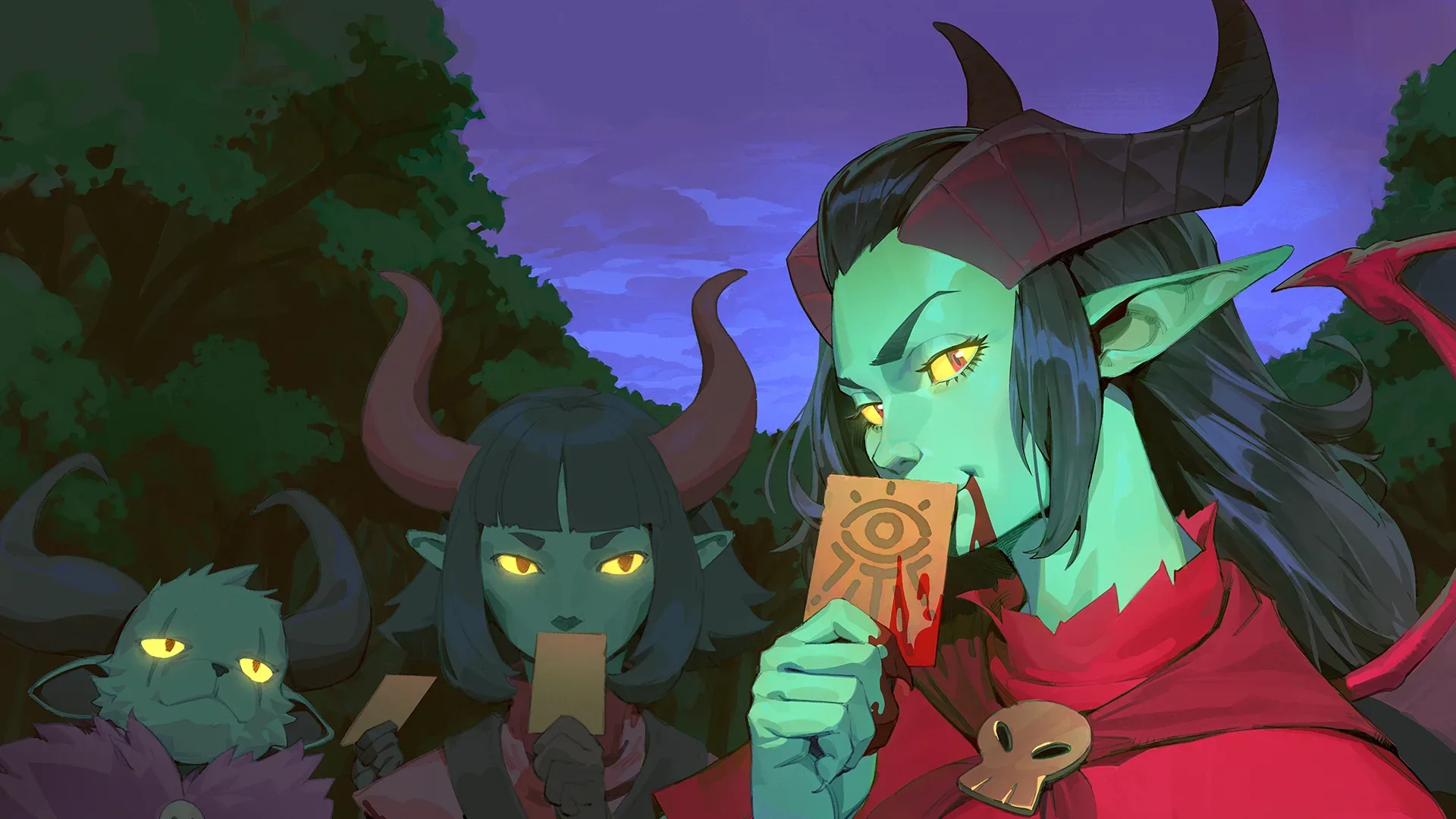
Its central idea turns the familiar accusation-and-deception tension of social-deduction games into a solo card-reading problem. Players examine clues found on Villager cards, attempting to separate truthful villagers from Demons posing as them. Make the correct calls and the village can be cleansed. Misread the evidence, however, and the run ends.
A deduction game where every mistake carries roguelike stakes
Social deduction is usually associated with groups: people hiding information, making claims, doubting one another and trying to spot contradictions. Demon Bluff’s stated setup places that pressure on a single player instead. Rather than interrogating other people at a table or over voice chat, the player must evaluate the clues presented by the game’s cards.
That makes the wording and information on each Villager card the heart of the experience. A card may be a lead, an alibi or bait planted by a Demon in disguise; the player’s job is to decide which interpretation holds up. The announced premise does not detail every rule, clue type or decision available in a run, so it remains unclear exactly how much information players receive at once and how they can validate an early suspicion. What is clear is the intended consequence of failure: a wrong choice is not merely a lost point or a temporary setback, but the end of that attempt.
Roguelike describes a structure built around repeatable runs. In Demon Bluff’s case, each failed effort sends the player back for another try. That format can suit a game centered on inference because a loss can encourage players to reassess what they overlooked, reconsider the value of a clue, and test a more careful reading on the next run. The tension comes from acting before certainty is available, while the repeat-run structure creates room to learn from an incorrect conclusion.
The pitch is therefore less about reflexes than judgment. Players looking for a combat-heavy roguelike should note that the confirmed description emphasizes card clues and identifying deceivers, not action mechanics. Its apparent challenge is logical: deciding when a detail is meaningful, whether two pieces of information fit together, and when apparent evidence is designed to mislead.
What the village-cleaning objective means
The game frames success as cleansing the village by identifying the hidden Demons. That objective gives every accusation a clear purpose: players are not collecting cards for their own sake, but using the available evidence to remove an infiltrating threat. A run ends when the deduction goes wrong, making accuracy central to progression.
There is a useful distinction here between a puzzle with one answer and a roguelike deduction game. A fixed puzzle generally rewards memorizing its solution once. A run-based format instead suggests that the repeat cycle is an important part of the design, even though the specific ways that runs vary have not been outlined. Prospective players should avoid assuming unannounced systems such as procedural card pools, permanent upgrades, difficulty tiers or branching outcomes. Those may be possibilities people associate with roguelikes, but they have not been confirmed for Demon Bluff.
Related coverage includes Demon Bluff Targets November 2026 Steam Launch.
Still, the stated loop is straightforward: inspect the Villager cards, make a judgment, cleanse the village if the judgment is correct, or restart after a fatal mistake. It is an approachable elevator pitch, but one with room for depth if the individual clues create competing explanations instead of obvious tells.
Strong early participation, with the launch still ahead
Demon Bluff has already built notable pre-release interest. It reached the Top 250 on Steam and accumulated roughly 230,000 wishlists. Wishlists are not purchases or a guarantee of launch-day player counts, but they are a practical sign that a sizable Steam audience has asked to be notified or has saved the game for later consideration.
The playtest figures are also substantial: nearly 300,000 players participated, with average playtime reported at nearly six hours. Participation and playtime measure different things. The first indicates broad testing reach; the second suggests that, on average, players who entered the test spent more than a brief look at the premise. Neither figure alone can establish how the final game will perform, but together they indicate unusually active pre-release engagement for a title that is still months from its announced window.
An active Discord community of more than 8,800 members has been producing mods, custom cards and daily puzzles. That activity is particularly fitting for a card-driven deduction game. Custom cards and puzzles can give players more material to discuss and solve between official updates, while mods can help a community explore variations on the core format. The precise scope, platform compatibility and official status of these creations have not been detailed, so players should not treat community-made content as a confirmed part of the eventual Steam release.
Several content creators have also helped the game gain viral attention. For a game based on reading clues and reaching a verdict, that visibility makes intuitive sense: a close call or a missed detail can create a moment worth discussing. But the core appeal will still depend on the game making its cases legible enough to investigate, while retaining enough ambiguity to make a correct read satisfying rather than automatic.
Northernlion’s role in development
Streamer Northernlion has assisted Demon Bluff’s development through funding, playtesting, design feedback and promotional support. Those are distinct forms of involvement. Funding can support a project’s creation, playtesting can expose unclear or frustrating moments, design feedback can shape decisions during development, and promotional support can help an audience discover the game.
The confirmed information does not specify the scale of that involvement or identify particular mechanics changed as a result, so it would be premature to claim a direct influence over any individual feature. It does establish that the project has received support extending beyond a standard promotional mention, including opportunities to test and provide feedback on the experience.
For players, the more immediate takeaway is that Demon Bluff has had a visible feedback loop before release. In a deduction-focused game, playtesting can be especially valuable: designers need to know whether clues are understandable, whether misleading information feels fair, and whether losing a run motivates another attempt rather than causing confusion. None of those results have been independently detailed, but the sizable playtest audience gives the team a large pool of player interaction with which to refine the game ahead of November.
What remains unconfirmed before Steam release
The November window narrows down when to watch for Demon Bluff, but it is not a final calendar date. offbrand games and UmiArt intend to share a specific release date closer to launch, along with additional information before the game arrives.
That means several practical details remain open, including the exact day in November, launch pricing, Steam Deck status, language support, accessibility options and the full extent of mod support. None of those omissions indicate a problem; they simply have not been announced in the available release information.
For now, Demon Bluff’s confirmed identity is concise and distinctive: a Steam-bound, single-player social-deduction roguelike where Villager-card clues determine whether the player exposes the Demons or loses the run. Its wishlist total, large playtest participation and busy community point to considerable interest, while the final release will show how effectively its card-based mysteries sustain that interest over repeated attempts.
Players following upcoming Steam projects can also keep an eye on other PC launch news, including Outcast Tales’ planned Steam release. Demon Bluff, meanwhile, remains one to watch for its final November 2026 date and further details on the clues, cards and village-saving decisions at the center of each run.