Slay the Spire 2 appears to have turned the familiar “one more run” impulse into a very large-scale habit. New market estimates place the Steam early-access game at roughly 7.9 million copies sold, while its engagement figures suggest that a remarkable share of that audience has stayed with it far beyond a brief look-in.
Those numbers should be read as estimates rather than figures confirmed by developer Mega Crit. Steam ownership estimates have been placed in a roughly 6.8 million-to-7.8 million range, while the 7.9 million sales estimate sits at the upper end of that picture. Even with that caveat, the more revealing part of the data is not simply the size of the audience. It is how much time a substantial portion of that audience has spent climbing the sequel’s spire.
The reported average playtime is nearly 84 hours. More strikingly, an estimated 1.9 million people have played more than 100 hours. Using an estimated player base of 7.8 million, that works out to about 24% of players crossing the 100-hour line. Around 100,000 purchasers reportedly have not launched the game, explaining why an estimated copy total and estimated player total do not align perfectly.
A sales estimate is one thing; retention is the bigger story
Copies sold measure reach: how many purchases a game has attracted. Playtime and returning-player data measure something different: whether people are continuing to make time for it after that purchase. For a game built around repeatable runs, this distinction matters enormously.
A run is a single attempt through the game’s structure, with its own decisions, card choices and outcome. The appeal is not merely reaching an ending once. It is trying another build, reacting to a new sequence of choices, increasing difficulty, or seeing whether a strategy that failed last time can finally hold together. That repeatability is the foundation of the “sticky” behavior these figures suggest.
There is no universal playtime benchmark that can declare a game successful by itself. Different genres ask for different amounts of time, and an average can be pulled upward by a particularly dedicated segment of players. But a reported 24% of players passing 100 hours is meaningful because it describes a large group rather than a handful of outliers. At the estimated scale involved, it represents roughly 1.9 million people who did not just sample the game and move on.
The far end of the curve is substantial, too. About 65,000 players—nearly 1% of the estimated player base—have reportedly exceeded 500 hours. That number is not evidence that everyone should spend hundreds of hours in a game, nor does it define a “normal” way to play. It does show that the game has supported a deeply committed audience while still unfinished and limited to Steam.
Average, median and the limits of a headline number
It is tempting to treat average playtime as a complete verdict, but it is best understood as one piece of a larger picture. An average is calculated by adding all time played and dividing it across players. Heavy players can raise it significantly. A median, by contrast, is the midpoint: half of players are above it and half are below it. No median figure is provided here, so it would be wrong to infer exactly how a typical individual’s time is distributed.
Related coverage includes Slay the Spire 2's Steam Numbers Show a Roguelike Built for Hundreds of Hours.
That is why the 100-hour and 500-hour cohorts are useful alongside the average. They identify clear thresholds and show that the tail of highly engaged players is not microscopic. At the same time, Steam ownership data and market estimates are not the same as audited sales disclosures. They are a strong indication of scale, not a replacement for an official financial report.
The Fool update appears to have brought players back
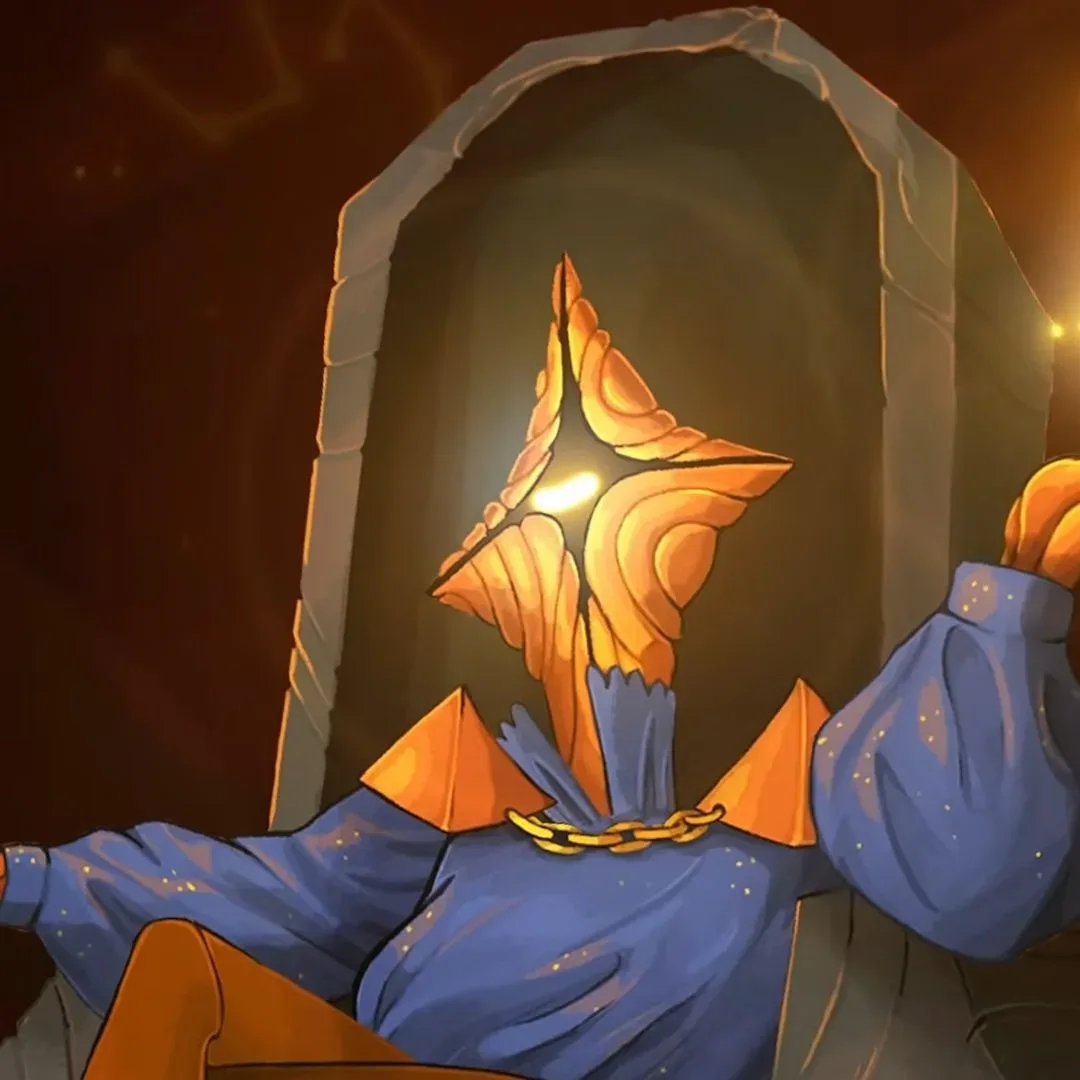
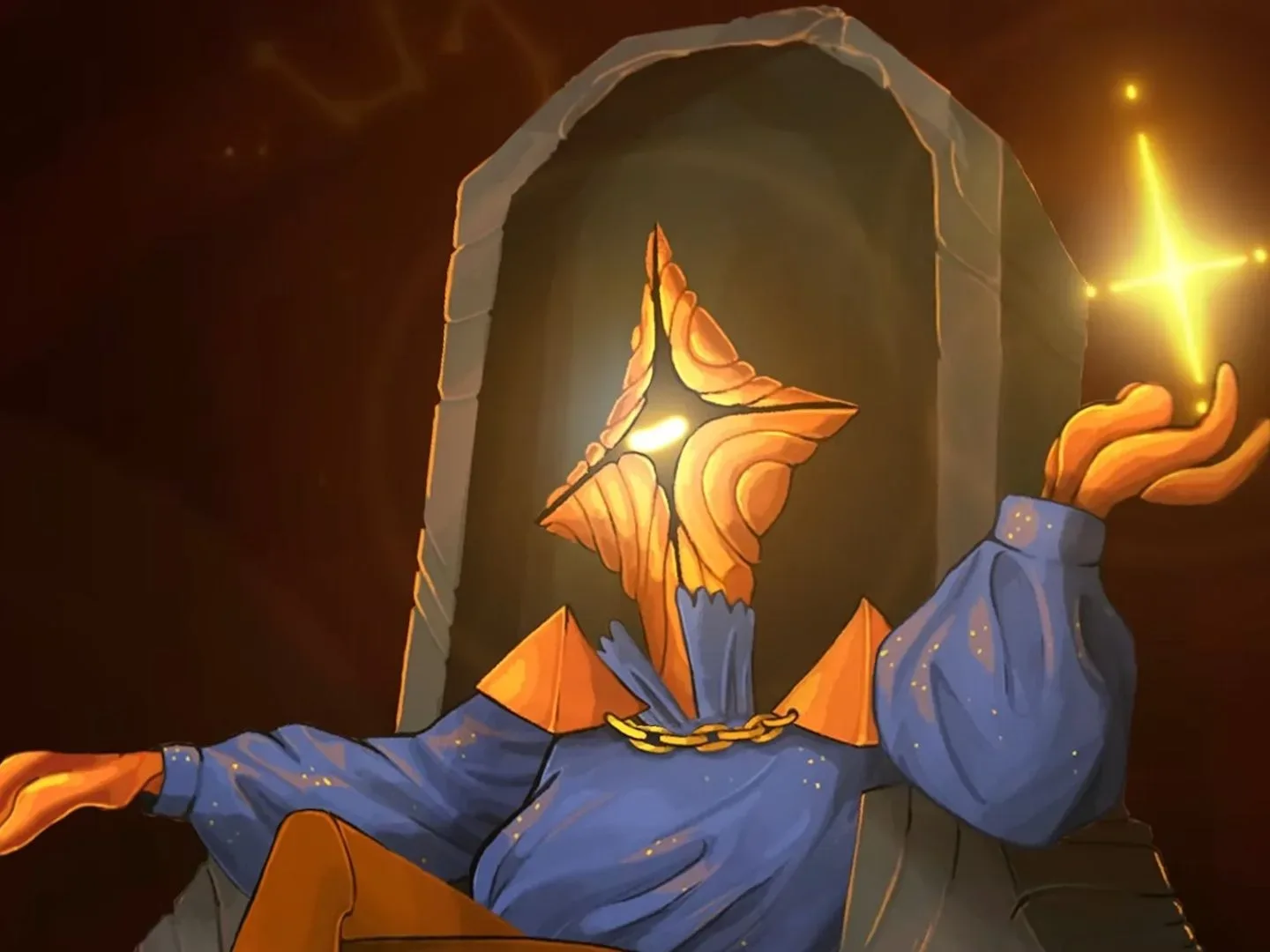
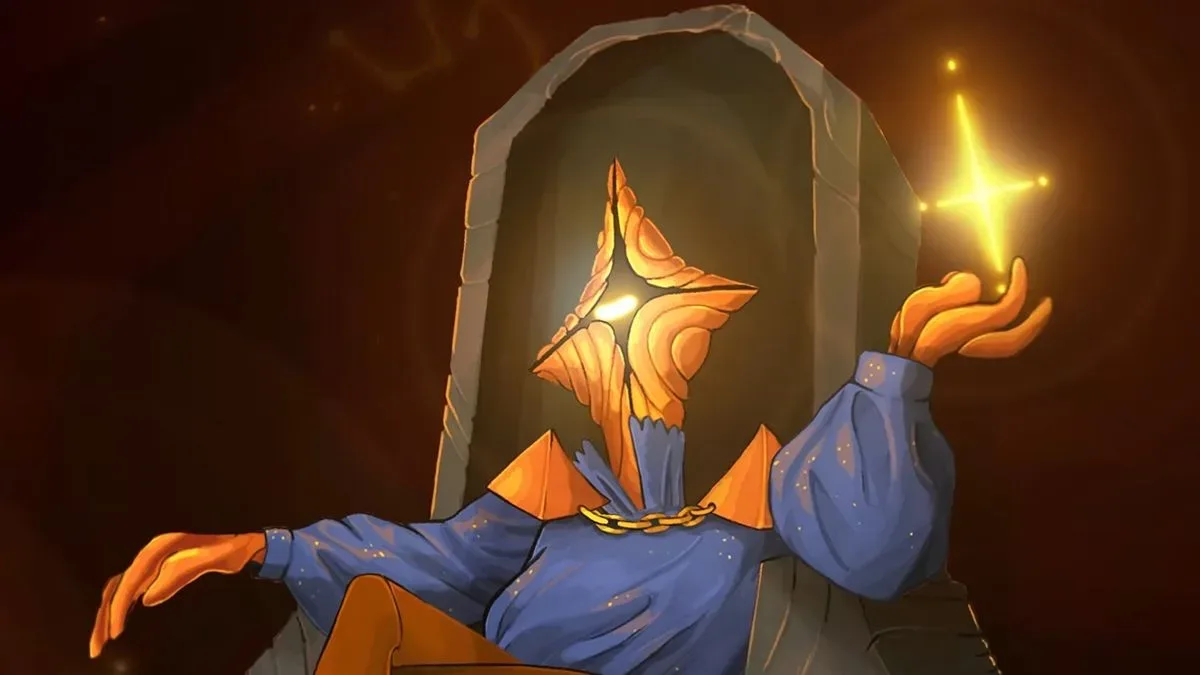
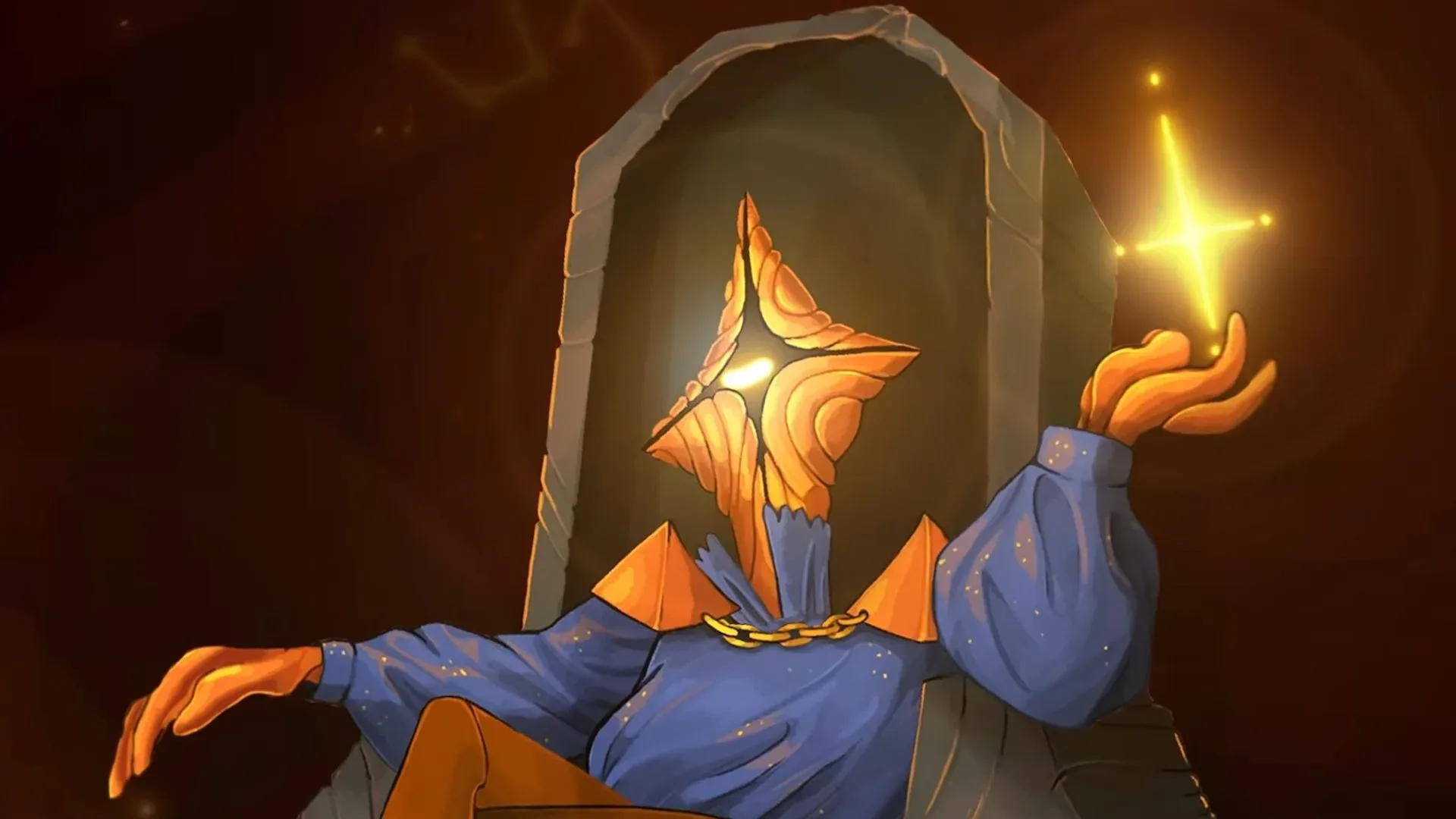
The game’s engagement was already reported to be consistently high. It has reportedly never fallen below 2.5 million monthly active players since its March launch. A more recent update appears to have created another major surge by adding The Fool, a new character, along with two game modes.
The update reportedly pushed daily players from around 500,000 to 1.1 million. That is said to be the game’s highest daily-player mark in roughly six months, and represents about 14% of the estimated 7.8 million-player base returning in a single day. The update is available through an opt-in beta branch, making the response especially notable: players had to actively choose to access that work-in-progress content rather than simply receiving it as a standard live update.
It is important to keep the terminology straight. Daily active players are unique people recorded playing during a day. Concurrent players are the people playing at the same moment. A daily count of 1.1 million does not mean 1.1 million were simultaneously in-game; it means that many unique players appeared across the day. Confusing the two can wildly inflate—or unfairly diminish—the apparent scale of a launch or update.
Likewise, monthly active players track unique participants over a month, not a month-long continuous population. A player who plays every day still counts once in that month’s total. These measurements are designed to answer different questions: concurrency speaks to the immediate peak of activity, daily figures describe a day’s reach, and monthly figures show broader ongoing participation.
Why a new character can matter so much in a deckbuilder
The available data does not break down precisely why each player returned, so it would be overreach to credit the new character alone for the whole rise. Still, a character addition is particularly consequential in this kind of game. It can create fresh decisions, change which cards and synergies players pursue, and give veterans a reason to revisit familiar challenges through a different set of tools.
For players, that can make an update feel less like an incremental addition and more like a new problem to solve. For an early-access game, it also demonstrates the value of content that serves two audiences at once: newcomers get more to explore, while experienced players get a reason to re-engage with systems they already understand.
The reported numbers also underline the unusual position Slay the Spire 2 occupies. It is still in early access, meaning the game is not yet at its 1.0 release, and it is currently available on only one platform. In that context, millions of estimated owners and millions of reported monthly active players are not merely an encouraging start. They indicate that the game has established a sizable, returning audience before a broader platform rollout is even part of the equation.
What the figures do—and do not—tell us
The data supports a straightforward conclusion: Slay the Spire 2 is showing powerful retention on Steam. The nearly 84-hour reported average, the estimated 1.9 million players above 100 hours, and the strong return around The Fool update all point in the same direction. The game is not only attracting buyers; it is giving a large number of them reasons to stay.
It does not, however, establish an exact official sales total, a guarantee that every future update will recreate the same jump, or a forecast for the eventual 1.0 launch. Estimates have uncertainty baked into them, and game populations naturally change as players rotate among releases and updates. The sensible takeaway is not that every player is logging hundreds of hours. It is that an unusually large group appears to be doing far more than a single climb.
That distinction is valuable for anyone watching early access. A launch can generate curiosity; sustained play is harder to earn. Slay the Spire 2’s reported Steam performance suggests it has the latter in abundance, even before its full release. And in a games calendar that can pull attention in every direction—including the enormous interest surrounding GTA 6’s opening-hours audience—the ability to persuade players to return for another run is its own formidable achievement.