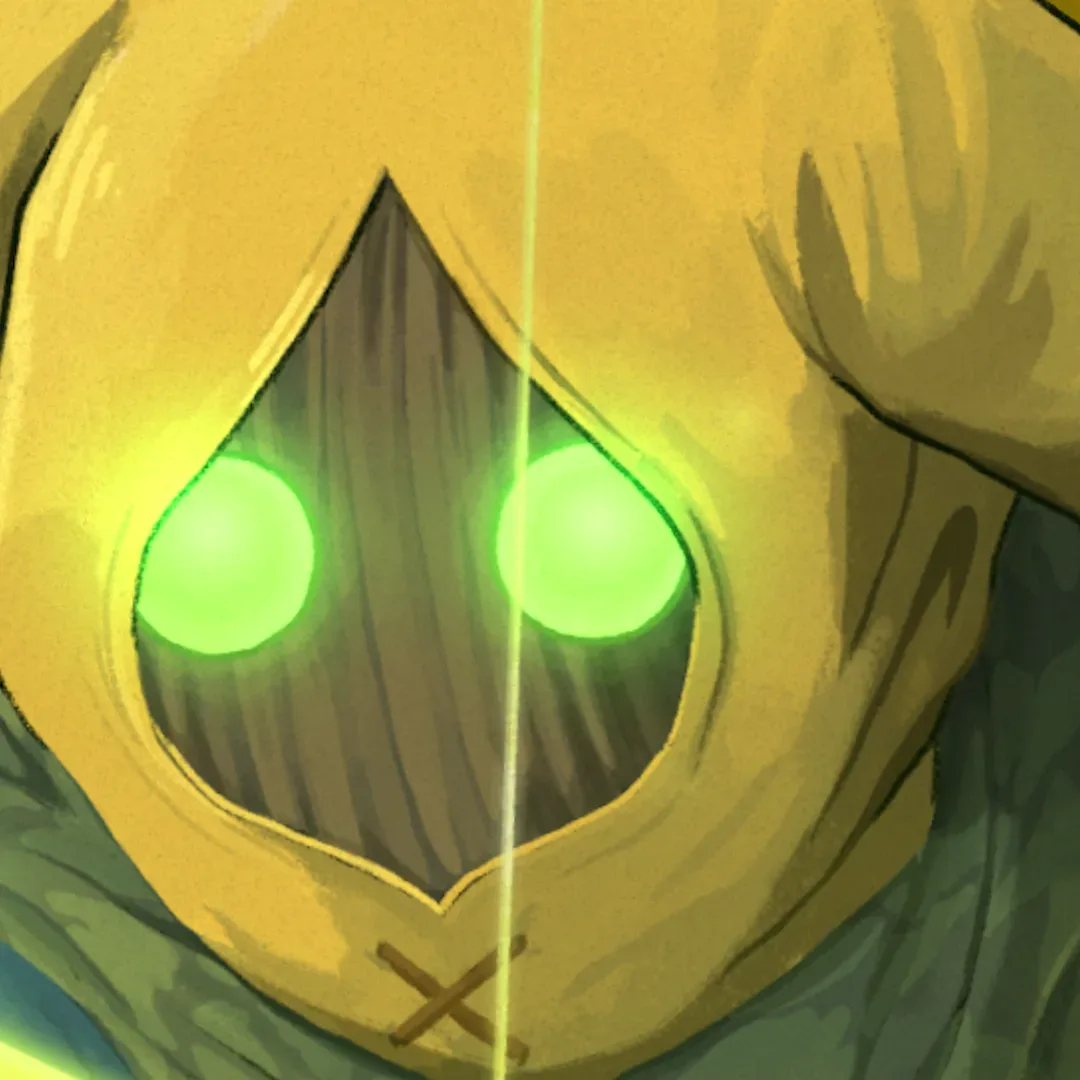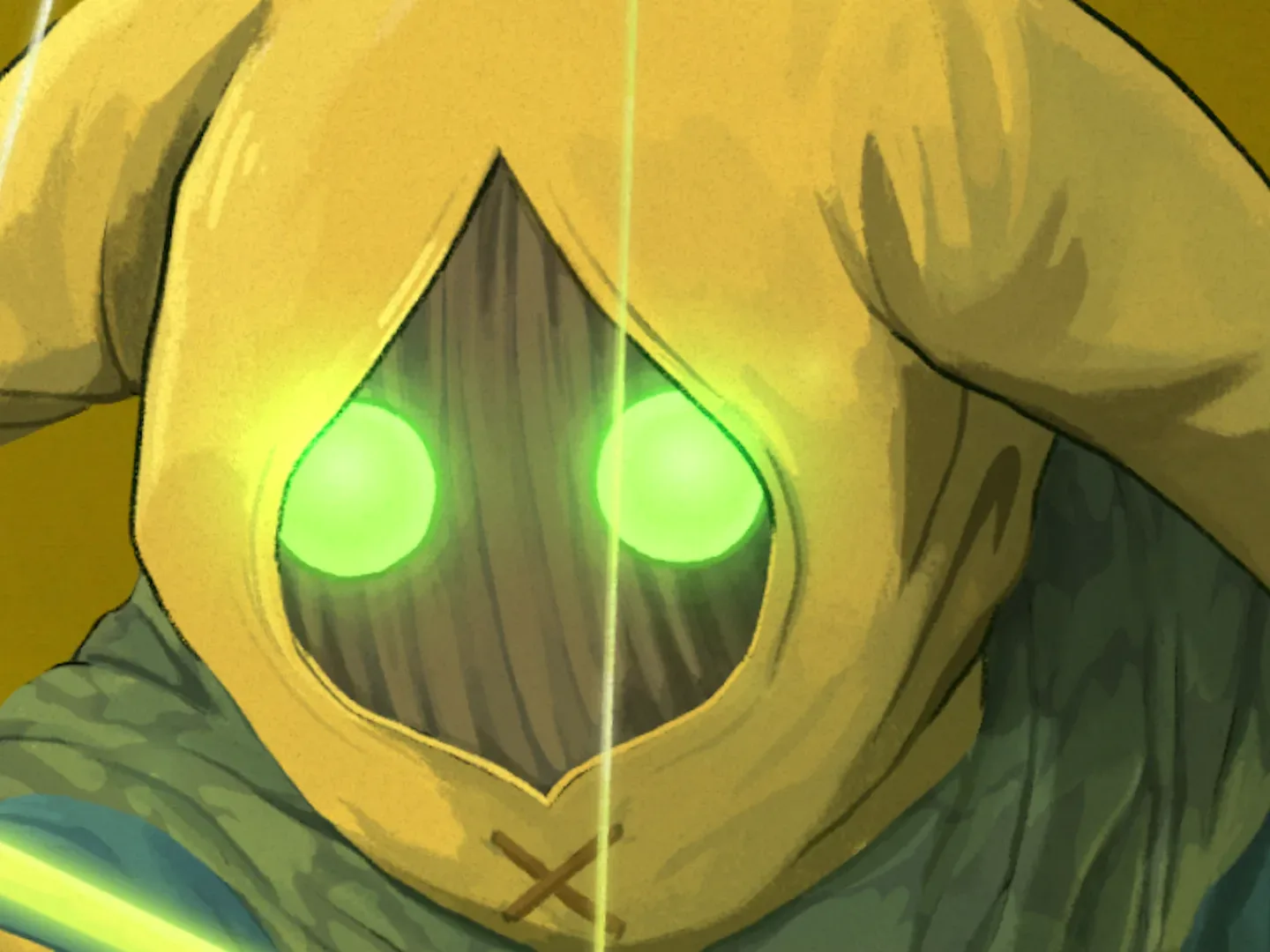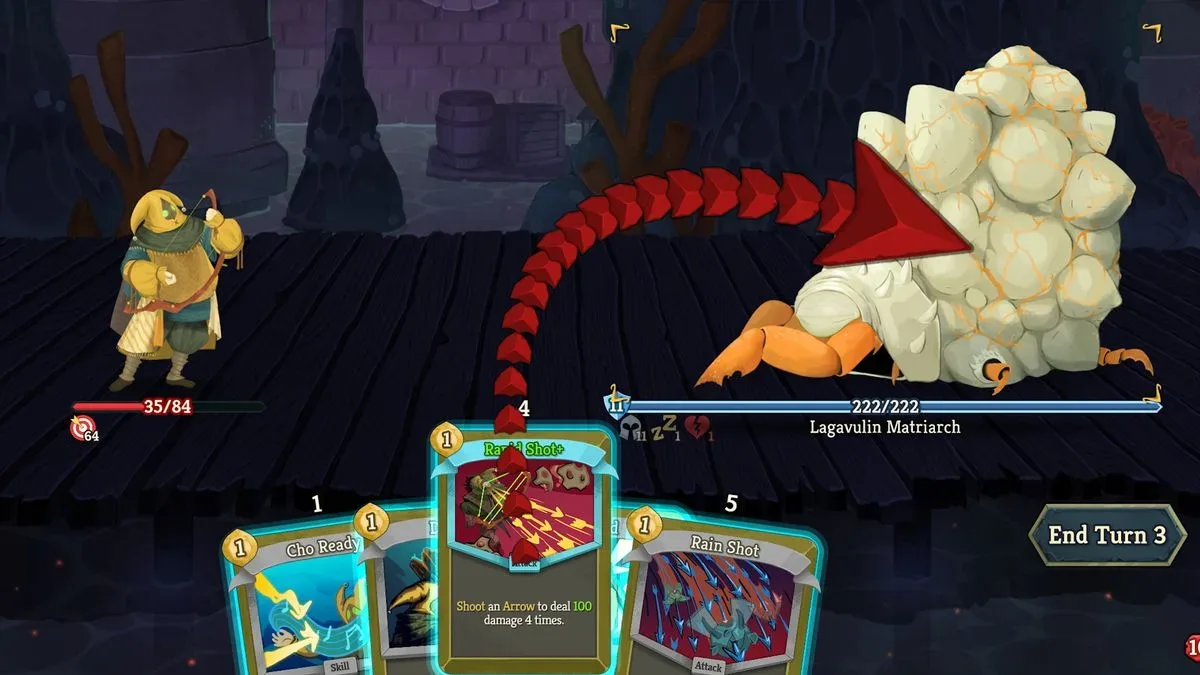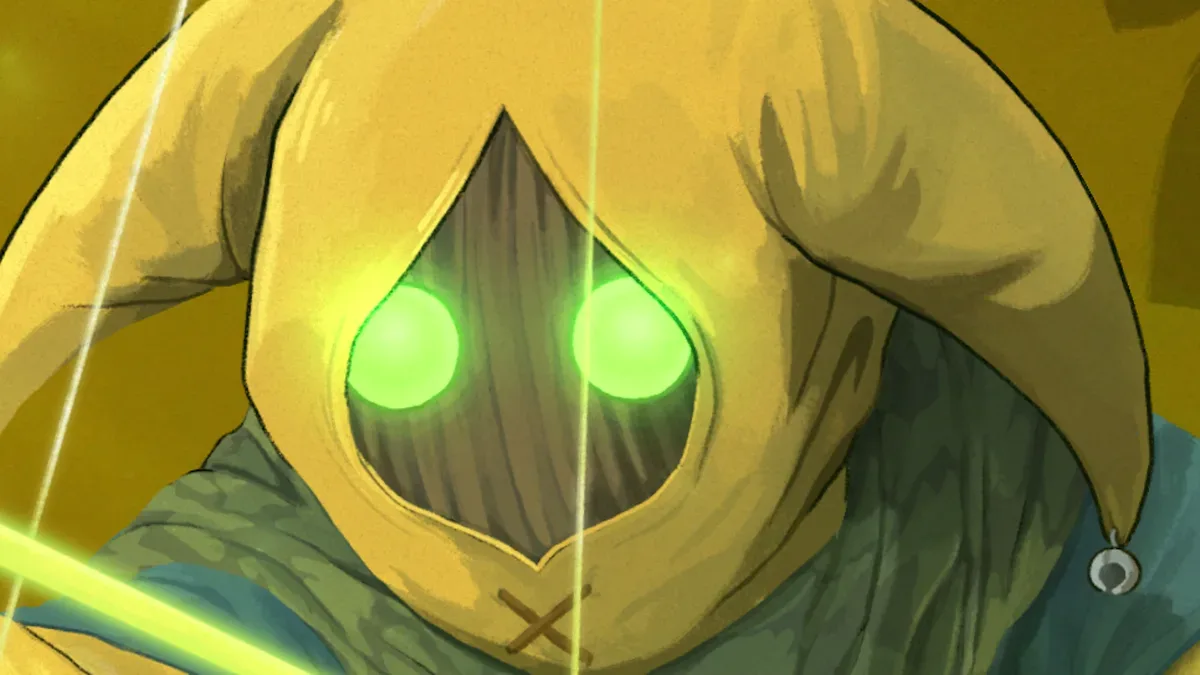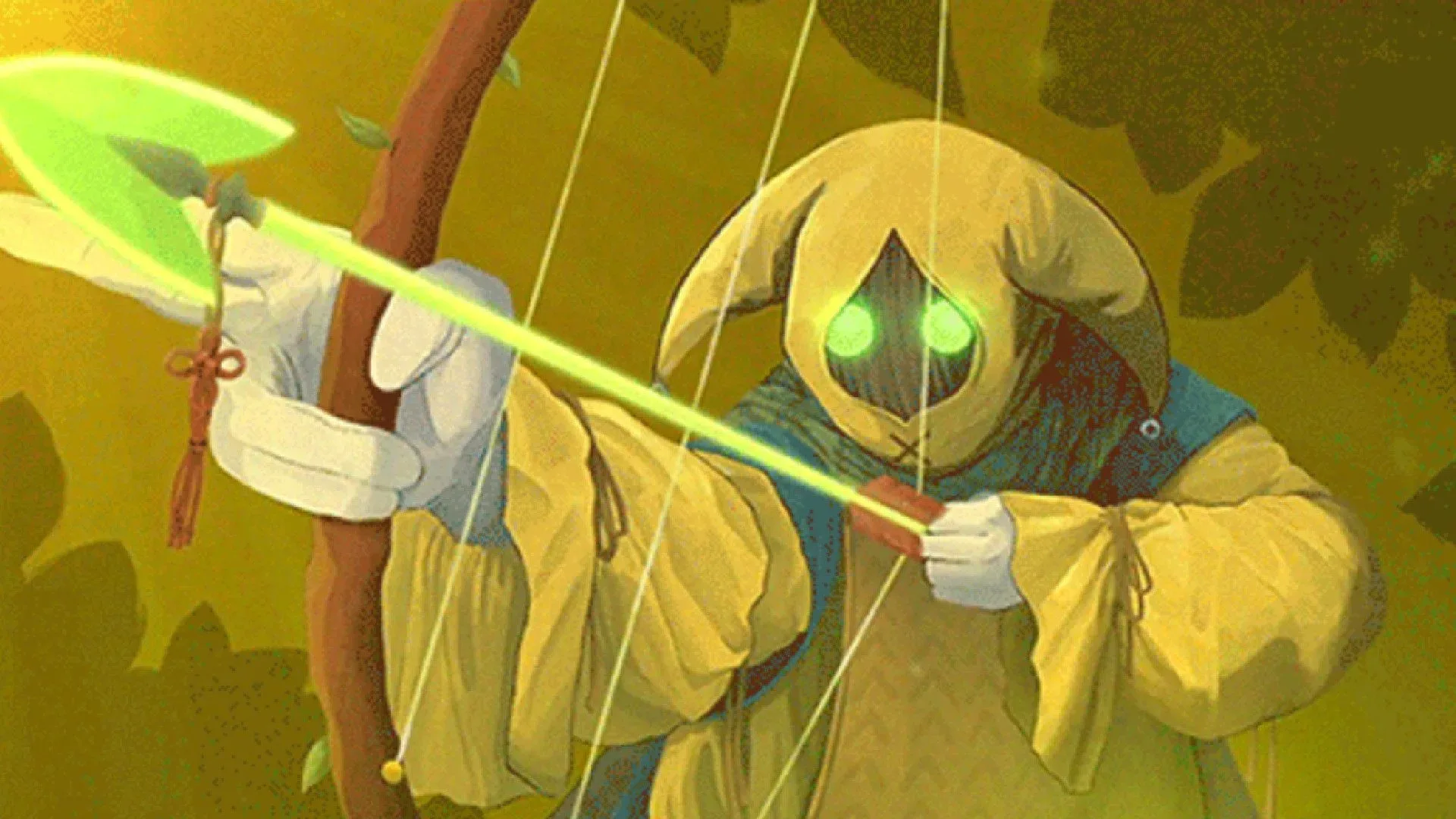
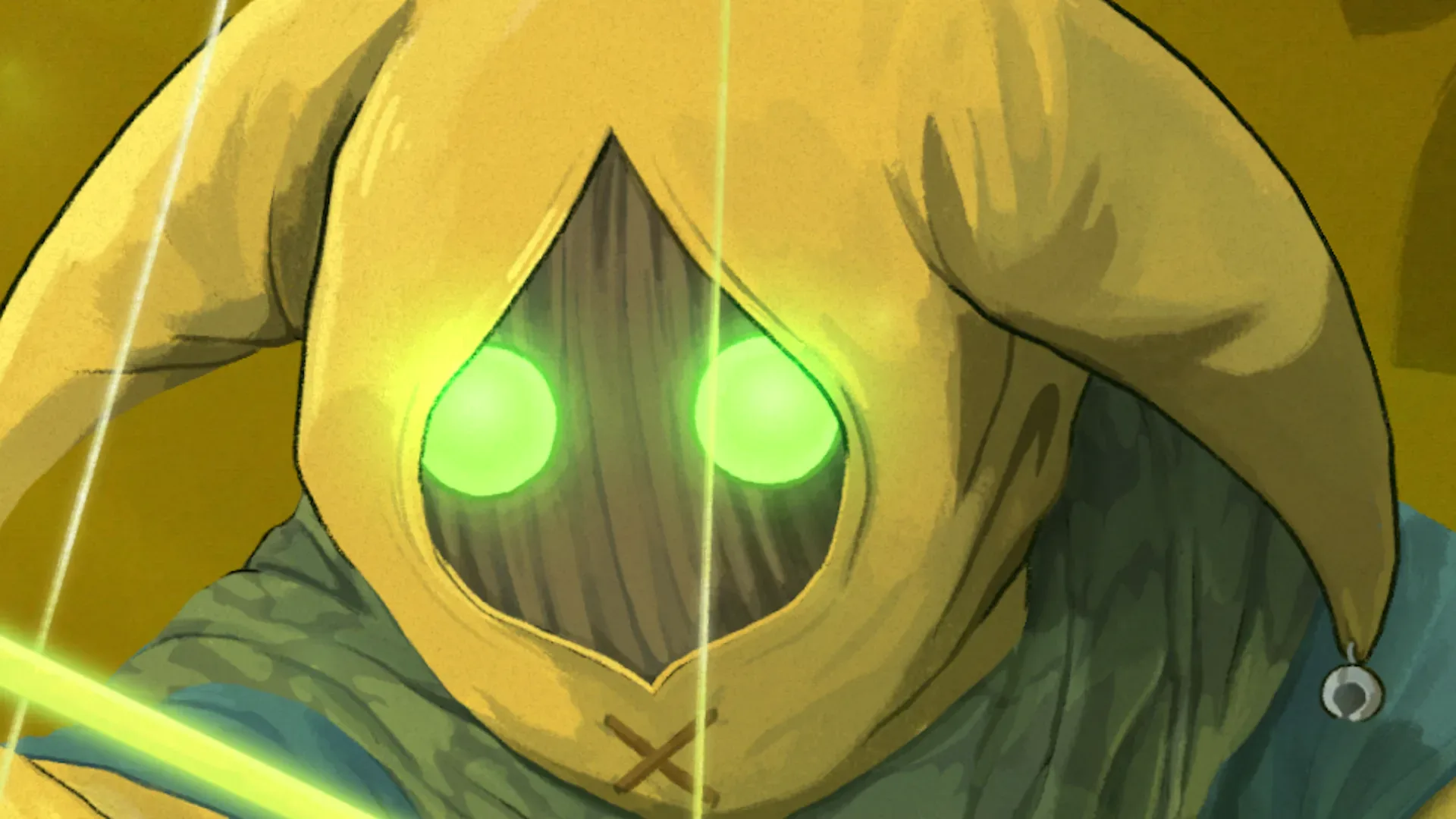
Slay the Spire 2’s first new character, The Fool, has landed in the November 12 beta update—and the early picture is less “careful new archetype” and more “bard accidentally booked as the final boss.” The archer-bard’s strongest tools can produce huge damage, exceptional defence, card draw and energy in the same runs, leaving high-Ascension encounters looking considerably less intimidating than intended. Mega Crit has already made clear that extensive content and balance adjustments are expected before The Fool is ready for the game’s main branch.
That caveat matters. A beta character is supposed to be tested, stressed and changed. Still, The Fool’s early power is notable because it does not appear to hinge on one narrowly specific combo. The class has three connected packages—arrows, melodies and the sadness-to-joy system—and the melody package in particular seems capable of delivering overwhelming value with surprising consistency.
For players who enjoy a deliberately over-tuned testing phase, this is a chance to explore a character at maximum theatrical volume. For players hoping to understand what will survive future patches, it is worth separating The Fool’s underlying identity from the numbers and effects that currently make that identity so explosive.
What The Fool is trying to do
The Fool combines an archer’s setup-and-payoff play pattern with a musician’s vocabulary of temporary notes. Its three principal mechanics are distinct enough to create interesting deck-building questions, even if they are not currently equal in strength.
- Arrows: Certain cards shoot arrows into enemies, while others dislodge arrows that have already been lodged there. This is a positional, staged damage system: an enemy must have an arrow in it before a dislodging effect can use that resource.
- Melodies: The class can generate temporary wah, cho and ki melodies. These notes have their own effects and can unlock conditional bonuses elsewhere in the deck.
- Sadness and joy: Sadness cards function like burdens in the hand. The intended counterplay is to convert or work through them to create joy, which provides an extra card and energy when played.
On paper, that is a healthy foundation for a complex character. Arrows ask players to think about sequencing and targets. Sadness creates a cost that ideally rewards planning rather than pure card acquisition. Melodies encourage a deck to build around a recurring language of tags, payoffs and temporary resources.
The problem is that the melody engine currently does so much at once that it can eclipse the more conditional parts of the kit. When one package reliably supplies economy, defence, draw and finishing damage, the result is not merely a powerful deck. It reduces the opportunity cost that normally keeps a deck-builder’s choices tense.
Melodies are doing the heavy lifting
The strongest early reports around The Fool centre on melody density: the more melody cards a deck sees, the more likely it is to become a self-reinforcing engine. This is not simply a matter of one spectacular rare. Several named cards illustrate why the package is attracting so much attention.
Ki Rest provides five mana on the following turn, or six when upgraded. With a cho melody active, it can also retain the player’s hand. Mana is the resource used to play cards, so a large next-turn increase can turn a normal setup turn into a decisive swing. Retaining the hand makes that swing even more reliable, because useful cards do not have to be redrawn before they can be converted into damage or block.
Related coverage includes Slay the Spire 2's The Fool Is Already Dominating the Spire's Toughest Runs.
Wah Symphony scales its area damage from melody cards in the deck and can reach 100 damage to all enemies for two energy. Area-of-effect, often shortened to AoE, means a single effect hits every enemy rather than one target. In multi-enemy fights, that kind of output can erase the usual trade-off between defending against several attackers and focusing down a priority threat.
Wah Cho Ki is another key example because it covers several needs in one card: draw, block, damage and immediate access to the full melody repertoire. A card that replaces itself or helps find other cards is especially valuable in a deck-builder because it improves consistency. Add meaningful defence and damage on top, plus the ability to activate other melody conditions, and the card stops being a situational enabler and becomes an all-purpose solution.
Even common cho cards are reportedly among the game’s efficient low-cost blocks, while also carrying melody value. That last detail is important. A card can be good because its immediate effect is strong, but it can also be good because its keyword or type improves future cards. When both are true, drafting choices become easier: the card protects the player now and makes the larger engine better later.
Strong powers can push the effect further by granting additional block from cho cards or extra draw whenever a melody is played. In deck-building terms, this is scaling: an early choice increases the return on many later choices. Scaling is a central pleasure of Slay the Spire-style runs, but it becomes a balance concern when the payoff arrives too quickly, too broadly or with too little risk.
Arrows have absurd peaks but stricter rules
The arrow half of The Fool’s kit is not being described as weak. Quite the opposite: the ceiling is enormous. A powerful multi-hit shot paired with Aim—a vigor effect that boosts arrow attacks—can lead to damage totals around 400 for one energy. That is enough to make the class’s damage turns feel wildly out of proportion to their cost.
But arrows at least impose structural limitations. The Fool begins with only one arrow. Shot cards require arrows to be available, and dislodging cards require arrows to be embedded in enemies. A deck overloaded with either half can stumble: too many shots and there may not be enough arrows; too many dislodges and there may be nothing to pull free.
This makes arrows a more legible candidate for refinement than melodies. The theme already contains meaningful constraints. If the goal is to make the archer-bard identity feel evenly represented, future changes could preserve the exciting high-damage moments while improving the consistency of the arrow infrastructure. More dependable access to arrows, or better incentives to use both shooting and dislodging, could help the package compete with melodies without simply turning every arrow number upward.
That is analysis rather than a confirmed plan. The only confirmed direction is that substantial changes are anticipated. The practical takeaway for current beta players is simpler: avoid treating arrows as a complete deck by themselves. Their best use appears to be as a compact package—enough setup and payoff to threaten explosive turns—inside a deck whose broader economy is supported elsewhere.
Sadness and joy look like the unfinished side of the act
The sadness mechanic has a very different issue. Instead of looking too universal, it presently looks comparatively thin and dependent on finding the right pieces. Sadness clogs the hand, while joy repays the player with a card and energy. That relationship has obvious potential: a class that turns its burdens into momentum is thematically fitting and mechanically promising.
Yet the known examples suggest the system has fewer universally appealing entry points. Vitriol applies weaken, reducing an enemy’s offensive threat. Ennui draws more cards but creates sadness. Brighten Up grants three joy for the cost of two sadness. These effects demonstrate different approaches—defence, card flow and conversion—but they also underline the dependence on a supporting pool that may be small and on rarer cards that may not appear in every run.
A mechanic based on clogging one’s own hand needs a particularly compelling reward. Otherwise, players will reasonably choose the package that grants draw, block, damage and synergy without asking them to tolerate a temporary malfunction. The Fool can remain immensely strong while sadness feels secondary, which is a warning sign for class cohesion rather than merely a complaint about win rate.
The likely challenge for future tuning is not just lowering the best melody cards. It is making each of the three systems feel like a credible path through a run. Nerfing the leading package without giving arrows and sadness a clearer role could make the class less exciting without making it more complete.
Mythic Form raises the ceiling again
The Fool also has access to Mythic Form, described as the strongest of the game’s six form cards. It generates unique tarot cards with exceptionally powerful effects, adding another source of run-defining upside to a character already capable of assembling formidable melody engines.
Form cards matter because they can reshape what a deck is trying to accomplish. Rather than merely increasing a single damage or defence number, they can introduce a separate set of options and rewards. When a class already has excellent draw, energy and hand retention, powerful generated cards become easier to access and deploy at the right moment. That compounds their impact.
There is no confirmed list of coming changes to Mythic Form, the melody cards or any other individual card. Treating an especially dominant beta interaction as permanent would be a mistake. The clearer lesson is that The Fool has multiple layers of upside: powerful core cards, powers that multiply their value, and a form that supplies unique tarot effects.
What players should take from the beta right now
The Fool’s present state is best understood as an invitation to experiment, not a settled hierarchy for Slay the Spire 2. Mega Crit’s expectation of a large number of content and balance changes should temper any assumption that a current build will remain optimal.
That said, the early strategic pattern is clear enough to be useful:
- Prioritize melody cohesion. A deck with enough melodies and cards that reward their presence can develop remarkable draw, block, energy and damage.
- Value Ki Rest highly. Its next-turn mana and potential hand retention are exactly the sort of effects that make a powerful turn both larger and more dependable.
- Use arrows as a focused damage module. Their strongest moments are huge, but the system asks for the right balance of arrows, shots and dislodges.
- Do not force sadness without a payoff. Since sadness occupies hand space, its conversion and reward tools need to justify the disruption.
- Expect patch volatility. A card that is a run-defining pick in the beta may be altered before The Fool reaches the main branch.
The wider live-service lesson applies beyond this one character. Early balance passes are not always only about cutting top-end damage. They can clarify an archetype’s intended choices, ensure several routes are worthwhile, and protect the tension that makes a powerful deck feel earned. Another PC game currently adjusting progression rules is WoW: Forever, which has changed its dungeon XP nullification threshold; the specifics are very different, but both cases show how rules changes can meaningfully alter player incentives.
For now, The Fool appears to be winning through an abundance of options rather than a single hidden trick. The character’s flavour is strong: a gentle bard firing arrows, collecting melodies and turning gloom into momentum is exactly the kind of strange, expressive premise a deck-builder can support. The important work ahead is ensuring the archer, the bard and the sorrow-to-joy engine all get an equal turn on stage.