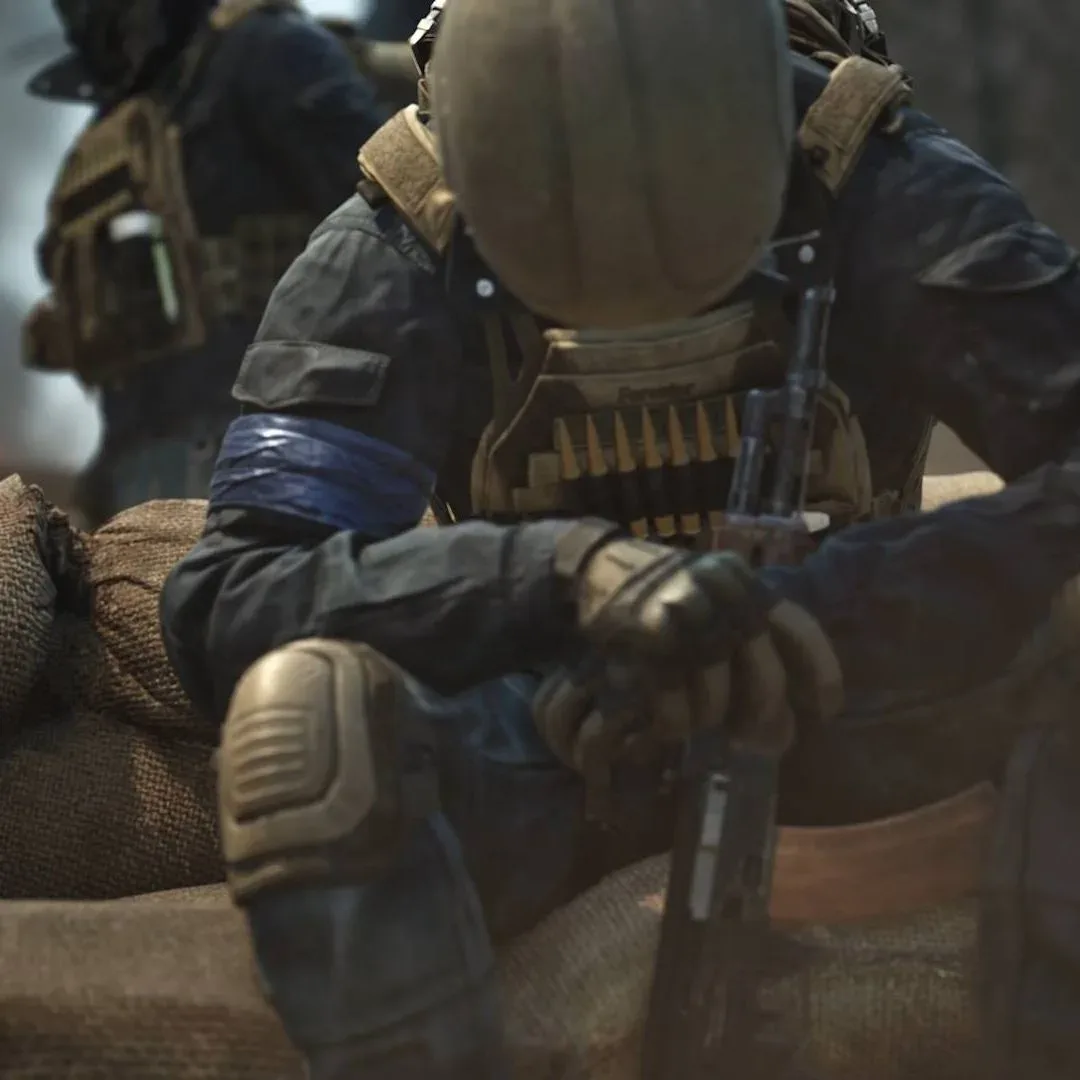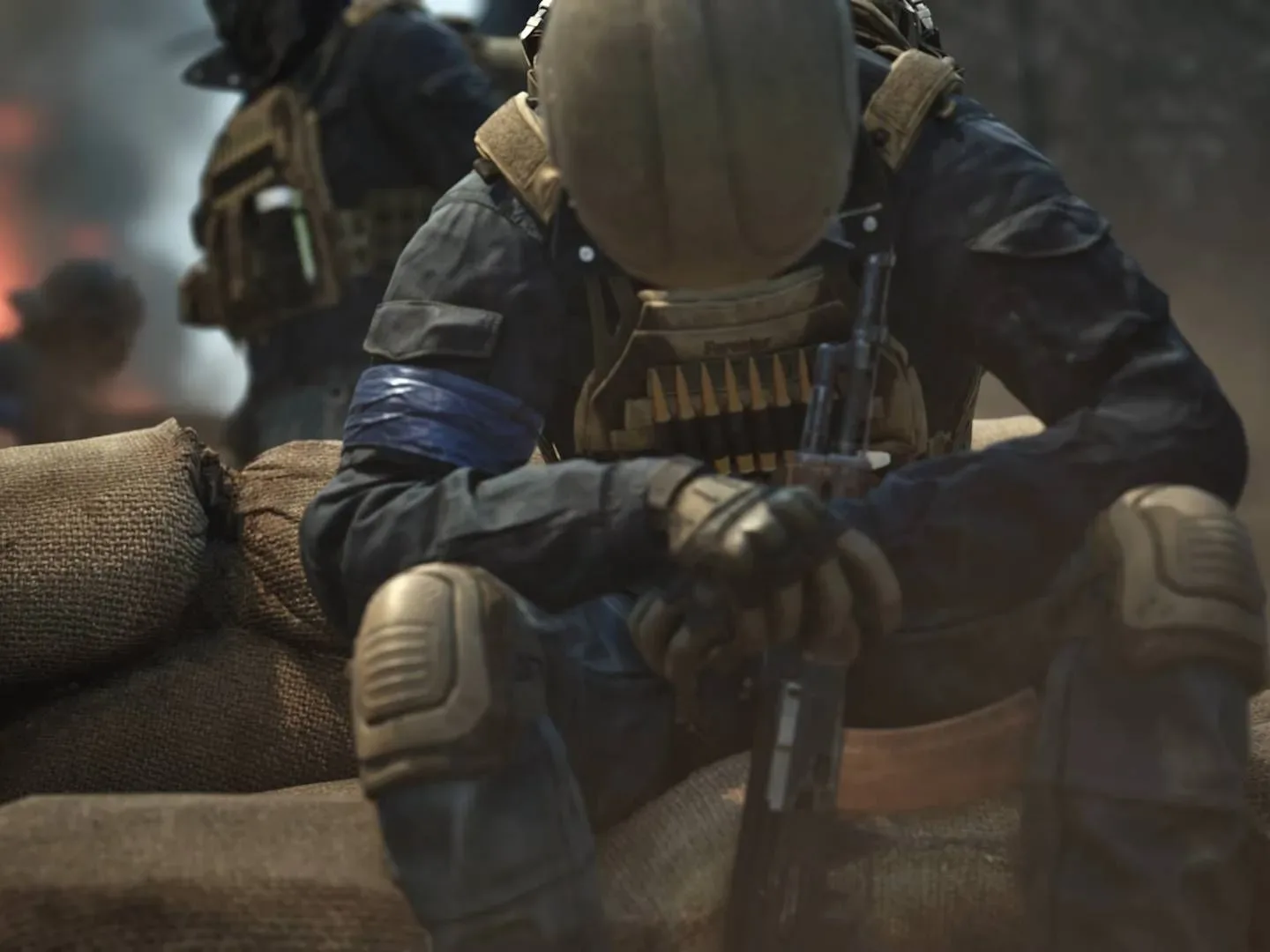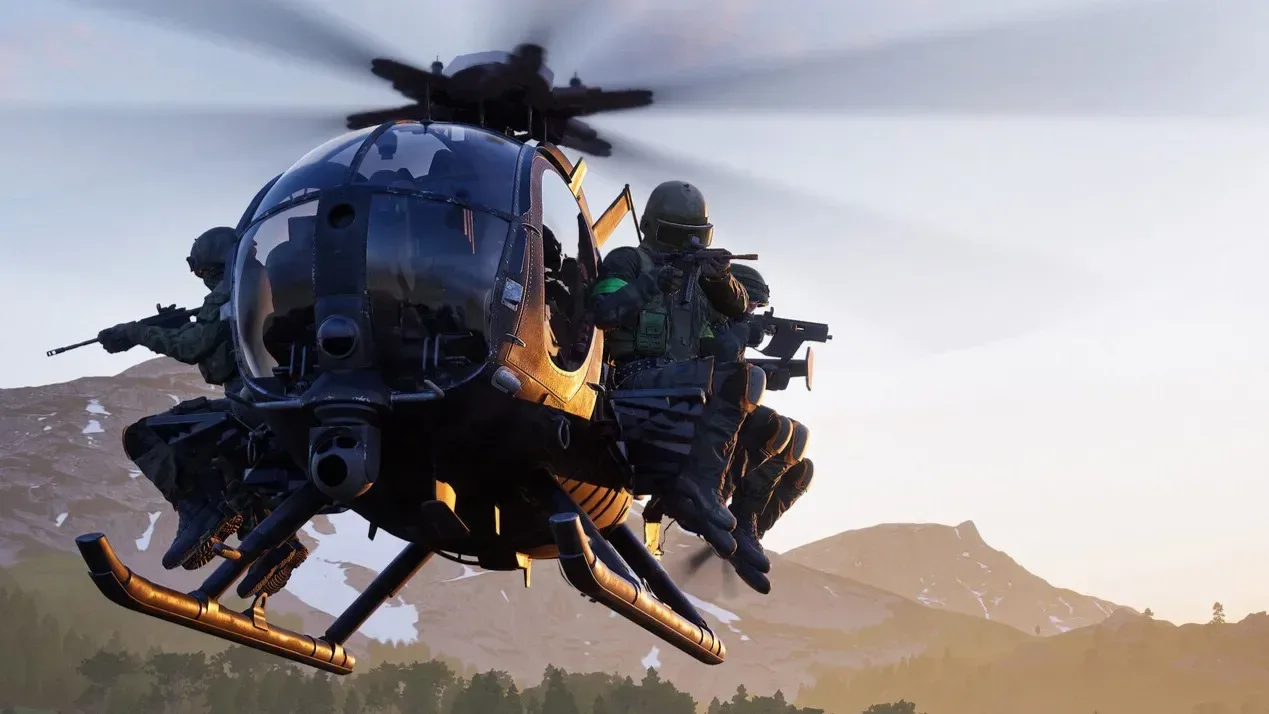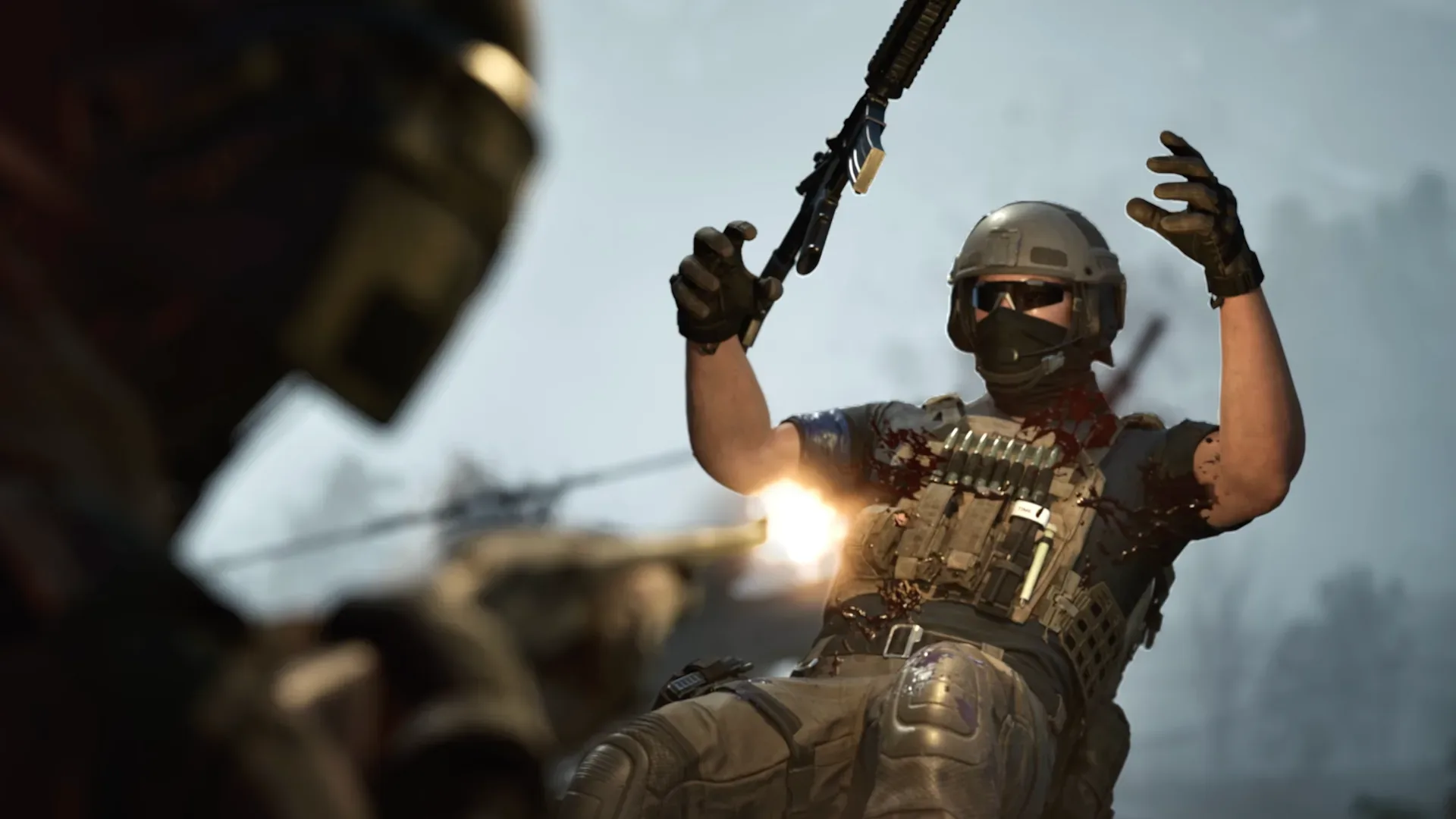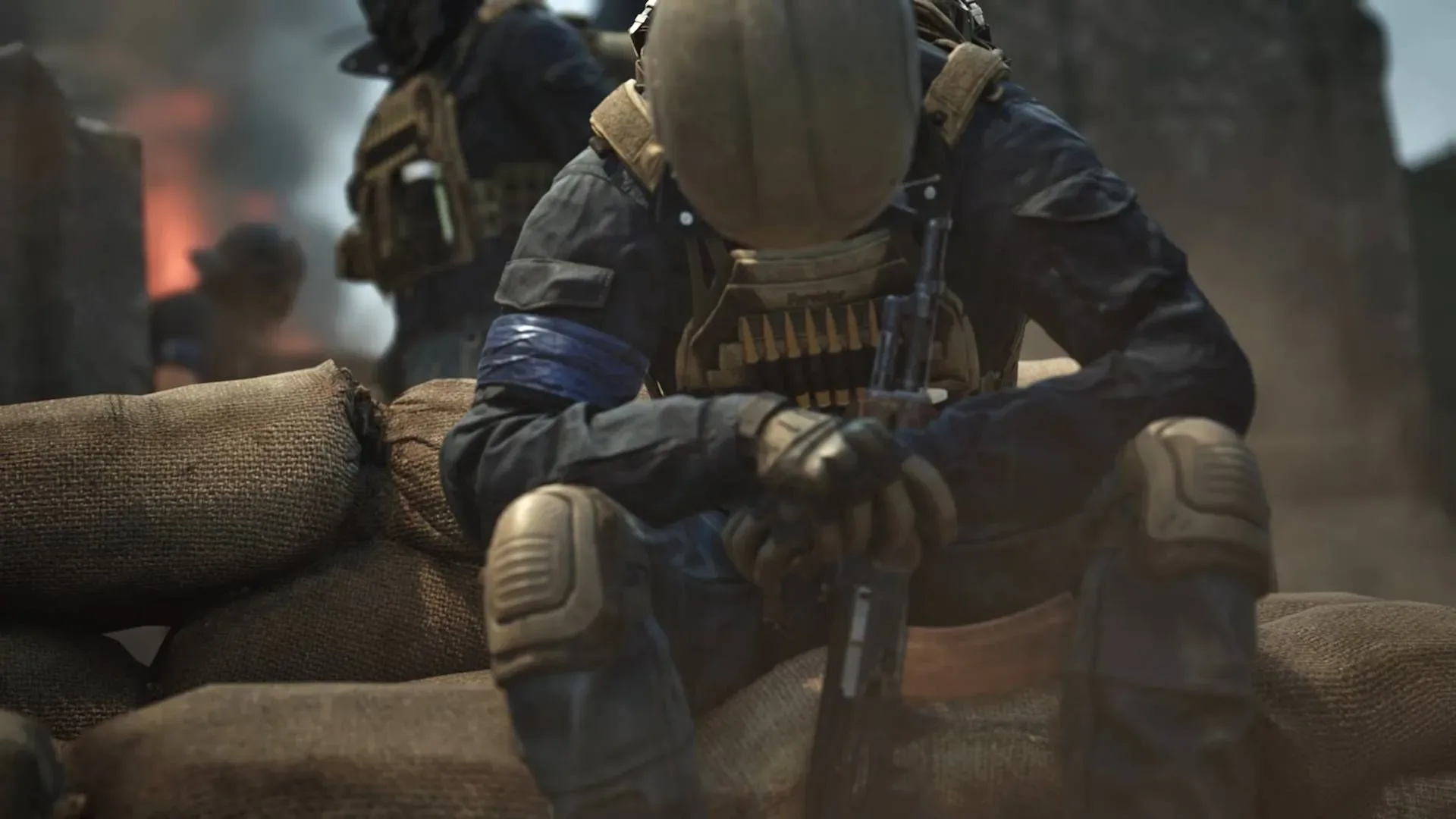
Wardogs is less than two weeks into early access, but one of the game’s biggest competitive questions has already moved from player suspicion to a developer acknowledgement: its three colored teams do not appear to be winning at comparable rates.
Bulkhead CEO John Brammer has said the tactical FPS has “definitely” got a balancing issue. The studio’s view is not quite the same as every individual player’s experience, however. Brammer says green is the team that wins most frequently in the broader data, with green and red relatively close to one another since pre-alpha. Blue, meanwhile, is the outlier: it is being beaten heavily, for what Brammer described as “mixed reasons.”
That distinction matters. A player can have a rough run on red and reasonably conclude red is at fault; a streamer’s lengthy session can produce a convincing red streak; and the game’s overall results can still show blue as the reliably disadvantaged side. All three observations can coexist, particularly in a game that distributes 99 people across three competing groups.
A three-team format makes balance more complicated
Wardogs’ standard match places three teams of 33 players—red, green, and blue—into a fight over territory. The mode combines elements associated with battle royale games and king-of-the-hill modes. In practical terms, teams are not simply trying to beat one clearly defined opponent. They must capture or retain ground while accounting for two rival groups whose conflicts can reshape the match at any moment.
That structure creates a balance problem with more moving parts than a conventional two-side contest. In a two-team game, a persistent win-rate gap generally points toward some combination of unequal equipment, map positioning, objective rules, matchmaking, or team composition. Those factors still apply here, but three-sided play introduces another major variable: the relationship between the other two teams.
When red and green are fighting each other, blue may gain room to approach an objective. Conversely, if blue is frequently caught between the other colors, or is put at a disadvantage when routes converge on a contested area, its players may face pressure that is not reflected by a simple head-to-head comparison. That is one useful way to understand Brammer’s use of “mixed reasons,” though he did not specify the causes behind the blue team’s poor results.
Win rate is the percentage of matches won by a team over a given set of games. It is a valuable signal, but it does not automatically identify the reason for an imbalance. A team might have a low win rate because of a map-side advantage, the timing and location of objectives, player behavior, or factors in how players are assigned. The task for a developer is to separate a real repeatable pattern from the noise of short-term results—and then identify which systems are producing it.
Player streaks and wider trends are telling different stories
The issue reached wider attention amid claims that red was winning too frequently. Brammer replied that Bulkhead’s broader picture instead places green at the top, red and green fairly near one another, and blue well behind. That is not a dismissal of players who feel red has had the better of their matches; it is a reminder that sample size changes what a pattern means.
Related coverage includes Wardogs Developer Flags Blue Team Balance Problem After Early Access Matches.
Streamer Wynn Gaming, for example, reported red repeatedly winning across an eight-hour stream and raised possible explanations for why red might be favored. An eight-hour run is substantial from the perspective of somebody actually spending an evening in the game, and it can absolutely reveal an experience worth investigating. It is still a narrower slice than the aggregate data available to the developer.
Sample size refers to the number of observations used to judge a trend. A few matches are vulnerable to luck, unusually coordinated squads, or an especially punishing run of opponents. More matches generally produce a steadier picture, although a large data set also needs context. If one map, time period, objective state, or player population behaves differently, combining everything into one number can conceal a specific issue.
Wardogs’ current conversation shows why both forms of evidence have value. Player reports can spotlight where a match feels unfair, confusing, or repetitive. Broader results can reveal whether the effect persists beyond a particular lobby. Bulkhead has made clear that it sees a persistent blue problem, even as individual sessions may make red look like the dominant side.
What “mixed reasons” could mean—and what has not been confirmed
No detailed breakdown of Wardogs’ balance data, maps, or underlying systems has been provided, so it would be premature to pin blue’s struggles on a specific spawn, weapon, route, or rule. There is no confirmation that any one mechanic is responsible.
Still, Brammer’s wording is significant because it suggests the studio does not view the problem as a single obvious numerical tweak. A simple balance change might be a direct adjustment to a weapon or score value. “Mixed reasons” instead implies that multiple parts of a match may combine to create an unfavorable outcome for one color.
For players, that uncertainty means the sensible takeaway is narrower than “red is broken” or “green is unbeatable.” The evidence presented so far supports a more careful reading: blue has been identified by the developer as the team with the clearest overall problem, while red’s apparent dominance in some sessions does not match the studio’s broader assessment.
Players should also resist treating a color’s recent streak as proof that every match is predetermined. A balance issue can influence outcomes without making them certain. Coordination, timing, positioning, and decisions around contested land will still shape individual games. But when one side is losing often enough that the studio calls it out, players have reason to expect the issue to receive attention during early access.
Why early access feedback is central here
Early access is a development stage in which a playable version reaches the public while its systems are still being refined. For a large-scale multiplayer shooter, that means real matches generate information that internal testing cannot perfectly recreate: many different player skill levels, unexpected tactics, shifting group behavior, and long sessions across the live population.
Wardogs has quickly built a community numbering several hundred thousand players. That scale gives the game a large pool of matches from which to examine team outcomes, while also ensuring that balance complaints will arrive quickly and loudly when a faction becomes associated with defeat.
There is a practical trust issue at stake. Color teams in Wardogs are not just cosmetic labels; they define the side a player fights for in the match. If players believe one color carries an avoidable loss penalty, the game risks turning team assignment into a source of frustration before the contest has even begun. In a format built around three competing groups, perceived unfairness can also affect behavior: players may gravitate toward the teams they think are stronger or become less invested when assigned to the team viewed as weaker.
The developer acknowledgement is therefore important even without a published fix or timetable. Bulkhead has not announced which changes will be made, when they will arrive, or whether the adjustments will target map design, objectives, team assignment, or another factor. What it has done is establish a baseline for judging future updates: blue’s weak performance is a known issue rather than merely a rumor circulating among players.
A familiar live-game challenge, with a different competitive shape
Competitive games routinely change as live player behavior exposes gaps between design expectations and actual outcomes. The surrounding landscape continues to evolve too, as seen in developments such as Fortnite’s Kingdom Hearts crossover and its new gameplay additions. Wardogs’ case is more foundational than a single new item or event, though: its concern reaches the fairness of the match’s three core factions.
The most useful next step will be transparency backed by results. If Bulkhead identifies the factors behind blue’s losses, players will be able to compare future match outcomes with the current pattern. If blue improves but a new red-versus-green gap appears, the game will have demonstrated just how tightly its three-way contest is connected.
For now, the clearest confirmed picture is this: Wardogs is seeing uneven team performance in early access; green wins most often in the developer’s overall data; red and green are described as broadly close; and blue is the side Bulkhead says is taking the most consistent beating. That is a serious competitive issue, but it is also exactly the kind of live-data problem an early-access multiplayer game needs to confront openly.