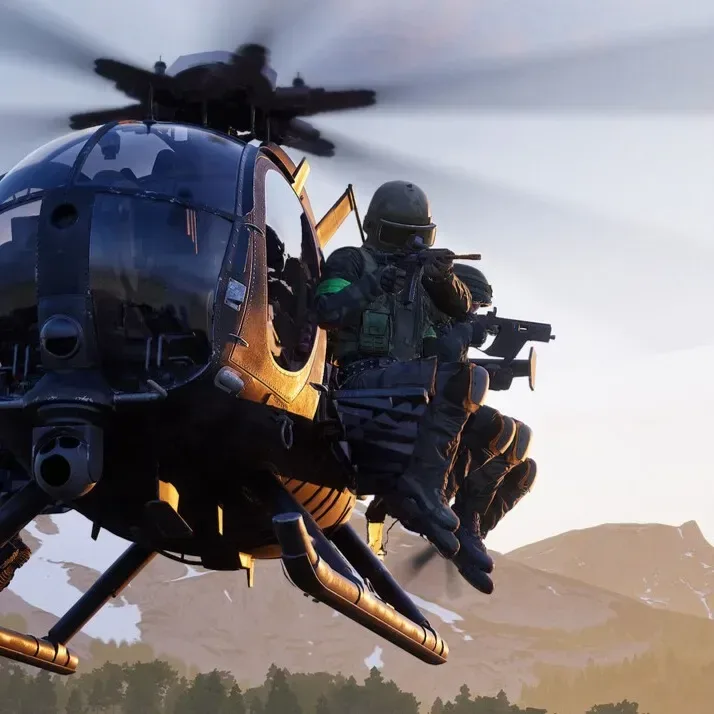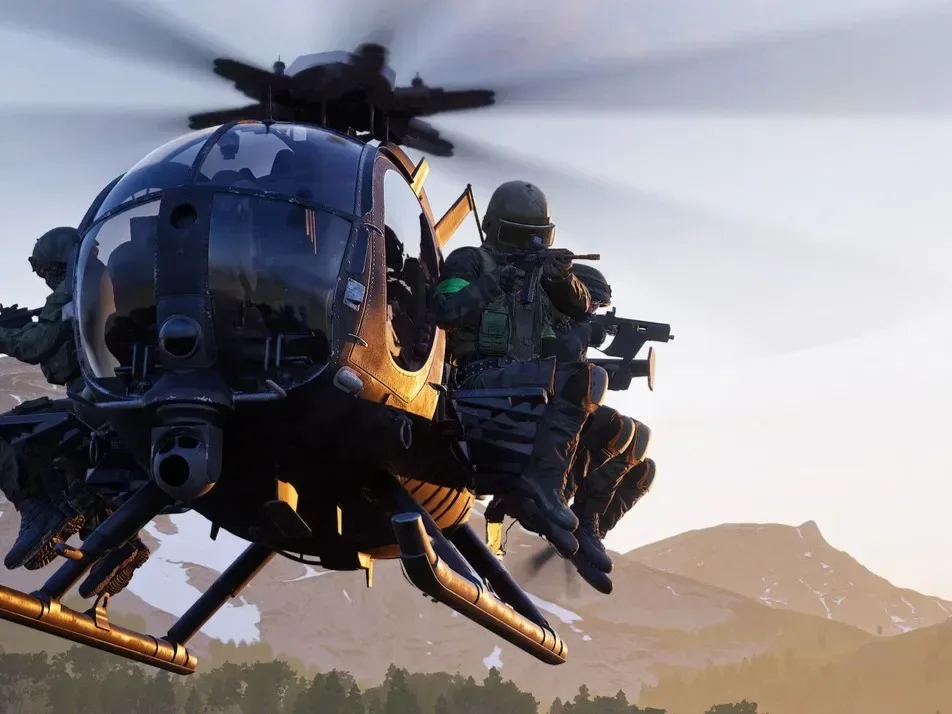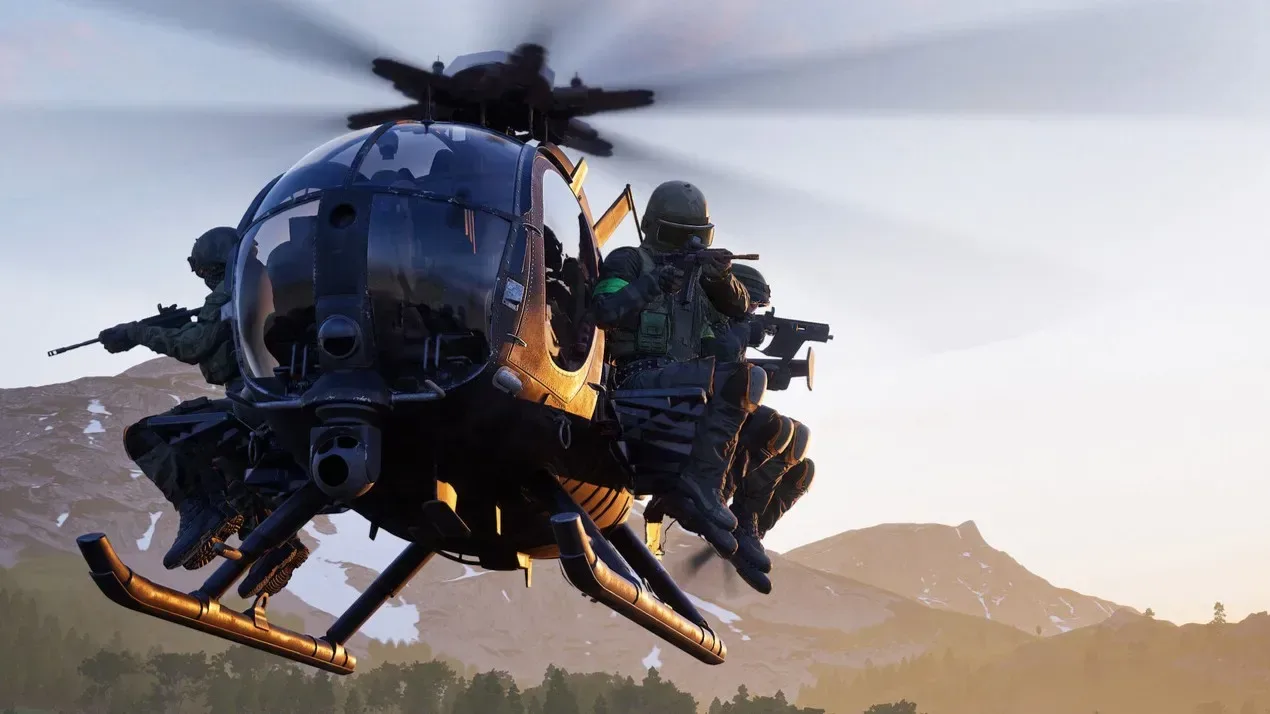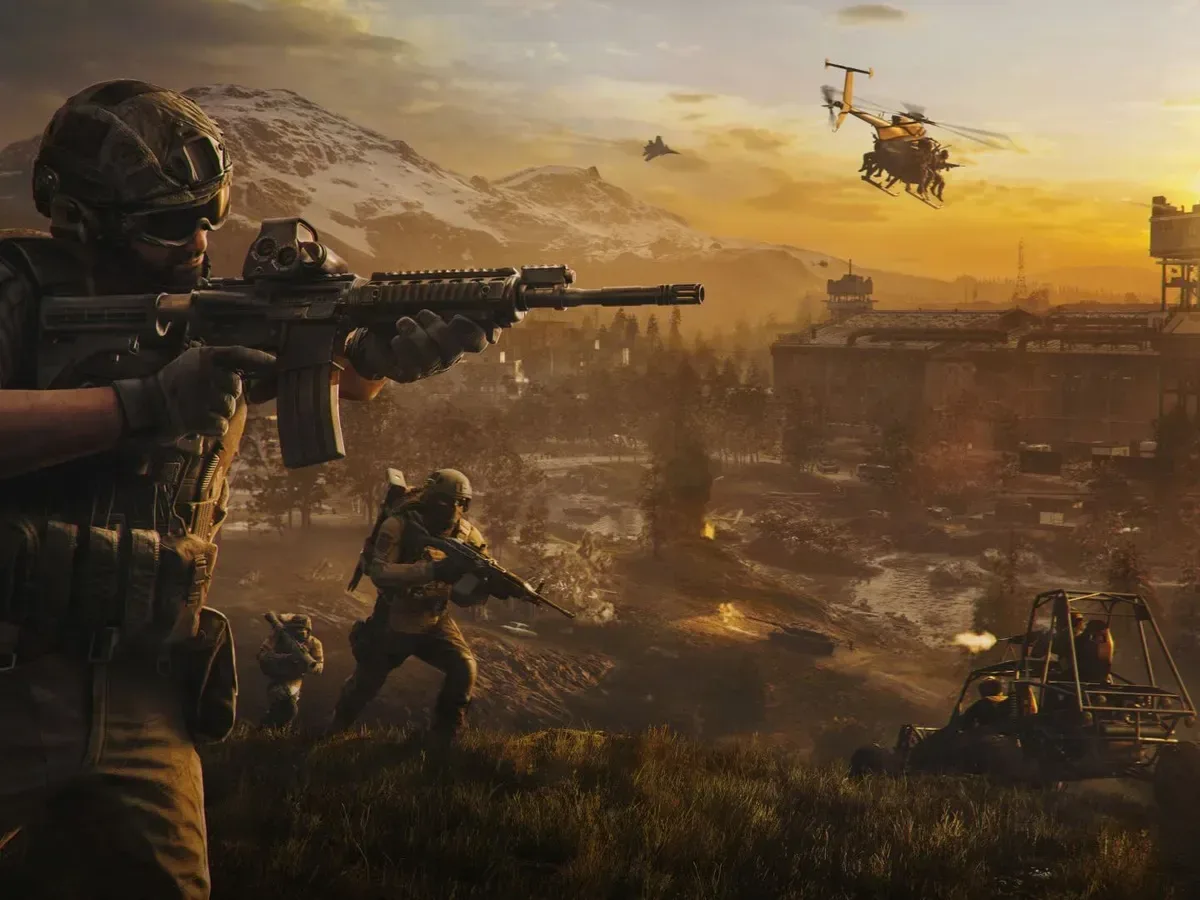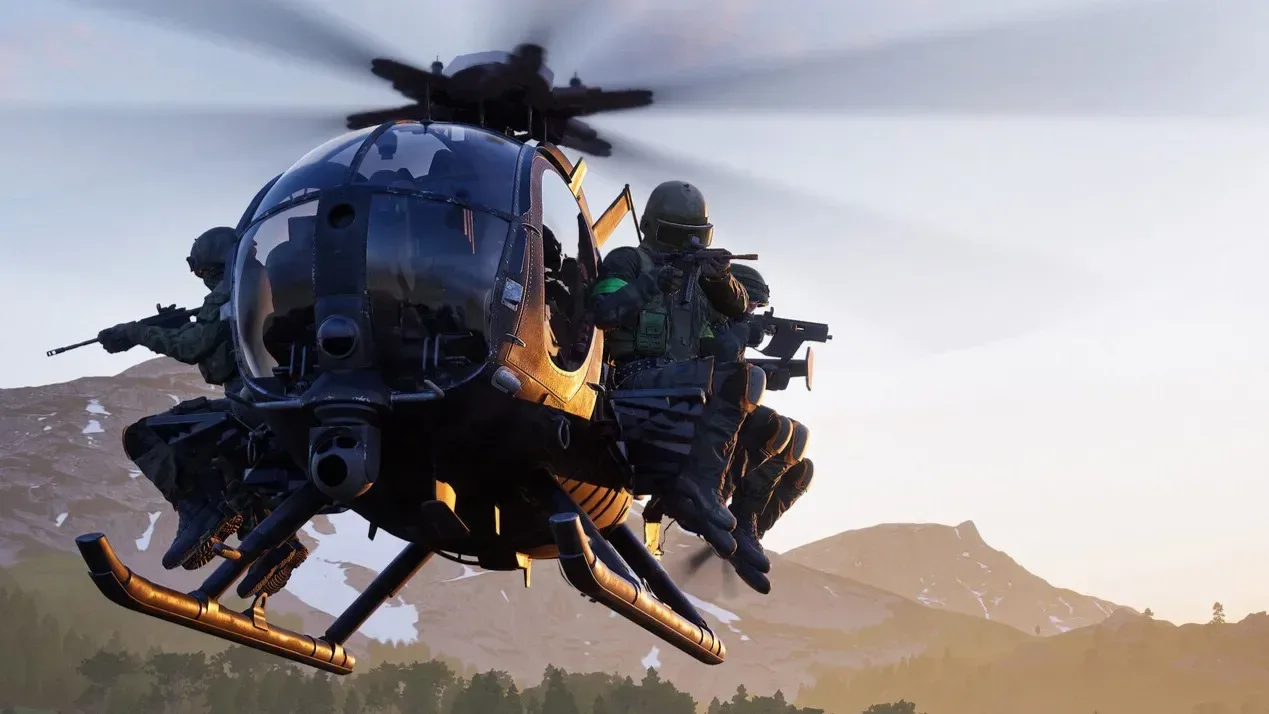
Wardogs has sold 2 million copies in its first five days on Steam Early Access, a remarkable opening for Bulkhead’s tactical first-person shooter. Released on September 10, the game also reached a peak of 428,666 concurrent players, putting it among the platform’s most-played games during its opening stretch.
The sales curve is just as striking as the peak-player figure. Wardogs passed 1 million copies on its first day, reached 1.25 million by day two, and then added the remaining 750,000 sales over the following three days. That is a gigantic audience arriving while the game is explicitly still in development, rather than after a finished-version launch.
Bulkhead described the reception in a social-media post as humbling, saying it built the game it wanted to play with friends and had enjoyed seeing players do the same. For a multiplayer shooter, that social dimension is more than a nice sentiment: a large active population can directly affect how easy it is to find matches, how quickly community knowledge spreads, and how much pressure there is to keep the live game running smoothly.
A blockbuster start, followed by the unglamorous work
Wardogs did not have a flawlessly frictionless debut. Players initially raised launch-problem complaints, but its user-review status is now listed as Very Positive. That change suggests the rough opening did not define the game’s broader reception, though it does not mean the work is finished. Bulkhead has specifically identified performance, stability and balance as continuing priorities throughout Early Access and beyond.
Those three terms are related but mean different things in a multiplayer game:
- Performance concerns how well the game runs, including its responsiveness and consistency.
- Stability concerns whether the game behaves reliably rather than failing, disconnecting, or otherwise breaking during use.
- Balance is about the relative effectiveness of play styles, equipment, vehicles, objectives, and factions, so one choice does not dominate simply because it is much more rewarding or powerful.
A 428,666-player peak creates a useful opportunity for a developer to observe how a game performs at enormous scale, but it also gives issues very little room to hide. When a weapon, vehicle, map arrangement, or technical problem frustrates players, the discussion can travel rapidly through clips, posts and matches. Early Access makes that feedback loop central to the product rather than peripheral to it.
The game has already generated viral gameplay clips, the sort of unscripted moments that can keep a multiplayer title in public view. The community has also developed a running perception around the Lonestar faction: some players are reportedly avoiding it because they believe it attracts the worst players and loses the most often. It is an amusing bit of faction folklore, not a confirmed measurement of player skill or win rates. Still, it illustrates how quickly a game’s community can form reputations around particular teams and play choices.
What Early Access means for Wardogs
Bulkhead expects Wardogs to remain in Early Access for one to two years, while stressing that it does not want that period to run excessively long. The exact timeline may change as development and community feedback evolve. A console version is planned for 2028.
Related coverage includes Wardogs Reaches 2 Million Sales in Five Days After Explosive Steam Early Access Launch.
In practical terms, Early Access means the current Steam release is the playable version players can buy now, but not the final scope Bulkhead intends to deliver. The studio says the completed version will be broader and more polished, and that the price is expected to rise at full release to reflect that more complete experience. Its stated position is that Early Access purchasers receive a lower entry price while also helping shape the game’s development.
That arrangement carries two realities at once. Players who join now are getting access during the period when features, systems and balance are being actively refined. They also need to understand that specific priorities, timing and even the duration of Early Access can change. “Planned” additions are a direction of travel, not the same thing as a locked delivery date.
For anyone evaluating Wardogs solely as it exists at this moment, that distinction matters. The immediate appeal has clearly been strong enough to drive huge sales and concurrent activity. But the studio is not presenting the Early Access build as the final word on maps, progression, variety, or technical polish. Its roadmap is a promise to build on the foundation that has caught on so quickly.
More than maps and guns: Bulkhead wants reasons to return
Bulkhead’s plans include more maps, weapons, vehicles and gameplay variety. Among the larger prospective additions are new vehicle types, including fighter jets, expanded weapon categories and additional objective variations. Those are familiar forms of multiplayer expansion, but the studio’s most consequential goal may be its stated desire to create “deeper reasons to play beyond individual matches.”
That phrase points to systems that sit around, between, or across matches rather than only inside a single round. Bulkhead plans more in-depth progression, a stronger seasonal meta game, and systems meant to reward the time and impact players bring to a match through combat, support, or logistics.
Progression systems generally track a player’s advancement over time. The studio has not detailed exactly what Wardogs’ expanded version will look like, so it would be premature to assume particular ranks, unlocks, or reward structures. What is clear is that Bulkhead wants players to have longer-term advancement goals in addition to the outcome of one match.
A seasonal meta game refers to an overarching layer that extends past the moment-to-moment action. Here too, the detailed format has not been specified. The important point is that Bulkhead sees a stronger seasonal structure as one tool for making the game feel more persistent and giving players motivation to keep participating across a longer period.
The reference to combat, support, or logistics is particularly notable because it indicates the developer wants impact to be recognized in more than one way. Combat is the most obvious contribution in a shooter. Support and logistics can describe work that enables a team’s success without necessarily being the flashiest activity on a highlight clip. How Wardogs measures and rewards those contributions will be important: systems that acknowledge different forms of useful play can encourage broader cooperation, while poorly tuned rewards can accidentally push players toward the easiest route to progress.
The road ahead is as important as the launch
Wardogs’ opening numbers offer Bulkhead a powerful starting point: millions of owners, a very large active audience at peak, improving review sentiment after early launch concerns, and visible community interest. They also raise the stakes. A tactical multiplayer shooter with a population this large needs its ongoing updates to maintain confidence among people who joined for different reasons, whether they came for coordinated play with friends, unexpected battlefield chaos, vehicle play, or the prospect of a developing long-term game.
Bulkhead has laid out a broad set of priorities—content expansion, system improvements, balance refinements, community response, performance and stability—without attaching a detailed schedule to every item. That is appropriate for an Early Access project where feedback can alter the order of operations, but it means prospective players should assess the present game as well as the announced direction.
There is a useful contrast with the more traditional pursuit of polish before release. For example, 007 First Light’s Switch 2 version was delayed in pursuit of additional polish; Wardogs is taking the different route of building and refining publicly with a massive Steam audience already involved. Neither approach removes development risk. Wardogs’ approach simply puts player feedback, shifting priorities and real-world scale at the center of the process.
For now, the headline is unusually clear: Wardogs has broken out fast. The harder, longer story will be whether Bulkhead can turn that explosive start into a stable, balanced and increasingly substantial game over its planned one-to-two-year Early Access journey.