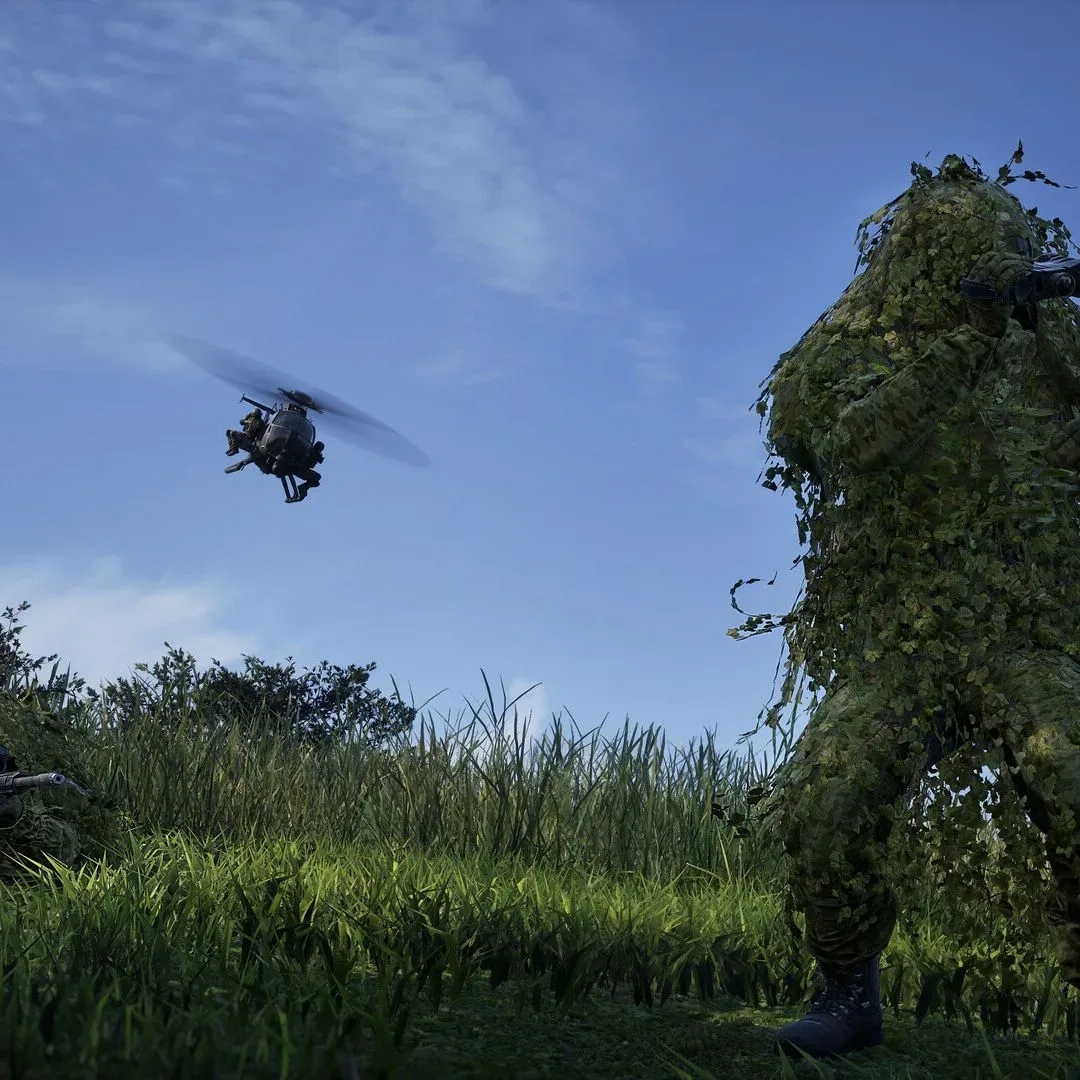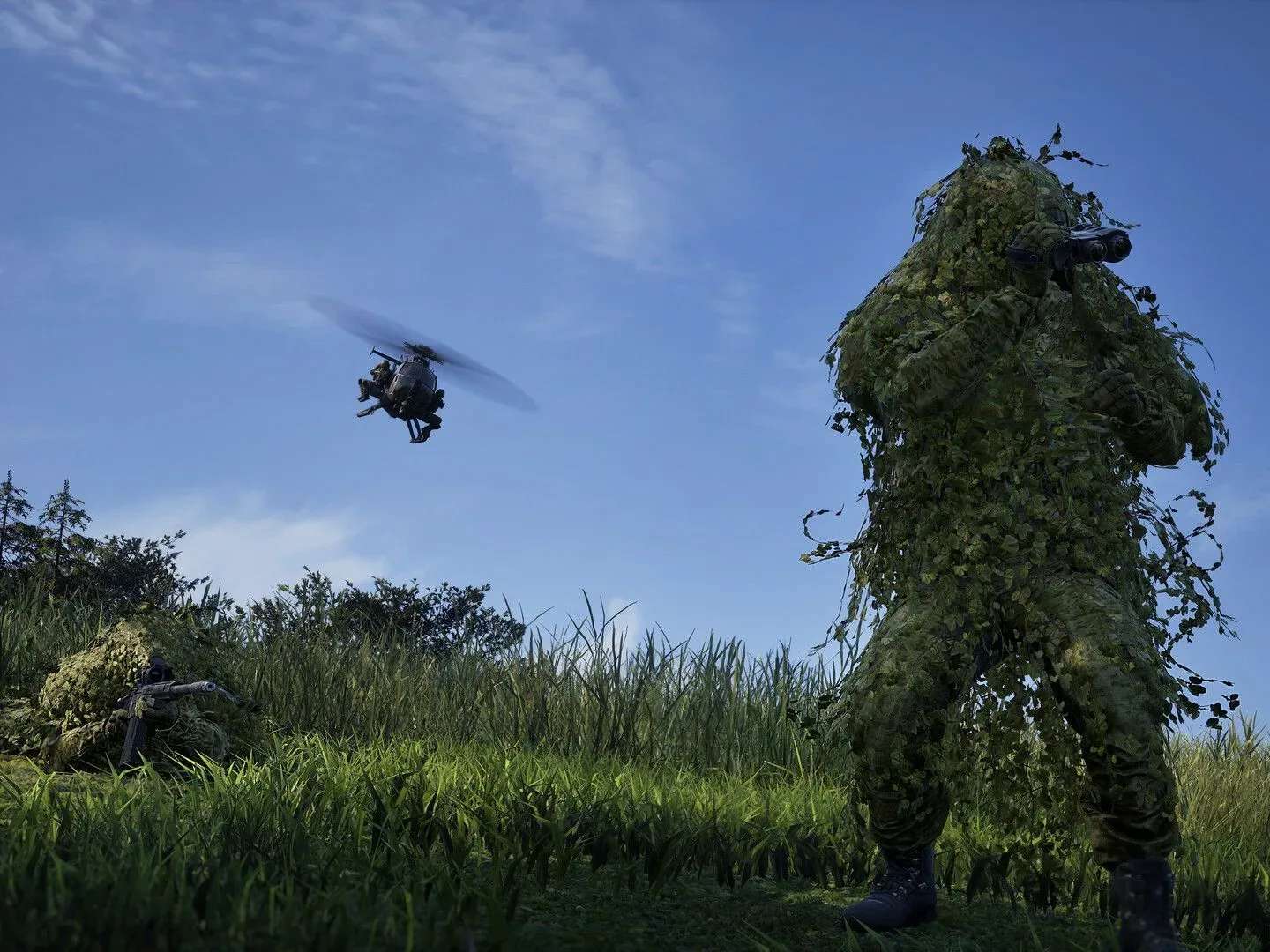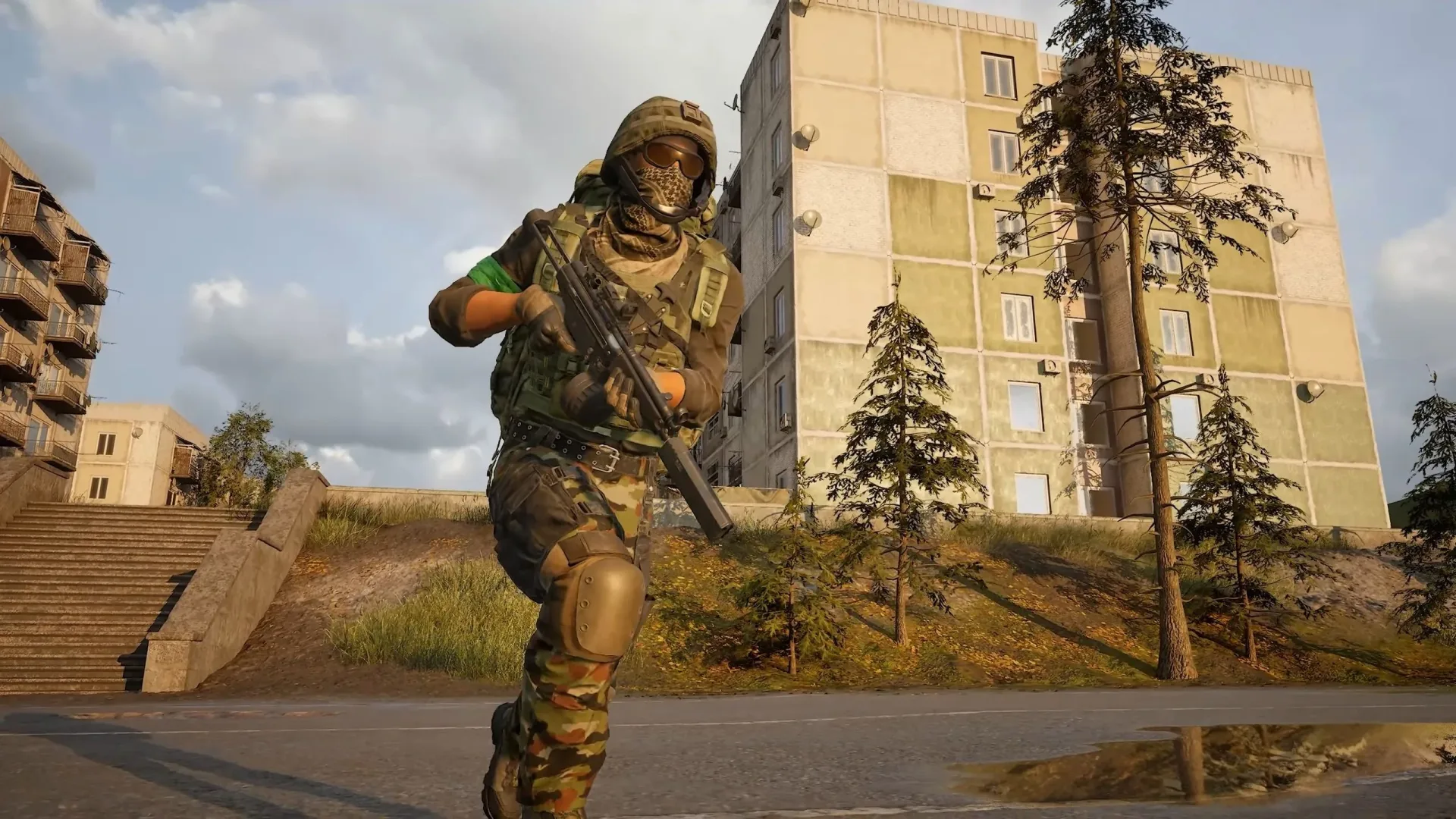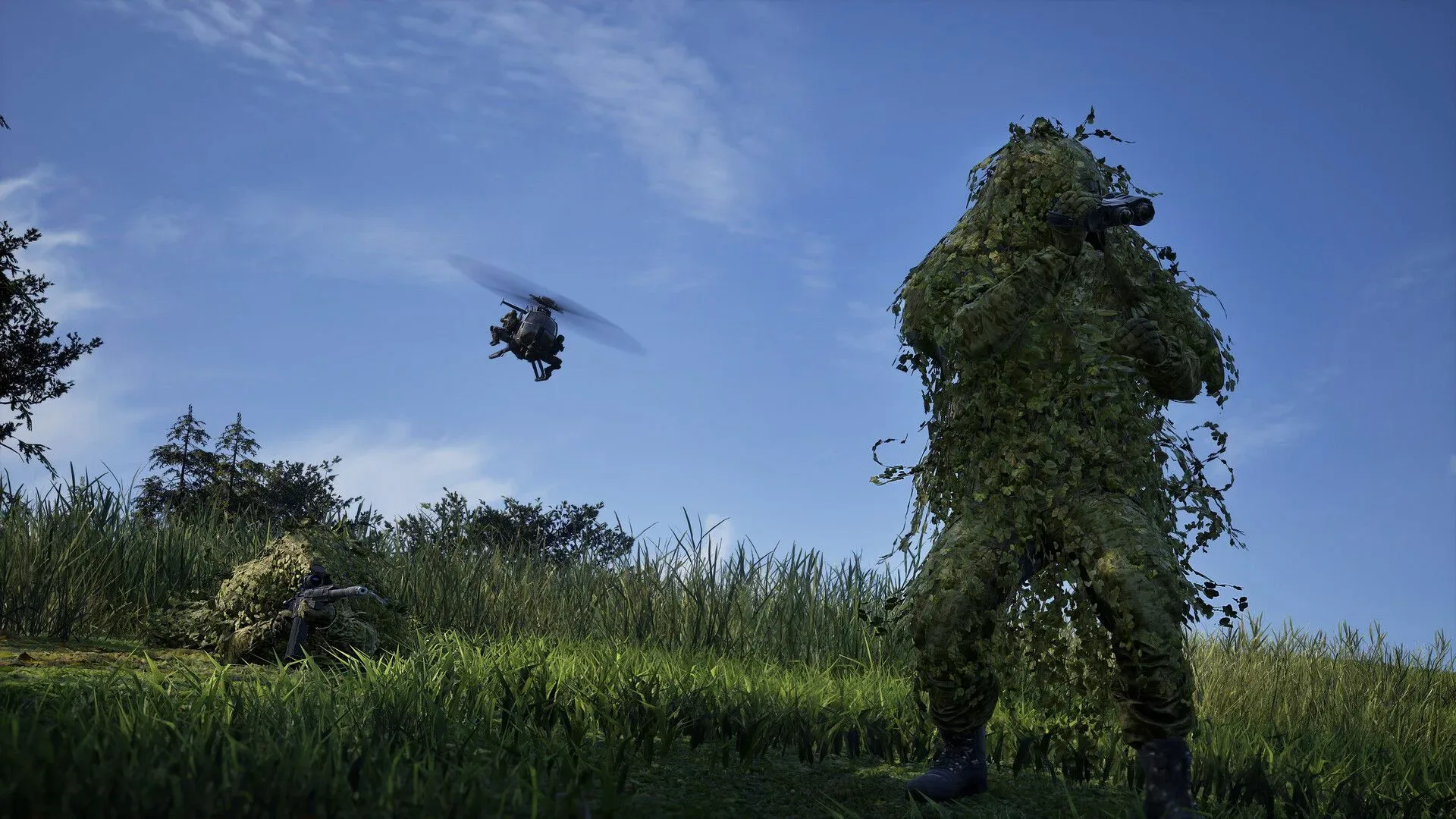
Bulkhead’s Wardogs has made the kind of Steam entrance that tends to turn a promising multiplayer game into an industry-wide talking point. Market-analysis estimates place the early-access shooter above $100 million in gross Steam revenue, including pre-orders, with an estimated 3.2 million copies sold. Its public early-access launch arrived on September 10, and the game reportedly generated $86.9 million during the remainder of September alone.
That is an enormous opening for a new multiplayer property, particularly one that is still in early access. Wardogs may not have matched the reported launch-window revenue of Arc Raiders or Helldivers 2, but it has established a large audience before reaching a finished version—and that distinction matters. An early-access hit has the chance to grow with its players, provided the developer can sustain the game, its servers, and the pace of improvements expected by a huge community.
The estimates behind Wardogs’ first-month performance
The figures come from Rhys Elliott, head of market analysis at Alinea Analytics. The estimate breaks the reported performance into two useful parts: $86.9 million in Steam revenue from September 10 through the end of that month, then more than $100 million in gross Steam revenue once pre-order sales are included.
Gross revenue is the total money spent by customers before deductions such as platform fees, taxes, refunds, or other costs. It is not the same as the amount Bulkhead receives, and it should not be read as profit. That caveat is especially important whenever sales data is derived from market analysis rather than released directly by the developer or Steam.
Likewise, the 3.2 million-copy figure is an estimate of units shifted through Steam. It gives Wardogs an extraordinary commercial start, but it does not by itself tell us how many people are actively playing at any one moment, how long they will remain, or what the game’s eventual lifetime sales might be. For a multiplayer release, those follow-on questions can be as consequential as day-one demand.
What the available estimates do establish is scale. Wardogs attracted hundreds of thousands of players within hours of becoming publicly available in early access, and the analysis says it continues to bring in roughly 250,000 players a day. The latter measure is best treated as an indication of continuing player activity and interest rather than a direct equivalent to concurrent-player counts.
A huge debut, but not the biggest comparator in the set
Wardogs was initially said to be ahead of both Arc Raiders and Helldivers 2 before falling behind their broader results over similar periods. The reported comparison puts Arc Raiders at $125 million and Helldivers 2 at $130 million in gross revenue across comparable launch windows.
Those totals give useful context without diminishing Wardogs’ achievement. Passing $100 million on one PC storefront is a major result for any game; doing so while still in early access makes the outcome more notable, not less. The comparison instead illustrates how exceptionally high the ceiling has become for breakout online shooters that catch the Steam audience at the right moment.
Related coverage includes Wardogs Reportedly Passes $100 Million on Steam After Explosive Early Access Debut.
There is also a difference between leading for an opening burst and leading over a full comparable period. Launch attention can be driven by curiosity, streaming, social momentum, a game’s immediate hook, and the ability of players to easily bring friends aboard. Maintaining that attention requires something harder: dependable online infrastructure, clear communication, meaningful updates, and a reason to keep returning once the novelty fades.
Wardogs is described as a chaotic, king-of-the-hill-inspired multiplayer project. In simple terms, king of the hill refers to objective-focused play built around contesting and holding a designated area. That structure naturally creates conflict because players are directed toward the same space instead of simply roaming for individual eliminations. It can make matches easy to understand from the outside while creating frantic moments inside them—an appealing combination for a game trying to establish a rapid multiplayer identity.
Early access turns the launch into the start of the real test
Early access means the public can buy and play a work-in-progress version while development continues. The model can give a studio vital feedback and an immediate player base, but it also creates an active obligation. Players are not merely waiting for a finished game; they are experiencing the work as it changes, measuring updates against expectations, and often reporting problems at a much greater scale than a developer could simulate privately.
Bulkhead has acknowledged the challenge of meeting demand in the weeks ahead. That is a positive problem in the narrow sense that it follows a successful launch, but it remains a serious operational issue. A rapidly expanded audience can put pressure on servers, matchmaking, support systems, communication channels, and the team’s ability to prioritize fixes and content. The larger the audience, the more visible every disruption becomes.
The player estimate of around 250,000 people per day suggests Wardogs has not simply disappeared after its opening surge. That continuing activity is significant for an online shooter because an active population supports faster matchmaking and more consistently populated modes. It can also strengthen the social side of a multiplayer game: players are more likely to bring friends into a title that appears busy, familiar, and easy to join at any time.
Still, a daily-player estimate is not a promise of permanence. Sustained success will depend on whether Wardogs can convert its explosive arrival into a stable routine for players. That is not a judgment on the game’s quality; it is the practical reality of games built around repeated online play. The initial sale gets a player through the door. Ongoing support gives them a reason to remain there.
What the numbers say about new game ideas on Steam
Wardogs reportedly accounted for about one-third of Steam revenue from newly launched 2026 intellectual properties during September. An intellectual property, often shortened to IP, is a game’s original set of names, characters, setting, and identity. In this case, the point is that Wardogs was not leaning on an established franchise name to reach this result. Its performance points to substantial appetite for a fresh multiplayer game when its concept connects with the platform’s audience.
That does not make breakout success predictable. The same data underlines how unusual it is. Wardogs, Arc Raiders, and Helldivers 2 are being compared precisely because each produced an unusually large commercial reaction. It would be a mistake to treat their totals as a standard threshold for multiplayer shooters generally. Rather, the comparison shows that Steam can rapidly amplify a game that finds traction—and just as rapidly raise expectations around it.
For players, the practical implication is straightforward: Wardogs’ commercial opening gives it a sizeable foundation while it remains unfinished. A broad early-access audience can make feedback more varied, matches more available, and the stakes of each update higher. For Bulkhead, the same momentum creates the difficult but valuable task of translating an opening event into a long-running game.
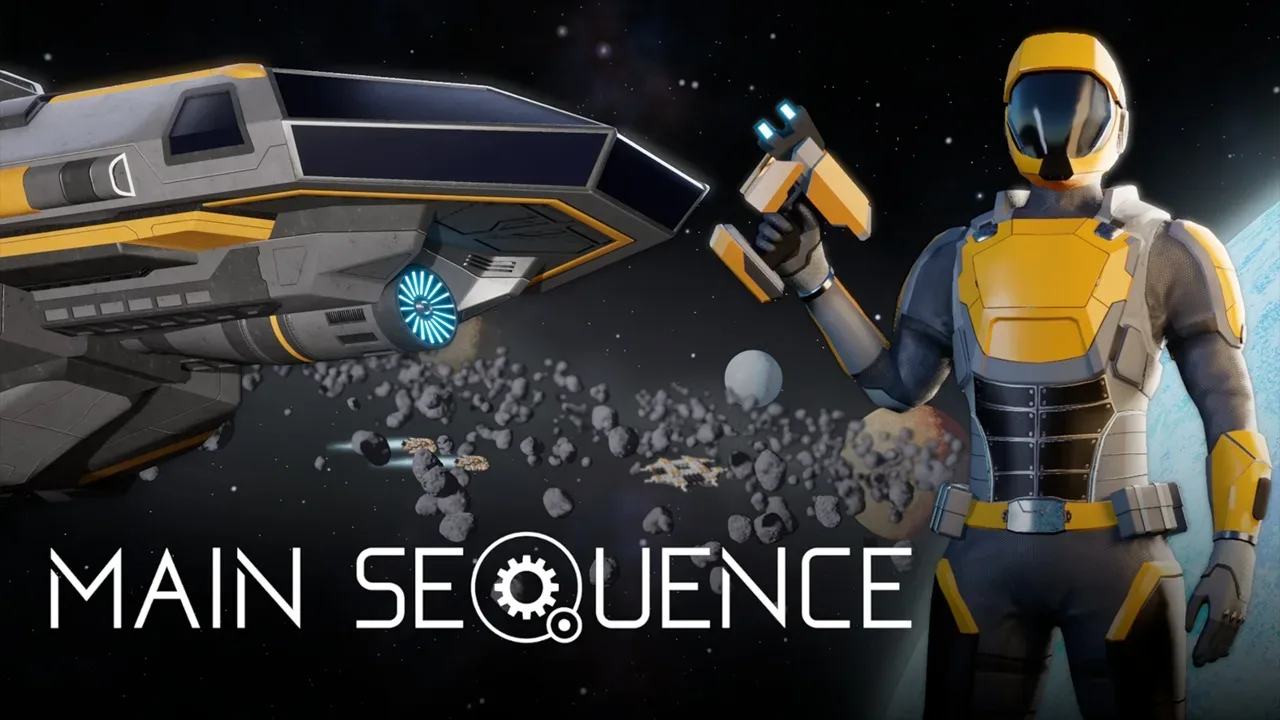
Other early-access projects are also pursuing that balance between public development and a clear release runway. Main Sequence’s planned Steam early-access launch, for example, is another reminder that the label covers projects with very different genres and ambitions. Wardogs’ result should not be read as a template every game can reproduce, but it does show the upside when a work-in-progress release reaches an audience at scale.
Why the comparison remains encouraging for Wardogs
The most revealing aspect of Wardogs’ opening may be that the conversation is already about how it compares with two of Steam’s other giant recent launches, rather than whether it has found an audience at all. Reported revenue above $100 million, an estimated 3.2 million copies, and continued daily activity place the game firmly in breakout territory.
It is also sensible to retain the uncertainty that comes with market estimates. Revenue and unit-sales figures of this type are not the same as audited financial disclosures, and gross spending should not be confused with net earnings. The exact numbers could change with future analysis or direct company reporting. Yet even with those limitations, the direction of the story is unambiguous: Wardogs has had an exceptionally strong early-access start on Steam.
Arc Raiders and Helldivers 2 may hold the larger reported figures in the stated comparable windows, at $125 million and $130 million respectively. Wardogs’ $100 million-plus estimate does not eclipse them. It does, however, leave Bulkhead with something equally important for an early-access multiplayer game: a vast starting population and a clear opportunity to build from it.