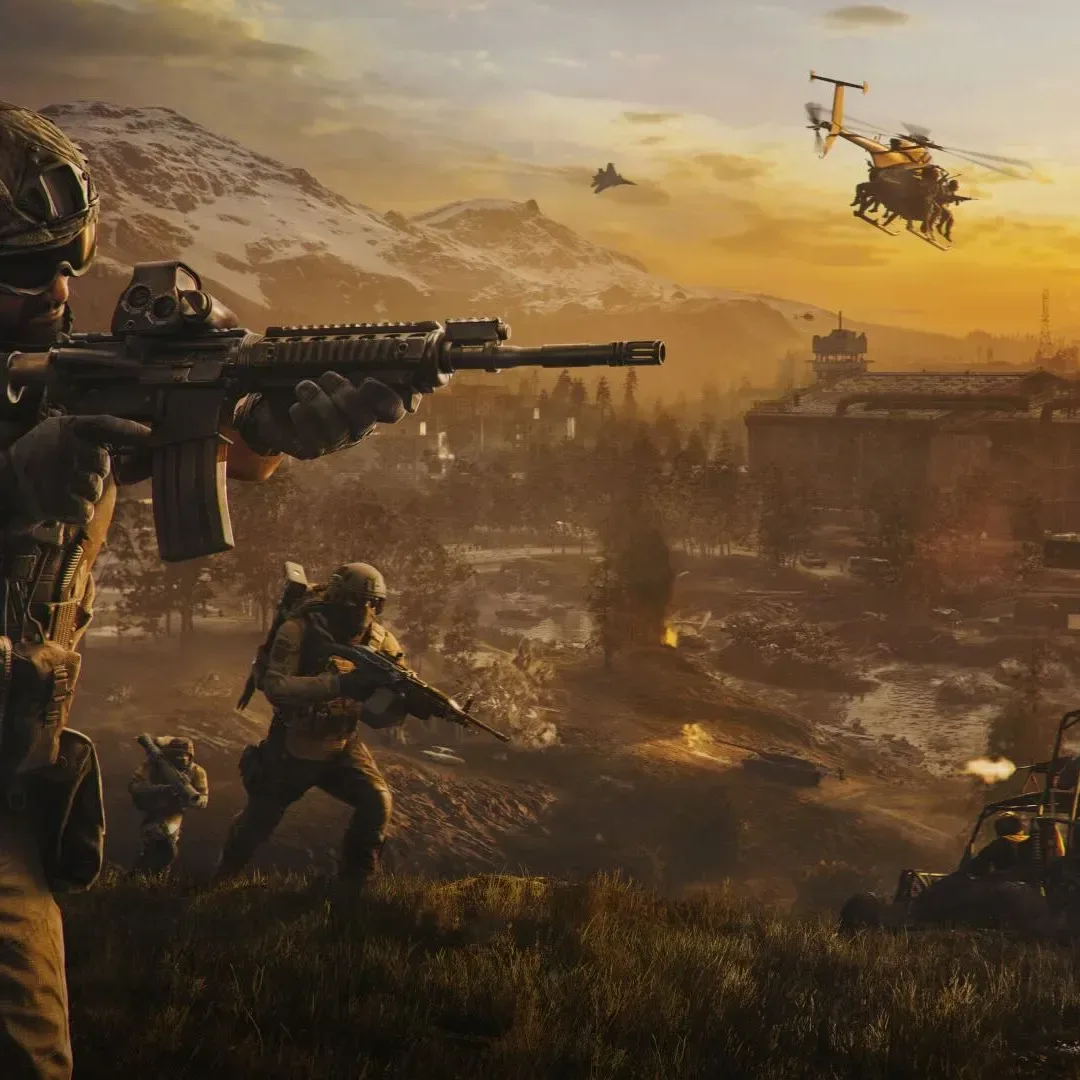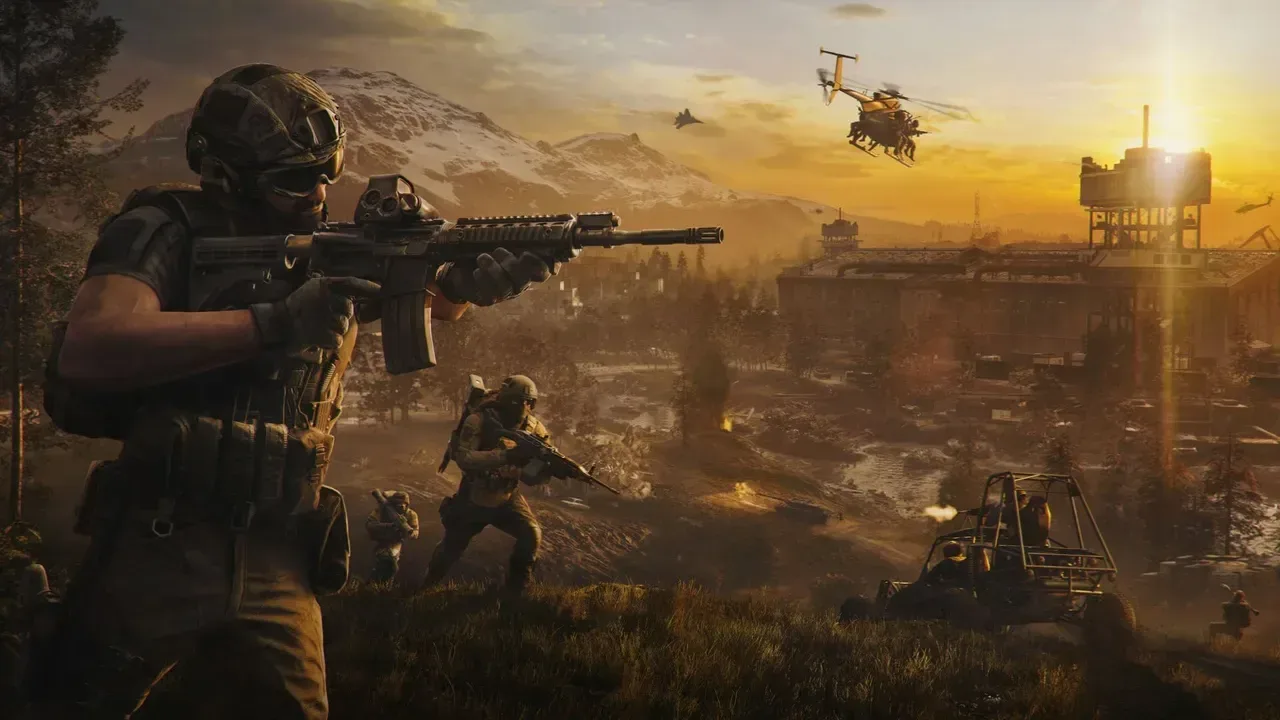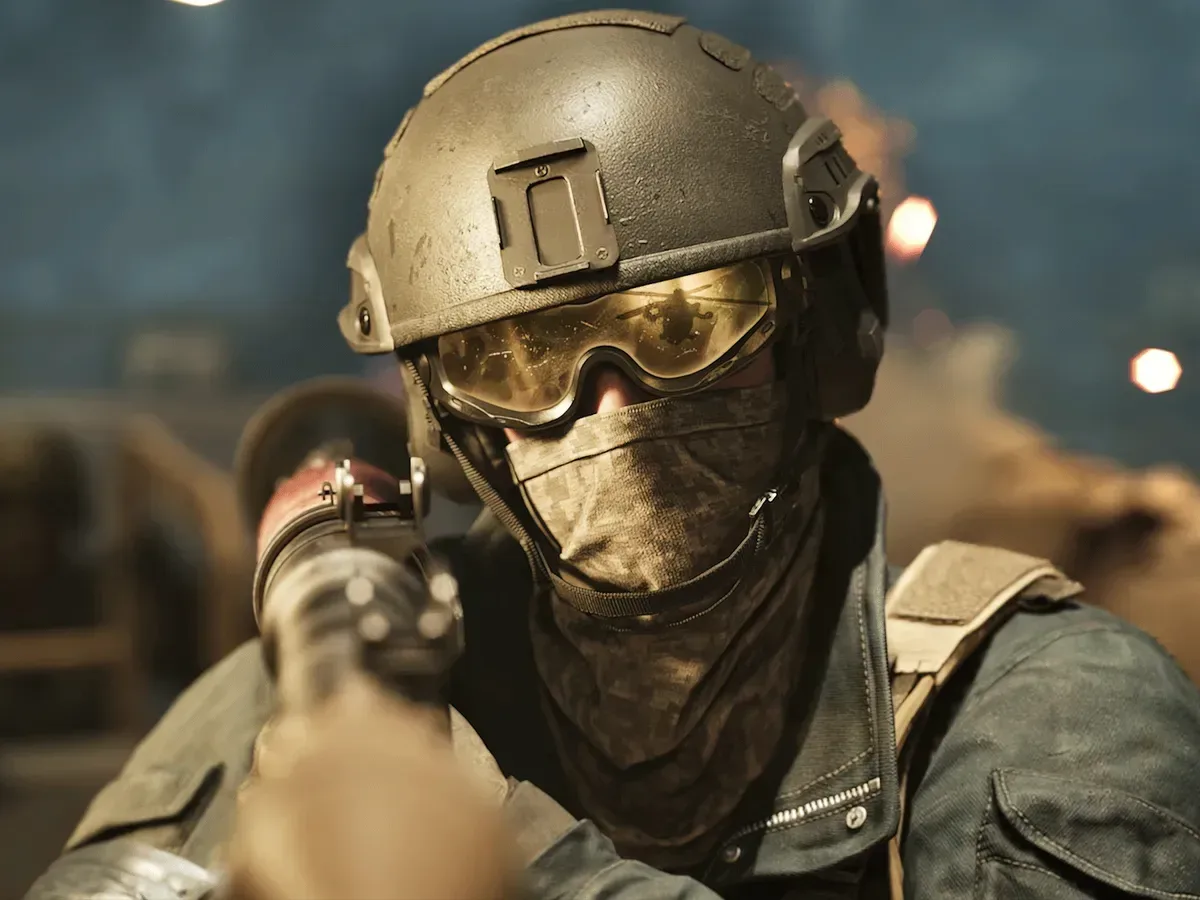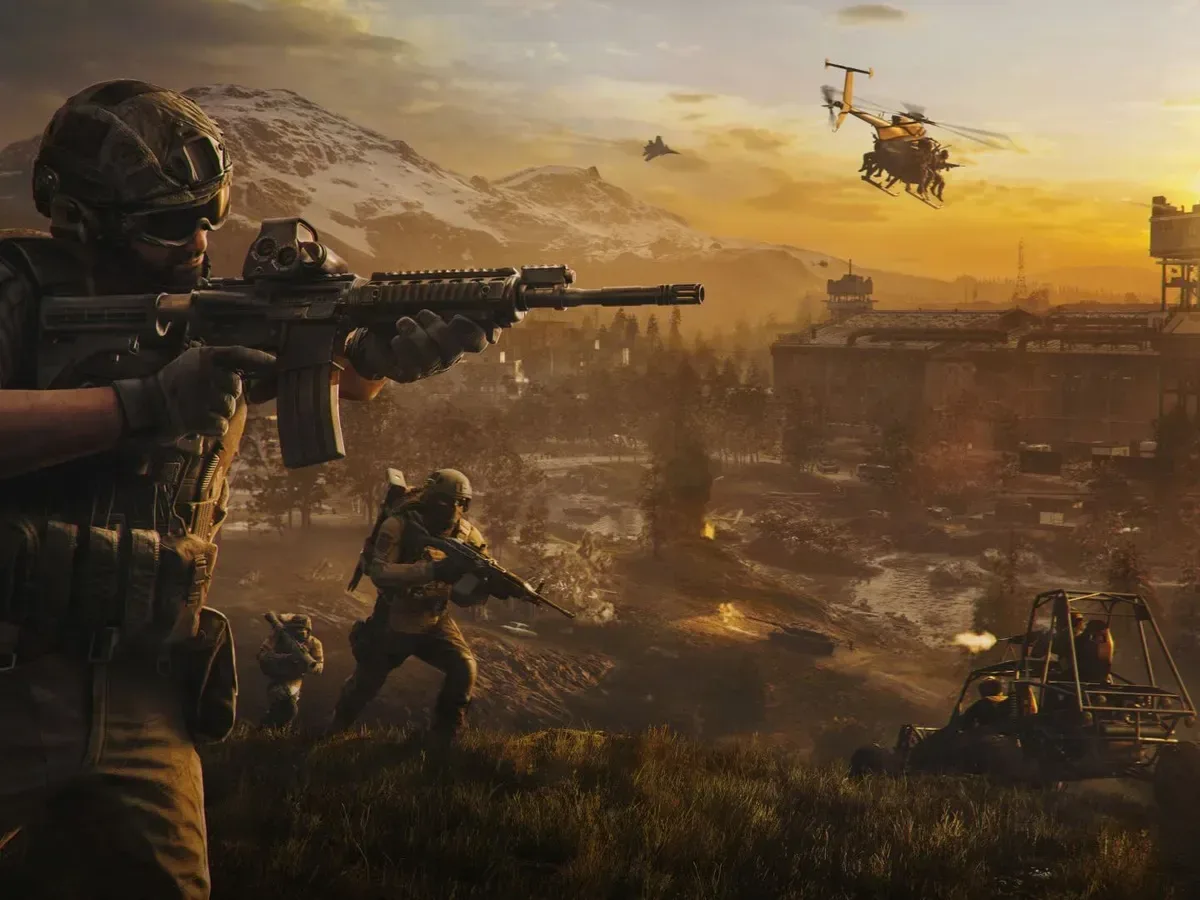
Wardogs has arrived with the kind of early access opening that makes the rest of the multiplayer-shooter field sit up straighter. Developer Bulkhead says its new large-scale warfare FPS has sold more than 1 million copies on launch day. At the same time, Steam tracking showed more than 300,000 people playing concurrently. Those are substantial figures for any new game, and they are particularly notable because Wardogs is currently available only on PC through early access.
The debut offers a clear sign of curiosity, momentum and an audience willing to jump into a fresh online battlefield rather than automatically reporting for duty with the genre’s most established names. It does not settle the much harder long-term question—whether those players will keep coming back—but it gives Bulkhead an unusually large foundation from which to build.
A very loud first day for a PC-only launch
More than 1 million copies sold is a major commercial marker. More than 300,000 concurrent Steam players is a different, complementary measure: it indicates that a huge number of owners were not merely adding Wardogs to a library for a later date. They were actively in the game at roughly the same time.
Neither figure tells the whole story of a live multiplayer game by itself. Sales can include people who have not yet played, while concurrent-player counts rise and fall depending on region, time of day, server conditions and the normal excitement surrounding a launch. Together, though, they describe an opening with both broad demand and immediate participation.
That distinction matters for a shooter built around large-scale matches. A sizable active population can help keep matchmaking lively and provide the unpredictable player behavior that makes a shared battlefield feel less like a carefully rehearsed action scene and more like a situation that is barely holding together. In a game looking for memorable, unscripted combat stories, a bustling launch population is an especially useful asset.
Bulkhead chief executive Joe Brammer characterized passing 1 million copies at the start of early access as an enormous moment for the team. He also stressed that the game remains a work in progress, with issues to address, systems to improve and further content still to create. That is an important qualifier amid the celebration: Wardogs has made a big first impression, but its developers are presenting this as the beginning of an evolving project rather than a finished destination.
Wardogs is chasing the space between simulation and spectacle
Wardogs enters a shooter market where familiar series have enormous cultural weight, deep player habits and years of accumulated content. Its apparent angle is not to duplicate either end of the genre’s spectrum. Instead, it seeks a middle ground: more grounded and tense than an easygoing arcade shooter, while remaining more immediately approachable than a dedicated military simulation.
That positioning is easy to understand. Games at the simulation-heavy end can reward patience, coordination and attention to detail, but they can also ask a lot of new players before the action clicks. Games at the more accessible end can produce instant drama, but some players seek a stronger sense of consequence and battlefield friction. Wardogs is aiming at players who want scale, pressure and emergent chaos without necessarily committing to the full intensity of a mil-sim routine.
Related coverage includes Wardogs Sells More Than 1 Million Copies at Early Access Launch as Steam Peak Tops 300,000.
Its early numbers suggest that pitch has connected with a lot of people. The challenge now is converting launch-week fascination into a healthy recurring audience. Multiplayer communities can be impatient, and a game with hundreds of thousands of people online at its high-water moment will inevitably be examined just as closely when that number changes.
Bulkhead has already offered a realistic expectation on that front. The studio has said enthusiasm and player counts may fall from their opening highs, in part because it intends to take time with future content rather than rush out additions simply to keep a headline-sized graph climbing. It is a candid stance, and probably a sensible one. A sharp launch creates pressure to move fast, but hurried updates can introduce new problems or weaken the long-term direction of a game still being shaped in public.
Early access success comes with an early access workload
Early access gives developers something valuable: direct feedback from a real, active audience. It also magnifies everything. When a game starts with a community measured in the hundreds of thousands of simultaneous players, feedback is not a gentle trickle. Every balance dispute, technical problem, requested feature and weird battlefield anecdote can arrive at once.
For Bulkhead, the immediate task is likely to be separating the urgent from the merely loud. Players can identify pain points quickly, but a popular request is not always the right long-term design decision. The studio will need to keep communicating what it is changing, what it is investigating and what it is deliberately not changing. That kind of clarity can matter as much as the update itself when a competitive community is deciding whether it trusts a developer’s plan.
There is also a practical benefit to the scale of Wardogs’ first-day audience. A large player pool creates a wider range of feedback and gives the team more data on how systems behave under real usage. Still, volume does not make priorities automatic. The eventual measure of this early access period will be whether Bulkhead can turn the energy of the opening into meaningful improvements without losing the identity that attracted players in the first place.
Wardogs has already demonstrated demand. Its next test is demonstrating that its cadence, fixes and additions can give that demand a reason to endure.
Console players have a longer wait
For now, Wardogs is a PC game. Bulkhead has confirmed plans to bring it to PlayStation 5 and Xbox, but the console release is targeted for 2028 and does not yet have a specific launch date. That leaves plenty of uncertainty around the exact timing, the state of the game at console release and how its community will look by then.
The gap also makes the PC launch figures stand out more. There is no console audience included in the 1 million-sales milestone or the Steam concurrency total. If Wardogs maintains momentum through its early access development and reaches consoles as planned, it could gain another major opportunity to expand. But 2028 is far enough away that it is best treated as a target, not an imminent promise.
For players on PS5 and Xbox, the sensible takeaway is simply that a version is planned and no firm date has been provided. For PC players, the near-term story is the early access build and the pace at which Bulkhead responds to its new community.
Why this opening matters beyond one game
A strong Wardogs debut does not mean the biggest brands in military shooters have suddenly been displaced. It does show that there remains room for a newcomer with a clear point of view, especially one that offers an alternative to the familiar choices. Players evidently did not need the comfort of a decades-old label before giving this battlefield a chance.
That is a worthwhile reminder as the business side of gaming continues to focus on scale, consolidation and the pull of established franchises. The broader corporate landscape remains a major topic, including reports surrounding a possible EA tie-up with Savvy Games. Against that backdrop, the early reception for Wardogs is a smaller but encouraging signal: a new multiplayer idea can still cut through when its concept reaches players at the right moment.
Of course, launch-day records are not lifetime guarantees. Online games are judged relentlessly on performance, updates, communication, anti-frustration measures and the simple question of whether matches remain fun after the newness wears off. Wardogs has not escaped those standards; if anything, a start this big makes them more intense.
But Bulkhead has secured the opportunity many teams want and few achieve. More than a million people have bought into the experiment at the opening of early access, and Steam has already hosted more than 300,000 concurrent combatants. The next phase will be less about proving that players noticed Wardogs and more about proving that the game can become part of their regular rotation.