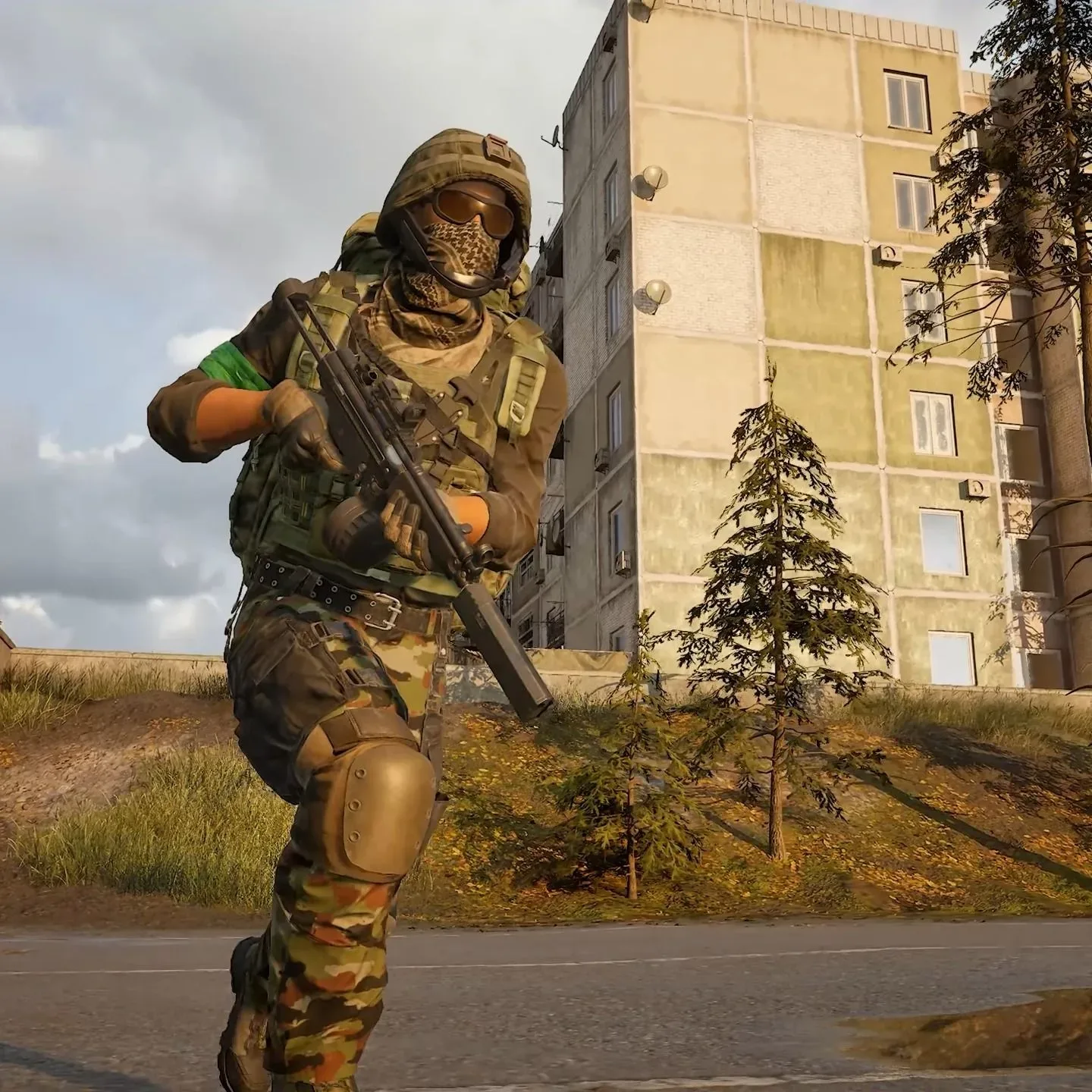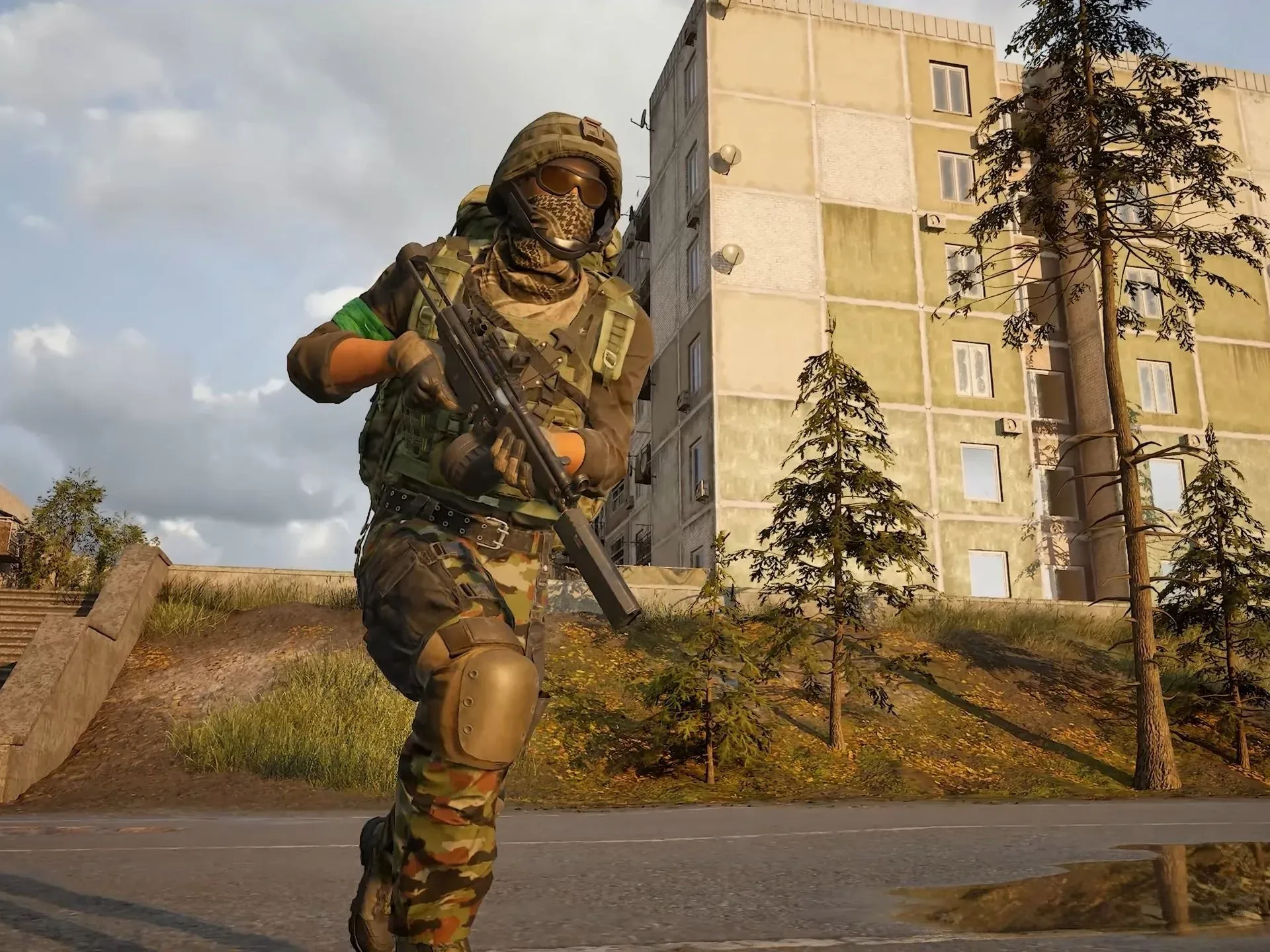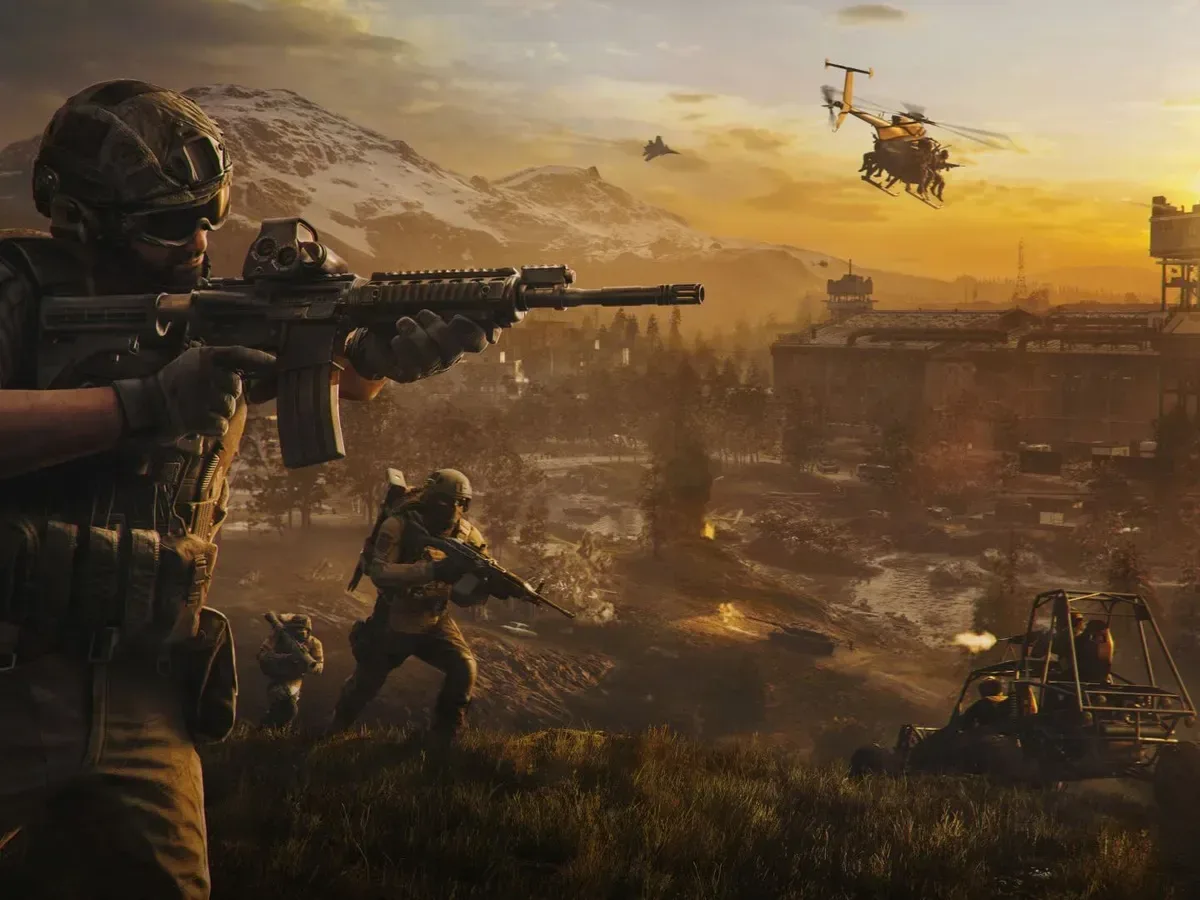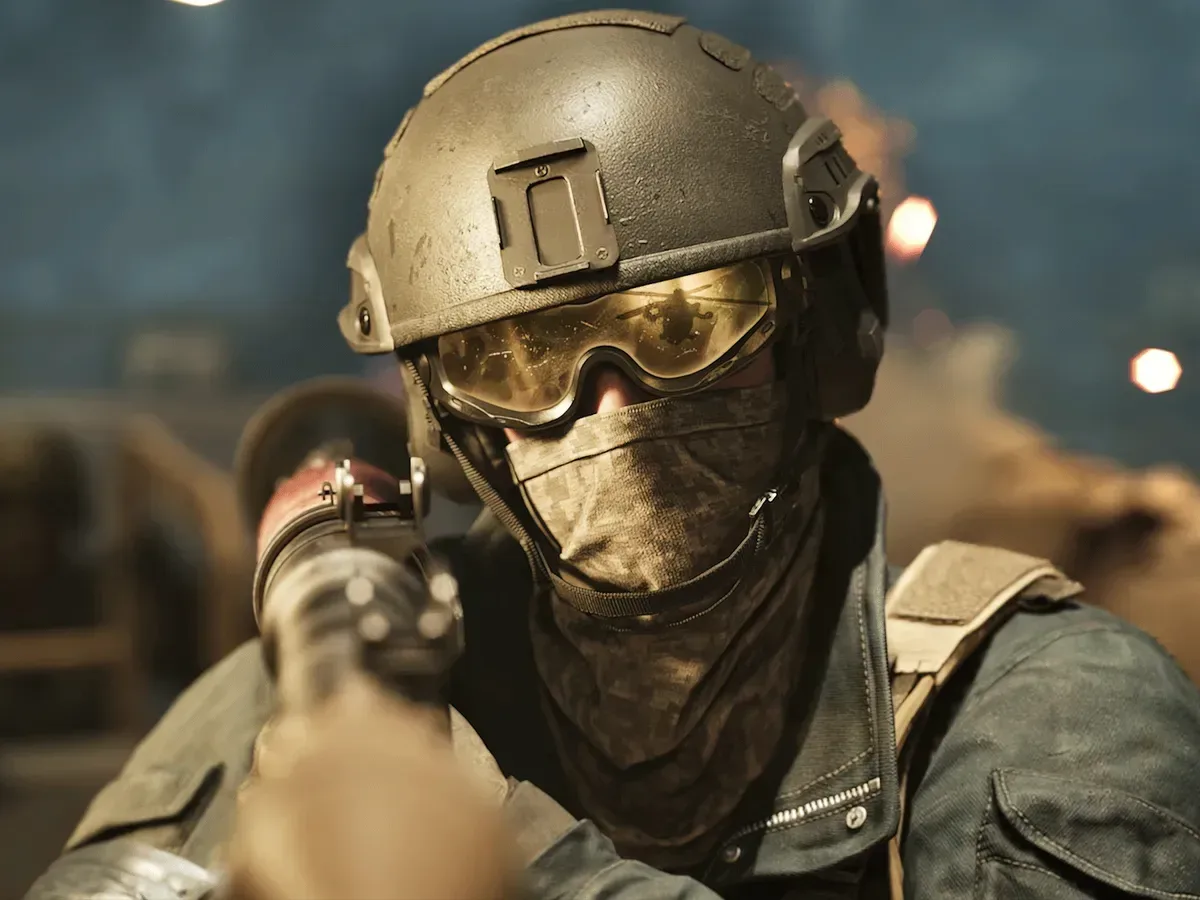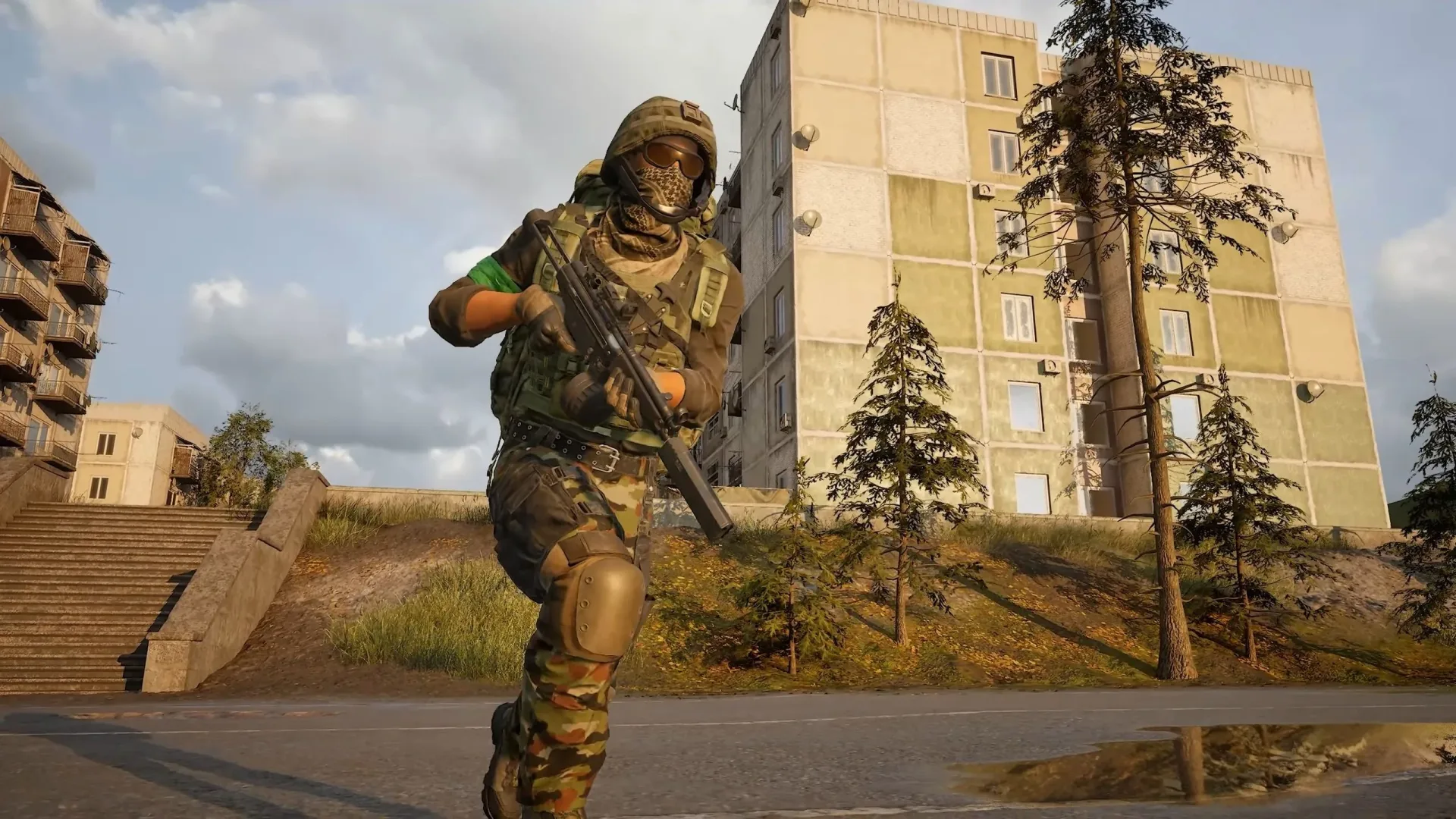
Wardogs has found an audience quickly in early access, but one of its most requested ways to play is not consistently available. Joe Brammers, CEO and executive producer at developer Bulkhead, has acknowledged that the studio is “failing” to get enough Infantry servers in front of players. The mode removes both ground and air vehicles, shifting matches toward firefights and tactical decisions made on foot.
The issue is not that Infantry play was overlooked entirely. Bulkhead initially chose to have community servers host it. Brammers said that approach has not produced enough servers, however, leaving players without a reliable way to queue for vehicle-free battles. For a multiplayer shooter experiencing a large early-access launch, the distinction matters: a mode can exist in principle while remaining difficult to access in practice.
What an Infantry server changes in Wardogs
An infantry-only server is a ruleset rather than a separate game. It removes vehicles from the match, including vehicles on the ground and in the air. That means no helicopter changing the shape of an engagement from above and no ground vehicle adding its firepower, mobility or chaos to a fight.
In practical terms, that puts more emphasis on the abilities available to the individual player and their squad: positioning, movement, aiming, timing and coordination. Vehicles can create dramatic moments in large-scale shooters, but they also introduce a different category of advantage. A player looking for a more direct contest of on-foot tactics may regard Infantry matches as a vital alternative rather than a novelty playlist.
That does not inherently mean vehicle matches are the wrong version of Wardogs. They are part of the game’s wider battlefield identity. The important point is that the two styles ask different things of players. One allows vehicles to exert influence over the field; the other deliberately narrows the focus to infantry combat. If a substantial segment of the population wants that narrower focus, server availability becomes a gameplay issue, not merely an administrative one.
Community hosting has not met demand
Bulkhead’s original plan was to let community-operated servers supply Infantry mode. Brammers’ public comments make clear that the number of those servers has not been sufficient. The result is a familiar multiplayer problem: demand exists, but matchmaking or browsing cannot reliably put interested players into the experience they are seeking.
Community servers can be useful because they give players and groups a role in shaping the kinds of matches available. Yet that model also depends on enough operators choosing to run a particular ruleset at the times players want it. If too few hosts offer Infantry, or those servers are not available when a player is looking, a listed option has limited practical value.
The situation is especially significant because Wardogs arrived in early access only a couple of weeks before these comments and drew hundreds of thousands of players from the start. That is encouraging momentum for a new FPS, but it also places immediate pressure on a smaller studio’s maintenance and update work. High player numbers can amplify every queue, capacity and playlist shortfall at once.
Related coverage includes Wardogs CEO Acknowledges Infantry Server Shortfall as Bulkhead Refines Its Balance Plans.
Players have already encountered queue concerns since launch. Keeping servers operating under that load necessarily competes for time with broader development work. Bulkhead’s leadership has framed the current period as a difficult but productive learning process rather than a retreat from the game’s direction.
Infantry mode is part of the balance conversation
Brammers connected Infantry mode directly to Wardogs’ balance plans, saying it should be one way to alter the game by reducing some of the power held by vehicles. That wording is notable because it describes the mode as a balancing tool as well as a player preference.
Balance in a competitive shooter is the effort to ensure that weapons, systems, roles and strategies have meaningful trade-offs rather than one option consistently overwhelming the rest. Vehicle balance is particularly complex because vehicles may deliver superior protection, speed, firepower or map control compared with a single foot soldier. Their presence can be exciting, but it can also dictate the pace of a match.
An infantry-only ruleset does not rebalance every vehicle in the conventional sense. It removes them from the equation for that match. That gives Bulkhead a separate environment where foot combat can stand on its own, while letting players who enjoy the broader combined-arms format continue to play it elsewhere.
There is a practical reason this matters during early access. A live multiplayer game is not balanced solely through numerical adjustments. The availability of modes affects what players experience, what feedback they provide and which frustrations become most visible. If players cannot readily reach Infantry servers, Bulkhead has less opportunity to see how strongly that alternative resonates at scale—and players have fewer ways to opt out of vehicle-heavy encounters without leaving the game.
Brammers said the team is learning more about how to balance Wardogs in line with its vision. That is an appropriately open-ended statement, and it should not be read as a confirmed promise of a particular vehicle nerf, a new playlist schedule or a specific server solution. What has been established is narrower: Bulkhead recognizes the Infantry-server gap, considers the mode relevant to vehicle power, and sees further balance learning as part of its ongoing work.
What players should and should not infer from the comments
There is a meaningful difference between an acknowledgment and a deployment plan. Bulkhead has admitted the shortfall and explained that the community-server approach has not yielded enough Infantry options. But no firm timing, server count or implementation detail was provided in the available comments.
Players should therefore avoid assuming that official dedicated Infantry servers, a permanent matchmaking playlist, or a particular vehicle adjustment has already been confirmed. Those could be potential responses, but they were not detailed. The immediate value of Brammers’ remarks is transparency: the studio is publicly recognizing that the existing arrangement is not delivering the mode reliably enough.
For players deciding how to spend their time in Wardogs, the present takeaway is straightforward. Those looking specifically for no-vehicle matches may continue to face inconsistent availability until the hosting situation improves. Those who primarily play the standard battlefield format should still view the conversation as relevant, because the team is openly evaluating how vehicle power fits into its intended balance.
It is also worth remembering what early access signifies in this case. The game is live and attracting a major audience, but its operations, mode support and balance are still being developed under real player load. That does not make queues or missing mode capacity invisible problems; it explains why a fast-growing player base can expose limitations before a studio has fully built out its response.
Seasons two and three are the stated horizon
Brammers said Bulkhead is excited for Wardogs’ second and third seasons and to continue making the game. That signals continued development beyond the immediate launch period, though it does not confirm which modes, features or server changes those seasons will contain.
The mention of later seasons matters chiefly as a statement of direction. Bulkhead is not presenting the current launch pressure as the final shape of Wardogs. Instead, the studio is describing an ongoing process: deal with the operational strain of a huge early audience, learn from how players use the game, and refine the balance toward its intended vision.
That puts Infantry servers in an interesting position. They are a concrete access problem today, but they also sit inside a much larger question about what Wardogs wants its matches to feel like. If vehicles are powerful, an accessible infantry-only option gives players a meaningful contrast. If the game eventually adjusts vehicle influence, Infantry mode can still remain a distinct tactical flavor for people who want combat stripped of air and ground hardware.
Other shooters continue to experiment with how match formats shape player expectations; for example, Counter-Strike 2’s Rush Hour update added 3v3 arenas, illustrating how a ruleset or team-size change can create a substantially different competitive rhythm without replacing a game’s core identity.
The near-term test is availability
Wardogs does not need players to agree on whether vehicles make its best moments. It needs players who want Infantry matches to be able to find them. At the moment, Brammers says Bulkhead has not met that standard through community hosting.
Resolving that access issue would do more than satisfy a playlist request. It would give Wardogs players a clearer choice between combined-arms spectacle and concentrated on-foot engagements, while giving Bulkhead a stronger basis for observing how each format plays in the wider ecosystem. For a game still defining its live-service footing in early access, that choice could become an important part of the balance conversation rather than an occasional server-browser discovery.