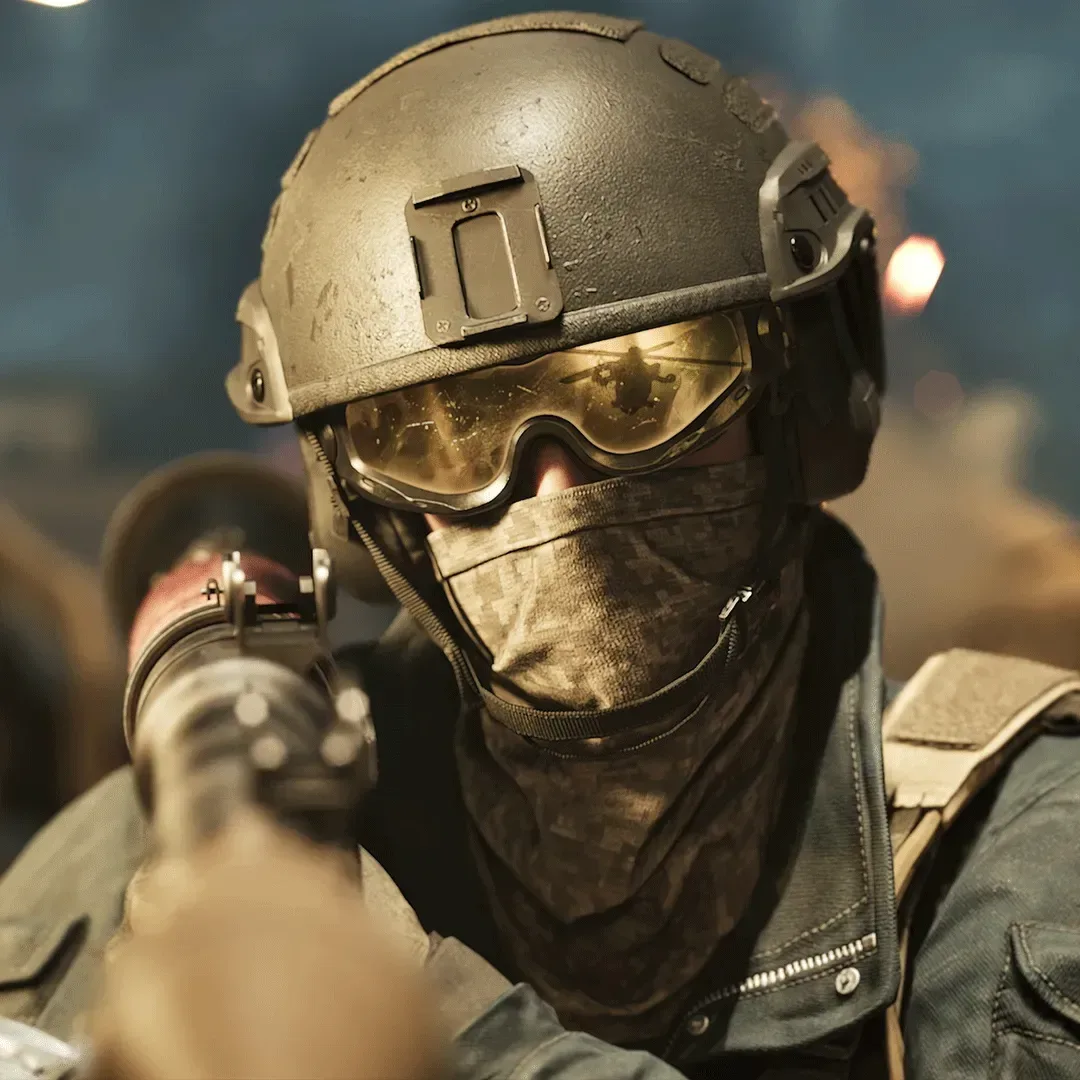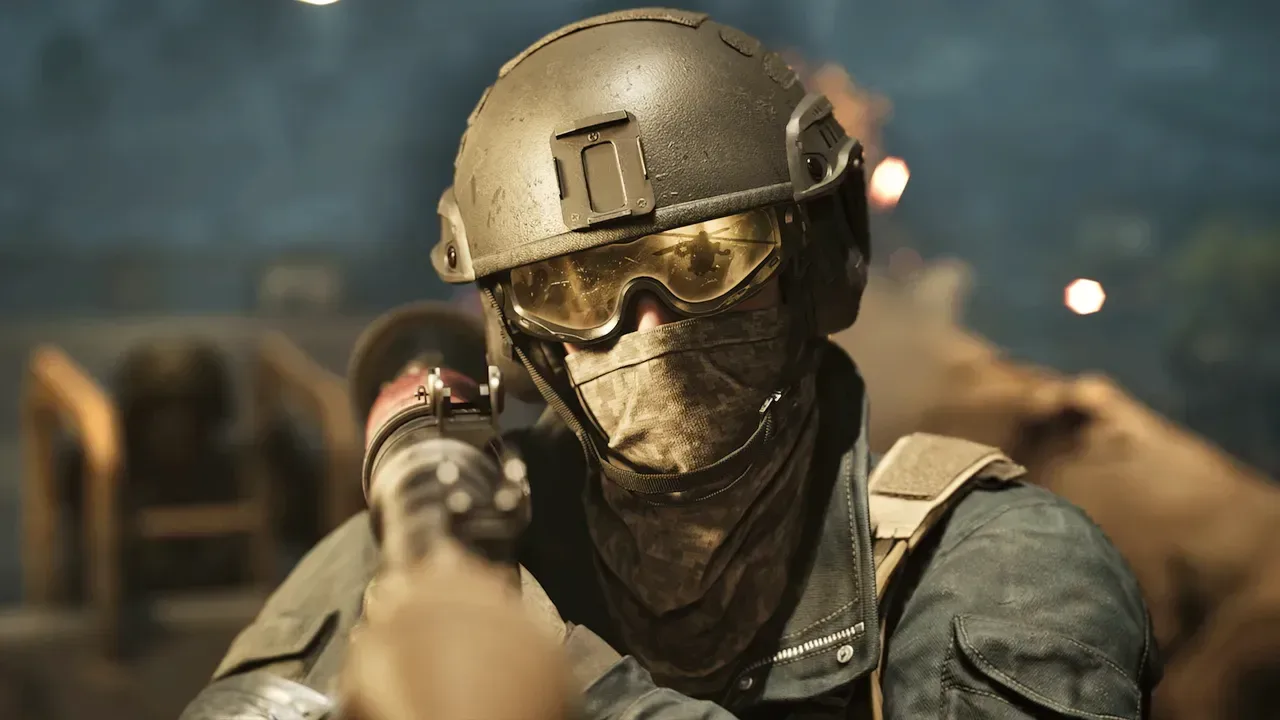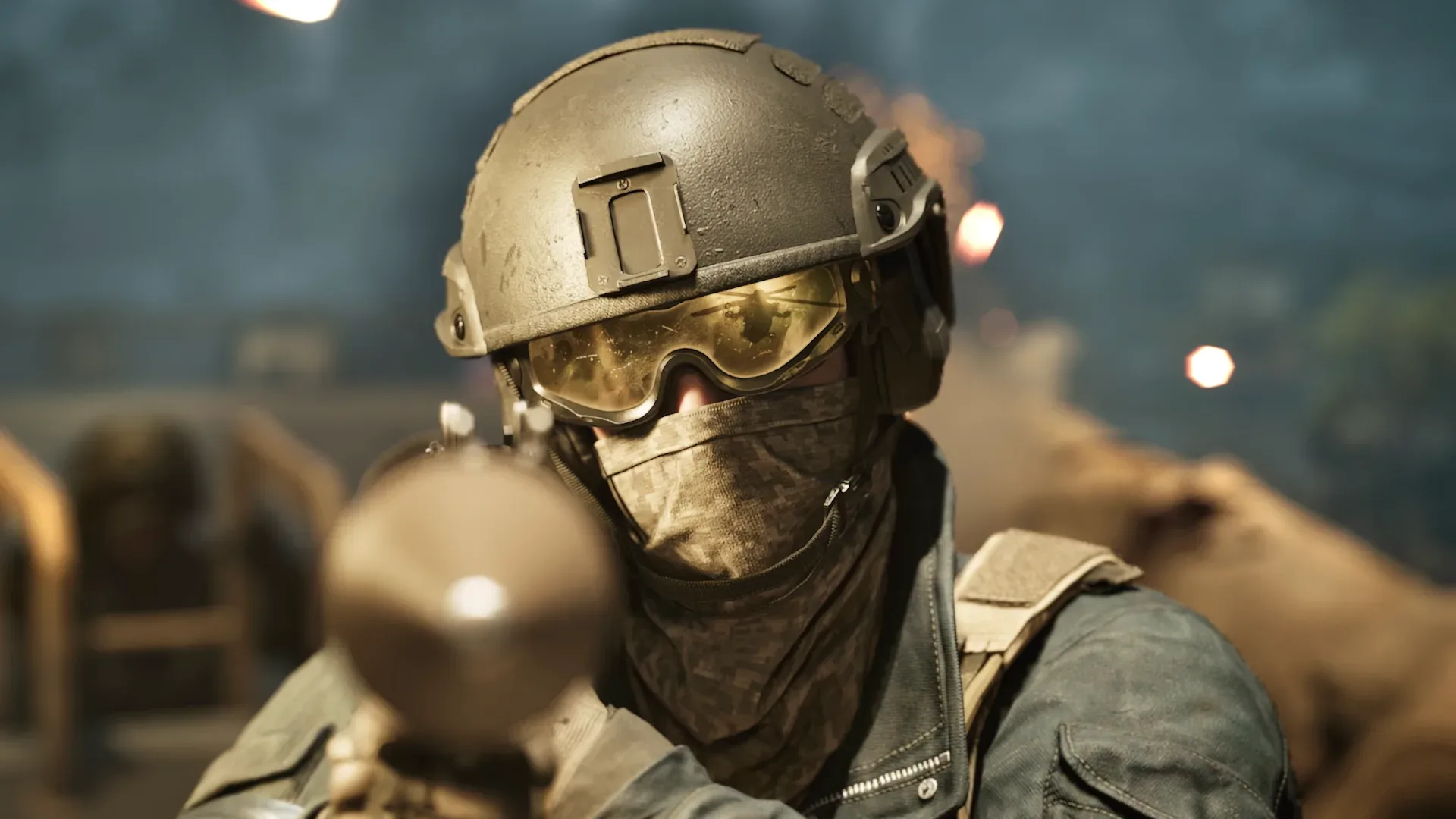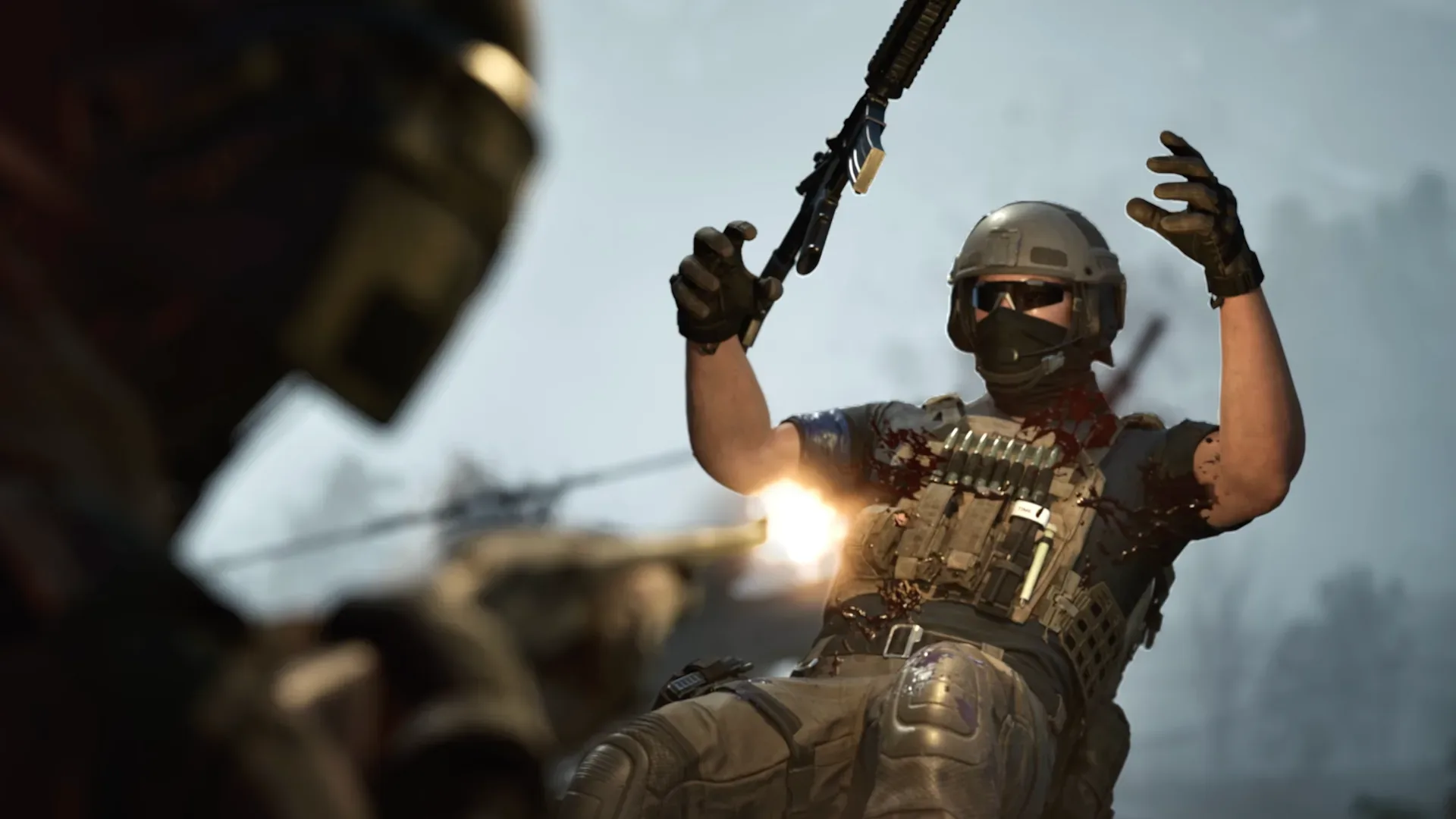
Wardogs developer Bulkhead has removed the Blue Team progression bonuses introduced with Season 2 after the experiment produced the opposite of its intended result. The temporary incentives were meant to make Blue Team, associated with the troubled Lonestar side of the game’s balance, more appealing. Instead, they encouraged experienced players to move over, speed up their unlocks, and concentrate high-end loadouts on the newly rewarded team.
Bulkhead CEO Joe Brammer was unusually direct in acknowledging the misstep, saying, “We were wrong, we f***ed up.” The bonus system has already been taken out through a hotfix. Brammer described it as an experiment that had been expected to remain for roughly a week, but the studio moved more quickly once its effects became clear.
The episode is a useful illustration of a familiar live-service multiplayer problem: an incentive can be numerically small and still radically change where skilled players choose to spend their time. In Wardogs’ case, Blue Team received 5% additional cash and 2.5% additional XP. Those percentages may not sound enormous in isolation. But when a game’s progression is tied to access to more potent equipment, even a modest edge can become an attractive optimization route for players determined to unlock gear efficiently.
What the Blue Team bonuses were meant to solve
Blue Team had been the poorer-performing option before Season 2. Bulkhead’s immediate response was to reward players who selected it with extra cash and experience points.
XP, or experience points, is the progression currency tied to advancing an account or character through unlock thresholds. Cash is a separate in-game currency used in the equipment economy. The important part is not merely that players earned more of both; it is that the two bonuses worked together. Faster XP and more cash could shorten the normal time between starting out and acquiring competitive armor and weapons.
That made Blue Team more than a catch-up choice for people willing to help an underrepresented side. It became an efficient home for players who already knew how to maximize matches. The reported outcome was a sharp reversal: Blue went from struggling to dominating, while also attracting many of the game’s strongest and most committed players.
That is the core distinction that matters. A team-population incentive is supposed to spread players more evenly. A progression incentive can do something much broader: it changes the value of joining that team. If the benefit is available to everyone, it does not exclusively recruit the players needed to fill empty slots. It can also draw the people best able to turn every small advantage into faster advancement and stronger match performance.
A small bonus can have a compounding effect
The Blue Team boost was 5% extra cash and 2.5% extra XP, but percentage size alone does not determine whether an incentive is disruptive. Its impact depends on what it touches in the game.
Related coverage includes Wardogs Season 2 Bonus Experiment Backfires as Bulkhead Removes Blue Team Boosts.
When rewards feed into equipment access, they can create a progression loop:
- A player chooses the rewarded team.
- That player earns XP and cash faster than they otherwise would.
- The faster rewards bring better armor and weapons into reach sooner.
- Better-equipped, experienced players can become harder opponents.
- Success and efficient progression make the rewarded team even more desirable.
Not every player will experience that loop identically, and the available information does not establish a precise measure of how much faster gear was unlocked. Still, the broader outcome was apparent enough for Bulkhead to reverse course: players were reaching the best equipment earlier than expected, and Blue Team’s competitive position had swung too far.
This is why balance discussions in multiplayer games cannot be reduced to whether a weapon, map, or class has the largest raw advantage. Matchmaking behavior matters too. An external reward can effectively alter a game’s competitive environment by changing who queues for a given side. If skilled players move together toward a rewarded faction, a team that was originally weak because fewer players selected it can quickly become strong for an entirely different reason.
In practical terms, Wardogs players should not expect the Blue Team bonuses to remain part of the Season 2 economy. The hotfix removes the immediate acceleration route, which should prevent the bonus itself from continuing to influence team selection and gear progression. It does not, by itself, answer every question about underlying team balance—and Bulkhead has indicated that the original problem was not ignored.
Bulkhead says Bakurani’s spawns were already rebalanced
Brammer pushed back on the suggestion that the studio had used rewards as a substitute for addressing Blue Team’s basic disadvantages. He specifically pointed to the spawn setup on Bakurani, saying the team had rebalanced the map’s spawn arrangement and tested the results extensively.
A spawn setup is the system that determines where players enter or re-enter a match. It can be one of the most consequential forms of map balance. Spawn positions influence how quickly a side can reach objectives or contested territory, how exposed players are as they begin moving, the routes available to them, and whether one team can easily pressure the other immediately after respawns.
Bulkhead’s position is that work on Bakurani had brought the sides into a more even state. Brammer’s retrospective assessment was that the studio should have trusted that rebalance rather than layering progression rewards on top of it. In other words, the studio appears to view the cash and XP incentives as an unnecessary extra intervention that distorted a situation its map-level changes had already improved.
“We should have just stuck to our guns with that, really, but here we are — we tried, it didn't work, this is us holding our hands up.”
That admission matters because it separates two design levers that can look similar from the outside but behave very differently. Spawn rebalancing tries to change the conditions of play within a match. XP and cash rewards change the reasons players choose a team before the match, as well as the pace at which they build their account. The former addresses positional fairness on a specific map; the latter affects player incentives and long-term progression.
For players frustrated by Bakurani, the remaining question will be whether the spawn changes hold up now that the bonus-driven migration has been removed. The information available here does not provide post-hotfix performance data, so it would be premature to declare the map settled. What is clear is that Bulkhead sees the spawn rework—not the reward multiplier—as the more durable response to Blue Team’s original problems.
Season 2 changes more than rewards
The rewards controversy arrived alongside other Season 2 additions, including a new rain system that changes the feel of matches. Rain reduces pilot visibility and makes footsteps more difficult to pick out. Those are gameplay-facing environmental effects rather than cosmetic decoration: they affect information, awareness, and the decisions players can make in real time.
Footsteps are an audio cue, meaning a sound that can reveal nearby movement before an opponent enters view. If rain makes those cues harder to hear, players have less reliable warning about approaches and flanks. Pilots face a separate challenge because reduced visibility limits what they can see from the air. Neither effect necessarily favors a particular team on its own, but both can alter how reliably players gather information during combat.
That makes Season 2 a particularly busy balance moment. The team-reward bonus influenced who joined Blue Team and how rapidly they gained equipment. Spawn changes affected the map-level starting conditions on Bakurani. Rain altered sightlines and sound awareness. When several systems change around the same time, isolating the cause of a particular player experience is harder. Removing the bonus eliminates one major variable, even if the studio will still need to observe how the remaining map and weather changes interact.
There is a larger game-design lesson in that sequence. Competitive games do not only balance damage values. They balance access, information, movement, entry points, and incentives. An adjustment can be individually reasonable yet create an unexpected result when placed beside other changes. For a separate look at how game systems can reshape player expectations and the structure of play, see this discussion of turning monster contracts into detective work.
Early Access is not a free pass, but it is the setting for the experiment
Wardogs remains in Early Access, with Bulkhead still working toward a 1.0 release. That status explains why the studio is making and evaluating substantial live changes, but it does not make player concerns irrelevant. Early Access is most useful when experiments generate clear feedback and developers respond transparently when an intervention fails. On that front, the studio has identified the bonus system as a mistake and removed it rather than trying to defend the outcome.
The game’s strong sales growth has also left the developers working to keep up with a larger audience. Larger populations tend to make balance issues more visible: more people encounter edge cases, more skilled players find efficient strategies, and team-selection shifts can happen quickly once a perceived best option emerges. The Blue Team bonuses appear to have been one such case, where players rapidly recognized the value of the extra rewards.
Bulkhead also has a technical target beyond the current Early Access build. Wardogs is intended to reach consoles with version 1.0, and the developer has previously said some features must be held back to ensure the game can run on Xbox Series S. That constraint is separate from the Blue Team issue, but it demonstrates that the road to 1.0 involves both competitive tuning and platform performance planning.
For now, the immediate takeaway is straightforward. Blue Team’s XP and cash boost is gone. Bulkhead believes its Bakurani spawn rebalance was the appropriate fix for the team’s original disadvantage, while the reward experiment introduced a new and more disruptive imbalance by accelerating experienced players into top-tier gear. Whether the post-hotfix environment feels genuinely even will depend on the live results that follow, but the studio has made its judgment on Season 2’s most controversial adjustment unmistakably clear.