There is a wonderfully ridiculous proposition at the heart of The Oxenfurt Drunk, an optional Witcher Contract in The Witcher 3 Remastered: Geralt is asked to find a killer whose victims have been drained of blood, only to learn that the culprit has a particular taste for extremely intoxicated prey.
The result is not a solemn procedural. It is Geralt using himself as bait, getting spectacularly drunk, wandering around Oxenfurt, singing bawdy tavern songs and attempting to attract a vampire known as the Ripper-Tippler. That escalatory comic logic is exactly why the quest works. The initial evidence points in one direction, the autopsy adds an absurdly specific wrinkle, and Geralt arrives at a plan that is dangerous enough to be memorable.
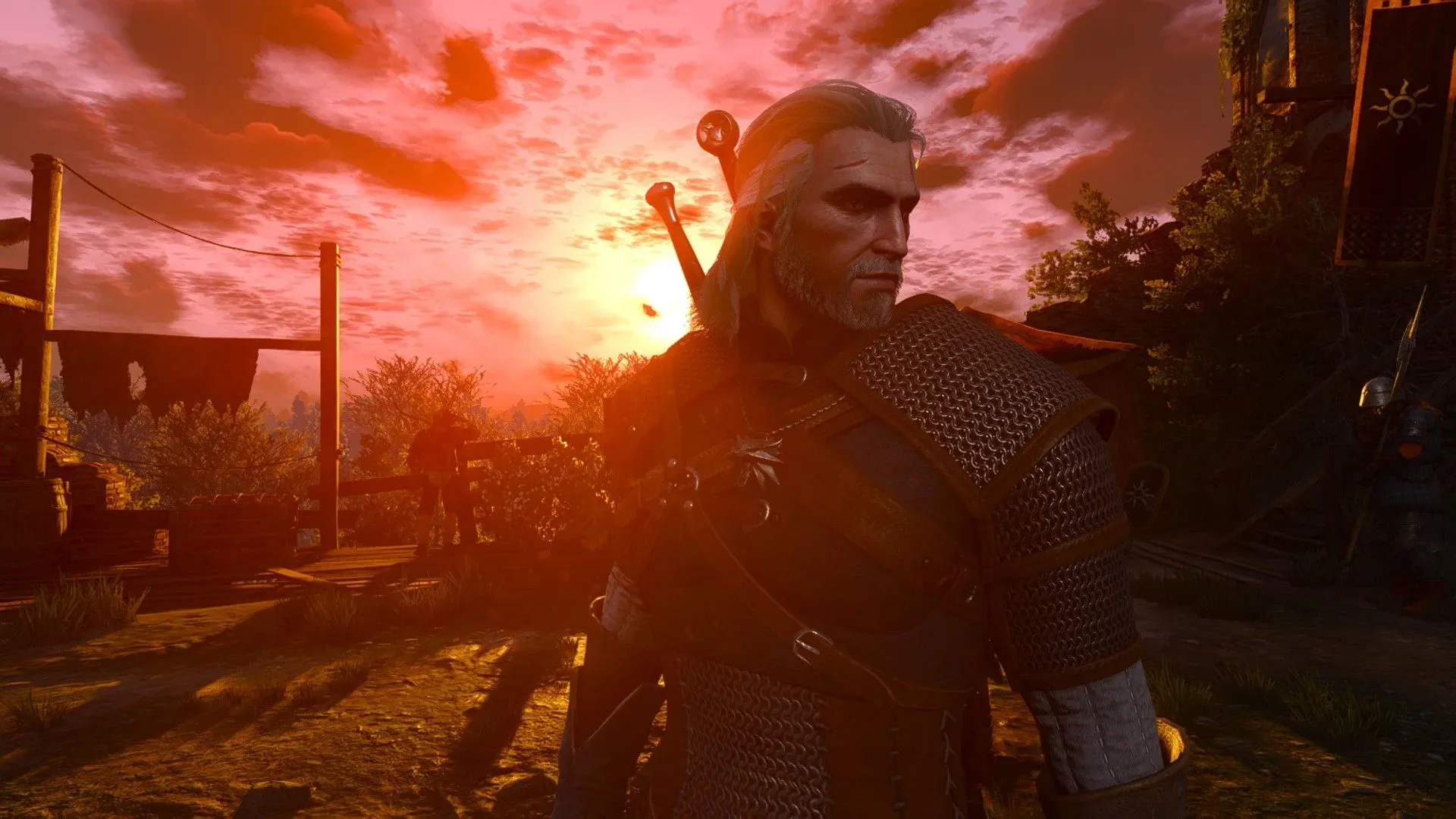
It also highlights a fascinating limitation in the broader Witcher formula. The game often presents Geralt as an exceptionally educated professional: a hunter who understands anatomy, folklore, alchemy and the habits of monsters. Yet the player is frequently given the answer to the case after following highlighted tracks and inspecting a small number of objects. The detective work is dramatically performed by Geralt, rather than meaningfully carried out by the person holding the controller.
For The Witcher 4, a more player-led investigation system could be one of the most promising ways to evolve monster contracts without abandoning what makes them appealing. The trick would not be turning every job into an opaque riddle. It would be making preparation, inference and uncertainty part of the hunt—while retaining clear options for players who want the existing, guided experience.
Why the drunken-vampire contract sticks
Monster contracts are already a strong framework for short RPG stories. A local problem brings Geralt to a village, town or remote site. People are frightened, information is incomplete, and folklore can be helpful, self-serving or flatly wrong. A professional investigates the scene, works out the threat, prepares the appropriate equipment and confronts it.
The Oxenfurt Drunk stands out because its central detail is not merely a combat weakness. The victims’ unusual level of intoxication is evidence about the killer’s behaviour. The vampire is not simply a generic blood-drinker; it is selecting prey with alcohol-rich blood. That makes the eventual bait strategy feel tied to the case rather than bolted on after a checklist of clues.
It is a compact example of how a contract can make a monster feel like an individual creature with preferences and patterns. A player does not just learn, “This is the enemy type and here is the recommended oil.” They learn something peculiar that can shape an approach.
That distinction matters. A Bestiary is, in RPG terms, an in-game reference collection covering enemies, their traits and common counters. It is useful because it gives combat preparation a purpose: players can select oils, tinctures or magic with a reason. But when the Bestiary entry arrives only once the game has conclusively identified the target, the reference book becomes an after-the-fact confirmation screen. Knowledge is present, but the act of applying knowledge is reduced.
Related coverage includes The Witcher 4 Could Make Monster Hunting Smarter Than Ever.
From highlighted trail to competing theories
The usual Witcher investigation rhythm has a practical strength: it keeps the pace moving. Geralt’s heightened senses reveal tracks and interactive clues, and a short path leads toward the next piece of the mystery. In a game as large as The Witcher 3, that clarity avoids turning every contract into a prolonged scavenger hunt.
Still, the model leaves room for a more involved alternative. A future contract could provide observations without immediately naming the monster: an attack at night, a city location, medium-sized claw marks, missing blood, an unusual wound pattern, frightened witness testimony or a trail that ends somewhere unexpected. None of those facts needs to be a puzzle in isolation. Together, they create a working theory.
The player could consult a Bestiary available from the beginning and compare the clues with possible targets. A nocturnal urban blood-drinker may narrow the field toward a Katakan vampire, but it should not necessarily settle the matter on its own. Contradictory clues could encourage further investigation; a rare behavioural quirk, such as the Ripper-Tippler’s preference, could turn a standard encounter into a tailored trap.
This is the difference between deduction and identification. Identification means the game labels the enemy. Deduction means the player takes evidence, evaluates competing explanations and commits to one. The latter creates a satisfying possibility that the player may be right for the right reasons—or wrong in a way that changes the preparation and fight.
That does not mean an incorrect conclusion must ruin a quest. The most useful version would make error legible and recoverable. If a player brings the wrong supplies, the encounter might be tougher, or it might reveal a clue that sends them back to revise their theory. The point is not punishment for missing a tiny detail. The point is to let monster expertise feel earned rather than automatically downloaded.
A journal that behaves like a hunter’s tool
The clearest route would be a deeper monster-hunter journal. Rather than unlocking a fully authoritative creature entry only after the investigation is effectively complete, the game could distinguish between established lore and notes gathered in the field.
- Reference material: a searchable Bestiary containing broad descriptions, weaknesses and habitat information.
- Case evidence: observations logged from bodies, tracks, witness accounts and locations.
- Player hypotheses: a place to mark likely targets and select a plan of action.
- Case-specific behaviour: details that cannot be found in a general book, such as a monster’s unusual diet, a pattern of movement or a vulnerability created by its habits.
The distinction between general knowledge and local evidence is crucial. If every answer is in a menu from the outset, there is little investigative drama. If the player has no usable reference material until the exact answer is declared, there is little agency. Giving players a baseline body of knowledge, then asking them to apply it to imperfect evidence, offers a middle ground.
Player-written notes are an enticing idea, though an optional one. Some players would enjoy marking suspected patterns in their own words; others would rather have a tidy auto-generated record. Either way, the journal should be readable and functional, not merely a museum for facts already settled by a cutscene.
A strong system would also acknowledge that evidence is not always neutral. A witness might be mistaken. A community may misidentify a monster. A clue may describe the aftermath rather than the attacker. The Witcher world is well suited to that ambiguity because contracts begin with fear and rumor, while a witcher’s job is supposed to separate local stories from useful facts.
Preparation should invite plans, not only loadouts
The other opportunity is to expand the meaning of preparation. In many RPGs, preparation primarily means changing equipment before a fight. That is valuable, but the Oxenfurt contract suggests a broader definition: changing the conditions under which the fight begins.
If an investigation establishes that a creature hunts drunken victims, a player-led plan might involve becoming bait, creating a convincing lure, choosing a location or exploiting the creature’s expectation of easy prey. Not every contract needs a dozen solutions, and the game does not need to simulate every wild scheme a player imagines. But a small number of evidence-based approaches can make an investigation matter beyond a menu selection.
Such choices also create a more natural connection between the mystery and the combat encounter. The battle is not just the mandatory final room after the dialogue and tracking phases. It becomes the consequence of what the player learned and how they chose to use it.
There is an important design caution here. A solution should not depend on players guessing an arbitrary developer intention. The quest needs to communicate its logic through clear evidence, distinct possible actions and meaningful feedback. “I noticed the victims were drunk, so I tried a lure involving alcohol” is a satisfying inference. “I failed because I did not interact with one indistinct bottle at a particular time” is not detective work; it is friction.
Ciri’s inexperience could support the system
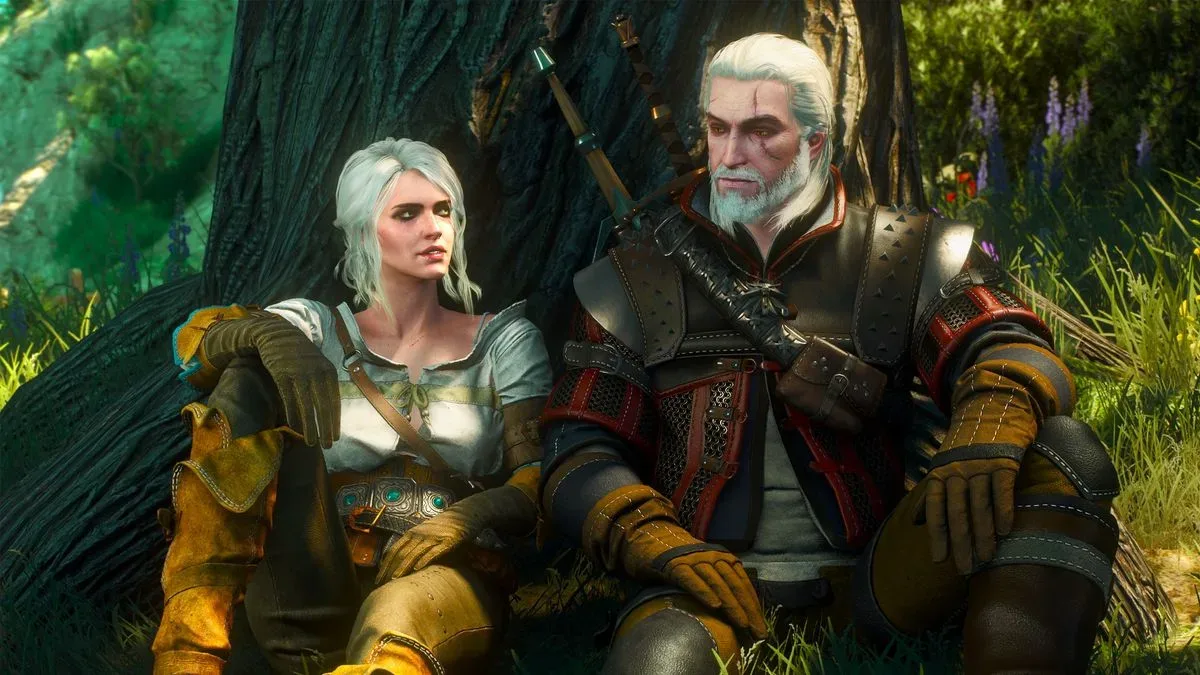
The prospect of Ciri as The Witcher 4’s new hero provides a particularly neat narrative rationale for more hands-on research. Geralt is generally depicted as a seasoned professional who has internalized a vast amount of knowledge. It makes sense for him to recognize signs quickly. Ciri, by contrast, is presented here as newer to the Path and more reliant on reference material.
That does not require portraying her as incapable. It can frame the player’s growing knowledge as part of her professional development. Early contracts might offer more obvious clues and guided prompts. Later work could expect a better understanding of recurring signs, monster ecology and alchemical preparation. The journal gradually becomes a record of experience, not a list of facts bestowed by the game.
It would also give the sequel a practical progression system beyond increasing combat power. As the player becomes a better investigator, they may recognize meaningful details sooner, unlock more plausible preparations or spot when a familiar pattern has been disrupted by an unusual circumstance. Those are satisfying advances because they improve how the player thinks, not solely how much damage a sword deals.
Accessibility is the make-or-break detail
A richer investigation layer should be optional or adjustable. The current guided format has a real audience: players who are here for character stories, world exploration and swordplay may not want every contract to demand close reading and taxonomy work.
A smart implementation could offer an investigation-assistance setting. At one end, evidence would be tagged, likely matches would be highlighted and Geralt could give direct deductions much as he does now. At the other, the player would receive observations and reference material with fewer explicit answers. This would make a more demanding mode an invitation, not a barrier.
That kind of flexibility could be especially useful for an RPG with the scale and financial ambition associated with CD Projekt Red’s largest projects. As discussion around the studio’s major RPG bets has noted, broad accessibility and deep systemic ambition are both significant considerations. A layered investigation system offers a way to serve multiple play styles without making the core premise of witchering less distinctive.
The Oxenfurt Drunk does not need a complicated rewrite to remain funny or memorable. Its strongest idea is already there: evidence reveals a monster’s unusual appetite, and that knowledge informs an audacious plan. The sequel’s opportunity is to put more of that chain in players’ hands. Let them inspect the signs, consult the book, form the theory and decide whether to arrive armed with the right oil—or disastrously prepared for the wrong creature.