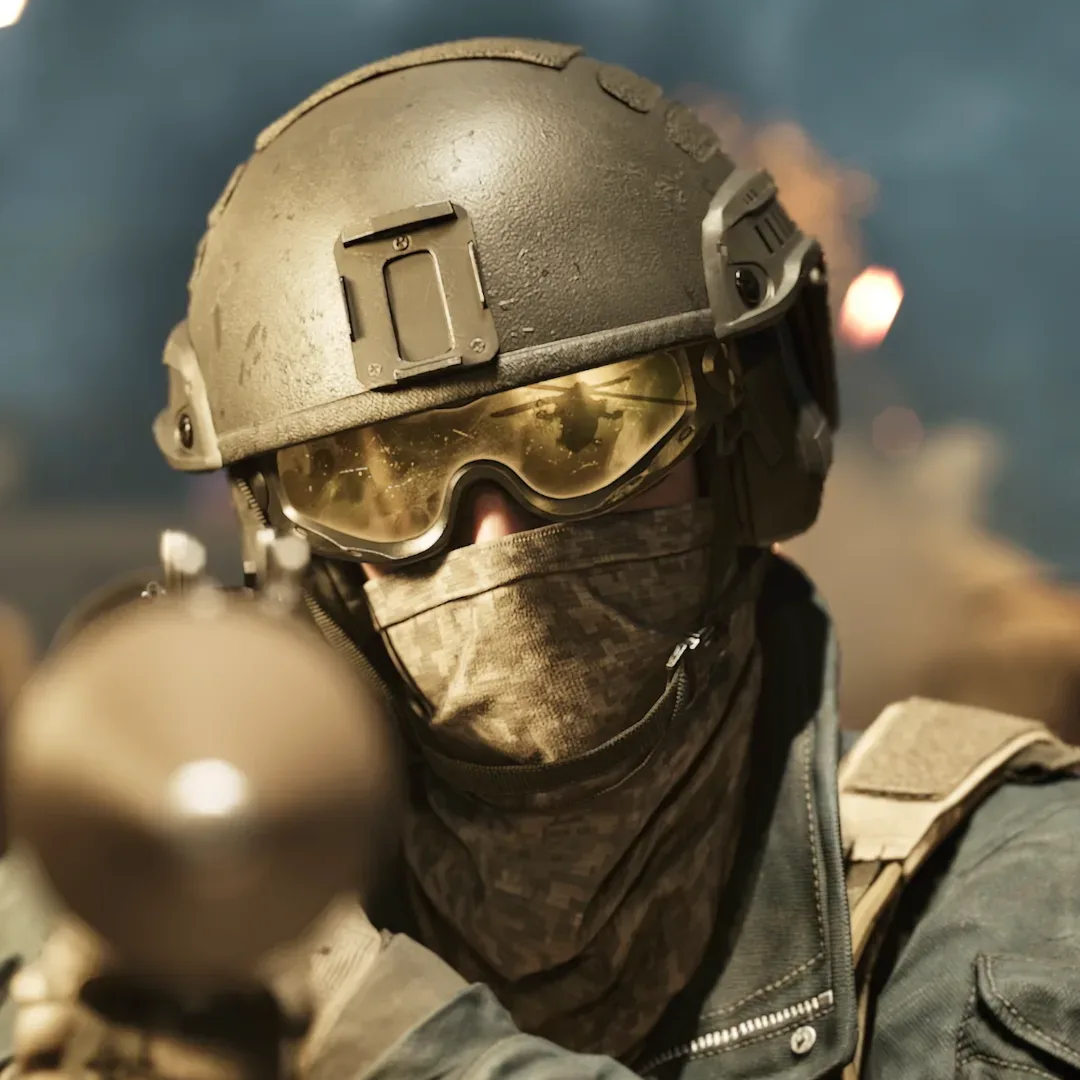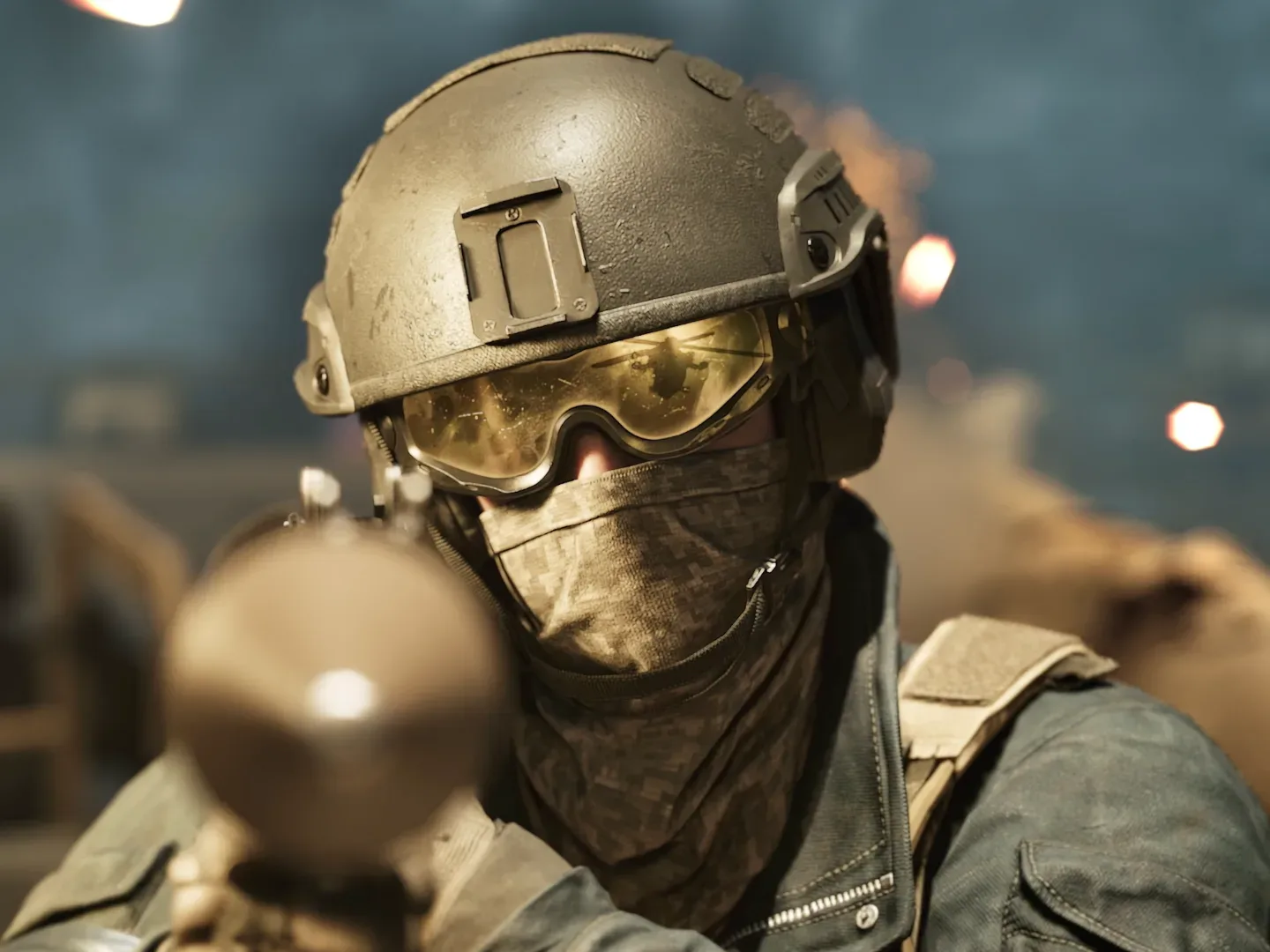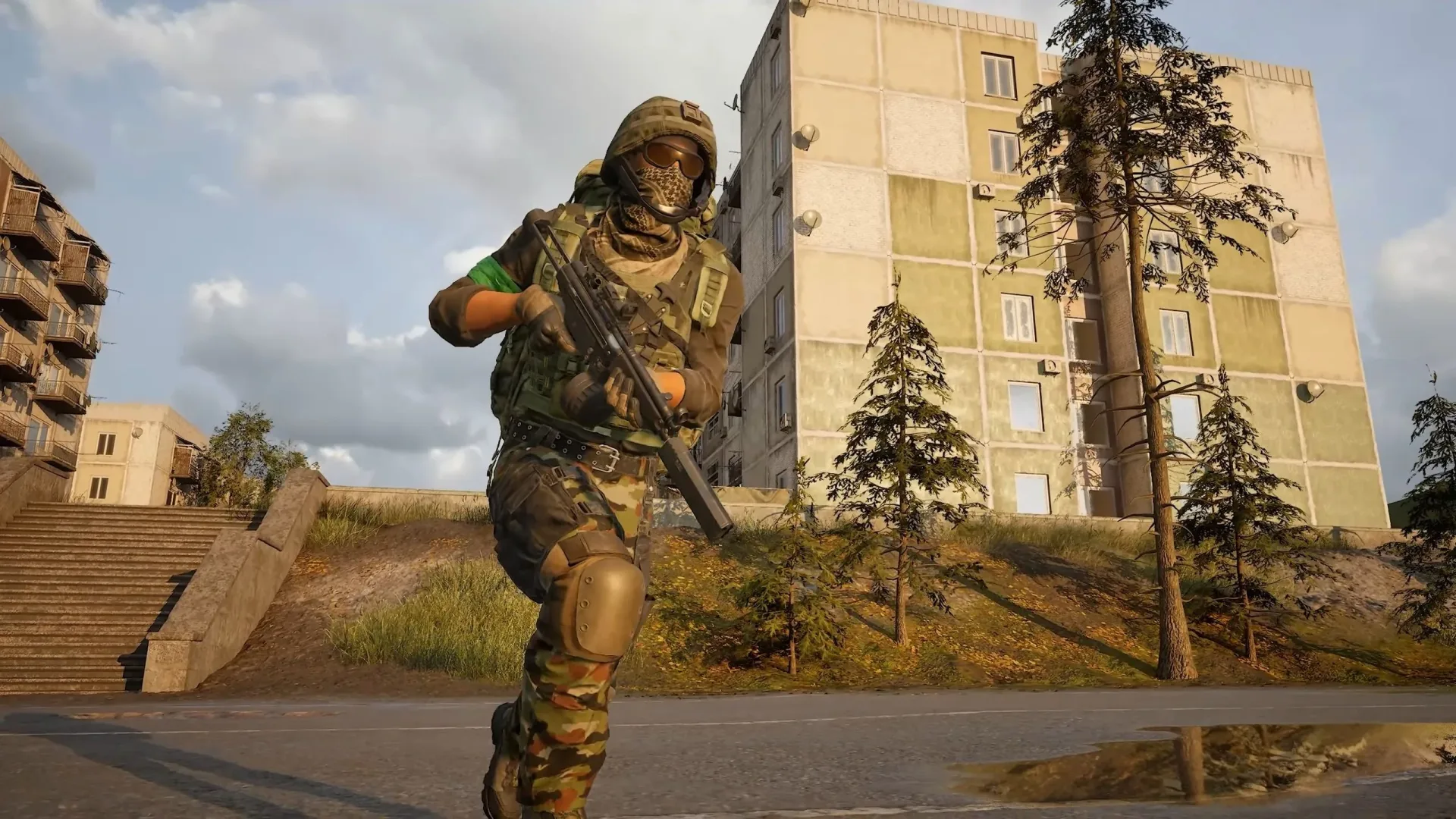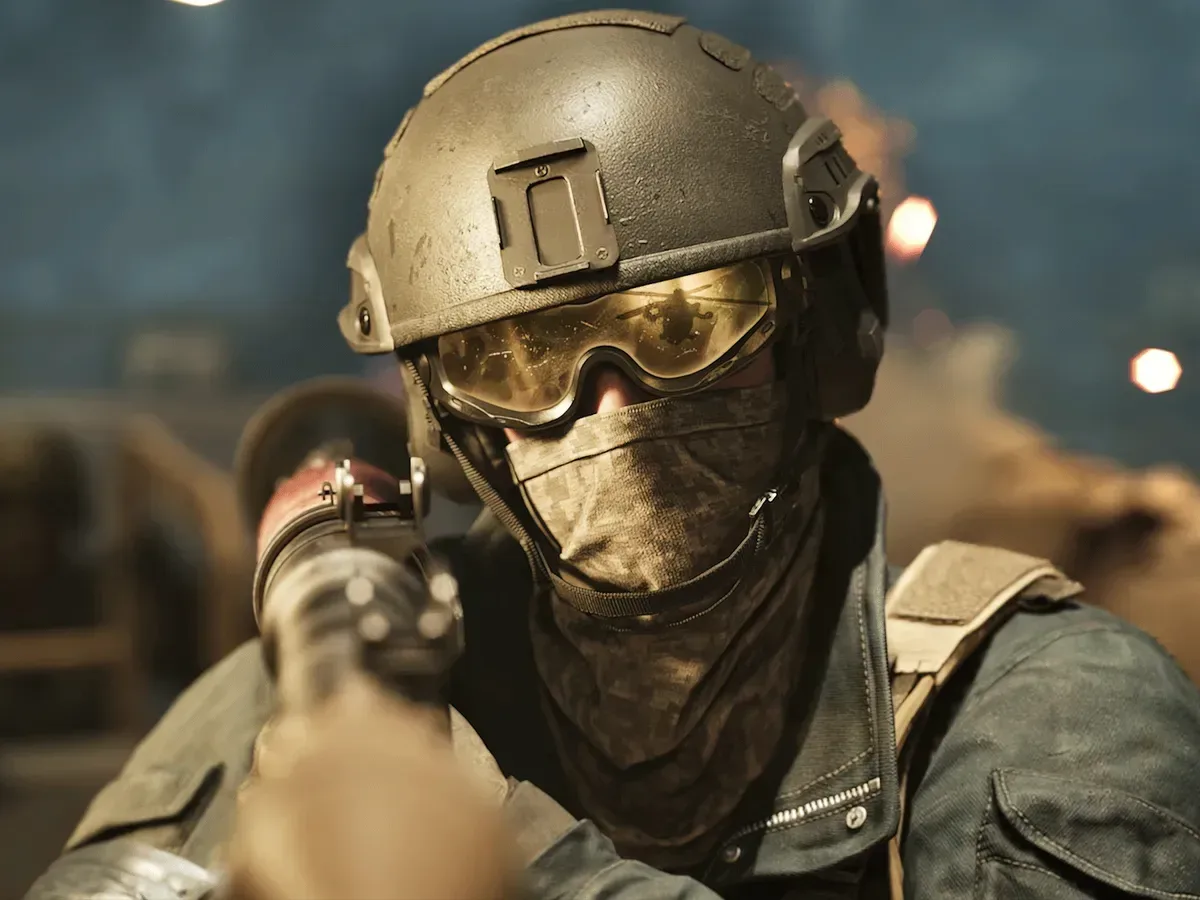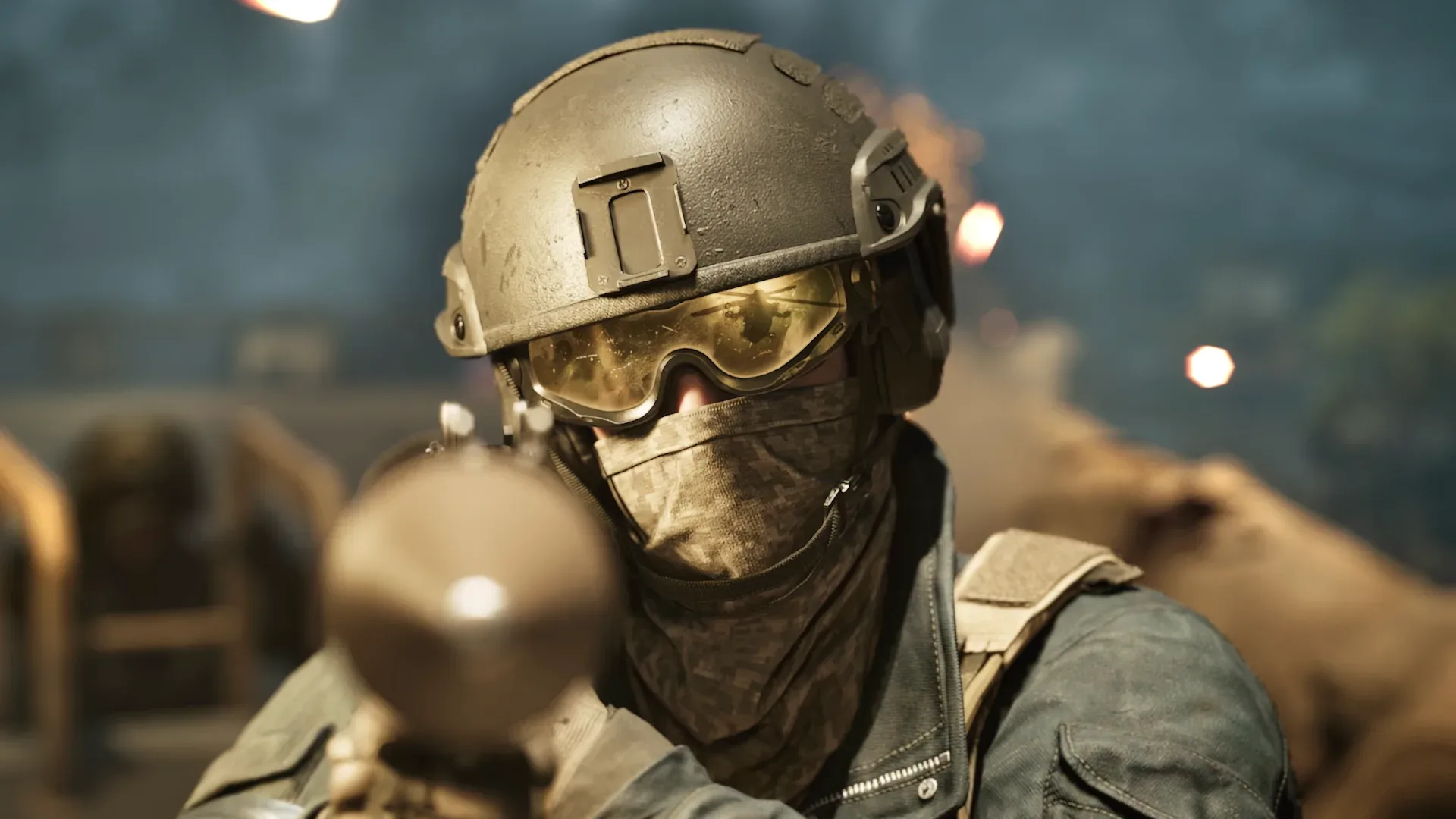
Wardogs has reached 3 million copies sold, but the scale of its early-access success has also placed Bulkhead under intense operational strain. CEO Joe Brammer says a significant portion of the studio has been told to take holiday this week after several difficult launch weeks spent addressing cheating, DDoS attacks and the extra security demands that arrived alongside a rapidly expanding audience.
The tactical FPS launched into early access earlier in September and quickly drew hundreds of thousands of players. For any developer, especially one Brammer characterizes as not being a huge studio, that is the kind of result teams hope for. It is also a sharp change in workload. A multiplayer game that attracts a large population immediately needs its developers to maintain services, investigate disruptions, respond to player reports, protect the game’s competitive integrity and decide which post-launch issues should take priority.
Brammer described the response to Wardogs as overwhelming in the literal sense. He said the team has felt as if it has spent its time fighting “bottom-feeder cheaters” and constant DDoS attacks. His message offers a candid look at the less glamorous side of a breakout multiplayer launch: selling copies is only the beginning of supporting a live game.
A mandatory break after an unusually intense launch
Rather than trying to push every employee through the next stretch of post-launch work, Bulkhead has required a good chunk of its staff to use holiday. Brammer said the choice followed physical and mental exhaustion from the preceding weeks. Not everyone at the studio is away, but the decision is substantial enough to be a deliberate reset rather than a routine scheduling adjustment.
“We decided to take a bit of a reset,” Brammer said, describing it as a chance to finish a sprint, breathe and prepare for a marathon.
That framing matters. Early access usually means a game is still progressing toward a 1.0 release rather than sitting at a finished endpoint. The launch period can therefore combine two difficult jobs: operating the game for a new and demanding community while also continuing the development work needed for larger updates. A brief reduction in pace may be frustrating for players waiting on a particular fix, but it can help a team avoid treating an emergency response as its permanent working model.
Bulkhead is not presenting the break as an exit from Wardogs support. Brammer said the studio remains committed for the long haul and believes it can make version 1.0 and what follows without compromising the plan. The immediate point is to get the team into a sustainable position before that longer phase takes hold.
What cheating and DDoS attacks mean for players
Cheating in a competitive online shooter can cover software or methods that provide an unfair advantage, from unauthorized information to automated or altered game behavior. The supplied details do not identify which forms have affected Wardogs or what countermeasures Bulkhead has used. Still, Brammer’s emphasis makes clear that combating unfair play has consumed meaningful attention during launch.
Related coverage includes Wardogs Reaches 3 Million Sales as Bulkhead Gives Staff a Mandatory Break.
That work is rarely limited to removing individual bad actors. Developers must identify patterns, improve detection, review reports and take care not to punish legitimate players by mistake. They also have to adapt, since people trying to circumvent an online game’s rules may change tactics as protections change. In practical terms, anti-cheat work can compete directly with other highly visible priorities such as balance adjustments, quality-of-life changes and new content.
A DDoS attack, short for distributed denial-of-service attack, is an attempt to overwhelm an online service with traffic or requests so legitimate users cannot access it reliably. In a multiplayer game, the player-facing symptoms can include trouble connecting, instability or disrupted matches. Brammer called the attacks constant, while also saying the studio has had to do more security work than expected.
The distinction is useful because players can see both cheating and service disruption as a single broad failure to “fix the game,” while the developers may be dealing with separate technical and operational problems. A balance issue may call for design analysis and a patch. A security incident may require defensive measures and continued monitoring. Neither category disappears simply because another update is ready to ship.
Rapid growth creates a triage problem
Wardogs’ 3 million sales are an unmistakable commercial milestone, but Brammer acknowledged that the scale of the game’s growth has left the team feeling somewhat out of control. That is not a claim that Bulkhead lacks a plan; he specifically said he still believes in it. It is an admission that the demand and security work exceeded what the studio expected to manage at this stage.
For a smaller developer, prioritization becomes particularly visible. There are only so many people and hours available, while the incoming requests can range from reports of unfair play and connectivity problems to feedback about weapons, maps, matchmaking and progression. Players naturally measure progress against the issue affecting them most. A team, by contrast, must weigh severity, the number of people affected, implementation risk and the work required to verify that a change does not cause a new problem.
Brammer said he expects some members of the community will feel the team is not hearing particular observations, and that he expects the community to fluctuate. That is a realistic description of the tension around a fast-moving early-access game. Players can be invested precisely because they see promise, yet that investment can turn into impatience when their preferred concern is not the next item addressed.
None of that establishes a timetable for specific Wardogs updates. The available information does not confirm a roadmap, a patch date, detailed anti-cheat changes or a particular rebalancing plan. Rebalancing has been raised as a likely area for future attention, but it remains expectation rather than a confirmed list of incoming changes. The firm information is that Bulkhead is looking beyond launch toward post-release updates, while allowing much of its staff time to recover.
Why the pause could matter more than a rapid patch cadence
There is an understandable instinct, particularly around an online shooter, to interpret a staff break as lost momentum. The opposite can also be true. Teams making decisions while exhausted are more likely to struggle with the sustained judgment that a live game requires: which reports demand immediate action, how to communicate uncertainty, when to deploy a change and when to hold it for more testing.
Bulkhead’s stated approach is to trade a short reset for a healthier run at the long-term project. That does not make the underlying problems trivial. Cheating, attacks and a massive new player base are serious pressures, and players experiencing them will still want practical improvements. But Brammer’s comments establish that the studio sees staff well-being as part of its capacity to deliver those improvements, not as a separate concern to postpone indefinitely.
Wardogs is now in the difficult stage where success must be converted into durable support. The game has the attention that many multiplayer projects seek, as well as the scrutiny and malicious activity that can accompany it. How Bulkhead handles that transition will be more meaningful than the sales headline alone: the challenge is protecting the experience for players while keeping the people building it able to continue.
Brammer’s comments also arrive after his separate argument that games may need to cost more, with Grand Theft Auto VI suggested as a possible title that could have shifted expectations. For additional context on what is known and unconfirmed around Rockstar’s next game, see this breakdown of GTA VI’s police and wanted-system rumors.
What Wardogs players should take from Bulkhead’s update
- The sales figure is 3 million copies. Wardogs has also brought in hundreds of thousands of players following its early-access launch this month.
- Much of the team is taking mandatory holiday. Bulkhead has not said that every employee is away, but Brammer described a good chunk of staff as being required to take the break.
- Security and fair play are central concerns. Brammer specifically cited cheaters, ongoing DDoS attacks and additional security work.
- Updates remain part of the plan. The studio is looking toward post-launch work, version 1.0 and beyond, but no specific feature schedule was detailed.
- Some player feedback may take time to reach the top of the list. Bulkhead expects competing priorities and changing community sentiment as it settles into longer-term support.
The immediate message from Bulkhead is not that Wardogs has run out of momentum. It is that extraordinary launch momentum came with a human and technical cost, and the studio is choosing a reset while it prepares for the substantially longer task ahead.