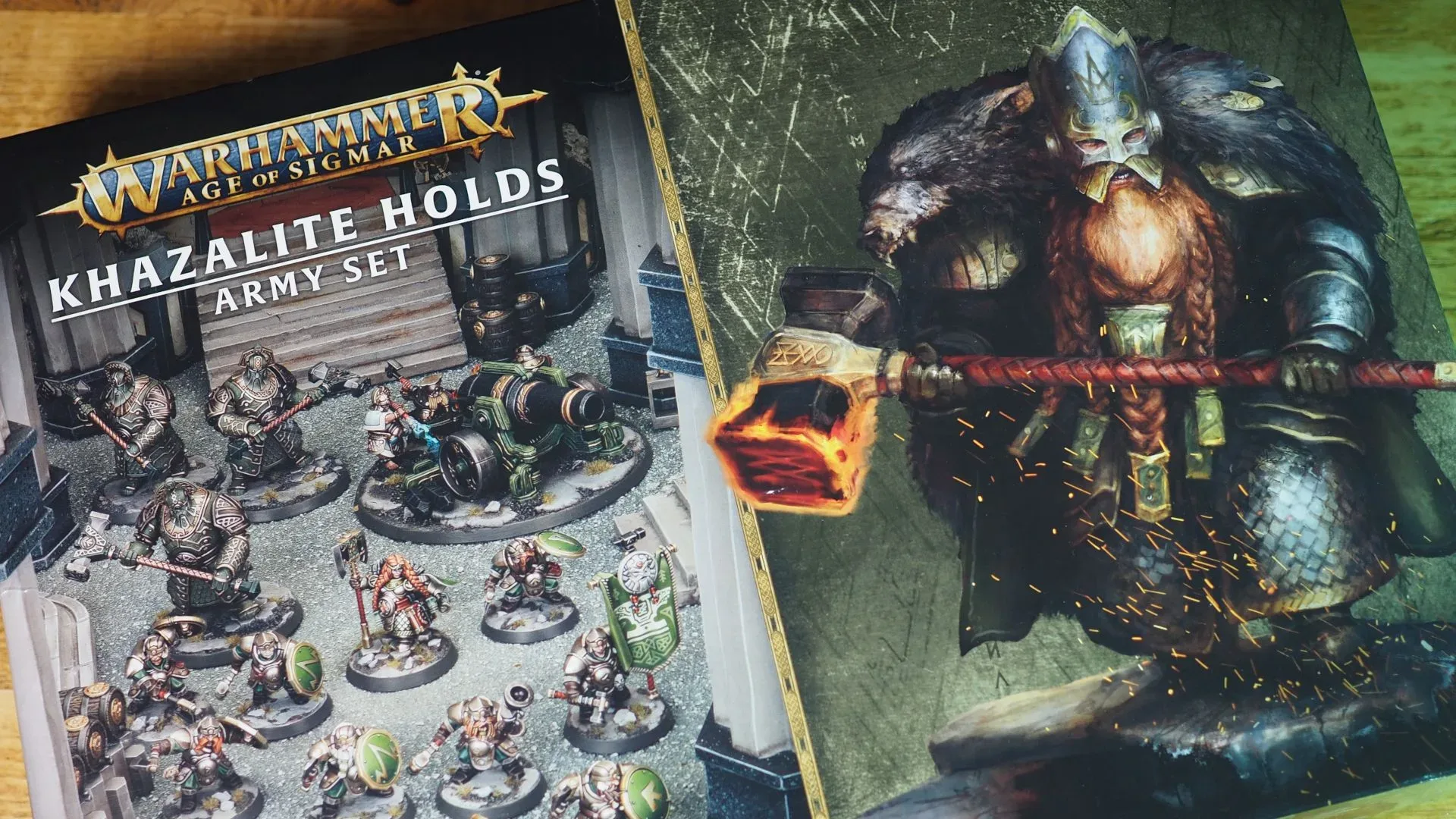
Warhammer Age of Sigmar has built much of its visual identity on refusing to play fantasy straight. Its duardin have included airborne industrialists with a steampunk edge, while other corners of the setting have embraced ideas as immediately strange as eyeless aelves riding sea creatures. Against that backdrop, the newly introduced Khazalite Holds make a surprisingly direct pitch: these are heavily armoured, stubborn, grudge-keeping dwarves.
That simplicity is not a failure of execution. Quite the opposite. The Khazalite Holds appear to be an unusually polished return to a foundational fantasy archetype, delivered with dynamic miniatures, distinctive armour, and a clear battlefield identity. The tension lies elsewhere. The faction’s arrival, alongside its absorption of the previously separate Fyreslayers force, invites a reasonable concern about whether Age of Sigmar is moving toward a more consolidated—and potentially less eccentric—future for its duardin.
For players and painters, there is plenty to like in the immediate release. For anyone invested in the game’s long-term faction identity, though, the important story is not just what the Khazalite Holds are. It is what their existence may eventually mean for the other duardin armies.
A classic dwarf concept, sharpened rather than copied
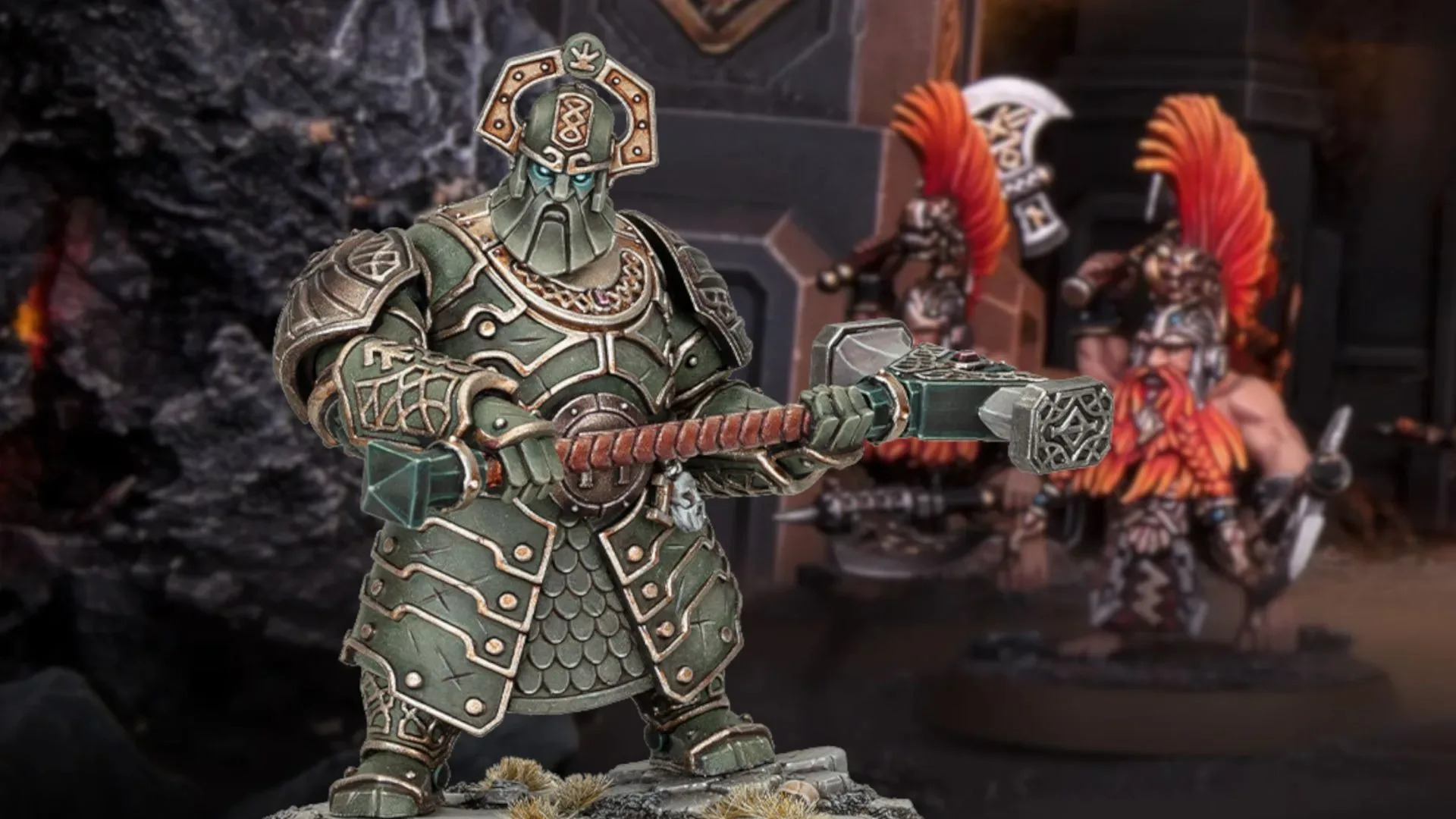
The Khazalite Holds lean into familiar dwarf imagery: broad, durable infantry, sophisticated craftsmanship, formidable artillery, and an ancestral culture built around debts and grudges. Yet familiar does not have to mean unimaginative. The available model details suggest an army consciously designed to evoke classic fantasy dwarves without simply reproducing an older range.
For more context, explore Smokin’ Colts Targets a Full 3D Wild West FPS for 68030-Powered Amiga Systems.
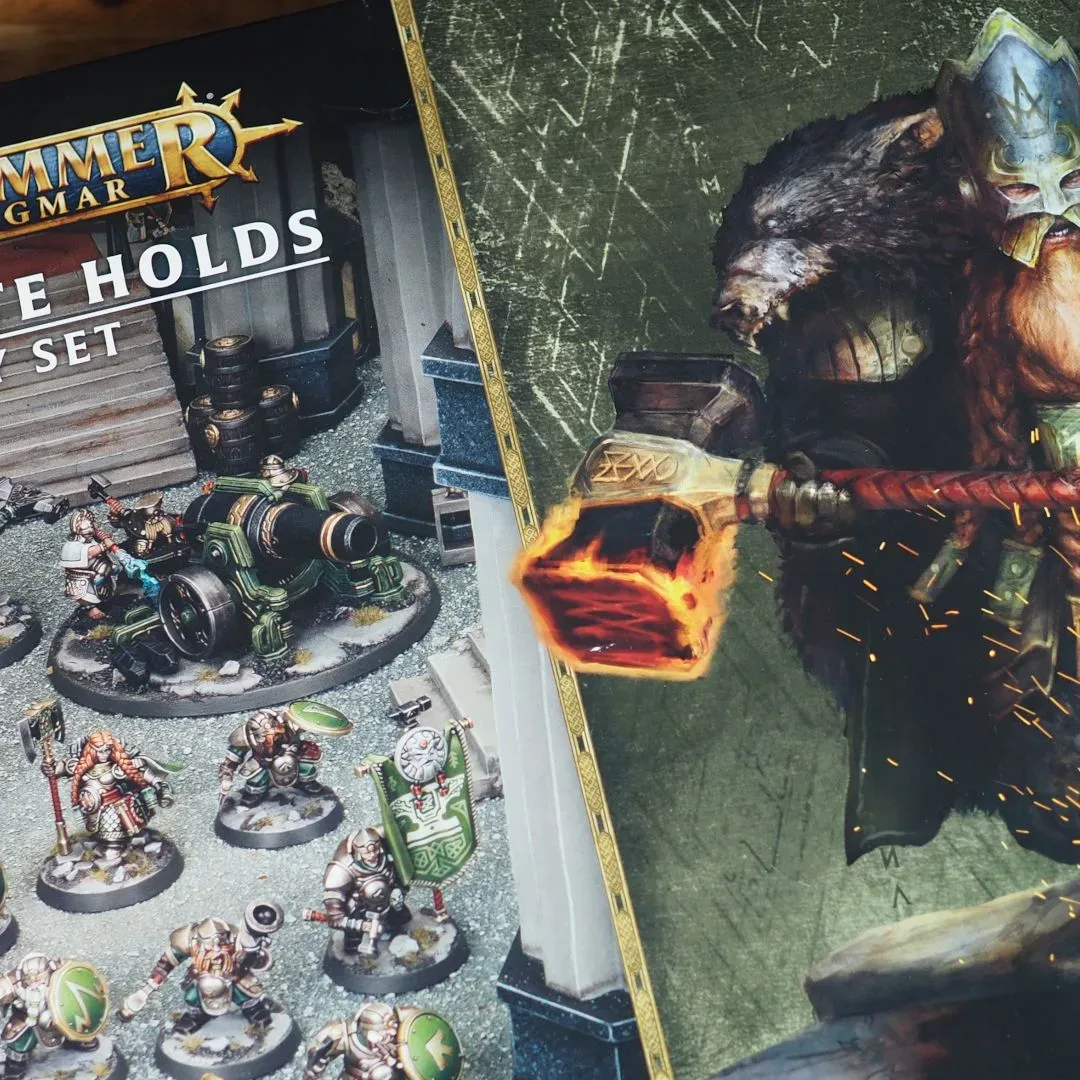
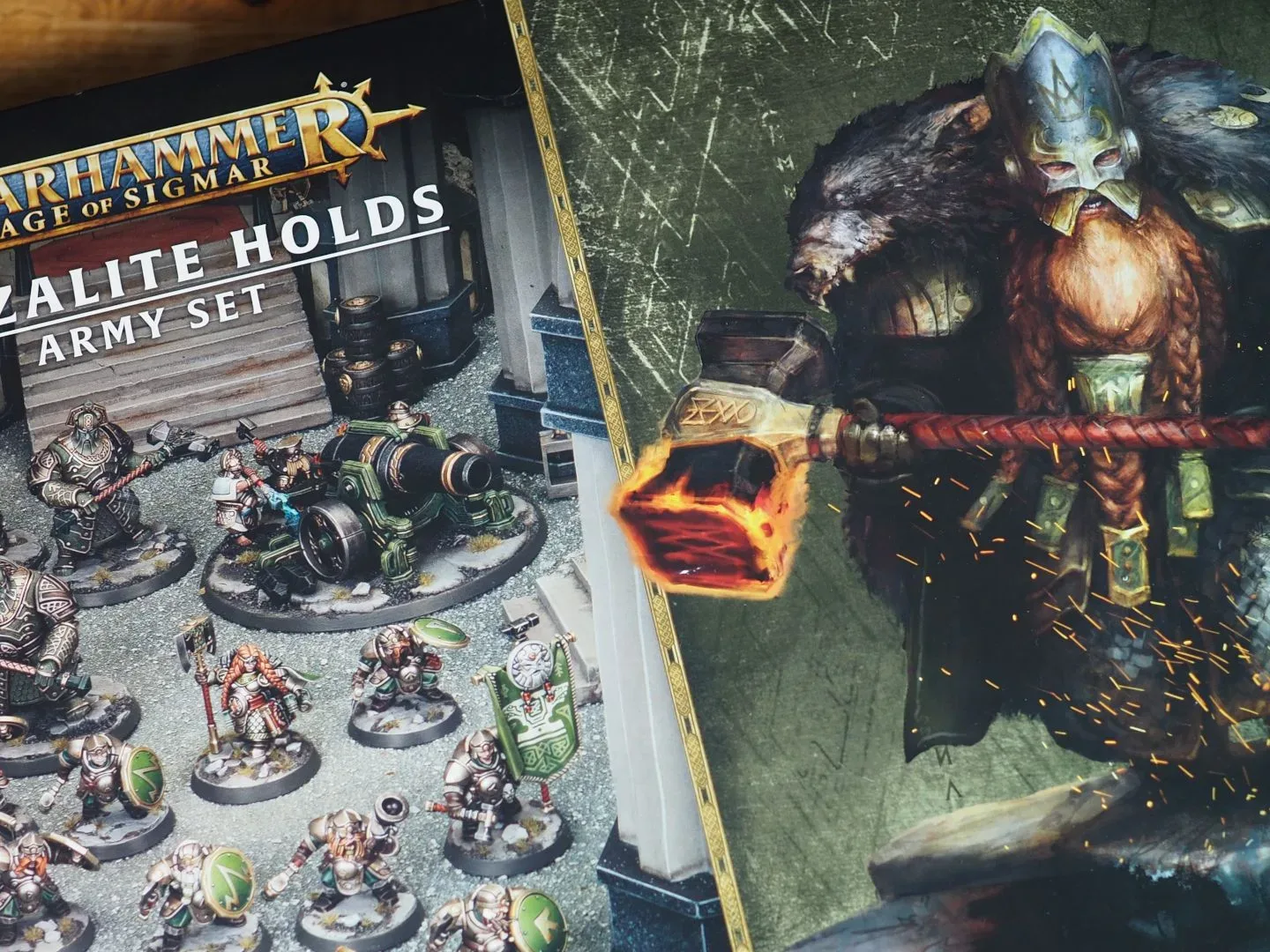
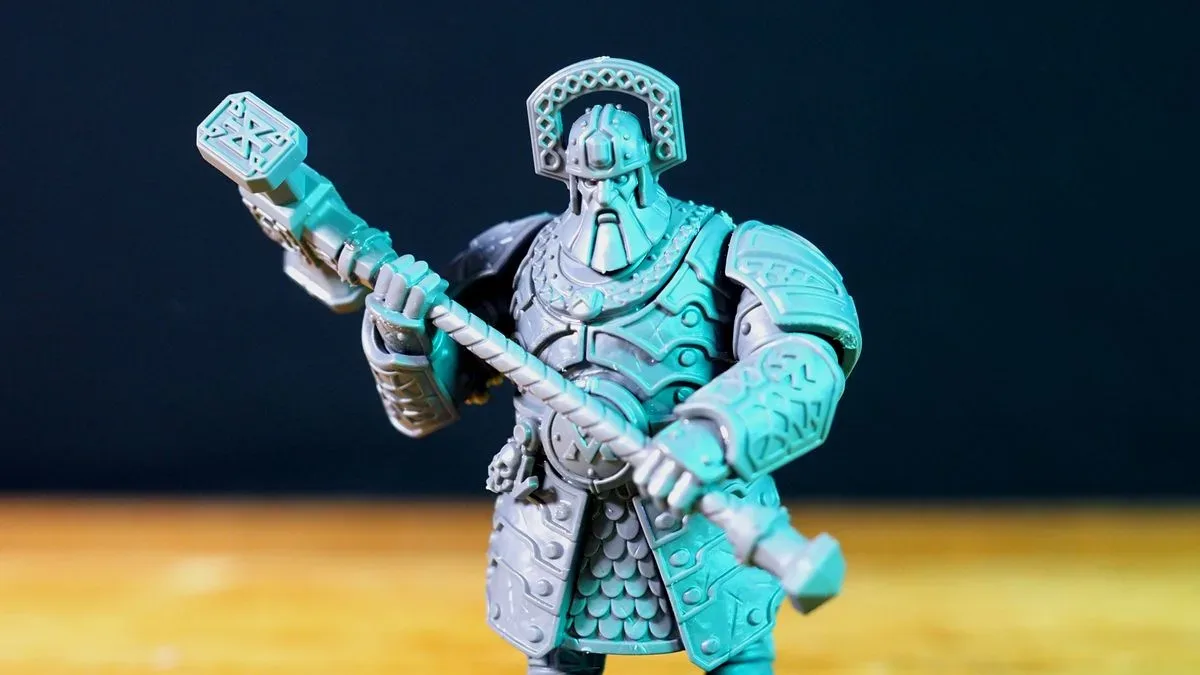
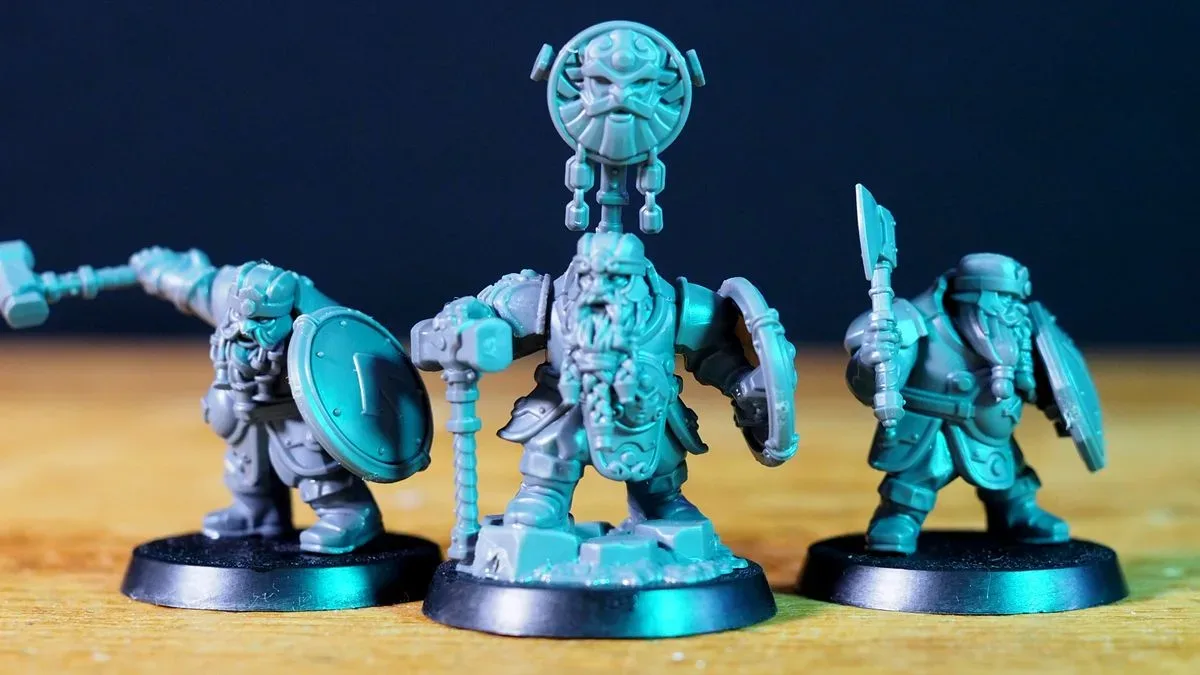
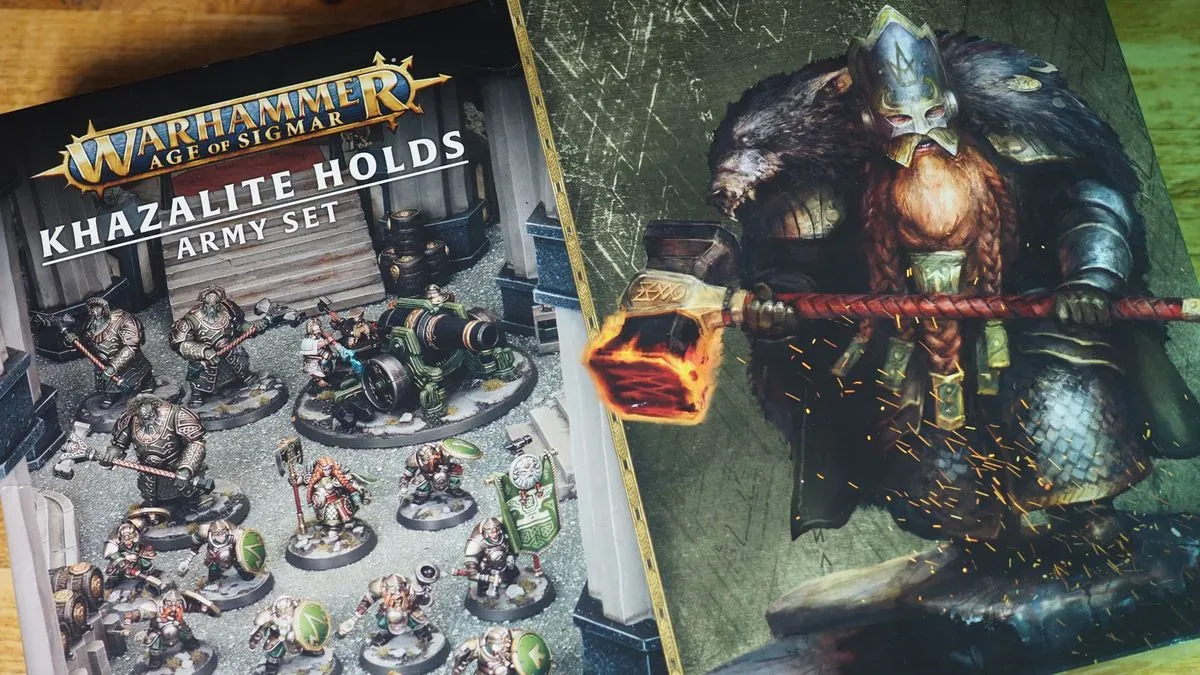
The Clanshields form the infantry core in the Army Set, while the Gholems of Ghazul or Valaya add a construct element to the line-up. The Oathkeeper Cannon can instead be assembled as the Stonebreaker Mortar, providing a centrepiece war engine. Hjulda Drakkblud rounds out the force as its hero. The result is a compact roster with clear visual roles: foot soldiers to establish the army’s solid base, mechanical figures to underline duardin engineering, and artillery to give the force an imposing focal point.
The cannon is particularly notable because it is presented as more than a simple gun carriage. Its construction has the qualities of a small diorama, giving hobbyists an obvious candidate for a display-oriented paint job or the centre of a themed force. That matters in a miniature game where a model’s value is not limited to how it performs during a battle. An army centrepiece often carries the scheme, narrative, and personality of the collection.
The Gholems make a similarly effective bridge between the classic and the fantastical. Dwarven craftsmanship has long been a genre staple, but animated or robotic creations allow that trope to become physically visible on the battlefield. They keep the Khazalite Holds rooted in smithing and industry while preventing the army from being infantry and artillery alone.
Related coverage includes Warhammer Age of Sigmar's Khazalite Holds Look Great, but Their Future Raises Questions.
The Army Set’s practical starting point
The Khazalite Holds Army Set is scheduled for release on October 31 and is available to pre-order. It contains a full Spearhead force: 10 Clanshields, three Gholems of Ghazul or Valaya, an Oathkeeper Cannon or Stonebreaker Mortar, and Hjulda Drakkblud.
Spearhead is Age of Sigmar’s smaller-scale game format, built around pre-set force selections rather than unrestricted army construction. In practical terms, that makes a boxed force such as this useful for players who want a defined entry route rather than needing to immediately navigate a much larger range. It also means the contents are meant to function together as a playable group, not merely as a collection of unrelated units.
That is an appealing fit for a faction whose identity seems based on reliability and cohesion. The box appears positioned to establish nearly every core element of the army in one go: line troops, a leader, a hard-hitting construct unit, and a ranged war machine. A player attracted chiefly to the traditional dwarf fantasy can begin with a collection that already communicates that theme clearly.
For painters, the contained starting roster also offers variety without requiring a huge initial commitment. Armour, weapons, machinery, runes, stone, and characterful faces can all coexist within one force. The source material does not establish specific painting schemes or techniques, so prospective hobbyists should not assume a prescribed look. But the visible combination of infantry, constructs, and artillery should lend itself naturally to coherent colour choices across very different surfaces.
Grudges become a game mechanic
The Khazalite Holds’ rules are where their theme becomes especially legible. Their grudge system turns the loss of their troops into increased threat, reflecting an army that becomes more determined rather than less resolute after suffering casualties.
This is a strong example of ludonarrative design: the alignment of a game’s story or theme with what players actually do at the table. A dwarf force that is defined by long memories and refusal to yield should not merely have flavour text about grudges. Its gameplay should make opponents feel the danger of provoking it. Here, taking down duardin can create a tactical consequence beyond simply reducing the enemy’s number of models.
The army also excels at holding objectives. In Age of Sigmar, objectives are battlefield locations that determine scoring and are often more important than simply eliminating enemy units. An objective-focused army must be able to occupy key ground, endure pressure, and keep contesting space over multiple turns. The Khazalite Holds’ slow but resilient profile appears built for exactly that task.
This does not necessarily imply an army that is easy to use in every situation. A slow force may have difficulty reacting to threats across a wide battlefield or reaching a distant objective quickly. But durability can create a different kind of tactical pressure: opponents have to spend meaningful resources dislodging a force that is already where it wants to be. If casualties further fuel the army’s grudge-based mechanics, attacking into that defensive position may carry a cost even when it succeeds.
The war engines add another layer. The Oathkeeper Cannon can select rune effects that debuff opponents on a 3+ in both standard games and Spearhead. A debuff is an effect that weakens an enemy unit or limits its capabilities, rather than directly increasing the user’s own statistics. The chance-based 3+ roll means this is not automatic, but it is described as a recurring tool that can influence an opponent’s turn-by-turn choices.
The Gholems are positioned as dangerous against infantry in either game format. This creates a sensible division of labour: the cannon interferes with opposing forces through rune effects, while the constructs punish many infantry units directly. Combined with objective-holding troops, that suggests a force designed to establish a hard centre, make it unpleasant to attack, and steadily grind forward instead of relying on speed or elaborate trickery.
Why the Fyreslayers merger matters
The largest unanswered question is organizational rather than mechanical. The Khazalite Holds have absorbed the formerly separate Fyreslayers army. Existing Fyreslayer units reportedly remain available, and there is an understandable thematic logic to bringing related duardin together. On its own, unification can broaden an army’s options and allow collectors to combine elements that once sat on different sides of a faction boundary.
But it also creates a question of scale. Within the setting, uniting every dwarf force beneath one banner is identified as an eventual ambition. If that direction were to extend to the Kharadron Overlords, the three current duardin identities could ultimately sit inside a single overarching army.
Nothing in the available information confirms that such a complete consolidation is imminent, nor does it establish a specific future edition plan. That distinction is essential. A lore objective is not a release schedule, and the current availability of older Fyreslayer units should not be treated as evidence that cuts have already been decided. Still, the possibility is worth discussing because faction mergers frequently introduce difficult decisions about range size and identity.
Three separate duardin forces can each claim a sharply defined space. Fyreslayers have their own established character; Kharadron Overlords have a highly stylised airborne industrial identity; and Khazalite Holds are positioned around recognisable, grounded dwarf tradition. A combined force could be wonderfully broad, with more unit choices and a richer internal story. It could also risk making each element feel less distinct if the overall presentation favours the most conventional version of dwarven fantasy.
The concern is not that classic dwarves are somehow less worthy of a modern miniature line. The Khazalite Holds show how compelling that concept can be when the sculpting and game mechanics are given proper attention. The concern is whether an elegant, all-purpose dwarf banner could eventually crowd out the unusual ideas that make Age of Sigmar’s current duardin roster feel unlike interchangeable fantasy factions.
A reliable army in a game that thrives on the unexpected
There is a productive contradiction at the heart of the Khazalite Holds. They appear to be an army made for people who want dwarves to feel like dwarves: armoured formations, powerful guns, runic craft, refusal to retreat, and anger made manifest through grudges. In a fantasy game, that clarity has real value. Not every release has to reinvent the archetype it draws from.
At the same time, Age of Sigmar’s most memorable visual successes often come from its willingness to make the familiar strange. The Gholems and cannon help the Khazalite Holds reach beyond basic nostalgia, but the army’s central appeal remains reassuringly traditional. Whether that is a strength or a limitation depends on what an individual player wants from the duardin range.
For a new player, the practical case is strong: a complete Spearhead in the Army Set, rules that visibly match the faction’s story, substantial objective presence, and a set of models that should reward time spent painting them. For longtime duardin fans, the immediate appeal is complicated by a larger hope—that unity does not become uniformity.
Khazalite Holds deserve to stand on their own as a confident, handsome expression of fantasy dwarves. The ideal next step is not to make every duardin force resemble them. It is to let their traditional strength coexist with the airborne oddity of the Kharadron Overlords and the established identity of the Fyreslayers. A united banner can be a compelling narrative destination. The tabletop range will be richer if the paths beneath it remain visibly, gloriously different.