Warhammer’s latest preview delivered an unusually broad spread of tabletop news: a fully fledged duardin army for Warhammer Age of Sigmar, a plastic-model refresh for the Tomb Kings in Warhammer: The Old World, new Adeptus Custodes material across Warhammer 40,000 and Horus Heresy, and a tabletop role-playing game set in Necromunda’s underhive.
There was also news for Blood Bowl, Warhammer+, and the hobby desk. The new Warhammer Tone Pro paint line will comprise 150 paints organized around a five-step tonal system, plus new mediums and drybrushes. Taken together, the reveals point to a major expansion of the company’s miniature, game and painting catalogue rather than a showcase centered on one system.
Khazalite Holds bring armored duardin back underground
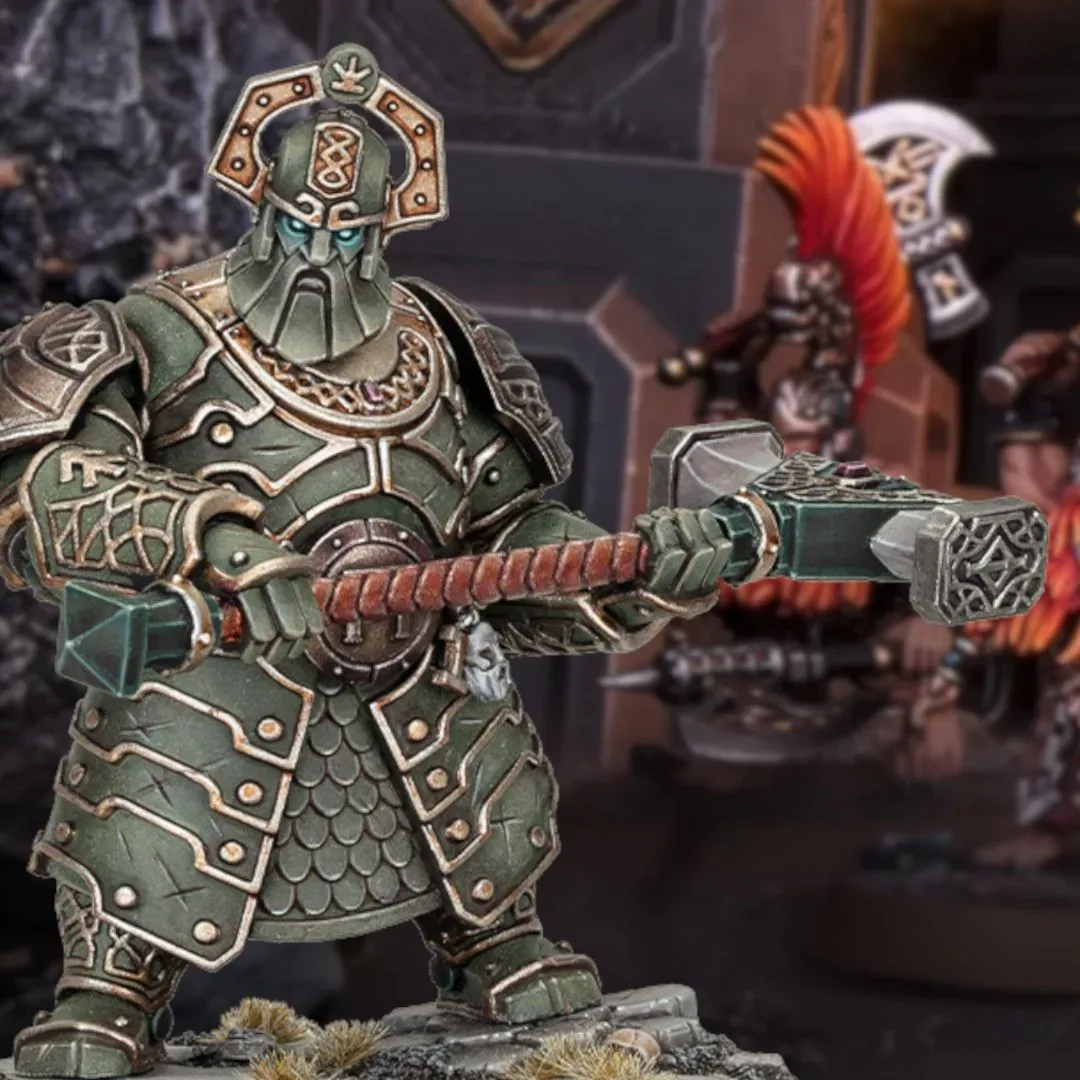
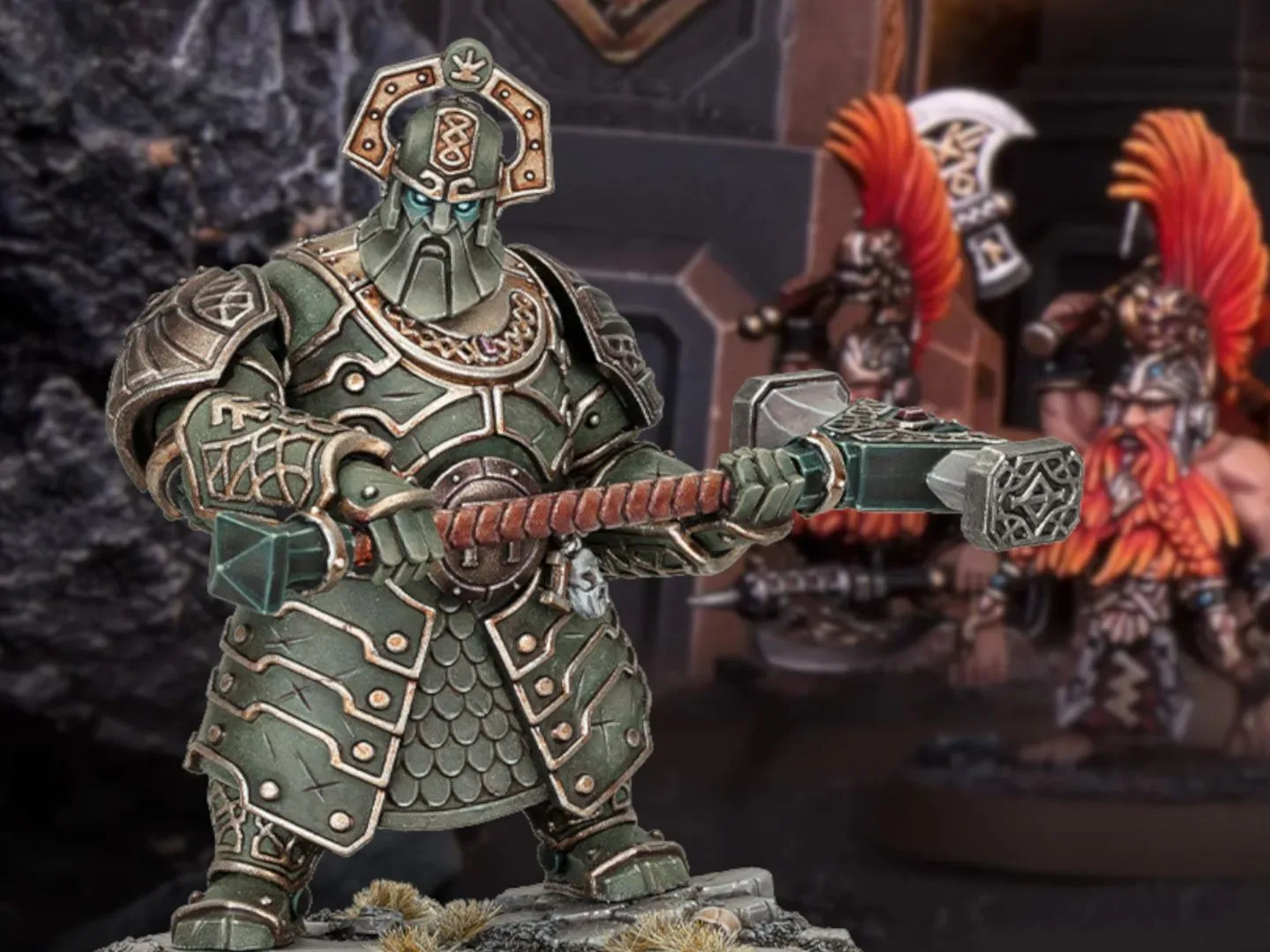
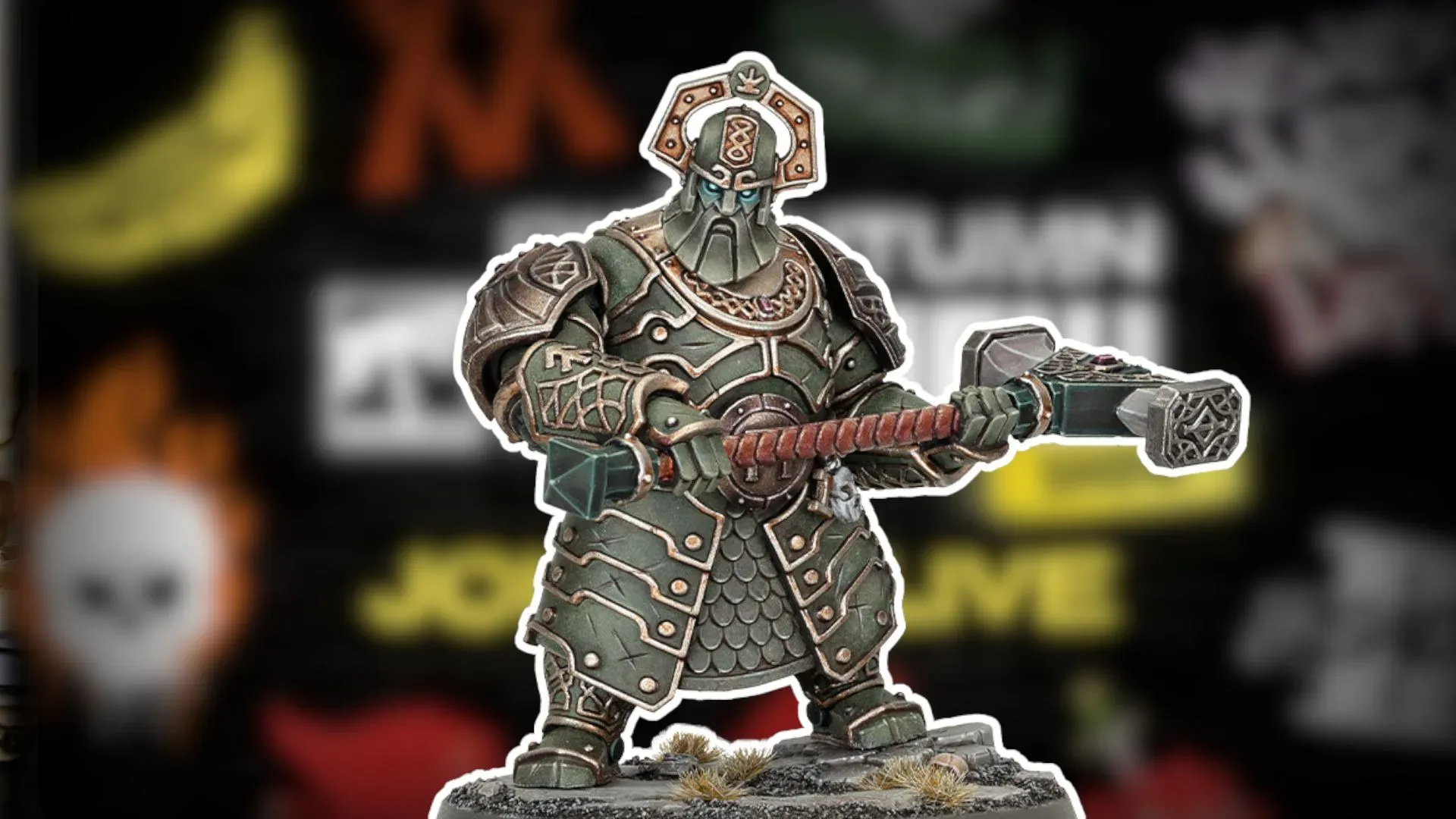
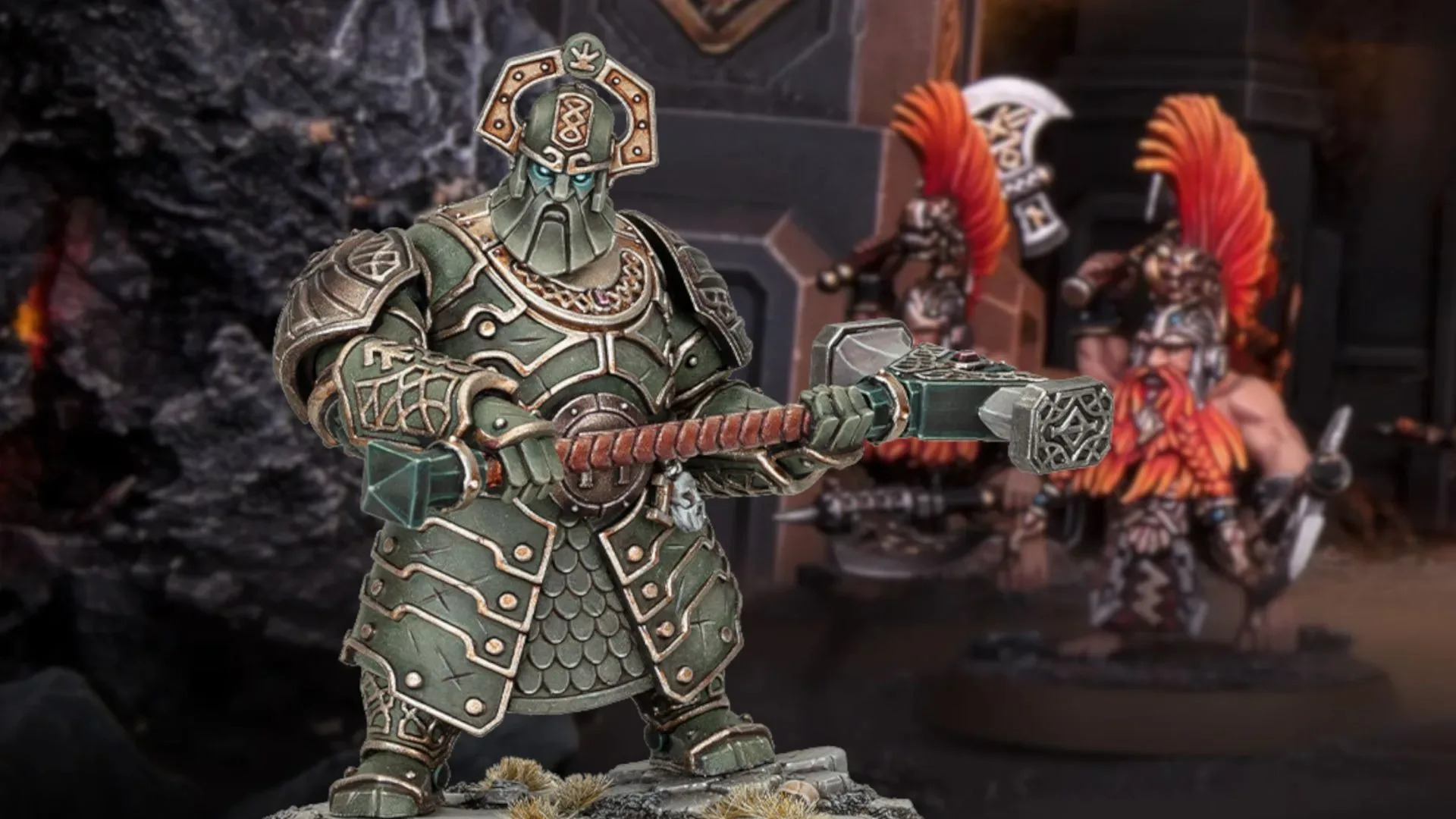
The headline reveal for Age of Sigmar is the Khazalite Holds, a new duardin army built around an overtly classic fantasy-dwarf identity. The faction’s aesthetic combines heavy armor, mountain-hold imagery, rune magic and a Viking-influenced visual language. Its infantry appears designed to read as exceptionally durable, with armor substantial enough to make even ordinary warriors look like mobile fortifications.
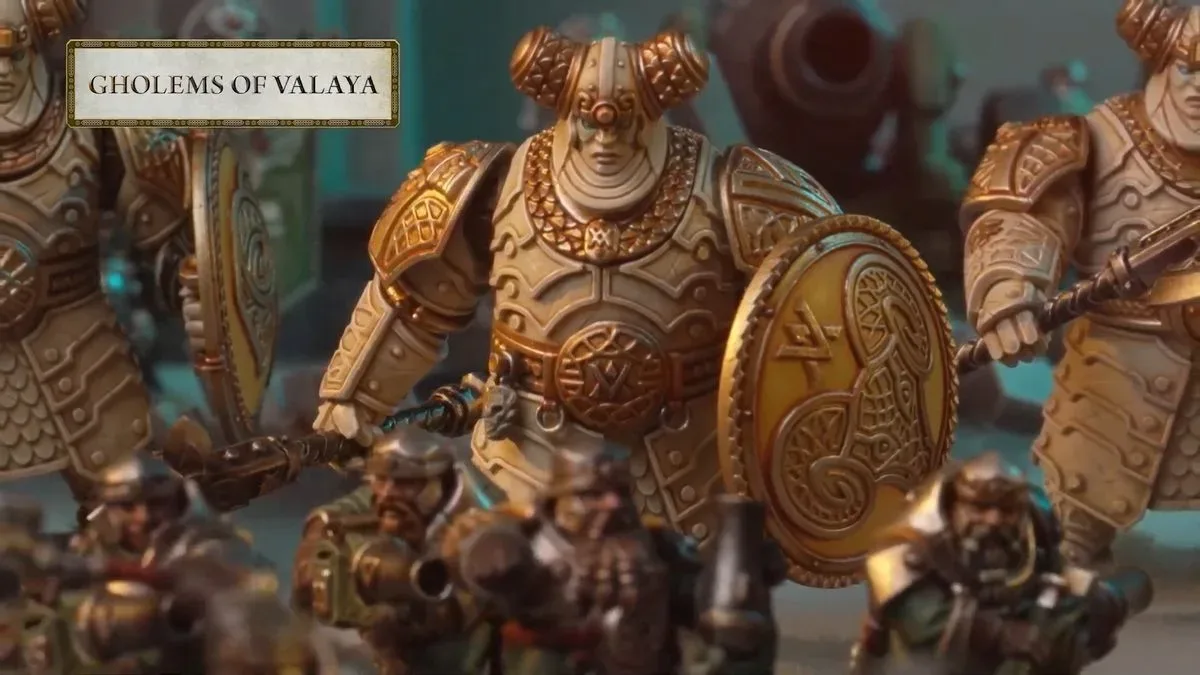
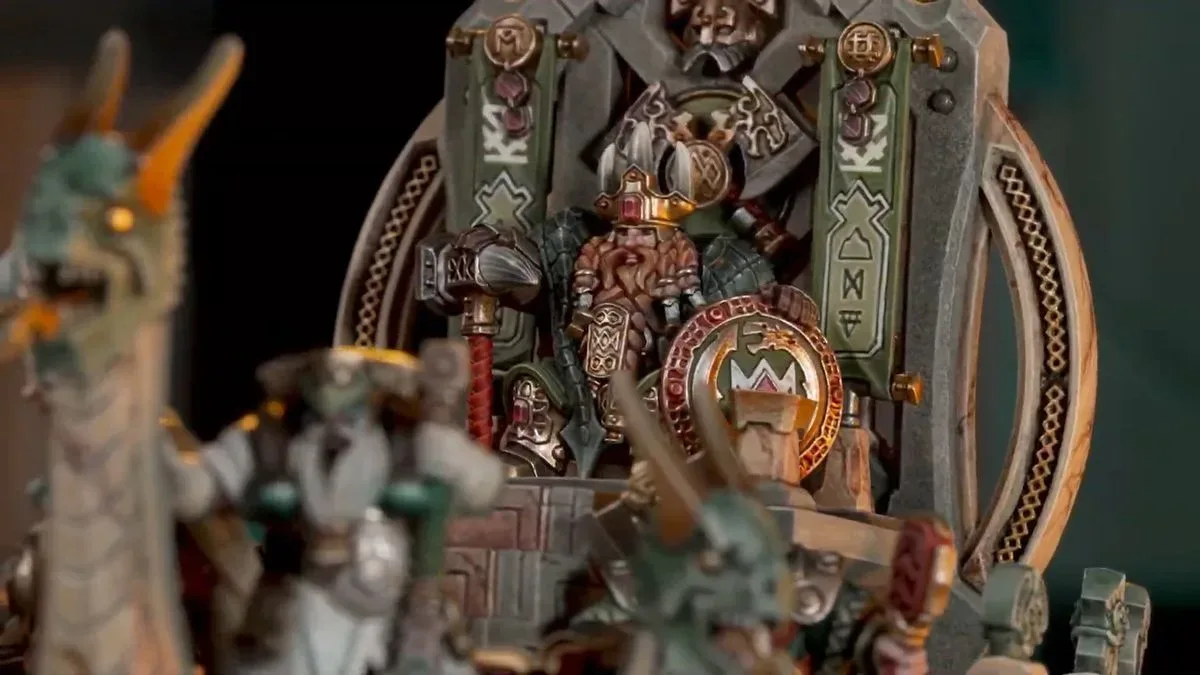
The range is not limited to foot troops. Previewed miniatures include Gholem constructs, artillery such as cannons and mortars, Valayan Guardians, and a high king whose throne is depicted moving through stone. A Gholem is presented as a rune-covered automaton animated through forgecraft, magic, or both. That matters because it gives the army a visual centerpiece beyond conventional dwarf infantry and artillery: the Holds can field machines that look rooted in craft, carved stone and religious tradition rather than generic mechanical technology.
For more context, explore ‘NAZA’ Sets Sept. 30 U.S. Theatrical Start With a Self-Distributed Rollout.
An alternate Gholem build is dedicated to Valaya, a duardin god. The Valayan Guardians similarly suggest a distinct religious element within the army, using a silhouette compared with a dwarven interpretation of Viking Valkyries. Those details make the Khazalite Holds sound broader than a simple return to shield walls and cannons. The faction appears to have space for warriors, priests or guardians, enormous constructs, siege weapons and characterful leaders in the same visual framework.
The most consequential detail is that the range incorporates the Fyreslayers. That creates a reasonable question over the Fyreslayers’ future as a standalone Age of Sigmar force. The preview supports the possibility that they are being folded into the Khazalite Holds, but it does not definitively establish the full rules, roster, or publication structure. By contrast, the Kharadron Overlords appear set to remain separate.
For players, the practical implication is simple: anyone drawn to a more traditionally armored duardin army now has a clear faction to watch. Existing Age of Sigmar duardin styles have leaned toward airborne steampunk adventurers in the Kharadron Overlords and lightly armored berserkers in the Fyreslayers. Khazalite Holds appear intended to occupy the heavily armored, subterranean, rune-and-artillery niche directly.
What the Custodes reveal means for 40K and Horus Heresy
The Adeptus Custodes also received a substantial slice of the showcase. New Aquilon Terminators are coming for both Warhammer 40,000 and Horus Heresy, although their available versions and options will differ by game. For 40K, the preview indicated that players can equip them with bolters alongside either gauntlets or power talons.
Terminators are elite troops defined by exceptionally heavy personal armor, and the Custodes are already portrayed as an elite force with a very low model count. Combining the two should make Aquilon Terminators a visually and thematically natural fit: very few figures, each intended to carry disproportionate battlefield importance. The stated tradeoff remains central to the faction’s identity. Individual Custodians may be presented as comparable in stature to Space Marine heroes, but an army relying on them will have far fewer bodies to claim ground or absorb losses.
A new 40K Custodes Codex is also on the way. A codex is the faction rulebook that collects army rules, unit profiles and related options for Warhammer 40,000. The preview suggested that many existing units are staying, while much of the Custodes material introduced for Horus Heresy over the previous year may also be moving into 40K. That is potentially important for collectors and army planners, but the short presentation did not make every transfer completely clear.
Meanwhile, Horus Heresy is receiving a Custodes update book that places the Emperor’s bodyguards against the daemons of Slaanesh. A new Custodes Combat Patrol box for Warhammer 40,000 was also shown. Its contents appear to include basic Guard Sodality troops, a Shield Captain, a large dreadnought and flying Venatari Sodality. Combat Patrol is Warhammer 40,000’s smaller-scale game format, built around boxed forces and tailored rules. The suggested twist here is that the box can support two Combat Patrols because Custodes forces use so few, individually powerful models.
That could make the set notable for two groups: newcomers who want a compact entry point and existing Custodes players looking for a concentrated bundle of elite units. Exact rules, release timing and final contents were not detailed in the information shown, so prospective buyers should treat the preview as a direction of travel rather than a final army-building checklist.
Necromunda is heading into tabletop RPG territory
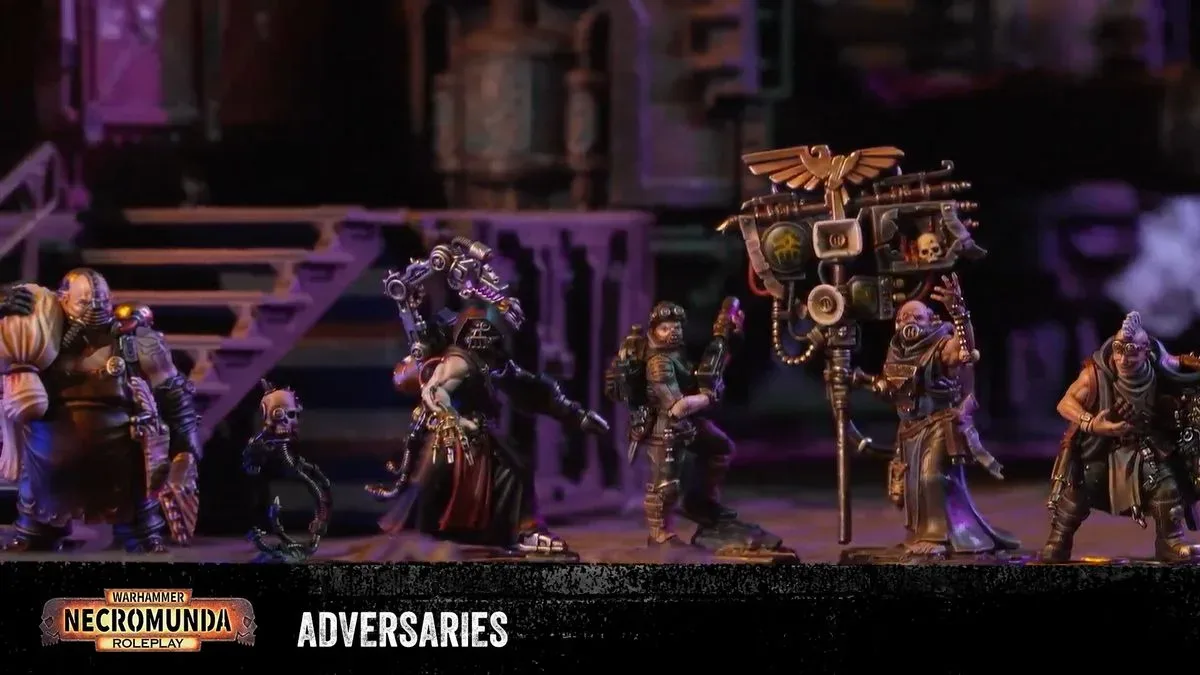
Perhaps the most unexpected project is a Necromunda tabletop RPG. Necromunda is the underhive setting associated with the grim industrial world of the same name in the Warhammer 40,000 universe. The announced game is described as a Dungeons & Dragons-style tabletop role-playing experience, rather than the skirmish-focused miniatures battles usually associated with Necromunda.
The core set is expected to include new miniatures, a substantial rulebook, a game master screen, maps, character sheets and what appears to be a pre-written adventure. A game master is the player who runs the scenario, portrays the world and adjudicates rules; a pre-written adventure is a prepared story framework designed to get a group playing without requiring the game master to create every encounter and location from scratch.
That format is an especially strong fit for Necromunda’s setting. The underhive is built around gangs, industrial hazards, desperate inhabitants and criminal rivalry, all of which naturally support player characters making decisions beyond a conventional battlefield objective. The promise is not merely that players will field figures against one another, but that a party can be dropped into the setting’s dangerous underworld and navigate a structured narrative together.
Another point of interest is that this RPG appears to be handled directly by Warhammer rather than by an external tabletop-RPG partner. The announcement alone does not explain how that will affect the system’s rules, ongoing support, or compatibility with existing Necromunda material. It does, however, make this more than a standard miniature release: it is a different way to engage with one of the setting’s most character-driven corners.
Tomb Kings get new plastic troops, heroes and cavalry
Warhammer: The Old World is receiving a major Tomb Kings refresh with brand-new plastic miniatures across troops, heroes, cavalry and more. The Tomb Kings are the Nehekharan undead, a force defined by skeletal warriors and ancient rulers. Plastic is significant for a core range because it is typically used for multipart kits and broad army-building units, making the announcement especially relevant to players considering a new force rather than only a single collector’s model.
The models shown were described as more dynamic than the much older figures they replace. That is an aesthetic observation, not a rules claim, but it speaks to why a refresh can matter even when the faction itself is familiar. New poses, redesigned cavalry and updated heroes can make an established army feel coherent on a modern tabletop while offering a cleaner entry point for new hobbyists.
The announcement does not provide a complete release schedule or full breakdown of every kit. Still, the scope—troops, characters and mounted units—indicates a range-wide initiative rather than a lone commemorative miniature.
Blood Bowl gets Night Goblins, while Astartes 2 has a month
Blood Bowl will receive a Night Goblin team packed with squigs and trick-oriented greenskins. Blood Bowl’s deliberately absurd mix of fantasy armies and gridiron spectacle has long made it fertile ground for eccentric sculpts, and this team continues that tradition. One previewed figure even uses a squig as a trumpet, which is exactly the level of sporting professionalism expected from this universe.
On the screen side, Astartes 2 is set to arrive on Warhammer+ in December 2026. The animation features the Death Watch, a Space Marine organization associated with fighting alien threats. No exact day, episode count or release format was supplied, but the December window gives viewers a firm month after the project’s appearance in the showcase.
Warhammer Tone Pro organizes 150 paints by value
The hobby reveal is Warhammer Tone Pro, a range of 150 new paints. It consists of 30 colors, each offered in five tones. Tone 1 is the darkest version of a color and Tone 5 the lightest. This is essentially an attempt to make a key painting concept—value, meaning relative lightness and darkness—more immediately navigable in a paint rack.
For miniature painters, moving from darker tones in recessed or shadowed areas toward lighter tones on raised edges is one route to producing readable contrast on a small model. A numbered progression could make choosing those steps more straightforward, particularly for painters who know the effect they want but do not want to mix every intermediate shade manually. The preview specifically emphasized flow, pigmentation and coverage, including claims intended to address traditionally challenging colors such as white and yellow.
Two accompanying mediums were shown. Shade Medium is intended to turn any of the 150 paints into a shade. In miniature painting, a shade is a thinner paint mixture used to settle into recesses and reinforce shadows. Blending Medium is intended to keep paint workable for longer, which can help painters make more gradual transitions between tones before the paint dries.
New drybrushes with tapered edges are also planned, including smaller versions for tight details. Drybrushing involves putting a small amount of paint on a brush, removing most of it, then lightly passing the remaining pigment over raised texture. It is commonly used to pick out edges, fur, stone, cloth texture and other relief details. A more tapered brush shape may give painters greater control around crowded surfaces, though its practical performance will depend on the final tools themselves.
One major question remains unanswered: whether Tone Pro replaces any part of the existing paint range. The reveal establishes the new line’s scale and organization, but not its relationship to every current paint. Until further information arrives, hobbyists should not assume that familiar colors are being retired.
A showcase built around multiple ways to play
The common thread across the reveals is breadth. Khazalite Holds give Age of Sigmar a fresh duardin identity; the Tomb Kings update reinforces The Old World’s army-building appeal; Custodes additions reach two different war games; and Necromunda is expanding into a role-playing format. Then Tone Pro speaks to the practical hobby process that connects all of those miniature systems.
There are still important gaps around dates, rules and final product details. Yet the preview provided enough to establish the shape of the coming releases. The biggest immediate questions concern the Fyreslayers’ status within the Khazalite Holds, how extensively Horus Heresy Custodes units will enter 40K, and how Warhammer’s internally handled Necromunda RPG will work at the table. For miniature gamers, those are not small footnotes—they will determine how these striking announcements translate from reveal images into actual games and projects.