‘NAZA,’ a documentary from Yuval Abraham and Rachel Szor, is scheduled to begin its U.S. theatrical release on Sept. 30 at IFC Center in New York City. The release will then move to Los Angeles and additional markets on Oct. 9, with a wider national expansion planned afterward.
The release plan is notable because the film is not being sold to a conventional studio or independent distributor. Instead, its producers and mk2 have assembled U.S. and international partners and consultants to coordinate the rollout. In plain terms, the people behind the film are retaining a direct role in getting it booked into theaters rather than handing those responsibilities to a single distribution company.
A theater rollout built outside the usual distributor model
For an audience member, a theatrical rollout is the schedule by which a movie reaches cinemas: usually one city or a limited set of theaters first, then more locations if bookings and plans permit. ‘NAZA’ follows that basic staged pattern, beginning exclusively in New York before reaching Los Angeles and other markets.
What differs is the route used to organize it. A traditional distributor commonly acquires the rights to release a film and manages tasks including theater bookings, marketing and release strategy. Here, the film’s team is pursuing those practical objectives through a self-distribution approach supported by outside partners and consultants.
That does not mean the release lacks a coordinated plan. The announced dates provide a clear first phase:
- Sept. 26: North American premiere at the New York Film Festival.
- Sept. 30: Exclusive theatrical opening at IFC Center in New York City.
- Oct. 9: Expansion to Los Angeles and other markets.
- Afterward: A planned national rollout.
The sequence places the New York festival premiere immediately ahead of the commercial theatrical start. It also gives the film a defined initial venue rather than an unspecified opening. Details on the complete theater list, the exact markets joining the Oct. 9 expansion, and the eventual nationwide timetable have not been provided.
What ‘NAZA’ examines
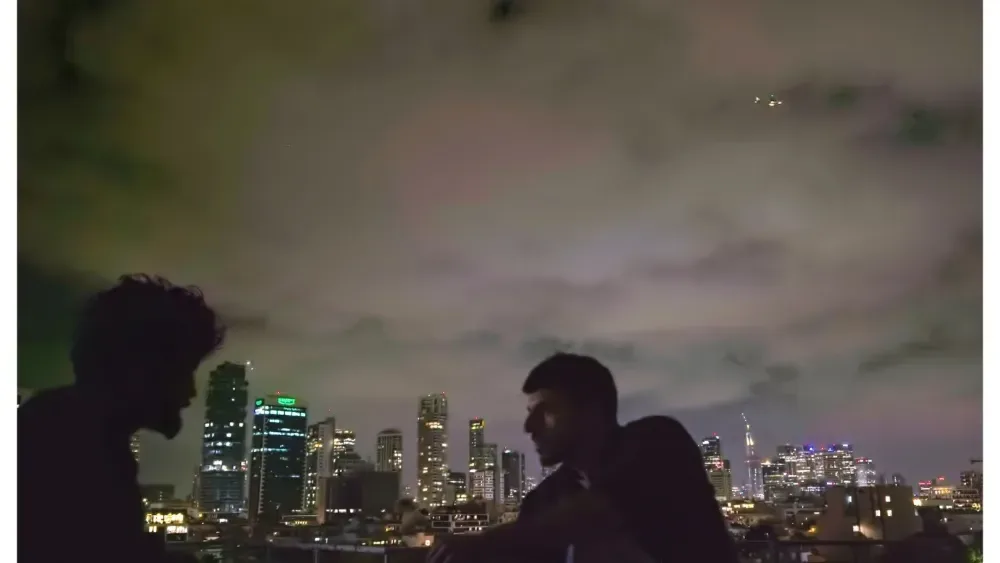
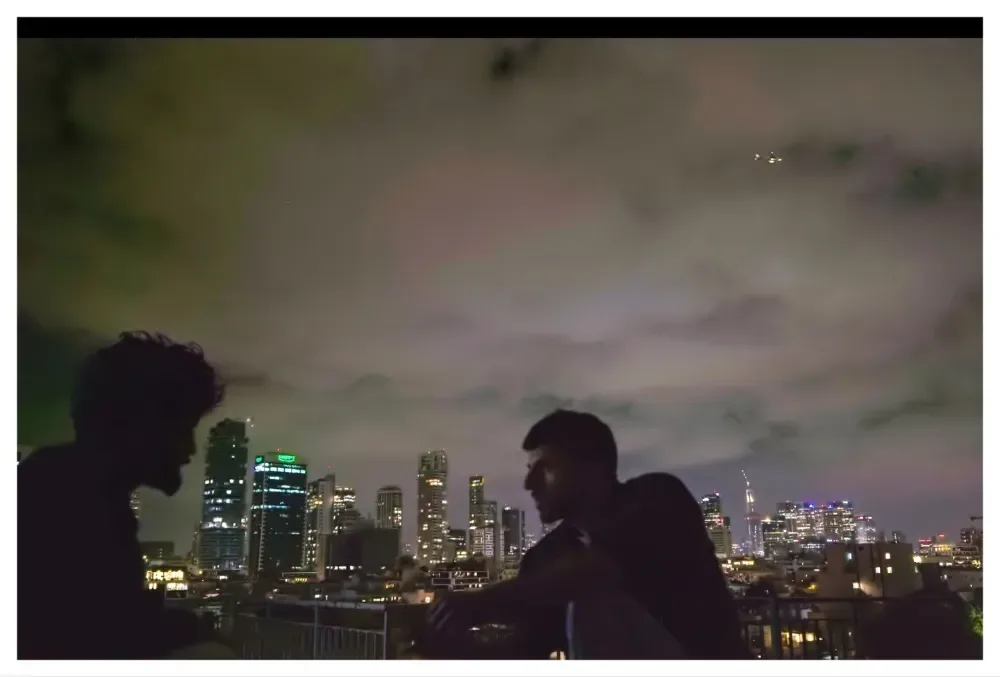
Shot at night from rooftops in Tel Aviv, ‘NAZA’ examines Israeli military systems involved in airstrikes in Gaza. Its synopsis characterizes those systems as part of Israel’s calculated mass killing of Palestinian civilians in Gaza. That is the film’s stated perspective and central argument, rather than a neutral description of a subject without an authorial point of view.
The title uses an acronym that Israeli intelligence applies to the expected number of civilians killed in an airstrike. The word is therefore not presented merely as a poetic title or a character name; it points directly to the film’s focus on how civilian casualties are anticipated, discussed and handled within military decision-making.
Abraham and Szor have said they made the film because they felt an obligation, as Israeli filmmakers and journalists, to investigate systems for which they say their country is responsible. They described filming military personnel at night over a three-year period and questioning how one group can permit the dehumanization of another.
The directors also draw a distinction between reporting and documentary filmmaking. They said that material uncovered during the reporting process was published in the months after the Oct. 7 attacks through collaborations with reporting partners. In their account, the film provides space to address not just the words that are spoken within the system, but omissions and silence as well. That is an important framing point: ‘NAZA’ is designed as an investigative documentary, while also using the form to explore what recorded statements may leave unsaid.
Why the language around the film matters
‘NAZA’ arrives carrying descriptions such as acclaimed and controversial, as well as forceful language in its own synopsis. Those labels reflect the seriousness and contested nature of the subject, but viewers should recognize the difference between three things: the film’s claims, the directors’ interpretation of the material they gathered, and independently established findings beyond the film itself.
Documentaries can present reporting, testimony, observation and argument in the same work. An investigative documentary’s strength may be the way it connects those elements into a comprehensible narrative; its perspective and selection of material are also part of what the audience is being asked to evaluate. The announced theatrical release gives U.S. viewers the chance to engage with ‘NAZA’ in the setting its makers have chosen for the launch.
The filmmakers’ previous U.S. release offers a useful comparison
Abraham and Szor previously directed the Oscar-winning documentary ‘No Other Land.’ That film also reached U.S. audiences without a conventional distributor, using Cinetic for its release and Michael Tuckman Media for bookings. The earlier model does not establish exactly how ‘NAZA’ will operate, but it shows the directors have already brought a major nonfiction film to U.S. theaters through a structure outside a standard distributor acquisition.
For ‘NAZA,’ the involvement of a production partner and mk2, alongside a group of consultants and partners, suggests a collaborative version of self-distribution rather than a solitary do-it-yourself release. The distinction matters. “Self-distributed” can describe many different arrangements, from a filmmaker personally booking cinemas to a producer-led release supported by specialist organizations. The available information supports the latter description here.
The film won a special jury prize at the recent Venice Film Festival, adding a significant festival recognition before its North American premiere. Festival awards do not determine a film’s theatrical reach by themselves, but they can help establish visibility for a documentary as it moves from a premiere circuit into public screenings.
A crowded October for high-profile nonfiction releases
‘NAZA’ enters theaters during a period that also includes other prominent nonfiction releases. Alex Gibney’s ‘Musk’ is set to open Oct. 9, while Nathan Fielder and Lance Oppenheim’s Elizabeth Holmes documentary ‘You Can See Everything’ is set for Oct. 16.
Those dates underline how varied theatrical documentaries can be. The three films are connected by format, not by subject: ‘NAZA’ is positioned as an investigation into the systems behind civilian deaths in Gaza; ‘Musk’ concerns Elon Musk; and ‘You Can See Everything’ concerns Elizabeth Holmes. For cinemas and audiences, that means October’s documentary conversation will not be confined to one kind of story or one audience expectation.
Documentary releases can also have a different path from broad commercial fiction openings. A staggered expansion lets a film build its theatrical footprint over time, and the first announced venues become especially relevant to viewers who want to see it early. The currently confirmed path for ‘NAZA’ is New York first, followed by Los Angeles and other markets, before the planned national phase.
For more coverage of upcoming film releases and shifting theatrical calendars, see the newly dated ‘Crawl’ sequel and the move for ‘Heart Eyes 2’.
Production credits and what to watch for next
‘NAZA’ is produced by a news organization involved in the underlying reporting and by James Wilson of JW Films. Jonathan Glazer is an executive producer. In film credits, a producer generally helps bring a project into being and oversee major production responsibilities, while an executive producer role can involve high-level creative, financial or strategic support. Specific divisions of responsibility for this project have not been detailed.
The main practical question now is how quickly the announced New York opening turns into a readily accessible nationwide run. The plan states that the movie will expand nationally, but it does not yet specify every city, theater or date. People outside New York should therefore treat Oct. 9 as the start of a broader expansion, not as a guarantee that the film will be playing locally that day.
What is clear is that ‘NAZA’ has a defined U.S. theatrical starting point and an unconventional distribution structure behind it. With a Venice special jury prize, a New York Film Festival premiere and a release plan that bypasses a standard distributor sale, the film is arriving as both a major nonfiction title and an example of filmmakers and producers constructing their own route to theaters.