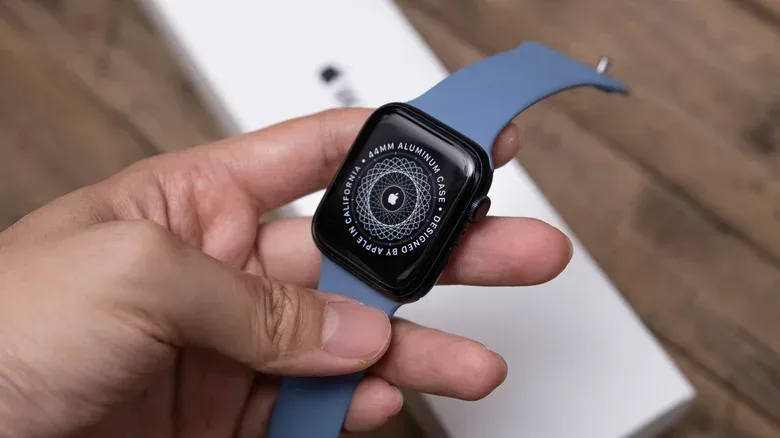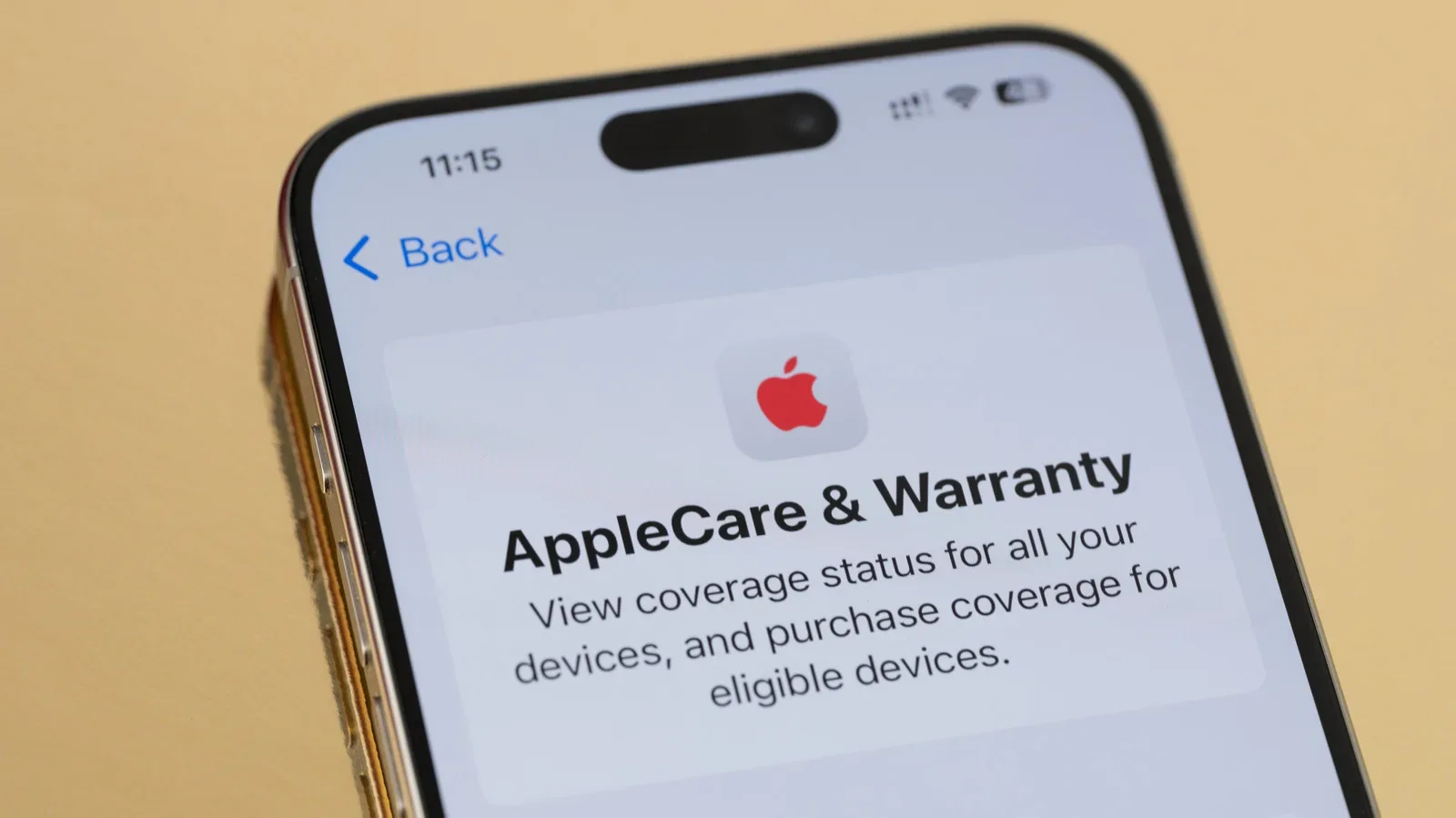
The Apple Watch SE 3 makes AppleCare+ with Theft and Loss look like an easy add-on. At $2.99 per month or $29.99 per year, the coverage costs less than many small recurring subscriptions and includes unlimited accidental-damage incidents, battery service under a specific condition, and up to two theft or loss claims per year.
That headline price is not the same thing as all-in protection, however. A damaged watch still carries a $69 service fee per incident. A theft or loss replacement carries a $119 deductible. Battery service is free only once the battery retains less than 80% of its original capacity. The useful question is therefore not simply whether $2.99 feels affordable. It is whether the combined premiums and claim fees make sense for the way a particular owner uses, keeps and eventually replaces their watch.
For an Apple Watch SE 3 owner, AppleCare+ is best understood as a way to limit the financial sting of several specific problems rather than a promise that every outcome will be cheaper. That distinction matters especially for a watch with a $249 starting price.
What AppleCare+ with Theft and Loss covers
The standalone plan for the Apple Watch SE 3 covers unlimited incidents of accidental damage. “Unlimited” removes a numerical cap on accidental-damage claims, but it does not remove the $69 charge applied to each incident. It is coverage with a lower, more predictable repair cost, not an unlimited free-repair program.
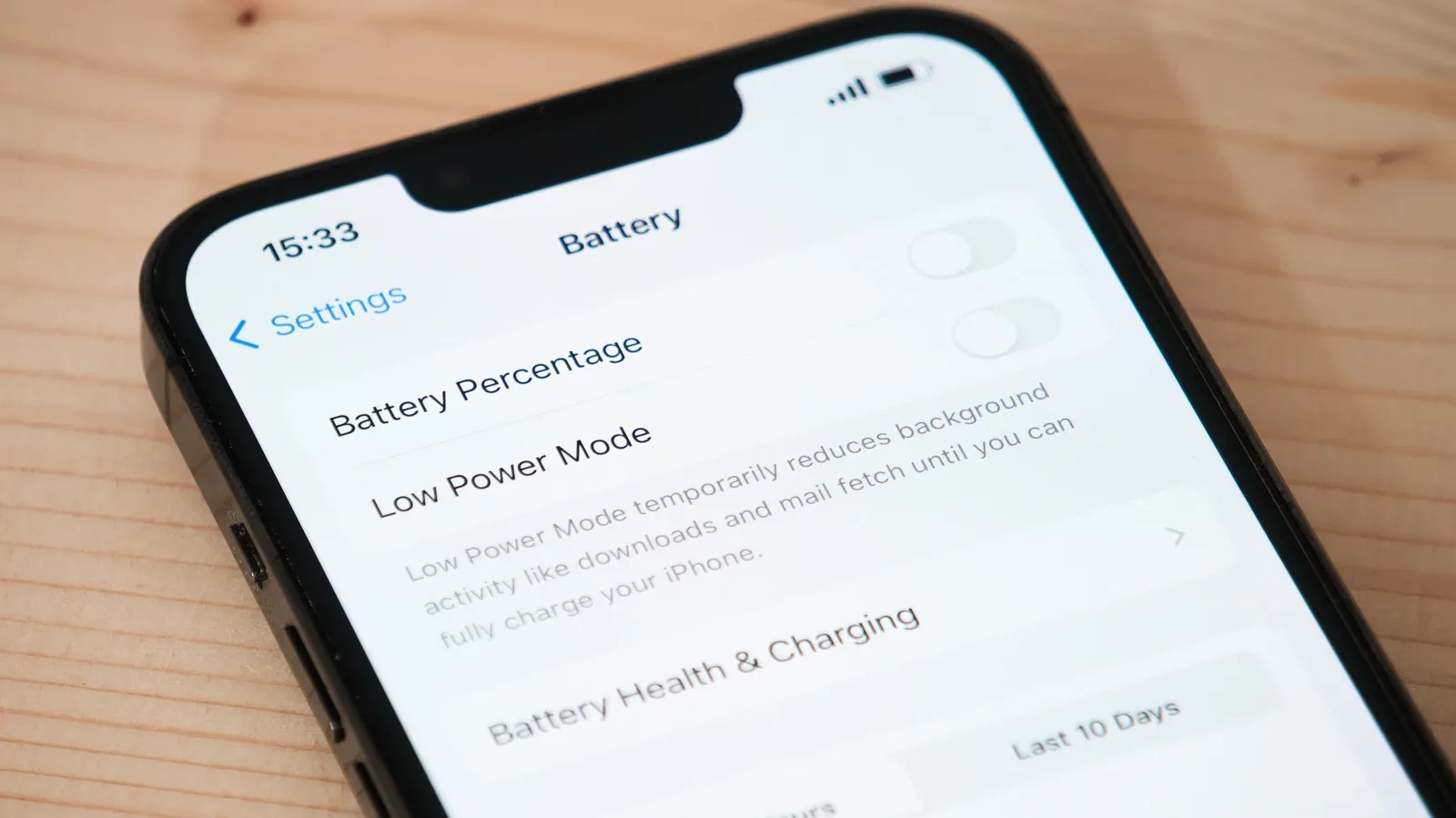
The plan also includes battery service when the battery capacity falls below 80% of its original capacity. Battery capacity, often called battery health, is a measure of how much charge a battery can hold compared with when it was new. The threshold is important: a watch that is still at 80% or above does not qualify for the included battery service simply because the owner would prefer longer endurance.
Theft and loss protection allows up to two claims each year, with a $119 deductible for each replacement. A deductible is the portion paid by the customer when making a covered claim. In practical terms, the plan can make an expensive and disruptive loss easier to recover from, but the replacement is not a $0 transaction.
There is a further operational condition that is easy to overlook until it becomes urgent. Find My must be enabled when the watch is lost or stolen, and it must remain enabled throughout the claims process. Anyone paying for Theft and Loss coverage should treat that setting as part of the product’s requirements, not a feature to turn on only after a problem occurs.
Apple’s warranty and AppleCare+ solve different problems
Every Apple Watch already comes with a one-year warranty for manufacturer defects. That standard warranty matters because it means AppleCare+ is not the only protection a buyer has on day one. But its role is narrower: it addresses defects attributable to the product or its manufacture.
AppleCare+ adds the categories that are generally more connected to daily life: accidental damage, qualifying battery service, and—when selecting this version of the plan—theft or loss. A cracked or otherwise damaged watch from an accident is the kind of expense the add-on is designed to soften. A defective unit within the standard warranty period is a separate situation.
This difference is crucial when deciding whether to buy coverage. Someone expecting AppleCare+ to serve primarily as an extension of defect protection may be paying for a risk already partly addressed by the included warranty. Someone who expects their watch to encounter impacts, demanding work or regular sports use is evaluating a more distinct benefit.
Run the numbers before treating the subscription as trivial
At the annual rate, three years of AppleCare+ with Theft and Loss totals $89.97. Paying monthly for the same three-year span totals $107.64, based on $2.99 each month. Annual billing is therefore cheaper over that period, though either approach is only the premium cost before a claim.
Add one accidental-damage incident to three years of annual premiums and the total becomes $158.97, or roughly $159. Add one theft or loss claim instead and the combined total reaches $208.97, or roughly $209. Those figures are not necessarily bad value; they show why the plan cannot be judged on subscription price alone.
The SE 3 starts at $249. Three years of annual premiums plus one theft or loss deductible is therefore a substantial share of the starting price of the watch itself. This does not mean a claim is a poor choice. It means the owner should consider the watch’s age, their desire to keep it, and whether they would rather direct comparable spending toward a newer device.
Repair prices without coverage set the comparison point
For the GPS Apple Watch SE 3, battery service without AppleCare+ costs $99, while other damage costs $199. For the cellular model, other damage repair rises to $229. There is no theft option without coverage.
Those numbers make the accidental-damage calculation clearer. A $69 covered accidental-damage service charge is lower than the $199 non-covered damage price for the GPS model and the $229 price for the cellular model. But premiums need to be included when considering the full ownership period. The plan is more attractive to people who see a meaningful chance of damage; it is less compelling to owners whose watches are likely to remain unharmed.
Battery coverage is more conditional. The $99 out-of-coverage battery price is avoided only if the watch crosses below the 80% battery-capacity threshold while covered. An owner who replaces their watch every year or two is less likely to get practical value from that part of the plan, because the battery may not degrade to the qualifying point in that time. Long-term owners have more reason to weigh it, while still recognizing that no source-supported estimate guarantees when a given battery will pass that threshold.
Who should seriously consider the plan?
Use environment is the strongest reason to buy. An owner working in construction or a trade, or someone whose regular routine puts the watch around conditions likely to cause substantial damage, has an easier case for paying to reduce repair risk. The same applies to people who frequently wear the watch for sports or other activities where impacts and accidents are more plausible.
Theft and loss coverage has its own appeal because replacing a missing watch without it is an entirely different financial event than arranging a repair. That value is greatest for someone who would find an unexpected replacement difficult to absorb—and who is prepared to keep Find My enabled continuously as required.
There is also a budgeting argument. Some buyers would rather know the claim fee they could face than confront a potentially larger repair bill without warning. AppleCare+ does not ensure that an owner spends less over time. It can, however, exchange an uncertain larger expense for recurring premiums and defined charges if a covered problem occurs.
When skipping it can be the rational choice
Owners with a low-risk routine and the means to replace or repair the watch out of pocket may reasonably decline the coverage. The money can be set aside instead. This approach will not help if an accident occurs early, but it avoids paying premiums when no claim is made.
Frequent upgraders should be particularly skeptical of the battery benefit. If the plan is being retained principally for a future battery replacement, but the owner usually changes watches within one or two years, that scenario may never materialize. Equally, damage that occurs near the point an owner planned to upgrade may be a reason to reconsider repairing an older unit at all.
The decision is also different for a person who accepts the $199 GPS damage cost or $229 cellular damage cost as manageable. If those repair figures would be unpleasant but survivable, self-funding may be preferable. If they would significantly disrupt a budget, the plan’s lower covered-damage fee can be more valuable even without a guarantee of savings.
AppleCare+ is a risk-management purchase, not a prediction that a watch will break, disappear or need a qualifying battery replacement.
Standalone AppleCare+ versus AppleCare One
For one Apple Watch SE 3, standalone AppleCare+ with Theft and Loss is the least expensive Apple Watch option described here: $2.99 monthly or $29.99 annually. Enrollment must occur within 60 days of purchasing the watch.
AppleCare One is a separate monthly bundle beginning at $19.99 for one individual and up to three devices, with each additional device costing $5.99 per month. On the supplied figures, it does not become a cheaper way to add an SE 3 if a person already has three devices on the plan: $5.99 is more than the watch’s $2.99 standalone monthly rate. It may be relevant for people already using the wider plan, but it is not automatically the economical answer for this watch.
AppleCare One Family costs $49.99 monthly for up to six family members and covers their eligible devices, with newly purchased Apple products added automatically. Its value depends on the number of people and devices already participating; it should not be evaluated as though it were a watch-only plan.
Unlike the 60-day standalone enrollment window, active AppleCare One plans can generally accept devices less than four years old, although a condition check will likely be required. That flexibility may matter for households organizing several existing devices. For broader Apple ecosystem context, see Apple HomeView’s approach to iPhone and iPad apps on a household screen.
A practical decision checklist
- Estimate your exposure: Consider work, sports and everyday situations in which the watch could be badly damaged, lost or stolen.
- Include claim fees: Budget for $69 accidental-damage service and a $119 theft-or-loss deductible, not just the subscription.
- Compare against non-covered repair: GPS damage is $199 without coverage; cellular damage is $229; battery service is $99.
- Think about ownership length: A qualifying battery replacement is more relevant for a long-term owner than for someone who upgrades quickly.
- Protect the theft-and-loss claim path: Keep Find My enabled from before any loss through the entire claim process.
- Choose billing deliberately: Annual payment is cheaper than monthly across three years using the listed rates.
- Check the enrollment deadline: Standalone AppleCare+ requires enrollment within 60 days of purchase.
For a high-exposure Apple Watch SE 3 owner, AppleCare+ with Theft and Loss can be a sensible way to control repair and replacement risk. For a careful owner who upgrades often or can comfortably pay an occasional repair bill, the math may favor skipping it. The modest monthly number is real, but so are the conditions, deductibles and opportunity cost of paying it year after year.