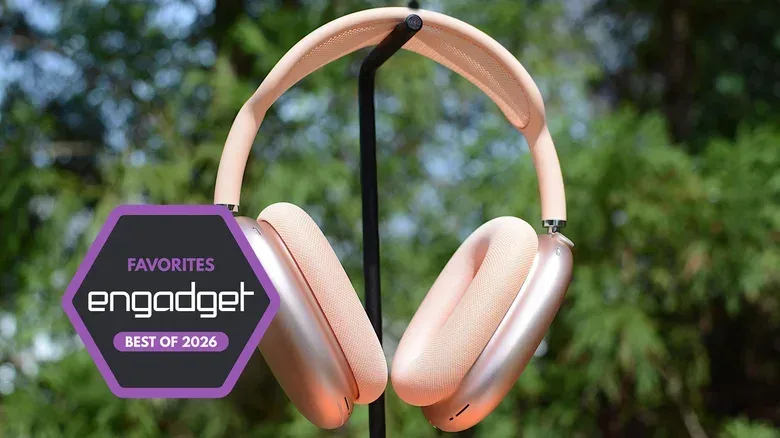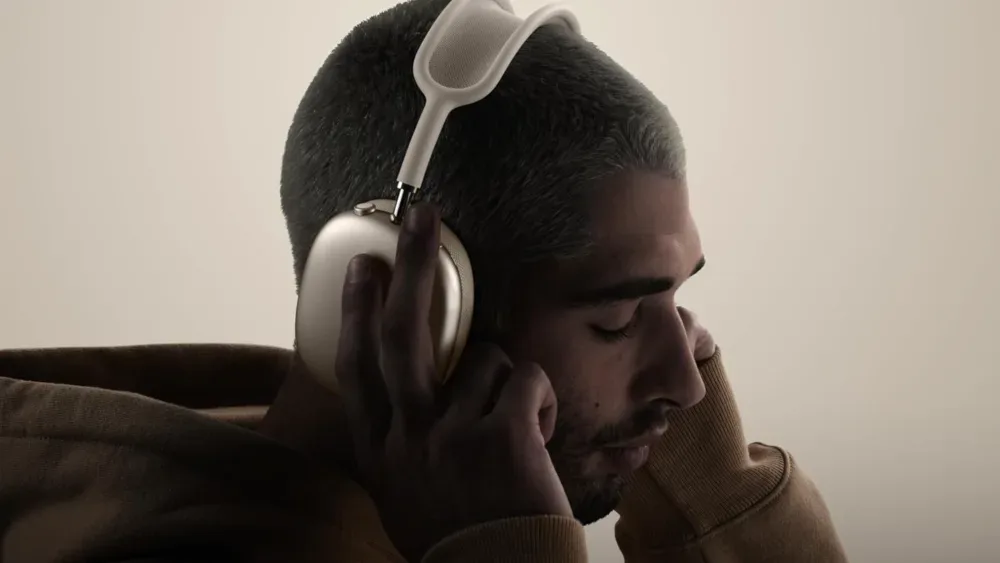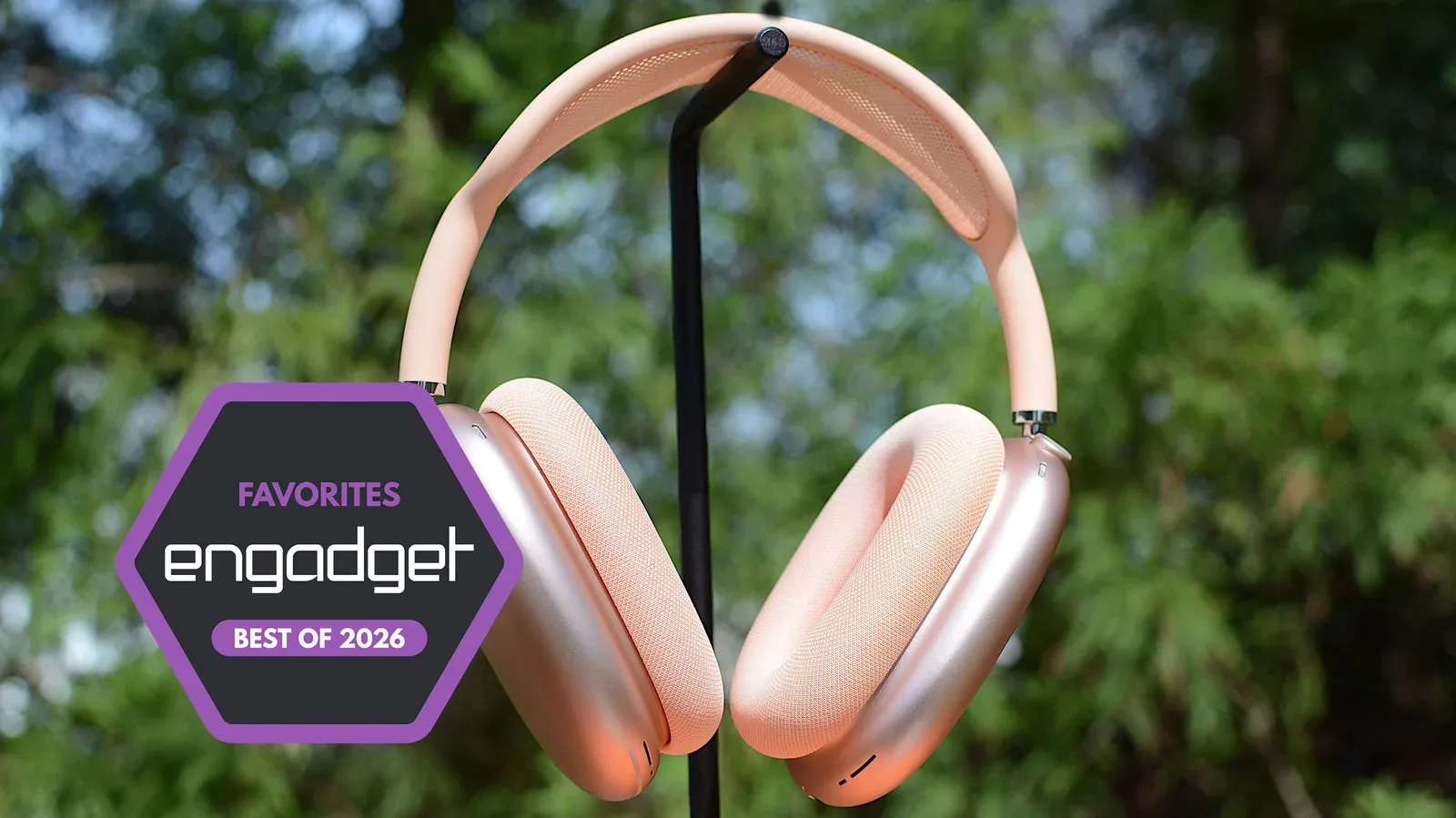
Apple’s AirPods Max sit in an awkwardly tempting part of the headphone market: they offer a premium-looking over-ear design and a long list of Apple-centric conveniences, but their $549 price places them far above what many people need to spend for capable wireless listening. Personalized Spatial Audio, Adaptive EQ, Live Translation, Adaptive Audio, Conversation Awareness and lossless audio through USB-C make a substantial feature list. Yet much of the appeal is strongest for people already living inside Apple’s device ecosystem.
That distinction matters. A less expensive pair does not need to recreate every Apple-only interaction to be a smart purchase. It needs to do the jobs a buyer actually has: make music enjoyable, remain comfortable through a long session, reduce unwanted noise when needed, deliver reliable calls, and last long enough between charges. The alternatives below split those priorities in notably different ways, from a sub-$100 basic pair to fitness-focused Beats and headphones with a replaceable battery.
The first rule is simple: decide which AirPods Max benefits are genuinely non-negotiable before treating price as the only stat. For one person, that may be automatic switching among Apple devices. For another, it is effective active noise cancellation on a commute. For someone who trains regularly, sweat resistance and replaceable cushions could outrank high-end materials. Once the requirement is clear, the savings can be considerable.
What buyers give up when they move away from AirPods Max
The most obvious compromise is not necessarily audio quality. It is ecosystem integration. The AirPods Max feature deep connections to iOS and Apple hardware, while many competing headphones take a broader Bluetooth-first approach. That is not automatically worse, particularly for people who use a mixture of phones, computers and consoles, but it changes the day-to-day experience.
Several of Apple’s headline functions are also specific to its hardware and software environment. Personalized Spatial Audio is intended to make sound feel more spatially arranged and tailored to the listener. Adaptive EQ adjusts audio tuning, while Adaptive Audio and Conversation Awareness are tools designed to react to changing listening conditions and conversations. A rival may have its own spatial-audio mode or customization app, but buyers should not assume that a similar-sounding label means identical behavior.
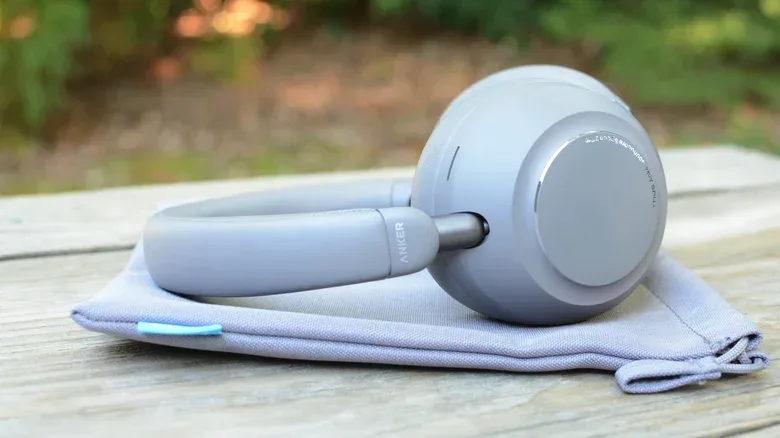
There is also a design trade-off. Spending less commonly means more plastic, as with the Soundcore Space 2 Pro, rather than the more premium presentation associated with Apple’s model. Materials affect perception and durability, but they can have a welcome practical consequence: a lighter headset can be more pleasant over extended sessions. The useful comparison is not “luxury versus cheap.” It is whether a headset’s weight, controls, battery specification and noise management suit the owner better than a more polished finish would.
Anker Soundcore Space 2 Pro: the aggressive value play
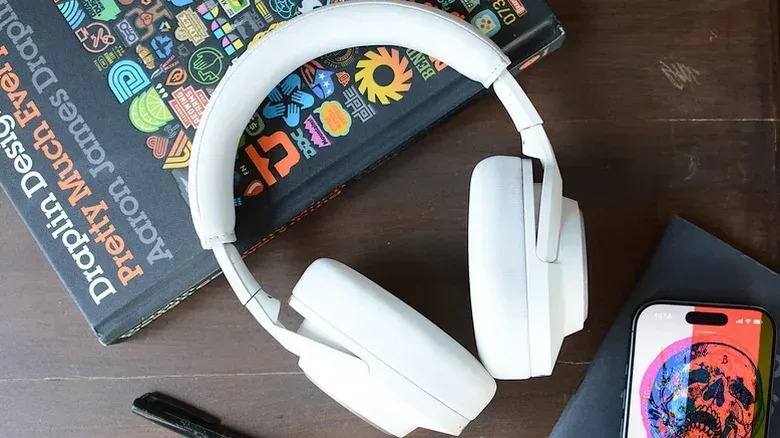
At $200, Anker’s Soundcore Space 2 Pro costs less than half the $549 benchmark, making it the clearest choice for someone whose aim is to retain a modern wireless feature set while sharply cutting the bill. The price does mean accepting a refined but decidedly plastic build and letting go of deep iOS integration. Those are meaningful compromises, but neither prevents the core headphone experience from working well.
The Space 2 Pro is Soundcore’s first headphone to use the company’s Thus AI chip. The chip handles active noise cancellation, voice performance for calls and voice controls, plus HearID customized sound. Active noise cancellation, or ANC, uses the headphone’s microphones and processing to counter or reduce external noise. In real terms, it is aimed at the persistent distractions that can intrude on music, podcasts, work calls or a game’s quieter scenes.
Its eight-sensor ANC system is described as doing a decent job against both voices and steady noise sources. Six microphones support strong voice quality, though there can be some slight degradation when the background-noise blocking system engages. That is an important limitation to note for anyone buying primarily for calls in noisy places: background control and natural-sounding voice pickup can require a balance rather than delivering perfection in both at once.
Sound tuning begins with crisp highs and deep low-end tone, while physical controls avoid the uncertainty that touch panels can introduce. Multipoint Bluetooth is included, meaning the headphones can maintain connections with more than one device. That can be especially practical for shifting between a computer and phone without rebuilding a connection each time. With ANC enabled, rated battery life is 30 hours. The Space 2 Pro is still being tested, so its strongest appeal currently rests on its stated feature mix and unusually large price gap rather than a completed verdict.
Bose QuietComfort Headphones (2nd gen): spend more for noise control
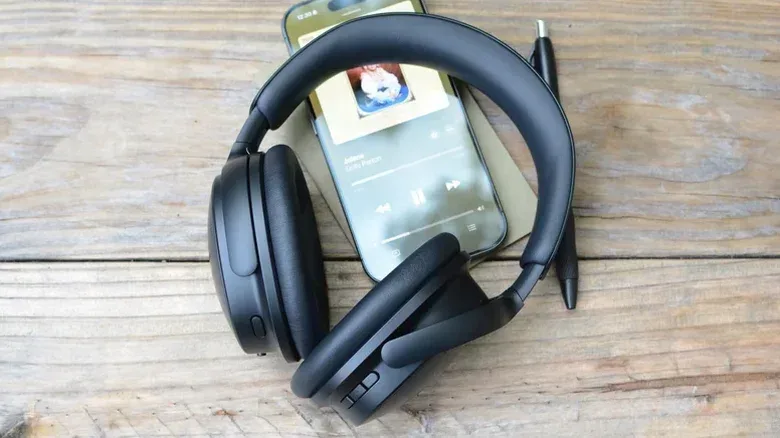
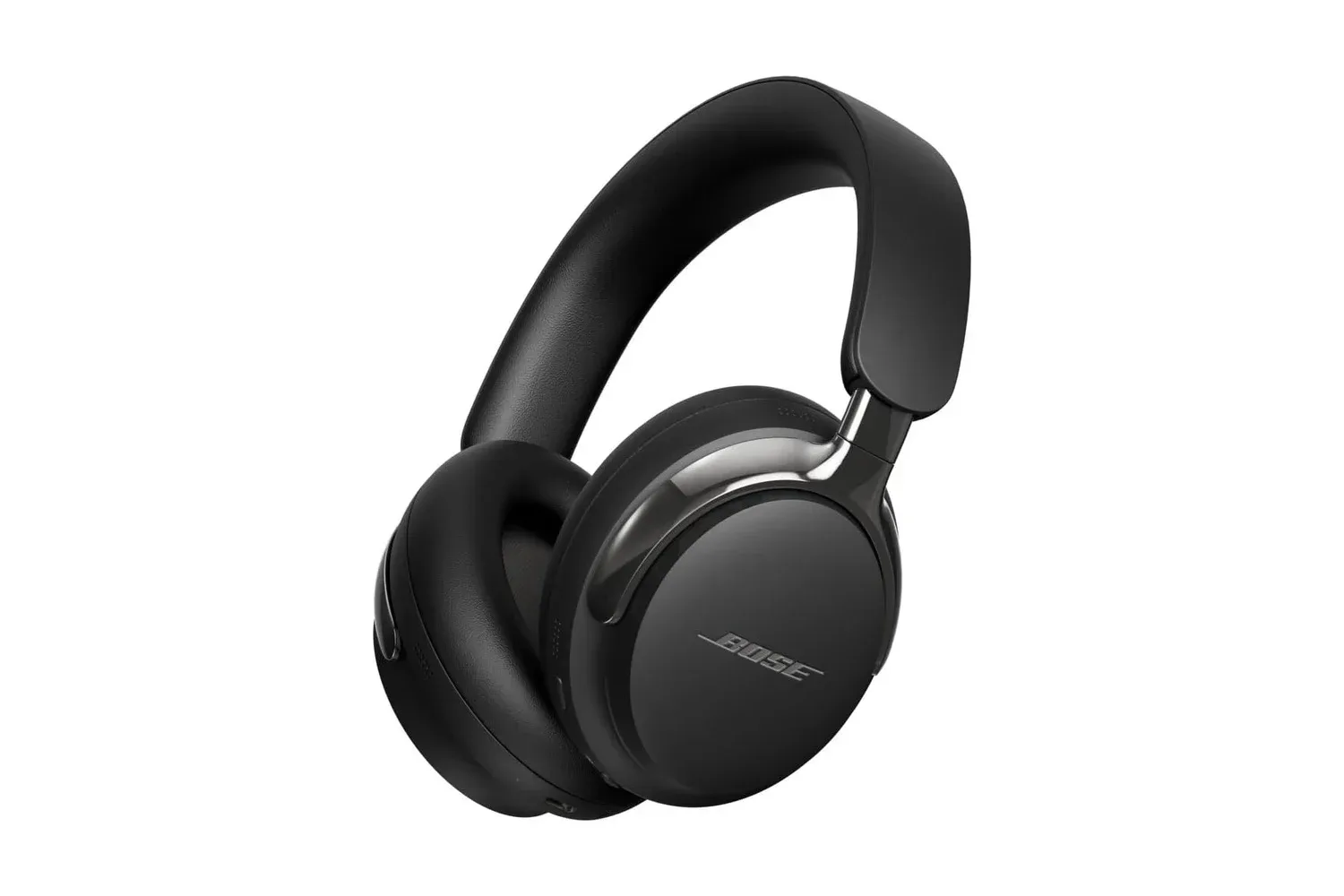
The second-generation Bose QuietComfort Headphones cost $359. That is hardly a budget price, but it remains close to $200 below AirPods Max. Their value proposition is more focused than Soundcore’s: pay a sizeable amount, but direct that budget toward Bose’s noise-blocking expertise.
Sound quality is described as good, although Bose’s own Ultra model performs better. That context keeps the recommendation grounded. The regular QuietComfort model is not positioned as the company’s very best in every regard; it is a more affordable route to impressive noise cancellation. For buyers who travel, work around constant distractions, or simply want their soundtrack to have fewer interruptions, that may be exactly the right compromise.
It includes Cinema Mode and Immersive Audio, Bose’s approach to spatial sound. Spatial modes are best understood as an added presentation option, not a universal replacement for conventional stereo. Their appeal depends on the content and listener preference. The core takeaway is simpler: buyers seeking a meaningful discount without treating ANC as disposable should put the QuietComfort Headphones near the top of their shortlist.
Beats 360: the Apple-friendly workout option
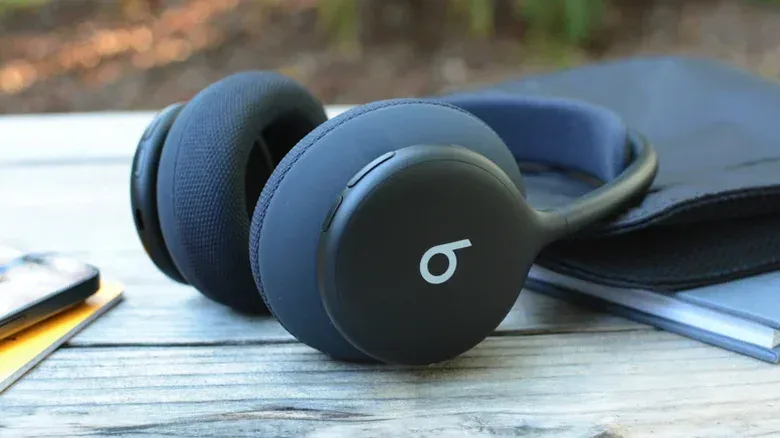
Fitness complicates over-ear headphone shopping. AirPods Max are often seen during workouts, but their breathable mesh textile ear pads do not make them an ideal pick for sweaty activity. The Beats 360 changes the equation by adding IPX4 sweat resistance, making it Apple’s fitness-minded over-ear alternative in this comparison.
IPX4 is the relevant durability designation here: it signals sweat resistance. It should not be expanded into claims of broader water protection that are not established by this rating. For a gym user, however, the distinction is meaningful. Equipment designed with sweat resistance addresses a predictable part of the workout rather than asking the owner to hope a fashion-forward set of ear pads will handle it.
Because Beats is owned by Apple, the Beats 360 retains a notable collection of Apple-facing conveniences: one-touch pairing, automatic switching among Apple devices connected to the same iCloud account, Audio Sharing with compatible headphones or earbuds, Find My compatibility, and hands-free Siri access. This is the natural choice for somebody who sees those workflow advantages as essential but sees sweat resistance as equally essential.
The Beats 360 can run up to 12 hours longer than AirPods Max with ANC enabled. Both ear cushions and headband cushions can be replaced, a practical feature for a headset likely to see frequent exercise use. Its bass-forward character is intended to supply workout energy, but it is said to be less excessive than on earlier Beats models. That combination—Apple integration, longer stated battery endurance, swappable cushioning and sweat resistance—is considerably more targeted than trying to force a general-purpose luxury headset into a training role.
Audio-Technica ATH-M20xBT: essentials without ANC
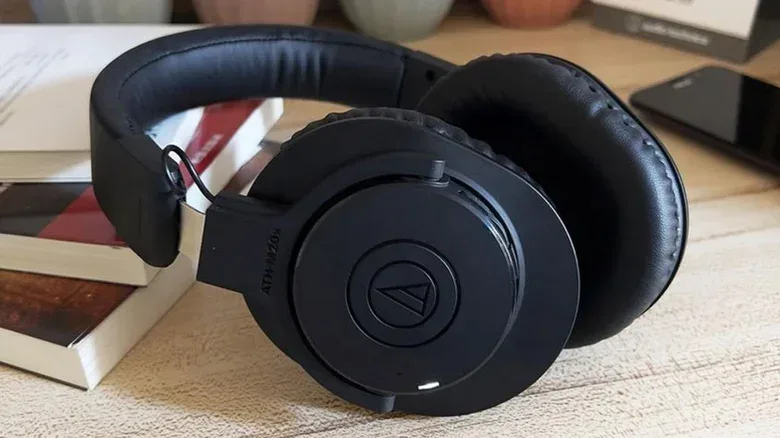
The Audio-Technica ATH-M20xBT makes the starkest cost-versus-feature decision in the group. It comes in below $100, keeps comfort, lightweight construction, optional wired use, multipoint Bluetooth and a substantial 60-hour battery specification, but omits ANC entirely.
That is a sensible compromise only when a buyer is honest about where the headphones will be used. In a quiet home, office, or other low-noise environment, warm and inviting sound, comfort and infrequent charging may count for more than electronic noise reduction. In a loud commute or shared space, the absence of ANC could be the exact feature that makes the savings feel false.
The M20xBT’s classic design is a reminder that new headphone releases do not always have to chase every premium checkbox. The model is for the listener who wants a straightforward, comfortable wireless pair with unusually long battery life and a wired fallback, rather than a feature-heavy imitation of an Apple flagship.
Fender Mix: repair-minded features and a physical joystick
At $299, the Fender Mix is another substantial step down from $549 while preserving ANC and adding two especially interesting pieces of hardware: a stored lossless Bluetooth dongle and a replaceable battery. The headphones come from Fender Audio, a collaboration between Fender Corporation and Riffsound, and are accompanied by an app for changing settings.
The replaceable battery is the standout on a list dominated by sealed wireless products. Battery life is limited by 52 hours with ANC enabled on the Fender Mix, but the replaceable design shifts the conversation from merely delaying the next recharge to supporting a component that can be swapped. Buyers who prioritize long-term ownership should weigh that characteristic heavily, even if another model wins a narrower comparison on noise cancellation.
The lossless Bluetooth dongle is another unusual inclusion. “Lossless” refers to audio delivered without the usual quality-reducing compression associated with some wireless transmission approaches. It is a feature of interest to listeners who care about the format and compatible setup, but it should not displace basic considerations such as comfort, sound preference and intended device use.
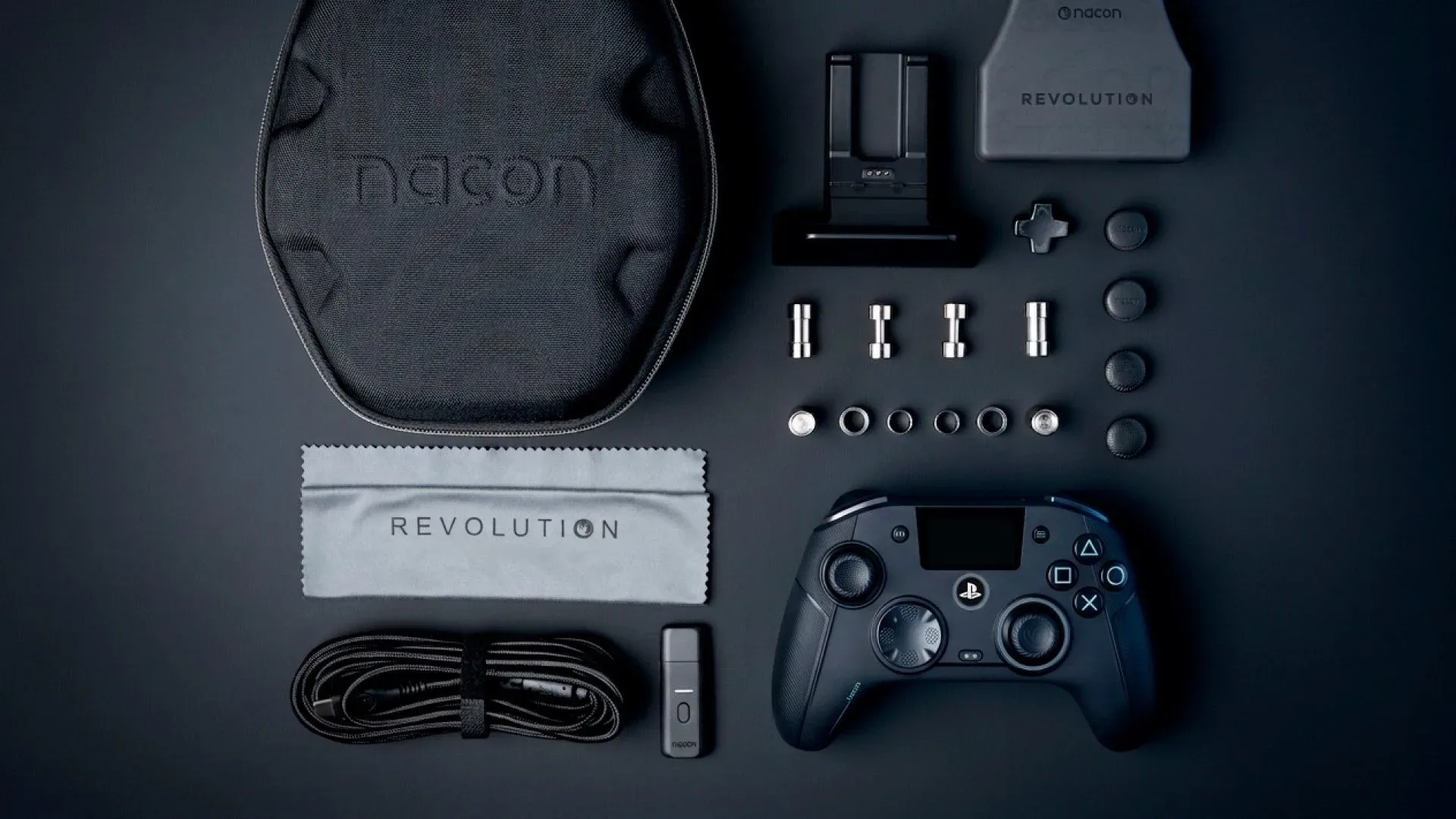
Controls arrive as a five-way joystick rather than a touch interface. That is not just a novelty for a site that appreciates good controller hardware: a physical directional control can be easier to use by feel than gestures. It also makes the Fender Mix a natural companion read alongside Nacon’s Revolution 5 Unlimited controller, another example of physical controls remaining valuable even as consumer tech adds screens and touch-driven interfaces.
The Fender Mix is said to deliver crisp, detailed sound and respectable ANC, sufficient for mild-to-moderate distractions but below the standard set by Bose and certain others. That positions it well for a buyer attracted to its serviceable battery design, physical controls and 52-hour ANC-on rating, rather than for someone whose first and only demand is maximum isolation.
How to make the choice without getting lost in the spec sheet
- Choose Soundcore Space 2 Pro if the aim is the biggest stated saving while retaining ANC, multipoint Bluetooth, physical controls and 30-hour ANC-on battery life.
- Choose Bose QuietComfort Headphones (2nd gen) if effective noise blocking is the central priority and a $359 price is acceptable.
- Choose Beats 360 if workouts and Apple-device convenience overlap in your routine. IPX4 sweat resistance and replaceable cushions directly answer needs the AirPods Max do not target as clearly.
- Choose Audio-Technica ATH-M20xBT if you can live without ANC and want to minimize spend without surrendering comfort, optional wired listening, multipoint Bluetooth or 60-hour battery life.
- Choose Fender Mix if replaceable-battery design, a lossless Bluetooth dongle, a five-way joystick and 52 hours with ANC enabled outweigh best-in-class noise cancellation.
Several more expensive headphones show why “less than AirPods Max” is not the same thing as “affordable.” Sony’s WH-1000XM6 saves $99, while Bose QuietComfort Ultra Headphones (2nd gen) cost $449 and Sennheiser’s HDB 630 costs $500. They may be strong products in their own right, but their smaller discount makes the case for them fundamentally different from the models above. Likewise, a $350 Sonos Ace has a clearer everyday-use case for people who also own a Sonos soundbar.
The best AirPods Max alternative is therefore not one winner for every listener. It is the pair whose deliberate omissions are irrelevant to your habits. For Apple-device switching and gym use, Beats 360 is the most direct fit. For noise reduction, Bose makes the stronger case. For tight budgets, Audio-Technica is persuasive. For a better balance of modern features at $200, Soundcore is the major value contender. And for owners who want a headset designed with a replaceable battery and a pleasingly tangible control scheme, Fender Mix takes the most distinctive route.
Shop the products
Check current price, model and availability at the retailer.