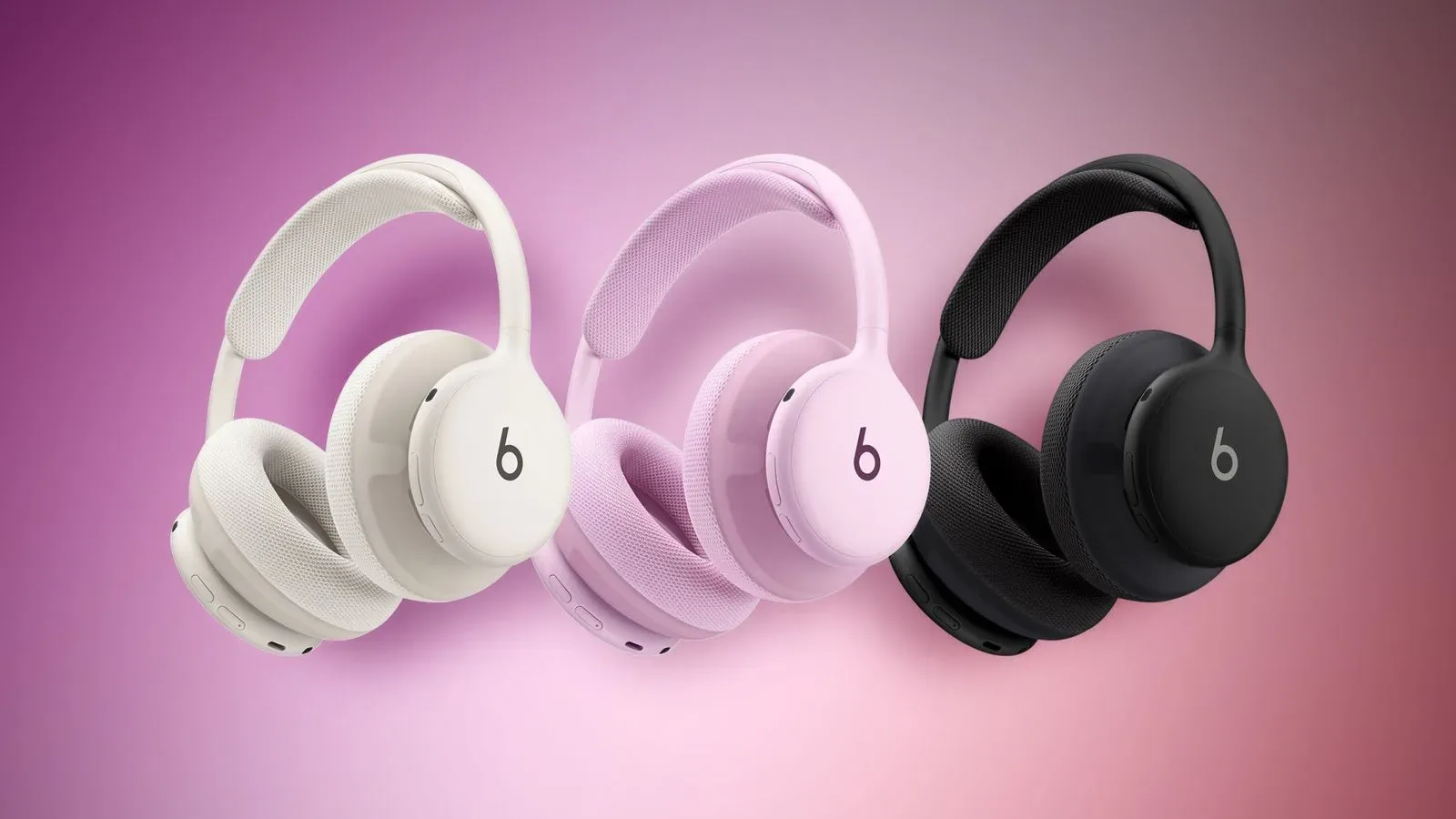
A retail promotion is presenting Apple’s AirPods Max 2 as a $429 over-ear headphone purchase, down from a stated regular price of $549 or more. That is a claimed $120 reduction, or roughly 22%, and puts the deal at the center of a shopping-event push that also advertises several color options and expedited delivery for qualifying members.
The important qualifier is that a sale page is not the same thing as a complete product specification sheet. The available details frame the AirPods Max 2 as a new model released this year and make several feature and performance claims, including up to 20 hours of playback, USB-C charging, spatial audio with dynamic head tracking, Active Noise Cancellation, Transparency mode, and Adaptive Audio. Those claims give prospective buyers a practical checklist, but shoppers should still confirm the exact model name, condition, seller, color, delivery terms and current price on the retailer’s product page before paying.
The deal claim, in plain numbers
The headline number is straightforward: $429 against a stated $549-plus normal price. If both figures apply to the same new configuration, that makes the advertised reduction $120. The listing also says that “like new” units begin at $400. A lower used or open-box-style price can be appealing, but it is not directly equivalent to a new unit: condition language, included accessories and return coverage matter considerably when comparing the two.
For anyone deciding whether a discount is substantial, the useful comparison is not simply the percentage badge. Check whether the $429 item is new, whether it is sold directly by the retailer or a third party, and whether the price applies to the particular color selected. Delivery promises may also depend on membership and location. The promotion says overnight delivery is available free to Prime members, but that should be treated as a checkout-level detail rather than an assumption that applies everywhere.
The stated official-store price remains $549, which is why the retailer’s listing positions $429 as compelling. Still, a good purchase decision comes from matching the headphones’ capabilities to a listener’s habits, not just from comparing two large numbers. This is a premium, full-size over-ear design, aimed at listeners who want isolation, long-session comfort and a feature set built around changing environments.
What the audio features are meant to do
The product description attributes the sound to a custom acoustic housing and a large dynamic driver. A dynamic driver is the component that moves to create sound; here, it is part of the listing’s case for high-fidelity, theater-like presentation. “High fidelity” is a broad audio term rather than a promise that every track will sound identical, but the practical implication is clear: this model is positioned for immersive listening rather than merely basic call audio.
Spatial audio is described as making music feel as though it occupies space around the listener instead of arriving from a fixed point directly in front of them. The listing pairs it with dynamic head tracking, which is intended to keep the perceived sound anchored at ear level as the wearer moves. Together, those functions are presented as an attempt to create a more natural sense of placement.
That will be especially relevant for people who value an enveloping presentation from a full-size headphone. It is also worth separating the underlying concept from personal preference: a more spatial effect may be exactly what one listener wants, while another may prefer a simpler presentation. The supplied information establishes the features and their intended effect, but does not establish how any individual will experience them across different music, films, games or devices.
Apple’s wider entertainment ecosystem has been leaning into immersive sound formats, including the Dolby Atmos addition discussed for an Apple TV Formula 1 stream. That context makes spatial-audio language relevant to more than music, although this headphone listing itself does not spell out any specific streaming or gaming compatibility details.
Noise control: ANC, Transparency and Adaptive Audio
The most practical part of the feature list may be its trio of noise-management modes. Active Noise Cancellation, often shortened to ANC, is designed to reduce ambient sound. The listing specifically identifies travel and shared workplaces as use cases: situations in which persistent outside noise can compete with a podcast, music or a call.
The AirPods Max 2 listing says Apple claims 1.5 times more Active Noise Cancellation than the previous-generation headphones. That is a manufacturer performance claim, not a universal measurement of silence in every setting. Noise reduction can be experienced differently depending on the sound around the listener, fit and other variables. What the claim does communicate is that stronger ANC is being positioned as a key generational improvement.
Transparency mode takes the opposite approach. Instead of trying to minimize the outside world, it is meant to let some environmental sound through. The examples given are traffic awareness and hearing a nearby colleague. In practice, this makes the headphones less of an all-or-nothing choice: the user can seek isolation when focusing, then allow outside sound back in when awareness or conversation matters.
Adaptive Audio is described as automatically adjusting noise-cancellation levels to suit the environment. The potential benefit is convenience. Rather than repeatedly changing modes manually as the surroundings change, the headphones are meant to react on the listener’s behalf. The product description does not detail the precise behavior of those adjustments, so buyers should avoid inferring more granular controls or performance behavior than has been specified.
Battery and charging: the numbers that matter on a long day
The advertised endurance is up to 20 hours on one charge. “Up to” matters: it signals a maximum claim, not a guaranteed result for every usage pattern. Still, 20 hours is the relevant headline for someone thinking about a long flight, a workday or extended listening away from a power outlet.
The listing also claims that five minutes of charging yields 1.5 hours of listening. This is a quick-charge figure, meant for the moment when the headphones are low and a full recharge is unrealistic. The package is said to include a USB-C cable, which is the only included charging-accessory detail provided here.
A simple way to use those figures is to consider routines rather than ideal conditions. Someone who charges overnight may mostly care about the 20-hour maximum. Someone who often leaves home with little warning may care more about the five-minute top-up claim. Neither number says how long a complete recharge takes, so that is one point a buyer should verify separately if it is important to their routine.
Design and controls
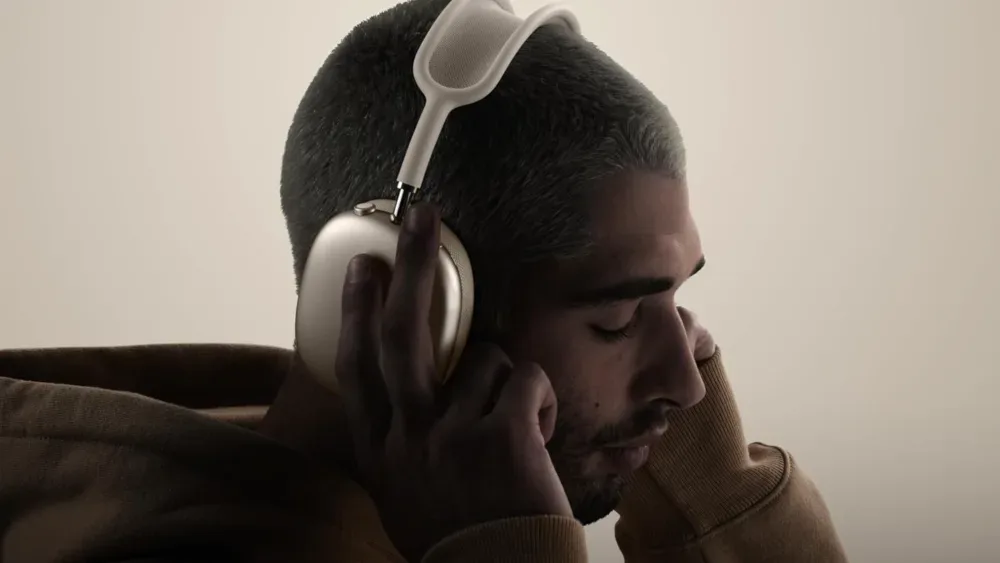
The AirPods Max 2 is described as having an instantly recognizable over-ear silhouette, oversized memory-foam ear cushions and a knit-mesh headband. The headband is adjustable, and the listing emphasizes comfort for longer listening. Fit is inherently personal, however. Design details can indicate intent, but they cannot guarantee that a particular head shape or glasses setup will be comfortable.
Voice operation is another part of the pitch. Saying “Hey Siri” is described as a way to adjust settings, answer calls or request help through Apple’s voice assistant, in the same general manner as Siri use on an iPhone. This is an ecosystem convenience feature: it may be valuable to people who already use Siri regularly, while those who do not use voice controls may place more weight on audio, battery and physical comfort instead.
The key point is that the listing combines a luxury-looking over-ear design with features that solve practical daily problems: reducing unwanted noise, restoring outside awareness when needed, extending playback through quick charging and enabling hands-free actions. That package helps explain why the regular price is positioned at the high end, while also making it important not to buy solely because a temporary discount makes the product seem more attainable.
What to verify before checking out
- Model identity: Confirm the listing is specifically for the version advertised as AirPods Max 2.
- Item condition: Distinguish a new $429 pair from any “like new” option advertised from $400.
- Price and color: Make sure the selected color retains the displayed price.
- Seller and fulfillment: Check who is selling the headphones and who is handling delivery.
- Membership delivery terms: Confirm whether the advertised overnight option is available for the account and address in question.
- Returns and included contents: Review the current return policy and verify the USB-C cable is included as described.
For shoppers already looking for premium wireless over-ear headphones, the $429 listing is notable because it ties a sizeable claimed discount to features focused on immersive sound, active noise control and long-session use. The information available supports that broad picture, while the final purchase decision should rest on the live product-page details rather than an event-price headline alone.