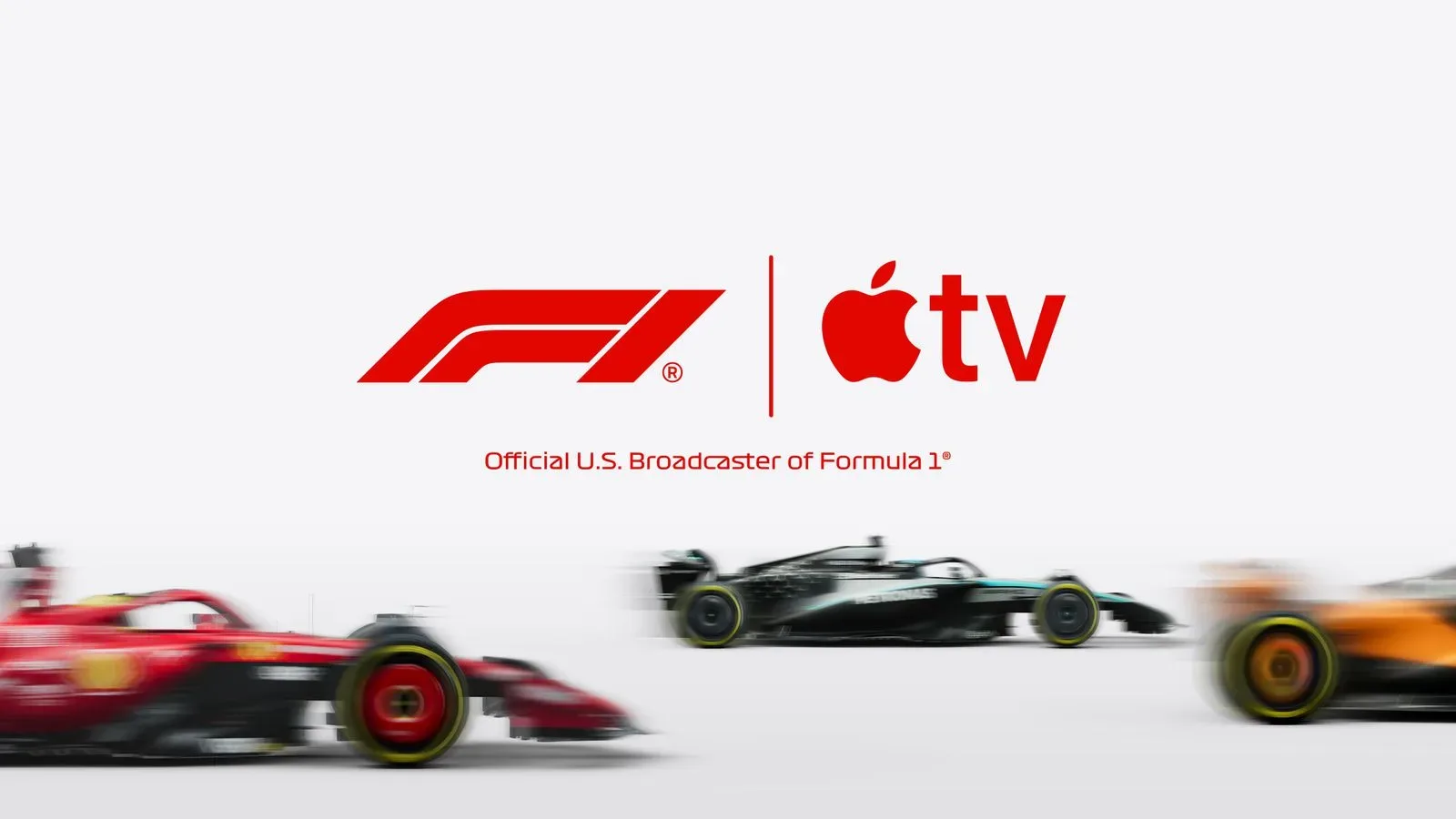
Formula 1 on Apple TV is preparing to turn up the sensory overload—not by making the cars any louder in the usual sense, but by giving the broadcast a more expansive Dolby Atmos sound mix. The feature is scheduled to arrive with the U.S. Grand Prix weekend in Austin, Texas, beginning Friday, October 23, and will be available on supported devices and compatible Dolby-enabled television, soundbar, and home-theater hardware.
For a sport in which a radio call, a sudden engine note, or a crowded pit lane can instantly change the mood of a race, the change is aimed squarely at presentation rather than the competition itself. Apple says its Atmos mix will include team radio, commentary, engines, on-track battles, and activity from the pit lane. The goal is a broadcast that feels more enveloping, while retaining the information viewers actually need to follow a session.
What is changing for Formula 1 viewers?
The practical change is that compatible Apple TV Formula 1 streams will be presented in Dolby Atmos beginning with the Austin race weekend. Apple’s Formula 1 package covers practice sessions, qualifying, Sprint sessions, and Grands Prix, so the format is relevant beyond the main Sunday race.
Dolby Atmos is the audio component of the new presentation. In this case, it is intended to give greater spatial presence to the many sound sources in an F1 broadcast: the voices coming through team radio, the broadcast commentary that explains events, the engines that establish speed and proximity, wheel-to-wheel moments, and the bustle around pit stops.
That distinction matters. A traditional sports mix can contain all of those sounds while presenting them in a more conventional arrangement. Apple is positioning Atmos as a way to make them feel more involving and better separated within the overall production. It is not a promise that every sound will be louder, nor a replacement for commentary. The stated intent is to put the viewer more centrally within the race environment.
Atmos and Dolby Vision: two different parts of the broadcast
Apple is also framing the feature alongside Dolby Vision. The names are related, but they refer to different portions of the experience:
- Dolby Atmos concerns the broadcast sound presentation, including the mix of radio, commentary, cars, track action, and pit-lane noise.
- Dolby Vision concerns the visual side of the presentation.
Together, Apple says the formats are designed to capture Formula 1’s audiovisual intensity. That is an especially sensible target for a championship where viewers are continuously interpreting two separate feeds of information: what the cameras show and what the sound tells them. A driver’s clipped radio message may make an otherwise ordinary-looking lap suddenly important. A nearby engine note can underline a fight the director is about to show. Pit-lane activity can signal a strategic development before its consequences are obvious on track.
The value of an expanded audio presentation, then, is not merely spectacle. Formula 1 television is packed with overlapping events. Cars are circulating, engineers are speaking, commentators are interpreting timing and strategy, and crews are working under pressure. An Atmos mix has the potential to make that dense soundscape feel more deliberate rather than like a single wall of noise—though the exact result will depend on a viewer’s hardware and setup.
Who can use the new audio option?
Atmos will not automatically transform every viewing arrangement. Apple specifies that the presentation works on supported Apple devices and with compatible Dolby-enabled TVs, soundbars, and home-theater systems. In other words, both the device receiving the stream and the audio equipment used to play it are part of the equation.
For viewers, the sensible first step is simply to verify device and audio-system support before the U.S. Grand Prix weekend. A television’s built-in speakers, a soundbar, and a fuller home-theater system can all produce very different results, and the announcement does not claim that every Apple TV viewing method will receive Atmos in the same way.
That compatibility requirement also keeps expectations grounded. This is a format upgrade for equipped setups, not a claim that everyone watching Formula 1 through Apple TV will hear the identical mix. The new option is most meaningful to people with Dolby-capable gear, while the core coverage remains the larger attraction for the broader audience.
Why team radio is central to the pitch
Team radio is among Formula 1’s most recognizable broadcast ingredients because it supplies immediacy that pictures alone cannot. It can reveal a request from a driver, an instruction from the pit wall, a reaction to a mistake, or the pressure around a strategy call. Apple specifically naming radio as part of the Atmos mix suggests that the format is being treated as more than an engine-and-crowd upgrade.
Apple executive Oliver Schusser described the move as part of an effort to improve a sports-viewing experience he characterized as not easy, arguing that there has been limited innovation in the space. Dolby Laboratories entertainment executive John Couling similarly emphasized sound’s ability to guide an audience and build tension.
“The sound is what makes it emotional; it is the sound that guides you through that and builds the tension,” Couling said.
That rationale fits F1 particularly well. The sport’s drama often emerges in pieces: a driver reporting a problem, commentators noticing a tactical opening, cars converging into a braking zone, or a pit crew reacting to an unexpected stop. Apple’s proposed mix draws from those layers rather than treating the engine soundtrack as the sole attraction.
A presentation upgrade within Apple’s U.S. Formula 1 deal
The Atmos rollout arrives under Apple and Formula 1’s five-year partnership, announced last October, which gives Apple TV exclusive U.S. streaming rights. The deal covers the championship’s complete on-track schedule: practice, qualifying, Sprint sessions, and Grands Prix.
That scale is important because it gives Apple a regular place to apply changes in sports presentation across an entire weekend, not just at a single marquee event. Practice can carry a very different sound profile from a race; qualifying is built around short, high-pressure efforts; Sprints compress stakes into a smaller window; and Grands Prix bring strategy, battles, and pit activity together over a longer distance. Apple’s announced audio ingredients are broad enough to apply to all of those formats.
It also means the U.S. Grand Prix is the starting point, rather than a one-off Atmos experiment tied solely to Austin. Viewers with supported equipment should be looking for an updated presentation of the ongoing Apple TV Formula 1 offering after the October 23 launch.
What viewers should and should not expect
The most reasonable expectation is a more immersive sound field built from the established components of an F1 broadcast. Apple has explicitly identified commentary, team radio, engines, on-track battles, and pit-lane action. Those are the elements to listen for.
It would be premature to assume further unannounced features, special camera controls, separate radio selections, or universal hardware support. None of those details have been outlined. Likewise, Dolby Atmos does not alter the sporting coverage itself: it is a production format intended to change how the existing action is heard.
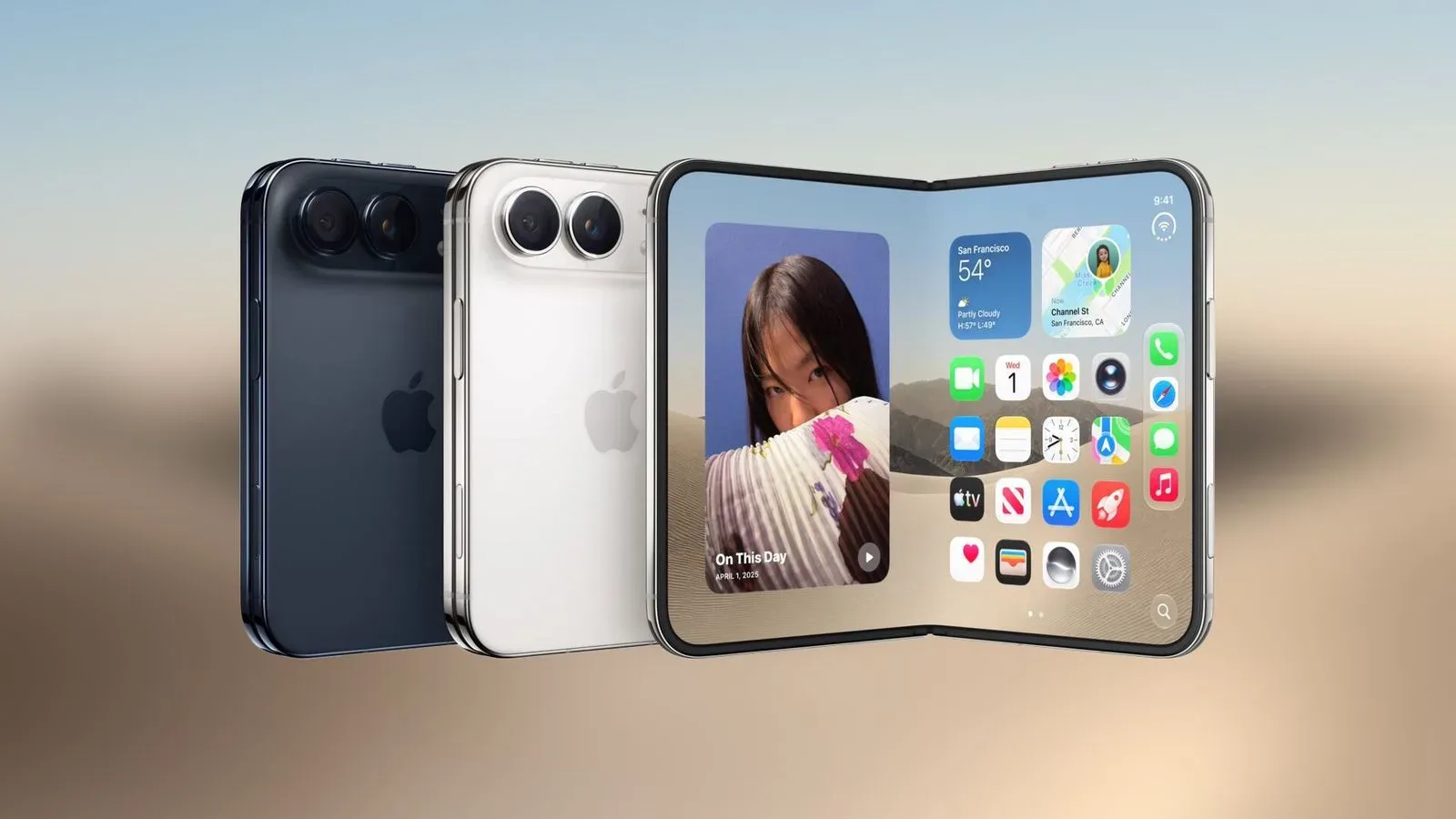
For fans already invested in compatible living-room audio, that may be the point. Formula 1’s appeal is inseparable from sound, but the useful sounds are not limited to the cars. The strongest version of this approach should make space for the race’s competing voices without losing the crackle of a radio call or the urgency of a pit stop. For a broader look at Apple’s device ecosystem, see our report on an iPhone Duo Quick Look feature that appears to add a two-page document view.
Apple’s Formula 1 Atmos launch begins Friday, October 23, during the U.S. Grand Prix weekend in Austin. Whether it becomes a must-have enhancement will come down to how well each compatible setup conveys the mix, but its focus is clear: make the audio around the race as purposeful as the images on screen.