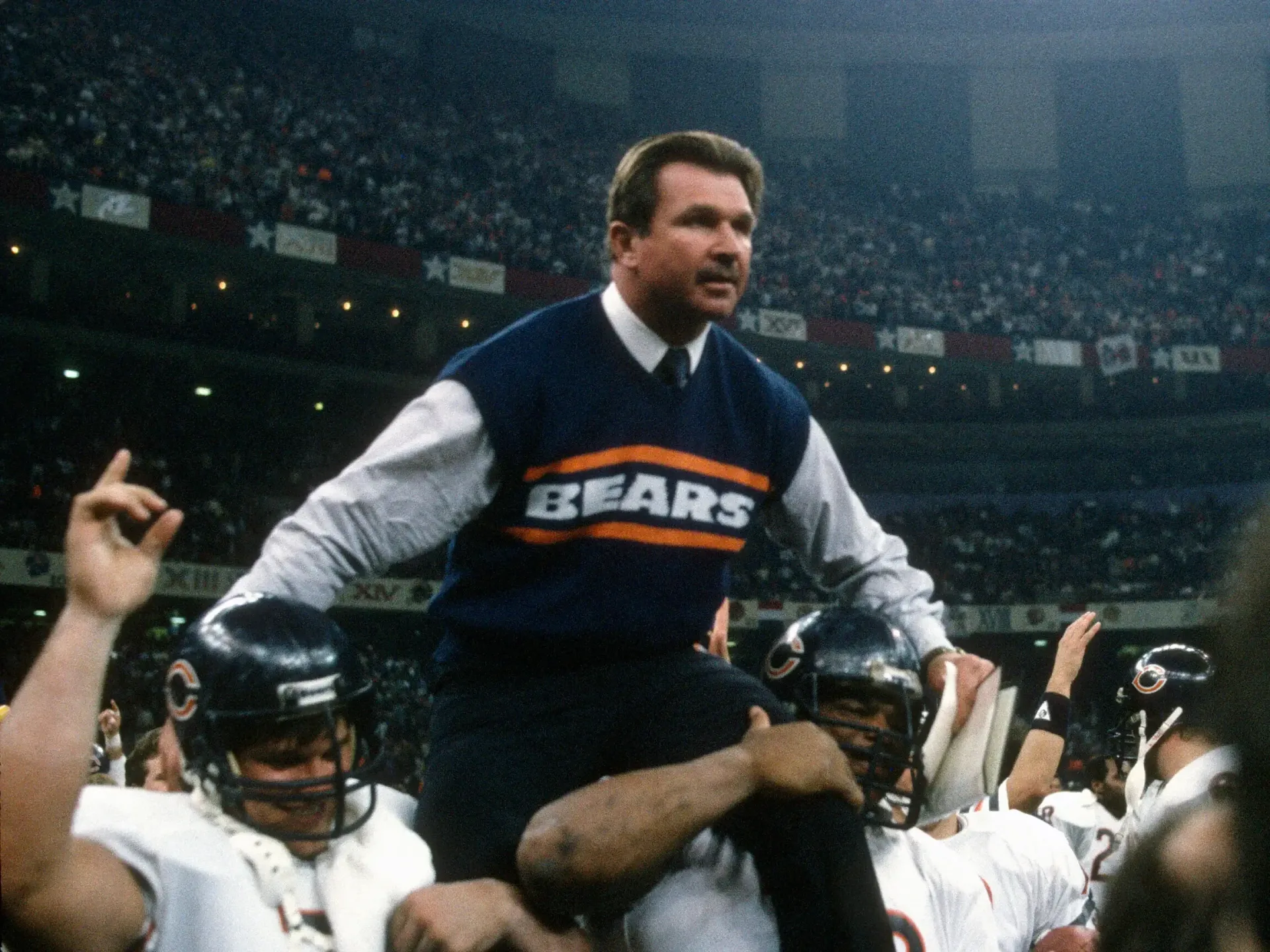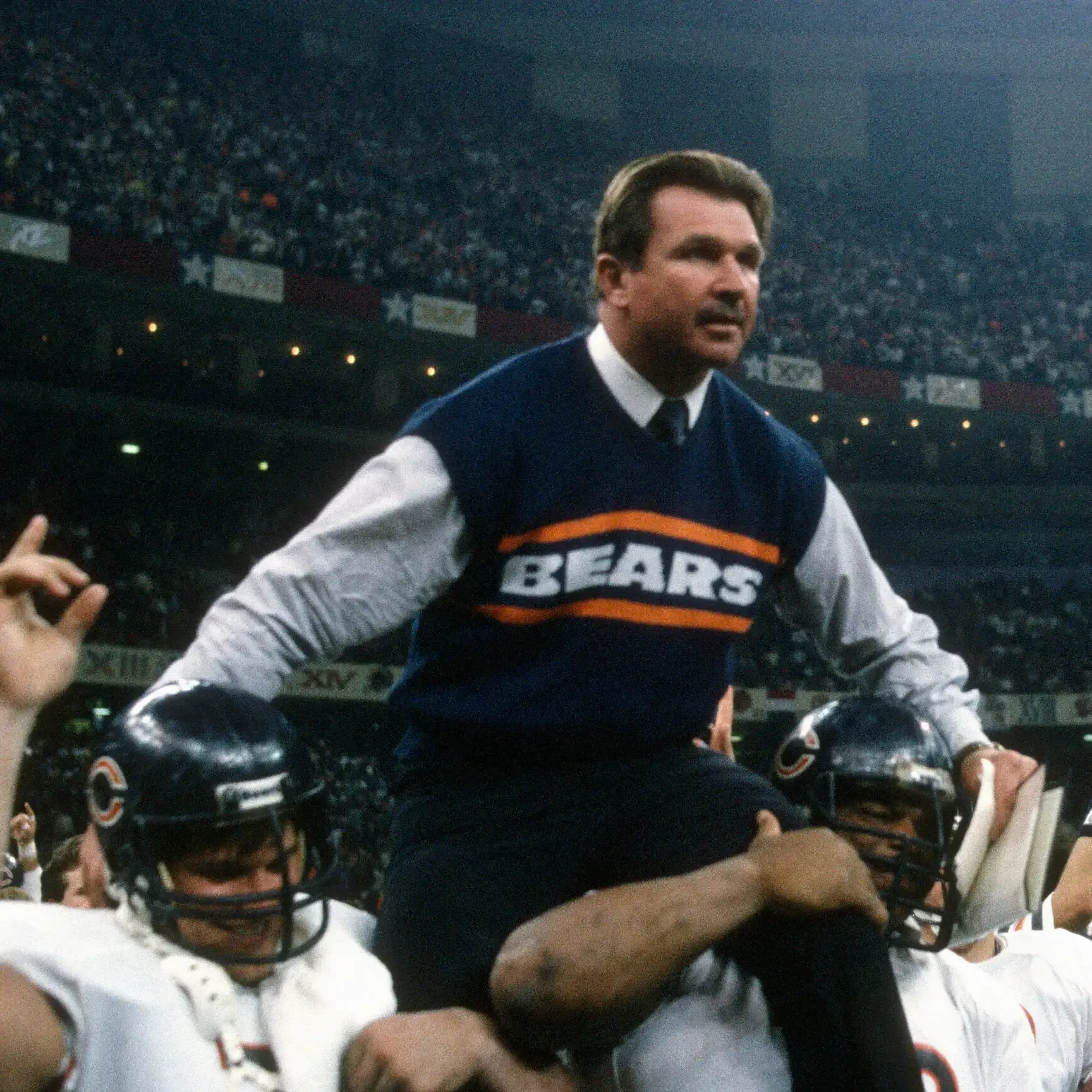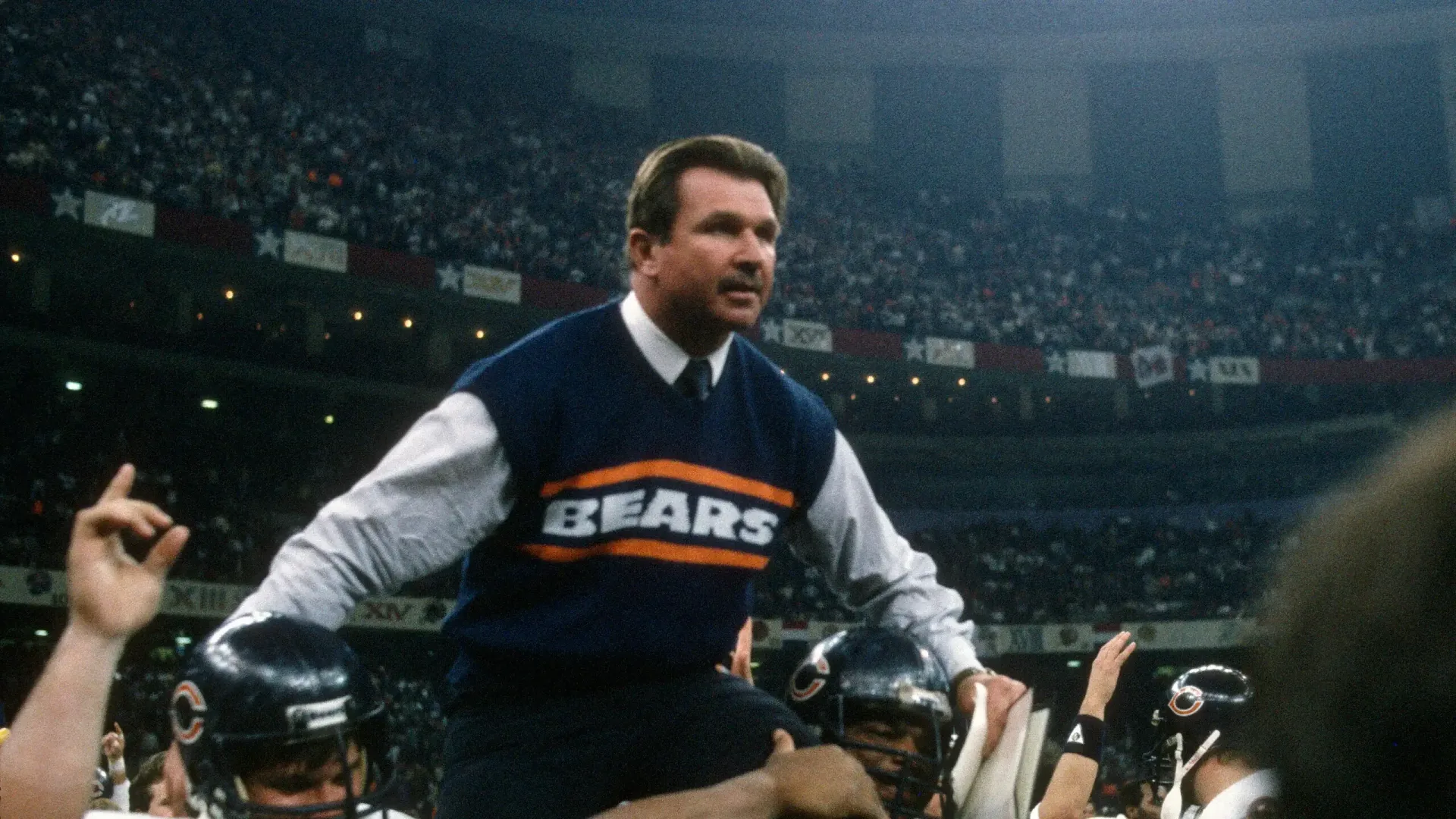
Demand for Mike Ditka memorabilia has accelerated in the weeks following the Bears icon’s death on Oct. 9, with Chicago-area shops reporting a rush for signed jerseys, photos, footballs, cards and other pieces tied to “Da Coach.” The immediate market story is clear: a local sports figure with a towering legacy is suddenly at the center of collectors’ attention, and available inventory is moving quickly.
But the more useful story for collectors is not simply that prices have risen. Ditka was an unusually accessible signer over several decades, and that creates an important distinction between emotional demand immediately after a loss and the longer-term scarcity that often supports a collectible’s value. Interest may remain strong, particularly around Chicago and the 1985 Bears, but a signature alone does not automatically make every item rare.
A Chicago legacy with two distinct chapters
Ditka’s collecting appeal is rooted in both his playing and coaching careers. He played tight end for the Chicago Bears from 1961 through 1966, was part of the team’s 1963 NFL title run, and later coached Chicago to its 1985 season Super Bowl championship. The Bears defeated the New England Patriots 46-10 in Super Bowl XX, still the franchise’s lone Super Bowl win.
That dual identity broadens the field for collectors. Some items connect to Ditka the player: vintage cards, Bears photography and period material from the 1960s. Others lean on the coach’s instantly recognizable sideline persona, including sweaters, sunglasses, bobbleheads, jerseys and memorabilia tied to the 1985 Bears. There is also restaurant-related ephemera from his time owning restaurants in the Chicago area and New Orleans.
Chicago’s response has been especially intense because those threads overlap in one market. Ditka was not merely a former athlete or coach there; he was a durable local symbol whose name carried into apparel, restaurants and fan culture. That depth helps explain why buyers are seeking objects across a broad price range rather than concentrating on one card or one signature format.
Retailers report a rapid run on signed pieces
At Elite Sports in Chicago, owner Ronnie Holiday said interest rose sharply after Ditka’s death. The store had two signed replica Vince Lombardi Trophies associated with Super Bowl XX offered for sale, and Holiday said one sold for $2,500. He also reported sales of autographed cards, footballs and 10 jerseys.
Another Chicago-area store, AU Sports, saw brisk activity as well. Owner Scott Beatty said the shop’s remaining Ditka inventory at that point consisted of a signed jersey and a 16-by-20 photo, underscoring how quickly a relatively small supply at retail can be depleted when attention suddenly spikes.
Apparel and novelty items have also been part of the reaction. A lightweight American Needle sweater-shirt featuring Ditka’s No. 89 in Bears colors sold out in all sizes at $40. Nine-inch Ditka teddy bears, styled in his familiar sideline look, remained available at $25. Those are not autograph-market pieces, but their presence shows the appeal extends beyond traditional high-end sports memorabilia.
Related coverage includes Mike Ditka Memorabilia Demand Rises Across Chicago.
For collectors, this is a reminder that a market surge does not happen only through auctions. Local shops, online listings and licensed merchandise can all react at once, particularly when a player or coach has a deeply regional fan base.
Higher asking prices are not the same as settled values
One of the starkest changes involves signed jerseys. Holiday said a Ditka-signed jersey that could have been bought for $60 before his passing was now being offered online around $300 to $400. Some framed examples carried asking prices as high as $800.
Those figures are meaningful as evidence of changed seller expectations, but collectors should separate an asking price from a completed sale. An asking price is what a seller hopes to receive; a realized price is what a buyer has actually paid. In a sudden, emotionally charged market, those can be far apart. A newly listed $800 framed jersey may demonstrate excitement and ambitious pricing, not necessarily a new standard for all comparable jerseys.
Holiday expects the initial peak to ease before finding a more normal level, while still seeing sustained demand because Ditka can no longer sign. Beatty similarly expects an overall increase, but cautioned that the gain may be less dramatic than some buyers anticipate because Ditka was a prominent signer.
That is the central tension in this market. The supply of future signatures is permanently closed, but the existing supply is substantial. Ditka signed items formally at card shows and informally for fans over roughly 45 years. He also signed at his restaurants, producing a potentially wide range of unusual signed material: menus, tablecloths and napkins among it.
Abundance changes how collectors should judge signed memorabilia
Autograph availability does not mean a Ditka-signed item lacks appeal. It means the item’s appeal may depend more heavily on what it is, how it was signed and what story it carries.
A signed replica Super Bowl trophy, for example, has a direct thematic connection to the defining achievement of Ditka’s coaching career. A football bearing both Ditka’s autograph and that of former Bears linebacker Ron Rivera has a different kind of connection to the championship-era team. A generic signed photo can still be desirable, but it may face more competition from other signed photos in the marketplace.
Collectors evaluating a signed piece should think in layers:
- Object: Is it a jersey, card, football, photo, restaurant item, trophy replica or novelty collectible?
- Connection: Does the item directly relate to the Bears, his playing career, the 1985 team or another meaningful part of his public life?
- Presentation: Framing and display can affect appeal, though they should not be mistaken for proof of authenticity or rarity.
- Signature context: A signature obtained in a recognizable public setting or retained with clear history may be easier for a buyer to understand than an unexplained autograph.
- Market comparison: Look for genuinely similar items rather than treating every signed Ditka object as interchangeable.
Provenance is the term collectors use for an item’s ownership history or evidence of where it came from. In a market containing a lot of signed material acquired casually over decades, provenance can help distinguish a personal keepsake with a clear story from an item with no supporting context. It is not a guarantee by itself, but it is useful information.
The same principle applies to the restaurant-era artifacts Holiday has accumulated. A signed menu or napkin may be less conventionally prestigious than a jersey, yet it can be compelling precisely because it represents the part of Ditka’s public life that allowed fans regular contact with him. Their value is likely to be highly dependent on condition, presentation and the confidence a buyer has in the object’s history.
The 1962 Topps rookie card remains a separate market
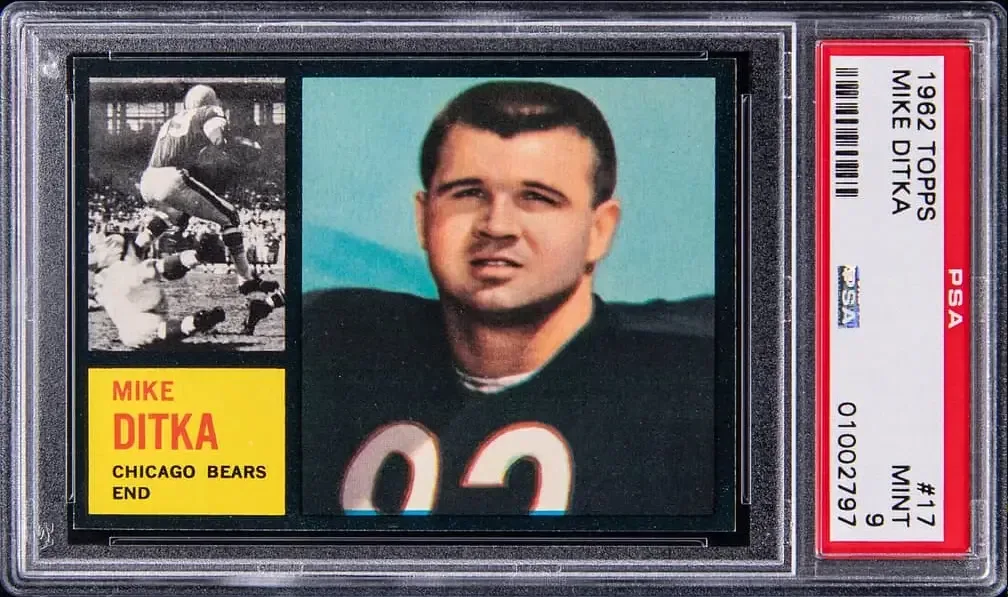
Ditka’s 1962 Topps rookie card offers collectors a more standardized entry point than one-of-one-feeling signed memorabilia. Listings for the card ranged from roughly $300 at the lower end to $20,000 for a PSA Grade 8 example. Signed reprints were also listed around $150.
A rookie card is generally a player’s first widely recognized card from the relevant era or major card issue. Its appeal combines the player’s legacy with the established importance collectors place on debut-era cards. Ditka’s rookie-card image has its own detail for Bears historians: he is shown wearing No. 82, before later switching to the No. 89 most associated with him.
The PSA grade is equally important to interpret correctly. A grade is an assessment of a card’s physical condition by a third-party grading company. The difference between a low-grade copy and a PSA 8 can be enormous because older cards with strong corners, clean surfaces, balanced centering and minimal wear are harder to find. The $20,000 figure attached to a PSA 8 listing should not be applied to an ungraded or visibly worn copy simply because both are 1962 Topps Ditka rookies.
That makes the card market less about the raw fact of owning a Ditka rookie and more about identifying the precise version and condition being compared. It also means buyers should not confuse signed reprints with the original 1962 issue. A reprint may have autograph appeal, but it is a different collectible category with different scarcity and historical significance.
What the current rush means for fans
The demand wave is understandable. For many fans, the desire to own something connected to Ditka is about commemoration before investment. A sweater-shirt, teddy bear, signed photo or vintage card can be a personal way to mark an era that meant a great deal to Chicago sports culture.
For buyers who do care about value, patience and specificity matter more than the rush. The strongest long-term candidates are not automatically the most expensive listings; they are the pieces whose era, condition, item type and signature context make sense together. The 1985 Bears connection is especially powerful, but it is also widely celebrated, so the exact item still matters.
Collectors may find the most satisfying approach is to choose a lane: a 1962 Topps rookie card, a Bears-era signed display item, a piece of restaurant memorabilia, or an affordable novelty collectible. That approach helps keep a tribute purchase from becoming an unfocused chase of every newly posted listing.
Ditka’s market is now being shaped by grief, civic memory and an urgent burst of buying. Those forces can move prices quickly. The longer-lasting collecting story will likely be more selective: an enduring market for an enduring Chicago figure, with the best results going to buyers who recognize the difference between a meaningful item and a momentarily inflated one. For another look at how collecting stories can grow around cultural memory, see our coverage of a collected edition built around personal keepsakes and ongoing creative work.