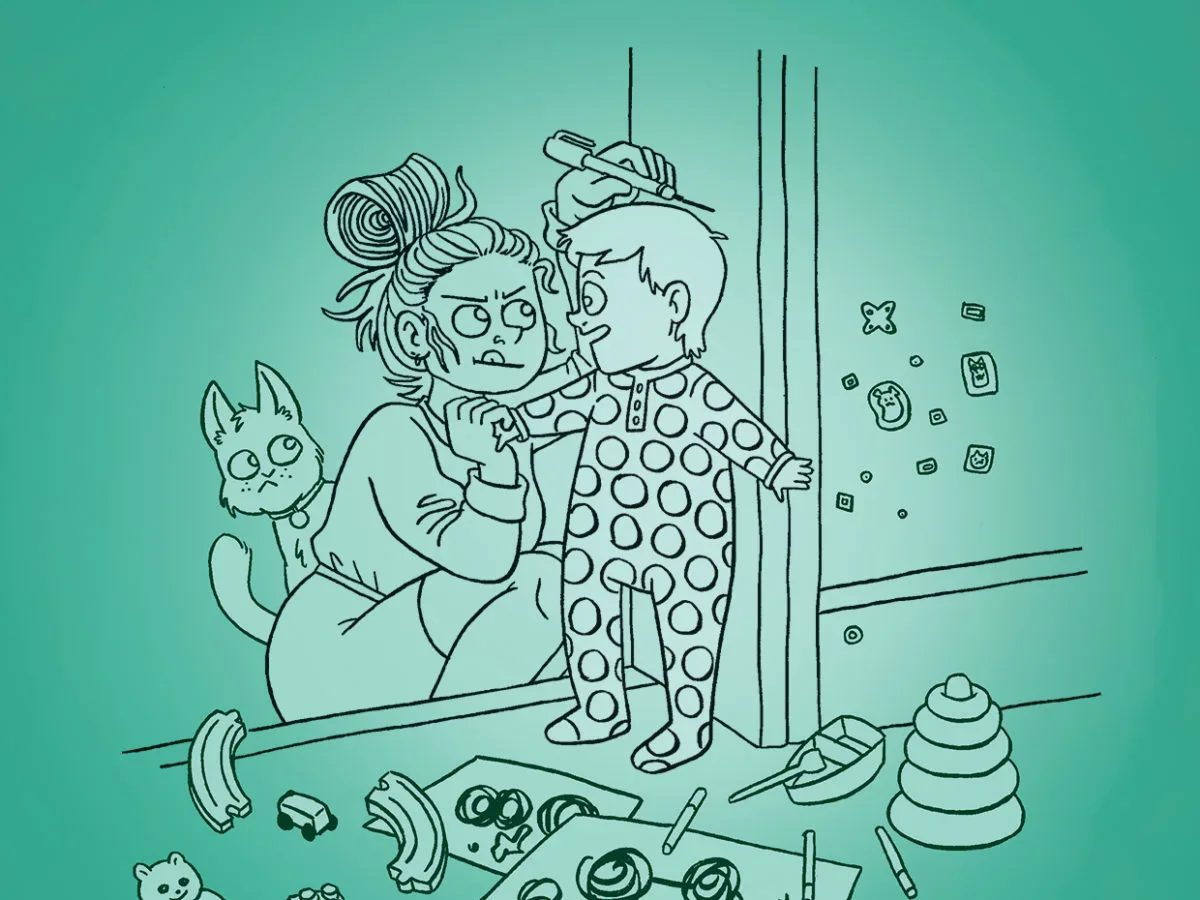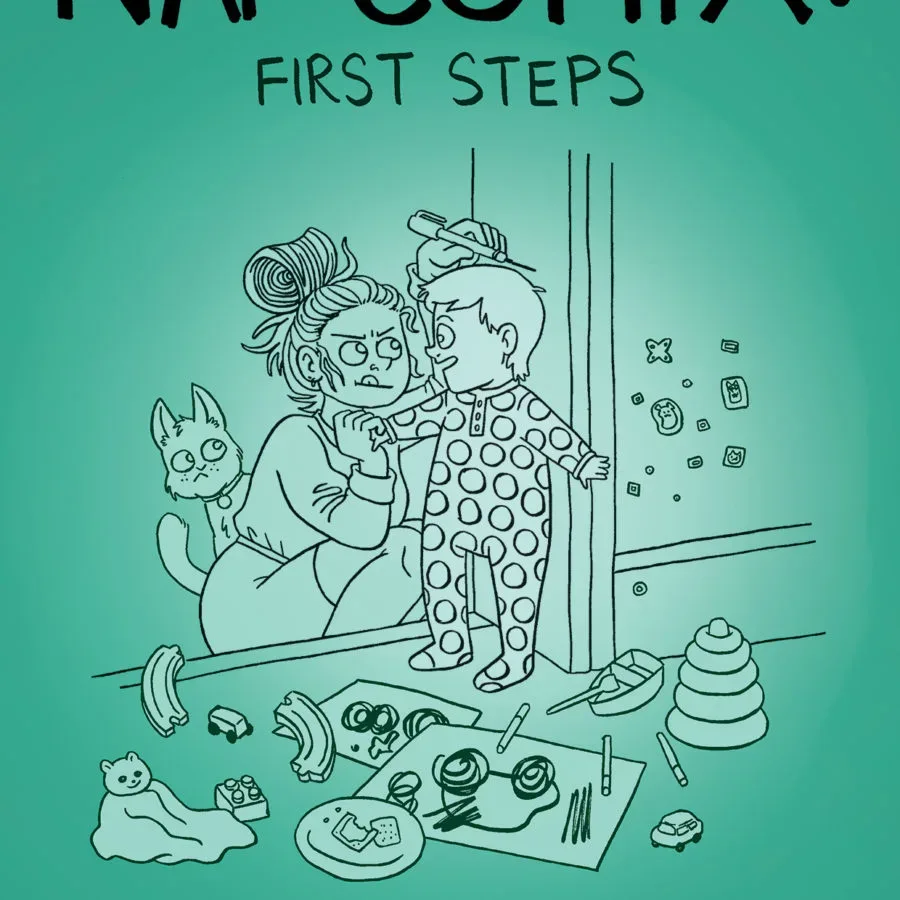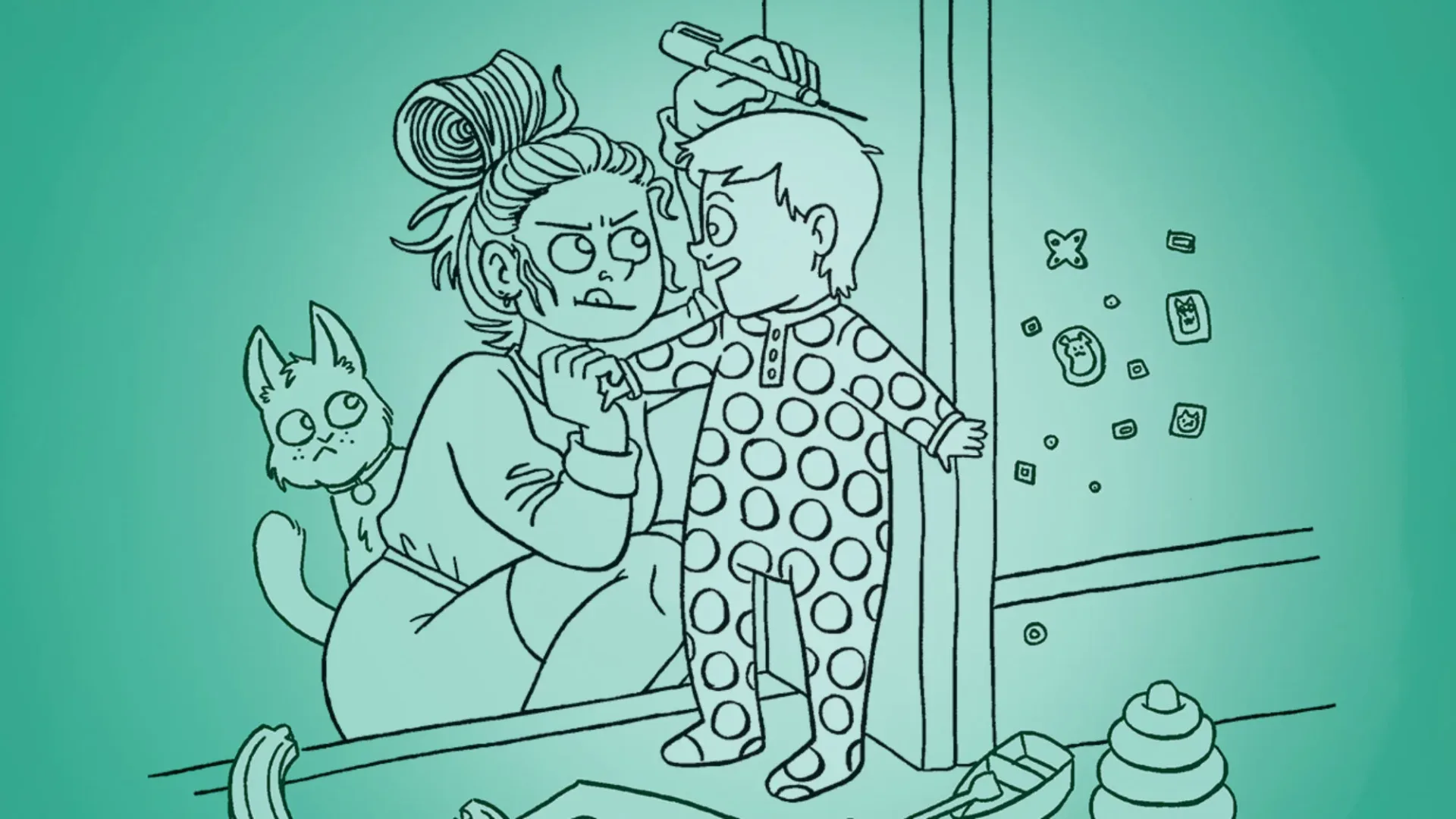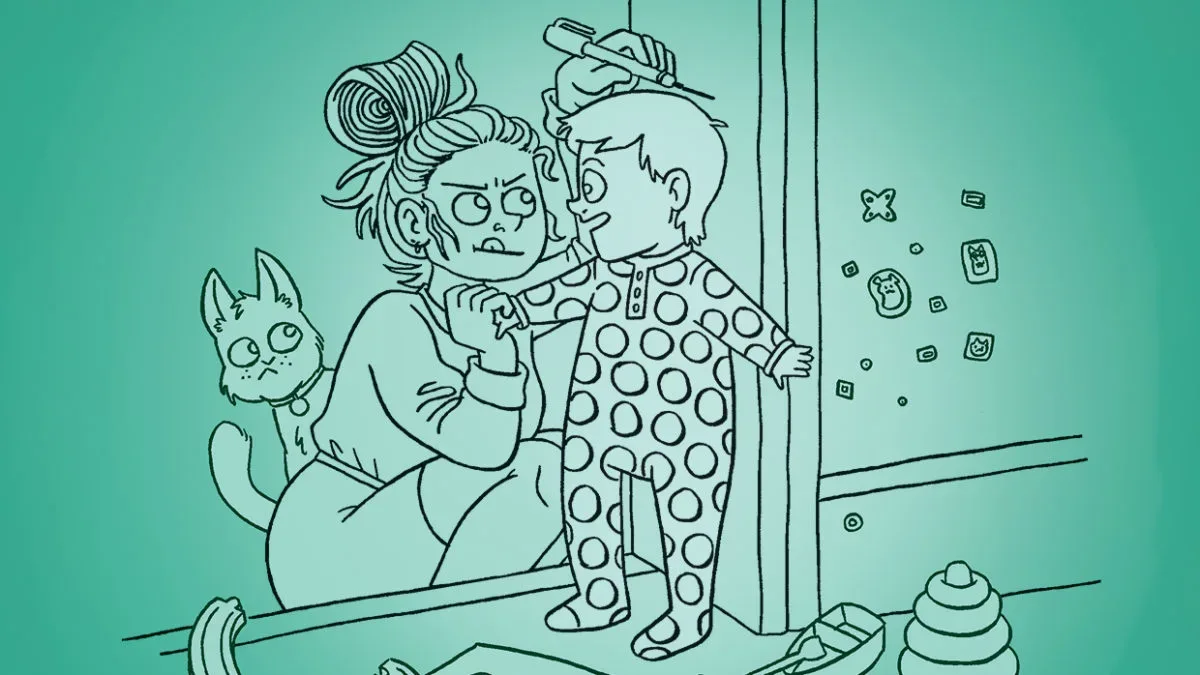
Cartoonist Rachael Smith has launched a Kickstarter campaign for Nap Comix: First Steps, a planned print collection of her autobiographical parenting strips. The book follows on from the first Nap Comix collection and moves into the second year of life for Smith’s son, Henry: a period defined here by first steps, talking, and the increasingly firm opinions of a growing toddler.
The campaign is scheduled to run through November 20, 2026. At the stated point in the campaign, it had raised $5,649 toward a $10,699 goal from 163 backers, with 30 days remaining. Those figures are a snapshot rather than a final result, but they establish the central proposition of the project: crowdfunding is being used to turn an ongoing free-to-read webcomic into a substantial physical edition.
What First Steps is collecting
Nap Comix began in 2023, with Smith creating short comics during her baby son’s naps. The series is a diary comic, a form of autobiographical comics built from personal observation rather than a fictional plot with a fixed beginning and ending. That format is particularly suited to parenting material: small routines, exhausted moments, funny reversals and emotional strain can all be meaningful without needing to function as one chapter in a conventional narrative.
The first Kickstarter-backed collection covered Henry’s first year and included exclusive earlier pages. Nap Comix: First Steps continues from there, gathering the webcomics from his second year. It is currently planned at approximately 200 pages, with around 40 pages of new material beyond the strips that have appeared online.
For more context, explore Dupery Says It Recovered Development Costs in One Day After 21 Million Launch-Week Investigations.
For readers unfamiliar with the series, the “first steps” in the title should not be read as a narrowly developmental or instructional promise. The book’s focus is Smith’s lived experience of parenthood: the difficult parts and the joyful ones, observed as Henry begins to walk, talk and assert himself. That makes the collection a record of a particular family’s changing everyday life, not a handbook on raising children.
Why the additional pages matter
Extra pages in a webcomic collection can serve a practical purpose beyond simply increasing page count. Online strips are usually encountered one at a time and often in reverse-chronological feeds. A print book gives them a chosen order and a durable reading context. New pages can help bridge periods, provide material that was held back from the web, or broaden the record around the previously published work. The campaign identifies roughly 40 pages as new, though it does not specify their individual subjects or format.
The difference is useful for prospective readers to keep in mind. Someone who has followed every free strip on Webtoon may still find original material in the book, while someone encountering Nap Comix for the first time receives a curated, long-form collection rather than needing to locate each installment online. The webcomic itself remains available to read for free on Webtoon.
The End of June receives a print home
First Steps will also include The End of June, Smith’s comic about miscarriage. It previously ran on Webtoon and drew substantial attention and responses of empathy from readers. Smith has said that the reaction made clear the comic had helped people, and described it as the work she is most proud of.
Its inclusion gives the collection a wider emotional range than a simple compilation of toddler anecdotes might imply. Parenthood and family life are often discussed publicly through milestones and celebration, but Smith’s body of work has also included autobiographical and mental-health comics. Placing a miscarriage comic in print alongside parenting diary work acknowledges that these experiences can sit close together in a person’s life without being reducible to the same feeling or story.
That context also matters for readers deciding whether the book is for them. The campaign is built around humour and close observation, but its subject matter includes grief and loss. The available details do not describe the presentation or length of The End of June, so readers should not assume more specific content information than has been provided. What is clear is that Smith considers it an important part of the collection and is pleased it will have a physical edition.
A continuation rather than a restart
The new volume is positioned as a direct follow-up, not a replacement for the first book. Backers who missed the original Nap Comix collection can add it to their pledge, while returning readers can pick up where the initial year left off. That approach makes practical sense for a diary series whose chronology is one of its defining features.
Henry’s movement from infancy into walking and talking changes the material available to a cartoonist. In the first year, parents often interpret a baby’s needs and reactions. As a child gains mobility and language, the comic’s interpersonal dynamic can shift toward negotiation, surprise and pushback. Smith’s description of stronger opinions points to that transition, while still keeping the emphasis on the parent’s perspective rather than attempting to tell a comprehensive developmental story.
The project’s title captures that double meaning neatly. “First steps” refers to a familiar childhood milestone, but in diary comics it can also signal a change in the artist’s own routine: the child becomes more active, the household changes, and the small windows in which the work was originally made may change too.
Smith’s comics background
Smith is known for autobiographical and mental-health-focused comics including Wired Up Wrong, Quarantine Comix and Isabella & Blodwen. She has also worked on Titan Comics’ Doctor Who: The Tenth Doctor series. That combination of personal comics and licensed comics is useful context for Nap Comix: it is a creator-led project with a strongly personal premise, made by an artist with experience in both intimate nonfiction-style material and established franchise work.
The first Nap Comix collection was funded via Kickstarter last year and was praised by fellow creators for its observational humour. That does not guarantee how every reader will respond to the follow-up, but it indicates that the blend of candid domestic detail and comedy was central to the appeal of the earlier volume. First Steps appears to retain that foundation while expanding the time period and incorporating more serious material.
What readers and backers can reasonably expect
Based on the campaign information, the clearest expectations are straightforward:
- A roughly 200-page print collection of strips from Henry’s second year.
- Approximately 40 pages of material not previously included in the webcomic run.
- The print inclusion of The End of June, Smith’s miscarriage comic.
- An option for backers to add the prior Nap Comix volume.
- Continued free access to the strips online through Webtoon.
Conversely, several details have not been specified in the available campaign summary, including a detailed reward breakdown, a delivery timetable, a final page count, and the exact contents of every new page. As with any crowdfunding campaign, the important distinction is between a planned book and a finished retail release. The campaign is seeking funds toward its stated goal, and the information currently available describes the intended collection rather than a completed product in hand.
Convention appearances and the campaign window
Smith is due to bring Nap Comix to MCM London Comic Con during the campaign period, followed by Thought Bubble in Harrogate next month. Those appearances give existing followers and curious readers opportunities to encounter the work in a comics-convention setting while the Kickstarter remains active.
For the project itself, the key appeal is less about a single dramatic premise than accumulation. Parenting is built from repeated routines and small changes; diary strips can preserve those changes before they blur into one another. Nap Comix: First Steps turns a second year of those observations into a planned physical archive, while making room for a separate but deeply connected account of loss.