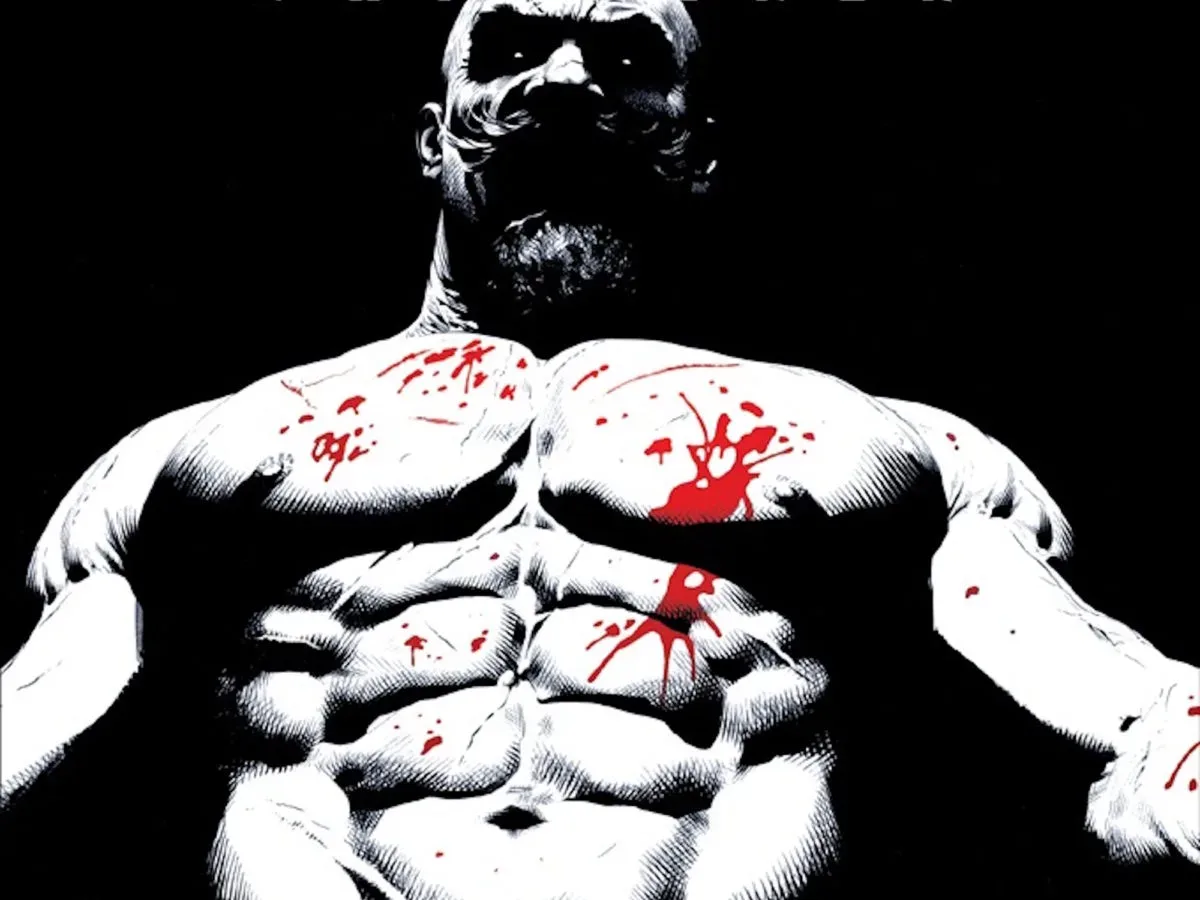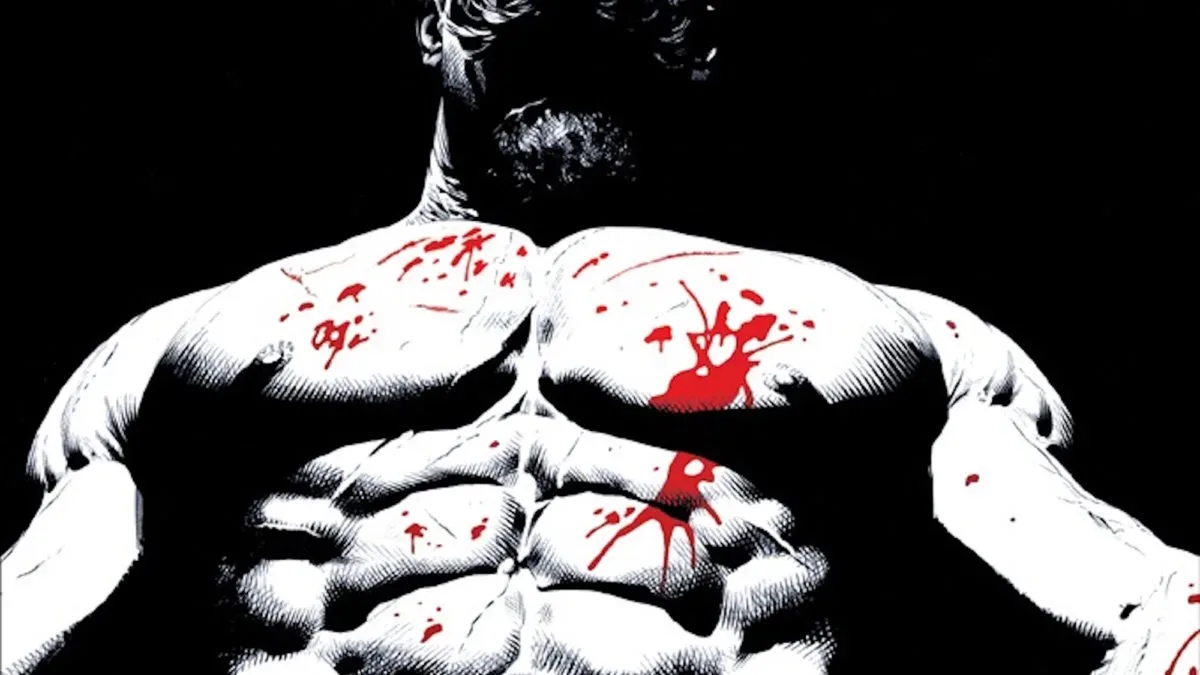
Peter J. Tomasi is bringing a new supernatural comic to Kickstarter with Death Whisperer #1, his first campaign on the crowdfunding platform. The project reunites Tomasi with co-writer Keith Champagne and pairs them with artist Neil Edwards for a story about Gray Morrow, a man who can hear the dead—and who confronts spirits that have chosen cruelty over peace.
The premise places grief, guilt and vengeance at the center of its horror. Gray follows tragedy because he can perceive the lingering voices and emotional weight left behind by the deceased. He appears to offer survivors and spirits a route to closure, but the book’s central complication is that not every ghost wants release. Some actively seek pain, and Gray’s role as the Death Whisperer is to destroy those malicious dead.
A ghost story built around unfinished pain
Death Whisperer is being framed as a supernatural thriller rather than a simple monster-of-the-week comic. In practical genre terms, that means the ghosts are not merely visual scares or obstacles for a hero to punch through. They are characters with unresolved motives, and their continued presence is tied to emotional trauma: grief that cannot settle, guilt that remains unspoken, or a desire for vengeance.
That approach gives the title a clear tension. Gray’s ability is potentially compassionate, because hearing the dead could make it possible to understand what they need. At the same time, the ability puts him in contact with entities that regard suffering as an end in itself. The campaign’s description makes a distinction between spirits seeking closure and those pursuing conflict. Gray may be able to listen, but listening does not necessarily mean saving everyone.
The book’s protagonist also has a deliberately blunt defining trait: he “kills dead people.” That phrase establishes the series’ action-horror hook, while the broader setup suggests the work will be concerned with why a ghost stays behind before it reaches the point of being destroyed. The concept of a person who encounters tragedy after it happens gives each prospective haunting an emotional stake beyond the supernatural threat.
The threat beyond Gray Morrow
Gray is not positioned as the only force operating between life and death. The story introduces an ancient predator described as a God of Ghosts, a being that has been killing for a very long time and is hunting the Death Whisperer. Its stated ambitions are enormous: a war against all creation.
That detail expands the scope of the comic beyond isolated cases of hauntings. Gray’s work may begin at the human scale, among individual losses and troubled spirits, but the larger conflict points toward a mythology with its own hierarchy and rules. The campaign material does not spell out those rules, so readers should not assume the exact nature of the God of Ghosts, its powers, or how the conflict develops. What is clear is that Gray’s ability to deal with the dead makes him a target, not simply an observer.
There is a useful contrast in the setup: a character devoted to ending eternal evil is being pursued by something ancient enough to make death itself feel like contested territory. That contrast can create a strong engine for a supernatural thriller. Personal mourning and cosmic danger occupy very different scales, but both stem from the same question: what happens when the dead refuse to remain buried?
Tomasi and Champagne reunite
Tomasi and Champagne have collaborated before on The Mighty, a series that originated at DC and later became associated with Ghost Machine. Their partnership on Death Whisperer gives the new project continuity at the writing level, while Edwards is the announced interior artist.
For readers considering a campaign such as this, the division of credits matters. Tomasi and Champagne are attached as the writing team, while Edwards is identified as the artist. The supplied campaign details do not provide further information about issue length, future issue plans, reward tiers, shipping, schedule, or digital editions, so those are details potential backers would need to verify through the campaign itself rather than infer from the creative lineup.
The title’s combination of horror, paranormal investigation and a larger spiritual adversary puts it in a neighboring space to other dark fantasy stories, though its particular focus is on the voices left behind by death. Fans looking for more genre discussion can also see how another recent vampire-focused project handled its tone in our look at Castlevania: Belmont’s Curse.
Covers and variants included in the campaign
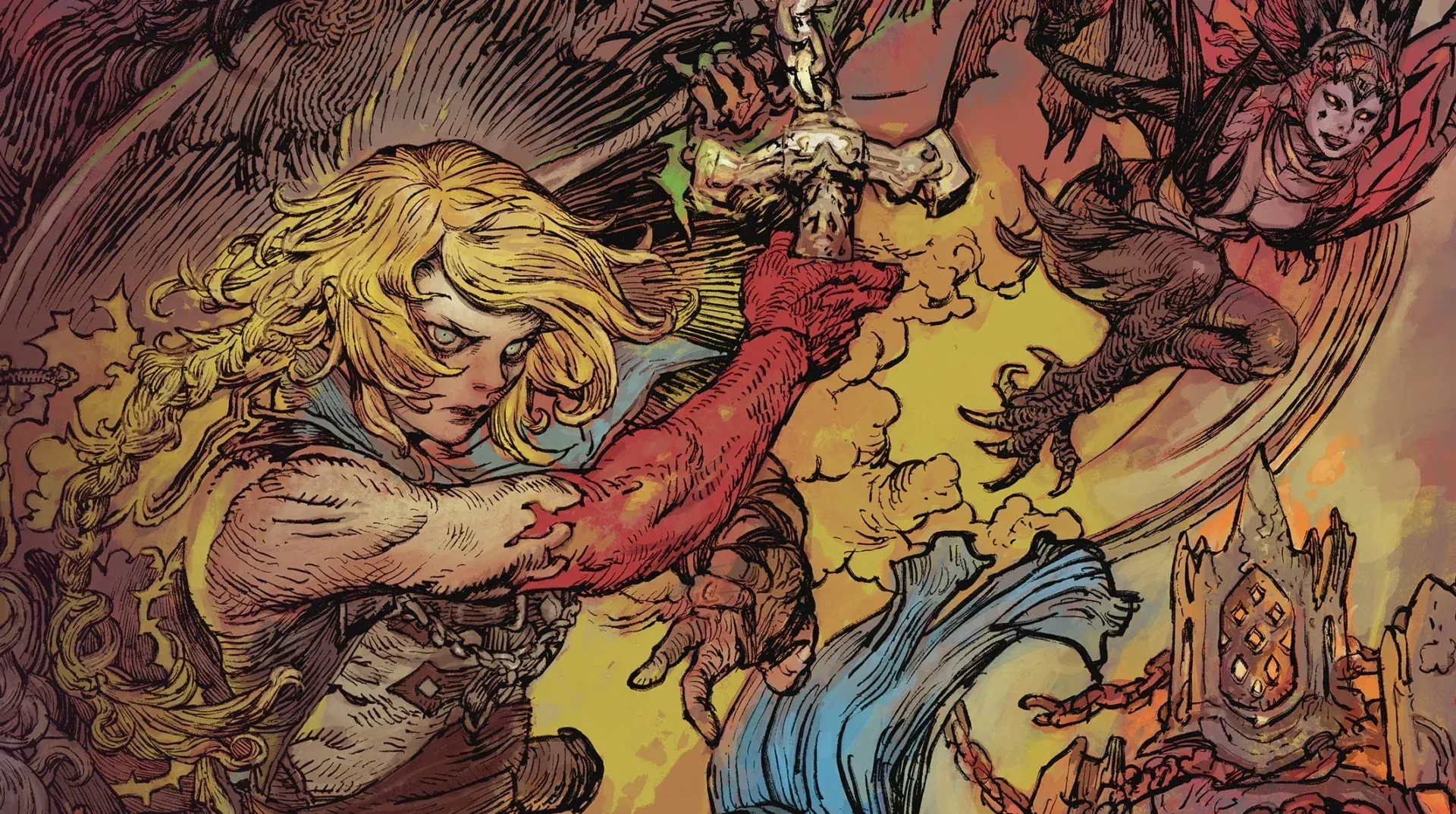
The Kickstarter’s standard cover is credited to Neil Edwards and Karl Kesel. It will also include exclusive variant covers by Leonard Kirk, Christian Alamy and Patrick Olliffe. A further mystery variant is planned to be revealed in the middle of the campaign.
Variant covers are alternate cover artworks for the same comic issue. They can appeal to readers who want a preferred piece of art as well as collectors who follow specific artists or wish to assemble multiple editions of an issue. They do not, on their own, establish different story content. Based on the available information, the important confirmed distinction is the cover art and the campaign exclusivity described for the variants; no claim has been made that each version contains a separate interior story.
- Standard cover: Neil Edwards and Karl Kesel
- Exclusive variants: Leonard Kirk, Christian Alamy and Patrick Olliffe
- Additional variant: a mystery cover planned for a mid-campaign reveal
The spread of participating cover artists gives the launch an extra collecting angle without changing the core pitch: a new supernatural thriller about someone who hears the dead, confronts the spirits that feed on anguish, and finds himself hunted by a far older power.
What is confirmed—and what remains open
The campaign establishes the basics of Death Whisperer #1: Tomasi’s first Kickstarter, the return of his collaboration with Champagne, Edwards’ art, and Gray Morrow’s role as a figure who can hear and combat the dead. It also identifies the emotional territory of the series—grief, guilt, vengeance and the fear of unresolved loss—and introduces the God of Ghosts as the major looming threat.
Just as important, several details are not confirmed in the supplied information. There is no stated launch or end date for the campaign, no price information, and no listed publication or delivery timetable. There is also no explanation yet of how Gray acquired his ability, the precise boundaries of his powers, or whether the ancient antagonist is responsible for the malevolent spirits Gray encounters.
That leaves the first issue with a focused promise rather than an overexplained one. Death Whisperer has a protagonist whose gift forces him into the aftermath of tragedy, a horror premise that treats ghosts as people with agency, and a much larger danger moving behind the hauntings. The Kickstarter’s cover lineup adds options for readers who collect comic editions, but the story’s central appeal lies with Gray Morrow: a man who hears the dead, knows that not all of them deserve peace, and has learned that the dead can hunt back.