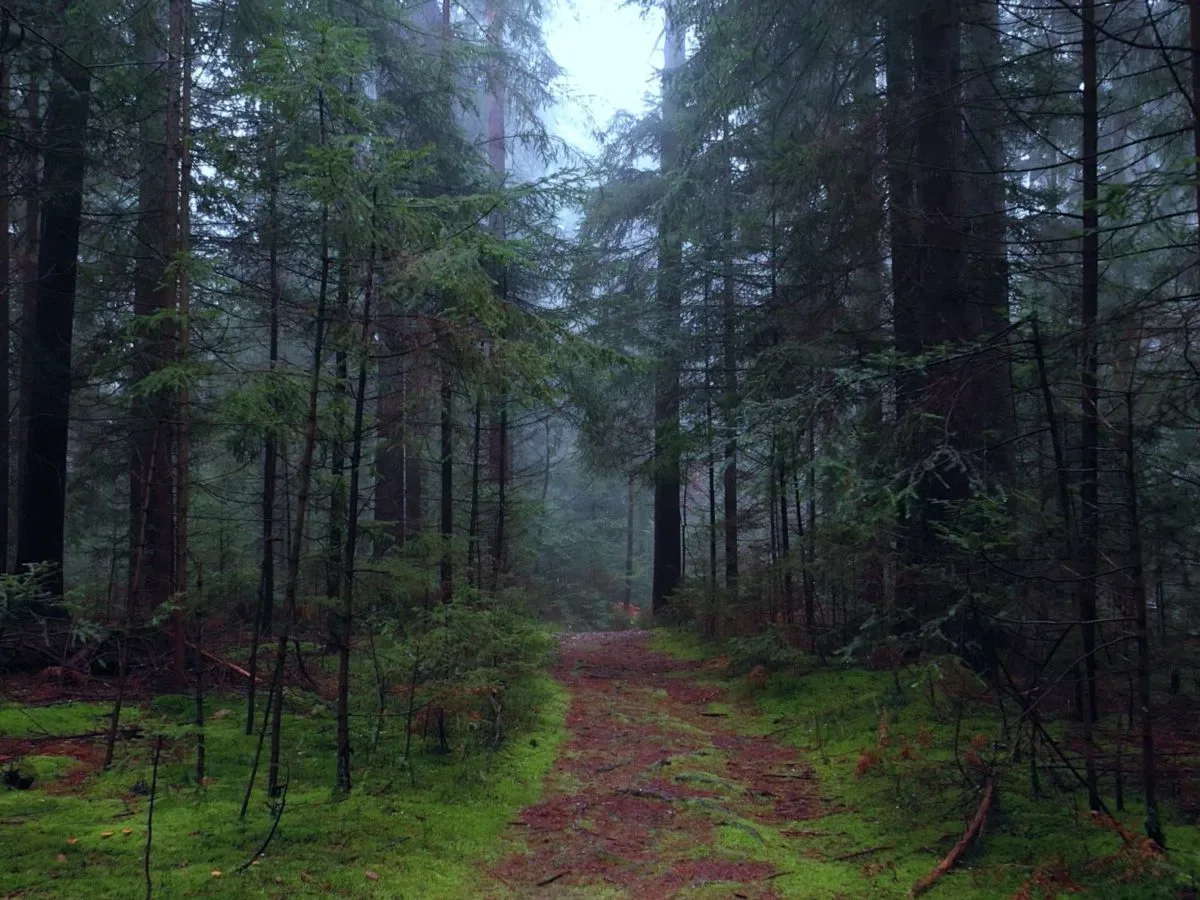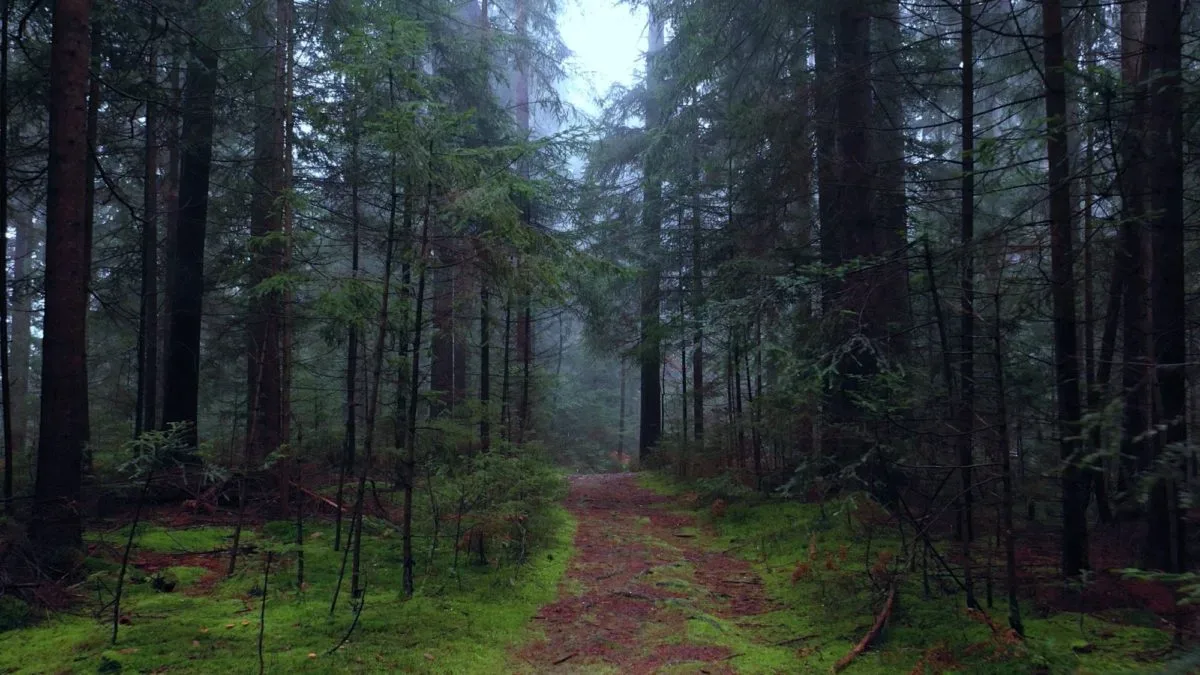
Mark Millar has offered one early, wonderfully specific detail about his next comic project: it will be set entirely in the woods.
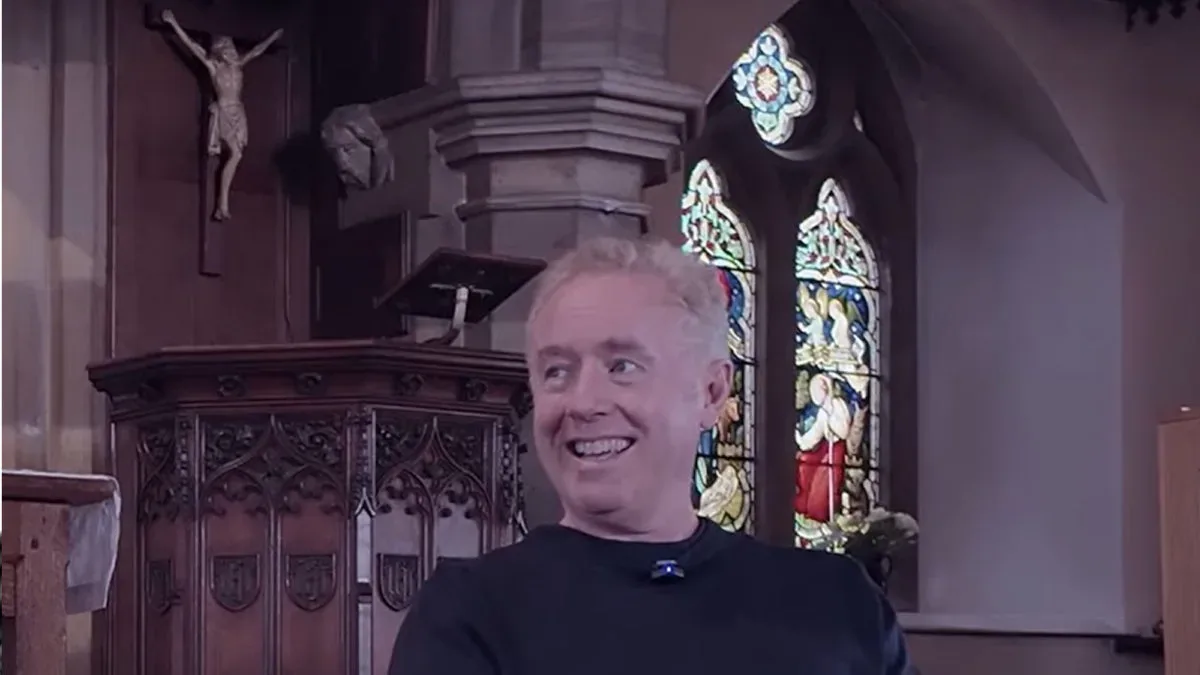
The writer discussed the still-untitled book during an appearance at High Vis Comic Con in Kings Heath, where the conversation ranged across his work in comics and film. There is no announced artist, publisher, release window, plot synopsis or character information yet. But the setting alone creates an immediate creative image: a comic that trades city skylines, spacecraft interiors and familiar superhero backdrops for a sustained woodland environment.
It is also a premise that neatly illustrates the point Millar was making about the different practical realities of comics and screen production. A film scene grows more expensive as its scale expands, whether that means more performers, locations, construction, visual effects or other logistical demands. On a comic page, a writer can ask for an army pouring over a hill or a fleet filling the sky without creating that same production-budget calculation.
“If I write a scene with three guys running over a hill, and I write a thousand guys coming over the hill, in comics that costs the same amount,” Millar said, contrasting comic-book storytelling with the constraints of filmmaking.
A woodland setting is simple only on paper
Millar’s observation should not be confused with the idea that large-scale comics are effortless to make. The production cost of a script may not rise in the same way it can for a live-action shoot, but the creative workload can be formidable. An artist still has to turn the instruction into readable, expressive sequential art: staging crowds, establishing geography, managing perspective, maintaining visual continuity and ensuring a page moves the reader’s eye clearly from panel to panel.
The all-woods concept presents its own version of that challenge. Trees can be a rich visual tool: trunks make natural vertical lines, branches can frame a character, thick foliage can conceal threats, and a break in the canopy can abruptly expose a clearing. At the same time, a forest risks becoming visually repetitive if every location has the same density, texture and silhouette. The basic joke embedded in Millar’s tease is that “no sets” does not mean “no work” when someone has to draw tree after tree after tree.
That tension is part of why the tease is intriguing rather than merely economical. A comic can make a forest feel enormous without having to build it, but it needs deliberate visual choices to make individual places memorable. A trail, ravine, clearing, cabin, ruined structure or altered weather can change the reader’s sense of space. Varying the time of day, the distance between figures and trees, or the amount of sky visible can similarly stop a continuous woodland location from feeling like one interchangeable backdrop.
What “scale” means in comics
When Millar talks about scale, he is describing more than a high number of figures in a panel. In comics, scale can come from contrast. A tiny character against towering trunks can establish isolation; a distant line of people cresting a ridge can suggest an approaching force; and an overhead view can communicate the size of a forest in a single image. Comics also control pace differently from film. A reader can linger over a packed wide shot, then turn the page into a tight, quiet close-up without the story needing to physically move a camera or crew between setups.
The medium’s flexibility is especially relevant to Millar’s body of work. He is known for stories with immediately legible, often cinematic hooks and heightened imagery. His major comics include Civil War, The Ultimates, Wanted, Kick-Ass, The Secret Service and Old Man Logan. Those projects helped build a reputation for work that can move comfortably between intimate character moments and spectacle on a much larger canvas.
Many of those titles have been adapted into films in some form. Millar also founded the creator-owned Millarworld line, which Netflix acquired in 2017. The deal gave Netflix ownership of his creator-owned work under that imprint, while Millar has continued to speak enthusiastically about making comics even as film-related work takes substantial time.
The practical appeal of a comic-first idea
Millar’s woods project sounds like a useful example of an idea designed around what comics do well rather than a project reduced to fit a screen budget. That does not mean a forest-based comic cannot be cinematic. Rather, it can embrace images that would provoke immediate practical questions in film production: How many people are in the frame? How large is the landscape? How much has to be built? Is the environment physical, digital or both?
For a comics team, the questions are instead primarily artistic and narrative. What does the reader need to see? Which details sell the mood? How do the trees help tell the story, rather than simply occupy space behind the characters? The distinction matters. A comic page has finite room, and visual density only works when the composition remains understandable.
The result could range widely in tone. Forests support suspense because visibility is limited; they support action because terrain can divide or trap characters; and they support fantasy or horror because natural spaces can appear familiar and alien at once. None of those genres or story directions has been confirmed for Millar’s comic, so the setting should not be treated as a plot reveal. For now, it is simply the clearest public clue about a project that remains largely under wraps.
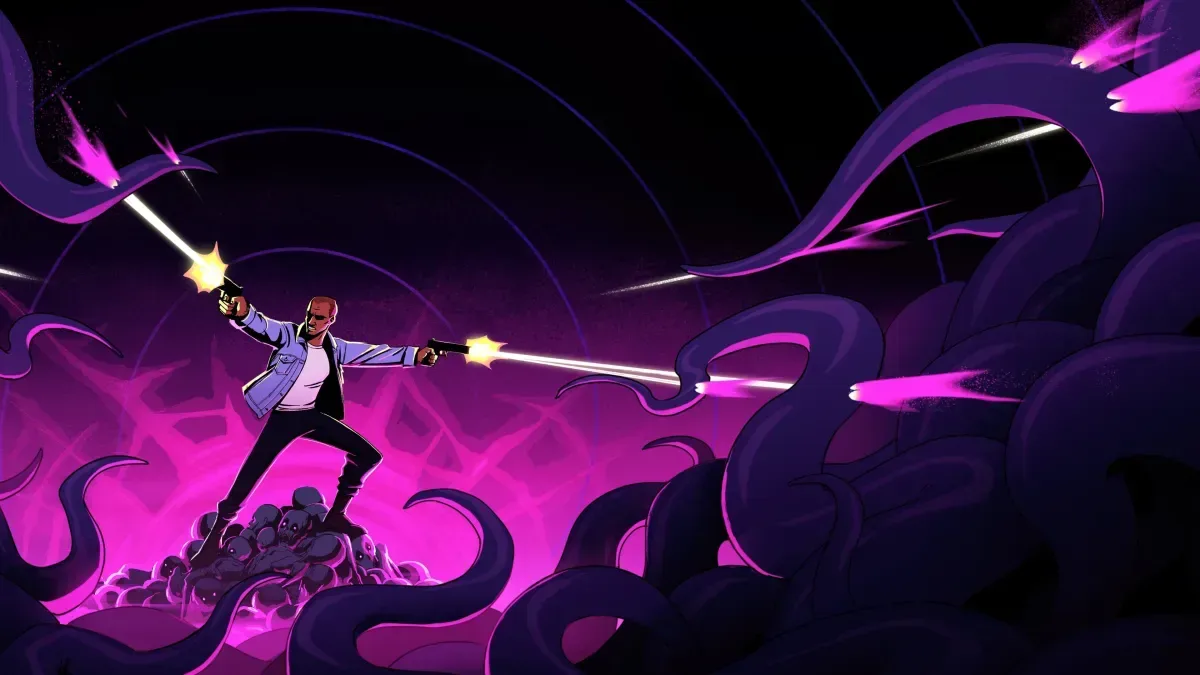
The idea also lands during a period when forests remain a dependable setting across genre fiction and games, from survival-focused spaces to stylized shootouts such as the fairytale woodland setting discussed in El Paso, Elsewhere 2. The shared appeal is easy to understand: forests provide texture, mystery and a ready-made sense of boundaries without needing much explanation.
What has and has not been revealed
At present, readers should keep expectations appropriately narrow. Millar has said that he has created a comic project set in the woods, and he used it to explain the creative freedom comics offer compared with film. He has not publicly identified its title, creative team, format, story, release date or publication plan in the information available here.
That leaves plenty of room for speculation, but very little reason to make assumptions. The key takeaway is not that every comic can evade costs or production limits. It is that comic books shift the constraints. They can make a thousand figures, a massive landscape or fleets of spaceships feasible as story images without requiring a corresponding increase in a film’s physical production scale. In return, the people making the page must solve those challenges with drawing, color, lettering, composition and clarity.
For Millar’s prospective artist, then, the assignment may ultimately be both dream brief and endurance test: an entire world of woods, with every branch expected to earn its place.