A listing for a Derik Queen Rookie NBA Debut Patch Auto 1/1 has put a particularly modern kind of sports-card collectible in focus: the premium card that is compelling before the finished physical card is in a collector’s hand.
The item is described as an unscratched redemption from Topps Chrome Update, built around a rookie autograph and an NBA Debut patch concept. Its stated one-of-one status supplies obvious scarcity. But that alone is not the full story—or even necessarily the most important part of it. This type of card asks a collector to evaluate several things at once: the player, the relic’s stated connection to a debut, the specific product presentation, and the procedures that must happen before the redeemed card can be delivered.
That makes the Queen redemption a useful case study. It is not a price forecast, nor is rarity a guarantee that the card belongs in every collection. It is a chance to separate the appeal of a highly specific rookie artifact from the practical considerations that come with a redemption.
The debut connection is the format’s defining feature
A standard rookie patch autograph typically combines two popular elements: an autograph and a memorabilia relic. A debut patch autograph attempts to add another layer, generally called provenance. In collecting, provenance means the stated origin and history that give an object context. Here, the key claim is that the patch is connected to the player’s first NBA appearance.
That distinction is why a debut patch can feel meaningfully different from an ordinary swatch. The appeal is not simply that the card contains fabric or carries a signature. It is that the relic is presented as belonging to one particular milestone at the beginning of a player’s NBA story. The listing describes a full NBA Debut logo patch with a Logoman element, placing the patch at the center of both the card’s visual presentation and its narrative.
Collectors should be precise about what that means. A patch can be eye-catching, but the format’s deeper attraction is the stated first-game connection. The autograph adds direct player association; the rookie designation places the card at the start of a career; and the debut-linked relic gives the piece an event-specific identity. Together, those components create a collectible built around a single moment rather than a generic memorabilia theme.
That specificity does not require a collector to declare every debut patch auto superior to every other rookie card. Different collections prioritize different things. Someone focused on signatures may prefer a clean rookie auto. Someone building a player run might seek several parallels. Someone who values objects tied to a defined event may see a debut patch as the clearest centerpiece. The right comparison starts with the collector’s purpose, not a blanket ranking of card formats.
What a 1/1 confirms—and what it does not
The 1/1 notation means that, within the described card configuration, there is one copy. That is a powerful form of scarcity. No second example with the same player, design, autograph, patch configuration and stated serial number is expected to surface as another copy of that exact card.
Related coverage includes How Collectors Should Evaluate a Rookie NBA Debut Patch Auto Redemption Card.
But a one-of-one resolves only the question of duplication. It does not automatically settle demand, aesthetics, player interest, personal collecting fit or the long-term significance of a particular release. A unique card can be highly meaningful to a collector who follows the player, values the format or wants a landmark rookie artifact. To a collector with no connection to any of those things, it may remain a scarce card without a role in the collection.
That is a useful distinction in high-end modern sports cards. Scarcity is often easiest to quantify; desire is not. Desire may depend on the athlete, the look of the eventual card, how clearly its debut-relic concept is documented, and whether the set resonates with collectors. The serial number is an important fact, but it should be treated as one factor rather than an all-purpose verdict.
There is also a practical issue unique to a redemption: the 1/1 designation may be known before the collector can inspect the final physical card. Until fulfillment, details such as final presentation and condition remain matters for the eventual delivered item, not things a buyer can judge from a redemption listing alone.
A redemption is a right to fulfillment, not a card in hand
The most consequential word in the listing may be redemption. An unscratched redemption is not the same as already possessing the completed card. It represents the route through which the specified card is to be claimed and fulfilled. Put simply, a collector can acquire an interest in a premium one-of-one while the physical card is still pending delivery.
This changes how the item should be assessed. With a card already in hand, a buyer can consider surface condition, centering, corners, autograph placement and overall presentation. With a redemption, those are future questions. The collector is evaluating the stated card concept and the redemption process rather than inspecting a finished object.
The details provided for this listing make that process especially important. Redemption fulfillment, substitution eligibility and associated policies are handled through Topps.com. The redemption must be managed with a Topps account associated with the same email address as the Collect account. Those steps are not minor administrative fine print: they are part of the ownership experience.
Before acting on a redemption, a collector should understand the handoff between platforms, confirm that account access is in order and read the applicable terms. That is not pessimism. It is simply recognizing that the collectible has two stages:
- the redemption item and the rights it represents; and
- the final physical card once it has been fulfilled.
Confusing the two can lead to unrealistic expectations. The card may be described as a singular, premium rookie piece, yet it remains unfinished from the collector’s point of view until it exists physically and has arrived.
Why player interest still anchors the decision
Queen’s name is essential to the card, even with a format this rare. A 1/1 debut patch auto can create attention because it is unique and because its relic story is easy to understand. Still, the player is the card’s enduring point of reference. Collectors should ask whether Queen is someone they actively want represented in their collection, whether the card fits a team or rookie-class focus, or whether they are primarily drawn to the debut-patch format itself.
That approach is healthier than treating a scarce listing as a generic chase. Rookie narratives are inherently unfinished. A player’s collecting profile can evolve as a career develops and as further cards appear. That is uncertainty, not evidence for or against the athlete. The practical takeaway is that a collector should know what they are buying for: the player, the milestone, the set, the visual patch, or a combination of all four.
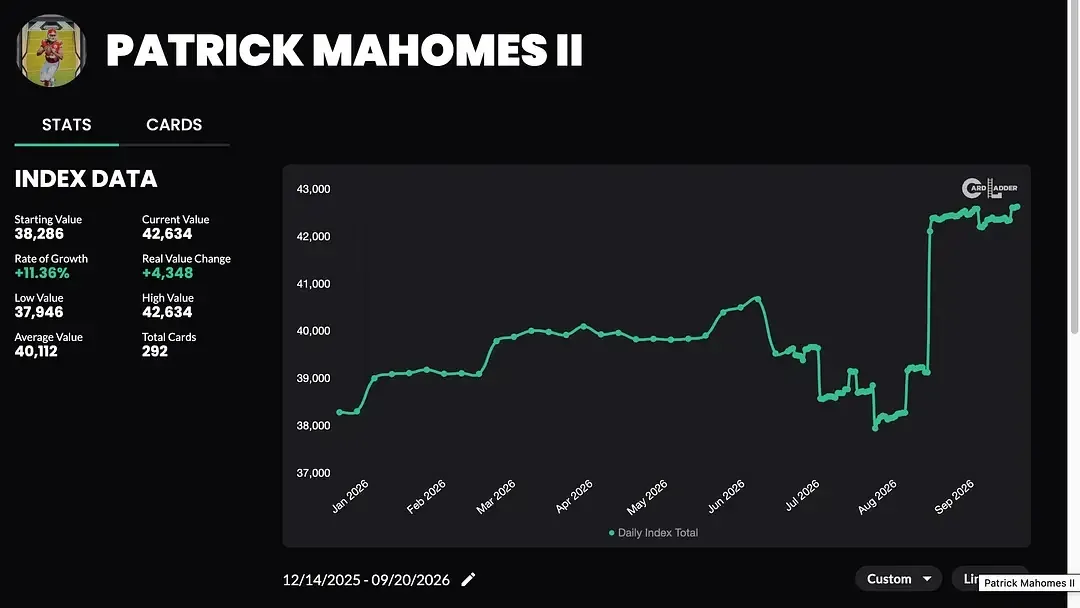
The same discipline applies across premium football and basketball cards. Player-led demand can complicate even seemingly simple market narratives, as illustrated by the discussion around how Patrick Mahomes’ card market relates to football’s broader rise. A card’s rarity can be undeniable while its reception remains dependent on collectors’ interests and on the wider context around the player.
How to read patch language carefully
Premium-card descriptions can use exciting wording, particularly when a patch carries a logo or is connected to an event. The proper response is neither to dismiss that language nor to inflate it. A collector should focus on what is actually represented: the patch’s described debut context, the product’s stated identity and the manufacturer-managed process behind the redemption.
In this case, the full NBA Debut logo and Logoman reference explain why the relic is being positioned as more than decorative fabric. It is meant to be the card’s story-bearing feature. Yet the final delivered card remains the point at which its full appearance can be assessed. Until then, it is sensible to distinguish clear listing details from broader promotional enthusiasm.
This is also where the term relic is useful. In trading-card terminology, a relic is an embedded material component associated with the subject or theme of the card. The appeal of a relic varies dramatically depending on its design, stated origin and relevance to the card’s central idea. In a debut patch auto, the stated origin is not an accessory to the card—it is the main reason the format exists.
A practical checklist before pursuing a redemption
A thoughtful buyer does not need to overcomplicate the decision. The following questions address the uncertainty that makes redemptions different from ordinary single-card purchases:
- What exactly is confirmed? Identify the named player, product, card concept and 1/1 designation. Keep confirmed listing information separate from opinions about future importance.
- What is still pending? Final fulfillment timing, the delivered card’s presentation and condition cannot be evaluated until the physical item exists.
- Can the redemption be managed correctly? Confirm access to the required account and ensure the email relationship between the Collect and Topps accounts is understood.
- What terms apply? Review redemption, fulfillment and substitution policies before treating the purchase as straightforward.
- Why does this card belong in the collection? A clear answer—player collection, team collection, rookie milestone, set focus or patch format—helps prevent a decision driven solely by scarcity.
This checklist is not a prediction tool. It is a way to ensure the buyer has considered the operational side of the card with the same care they give its visual and historical appeal.
Presentation matters after fulfillment, not before
The finished card’s appearance will matter. Premium patch-autograph cards are often evaluated as display objects as much as checklist entries: the patch window, autograph placement and overall design affect how successfully the card communicates its intended story. But an unfulfilled redemption does not allow those judgments yet.
That does not make the redemption less legitimate as a collectible category. It means collectors should be accurate about its status. It is an item in a fulfillment pipeline, with a stated outcome and administrative requirements, rather than a finished card ready for display, storage or condition review.
Once fulfillment is complete, the owner can decide whether the card belongs in a vault, a display or a long-term personal collection. Until that point, patience is not merely a virtue—it is part of the format.
The bigger lesson from a one-of-one debut redemption
The Derik Queen listing demonstrates why NBA Debut Patch Auto cards draw attention. They combine rookie-card appeal, a signature, a highly specific relic narrative and, in this instance, one-of-one scarcity. It is an easy concept to understand because the components work toward the same story: a player’s earliest NBA moment preserved in a premium trading-card format.
It also demonstrates why collectors should slow down. The card’s stated rarity is real within its described configuration, but it does not remove uncertainty around fulfillment, account procedures, the eventual physical presentation or a young player’s changing collecting narrative. The strongest way to appreciate the format is to hold both ideas at once: this can be a distinctive rookie artifact, and it is still a redemption subject to a process.
That balance—enthusiasm for provenance, discipline about mechanics—is the useful habit this kind of listing can teach.