The 2026-27 NBA season is approaching with a 20-player rookie class that already has a clear collecting hierarchy. At the peak sit AJ Dybantsa, Darryn Peterson and Cameron Boozer: the three prospects whose draft order may have been debated, but whose status at the front of the class was not. Beneath them is a more complicated, and potentially more approachable, group of lottery talent, Summer League performers and players whose early NBA roles remain unresolved.
That distinction matters for card collectors. A player can be a major long-term talent and still have a card market that is either already expensive, temporarily quiet or simply too thin to read confidently. College cards also make this class especially interesting before the NBA season begins, since collectors can choose among base cards, parallels, autographs and graded examples without assuming any one early sale determines a player’s future.
This is a watch list rather than a promise of returns. Rookie performance, team role, card supply, condition and collector demand can all change quickly. Still, the early price gaps in this class give collectors several different lanes: blue-chip centerpieces, cheaper top-10 selections, spotlight bets and speculative signed cards.
Tier 1: The three names setting the market
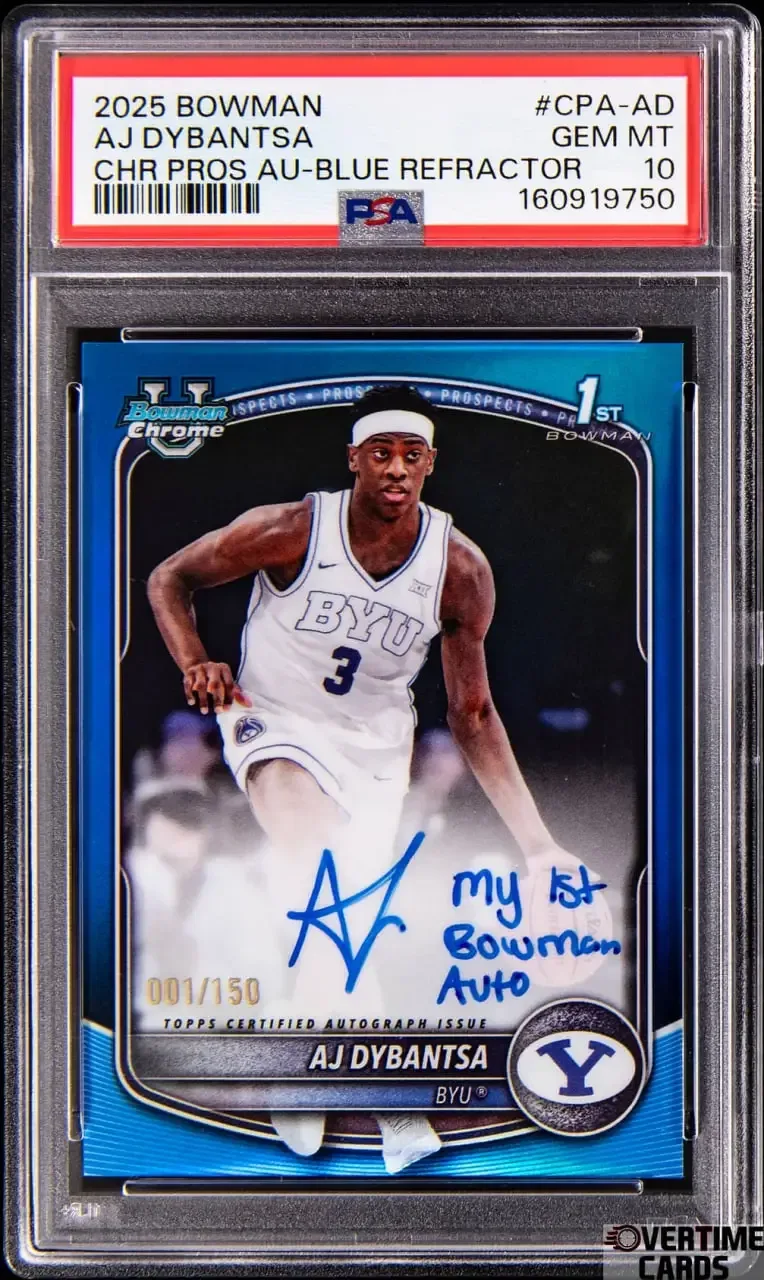
1. AJ Dybantsa — Washington Wizards
2. Darryn Peterson — Utah Jazz
3. Cameron Boozer — Memphis Grizzlies
For more context, explore Aaron Sorkin Says Jesse Eisenberg Nearly Reconsidered Returning as Mark Zuckerberg in ‘The Social Reckoning’.
Dybantsa, Peterson and Boozer are the class’s immediate collecting headliners, but their markets are not identical. The largest cited sale belongs to Dybantsa: a one-of-one 2025 Bowman first signed card with an inscription sold for $45,140. That is a significant premium over the notable high-end sales cited for the other two players, and it shows how quickly a perceived top pick can become the headline name in a pre-NBA card market.
Peterson’s 2025 Bowman U one-of-one Superfractor reached $15,000, while Boozer’s first Bowman Superfractor autograph sold for $14,520. Those are important reference points, not automatic price guides. Each is a uniquely scarce card, and a one-of-one should not be treated as a direct substitute for a standard autograph, numbered parallel or base card.
What the card language means
A one-of-one, often written as 1/1, is the only card carrying that exact version, serial number and design. A Superfractor is a specific ultra-low-numbered parallel designation. A parallel is a variation of a card distinct from its regular base version, often using a different finish, color treatment or serial number. An auto is an autograph card, while an on-card autograph means the player signed the card itself rather than a separate sticker placed on it.
The practical implication is simple: collectors should compare like with like. A Peterson or Boozer 1/1 headline sale is useful for understanding the ceiling of early demand, but it does not mean every card of that player is priced near five figures. For both players, college-card purchases in the roughly $10 to $100 range can already provide alternatives to a plain base card, including stronger parallels. That makes the pair the more accessible route into the class’s top three, at least compared with Dybantsa’s standout sale.
Dybantsa’s premium reflects intense attention after he went first overall, plus anticipation surrounding Washington’s roster changes. That does not make every Dybantsa card equally scarce or equally desirable. It does mean buyers should decide whether they want a flagship piece, such as a first signed issue, or merely exposure to the player at a chosen budget. Those are different collecting goals, and treating them as the same can lead to overpaying for a card whose appeal is mostly short-term attention.
Tier 2: Top-10 opportunity without the top-three price tag
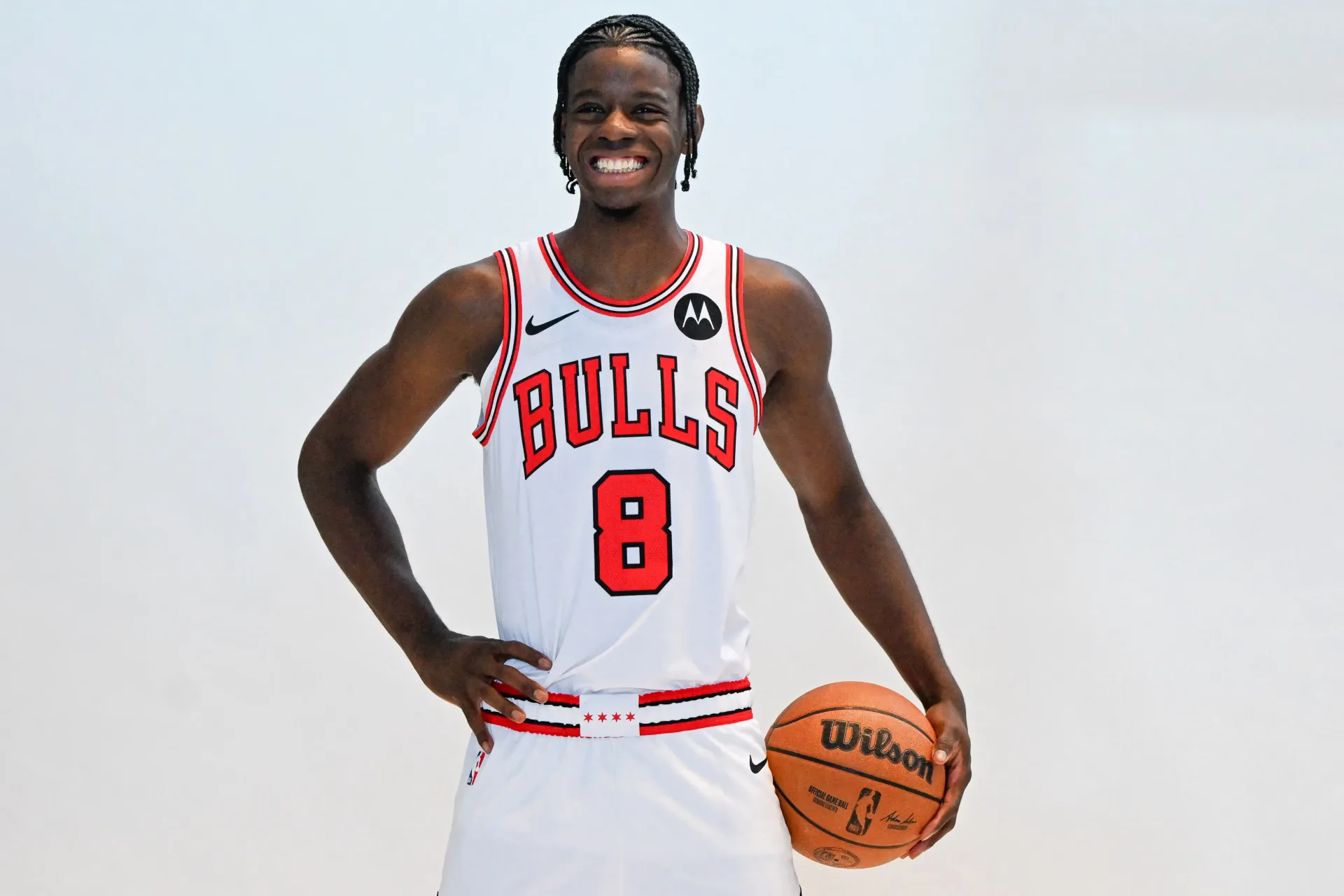
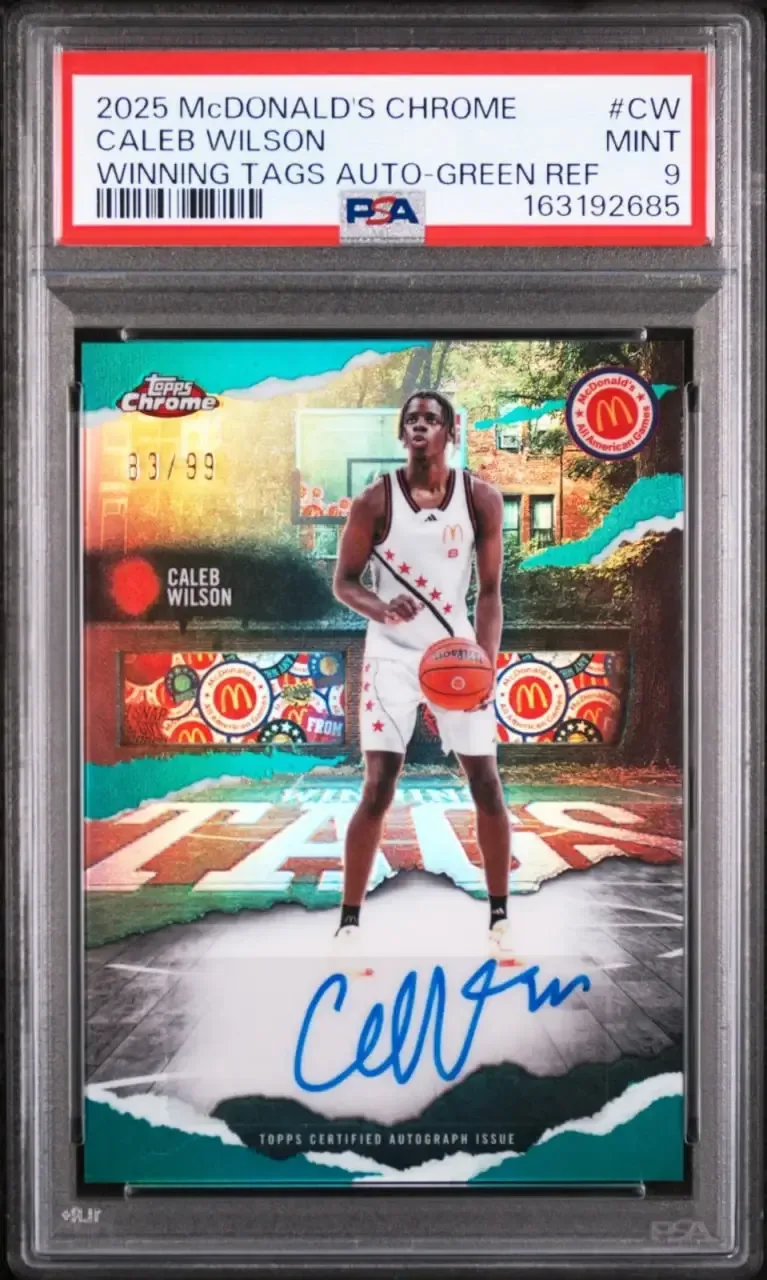
4. Caleb Wilson — Chicago Bulls
5. Keaton Wagler — Los Angeles Clippers
6. Mikel Brown Jr. — Brooklyn Nets
7. Darius Acuff Jr. — Sacramento Kings
8. Brayden Burries — Milwaukee Bucks
This tier is built around players selected in the top 10 who landed on teams described as rebuilding, unsettled or otherwise light on dependable depth. For collectors, that situation creates a recognizable opportunity: a young player may have a clearer route to visibility even if the team itself is not projected to contend immediately.
Visibility is not the same as success, of course. It can mean more minutes, more responsibility and more chances for a rookie to establish an identity. The important collecting question is whether that added opportunity turns into sustained attention. A player’s role, performance and fan interest may matter far more than a preseason label attached to his team.
Wilson provides the most concrete early pricing marker here. A 2025 Topps Chrome McDonald’s autograph graded PSA 9 sold for $290. PSA 9 is a near-mint grade assigned by a third-party grader, and grading is relevant because the assessed condition becomes part of the card’s identity. A raw, or ungraded, copy and a graded copy are not automatically interchangeable in value.
At $290, Wilson’s cited sale remains materially below the headline one-of-one results for the top trio, though it is still a substantial price for an unproven NBA player. The rest of this tier is characterized as cheaper overall. That difference makes Wilson, Wagler, Brown, Acuff and Burries a useful group for collectors who prefer talent with a high draft position but do not want their entire budget concentrated in one of the class’s three most closely watched names.
A sensible approach is to prioritize the card rather than the hype. Decide whether the goal is a first autograph, a visually appealing numbered parallel, a graded copy or a low-cost base-card starting point. A collector who wants one representative card may be better served by a strong-looking, clearly identified piece than by chasing a headline-grade example simply because it is the most expensive one available.
Tier 3: Summer League momentum and bigger-market spotlights
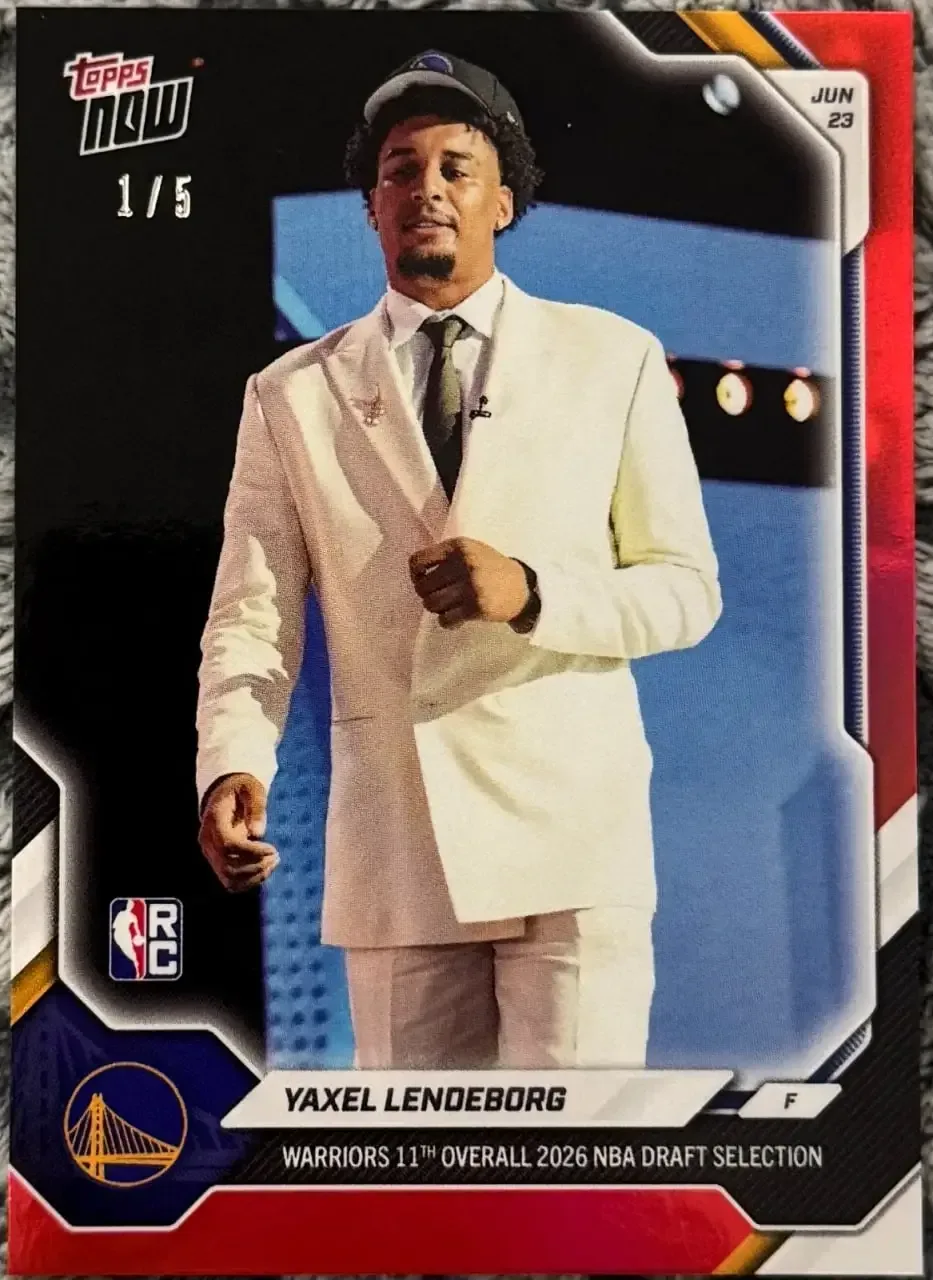
9. Yaxel Lendeborg — Golden State Warriors
10. Cameron Carr — Los Angeles Lakers
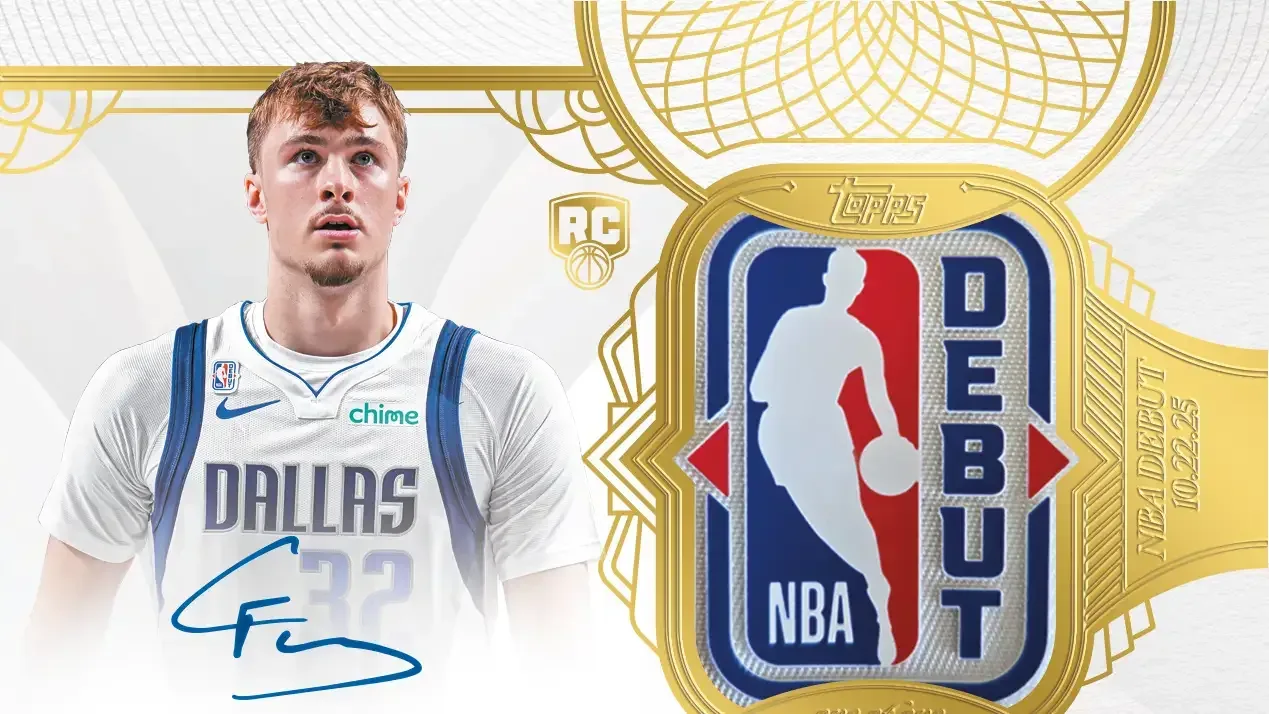
11. Sergio de Larrea — Dallas Mavericks
Summer League does not settle an NBA career, but it can substantially alter the conversation around a player. This group earned attention through visible early performances, highlight circulation and, in some cases, the added pull of a large fan base or an established roster context.
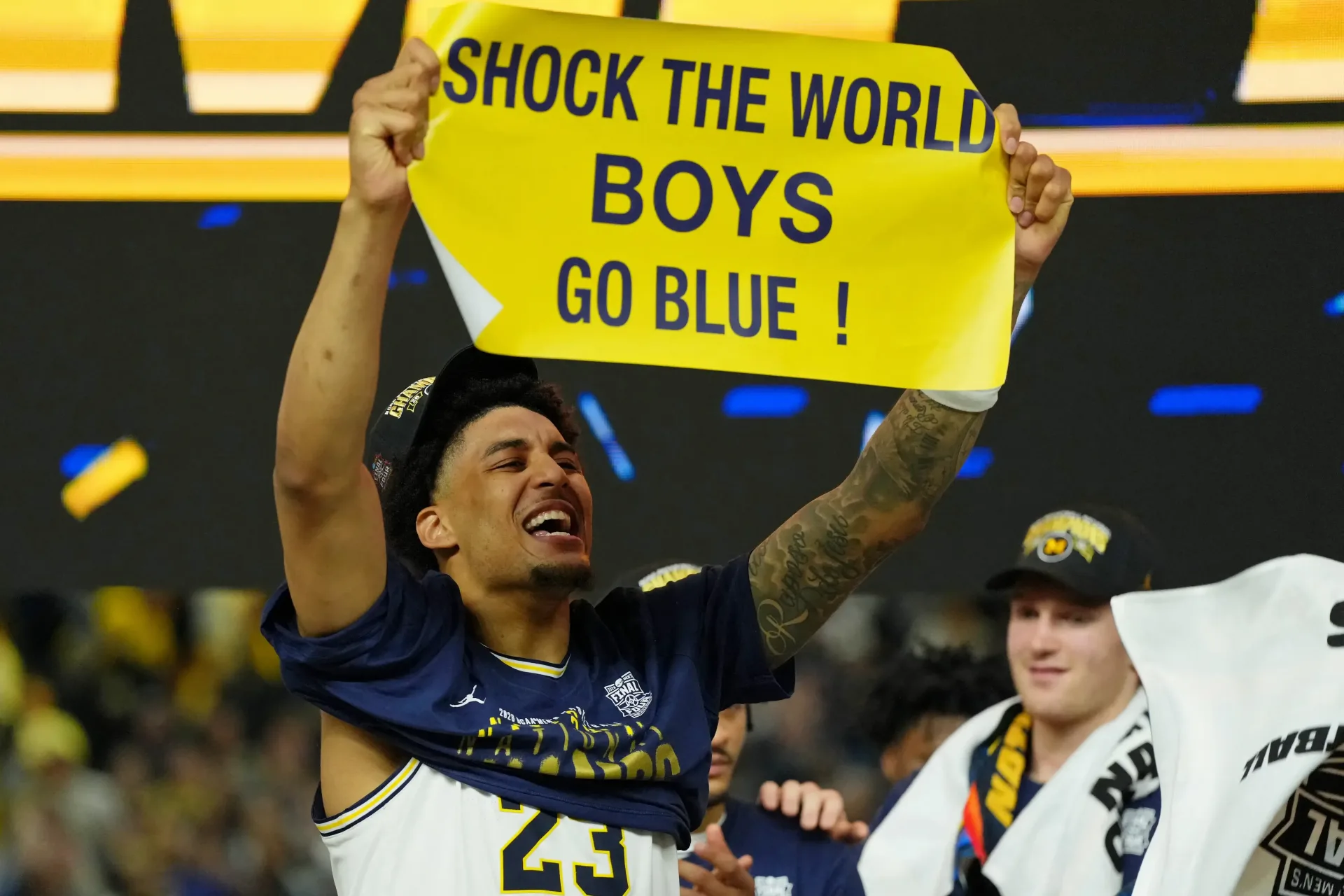
Lendeborg enters the league as an NCAA national champion and impressed during Summer League to the extent that a Golden State starting role was presented as a possibility. His situation carries a strong narrative hook: a new player joining a Warriors environment that includes Steph Curry. Narratives do not guarantee card-market growth, but they can help explain why collectors begin watching closely.
Carr’s Summer League value proposition is more directly tied to scoring with the Lakers. His most expensive non-redemption card cited so far sold for $450. A redemption is a card or code used to claim a future card rather than the final card being in hand at the time of purchase. Separating redemption-ticket results from completed, physical-card sales is a worthwhile discipline when evaluating a market, because the items are not exactly the same collecting experience.
De Larrea, the 25th overall pick, made his case through playmaking during Summer League alongside Cooper Flagg. The phrase dime-dealer is basketball shorthand for a passer who consistently creates assists. For cards, the appeal is not confined to scoring; a compelling on-court role and a memorable connection to a team’s style can help create a collector following. De Larrea is therefore a reminder that draft position alone does not dictate early interest.
Collectors considering this tier should recognize the trade-off. Summer League visibility can create an early surge in demand, but it is still a limited sample. The better use of that attention is as a reason to monitor a player’s role once the regular season begins—not as proof that an early price will hold. For a fan who wants a card now, a modest numbered card or an affordable autograph can keep the purchase enjoyable without requiring a prediction about the player’s eventual ceiling.
For another overview of the names entering the season, see this 2026-27 rookie collector watch list.
Tier 4: The lower-cost uncertainty tier
12. Kingston Flemings — Atlanta Hawks
13. Morez Johnson Jr. — Dallas Mavericks
14. Aday Mara — Oklahoma City Thunder
15. Nate Ament — Milwaukee Bucks
16. Hannes Steinbach — Charlotte Hornets
17. Dailyn Swain — Chicago Bulls
18. Bennett Stirtz — Oklahoma City Thunder
19. Ebuka Okorie — Detroit Pistons
20. Christian Anderson Jr. — Charlotte Hornets
The final nine are defined less by a shortage of ability than by an incomplete NBA sample. They were drafted for a reason, but there is not yet enough established production to make firm judgments about their professional trajectories. That uncertainty is precisely why the tier can suit collectors who enjoy scouting, team collecting or patient prospecting.
The college-card market for this group is described as cheaper than the Summer League tier, with roughly $200 capable of reaching graded, on-card autographs. That price point is meaningful because an on-card signed and graded card is a more premium format than a basic unslabbed base card, yet it does not demand Tier 1 money. It also does not eliminate risk. A grade speaks to condition, and an autograph adds scarcity and player connection, but neither establishes future demand on its own.
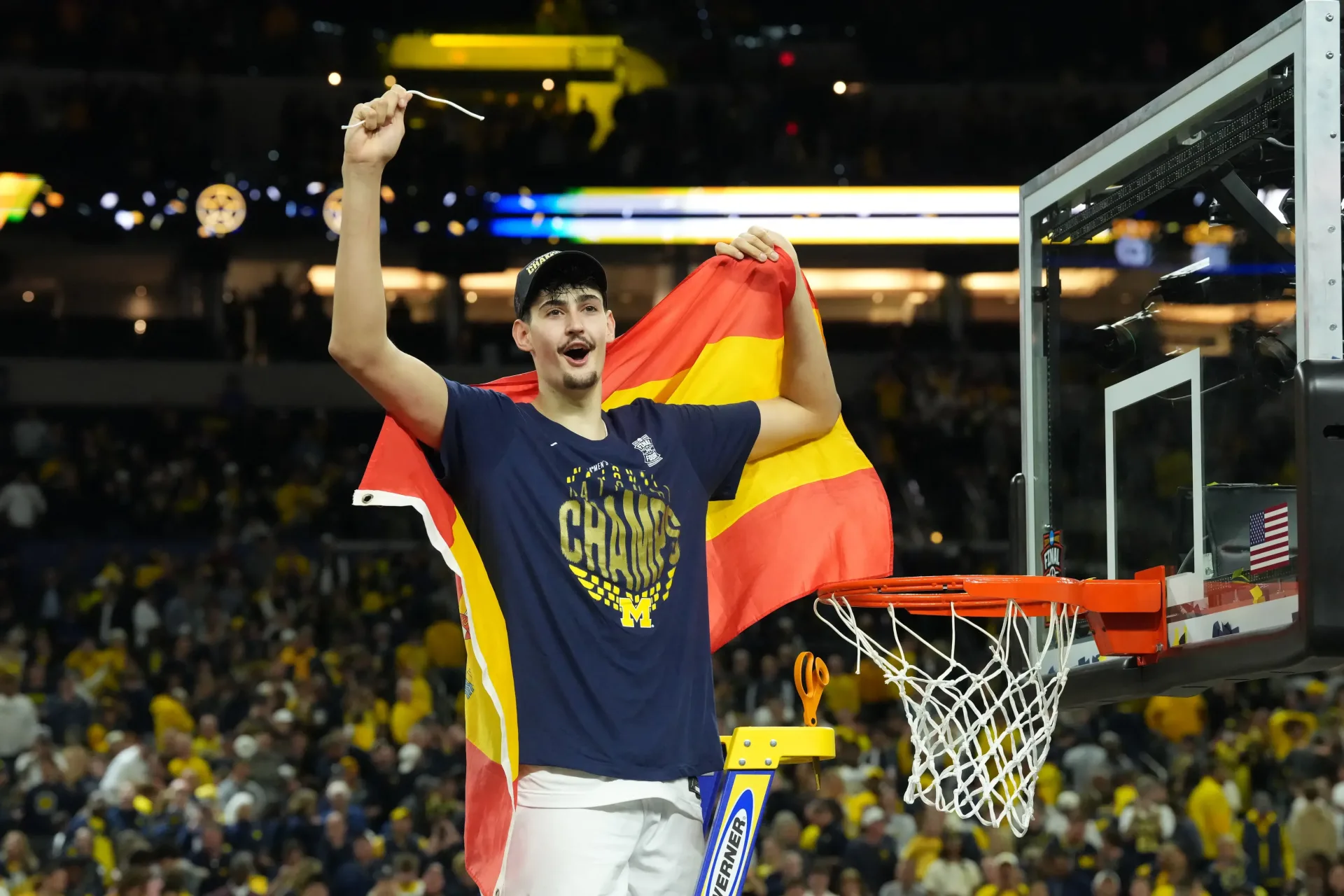
Mara’s college résumé includes a national championship with Michigan, which provides a concrete accomplishment in a tier otherwise defined by open questions. The broader list also offers team-specific reasons to watch: Flemings with Atlanta, Johnson with Dallas, Ament with Milwaukee, Steinbach and Anderson with Charlotte, Swain with Chicago, Stirtz and Mara with Oklahoma City, and Okorie with Detroit.
How to collect this class without confusing price with certainty
The cleanest way to navigate a rookie market is to establish a collecting rule before shopping. A fan of a specific team may reasonably value a player’s first signed card more than market data. A set builder may care about obtaining the regular base issue. A collector focused on scarcity may want serial-numbered parallels. None of those objectives needs the same card.
- Use comparable sales carefully: compare the same player, release, serial number, autograph type and grading status where possible.
- Do not treat a 1/1 as a price floor: it is an outlier by design and may reflect a unique combination of scarcity and early enthusiasm.
- Separate a player bet from a card bet: a great player can have a heavily supplied card market, while a scarce card can be desirable even when a player is not a superstar.
- Be clear about condition: a PSA 9 is a specific graded result, not a blanket statement that every copy is near mint.
- Budget for the outcome you can enjoy: the early NBA season can change demand fast, so a purchase should make sense as part of a collection even if the market cools.
The 2026 class offers an unusually tidy four-level starting map. Dybantsa, Peterson and Boozer are the immediate marquee choices. Wilson through Burries supply high-draft-pick alternatives at lower apparent entry points. Lendeborg, Carr and de Larrea bring Summer League momentum. The final nine make up the inexpensive uncertainty tier, where patience matters more than immediate consensus. For collectors, that variety is the real appeal: there is no single correct way to build a 2026-27 rookie card collection.