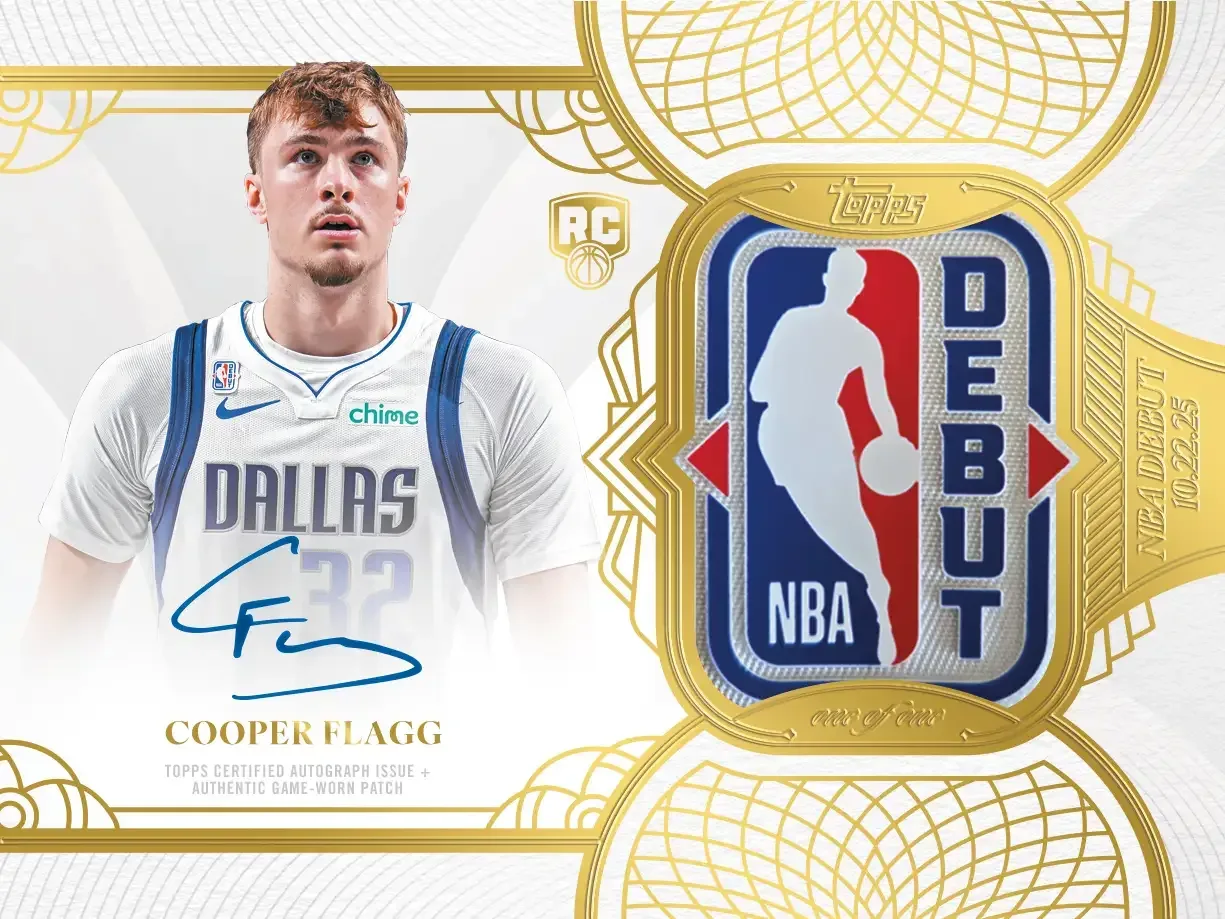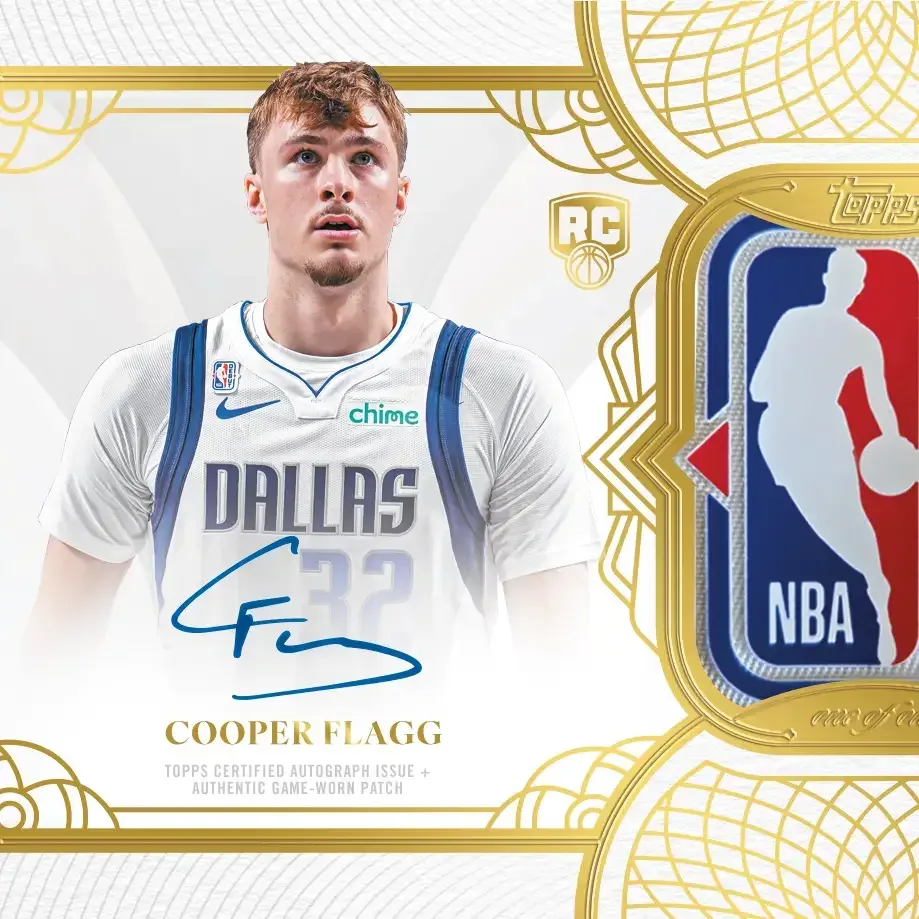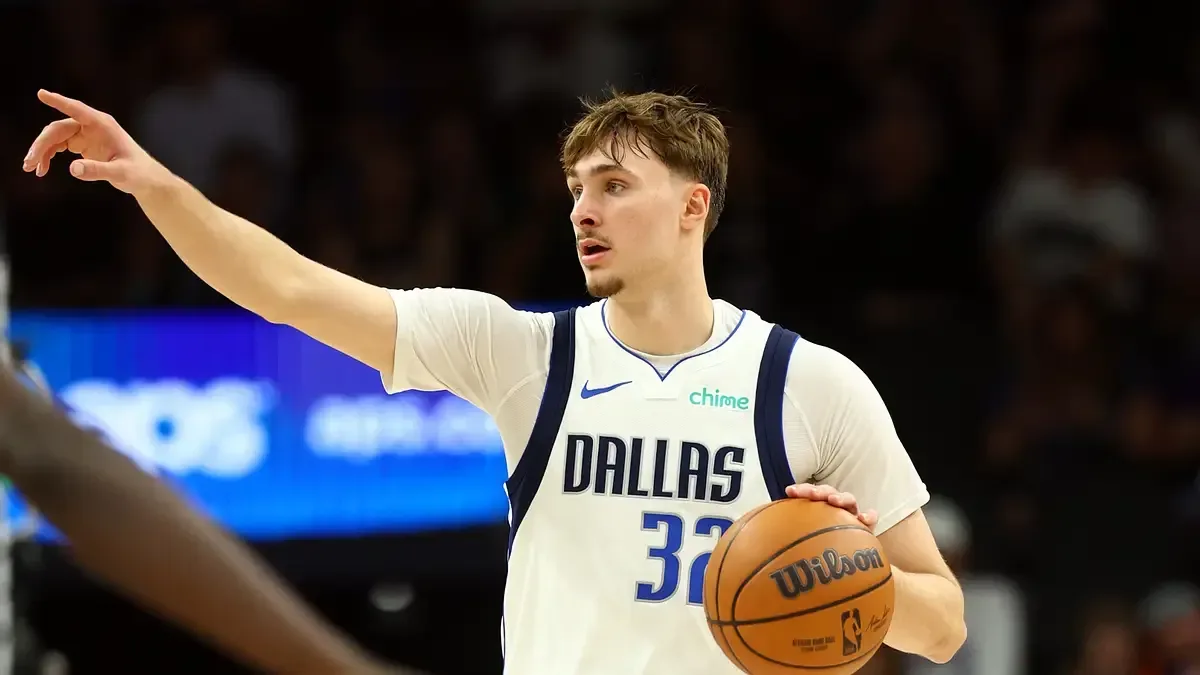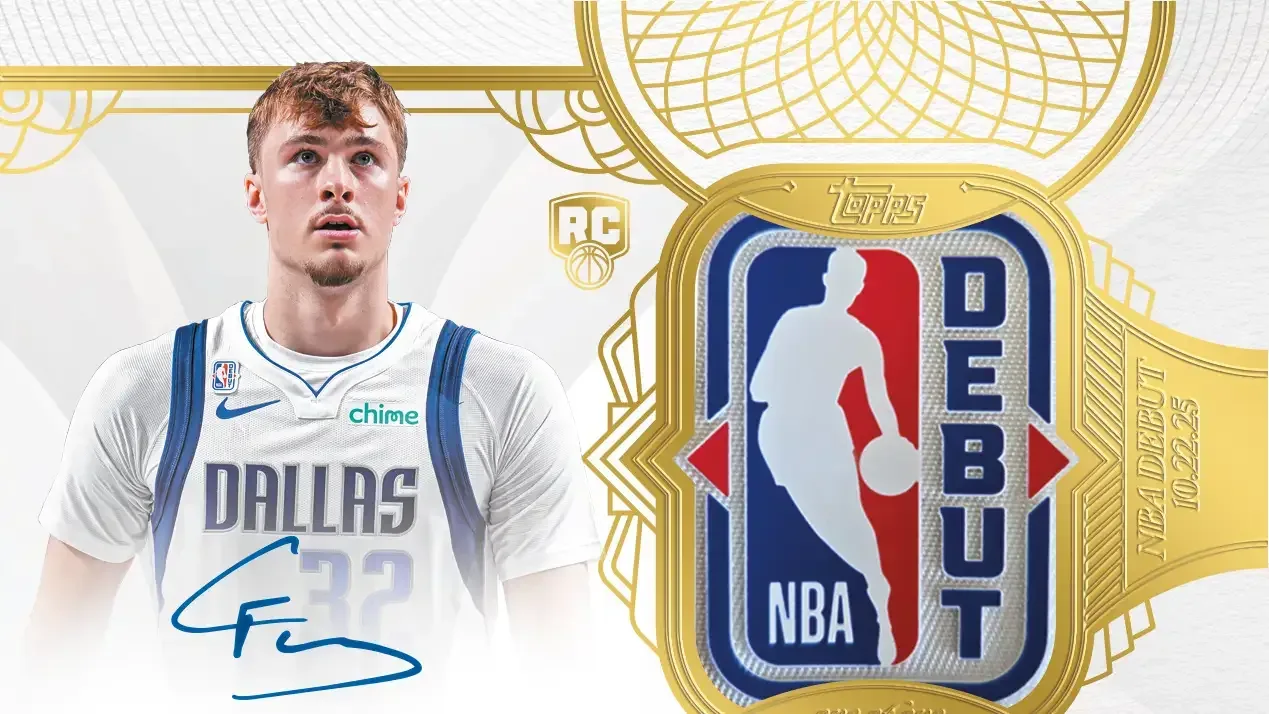
Cooper Flagg’s Topps Rookie Debut Patch Auto has sold for $8.04 million, placing the 1/1 rookie card among the biggest basketball-card sales on record. The result makes it the most expensive card featuring a single NBA player, while ranking third overall among NBA-card sales behind two dual-player cards.
The card was offered in a September Premier Auction that ran from September 10 through September 24. It drew 83 bids. The decisive stretch came late in the sale: bidding reportedly rose from $3.5 million at 9 p.m. Thursday to $8.04 million by 2 a.m. Friday.
That kind of last-night escalation is a reminder that an auction’s visible price can be only a waypoint, particularly when the item is a one-of-one tied to a player with extraordinary attention around his early career. It is also a remarkable outcome given the timing. Flagg was the No. 1 selection in the 2025 NBA Draft, and the sale arrived just ahead of his second NBA season.
Where the Flagg card sits in NBA-card history
The $8.04 million result is described as the third-highest sale for an NBA card. The two reported sales above it are both cards shared by two players:
- A 2007-08 Upper Deck Exquisite Michael Jordan/Kobe Bryant Dual Logoman Autographs card, sold for $12.9 million in 2025.
- A 2006-07 Upper Deck Exquisite Michael Jordan/LeBron James Dual Logoman Auto, sold for $10 million.
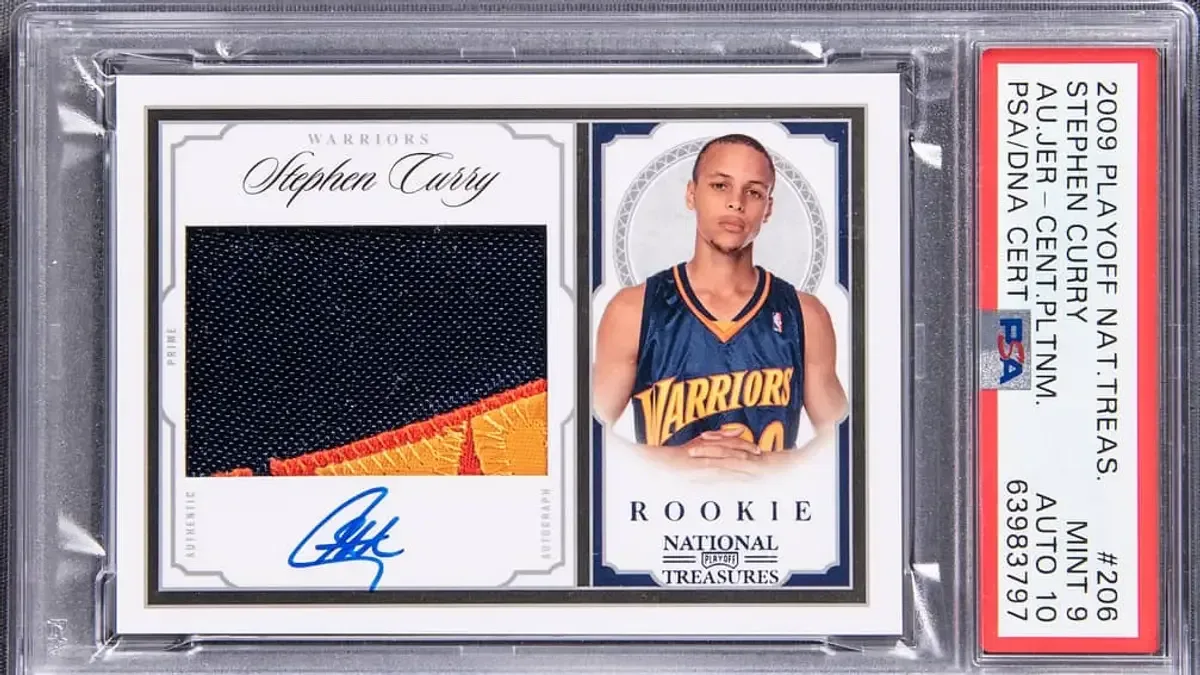
Because those two cards each feature two all-time NBA names, Flagg’s result holds a narrower but still significant distinction: it is the most expensive sale for a card centered on one NBA player. The next card in the stated ranking is Steph Curry’s 2009-10 Panini National Treasures Rookie Logoman Auto, which sold for $5.9 million.
That puts Flagg’s card more than $2 million above the Curry sale cited here. The comparison does not mean that all premium rookie cards move on the same logic. High-end card values can depend on scarcity, player demand, the specific memorabilia component, autograph status, condition and the unusual circumstances of a particular auction. Still, the gap illustrates the scale of buyer interest concentrated on this specific Flagg issue.
What makes a Rookie Debut Patch Auto different?
The card is a Rookie Debut Patch Auto, commonly shortened to RPA. In this case, the terminology describes several distinct elements rather than a standard rookie card with a fancy name.
- Rookie: It is connected to Flagg’s first NBA season.
- Debut patch: The patch originated on the player’s first NBA jersey.
- Patch: A physical piece of that jersey is embedded in the card.
- Auto: The card carries an autograph.
- 1/1: Only one copy of this particular card exists.
For the 2025-26 NBA rookie class, players wore Rookie Debut patches on their first NBA jerseys. After each player’s first NBA game, the patch was removed and then placed into that player’s one-of-one Topps Chrome autograph card. The chain from debut jersey to embedded patch is the defining proposition of the product: the card is not merely numbered as rare, but built around a unique piece of a player’s first-game uniform.
Related coverage includes Cooper Flagg Topps Rookie Debut Patch Auto Sells for Record $8.04 Million.
Topps introduced Debut Patch Auto chase cards in its MLB products in 2021. In card-collecting language, a chase card is a scarce, highly desirable card that collectors hope to find while opening sealed product. The NBA rookie class was the first basketball group to wear these Rookie Debut patches, making the Flagg sale an early and unusually high-profile test of the concept in the NBA market.
The result also establishes a new reported high for a Topps Debut Patch card of any sport, surpassing the $1.1 million sale of Paul Skenes’ MLB Debut Patch Auto.
It was not a one-card story
Flagg’s card led the auction conversation, but two other NBA Debut Rookie Patch cards set substantial marks as well. Dylan Harper’s RPA sold for $2.88 million, while Kon Knueppel’s Debut RPA realized $2.34 million.
The three cards are now the highest-selling Debut Patch Auto cards since the program began with baseball cards in 2021. Their combined results give the initial NBA implementation a much broader significance than one exceptional Flagg sale alone. The market did not simply assign a massive figure to the first overall pick’s card; it also placed multi-million-dollar prices on two other members of the same rookie class.
For collectors, this is important context. A headline sale can be driven by the singular appeal of a particular athlete, but simultaneous high prices for Harper and Knueppel suggest demand for the format itself as well as for the players. That does not predict what later Debut Patch cards will sell for. Each is a unique object and future outcomes will necessarily vary. But it does show that the debut-patch premise drew serious competition across more than one lot.
From a Rhode Island box break to an $8.04 million auction result
The Flagg card was pulled by collector Jason Williams during a box break at a card shop in Rhode Island. A box break is an opening of sealed card product, often with collectors participating in the break rather than each person opening a separate box on their own. In this case, the pull produced the singular card at the center of the record-setting sale.
Williams reportedly declined multiple offers worth millions of dollars before consigning the card to the September auction. Consignment means the owner places an item with an auction business to sell on their behalf, rather than arranging a direct private transaction. The eventual public sale produced 83 bids and, critically, a closing sequence in which competing bidders drove the price sharply higher.
The distinction between an offer and an auction result matters. An offer can indicate interest, but a completed auction is a documented transaction with a winning bidder and a final hammer figure. Here, choosing the auction route turned a card already carrying several million-dollar offers into an $8.04 million sale.
A landmark result, with the usual caveat for collectors
The sale is a major moment for modern basketball cards: a debut-era, one-of-one rookie patch autograph of a player entering his second season now occupies a place alongside landmark Jordan, Bryant, James and Curry cards in the reported NBA-sale rankings.
It also gives the NBA Debut Patch program a formidable first benchmark. The highest sale of the three rookie cards was almost three times the price of the next card in the group, and nearly eight times the previous stated record for a Topps Debut Patch card. That is an exceptional auction result, not a broad pricing guide for ordinary rookie cards, packs or even other autographed patch cards.
Collectors assessing comparable items should keep the card’s specific combination of traits in view: a first-overall pick, rookie status, a patch tied to the player’s first NBA jersey, an autograph, one-of-one scarcity and an intense competitive auction. Remove or alter any one of those factors and the comparison becomes less direct.
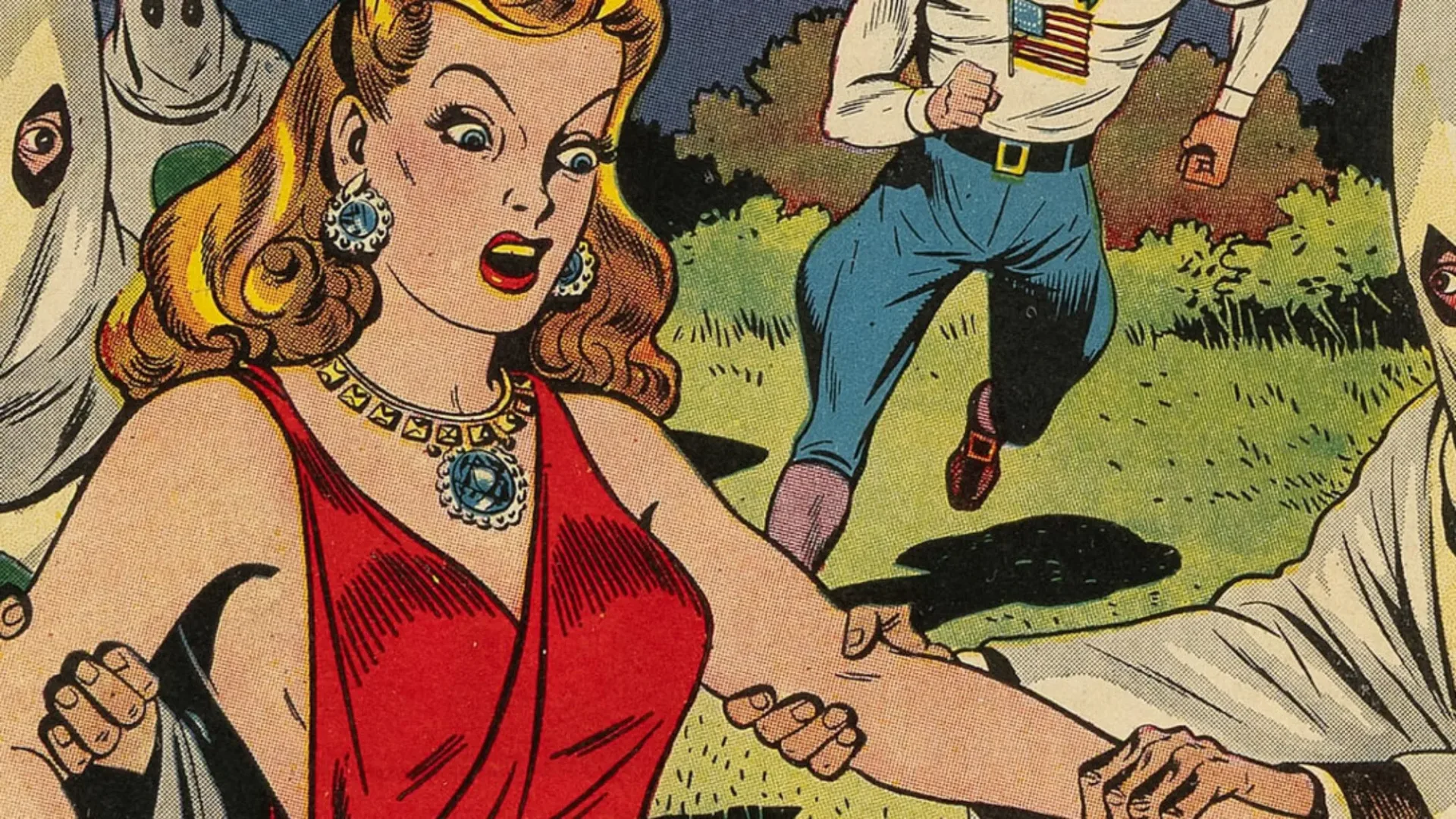
For more collectible-auction coverage outside sports cards, see this look at Fighting Yank #23 heading to auction. Flagg’s result, meanwhile, sets an imposing early standard for NBA Rookie Debut Patch Autos and reinforces how quickly a single modern card can become a centerpiece of the high-end market.