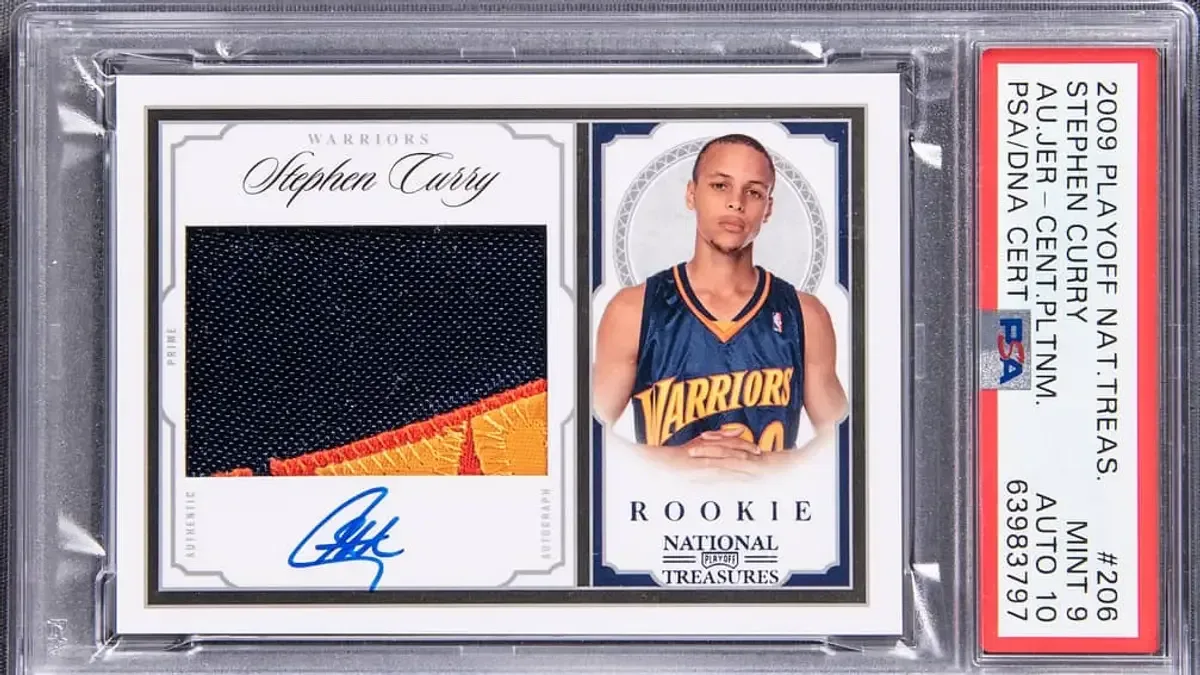
Stephen Curry’s place in basketball history has given collectors an unusually broad menu of ways to chase his rookie season. There are premium patch autographs built for the highest end of the hobby, recognizable flagship cards with far larger graded populations, and Chrome versions that add a long-running parallel chase. In late August, two very different Curry cards from 2009 reached public-sale highs, underlining demand at both ends of that spectrum.
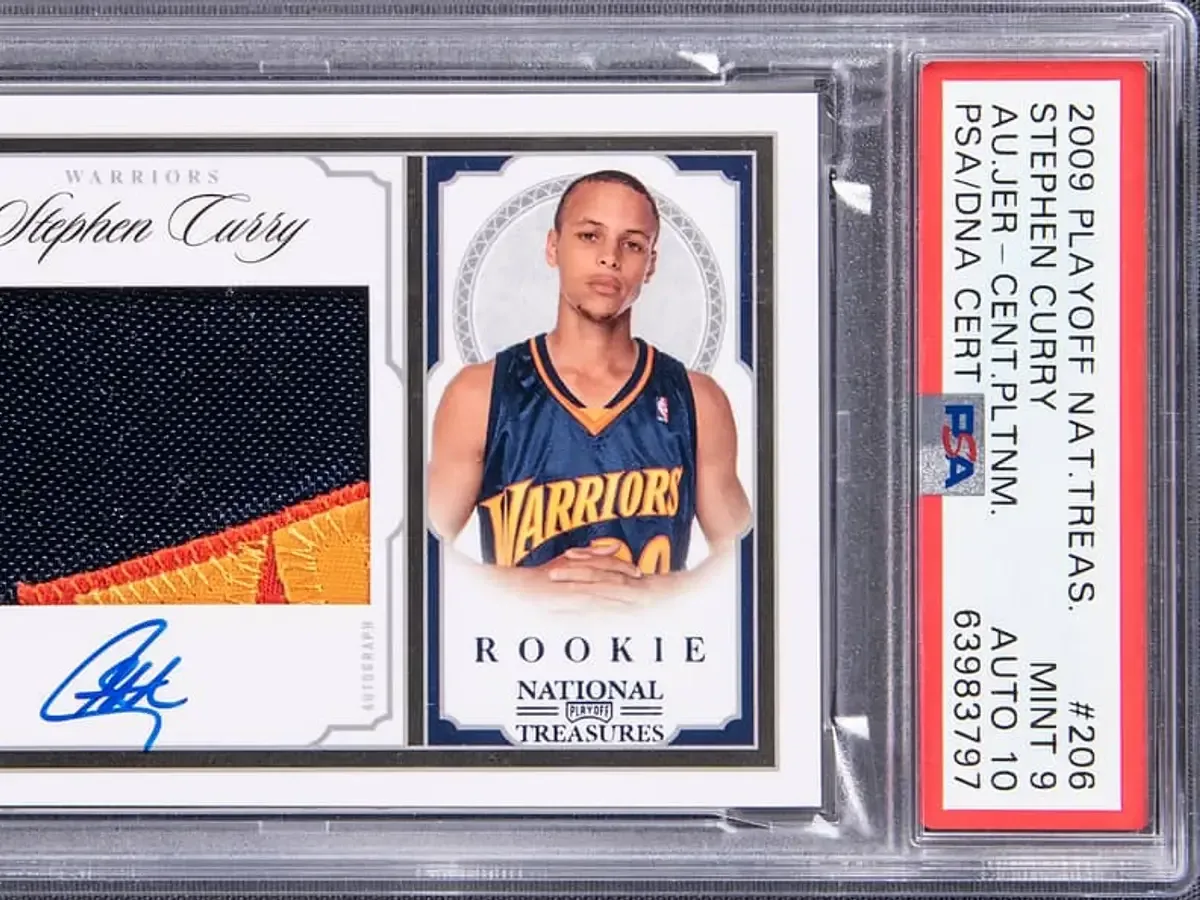
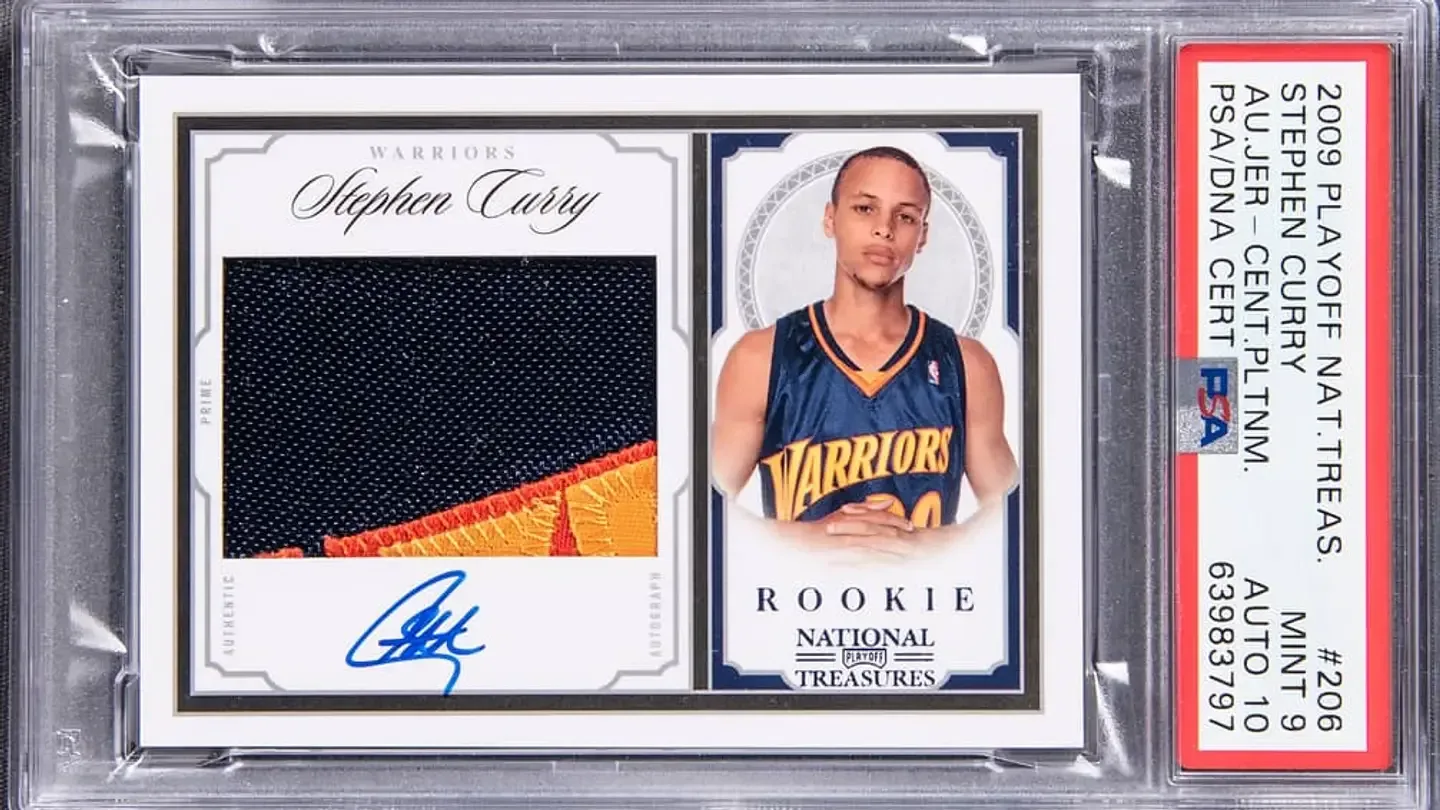
The headline result came on August 28, when a 2009 National Treasures Stephen Curry Rookie Patch Autograph #206, numbered to 99 and graded BGS 8 with a 10 autograph, sold for $312,000 in a Fanatics Premier auction. Four days earlier, a 2009 Topps Stephen Curry #321 graded PSA 10 sold for $21,995. One is a scarce autographed patch card from a luxury release; the other is a widely recognized base rookie from Topps. Their shared direction is the important part: Curry’s foundational rookie cards continue to command attention across very different collector budgets.
A six-figure reset for Curry’s National Treasures RPA
The $312,000 result for the 2009 National Treasures Rookie Patch Autograph /99 is especially notable because the same BGS 8/Auto 10 grade combination had a prior public sale of $156,000 on January 23, 2026. That places the August sale $156,000 higher, a 100% increase across roughly seven months.
Scarcity is central to interpreting a result like this. The BGS 8/Auto 10 example has a reported population of eight, while this particular Curry patch-auto configuration has appeared in only three public sales. A small population does not make every copy identical—patch appearance, centering, surface condition, eye appeal, and the timing of an auction all matter—but it does mean that direct, like-for-like market evidence is limited. When a card rarely comes up publicly, each appearance can become a major moment for collectors tracking the player and the set.
National Treasures holds a particularly consequential spot in the modern basketball-card timeline. The 2009 release was Panini National Treasures Basketball’s first year, arriving as Panini obtained the exclusive NBA license. It was also Panini’s most expensive product to that point. The brand’s recipe—high-end materials, prominent signatures, patches, and limited rookie cards—would become a major template for prestige basketball releases that followed.
In that inaugural set, rookie patch autographs were capped at 99 copies. Curry shared the rookie spotlight with Blake Griffin, James Harden, DeMar DeRozan, and Tyreke Evans. That class has proved historically significant, and Curry’s career gives his card a special pull within it. The card is not simply a rookie-year autograph; it is tied to the opening chapter of a product line that became synonymous with premium NBA rookie cards.
Why the card’s details matter
For collectors looking at an RPA sale, the headline number is only the first layer. The item combines several attributes that often receive close attention:
- Rookie-year status: It originates from Curry’s 2009 rookie class.
- Limited production: The card is numbered to 99.
- Autograph: The BGS label assigns the signature a 10 grade.
- Memorabilia element: The patch gives each copy visual differences that can affect collector preference.
- Brand importance: It belongs to the first Panini National Treasures Basketball release.
- Documented rarity in public sales: Only three public transactions for the patch-auto copy have been noted.
Those factors help explain why comparing it solely to a standard Curry rookie would miss the point. A flagship base card and a numbered rookie patch autograph can both be important, but they answer different kinds of collector demand. The former can be a recognizable entry into a player collection; the latter is a highly specialized centerpiece.
Related coverage includes Stephen Curry Rookie Cards Set New Highs Across 2009 Releases.
The 2009 Topps rookie sets a high of its own
The more accessible side of the story is still far from inexpensive. Curry’s 2009 Topps #321 in PSA 10 sold for $21,995 on August 24, establishing an all-time high for that card and grade. The recorded increase was $5,500, or 37%, over the preceding six months.
Its reported PSA 10 population is 371, a vastly different supply picture from a limited RPA with only a handful of examples at a particular grade-and-auto combination. Yet population alone does not determine significance. The Topps rookie is among Curry’s most familiar cards, and its place in the company’s basketball history gives it a distinct appeal.
The 2009 Topps Basketball release was the last Topps basketball set before the company’s NBA license lapse and before the eventual arrival of 2025-26 Topps Basketball. That gap makes the release a memorable bookend for many collectors. Its 330-card base checklist includes rookie cards for Curry, Harden, Griffin, and DeRozan, with Curry functioning as the primary chase.
There is also a visual quirk that distinguishes these cards from the licensed NBA cards collectors may expect. Because the license had expired, rookies were depicted in warm-up gear rather than team uniforms. That does not erase the cards’ rookie status or collector relevance. Instead, it makes the set instantly identifiable as a product of a specific licensing moment in basketball-card history.
The contrast between the Topps and National Treasures results is useful. The $21,995 sale demonstrates that a broadly recognizable base rookie, even with hundreds of PSA 10s reported, can have major demand when it belongs to a player of Curry’s stature. The $312,000 sale, meanwhile, shows what happens when the player’s rookie season intersects with the hobby’s high-end ingredients: scarcity, autograph, patch, prestige brand, and limited public opportunities to buy.
Chrome extends the 2009 Curry chase
Collectors of the 2009 Topps design also have a Chrome branch to pursue. The Topps Chrome counterpart contains 110 cards, including Curry rookie cards. Its parallel structure introduces a familiar escalating rarity ladder: a Chrome parallel numbered to 999, a Refractor numbered to 500, a Gold Refractor numbered to 50, and a one-of-one Superfractor.
The 2009 Topps Chrome Stephen Curry Superfractor 1/1 has not surfaced during the 16 years since the product was released. A card’s absence from public view should not be treated as proof of its location or condition. It does, however, preserve one of the more tantalizing unanswered questions around Curry’s early card catalog. For player collectors, a one-of-one that has not appeared publicly can become part of the chase’s mythology even before anyone knows whether it will return to the market.
That layered design is a reason 2009 Curry collecting can remain engaging well beyond one target card. Someone can focus on the standard Topps rookie. Another collector may pursue specific Chrome refractors. At the top level, the National Treasures RPA offers a completely different kind of pursuit. The cards are connected by the same rookie year, but their production methods, visual styles, and scarcity levels make them separate collecting lanes.
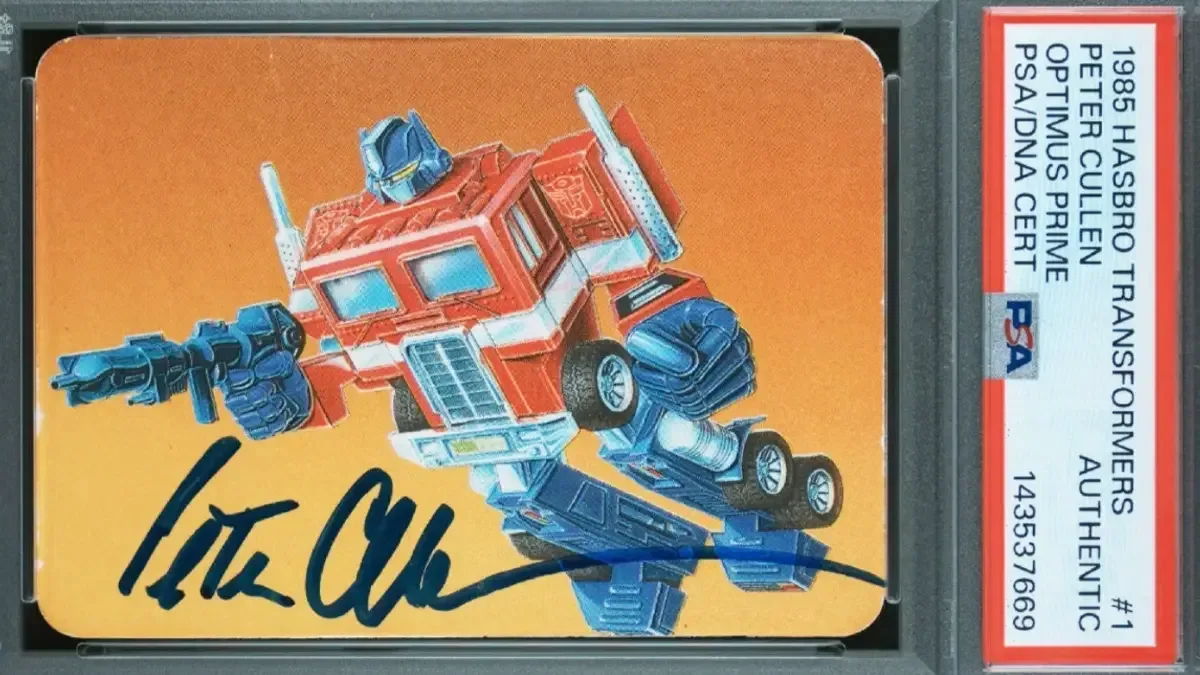
Collectors interested in how vintage set identity can shape demand may also find parallels in the growing chase for 1985 Transformers cards. The subjects are different, but in both cases the wider story involves more than a single card: a set’s timing, visual character, scarcity, and cultural footprint all contribute to how people approach it.
Curry’s résumé remains the foundation
None of these numbers exist in a vacuum. Curry is the NBA’s all-time leader in career three-pointers made and sits 22nd on the league’s all-time scoring list. His résumé includes four NBA championships, two NBA MVP awards, and 12 NBA All-Star selections. Those accomplishments supply the historical backdrop for collectors placing special emphasis on his first major NBA card releases.
The Golden State Warriors’ present competitive outlook may be less certain, particularly after Curry missed 39 games in the 2025-26 regular season and the team fell short of its championship goal. But the market activity around these cards is focused on a longer arc. Curry’s rookie issues document the beginning of a career that reshaped how the sport is played and watched, while also connecting to a loaded 2009 class and two pivotal product lines.
For now, the recorded highs provide clear markers: $312,000 for the 2009 National Treasures Curry RPA /99 in BGS 8/Auto 10 on August 28, and $21,995 for the 2009 Topps #321 in PSA 10 on August 24. They are separate cards with separate scarcity profiles, but together they show sustained collector interest in the early cardboard of one of basketball’s defining players.