September baseball has a habit of turning every box score into a referendum. A home run can feel like a market signal. A rough start can send collectors reaching for the panic button. And when Rookie of the Year voting begins to come into focus, the hobby’s usual mix of prospecting, fandom and long-term forecasting gets an extra dose of scoreboard electricity.
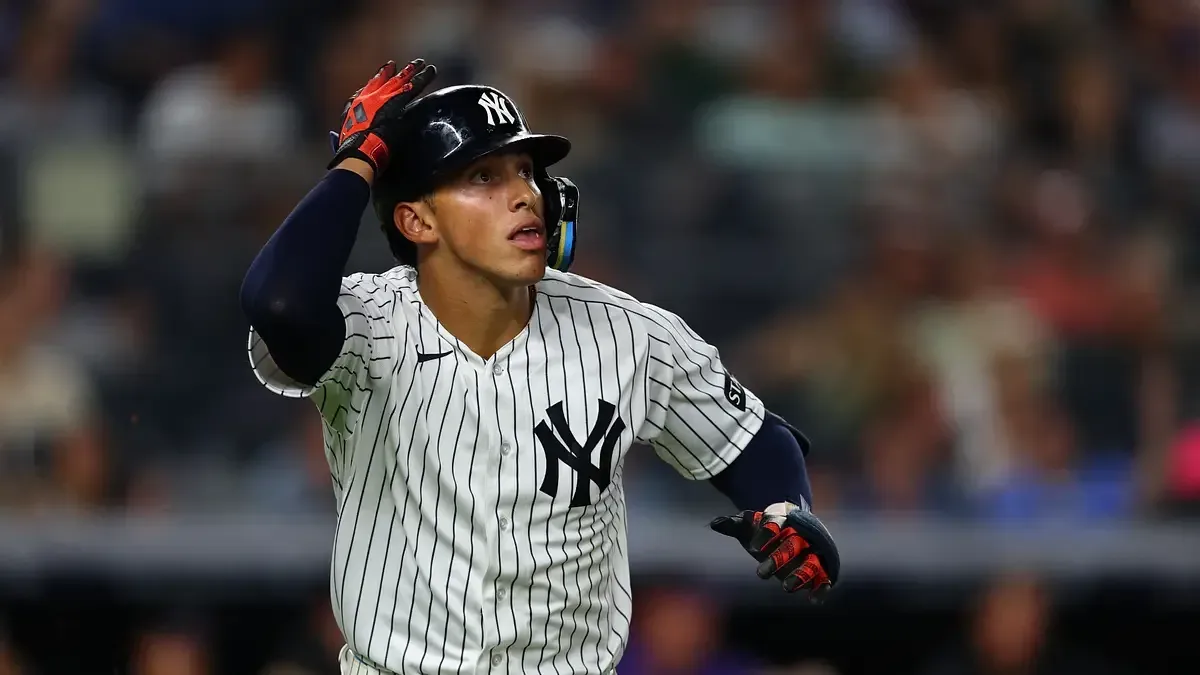
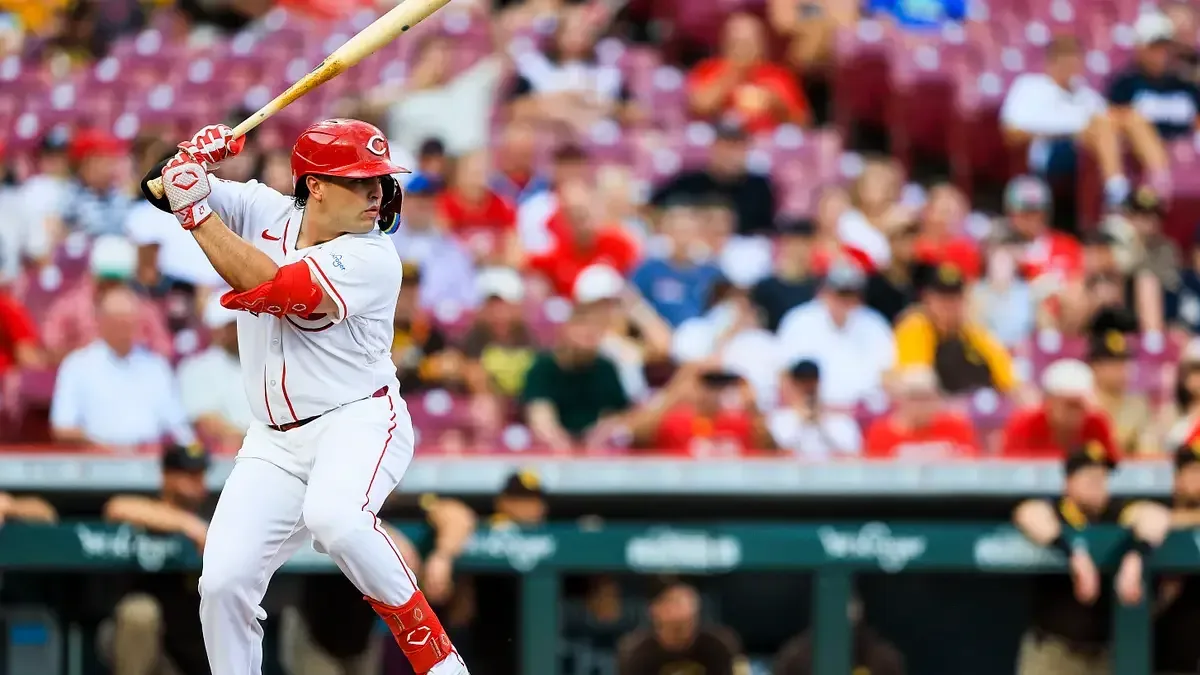
In the National League race, Cincinnati infielder Sal Stewart and New York Mets starter Nolan McLean have each built compelling cases on the field—and their cards have moved in response. Their trajectories are encouraging, but they are not interchangeable. Stewart’s surge is being driven by a premium offensive profile and a prominent Rookie of the Year case. McLean has delivered a productive rookie season for a struggling Mets club, while also illustrating why collectors tend to approach even successful young pitchers with more caution.
For hobbyists deciding whether to chase, hold, trim or simply enjoy what they already own, the important part is separating the award race from the market story. A trophy can be a catalyst, but it is not a magic spell that permanently protects every card from the normal turbulence of baseball collecting.
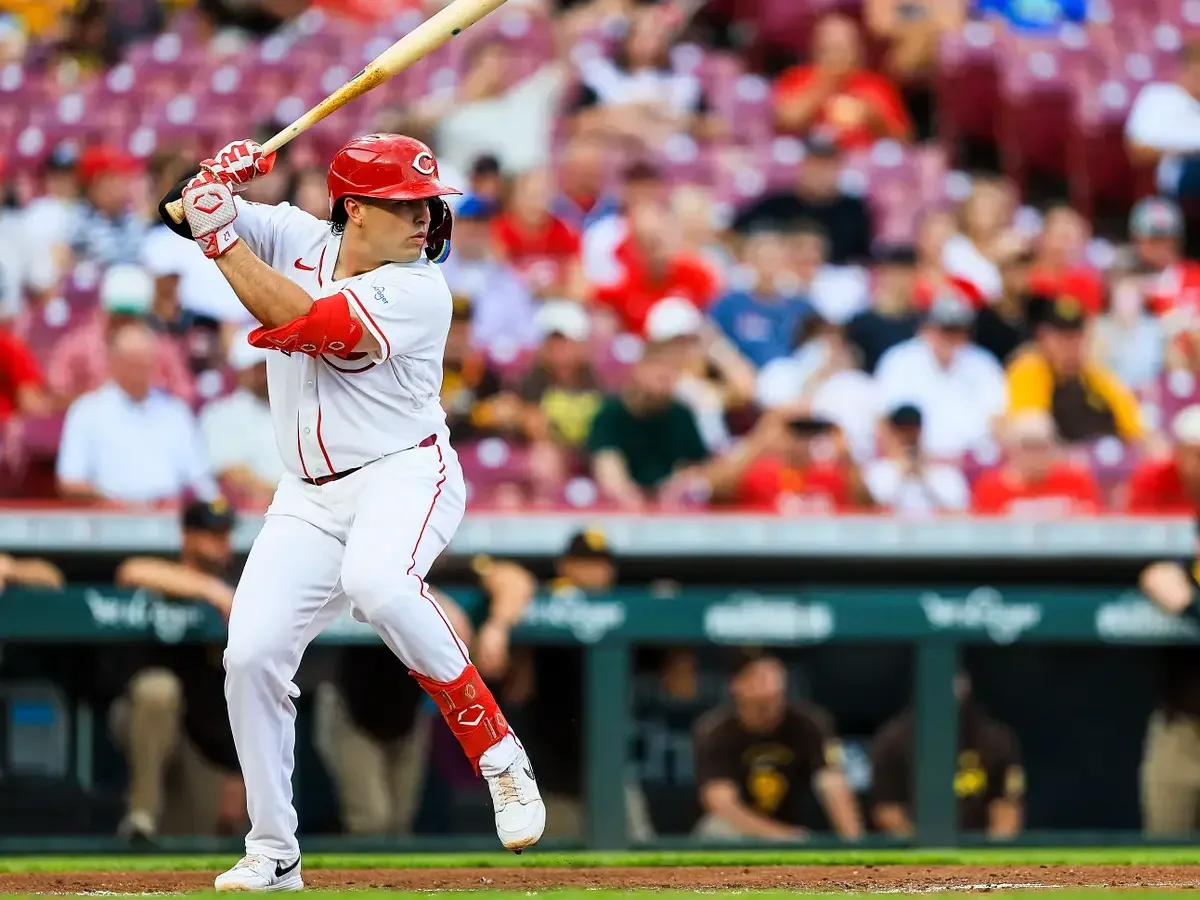
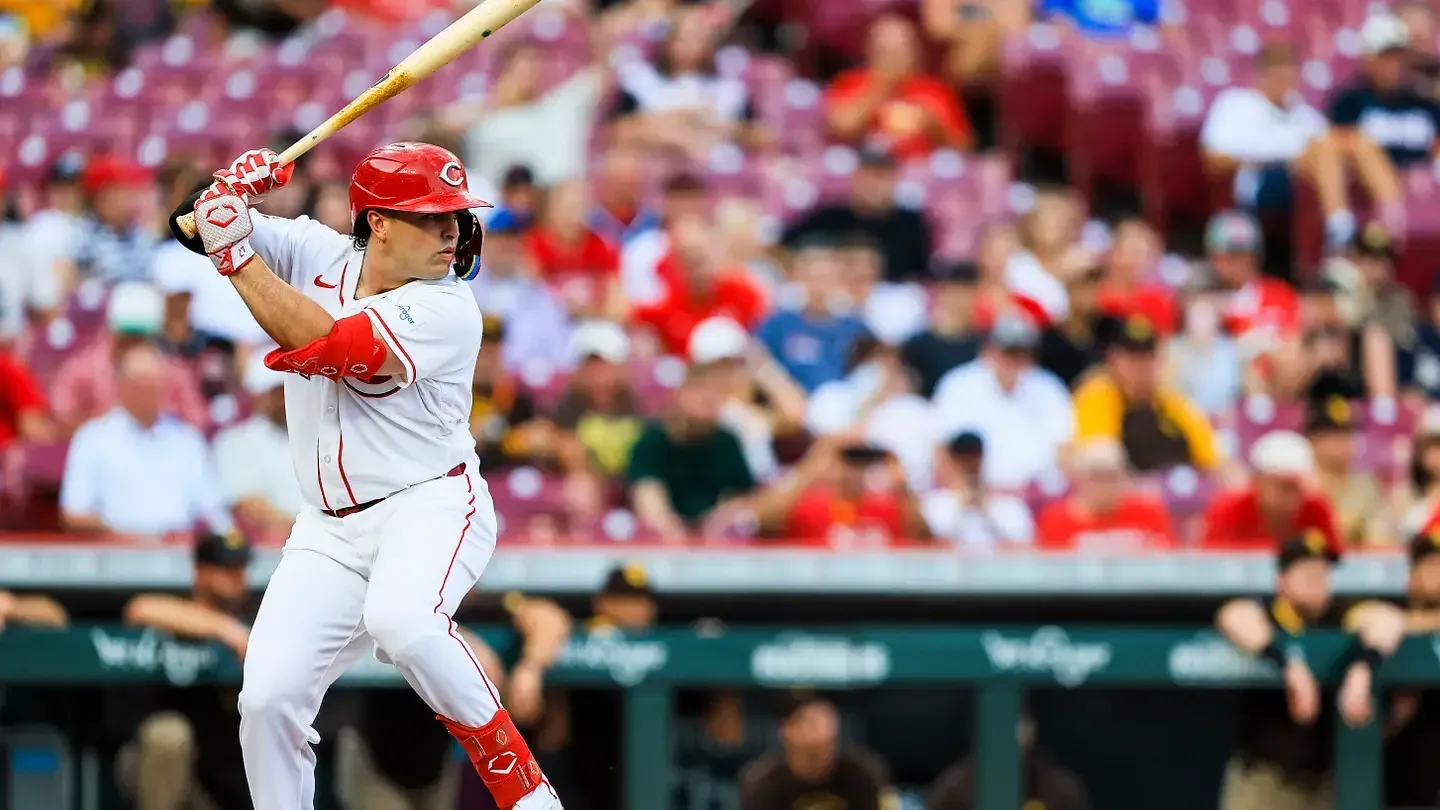
Sal Stewart has put together the louder case
Stewart entered 2026 with considerable attention after establishing himself late in the previous season and appearing in Cincinnati’s postseason run. He was viewed as a credible National League Rookie of the Year candidate, even if he was not universally positioned as the preseason favorite. Since then, he has outperformed those already lofty expectations.
For more context, explore Tiny Discs, Big Breakthroughs: The History of GameCube Modchips and Homebrew.
With the season nearing its conclusion, Stewart is batting .270 with 31 home runs, 107 RBIs and an .816 OPS. He also received an All-Star invitation. Those numbers make the case for him as the current front-runner in a competitive rookie field, and they neatly explain why collectors have continued to pay attention.
The appeal is fairly easy to read. Power is an immediately legible skill in the card market, particularly when it belongs to a young position player with meaningful counting stats. Stewart is not merely posting a promising batting average or looking the part of a future contributor; 31 homers and 107 RBIs give collectors the kind of stat line that can command attention beyond dedicated prospect circles. A player who can plausibly be discussed as both an awards favorite and a major chase in a flagship-style chromium release has several overlapping audiences.
Stewart’s 2022 Bowman Chrome Draft autograph has climbed steadily from the middle of June, with month-to-month sales increases reflected in Card Ladder data. That measured rise matters. One explosive sale can result from a bidding battle, an unusually attractive card or a buyer deciding that sleep is optional. Repeated upward movement over several months is a more useful indication that demand is broadening.
His presence among the leading chases in Topps Chrome 2026 adds another layer. Prospect autographs and major-release rookie cards do not serve exactly the same buyers, but success in both lanes can reinforce a player’s overall hobby visibility. The collector who prefers the earlier Bowman Chrome autograph and the ripper searching current Topps Chrome products may arrive through different doors, yet both are responding to the same core proposition: Stewart looks like a hitter with present production and room to grow.
Why the award itself is not the entire Stewart thesis
A Rookie of the Year win would be a meaningful headline for Stewart, but collectors should resist treating the result as the sole reason to own his cards. Award-season momentum can cause demand to arrive early, meaning some of the anticipated benefit may already be in the market before ballots are finalized. If he wins, the reaction could still vary by card type, grade, serial number, eye appeal and how much buyers expected the outcome.
The longer-term case is stronger when it rests on age, offensive skill and the possibility that this season is only his first prominent chapter. Cincinnati is not a giant-market club, but it has a committed fan base, and winning players can create sustained local and national interest. Stewart’s combination of youthful upside, middle-of-the-order production and positional-player status gives his market multiple ways to remain relevant after the rookie award conversation moves on.
That does not make every Stewart card an automatic hold forever. Collectors should distinguish between a key autograph, a scarce parallel, a desirable rookie issue and a card that happened to be available in enormous quantity during a hot stretch. The player can be excellent while a particular card remains vulnerable to supply. Still, among these two rookies, Stewart presents the more traditionally durable collecting profile.
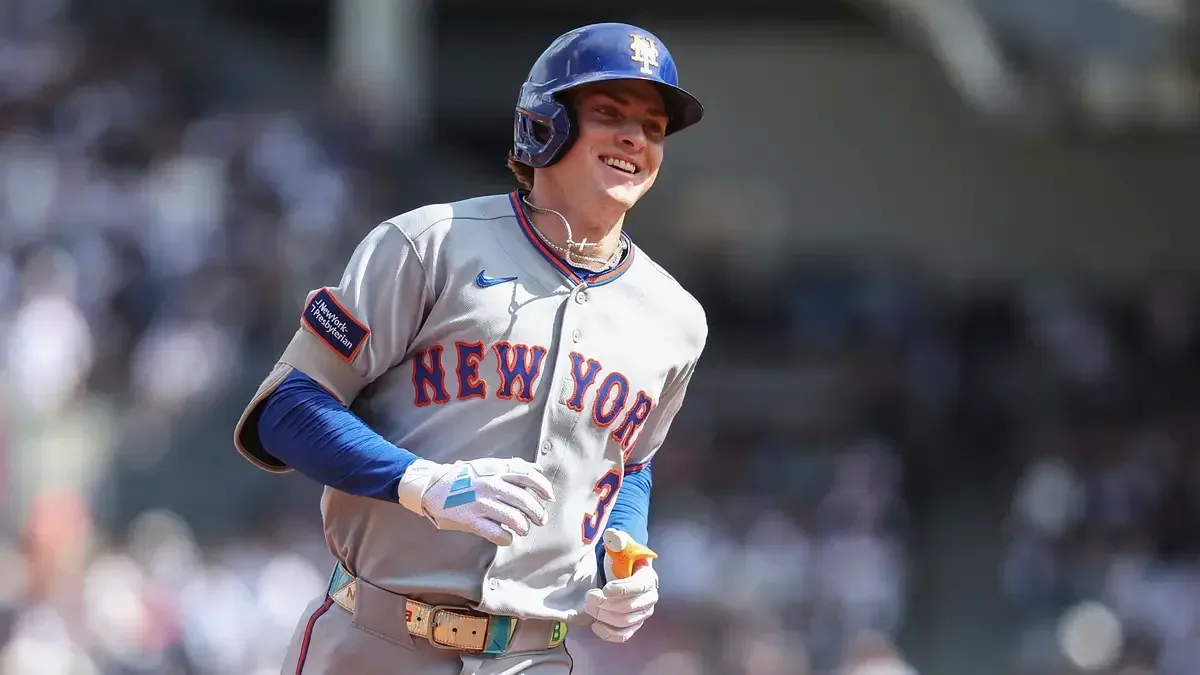
Nolan McLean is a Mets bright spot—and a different kind of bet
The Mets’ 2026 season has not followed the script expected from a club carrying a massive payroll and established talent across the roster. New York has fallen to last place in the NL East, with several major names underperforming. McLean has been one of the clearest positive developments.
Like Stewart, McLean debuted last season and entered 2026 with substantial expectations. The rookie starter has largely justified them, compiling an 11-9 record, a 3.24 ERA, a 1.18 WHIP and 184 strikeouts over more than 166 innings. For a young pitcher, that workload and strikeout total are particularly notable. McLean has not merely made a handful of intriguing starts; he has supplied real volume in a difficult season for his team.
Collectors have responded. McLean’s 2023 Bowman Chrome Draft autograph has reportedly been selling around $140, up from approximately $80 to $90 at the beginning of the season. That is a substantial increase, and it reflects the value of a rookie pitcher converting hype into major-league performance.
New York also brings obvious hobby advantages. The Mets play in a major market and have a sizable following, both of which can amplify attention when a young player catches fire. But big-market visibility does not erase the specific risks attached to pitching. In baseball cards, pitchers frequently face a harsher version of the upside-versus-risk equation: injuries, shifting workloads, uneven command, changing pitch effectiveness and the simple unpredictability of arm health can all reshape the market quickly.
McLean’s numbers should not be minimized because he is a pitcher. A 3.24 ERA, 1.18 WHIP and 184 strikeouts over this many innings make for a strong rookie foundation. The caution is about market structure rather than a dismissal of his ability. Position players can get hurt or slump, of course, but collectors historically tend to assign higher long-term premiums to hitters whose value can be reinforced every day by home runs, milestones and lineup visibility.
How to read McLean’s price jump
The move from the $80-$90 range to about $140 for a Bowman Chrome Draft autograph is proof that McLean’s season has registered with the hobby. It is not automatic proof that the next move must be upward. A buyer entering after a sharp rise is accepting a different risk profile than someone who acquired the card before Opening Day.
That is where personal collecting goals matter. A Mets supporter building a favorite-player collection may reasonably value the enjoyment of owning a McLean autograph above the possibility of a short-term pullback. A collector treating the card primarily as a speculative asset may look at the same rise and decide that reducing exposure is sensible. Neither choice needs a dramatic proclamation. The hobby has room for conviction, caution and the radical concept of liking a card without needing it to finance a moon base.
A practical framework for the final stretch
For collectors comparing these two markets, the most defensible approach is not a universal buy-or-sell command. It is a checklist.
- Identify the card: A Bowman Chrome Draft autograph, a low-numbered parallel and a widely available base rookie do not carry the same supply dynamics.
- Check more than one sale: Look for recurring transaction ranges rather than anchoring to a single standout result.
- Separate the award from the career: Rookie of the Year recognition can be important, but sustainable demand requires continued performance.
- Account for position: McLean’s performance deserves attention, while the inherent volatility of pitcher markets remains part of the equation.
- Know why you own it: A personal collection, a short-term flip and a multi-year hold can lead to very different decisions.
Stewart currently has the cleaner hold-oriented argument: a productive young hitter, an apparent Rookie of the Year lead, growing interest in his 2022 Bowman Chrome Draft autograph, and a pathway to further growth if the skill set continues to develop. McLean has earned his price increase through legitimate results, but the conventional risks tied to young pitchers suggest greater care, especially for collectors without a Mets-focused reason to stay attached.
The race is still a race, and baseball retains its ability to make certainty look silly with one week of chaos. But with the available performance and market evidence, Stewart’s cards appear to have the more stable combination of immediate momentum and longer-range appeal. McLean’s market is moving in the right direction too—just with a pitcher-shaped warning label tucked under the autograph sticker.
Collectors seeking another look at the two-player National League rookie market can find a related market update on Stewart and McLean.