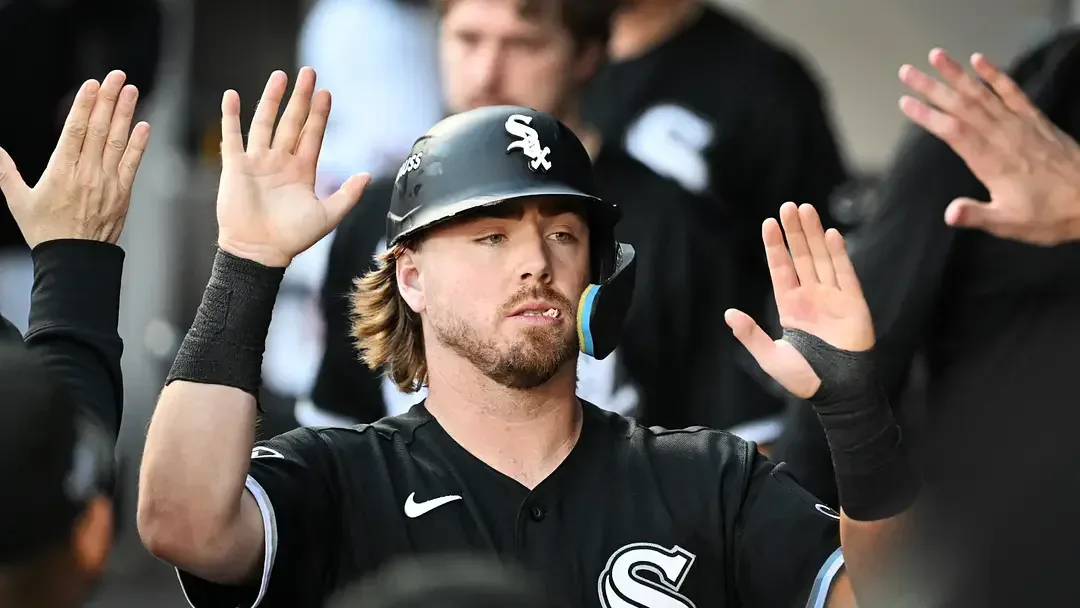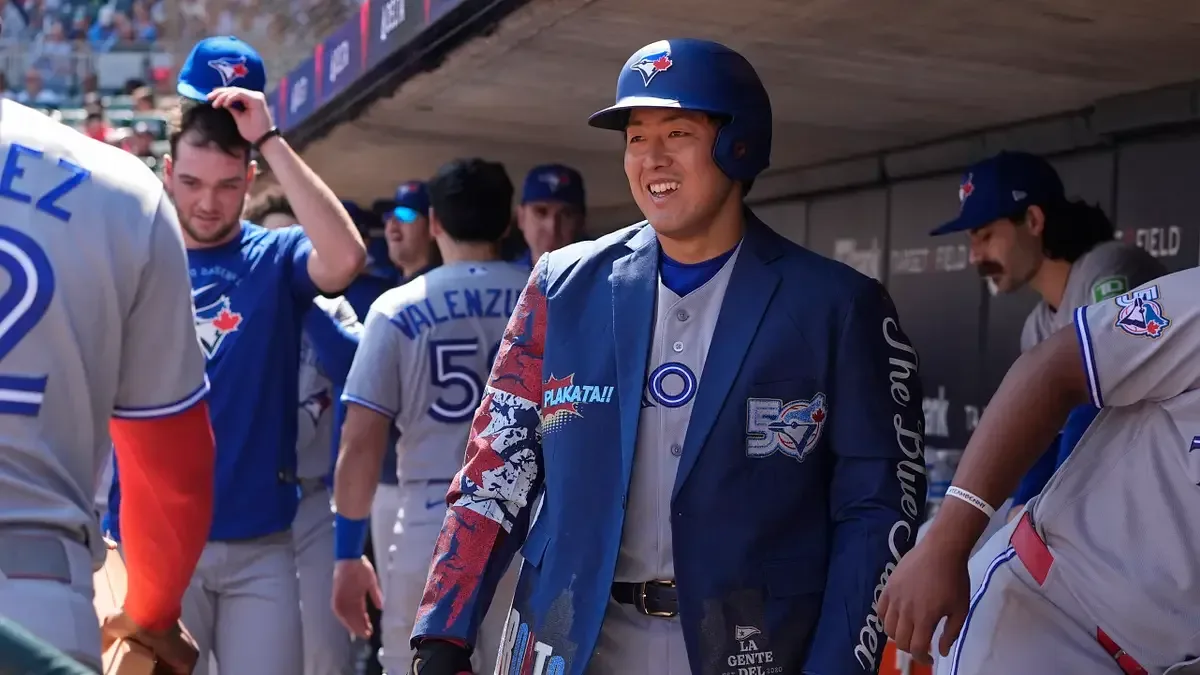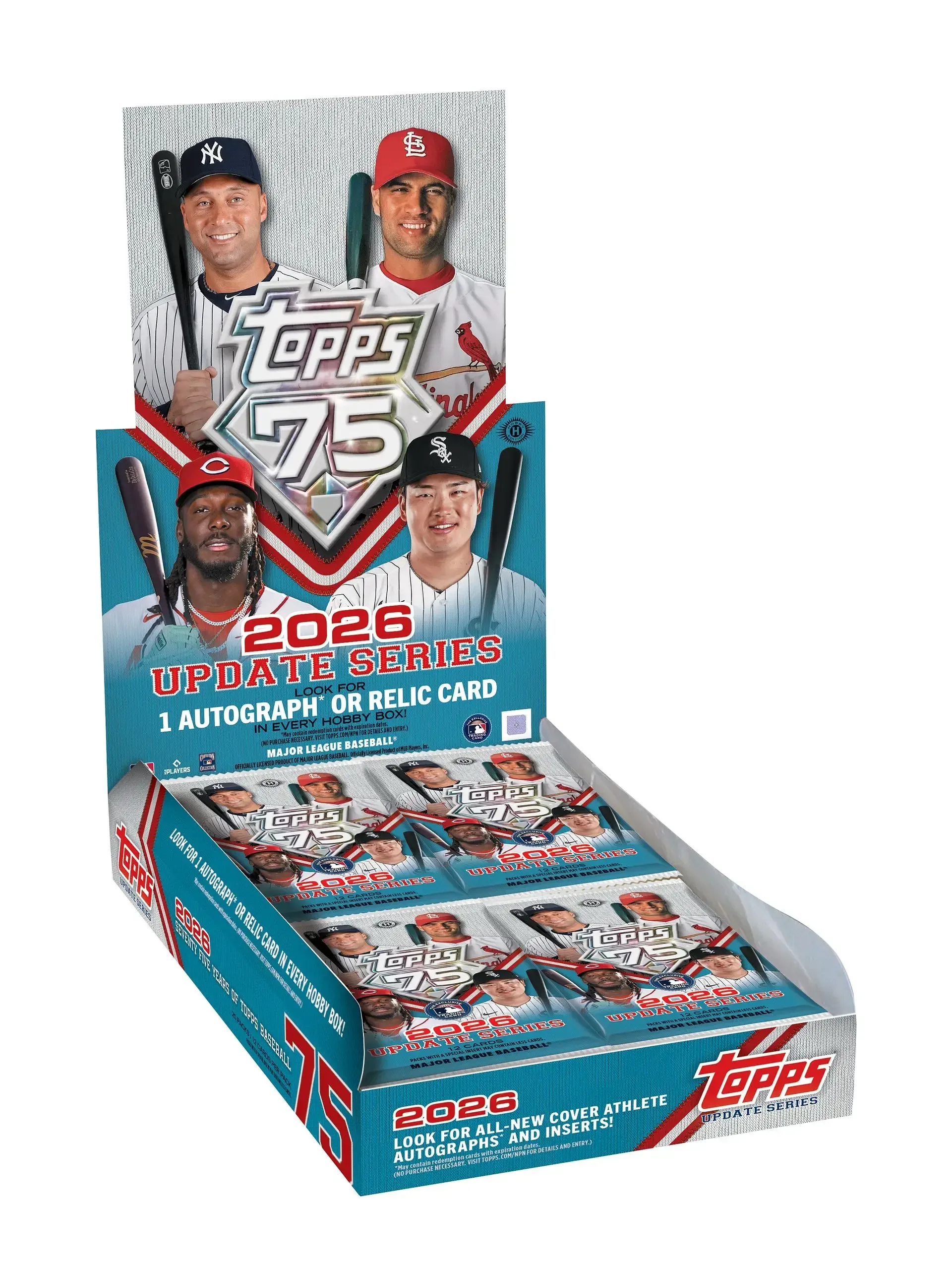
Munetaka Murakami’s first MLB season with the Chicago White Sox ended short of the result he and the club wanted, but it still produced a notable collecting milestone. The White Sox reached the playoffs, Murakami emerged as one of the American League’s leading rookies, and Topps and Fanatics selected him as a cover athlete for both 2026 Bowman Chrome and 2026 Topps Update Series.
That is meaningful recognition in a card market where a player’s on-field arrival, visual presence in major products, and connection with fans can all shape the attention around a release. Murakami says the cover appearances are humbling, particularly because baseball cards travel across countries and generations.
“It’s a huge honor. I know how important baseball cards are to fans and collectors around the world, and I understand the history that comes with being featured on the Bowman Chrome. To be included on the cover is very humbling, and I hope it creates even more excitement for baseball in the United States and Japan.”
The 2026 Topps Update Series is due to release the day after these comments were shared. Murakami’s simultaneous association with Update and Bowman Chrome gives collectors two distinct kinds of release context to consider: a flagship-style annual baseball product on one hand, and Bowman Chrome on the other.
Bowman Chrome is a trading-card line whose name combines the Bowman brand with chromium-style cards. In practical collecting terms, a cover appearance is not the same thing as an individual card designation, an autograph, a serial-numbered parallel, or a guarantee of scarcity. It is instead a prominent piece of product presentation. Covers can signal whom a brand sees as central to a release, while the cards inside remain the collectibles collectors evaluate by player, version, condition, and personal significance.
A rookie season that also became a hobby moment
Murakami arrived in MLB with considerable attention, but interest before a season does not automatically become success on the field or sustained attention in the card hobby. The White Sox’s playoff berth and Murakami’s standing among the league’s top rookies made the recognition more consequential than a purely promotional image.
For collectors, that distinction matters. A player can have cards well before reaching MLB, especially when his career has already drawn international attention. Murakami, 26, was not entering the hobby as an unknown with a single first appearance ahead of him. His card history already included material tied to his earlier career and international competition. The 2026 releases therefore sit within an existing story rather than functioning as the start of it.
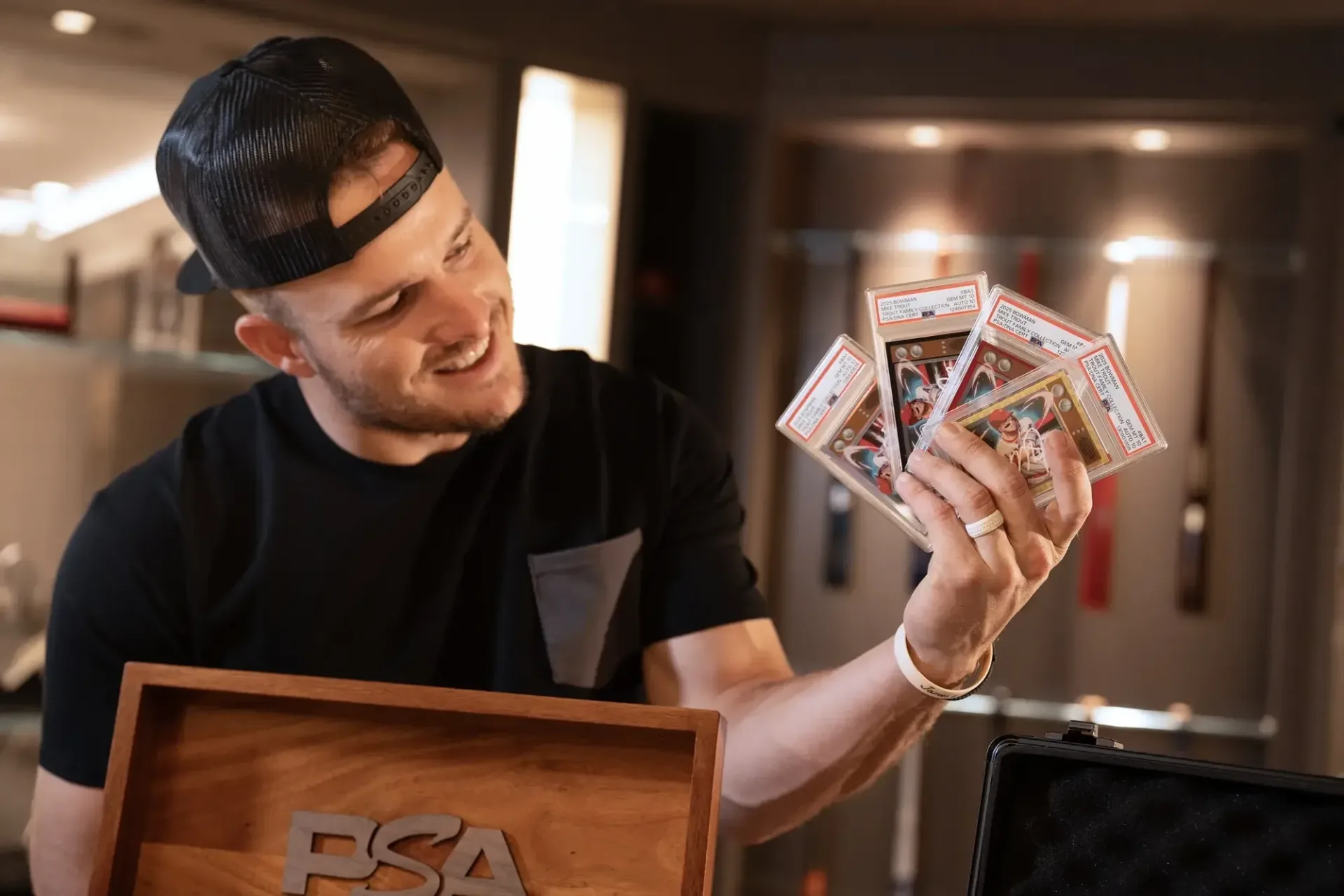
Murakami’s own response to seeing an early card explains why that longer perspective matters. Rather than treating the object only as a commodity or a checklist entry, he described it as proof that a childhood ambition had become real.
“When I saw one of my first baseball cards, it was a really cool moment. As a kid, you dream about becoming a professional player, and seeing yourself on a baseball card makes it feel real. I was excited to share it with my family and friends, and it became something I wanted to keep as a reminder of how far I’d come.”
That is a useful reminder for collectors deciding what they value in a player collection. The conventional landmark cards can be important, but an athlete may attach his strongest feelings to a card that marks a memory, a team, or a tournament. Those motivations need not line up with the cards that receive the most hobby attention.
Why Murakami points to 2023 World Baseball Classic cards
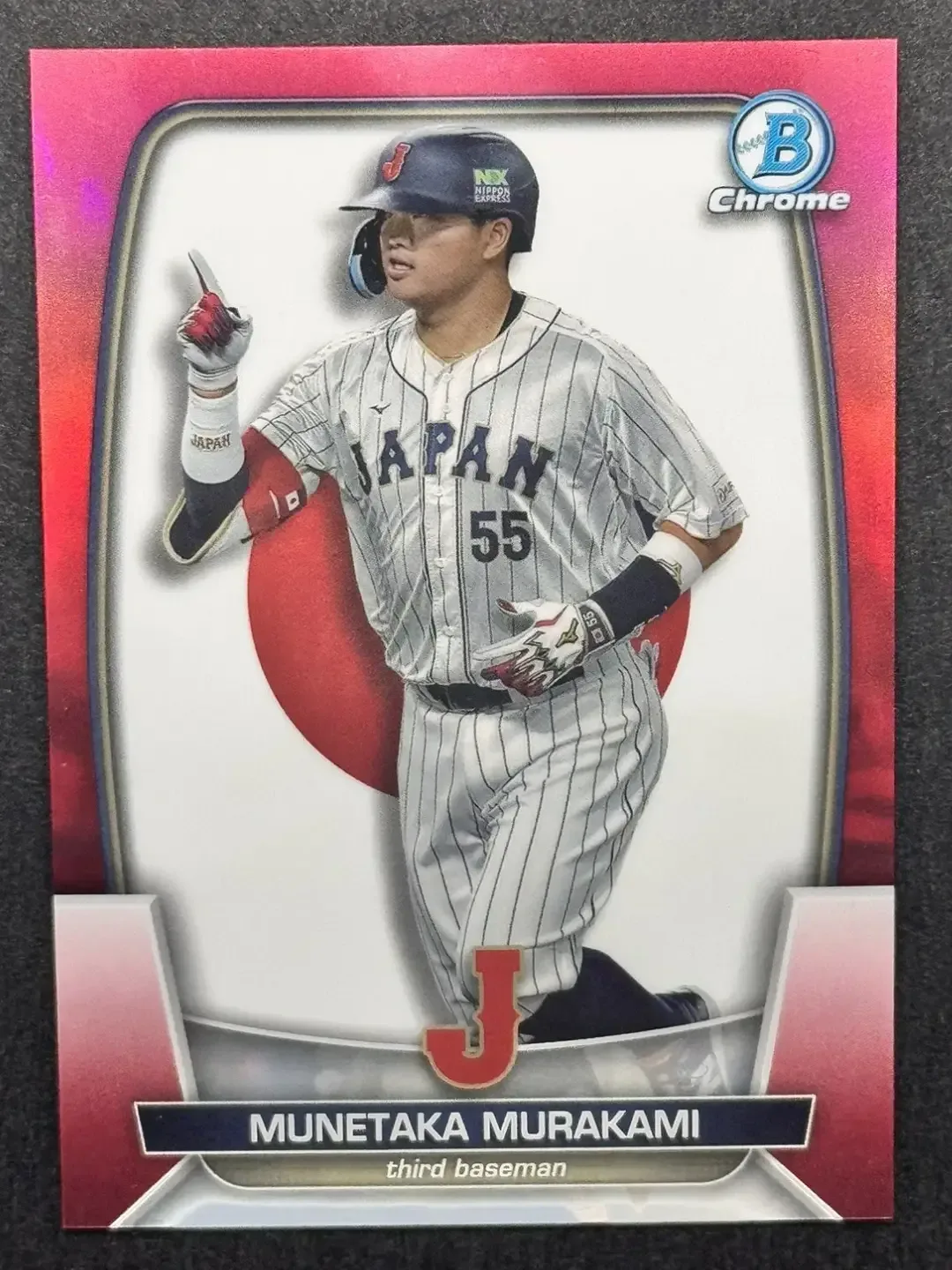
Asked to choose a favorite, Murakami did not select a first-card milestone or limit the answer to a single high-profile design. He pointed to cards from the 2023 World Baseball Classic, where he represented Japan and won.
“I think the stories and memories attached to certain cards are what make them special, so it is hard to choose one. I do really like the 2023 World Baseball Classic cards because it was a special experience representing Japan and winning that year.”
The preference provides a straightforward way to think about event-based cards. A card can be important because of what it pictures, but it can also matter because of the event it represents. Here, the appeal is inseparable from Japan’s winning experience and Murakami’s role in it.
Collectors will often encounter terms such as parallel, serial-numbered, and flag variation when looking through modern baseball products. A parallel is a version of a card that differs from a standard version, usually through a design, color, finish, or other treatment. Serial numbering refers to an individually numbered print run. The supplied example of a 2023 Bowman Chrome World Baseball Classic Flag card numbered to five illustrates how an event theme can intersect with a low-numbered version.
But scarcity and meaning answer different questions. Serial numbering addresses how many copies were made; the World Baseball Classic connection explains why Murakami personally likes the cards. Collectors who are building a focused Murakami collection can use both ideas without confusing them. A low-numbered card may be the hardest version to find, while a more attainable tournament card may be the more direct expression of the story Murakami highlighted.
Practical ways to build around the milestone
There is no need to assume one release will replace another in a player collection. The available details point toward several sensible lanes:
- International-career lane: prioritize 2023 World Baseball Classic cards, since Murakami identified the tournament as personally meaningful.
- MLB-arrival lane: focus on 2026 products connected to his White Sox rookie season and the club’s playoff appearance.
- Product-history lane: treat the 2026 Bowman Chrome and Topps Update cover roles as part of the broader record of how the brands presented him.
- Personal-memory lane: keep room for cards whose images, events, or design simply resonate, even when they are not the rarest versions.
Those approaches are not buying advice, and none requires predicting future values. They are ways to organize a collection around facts already present in Murakami’s own comments: an early card shared with family and friends, an international championship, and a quick ascent to the packaging of two prominent 2026 releases.
Cards as a shared clubhouse interest
Murakami also described cards as a point of connection in the White Sox clubhouse. He did not suggest that every player is an avid collector or outline a team-wide ritual. His answer was more modest: some players enjoy cards and collecting, and the shared enthusiasm is enjoyable to see.
“There are some guys who enjoy cards and collecting, and it’s fun to see players get excited about it the same way fans do. Cards are a great way to bring people together across different generations and backgrounds.”
The observation gets at a basic strength of sports cards. They operate at several levels at once: they are player images, records of teams and events, items that can be organized into sets, and conversation starters. A collector may care about a particular parallel, while another simply wants a card from the season that made them a fan. Players can recognize that same social dimension without necessarily collecting in the same way as hobby regulars.
It also gives the 2026 cover news a wider frame. Murakami is not only presented as a player on a product box. He speaks about the medium as something shared by fans, families, teammates, and people with different experiences of the game. That explains why his answer about his first card emphasizes showing it to people close to him, rather than only its rarity or appearance.
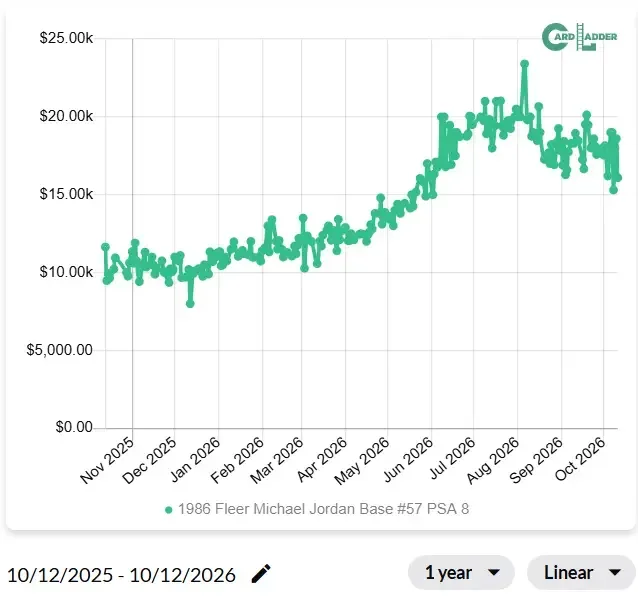
For an example of how condition, rarity, and memorabilia elements can each become separate points of collector interest, see this look at Michael Jordan cards that put rarity, grades and game-worn relics in focus. The specific sport and player are different, but the collecting framework is useful: no single characteristic explains an item’s appeal by itself.
Murakami sees a broad pool of Japanese talent
Murakami declined to name one Japanese player he would most want to collect next. Instead, he emphasized the depth of talent in Japan and the number of players capable of becoming global stars.
“There is so much talent in Japan right now that it would be difficult to choose just one player. In general, I think fans are seeing how strong Japanese baseball is, and there are many players who have the potential to become stars on a global stage.”
That answer avoids turning a broad talent pool into a single speculative pick. It also fits the through line of Murakami’s card preferences. His interest is not limited to a one-card hierarchy. He places value on a first card as a personal milestone, on World Baseball Classic cards as reminders of a winning experience, and on the wider ability of cards to connect fans and players.
For the 2026 Update Series and Bowman Chrome audience, the immediate takeaway is clear. Murakami’s cover-athlete status arrives after a playoff season and a top-rookie campaign, while his own collecting perspective remains rooted in memories rather than just marquee labels. The cards attached to his MLB rise may command attention, but the player’s favorite examples point back to Japan’s 2023 World Baseball Classic triumph—and to the stories collectors choose to preserve with the cards they keep.