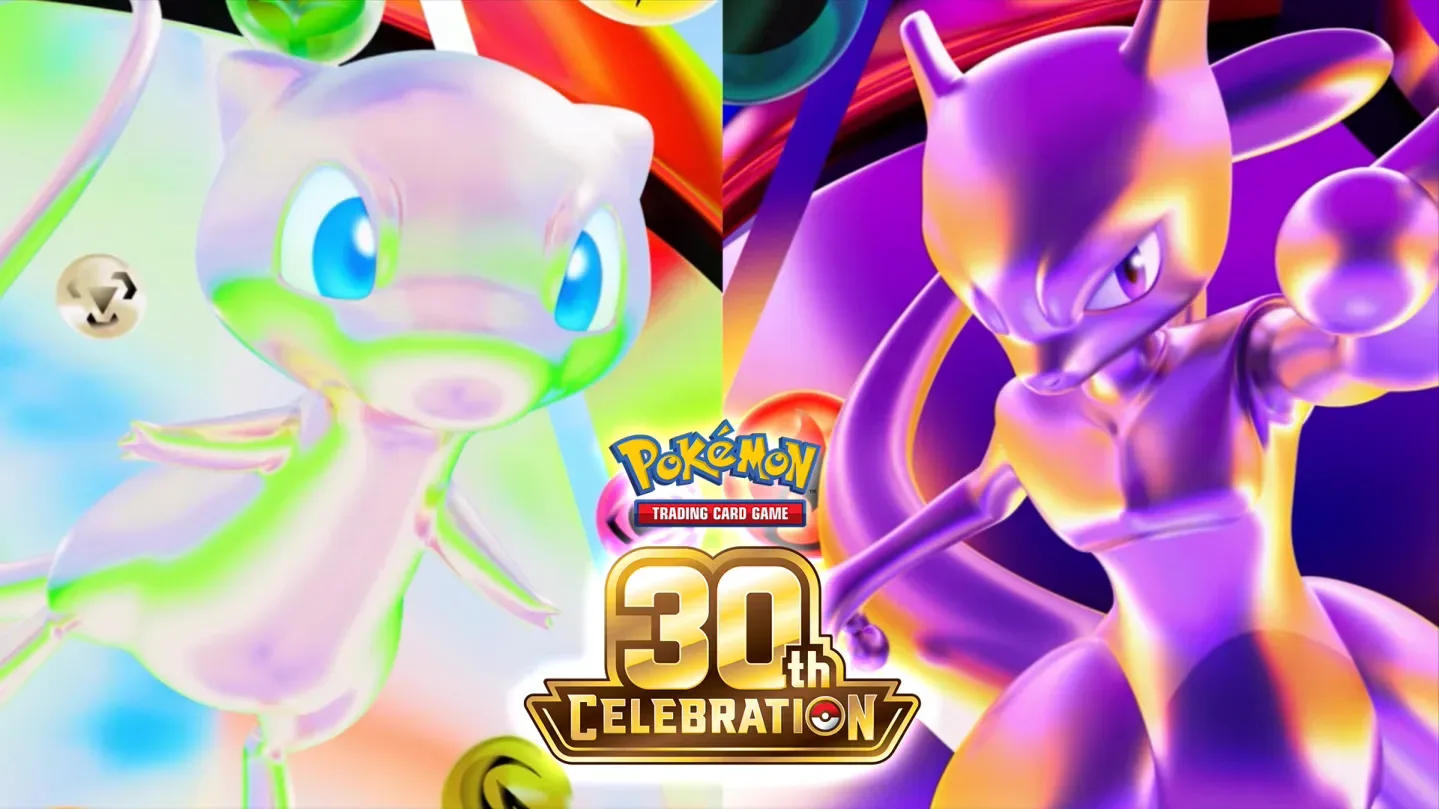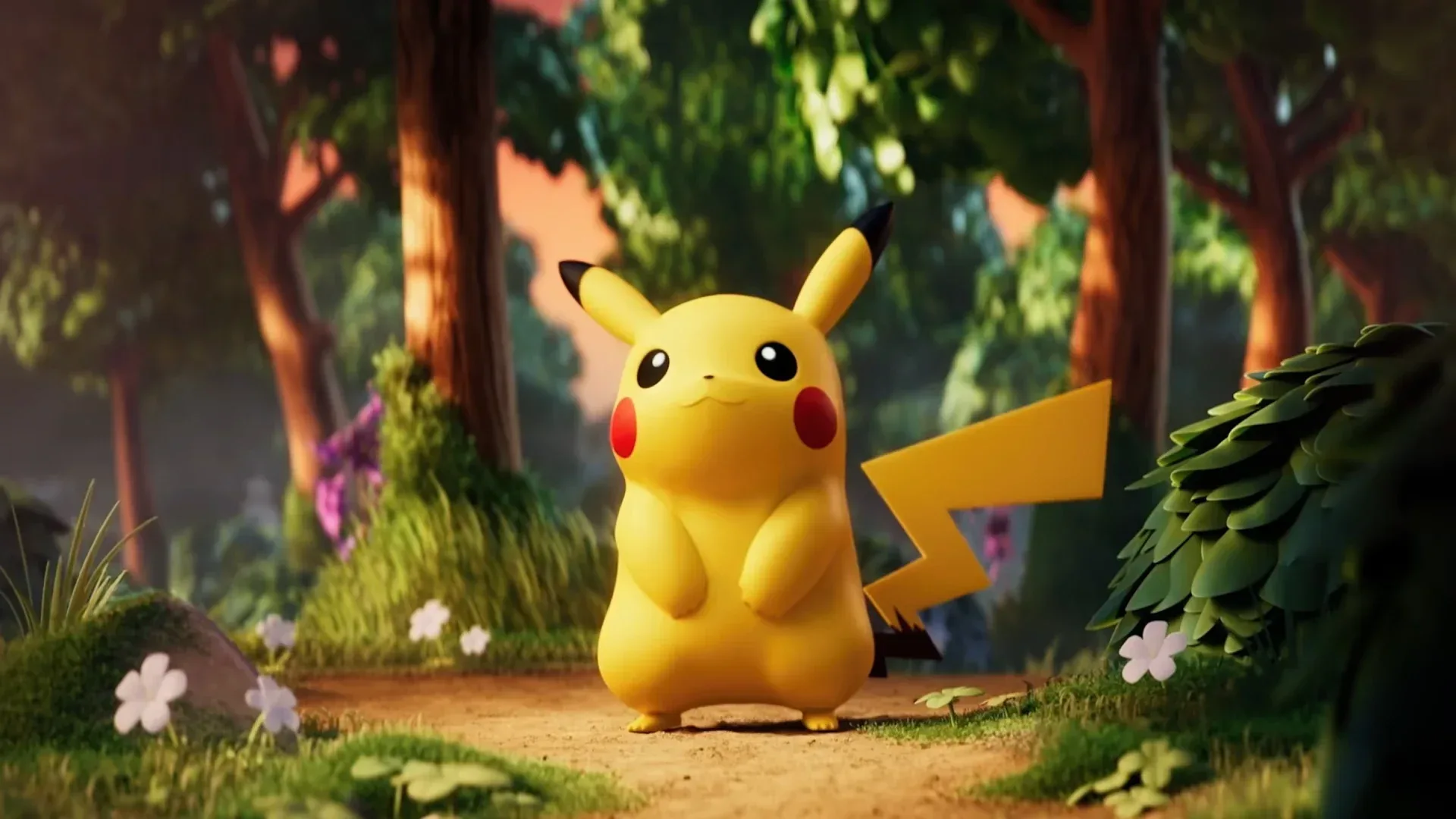
Pikachu is getting an unusually large share of the spotlight in Pokémon Trading Card Game’s 30th-anniversary set. The set contains 34 Pikachu cards, with differences in rarity, in-game effects and artwork across the group.
That number matters beyond simple mascot visibility. A card set can include several versions of the same Pokémon, but 34 separate Pikachu cards turns a familiar collecting preference into a clearly defined character collection. For fans who would rather build around one Pokémon than pursue every card in a release, it creates a focused objective with a natural visual payoff: a complete run of Pikachu artwork displayed together.
The cards are not described as identical copies with superficial changes. Their varying rarity, game effects and art mean the 34-card group operates on several levels at once. Some collectors may care chiefly about illustration, while players can pay attention to how the individual cards function in the game. Others may see the appeal in completing the full Pikachu subset regardless of which version becomes their personal favorite.
A character collection with a built-in scope
Collecting by character is often more manageable, emotionally direct and easier to display than attempting to own an entire modern set. Here, the target is explicit: 34 Pikachu cards. That does not mean obtaining all of them will be simple, especially when cards are distributed through packs and rarities differ, but it does give collectors a concrete finish line.
For more context, explore Early M5 Ultra and M6 GPU Benchmarks Point to Big Metal Gains Ahead of New Macs.
It also helps separate two related but different motivations. A player can choose a Pikachu card for its in-game effect. A collector can choose it for its image, rarity or place in a complete character run. The same piece of cardboard can satisfy both interests, but neither goal should be assumed from the other. A card’s gameplay text and its visual appeal are distinct reasons to want it.
The appeal is amplified by Pikachu’s place in the wider Pokémon family. Interest in the character naturally stretches beyond Pikachu itself to related forms such as Pichu and Raichu, as well as Mega Evolution and Gigantamax incarnations. This particular 30th-anniversary project, however, puts the attention squarely on Pikachu through the number of dedicated cards.
Why rarity changes the collecting experience
Rarity is the term for how frequently a particular card version appears in the product’s distribution. In practical collecting terms, rarer cards can be harder to pull from packs than more common ones. The supplied information confirms that the 34 Pikachu cards have different rarities, so a full set should not be approached as though every card has the same likelihood of appearing.
That distinction is important for anyone planning a complete display. Buying packs can be part of the fun, but it introduces uncertainty: there is no guarantee that a specific desired Pikachu will appear in a given opening. Buying an individual card, often called a single, is the more targeted alternative when the goal is one exact version rather than the experience of opening product.
Neither route is automatically better. Packs suit collectors who enjoy surprise and are comfortable with duplicates or missed targets. Singles better fit a collector who has identified particular cards needed for a display. With 34 variants involved, a mixed approach is easy to understand: open some packs for the experience, then fill gaps with individual cards if completing the character collection becomes the priority.
Don’t confuse a chase card with a complete set
A chase card is a highly desired card a collector hopes to find, generally one that stands out because of its rarity, artwork or perceived appeal. The term describes the pursuit, not a guarantee of value or an instruction to keep buying packs. In a 34-card Pikachu grouping, there may be multiple cards that different people treat as their chase.
That is also why a complete 34-card display and a personal “best Pikachu” collection are not the same project. One is a completion goal. The other is curatorial: it lets a collector choose only the art and card designs they love most. Both are legitimate ways to engage with a large anniversary subset, and the latter may be the more sensible option for someone who mainly wants a framed tribute to the character.
Artwork is the common language between players and collectors
The individual cards differ in art as well as rarity and in-game effects. That makes the artwork especially central to the set’s broader appeal. Mechanics can matter most at the table, but art is what makes a card collection coherent on a wall, in a binder or in a carefully chosen character page.
A framed 34-card presentation would turn the subset into something closer to a visual survey of Pikachu interpretations than a stack of interchangeable game pieces. Even without treating one image as objectively better than another, the variety gives collectors room to respond to mood, composition and the version of Pikachu they find most charming.
There is a useful practical boundary here. A display project does not require every card to be judged by rarity first. If the intended result is visual, establish the display concept before chasing the toughest cards: decide whether the goal is all 34 cards, a favorites-only arrangement, or a selection that emphasizes different artwork. That makes later decisions about packs and singles more deliberate.
How to approach a 34-card Pikachu project
- Define the finish line. Decide whether “complete” means every one of the 34 cards or a smaller group chosen for artwork and personal taste.
- Track each version separately. Since rarity, effects and art differ, treat each Pikachu as its own target rather than assuming one copy represents the entire character.
- Separate play copies from display copies. A player may want cards for their effects, while a display-minded collector may prioritize appearance and presentation.
- Plan for uncertainty if opening packs. Different rarities mean the path to a particular card is not uniform.
- Use singles when precision matters. If a single missing Pikachu is holding up the display, targeted acquisition avoids relying entirely on repeated pack openings.
The 30th-anniversary set’s Pikachu concentration is compelling precisely because it supports all of those approaches. It offers a major mascot collection for completionists, varied illustrations for art-first buyers and different game effects for players. For a franchise milestone, 34 distinct Pikachu cards is less a single collectible than a small collecting lane of its own.
For readers looking for another character-driven collectibles story, the 34-card Pikachu focus in the anniversary set remains the key detail: this is a large enough selection to reward careful collecting, but specific enough to make a cohesive Pikachu display feel attainable in concept—even if the rarer cards make the journey more selective.