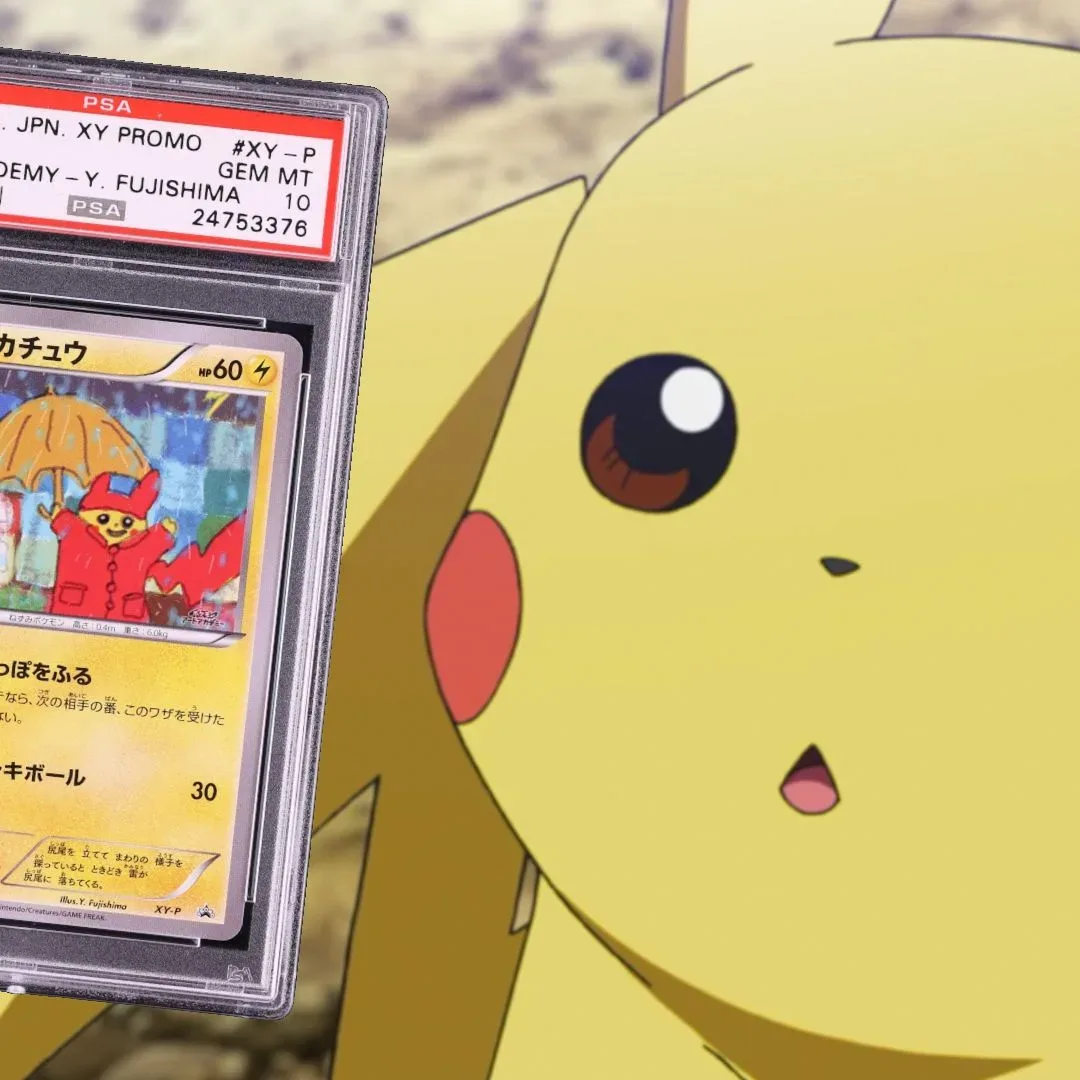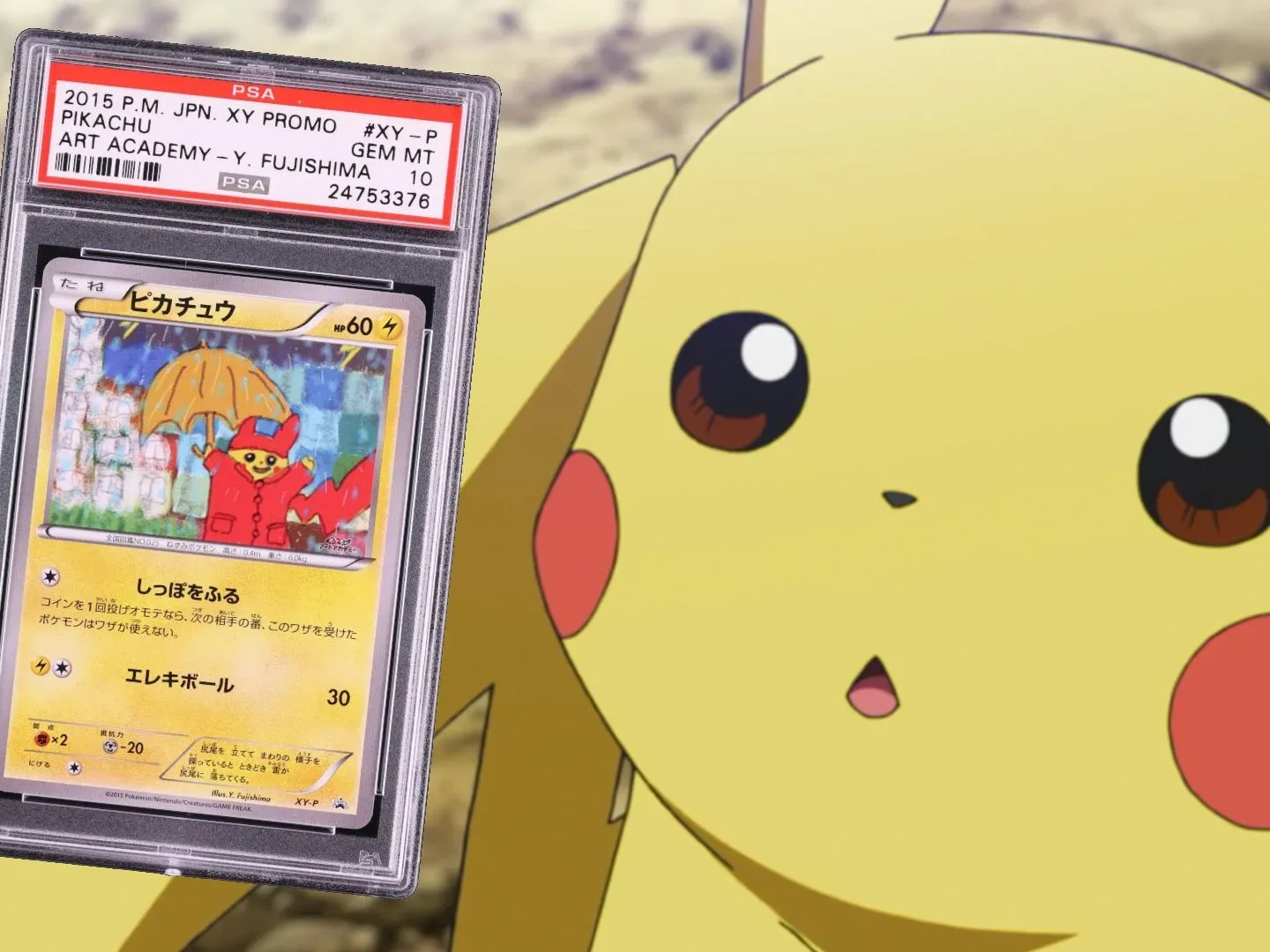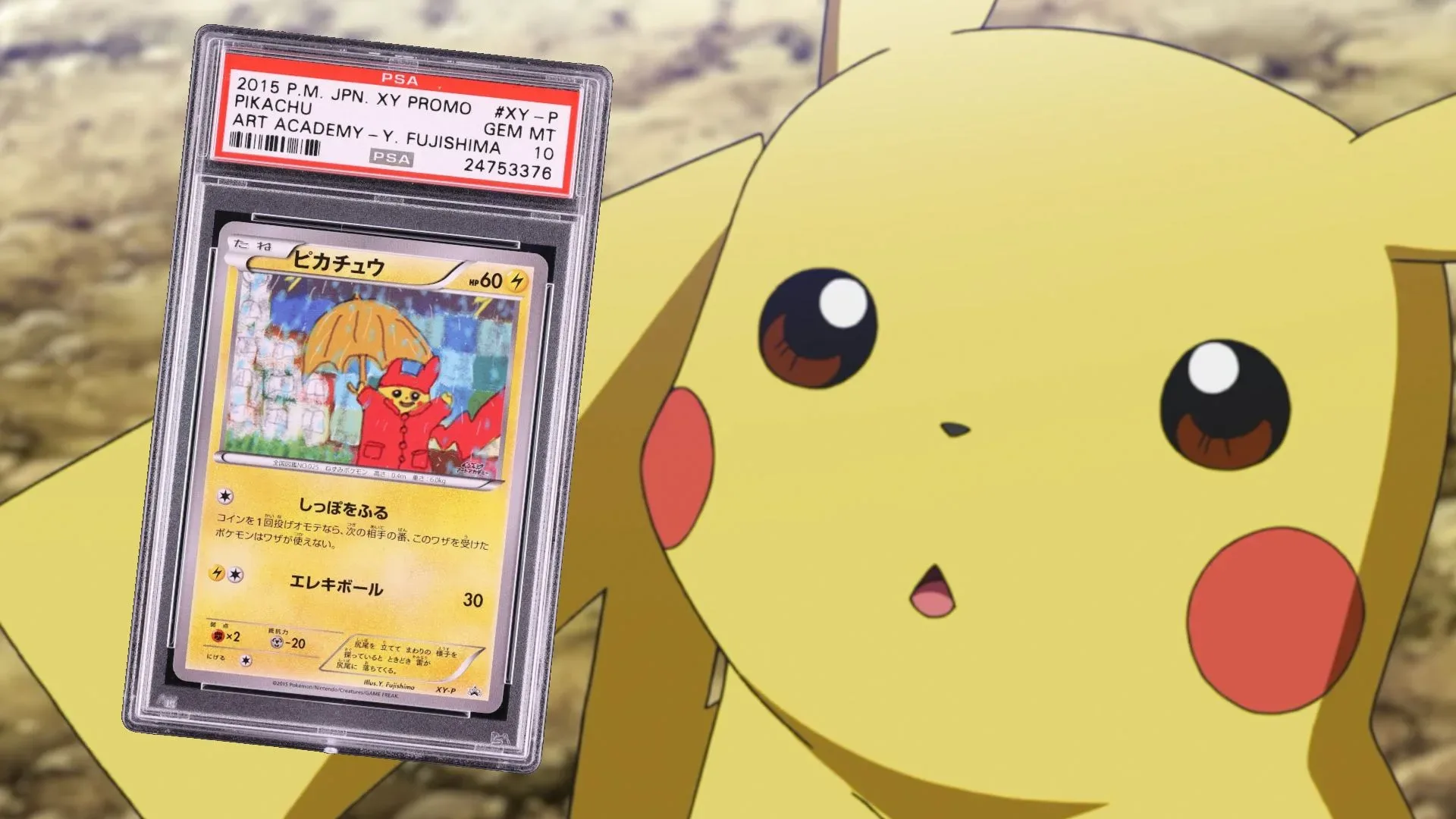
A remarkably scarce Pokémon card known to collectors as Raincoat Pikachu has sold for $8.4 million, with the buyer’s premium included in that total. The September 28 sale places it among the most expensive Pokémon cards ever sold at auction, second only to Logan Paul’s Pikachu Illustrator card, which previously sold for $16.4 million.
That enormous figure is not simply the result of Pikachu being Pokémon’s most recognizable mascot. Raincoat Pikachu has an unusually narrow origin story: it was created from a winning design in a 2015 competition connected to Pokémon Art Academy on Nintendo 3DS. The artist, Fujishima, won the competition’s Dress-Up Pikachu category and received 100 officially printed copies of the card as the prize. The card was never a store product and was never made generally available to the public.
In other words, this is not a hard-to-pull card from a booster pack. It is a personal-prize card with a fixed original quantity, tied to a specific contest winner. That distinction is central to understanding why this particular smiling Pikachu, wearing rain gear and carrying an umbrella, can command a price that belongs more to trophy collecting than ordinary trading-card shopping.
Why Raincoat Pikachu is different from a typical rare card
Pokémon cards can be scarce for several reasons. Some have low pull rates, some are limited promotional releases, and some become difficult to find because sealed product is opened or individual cards are lost and damaged over time. Raincoat Pikachu begins from a far more restrictive premise: only 100 copies were awarded directly to the winning artist.
That makes its scarcity fundamentally different from a card that was sold in packs, even if that pack card is very difficult to pull. A booster-set chase card may have an uncertain surviving population, but it started life as a commercial product. Raincoat Pikachu did not. Its 100-copy issuance was a prize, not a retail print run.
The card’s origin also gives it a story that collectors can immediately understand. Its artwork was not merely commissioned for a standard expansion; it arose from a fan-art competition built around a game that taught players to draw Pokémon. The winning concept has an appealingly direct connection to that premise: Pikachu is dressed for wet weather, with a cheerful expression that makes the card feel more like a storybook illustration than a competitive-game staple.
That visual appeal matters. At the highest end of collecting, rarity alone does not always create cultural interest. A card also benefits when its art is instantly identifiable, its backstory is easy to communicate, and the character has wide recognition. Raincoat Pikachu checks all three boxes without needing a flashy battle pose or a complicated rules-text hook.
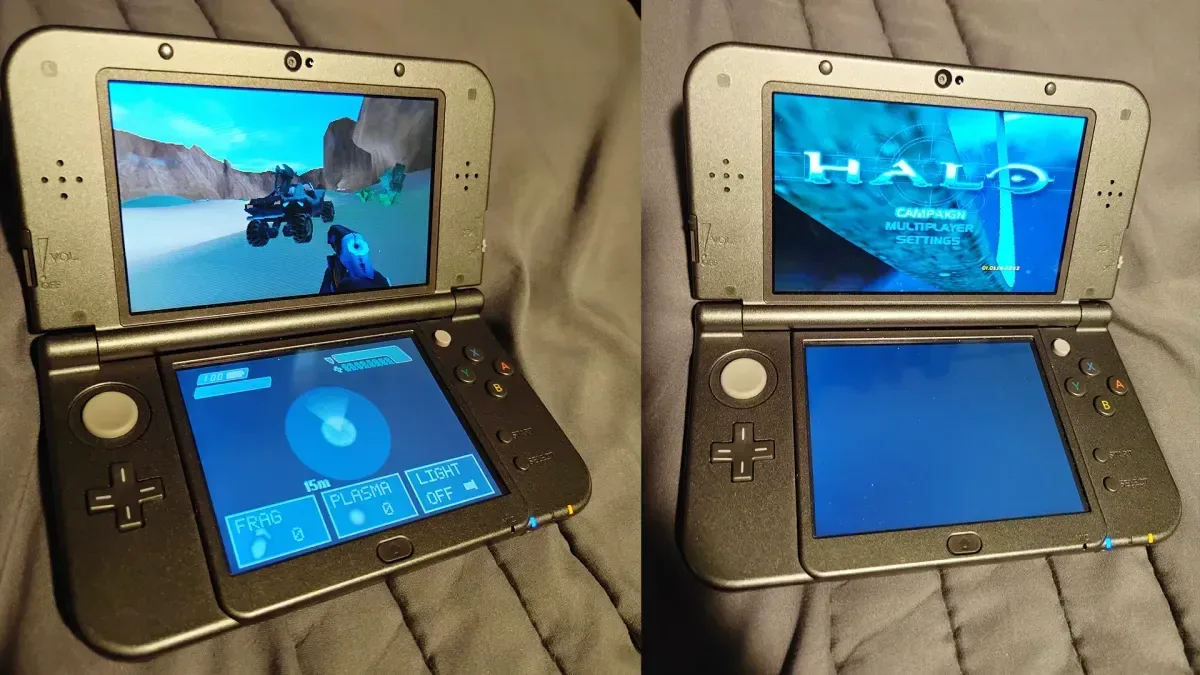
The 3DS connection is a small but meaningful part of the card’s appeal. Pokémon Art Academy turned drawing Pokémon into the basis for the contest that created the prize, making this a piece of Pokémon history tied to a particular Nintendo era rather than a conventional set release. Nintendo’s handheld history continues to produce unusual stories, including projects such as work bringing Halo: Combat Evolved to New Nintendo 3DS, but Raincoat Pikachu remains a reminder that a 3DS game could also leave an imprint on the physical collecting market.
Related coverage includes Raincoat Pikachu Card Sells for $8.4 Million at Auction.
The grade attached to the $8.4 million result
The auctioned copy was graded PSA 10 Gem Mint. Card grading is a third-party assessment process in which a card is examined and placed in a sealed holder with its assigned grade. In this case, the PSA 10 Gem Mint label signals that the card reached the top numerical grade stated in the sale details.
For a card with an original run of just 100, condition can become especially important. The first level of scarcity is the card’s limited distribution; the next is the number of surviving examples that collectors consider to be in exceptional condition. A collector pursuing a high-grade copy is therefore competing for something more specific than simply “a Raincoat Pikachu.” They are pursuing this rare issue in a particular, elite condition tier.
It is important, however, not to oversimplify the $8.4 million total into a universal value for every copy. A grade describes one card’s assessed condition, not every example’s worth. The sale demonstrates what one PSA 10 Gem Mint copy achieved in one auction environment with at least one buyer prepared to pay that amount. It does not establish that every Raincoat Pikachu is worth millions, or that another sale would necessarily end at the same price.
The total also includes a buyer’s premium. That is the fee added to a successful bid by the auction business and paid by the buyer. When comparing headline auction numbers, collectors should check whether a reported price includes that premium, as this result does. A hammer price and an all-in price are not necessarily the same figure.
A striking jump from an earlier comparable sale
The result is especially notable because another PSA 10 example of the same card reportedly sold for $19,200 in 2025. The contrast with the new $8.4 million total is enormous, but it should not be treated as a simple year-over-year price chart for an ordinary product.
With a card this uncommon, there may be few public transactions to compare. Every appearance can involve a different set of bidders, differing expectations about condition and provenance, and a different appetite for a one-of-a-kind collector’s prize. The small number of issued cards means that public sales are unusual events rather than a steady stream of comparable data.
That does not make the sale meaningless; it makes precision more important. The $8.4 million figure is a major auction milestone for this card and a strong indication of its appeal at the top end of the market. But collectors should resist assuming that a single record-setting result automatically reprices every scarce Pikachu card, every contest prize, or even every Raincoat Pikachu.
What everyday collectors should take from this
The practical lesson is not that modern Pokémon collecting requires a multimillion-dollar budget. Raincoat Pikachu is an extreme case with a combination that very few cards share: a 100-copy personal-prize issue, a contest-based origin, beloved character art, and a top grade. Most contemporary Pokémon cards are produced for retail sale and exist in dramatically larger numbers.
It is also a useful reminder to separate different kinds of rarity. Before treating a card as scarce, collectors can ask a few straightforward questions:
- Was the card distributed in retail packs, at an event, or directly as a prize?
- Is there a known original quantity, such as Raincoat Pikachu’s 100 printed copies?
- Was it available broadly, or only to a winner or a limited group?
- What condition is being discussed, and is a third-party grade attached?
- Does a reported auction total include the buyer’s premium?
Those questions do not predict future prices, but they make it easier to distinguish a genuinely unusual item from a card being described with vague marketing language. “Rare” can mean many things in trading cards. A documented prize distribution and a clearly stated grade provide far more useful context than hype alone.
Raincoat Pikachu’s appeal also makes the result easier to understand on an emotional level, even if the price remains extraordinary. The art is charming, the costume is immediately legible, and the umbrella-wielding Pikachu has a warmth that more intimidating collector trophies often lack. It is an exceptionally expensive card, but not an impersonal one.
For the broader Pokémon TCG market, the sale underlines how much value can be concentrated in a card’s provenance: who received it, why it was printed, how many copies exist, and what condition a particular copy is in. Raincoat Pikachu is now a headline-making example of that principle—a tiny contest prize from the 3DS era that has become an eight-figure piece of Pokémon collecting history.