The Ring: The Man Who Beat the Man #4 is scheduled to go on sale from Dark Horse Comics on October 7, 2026. The 32-page, T+-rated issue continues an eight-part boxing series written by Gail Simone, with art by Elisa Romboli and colors and lettering by Iolanda Zanfardino. Oliver Barrett provides the cover.
Its immediate setup is cleanly built around a contrast of fighting styles and public personas. Liam the Bulldog is heading into what is described as an extravagant media event, full of the posing and promotional noise that can surround a high-profile bout. Across the ring is Ivan the Bear, a competitor presented as having little interest in any of that performance. Ivan’s focus, instead, is on inflicting genuine damage once the fight begins.
That conflict is not happening in isolation. Ramon the Lion is watching closely, plotting a return to the sport and looking toward a match with whoever emerges from Liam and Ivan’s contest. Issue #4 therefore appears positioned as more than a single fight: it advances a three-way competitive situation in which a present matchup could determine the next major challenger.
A boxing story where spectacle is part of the pressure
The phrase “media circus” matters because it frames Liam’s next event as a public-production problem as well as an athletic one. In a boxing narrative, the buildup can create its own stakes. A fighter has to manage attention, expectations and distractions before the bell rings. Liam’s confidence and tendency toward showmanship may work as strengths in building his profile, but the premise suggests those traits will be tested against an opponent who is not playing the publicity game.
Ivan is characterized in deliberately blunt terms: he is there to hurt his opponent. That makes him a useful foil for Liam, not simply because he is physically imposing, but because he refuses the same social rules. Liam is entering a staged spectacle; Ivan threatens to reduce the entire exercise to its harshest practical consequence. The issue’s tension rests in the gap between the athlete the event wants people to watch and the opponent who could make the event impossible to control.
“Preening and posturing” are not technical boxing terms, but they point to a recognizable storytelling divide. One character approaches the occasion as a performance, while the other treats it as a fight stripped of ceremony. The result should give the creative team room to make the promotional atmosphere feel consequential rather than merely decorative.
Ramon’s comeback adds a longer view
Ramon the Lion’s presence supplies the story with a second layer of competition. He is not merely watching from the sidelines; he is preparing for a comeback and wants the winner. A comeback, in sports storytelling, means more than reappearing. It usually carries unanswered questions: whether the returning competitor can still perform at the previous level, what changed during the absence, and whether the current field has moved on.
The available details do not specify why Ramon stepped away or what his return entails, so readers should not assume a particular injury, defeat or personal history. What is clear is his strategic interest. He is using Liam and Ivan’s match as a measure of the opponent he may have to face next. That establishes a useful sense that every ring outcome can reshape the wider pecking order.
It also gives issue #4 a prospective dimension. Even while Liam and Ivan command the central billing, Ramon’s planned challenge suggests that the book is keeping one eye on what follows. For a limited series, that kind of forward movement can be important: a bout resolves one immediate question while creating a new one for the next chapter.
The creators and the series format
Simone is credited as writer, joined by Romboli on illustration and Zanfardino as colorist and letterer. The lettering credit is especially worth noting in a comic built around competitive combat and public presentation. Lettering is the visual placement and styling of dialogue, captions, sound effects and other text on the page. In a boxing sequence, it helps establish rhythm: the pace of shouted instructions, the snap of impact sounds, the silence between exchanges and the energy of an arena crowd.
Color also has a narrative role beyond making a page visually vivid. It can distinguish the heightened atmosphere of a promotional spectacle from the immediacy of action in the ring, while helping direct the reader’s eye around fast-moving scenes. Those are general functions of comic-book craft rather than confirmed details of this particular issue, but they are especially relevant to a series advertised around boxing battles and calculation inside the ring.
Romboli’s illustration, Zanfardino’s colors and lettering, and Simone’s script are presented as a unified team for a series that combines sporting action with drama. The project is produced in cooperation with editorial leaders at The Ring, the long-running boxing magazine. That arrangement signals an effort to ground the comic’s combat-world setting in the vocabulary and culture of boxing, while its cast of animal fighters gives the premise an intentionally stylized identity.
What “calculations in the ring” can mean
The series description promises both exciting fights and “dramatic calculations” in the ring. In boxing terms, calculation is the thinking that occurs amid the physical contest: judging distance, timing an attack, identifying openings, managing momentum and deciding when to take risks. The supplied details do not identify specific techniques or tactics used by Liam, Ivan or Ramon. Still, the wording makes clear that the series aims to treat bouts as contests of decision-making as well as force.
That emphasis fits the issue’s premise. Liam’s public confidence and Ivan’s destructive intent are broad character signals, but a compelling fight depends on how those identities collide under pressure. Is Liam’s bravado a distraction or a weapon? Does Ivan’s directness make him unstoppable, or predictable? The synopsis leaves those questions open, which is exactly where a preview should leave them.
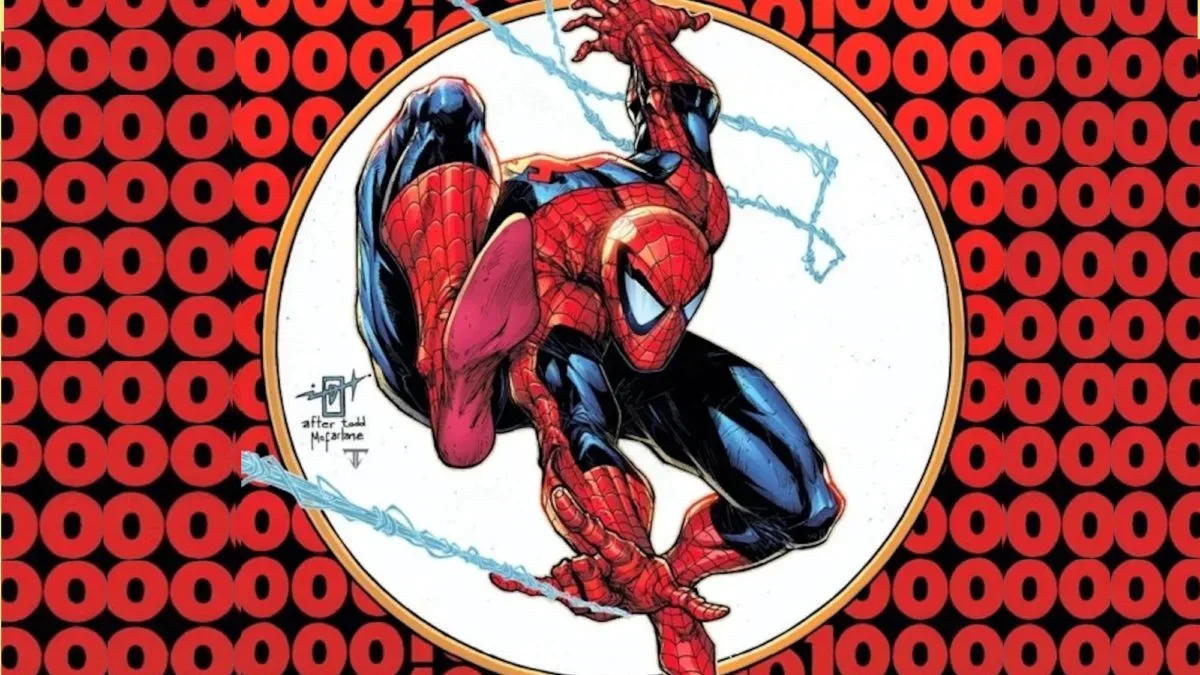
Readers following the weekly and monthly comic landscape may also find this kind of focused premise a contrast to larger superhero continuity. Recent shop-sales coverage such as reported comic shop sales surrounding Amazing Spider-Man #1000 illustrates how prominent major franchise releases can be in the market conversation. The Ring: The Man Who Beat the Man, by comparison, is framed around one eight-issue sports drama with its own contained ladder of rivals.
Release details
- Title: The Ring: The Man Who Beat the Man #4
- Publisher: Dark Horse Comics
- On sale: October 7, 2026
- Format: 32 pages
- Price: $4.99
- Rating: T+
- Series length: Eight issues
- Writer: Gail Simone
- Illustrator: Elisa Romboli
- Colorist and letterer: Iolanda Zanfardino
- Cover artist: Oliver Barrett
For this installment, the attraction is the collision between Liam’s lavishly promoted moment and Ivan’s indifference to everything except the violence of the contest. Ramon’s watchful return plan makes the outcome matter beyond the immediate match, turning #4 into a potentially decisive entry in the series’ developing hierarchy of fighters.