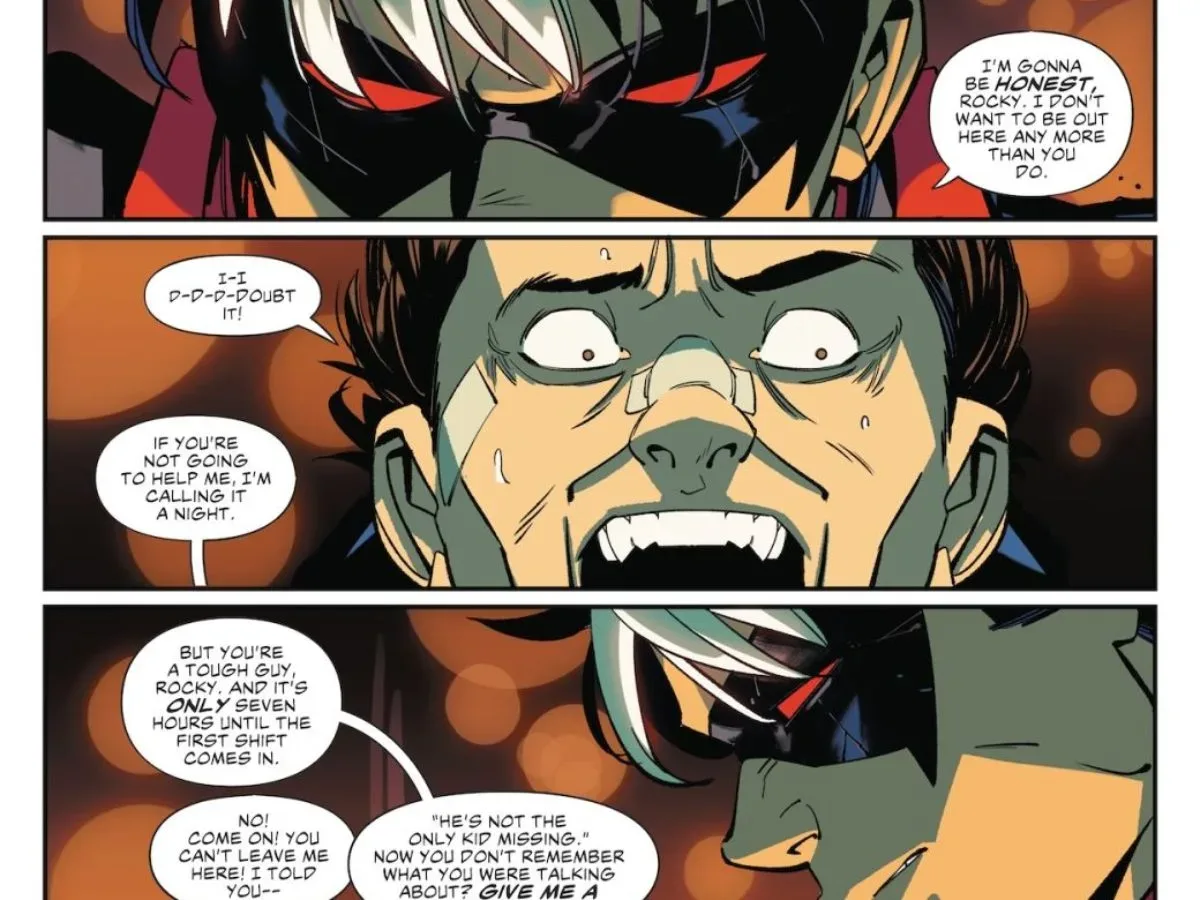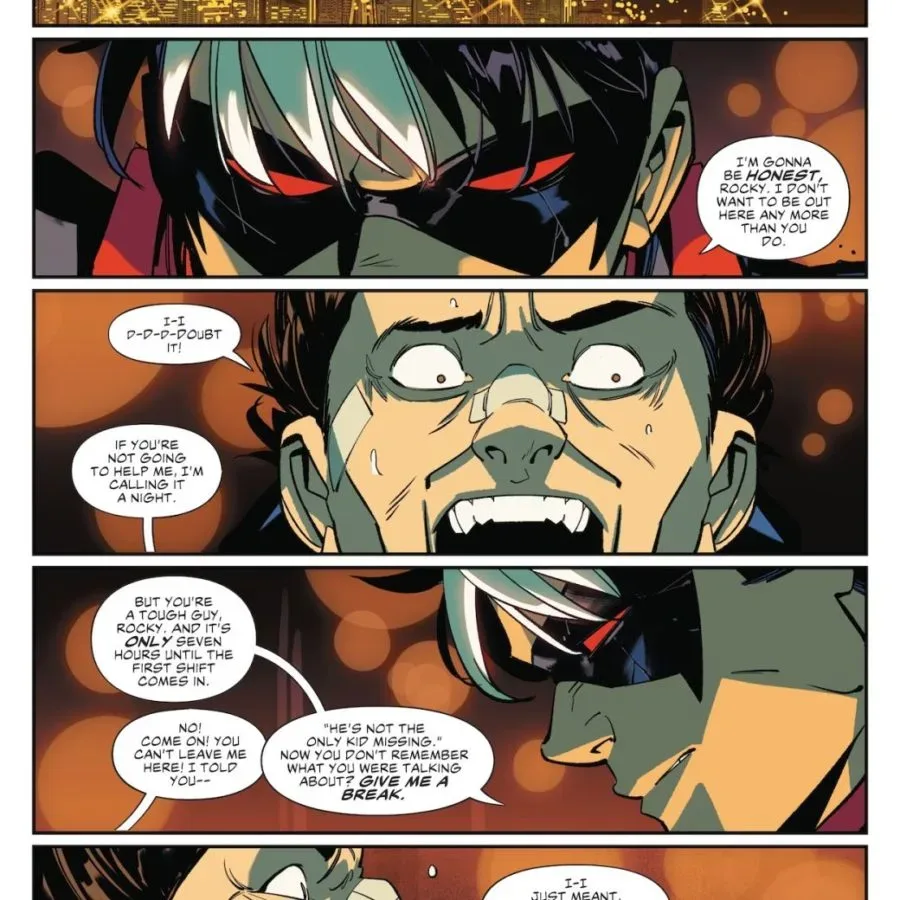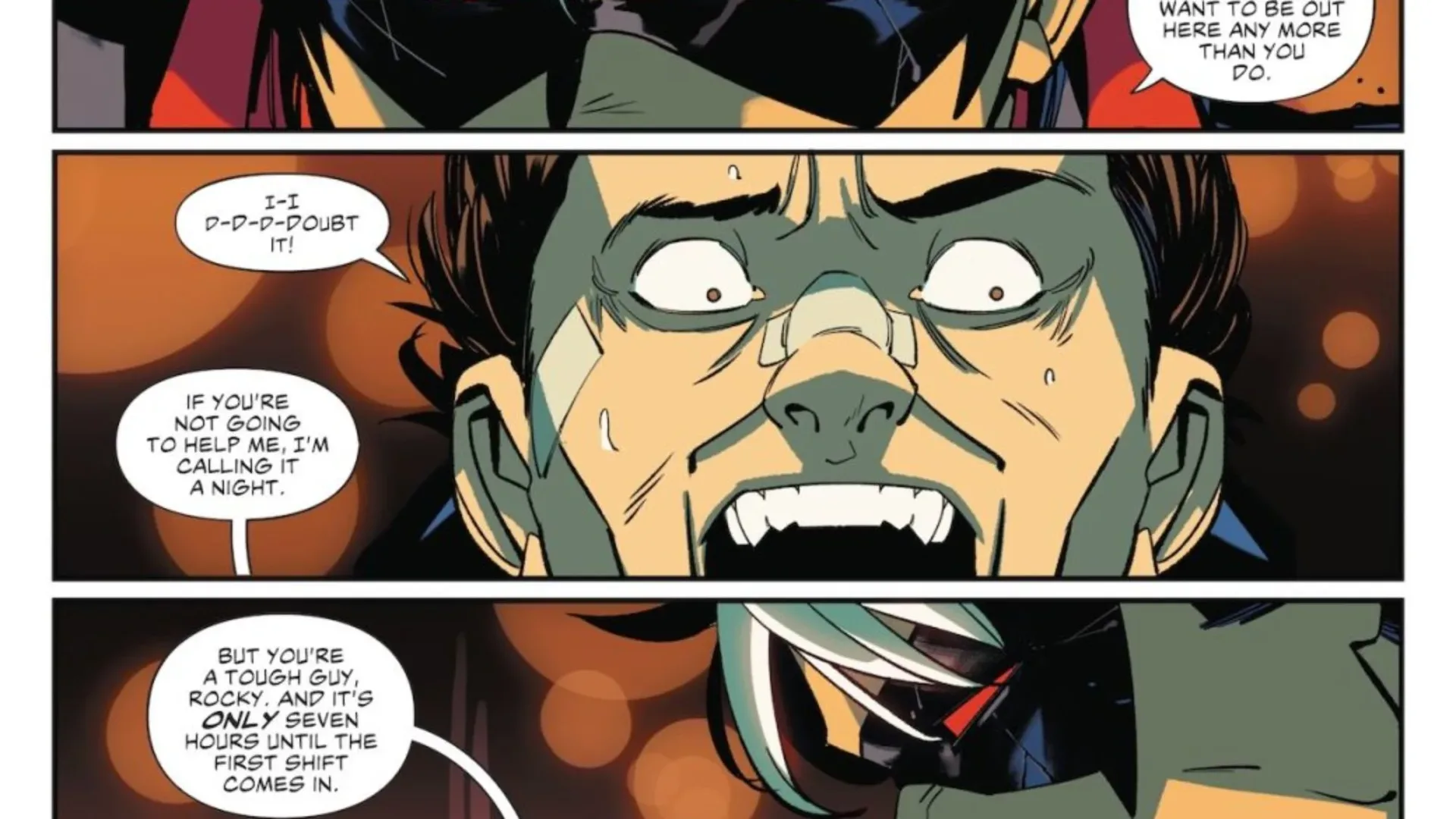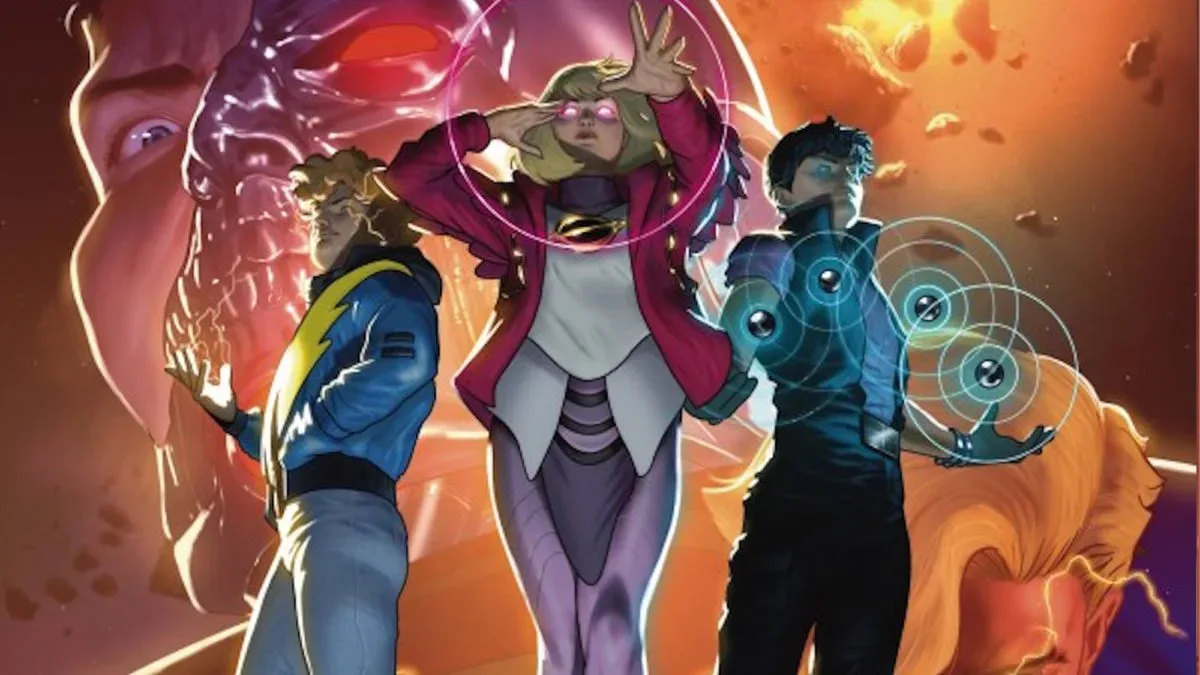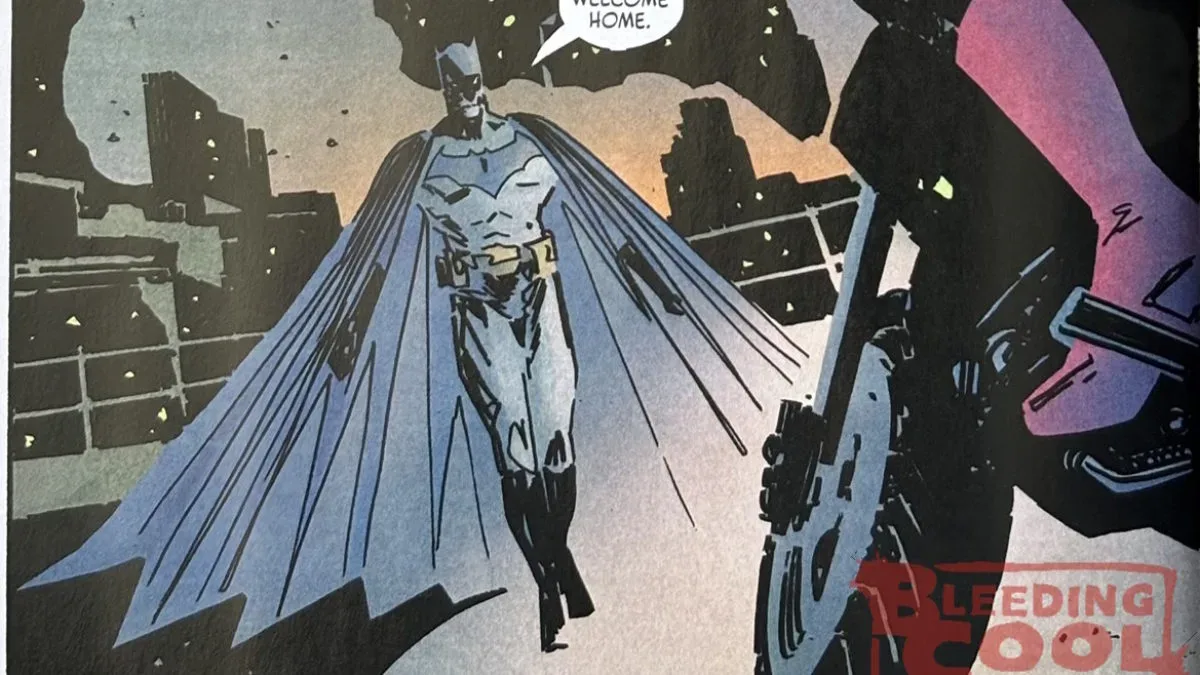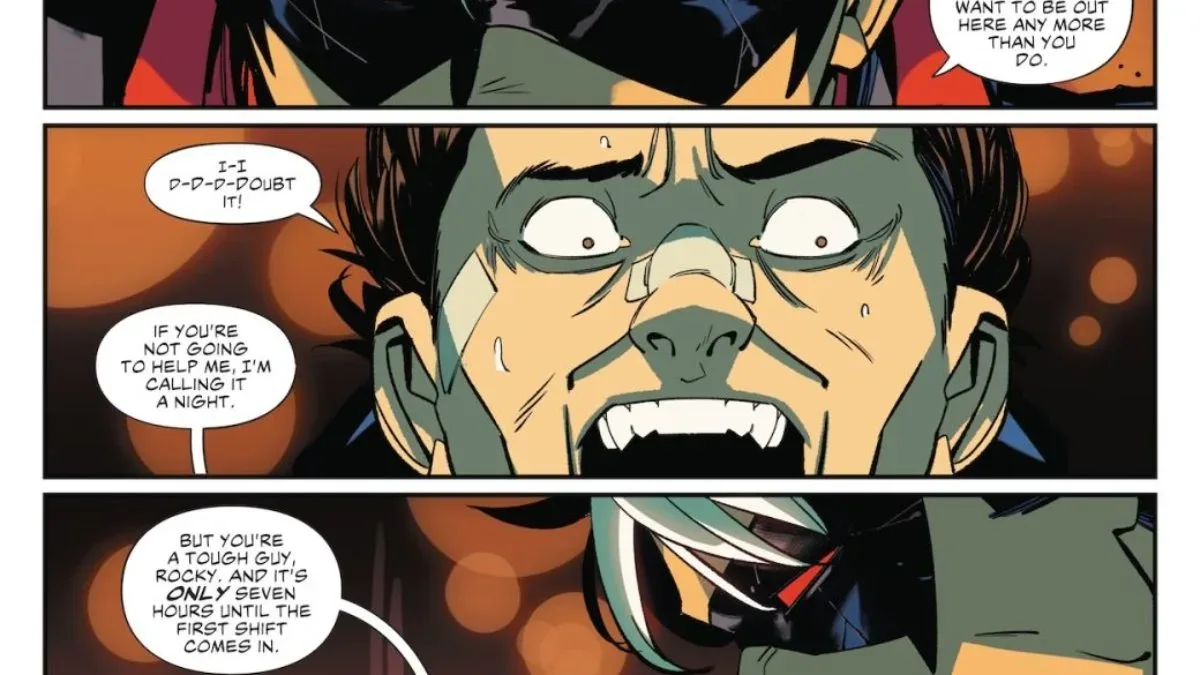
Teen Titans #2 is set to bring a new group of young heroes out of their online gathering space and into a live operation in Seattle. The setup is simple but loaded with tension: the team has declined an offer of mentorship from Nightwing and instead selected Red Hood to guide them. Their immediate goal is to find a missing friend, beginning with a stakeout and an effort to get inside a mysterious organization called Ascend.
That makes the second issue less about a routine superhero assignment than a test of structure. A team that has existed in chat rooms is moving into the field for the first time, with inexperienced heroes, a ticking clock, and a mentor whose own difficult past is central to the premise. The series is written by Kyle Higgins, with art and cover art by Daniele Di Nicuolo.
Red Hood becomes the Titans’ chosen mentor
The most consequential detail in the solicitation is not merely that Red Hood is present. He is now in command. The new Teen Titans actively choose him after rejecting Nightwing’s offer, creating an immediate contrast between two possible models of leadership.
Nightwing is presented as the path the group did not take. Red Hood, a former Robin described here as harrowed, is the mentor they do take. The issue’s central question follows naturally: can someone with that history keep a collection of impulsive young heroes focused, safe, and working together when an operation turns dangerous?
The story need not settle that question immediately for it to have real dramatic force. Mentorship in a superhero team is more than teaching someone how to throw a punch or operate a comms channel. It means establishing judgment, boundaries, trust, and a chain of responsibility when the group’s choices have consequences. Those are especially important concerns for a team whose first on-the-ground mission is tied to a missing person.
Red Hood is therefore not simply an adult presence added to make the team official. He is a potentially volatile answer to an urgent problem. The young Titans’ decision suggests they may see something in his bluntness or independence that speaks to them more strongly than a more conventional offer of guidance. Whether that instinct proves useful or costly appears to be a major engine for the issue.
From chat rooms to a real stakeout
Teen Titans #2 frames the move from chat rooms to Seattle’s streets as a meaningful escalation. The chat-room detail establishes that these heroes have already formed some kind of connection and identity before operating in public. But an online community and a field team are not the same thing.
A stakeout is a surveillance operation: the goal is generally to observe a location, person, or pattern without being detected. It calls for patience, coordination, discretion, and the willingness to hold position when action might feel more satisfying. For impulsive heroes, that is a deliberate pressure point. If the group is prone to acting first, the simplest requirement of a stakeout—waiting and watching—can become its own challenge.
The mission is also described as an attempt to infiltrate Ascend. Infiltration means getting access to a group, place, or operation without openly announcing hostile intent. That can involve observation, deception, intelligence gathering, or simply getting close enough to learn what an organization is doing. The available details do not establish Ascend’s goals or structure, so the organization remains a purposeful unknown. What is clear is that its connection to the missing friend gives the team a reason to move quickly.
Seattle is the setting for that first operation. The solicitation does not reveal how much of the issue takes place there or what role the city plays beyond hosting the stakeout, but the move into a specific real-world location helps underline the shift from a digital meeting point to a physical, consequential mission. The Titans are no longer just discussing what kind of team they might become. They are confronting the practical work of being one.
A missing friend raises the stakes
The missing-friend plot gives Teen Titans #2 a personal deadline. Superhero stories often organize a new team around a large external threat, but this issue begins from something closer to home: someone important to the young heroes is gone. That changes the emotional calculation behind every decision.
For a brand-new group, a personal case can build unity, but it can also magnify disagreements. One member may want to rush Ascend; another may want more information; Red Hood may insist on a methodical approach. The comic’s setup strongly points to that friction without confirming the particular choices anyone makes. The stated tension is that these are impulsive heroes, and their first mission demands restraint.
That is why Red Hood’s role matters beyond the familiar appeal of placing an intense character among younger recruits. The team needs someone to turn urgency into a workable plan. Yet the premise openly questions whether he has the temperament to do it. A mentor can be experienced and still be a poor fit for a group. Teen Titans #2 has room to explore whether authority is earned through discipline, empathy, capability, or the willingness to understand why younger heroes made their choice in the first place.
What the DC Next Level label signals here
The issue is part of the DC Next Level line. In this context, the label accompanies a story about the next generation of Titans rather than functioning as a plot explanation on its own. The fundamental premise is generational: young heroes are attempting to move from online connection to real teamwork, and established figures such as Nightwing and Red Hood represent competing possibilities for what legacy and leadership can look like.
That framing gives the series a useful entry point for readers who are curious about a newer Titans group. The immediate conflict is clearly defined: a missing friend, Ascend, an initial stakeout, and the decision to follow Red Hood. At the same time, there is a longer-running character question behind it. Can this team develop an identity without simply becoming an extension of the mentors available to it?
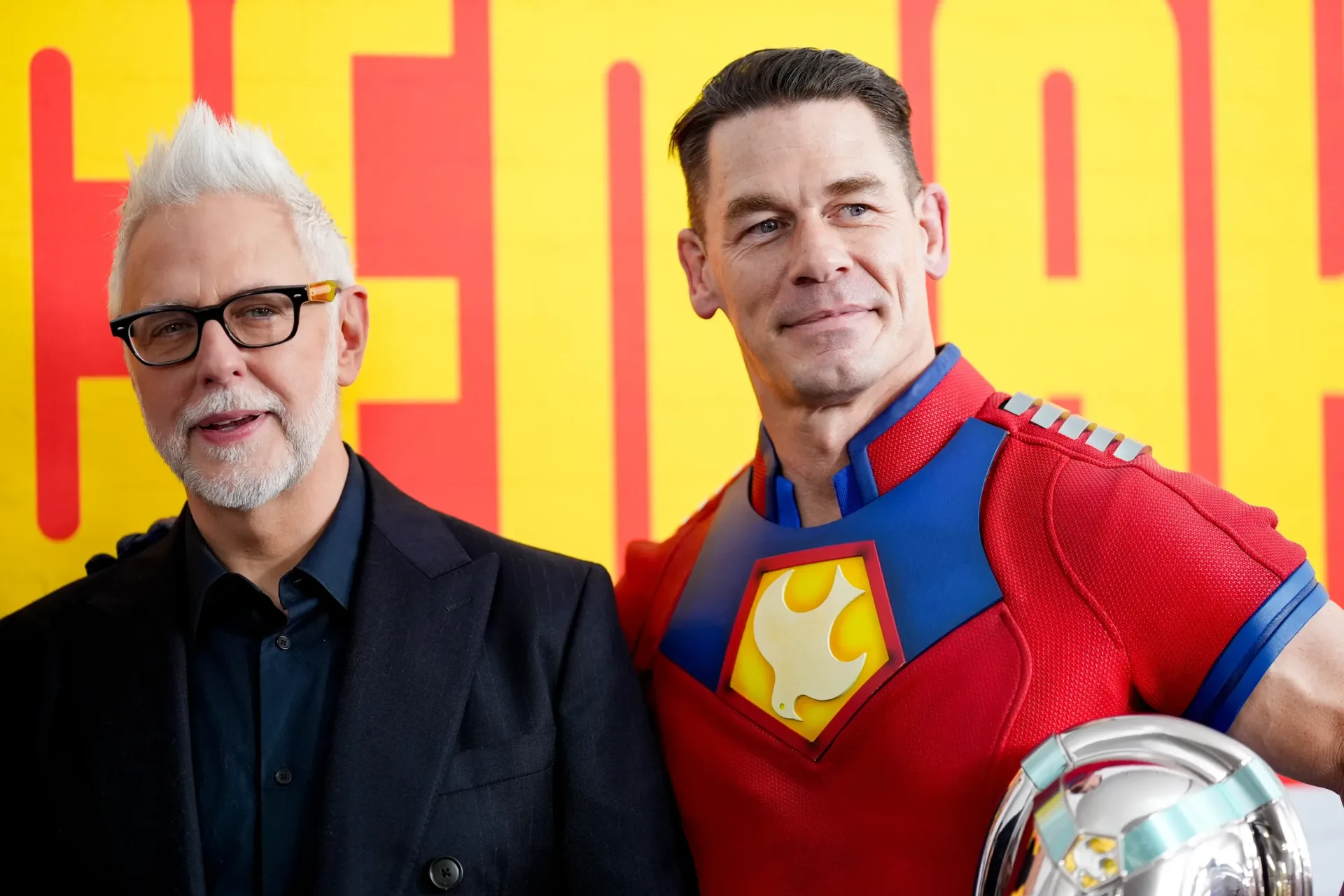
Readers following DC characters in other media may also be interested in the broader conversation around which characters rise to the front of the publisher’s many corners; John Cena’s comments on Peacemaker’s place among DC Studios priorities offer a separate screen-side example of that larger landscape. Teen Titans #2, however, is focused squarely on its own comics premise: the people who are asked to lead, and the young heroes deciding who they are willing to follow.
Creative team and cover options
Kyle Higgins is credited as writer, while Daniele Di Nicuolo is credited for interiors and the main cover. The issue also has listed variant covers by Javi Fernandez, Bernard Chang, and Dexter Soy. Those names indicate multiple cover choices at comic shops, but the story information supplied for the issue does not identify whether any individual variant connects to a particular character or scene.
For collectors and readers who prefer a particular cover artist, it is worth checking which editions a local shop intends to stock or order. The listed standard suggested retail price is $3.99. The Javi Fernandez, Bernard Chang, and Dexter Soy cover listings each show $4.99, so buyers should confirm the edition and price before purchasing.
Release details for Teen Titans #2
- Publisher: DC Comics
- Release date: October 14, 2026
- Writer: Kyle Higgins
- Artist and main cover artist: Daniele Di Nicuolo
- Variant cover artists: Javi Fernandez, Bernard Chang, Dexter Soy
- Standard suggested retail price: $3.99
Teen Titans #2 arrives with a compact, character-driven assignment that should reveal a great deal about its new team. The question is not only whether the Titans can get information on Ascend or locate their missing friend. It is whether their first real outing proves that they can function under Red Hood’s command—or exposes exactly why they may not be ready to do so.