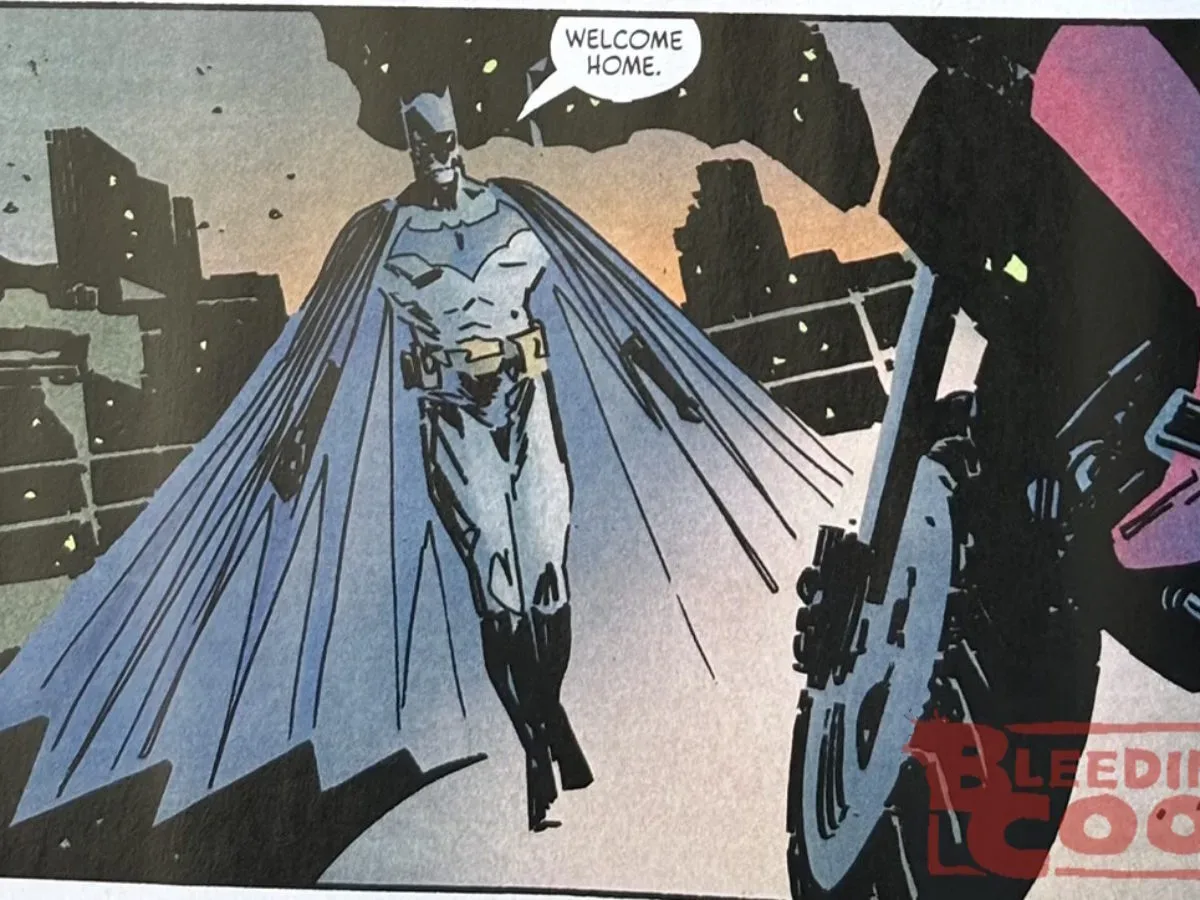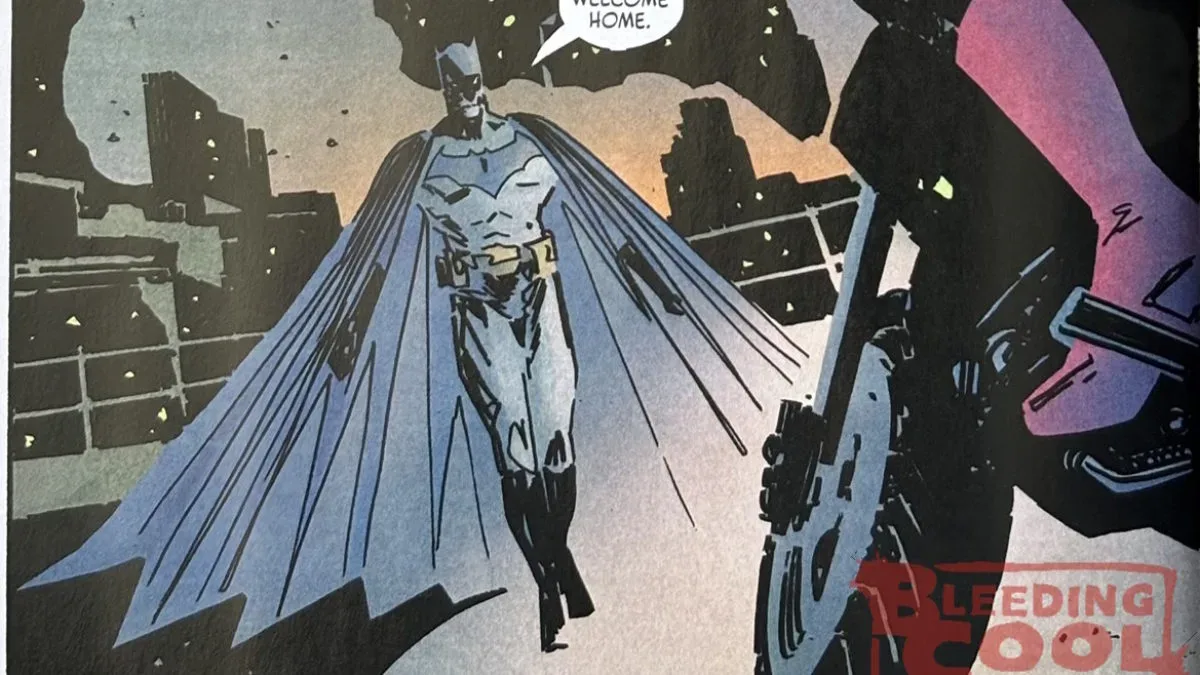
Batman: Bad Seeds is widening its battlefield on September 16, 2026. Four connected issues—Detective Comics #1113, Nightwing #142, Batwoman #7, and Catwoman #91—take the central Gotham emergency into four distinct corners of the Batman family. The common threat is clear: Poison Ivy’s effort to remake Gotham has filled the city with uncontrolled plant life and airborne spores, while Commissioner Vandal Savage and his TUCO paramilitary force are turning a disaster into an excuse for violent authority.
The crossover’s basic premise is larger than a typical villain attack. Gotham is being terraformed: altered on an environmental scale until the city resembles a primordial swamp rather than the urban landscape Batman normally patrols. That means the physical city itself is hostile, with vines, spores and floronic monsters complicating every rescue, escape and pursuit. But the books also position the human response as equally dangerous. Savage’s squads, the police situation, frightened civilians and opportunists all become part of the emergency.
For readers deciding where to begin, Detective Comics #1113 is the clearest immediate bridge from the core title. Its story continues directly from Batman #13, while the other three issues show what happens when the same crisis reaches different heroes and, in Nightwing’s case, another city.
The four Bad Seeds tie-ins at a glance
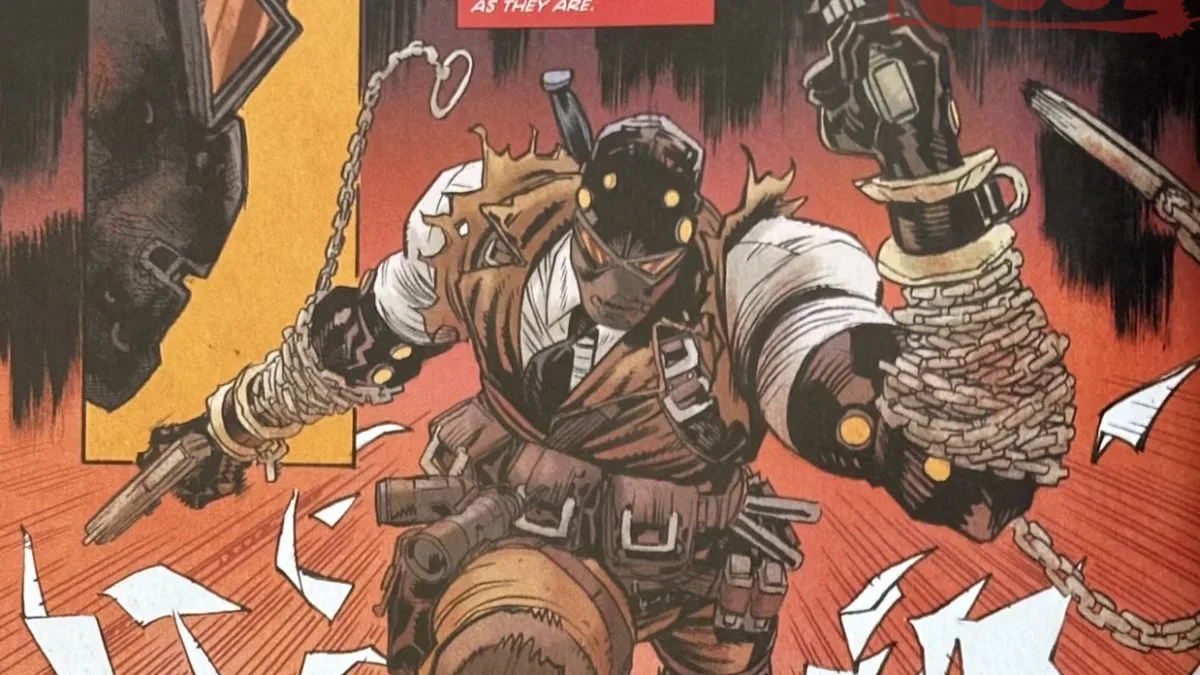
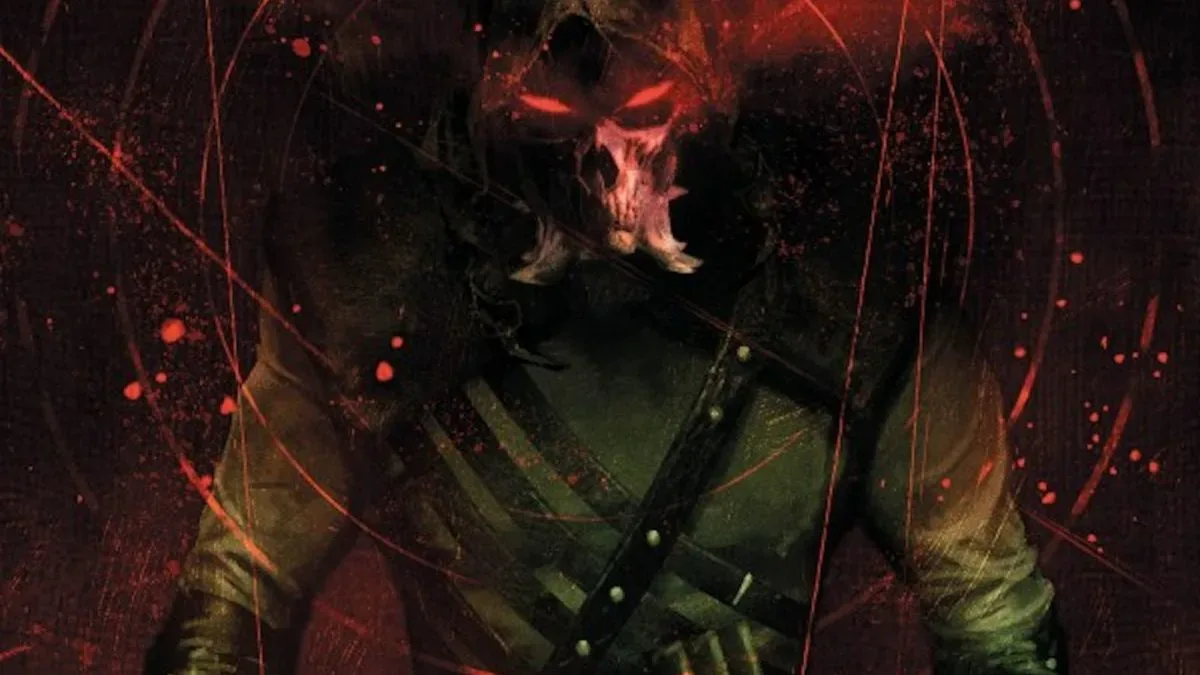
- Detective Comics #1113 — Written by Tom Taylor with art by Jeff Spokes; $4.99. Batman confronts the simultaneous threat of Gotham’s prehistoric flora and Vandal Savage’s TUCO squads. The issue also includes a backup featuring the winning villain design from the BUILDING BAD sweepstakes.
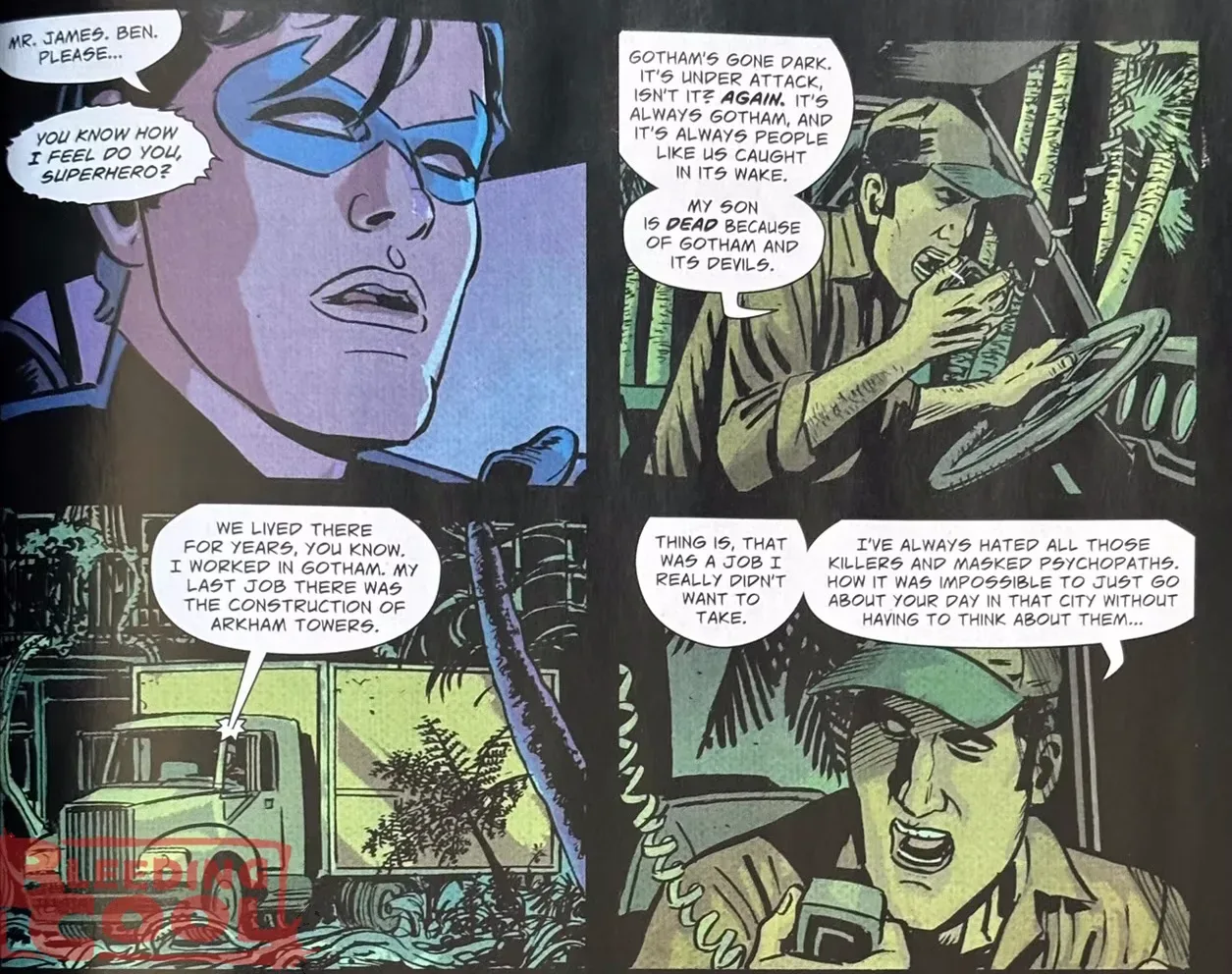
- Nightwing #142 — Written by Dan Watters with art by David Lapham; $4.99. Blüdhaven suffers fallout from the disaster downwind of Gotham, and Nightwing pursues a stolen truck full of TNT headed toward Gotham.
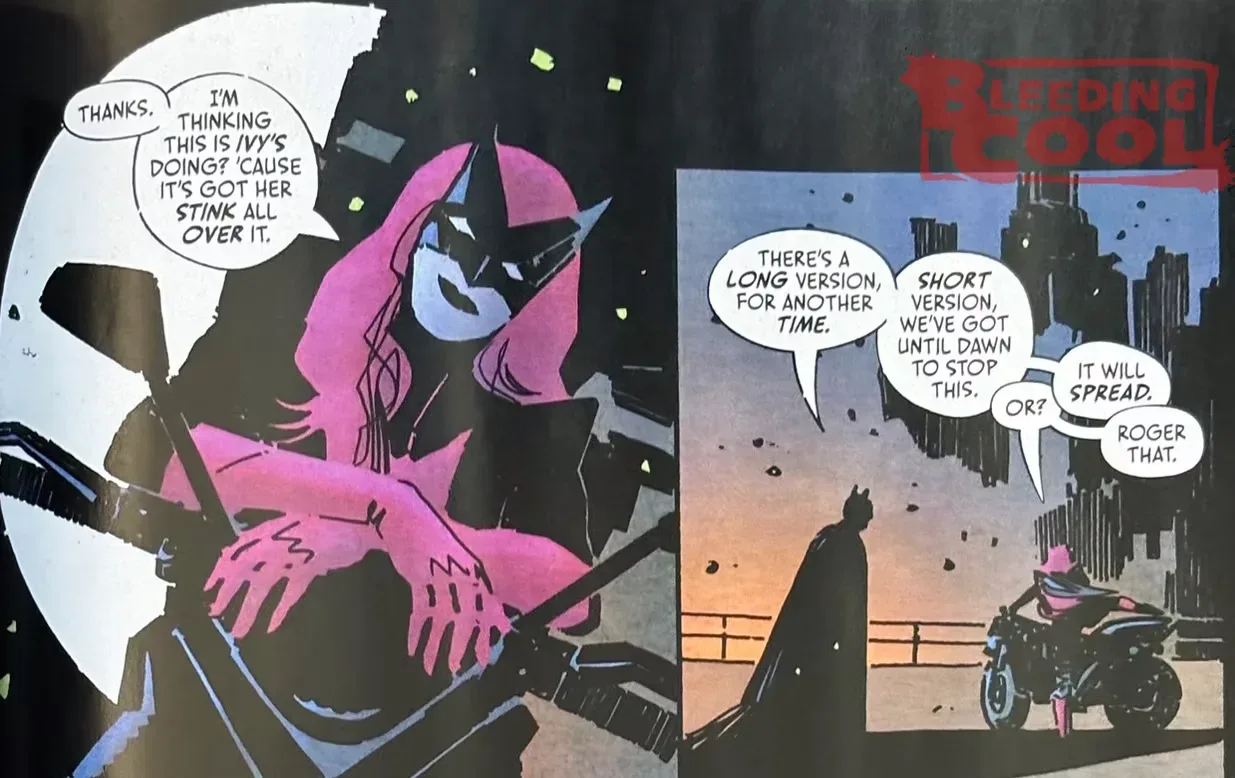
- Batwoman #7 — Written by Greg Rucka with art by DaNi; $3.99. Kate Kane returns before a planned trip to Greece, faces a public image damaged by accusations that she is a cold-blooded killer, and receives a mission from Batman to restore communications between heroes.
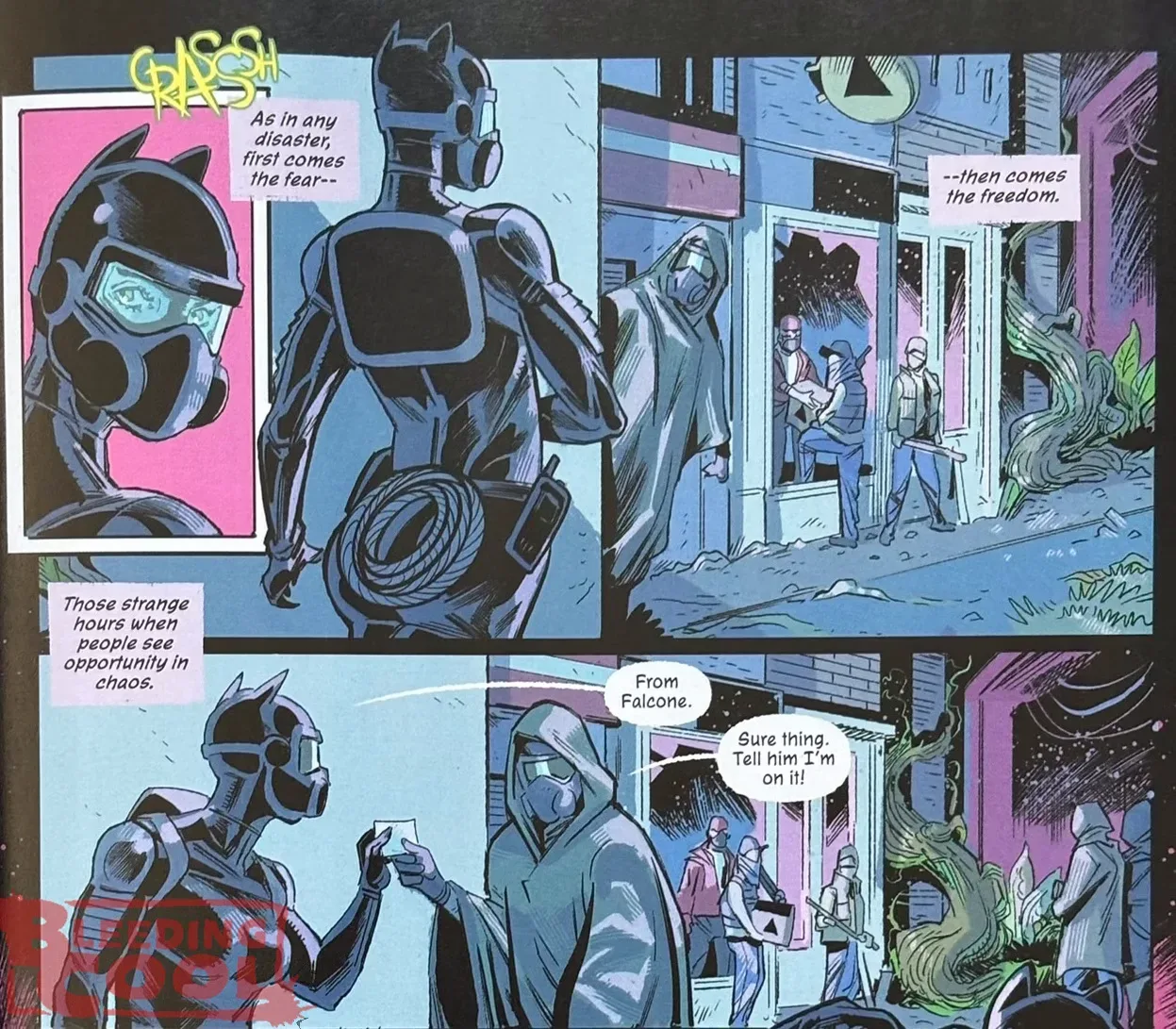
- Catwoman #91 — Written by Torunn Grønbekk with art by Danilo Beyruth; $3.99. Selina Kyle chooses a characteristically direct response to the city’s collapse: breaking into Vandal Savage’s home.
Gotham’s environmental disaster is only half the story
Poison Ivy’s decision to hand Gotham to the Parliament of Trees has transformed an ecological idea into a citywide survival problem. “Parliament of Trees” is the story’s supernatural plant authority, while terraforming is the process of reshaping an environment. In this case, the terms matter because the danger is not confined to a single lair or a monster that can simply be punched through a wall. The city’s streets, air and sightlines are compromised.
The spores are especially important to the crossover’s tension. They make breathing and visibility concerns rather than background atmosphere; masks are needed by ordinary people as well as costumed figures. The story material indicates that the effects are reaching people across the city, adding uncertainty over whether a person is merely panicked, being influenced, or exploiting a moment when normal civic order has broken down.
That setup lets the four books emphasize different consequences without abandoning the same event. Batman faces the broadest version of the threat: monstrous growth in the streets, citywide chaos and a militarized response. Batwoman is placed amid the breakdown of coordination. Catwoman has a narrow but potentially consequential objective inside the home of the official overseeing the crackdown. Nightwing shows that Gotham’s catastrophe does not respect its shoreline.
It is an approach that fits a Bat-family crossover particularly well. Gotham crises often test whether its heroes can share information and divide responsibilities. Here, restoring communications is not a minor technical errand. With spores, violence and public fear disrupting the city, contact between allies becomes an operational necessity. A team cannot coordinate evacuations, track a target or compare threats if its members cannot reach one another.
Vandal Savage and TUCO create the political pressure point
Vandal Savage’s role gives Bad Seeds a second kind of villainy. The plant invasion is visibly destructive, but Savage has institutional power as police commissioner and commands TUCO, a paramilitary force. The material frames his proposed solution as one that could kill thousands and establishes that he has declared open season on anyone who wears the Bat.
Paramilitary describes an organized, military-like force operating alongside or outside a conventional military structure. In superhero fiction, it often signals that antagonists can deploy weapons, personnel and control over public space at a scale an individual criminal cannot. TUCO therefore changes the shape of the conflict. Batman and his allies are not only fighting an invading ecosystem; they are also working under active persecution by forces able to present coercion as public order.
That conflict is most explicit in Detective Comics #1113. Batman’s problem is described as a lethal convergence of human evil and verdant violence. The wording is useful because it avoids treating the plants as a distraction from the more conventional villain. Gotham is trapped between hazards that can reinforce one another: destructive growth creates terror and disorder, and that disorder supplies cover for a hardline response.
The issue apparently gives Batman a temporary victory, but the larger crisis remains unresolved. That distinction is worth keeping in mind for readers tracking the event. A tactical win—stopping one immediate threat—does not necessarily restore a city whose environment, communications network and public institutions have all been destabilized.
Why Nightwing’s issue matters beyond Gotham
Nightwing #142 moves the event’s consequences to Blüdhaven, the city across the bay from Gotham. The problem is not merely that Blüdhaven is close enough to see Gotham’s skyline under clear conditions. It is downwind from the terraforming disaster, so the airborne effects move beyond the city Poison Ivy transformed.
This gives Dick Grayson a task with a highly specific clock: a truck carrying TNT has been stolen from a Blüdhaven construction yard and is headed for Gotham. Its intended use is described as vengeance for what Gotham has done to Blüdhaven. The premise combines a crossover-scale disaster with a threat that is unusually concrete—one vehicle, one volatile cargo and a hero who may be fast enough to intercept it.
The contrast is productive. Spores and plant monsters are diffuse dangers, difficult to map or contain. A truck of explosives is the opposite: mobile, finite and immediately catastrophic if it reaches its destination. Nightwing’s tie-in should therefore function as a distinct suspense story rather than a duplicate of Batman’s battle in the overgrown city.
It also makes the two-city framing meaningful. Blüdhaven is not simply a place for a cameo while Gotham receives all the consequences. The issue’s conflict is rooted in a grievance against Gotham, and the environmental effects have already crossed the bay. The crossover is treating neighboring cities as connected systems—by air, movement and resentment—not isolated superhero backdrops.
Batwoman’s mission is about trust as much as technology
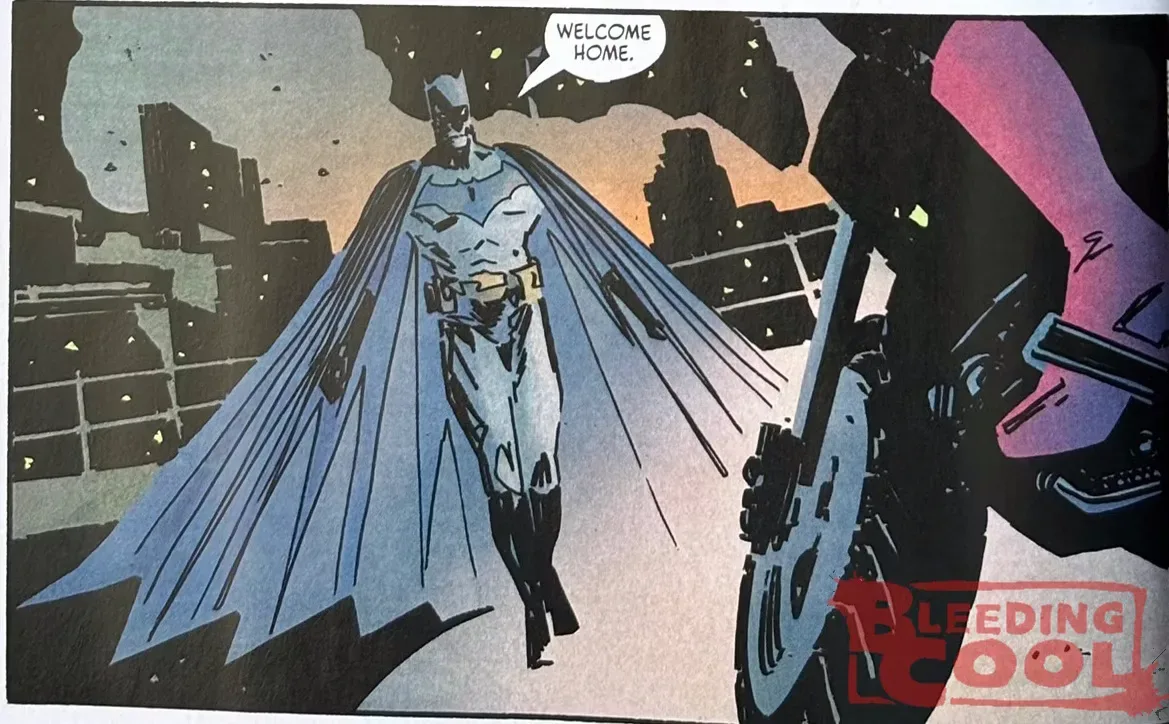
Batwoman #7 brings Kate Kane and Bruce Wayne back together while putting Batwoman in an especially precarious public position. She had expected a quick return before leaving for Greece. Instead, she is publicly seen as a killer, Savage is targeting Bat-associated vigilantes, and Ivy’s transformation of Gotham is generating chaos throughout the streets.
Batman asks Kate to restore communications between the heroes. On paper, that is a mission about equipment and infrastructure. In dramatic terms, it is also about trust. If the city believes Batwoman is a murderer and the commissioner has authorized a hunt for the Bat-family, every attempt to travel, find allies or work in public has additional risk. Re-establishing comms is how the group begins to function as a group again while institutions around them become adversarial.
The reunion with Bruce is notable because the crossover’s larger premise is so impersonal: giant environmental change, contaminated air and armed enforcement. Pairing that scale with a Bruce-and-Kate encounter offers a more personal axis for the event. The issue can address where these characters stand with each other while still advancing the practical need for heroes to reconnect.
Catwoman takes the route nobody else would
Catwoman #91 gives Selina Kyle the most pointed premise of the four. With the city in disarray, she decides to break into Vandal Savage’s home. It is not yet clear from the available setup precisely what she expects to find there, so readers should avoid assuming the target, evidence or outcome. What is clear is that Selina is using the disorder to go after the person whose official authority is making the crisis worse.
That is a useful role for Catwoman within a crossover involving police forces and paramilitaries. Batman’s direct confrontation and Batwoman’s effort to reconnect allies are necessary, but neither naturally invites a quiet entry into the commissioner’s private space. Selina’s skills and willingness to exploit an opening make her mission complementary rather than redundant.
The issue also keeps Savage from being merely an abstract commander seen from the street. A home invasion premise shifts attention to his private defenses and vulnerabilities. Whether Catwoman’s operation produces actionable information or simply puts her in greater danger remains to be seen, but it gives the crossover a strong infiltration strand amid its citywide action.
Reading order and what is confirmed
For the most direct narrative route, start with Batman #13 before Detective Comics #1113, since the latter is explicitly stated to continue where that issue ends. The September 16 releases then offer parallel perspectives on the same broad emergency. Readers interested in the crossover’s full scope will likely want all four, but the premises are clear enough that each tie-in has its own lead character, immediate objective and creative team.
The currently identified event is described as a two-month crossover across these series. There is also an indication that Gotham General may extend the situation into a third month, though that remains an apparent direction rather than a confirmed complete schedule in the available information.
For a different example of how superhero stories can build a central idea around altered perception and constrained action, see this look at Marvel’s Wolverine and combat built around limited sight. In Bad Seeds, the comparable pressure comes from obscured Gotham streets, dangerous air and allies who cannot reliably communicate.
What is confirmed is a crossover built around interdependence. Batman may win individual fights, but Gotham’s survival depends on parallel successes: Nightwing must stop an explosive retaliation, Batwoman must help restore the heroes’ link to one another, Catwoman must penetrate Savage’s inner circle, and Batman must contend with both the overgrown city and the forces claiming to secure it. The title’s threat is not one villain or one monster. It is a city being lost by degrees—and a family trying to prevent every degree from becoming permanent.
Shop the products
Check current price, model and availability at the retailer.