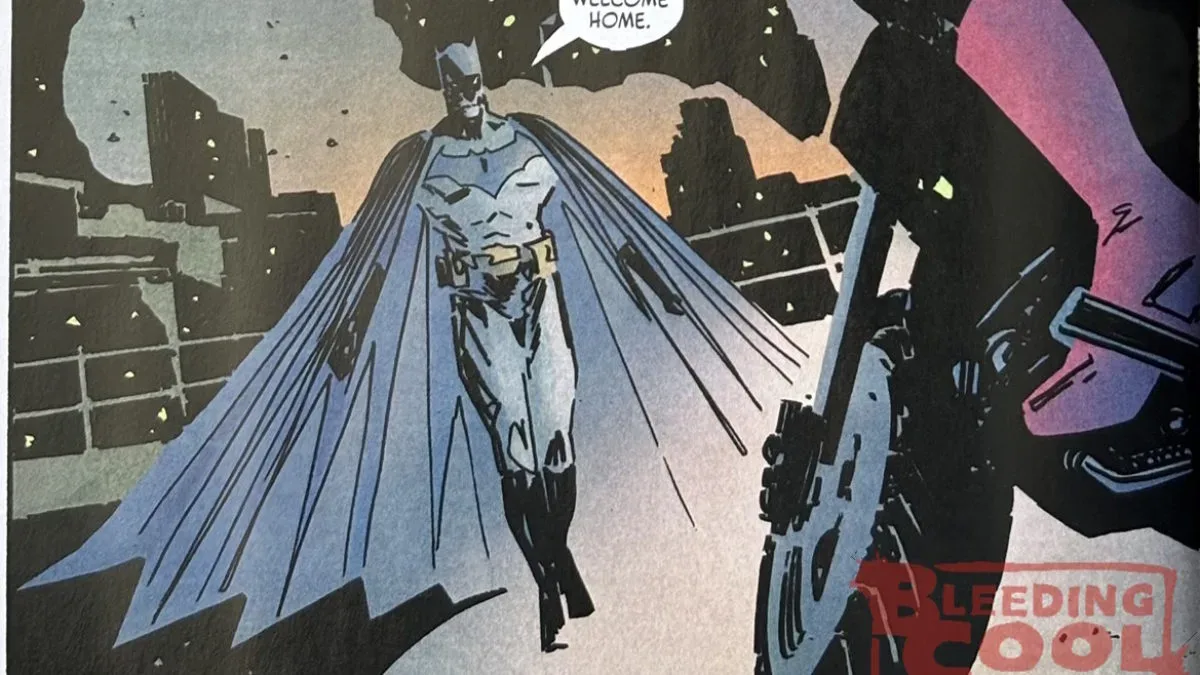
Gotham’s Bad Seeds storyline is escalating from a citywide disaster into a pressure test for nearly every corner of Batman’s supporting cast. The central threat is no ordinary villain’s scheme: toxic prehistoric plants have transformed Gotham into a poisonous environment. Poison Ivy’s takeover appears to have started the catastrophe, but the Parliament of Trees now seems to be directing events.
That distinction matters. Poison Ivy is the apparent spark for the crisis, while the Parliament of Trees is presented as the larger force now shaping the city’s fate. In practical terms, Gotham is not simply dealing with an adversary Batman can track down and punch. It is confronting an environmental takeover that has spread across the city and carries an immediate deadline: daylight threatens imminent destruction.
Two Batman-family issues dated October 21, 2026, pick up that emergency from different perspectives. Detective Comics #1114 puts Batman in an uneasy partnership with Mr. and Mrs. Freeze. Nightwing #143 brings Dick Grayson and Robin into the same chaos while another enemy, the Minotaur, tries to exploit the night for his own AI-driven criminal ambitions.
Detective Comics #1114 turns to the coldest available solution
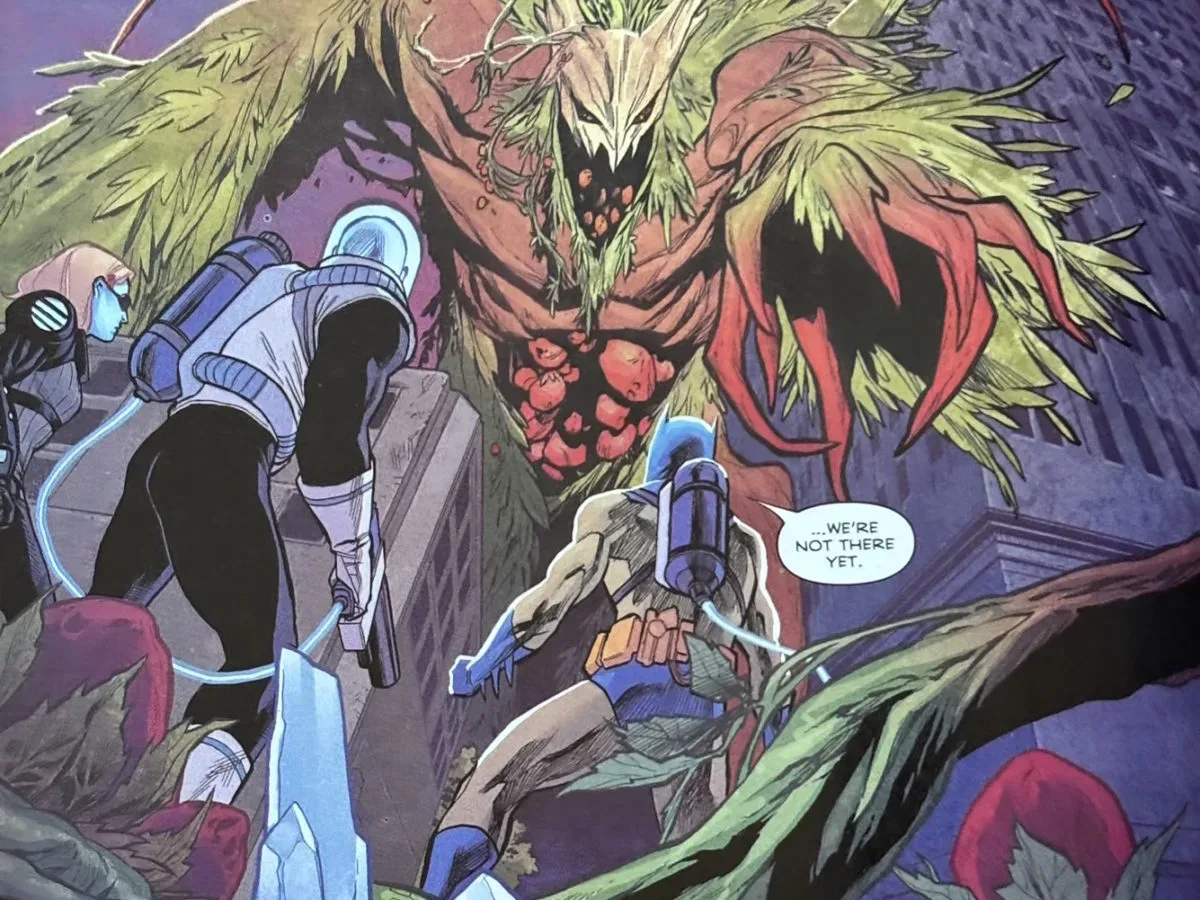
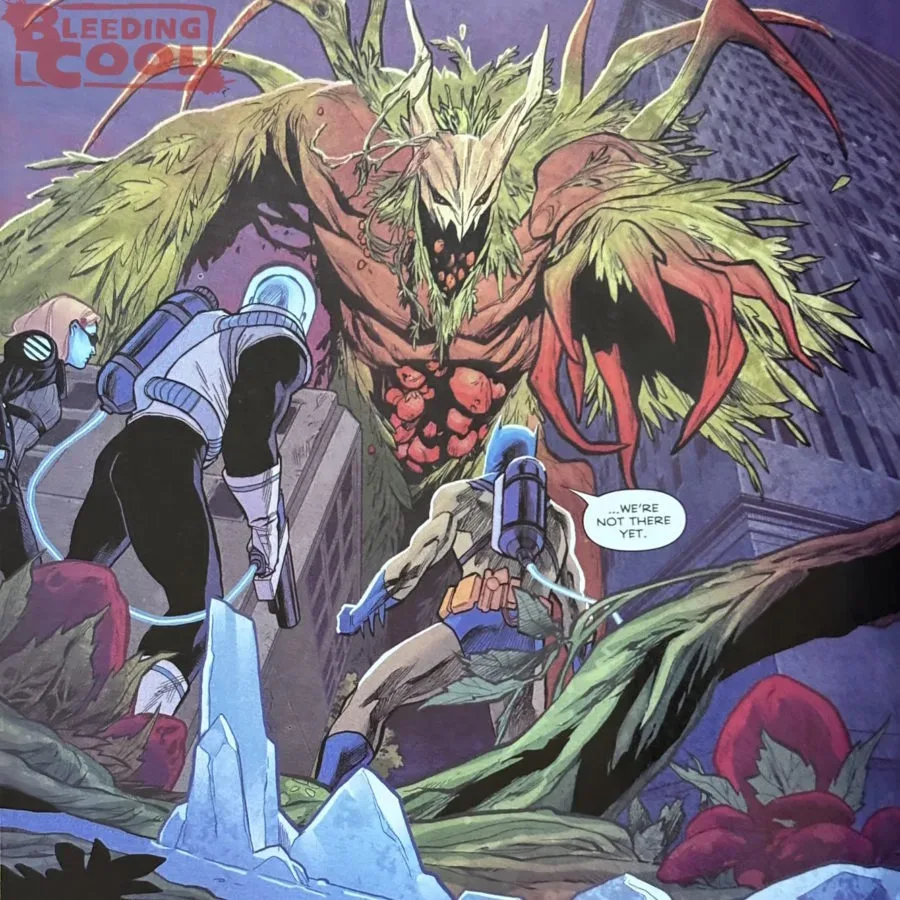
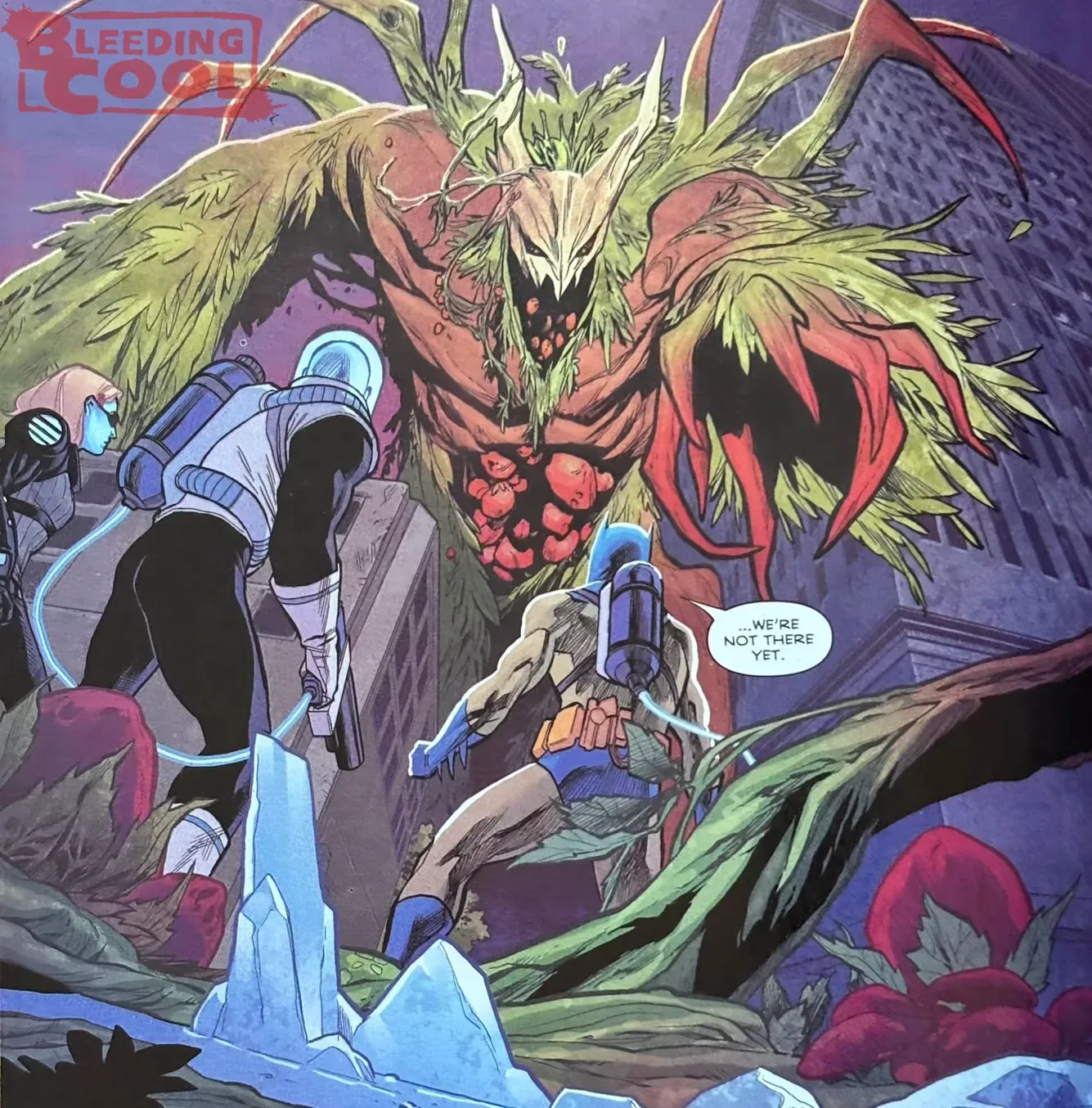
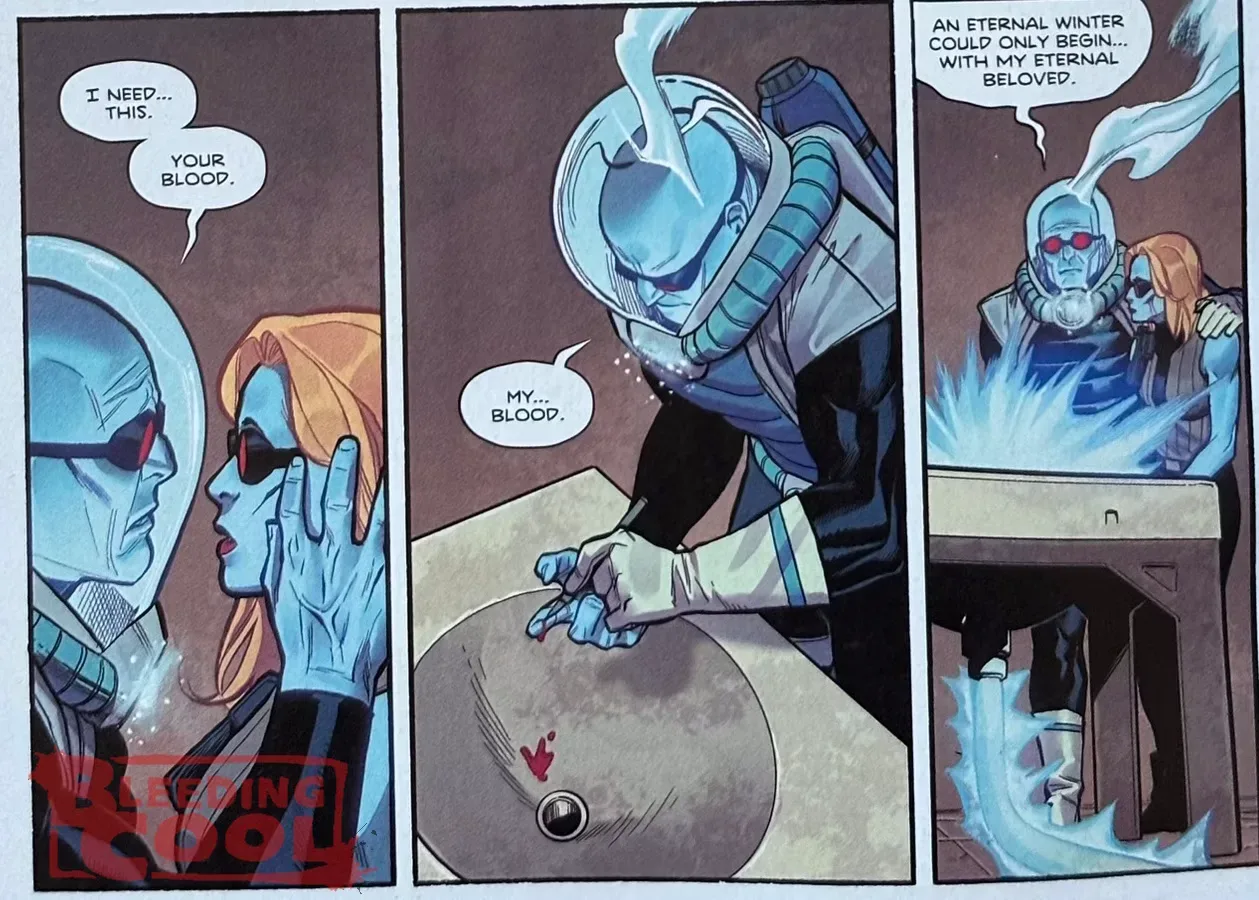
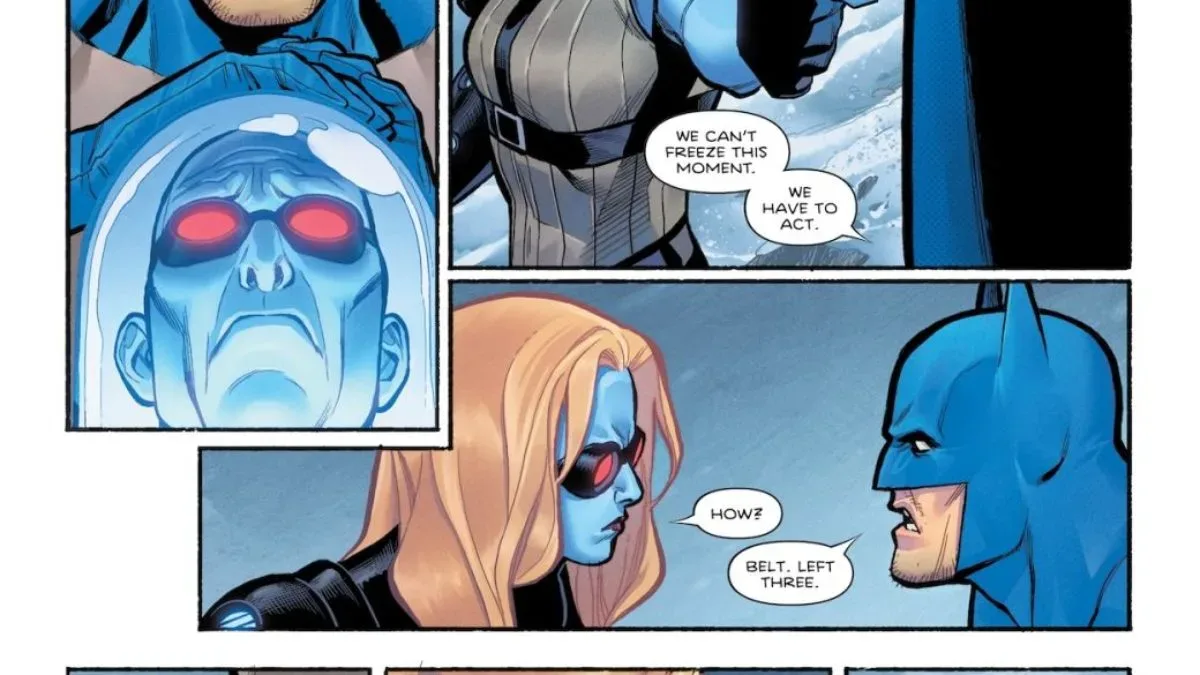
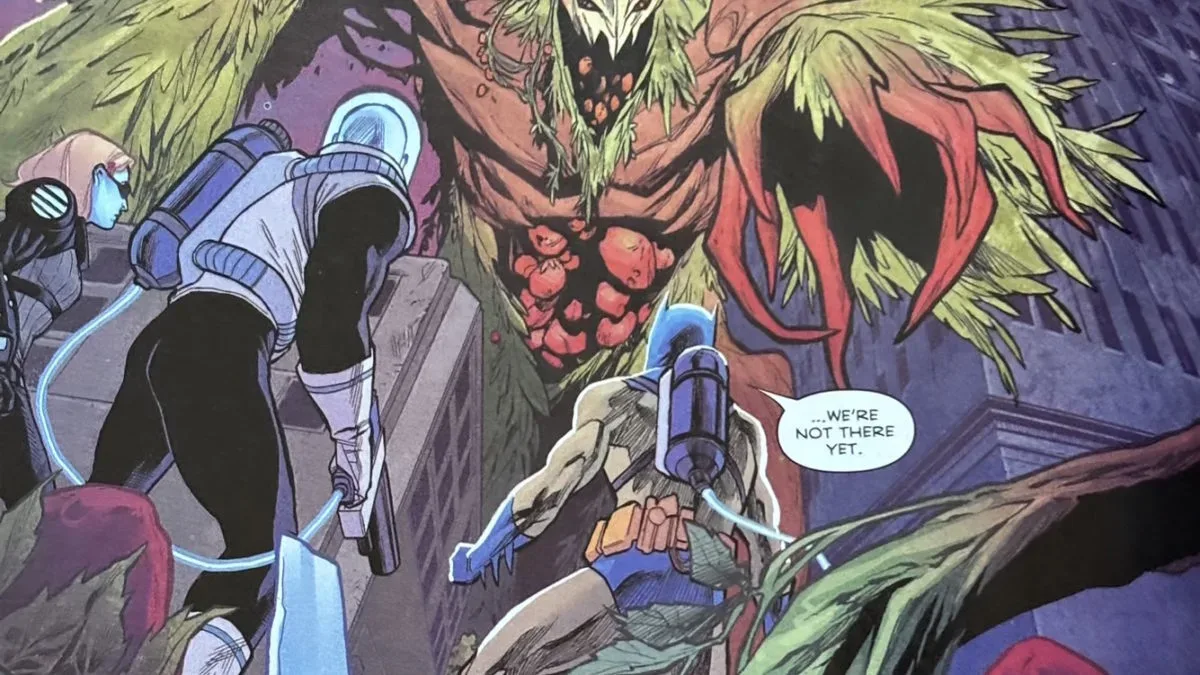
Detective Comics #1114 is written by Tom Taylor, with art by Mikel Janín and Clayton Henry. Its premise is blunt about Batman’s position: dawn is approaching, the city is on the edge of destruction, and his remaining hope lies with Mr. Freeze.
For more context, explore Top 10 Nintendo 64 First-Person Shooters Ranked by Campaign Variety, Combat Identity and Console-Specific Ideas.
The issue follows directly from Batman #14, keeping the Bad Seeds disaster moving through Gotham rather than treating it as a self-contained detour. Batman and Mr. Freeze are forced into a desperate journey across the city, with Mrs. Freeze also part of the alliance. The arrangement is notable because Mr. Freeze is framed not as a reformed ally, but as a calculating enemy whose expertise may be indispensable.
That makes “team-up” an important but incomplete term. Comics often use temporary alliances to create friction between heroes and villains; here, the structure has a more urgent purpose. If the crisis is built around rampant plant growth and poisonous transformation, Freeze’s cold-based methods offer an obvious possible countermeasure. Yet using a villain’s solution is not automatically the same as solving the problem. Batman has to rely on someone whose priorities and methods cannot simply be assumed to match his own.
The presence of both Mr. and Mrs. Freeze widens the uncertainty. The supplied details establish that they join Batman’s attempt to save Gotham, but they do not explain the terms of the partnership or whether their interests remain aligned with Batman’s. That gap is likely where much of the issue’s tension will sit: an alliance can be necessary without becoming trustworthy.
Why dawn is more than a ticking clock
A ticking-clock plot gives a superhero story momentum, but this deadline also reinforces what makes Bad Seeds different from a routine Gotham crime wave. The danger is embedded in the city’s altered physical state. Gotham has been terraformed into a lethal domain, and the coming daylight is described as the point at which destruction becomes imminent.
Terraforming generally means reshaping an environment so that it functions differently, often on a vast scale. Here it is useful shorthand for the plants’ transformation of Gotham: the crisis is not confined to a building, a district, or a hostage scene. Batman’s mission has become an attempt to preserve the city itself before conditions worsen.
That setup also gives Mr. Freeze a logical narrative role. His involvement is not random villain roulette. Cold is a potential answer to a runaway botanical threat, even if freezing Gotham’s problem may create additional risks. The supplied premise does not confirm precisely what Freeze intends to do, so readers should treat the alliance as a dangerous possibility rather than evidence that the crisis already has a clean answer.
Scarface and the Ventriloquist return in a city that has no room for normal crime
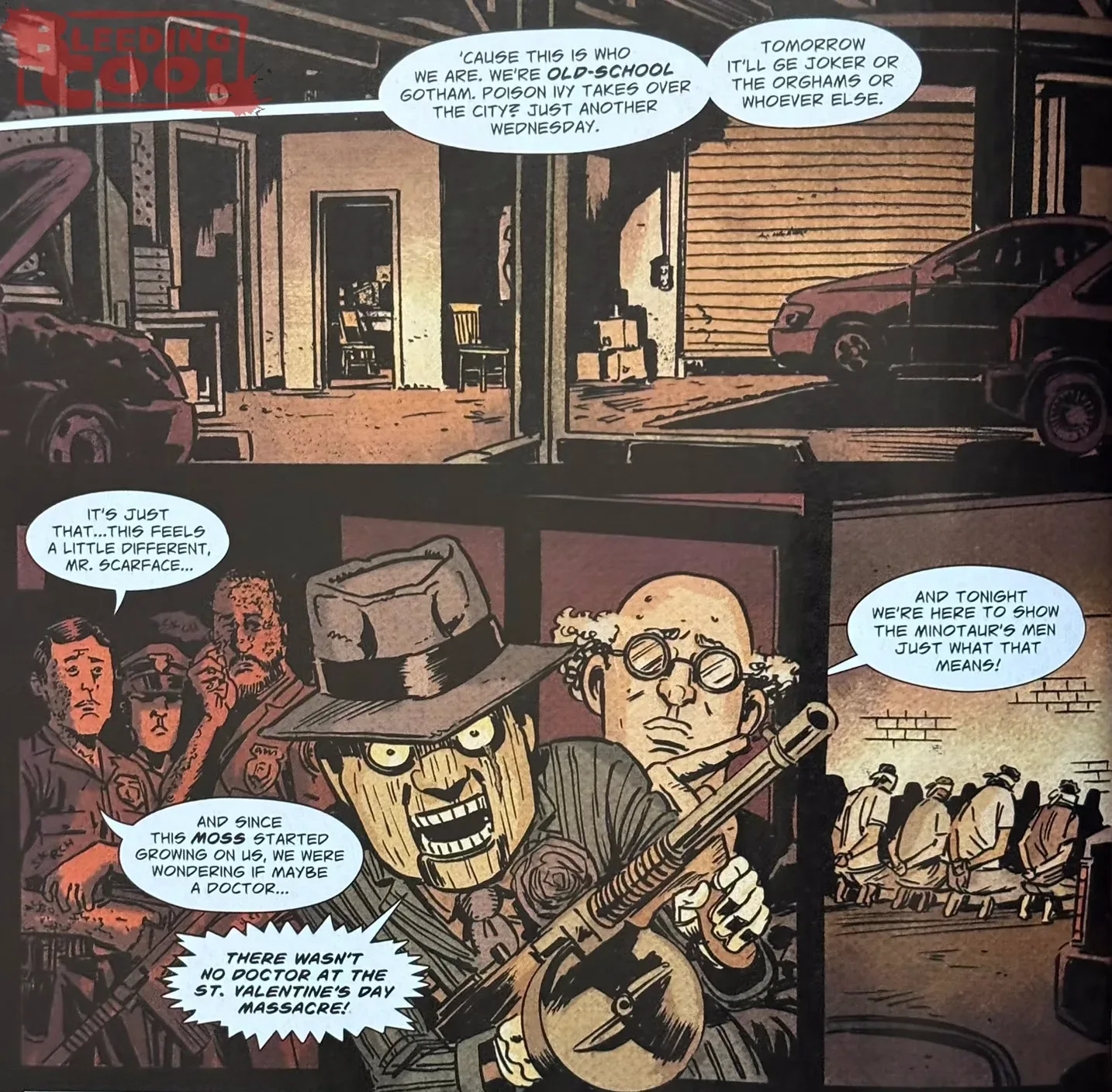
Bad Seeds has also created space for the return of Scarface and the Ventriloquist. Their reappearance lands with an unusual question hanging over it: when Gotham faces a threat on this scale, could old rogue figures become useful to Batman?
The idea should not be mistaken for a confirmed redemption arc. The available material identifies Scarface and the Ventriloquist as Gotham gangland villains returning to the scene, not as declared members of a heroic coalition. But their appearance highlights an effective feature of citywide crossover storytelling. A catastrophe does not erase Gotham’s existing criminal ecosystem; it forces it to react. Street-level criminals, costumed villains, civic authorities, and the Bat-family are all operating under the same poisoned sky, even if they want radically different outcomes.
Scarface and the Ventriloquist therefore function as more than a cameo. Their presence asks whether Gotham’s familiar underworld can remain focused on conventional rackets while the city is being overtaken by an existential threat. It also raises a less comfortable possibility: Batman may need information, access, or temporary cooperation from people he would normally be trying to stop.
There is a useful difference between cooperation and absolution. A villain helping to avert a larger disaster does not erase prior wrongdoing, and a shared short-term target does not turn a criminal into a permanent ally. Bad Seeds appears poised to explore that uncomfortable middle ground through Gotham’s older rogues.
Nightwing #143 puts Dick Grayson between old allies and a new criminal system
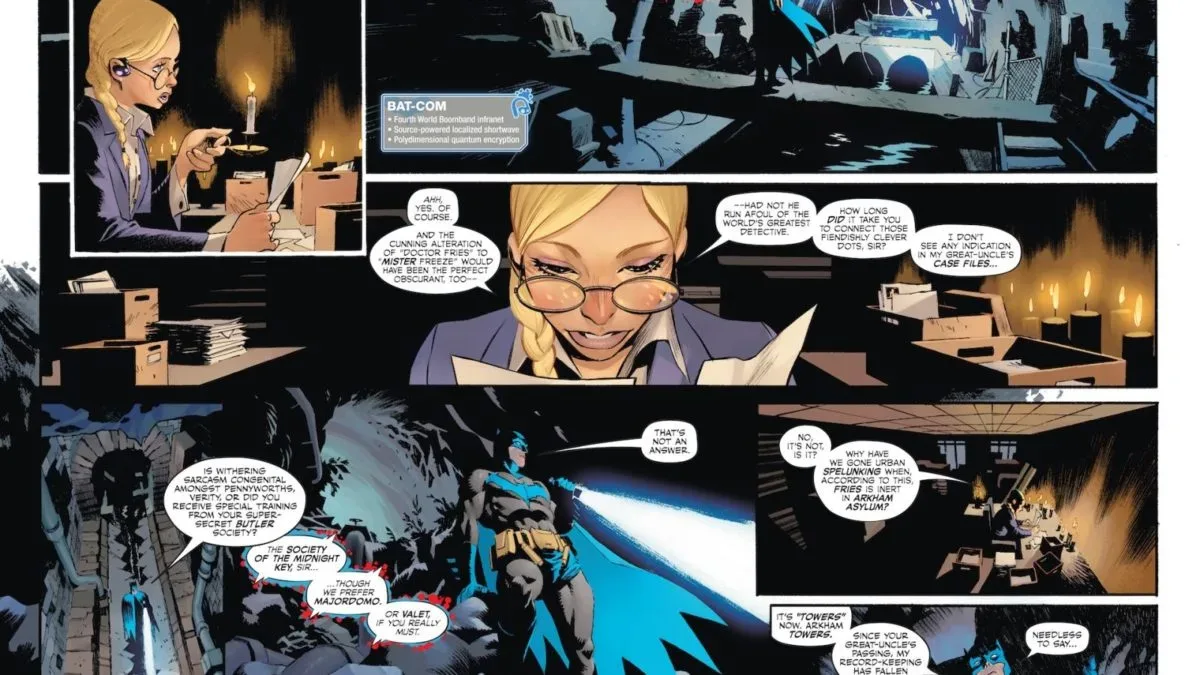
Nightwing #143, by Dan Watters and David Lapham, tackles the Bad Seeds night from Dick Grayson’s side. Robin is with Nightwing as the plants continue spreading through Gotham, but the pair’s immediate trouble is not limited to the foliage. An old foe is using the crisis to pursue a grudge, placing the two former Boy Wonders in a situation shaped by their shared history.
The issue’s solicitation asks whether they can work together as they once did, or whether the “good old days” have passed. That is a character question with real stakes in the middle of a crossover. Gotham’s larger emergency needs heroes who can communicate and act quickly. If old wounds or changed roles prevent that, an already impossible situation gets more complicated.
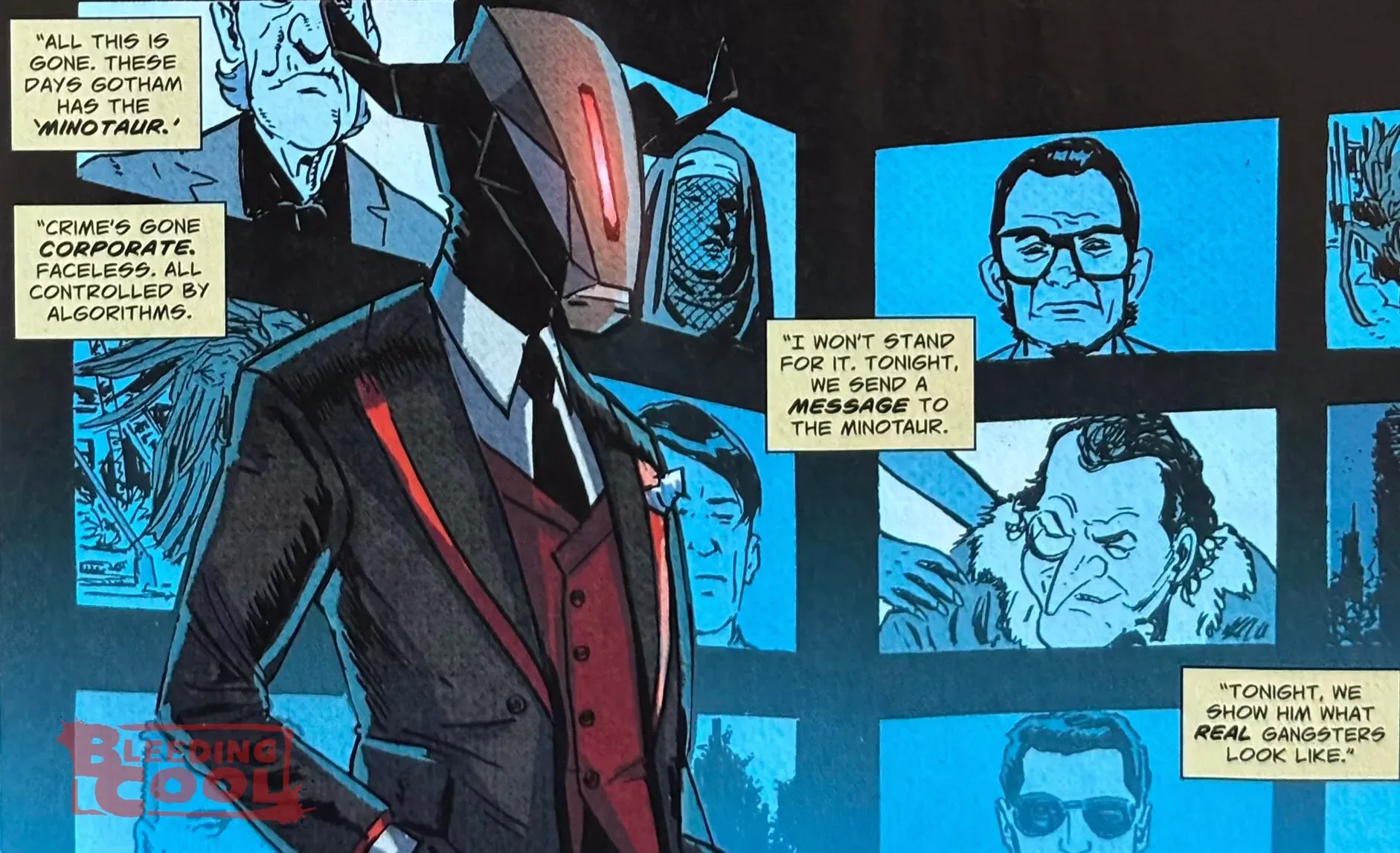
Alongside that personal conflict is the Minotaur’s plan to use an AI algorithm to scale Gotham’s crime operation globally. AI-driven in this context means the villain is attempting to use algorithmic systems as a tool for organizing or expanding criminal activity, rather than treating crime strictly as a local, person-to-person enterprise. The material does not explain the algorithm’s workings, capabilities, or limits, so the important confirmed point is strategic: the Minotaur sees Gotham’s chaos as an opportunity to enlarge his operation beyond the city.
Dick rejects becoming the Minotaur’s puppet. That choice is crucial because it keeps the story from treating Gotham’s disaster as merely background scenery. The Minotaur’s scheme is parasitic: he seeks to turn a public emergency into leverage for a broader criminal project. Nightwing’s refusal sets him against an enemy who is trying to transform a moment of collapse into a scalable system.
Two kinds of escalation collide
The Bad Seeds plants represent one form of escalation: a physical threat spreading through Gotham and changing the conditions of life within it. The Minotaur’s algorithm represents another: an attempt to expand criminal influence outward from the city. One danger overtakes streets and structures; the other looks to turn disorder into a model that can be repeated elsewhere.
That contrast makes Nightwing’s role especially important. Batman’s battle with Freeze is centered on survival before dawn. Nightwing’s conflict asks what happens after—or alongside—the immediate emergency, when opportunists try to capitalize on a wounded city. The stories are connected by Gotham’s catastrophe, but their dramatic lenses differ: one is a desperate search for a solution, and the other is a fight over who gets to weaponize the chaos.
What readers need to know before the October 21 issues
The two issues appear designed to be read as parallel chapters of the same night rather than interchangeable installments. Detective Comics #1114 continues directly from Batman #14 and follows Batman’s high-risk reliance on the Freezes. Nightwing #143 follows Dick Grayson and Robin amid the spreading plants, an old adversary’s grudge, and the Minotaur’s larger criminal agenda.
- Detective Comics #1114: Tom Taylor, Mikel Janín, and Clayton Henry; Batman teams with Mr. and Mrs. Freeze as dawn approaches; $4.99; dated October 21, 2026.
- Nightwing #143: Dan Watters and David Lapham; Nightwing and Robin face an old foe amid Bad Seeds and the Minotaur’s AI-backed scheme; $4.99; dated October 21, 2026.
The key uncertainty going in is not whether Gotham needs help—it plainly does—but whose help can be accepted without empowering a new danger. Mr. Freeze may hold the clue to stopping the plants. Scarface and the Ventriloquist may have reason to involve themselves in a transformed Gotham. Nightwing’s old connections may either strengthen the response or expose fractures at exactly the wrong time.
Bad Seeds is using its citywide premise to put Batman, Nightwing, their allies, and their enemies into uncomfortable proximity. The immediate threat is poisonous, prehistoric vegetation and a looming sunrise. The longer-term threat is that Gotham’s villains may find ways to survive, profit from, or reshape the aftermath. That leaves these two issues with related but distinct questions: can Batman save Gotham before daylight, and can Nightwing prevent Gotham’s worst night from becoming the foundation for something even larger?
Shop the products
Check current price, model and availability at the retailer.