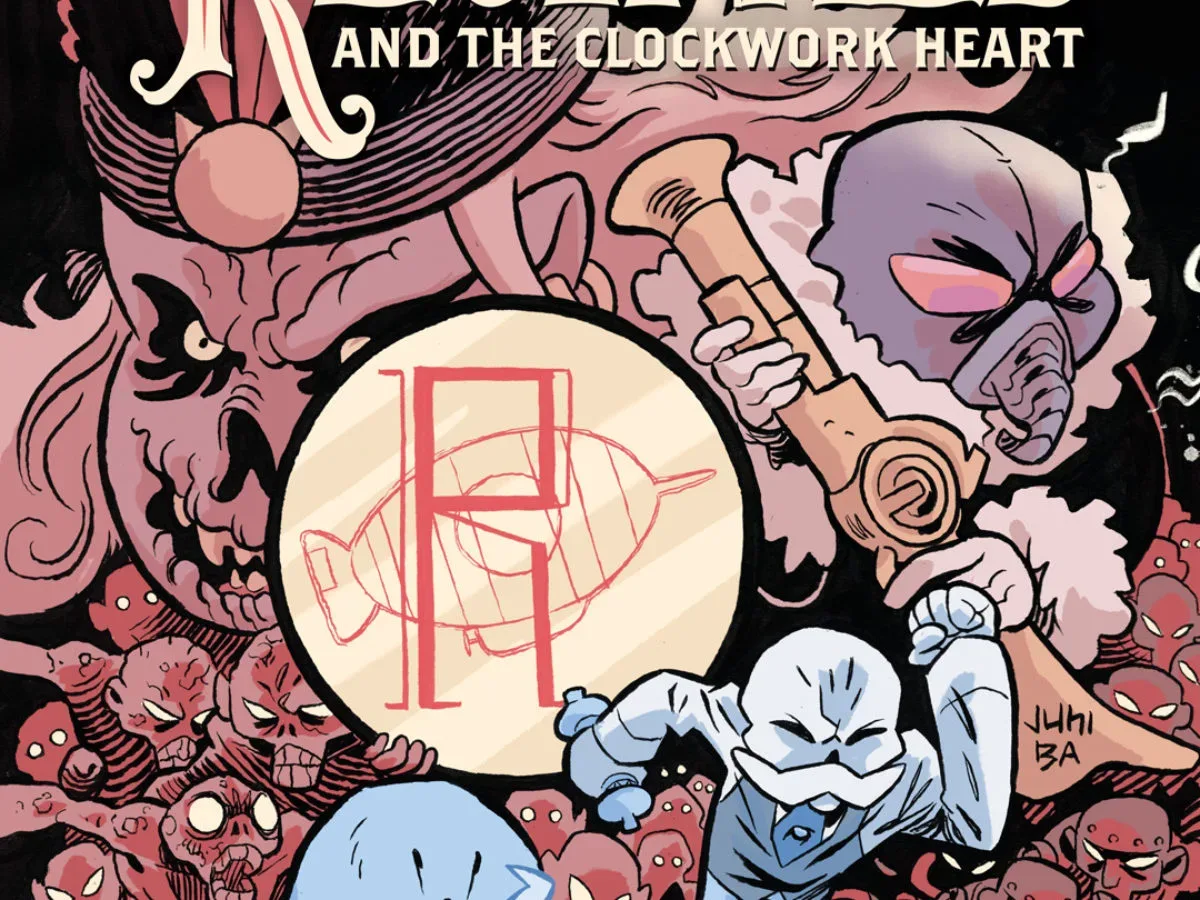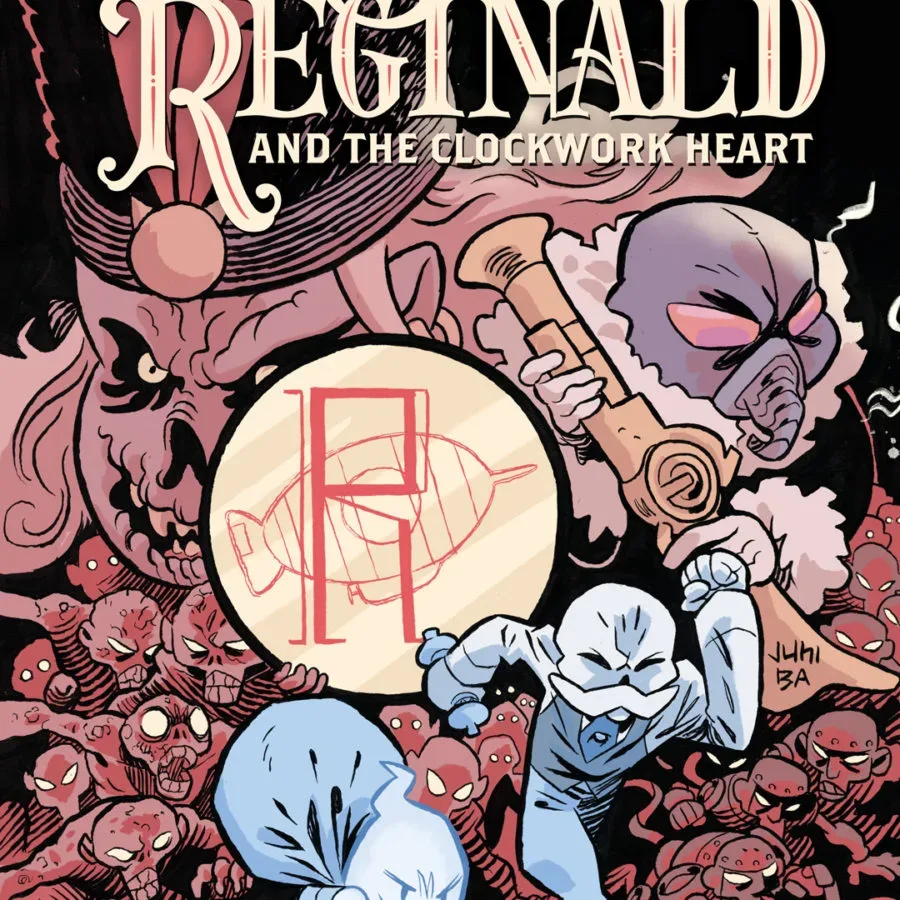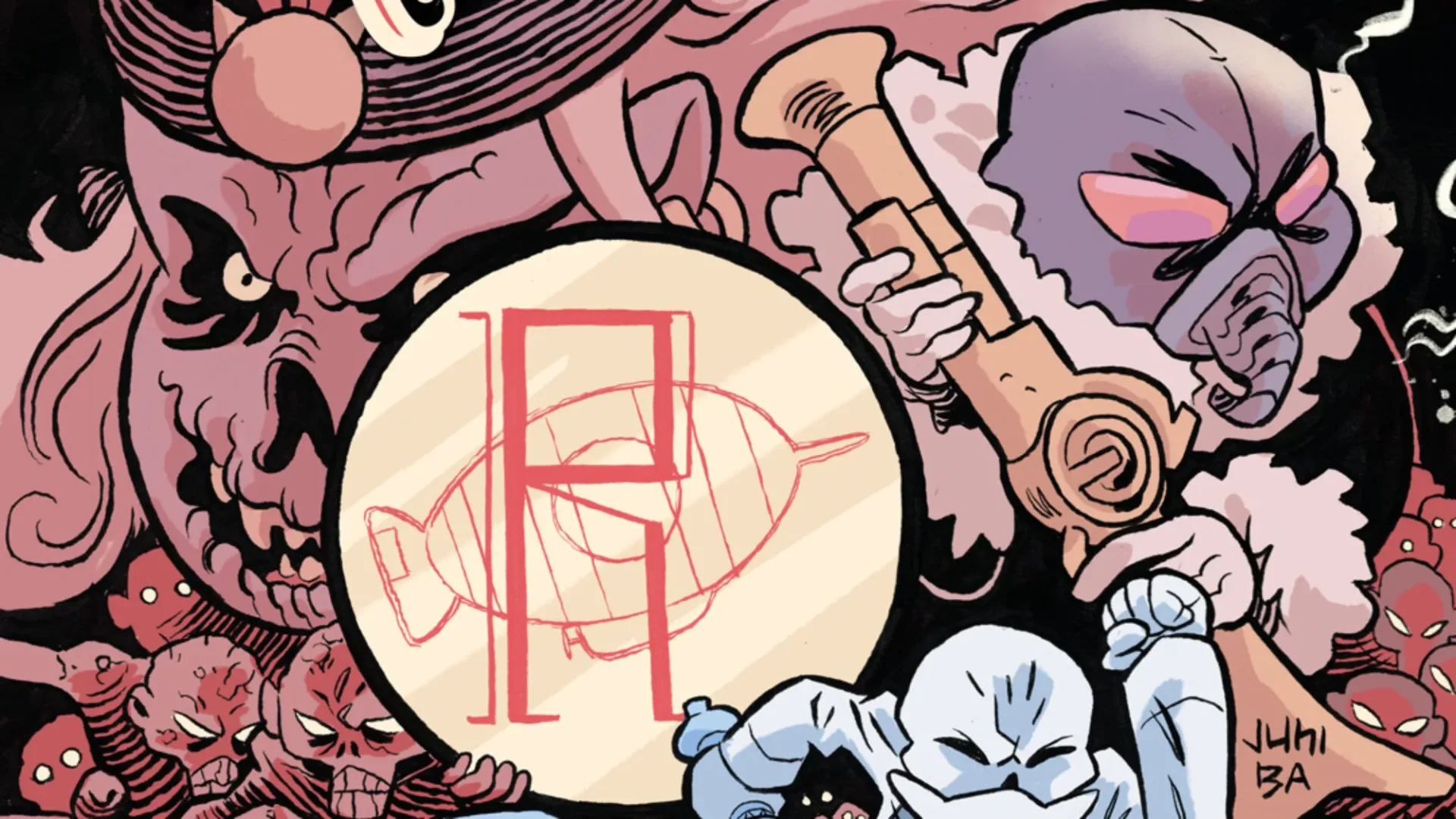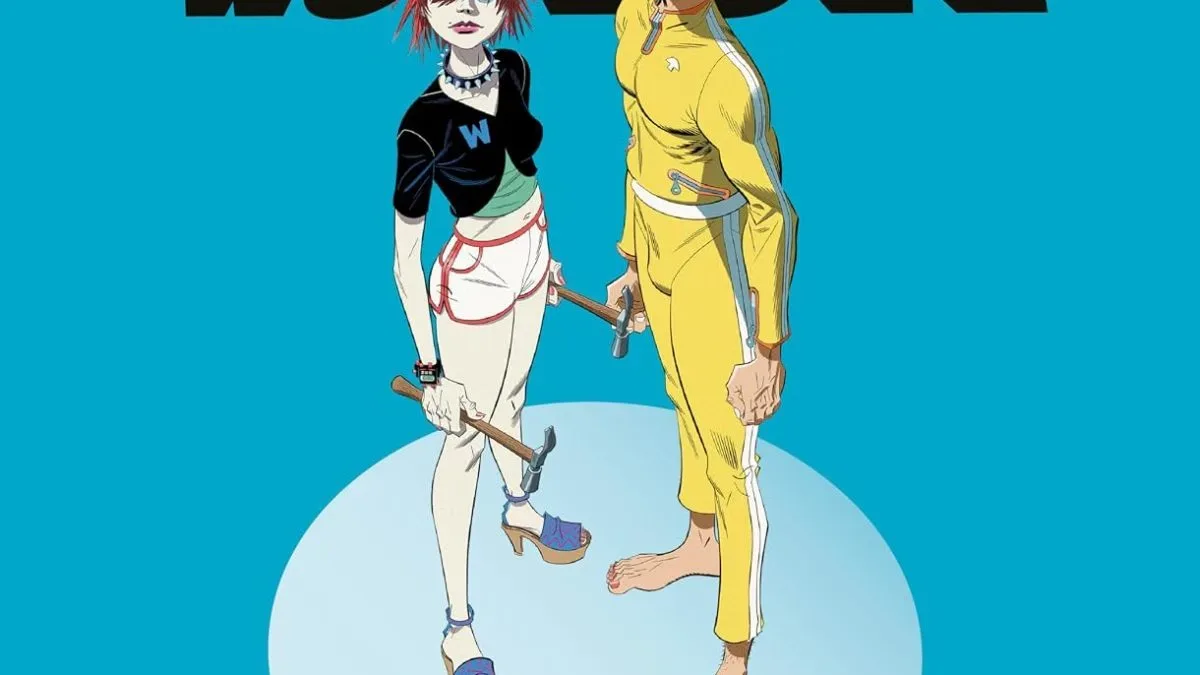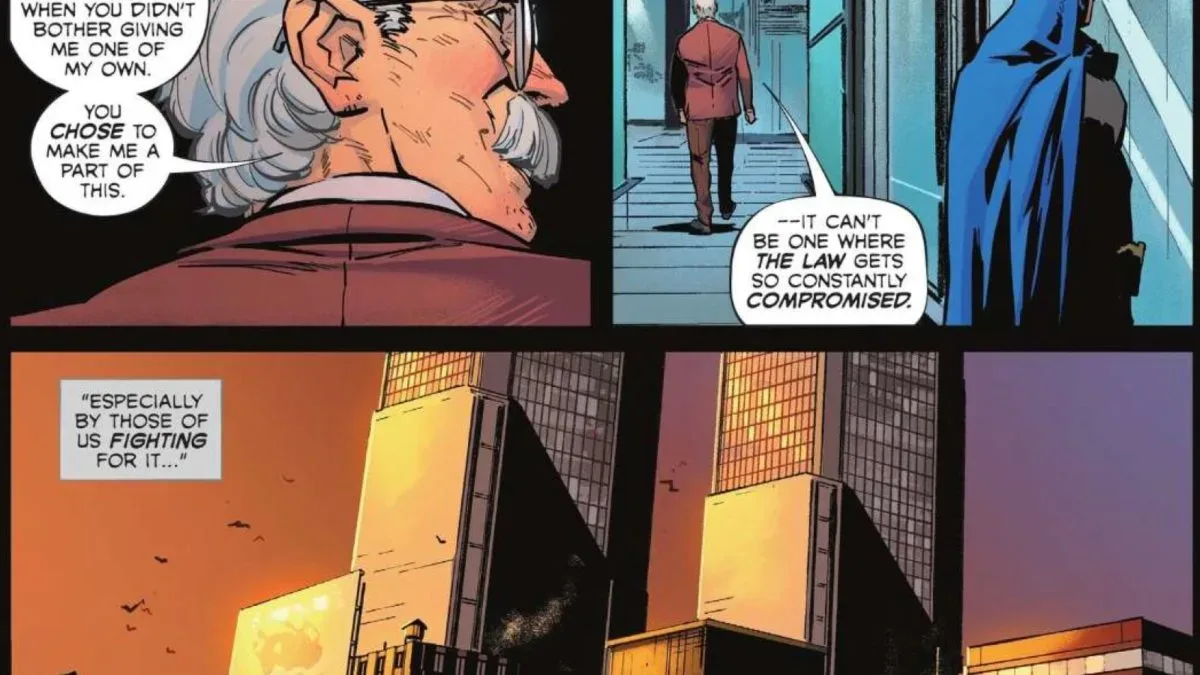
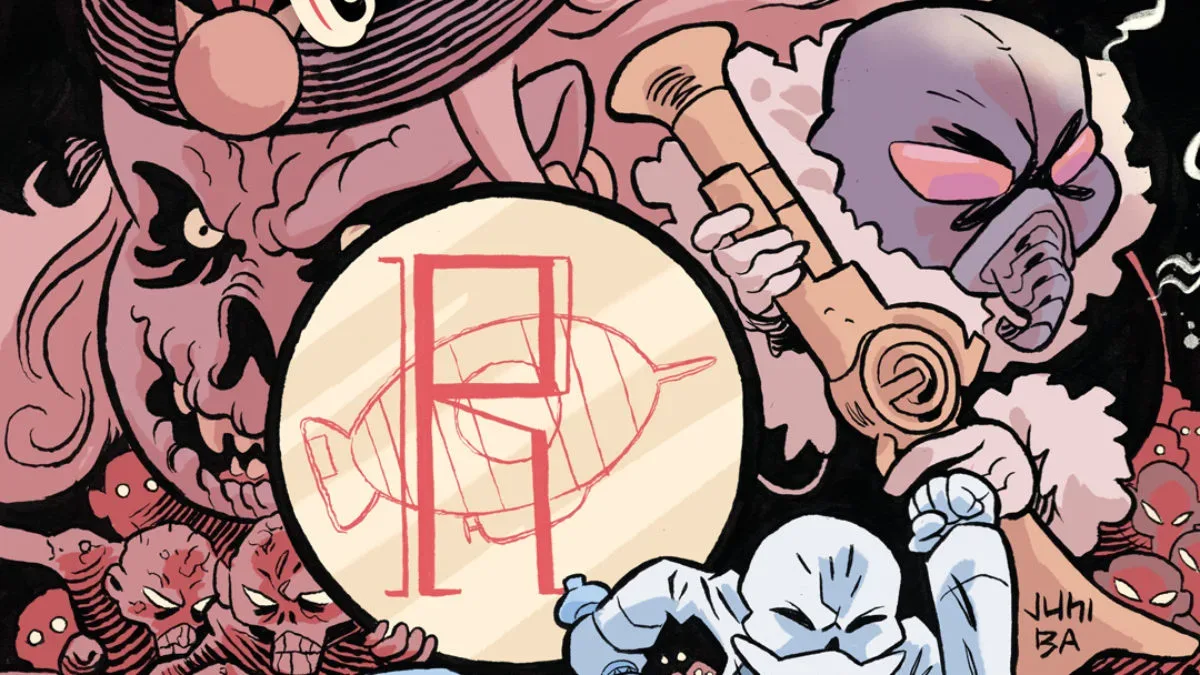
Sir Reginald & the Clockwork Heart is heading to Kickstarter as a hardcover comics anthology with a very particular expedition party: a skeleton gentleman adventurer, Sir Reginald, and his ghostly butler, Mr. Spittle. Their route takes in deserts, oceans, temples and graveyards, with mysterious artefacts to recover and a larger secret tied to the titular Clockwork Heart.
The book is a writing debut for cartoonist Joe Atalla, who also provides the art for one entry. Rather than draw the entire project alone, Atalla has teamed with Juni Ba, Jesse Lonergan, Dimitrios Pantazis and Armand Bodnar across five connected stories. Brad Simpson colors the book, while Jeff Powell handles lettering and design. Sebastian Girner is credited as editor and publisher.
That lineup matters because this is not simply a collection of unrelated short adventures that happen to share a star. The individual stories are presented as parts of one broader Sir Reginald narrative, with the final installment bringing the Clockwork Heart mystery and the hero’s old adversary into sharper focus. The anthology structure also gives each artist room to interpret the same characters and world without asking one visual approach to carry every setting and genre beat.
A pulp adventure anthology with one long fuse
Pulp adventure is a useful description here: it signals a story mode built around far-flung locations, ancient sites, supernatural danger, strange artefacts and brisk cliffhanger-ready momentum. Sir Reginald’s premise uses those ingredients openly, but its central duo introduces a playful macabre angle. A polite skeletal explorer and his spectral butler can travel through forbidding places while keeping the material from becoming relentlessly grim.
For more context, explore Nintendo Says No More Switch 2 Price Rises Are Planned Despite Sales and Profit Declines.
The stated tonal comparison puts occult mystery alongside broad, all-ages adventure energy. That combination suggests an anthology that can accommodate tombs, monsters and a past regret while preserving a sense of motion and absurdity. The book’s summaries back that up: there is a forbidden resurrection in one tale, something lurking near a fishing hamlet in another, and a dragon released from an English barrow in a third.
Most importantly, the artefact hunt is not merely a repeating excuse to send the characters somewhere exotic. The Clockwork Heart is the connective tissue. The closing story positions Sir Reginald against his longtime nemesis in a race to discover its secret and undo what is described as his greatest regret. The antagonist’s name appears as Prof. Zardoc in the climactic-story description, while an earlier overview uses Prof. Zardo, so the supplied campaign material contains a small spelling inconsistency.
The five stories and their creative teams
- The Curse of Osiria, illustrated by Juni Ba, concerns a lost pyramid, an ancient god and a forbidden resurrection.
- In the Deep Below, drawn by Joe Atalla, follows an unthinkable presence beneath the water near an old fishing hamlet.
- The Lost Temple, illustrated by Jesse Lonergan, sends Sir Reginald back to jungle-covered ruins to correct a wrong he began long ago.
- Wyrm of Destruction, drawn by Dimitrios Pantazis, begins when an expedition to an old English barrow unleashes a dragon.
- The Clockwork Heart, the 28-page climactic chapter illustrated by Armand Bodnar, brings Sir Reginald into conflict with Prof. Zardoc over the mystery at the center of the book.
There is a practical advantage to this arrangement. A five-story anthology can create contrast in visual rhythm, atmosphere and page design as it moves from a pyramid to a coastal horror setup, then a wordless jungle ordeal, a dragon story and a longer finale. Yet the recurring characters, artefacts and final conflict give it a defined arc. In comics terms, it is an anthology with continuity: separate creative showcases that still depend on shared narrative information.
For readers, that means the visual handoff between artists is likely part of the appeal rather than an interruption to be tolerated. The project’s stated creative approach was to let contributors bring their own sensibilities to locations and characters, rather than impose total uniformity. Consistent coloring, lettering and design can help a multi-artist volume feel like one physical book, while the pencilling and storytelling decisions retain their individual character.
Why a wordless chapter is a notable fit
The Lost Temple is especially revealing about the project’s approach. Atalla wrote it as a seven-page wordless adventure through a jungle and an ancient temple modeled heavily after Angkor Wat. Sir Reginald confronts hazards in the wilderness and booby traps inside the ruin before reaching his destination.
A wordless comic does not mean an absence of storytelling. It places more responsibility on visual sequencing: composition, character posture, repeated motifs, changes in distance, the reader’s eye path and the order of panels all have to clarify action that dialogue or captions might otherwise explain. A wordless sequence can also make the page itself feel more immediate, because readers must infer the pace and connections between images rather than receive a verbal guide.
Lonergan’s involvement makes sense within that setup. Atalla specifically sought him out for his paneling and silent-storytelling strengths. Paneling refers to the placement, size and sequence of images on a comics page; it determines how a reader moves through time, action and space. A dense page can slow attention onto a series of small changes, while a large panel can create impact or allow an environment to dominate. Atalla said Lonergan followed the script closely while adding angles and panels that made the result more distinctive.
The collaboration went beyond executing a predetermined layout. Lonergan raised logistical questions, suggested elements of Sir Reginald’s depiction and added location details intended to ground the period setting. He also researched period cultural weapons for temple traps. Atalla said the pair discussed details that had implications for other stories, and that Lonergan reworked an ending that Atalla initially imagined as a direct reference to a famous movie conclusion. The stated goal remained, but the result became less literal and more emotionally pointed.
This is a helpful example of the difference between a full script and finished comics art. Atalla says he typically writes a complete script before drawing, including a clear sense of panel flow and the space required for essential dialogue. When the same creator writes and draws, many choices can be resolved privately before pages ever reach a reader. With another artist involved, the script establishes narrative needs, but the artist can discover better visual solutions, expand an environment or alter pacing through layout.
Collaboration is the actual story behind the story
Atalla’s account frames Sir Reginald & the Clockwork Heart as a deliberate shift away from the solitary workflow of making comics alone. He entered the project with fully imagined stories, but says it was important not to be overly protective of them. The contributors supplied their own detail and flair, in his view elevating the material and giving the characters more life.
That openness can be especially useful in an adventure anthology. A single writer-artist may provide a powerful unified voice, but a book that visits substantially different settings can benefit from artists who respond differently to ancient ruins, marine darkness, rural monster fiction or a larger-scale finale. The key challenge is not to erase those differences. It is to make them feel intentional and compatible with the larger quest.
Bodnar described the creative freedom to form an individual vision of the characters and material as a welcome contrast with productions that demand strict continuity and consistency. That is a significant distinction. Continuity can mean factual consistency between chapters—who a character is, what happened previously, what objects matter—and it can also mean a rigidly identical visual presentation. This book appears to aim for the first while allowing more elasticity in the second.
Ba likewise characterized the assignment as a passion project and an opportunity to help a newcomer’s vision reach readers. Pantazis described Sir Reginald and Mr. Spittle as characters whose personalities were easy to return to, like old friends. Those responses point toward a project designed to give its artists ownership without severing the common identity of the leads.
Atalla also said the multi-artist process let the team finish the book much faster than he could have by himself. That is not a claim that collaboration makes every comic easy; editorial coordination, color work, lettering and design still need to align. But dividing art duties among several contributors can make a larger package feasible while giving each installment a tailored visual voice. Girner’s editorial role and the finishing work by Simpson and Powell are therefore central to the anthology functioning as a whole rather than as five disconnected assignments.
Kickstarter status and what is established so far
The project was reported at $14,640 toward an $8,000 Kickstarter goal, from 344 backers, with 14 days remaining at the time those figures were provided. Those numbers are a snapshot, not a guaranteed final total, but they establish that the campaign had already cleared its stated funding target at that point.
Kickstarter is a crowdfunding platform, meaning the campaign’s progress is measured through backing commitments made during a defined campaign window. Passing the goal indicates support beyond the amount specified as the project’s baseline target; it does not, by itself, establish every final production or delivery detail. Readers considering a backing decision should rely on the campaign’s own current page for its live total, remaining time and the terms attached to any offered reward tiers.
What the supplied material clearly establishes is the book’s core creative proposition: five linked adventures starring Sir Reginald and Mr. Spittle; a mystery surrounding an artefact called the Clockwork Heart; a 28-page finale; and a set of artists given latitude to make the world their own. For Atalla, it is both a writing debut and an experiment in moving from a one-person comics process to a shared one. For the book, that shift is not tucked away in production notes. It is visible in the structure of the adventure itself.