Nintendo says it is not considering another Switch 2 price increase, placing a measure of certainty around the console’s price after a slower sales quarter and a September increase tied to memory-cost pressure. The company also says it has enough memory supply to fulfill its forecast of 16.5 million Switch 2 systems sold in the financial year ending March 2027.
The update arrives alongside a mixed set of results. Operating profit for the three months ended September 30 was 73.9 billion yen, approximately $467 million, down 16%. Sales declined 15% in the same quarter. Switch 2 hardware sales reached 2.67 million units, a 41% drop from the comparable period a year earlier and below the 3.82 million units reported in the April-to-June quarter of the current financial year.
Those figures are significant, but they do not by themselves establish that Switch 2 demand has suddenly collapsed. Nintendo’s launch period was unusually large, and its current results are being measured against that difficult comparison. The more useful reading is that the company has moved from a record-breaking launch environment into the far more demanding job of sustaining interest, supplying hardware profitably and delivering games that persuade new buyers to enter the ecosystem.
What Nintendo’s no-more-price-change stance means
Nintendo raised the Switch 2 price in September amid what has been described as a memory shortage, or “RAMpocalypse.” RAM, short for random-access memory, is a component used by devices to actively handle data while software is running. When memory availability tightens or its cost rises, the pressure can flow through the supply chain and eventually affect the price a consumer sees on a store shelf.
The company’s new position matters for two separate reasons. First, it says Nintendo has sufficient memory for its present sales forecast. That is a supply statement: the company expects to be able to obtain the necessary components in quantities consistent with its plan. It is not a promise that every retail location will have limitless stock at every moment, nor does it say that component costs have become irrelevant.
Second, Nintendo is not currently planning another pricing adjustment. For prospective buyers, that removes one immediate uncertainty following the September increase. For Nintendo, it means the next phase of the Switch 2’s momentum will depend more visibly on game releases, seasonal demand and how well the existing price can convert interest into purchases.
Price stability should not be mistaken for a permanent guarantee. It is a statement of the company’s current intention, made in the context of its stated memory position and financial-year forecast. Market conditions can change. What is clear now is narrower: Nintendo does not expect a further Switch 2 price rise as it works toward the March 2027 target.
A slowdown set against an exceptional launch
For the first six months of the financial year, from April through September 2026, Nintendo sold 6.49 million Switch 2 units. That is down from 10.36 million in the same six-month period a year earlier. The quarterly decline also follows the move from 3.82 million systems in the April-to-June quarter to 2.67 million in the September quarter.
Related coverage includes Nintendo Says Switch 2 Price Will Not Rise Again Despite Sales Slowdown.
That sequence will naturally draw attention, especially with revenue and operating profit also lower. Operating profit is a measure of profit from a company’s regular business operations before items such as interest and taxes. A 16% decline therefore signals that Nintendo’s core business generated less operating income in the period, rather than simply reflecting a change in one isolated product metric.
But launch-aligned comparisons tell a different, important part of the story. Lifetime Switch 2 sales now stand at 26.35 million units. Nintendo is still ahead of the original Switch when their first six quarters are compared on the same post-launch timetable. That distinction is essential because calendar-year comparisons can make a newer machine look weaker even while its overall adoption curve remains ahead of its predecessor’s.
The Switch 2 also began with ample stock and a record-setting launch that made it the fastest-selling console of all time. A launch of that scale raises the comparison bar for the next year. Some buyers who might otherwise have waited were able to purchase early, and replicating the initial rush is inherently difficult. The current decline is real; the context suggests it should be treated as a test of sustained momentum rather than read as a standalone verdict on the platform.
The distinction between quarterly sales and lifetime sales matters for players as well as investors. Quarterly figures indicate the current pace of purchases. Lifetime totals show the installed base: the total number of systems sold that publishers can potentially reach. At 26.35 million systems, Switch 2 already has a substantial audience, but Nintendo’s ability to expand that audience depends on giving consumers compelling reasons to buy at today’s price.
The holiday test is now about software as much as hardware
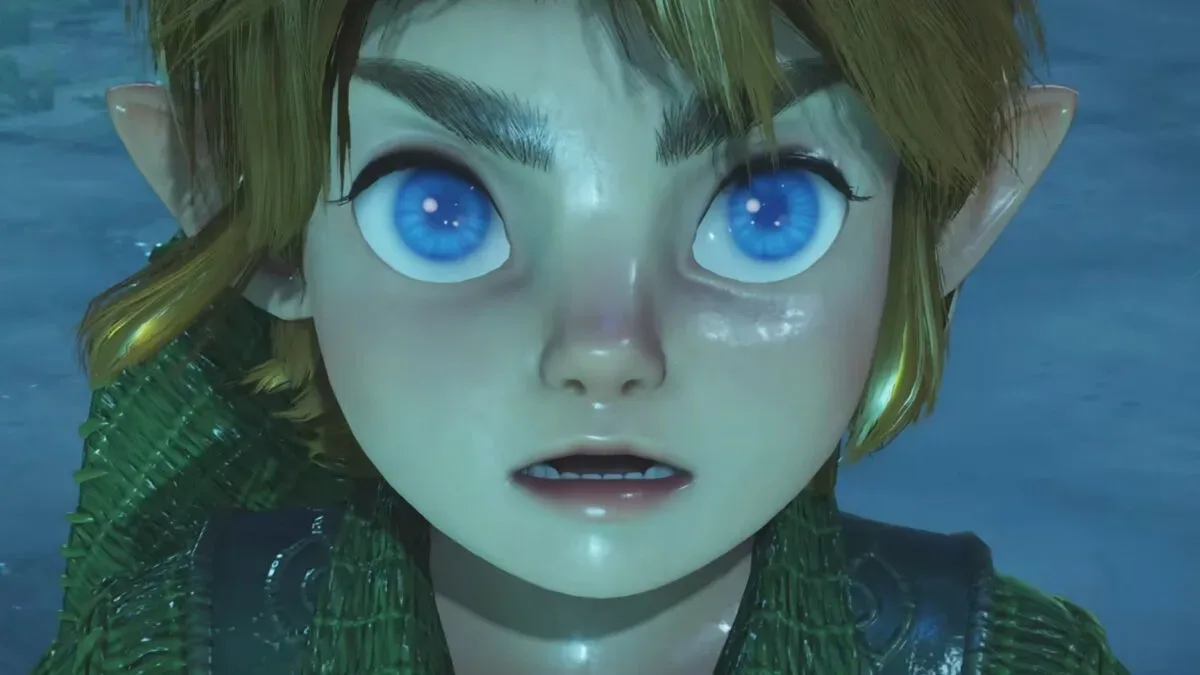
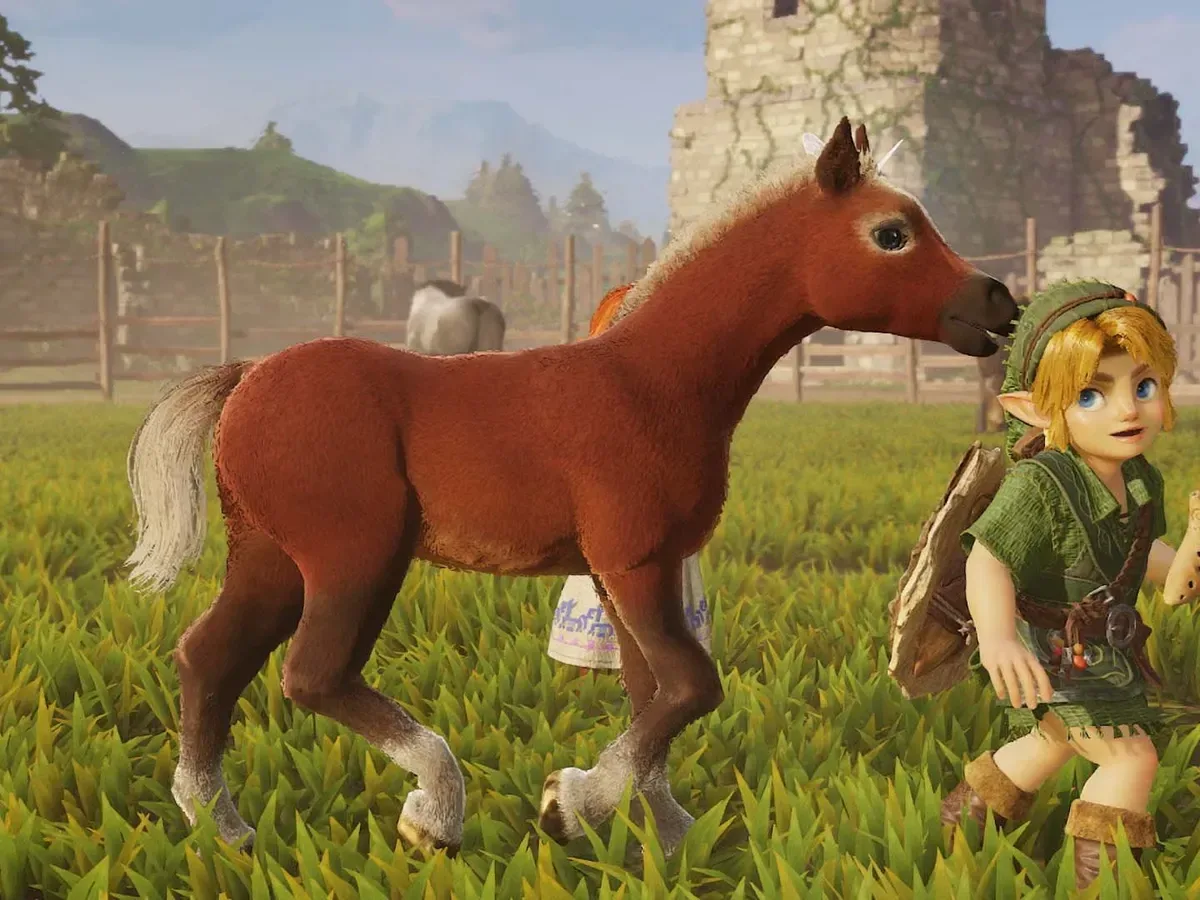
Nintendo released an Ocarina of Time remake as the holiday shopping period begins. The timing gives Switch 2 a recognizable release to support hardware sales, and the company’s share price rose 8.13% following the financial report and the remake’s release.
Still, concerns remain about the breadth of major Switch 2 releases during the year. That concern is straightforward: consoles generally benefit when a must-play game gives people a reason to buy now rather than wait. A high-profile release can sell software to existing owners while also helping move hardware to people who have not committed to the system.
The available sales data demonstrates that Nintendo’s software catalog is not standing still. Tomodachi Life: Living the Dream has sold 8.81 million units. Rhythm Heaven Groove reached 2.89 million, while Splatoon Raiders sold 2.42 million. Mario Kart World, which arrived alongside Switch 2 last year, added 1.78 million units across the two reported quarters and continues to sell steadily.
Other recent releases also made measurable contributions. StarFox, released in June, sold 1.17 million units. Fire Emblem: Fortune’s Weave, released in September, reached 1.34 million units. These are concrete signs of software activity across several Nintendo series, even if the debate around Switch 2 centers on whether the release calendar has supplied enough system-selling events at the top end.
That difference is worth keeping clear. Strong software sales are not automatically the same thing as a hardware catalyst. A game can perform well with people who already own the console, while a potential hardware buyer may be waiting for a particular franchise, genre or release moment. Nintendo’s results show titles selling in millions; the market question is whether the lineup will accelerate console purchasing enough to maintain the platform’s early trajectory.
Why the 16.5 million forecast is the key number
Nintendo’s 16.5 million-unit Switch 2 forecast for the financial year ending March 2027 is now the clearest benchmark for the months ahead. It connects supply, pricing and demand in a single target. Nintendo must have components, including memory, to manufacture systems. It must keep the console appealing at its existing price. And it must find enough buyers across the remaining months of the financial year.
The company’s claim that memory availability is adequate speaks directly to the first part. The lack of planned further price changes addresses the second. Software releases and the holiday period will do much of the work on the third.
Hardware forecasts are not merely guesses at consumer appetite. They also indicate how a company expects to manage production and components. Broader technology businesses face similar planning challenges when setting manufacturing targets; for example, a reported MacBook Neo production-target shift illustrates how closely supply expectations and demand forecasts can be linked across the hardware market.
For Switch 2 owners, the immediate practical implication is simple: Nintendo’s stated supply confidence reduces the reason to assume that a further near-term price increase is unavoidable. It does not make the system cheaper, and it does not answer every question about retailer inventory. It does, however, make the current price and upcoming game calendar the more relevant decision points for anyone weighing a purchase.
2027 is positioned as the next major opportunity
Nintendo has confirmed Pokémon Winds and Pokémon Waves for next year. There is also anticipation around a potential next mainline Super Mario game, though only the two Pokémon titles are confirmed in the information available here. That distinction matters: expectations can shape conversation, but confirmed releases are the firmer basis for assessing the road ahead.
A stronger 2027 slate could help Nintendo in several ways. It can bring existing owners back to the store for new games, broaden the system’s appeal for households waiting on a favorite series, and maintain a reason for retail attention after the holiday period. The present financial data makes that upcoming release cadence especially consequential because Nintendo is attempting to extend an already historic launch rather than build from a modest opening.
There is no contradiction in the central picture. Nintendo is reporting lower sales and lower operating profit, and Switch 2 sales have slowed markedly compared with both last year and the immediately preceding quarter. At the same time, Switch 2 has sold 26.35 million units over its lifetime, remains ahead of the original Switch on a launch-aligned basis, and is backed by Nintendo’s assertion that memory supply can support its 16.5 million-unit financial-year forecast.
The next reading of that picture will hinge on execution rather than ambiguity over another imminent price adjustment. Nintendo has committed to holding its current course on pricing. The holiday response to the Ocarina of Time remake, continuing sales of the current software lineup and the strength of the confirmed 2027 release schedule will show whether Switch 2 can turn launch-scale reach into longer-term momentum.